





Email: sales3@zhefanjewelry.com
What customization options exist for brass necklace lines?
Practical, industry-tested answers about custom brass necklaces: preventing skin reactions, choosing plating/coatings for durability, specifying chain tolerances, preserving fine logo detail, realistic MOQs/pricing drivers, and care instructions for retail-ready brass necklace lines.
- 1. How can I prevent green skin and allergic reactions from custom brass necklaces without destroying the desired antique patina?
- 2. What plating and coating options will reliably last 12+ months on brass necklace lines intended for daily wear?
- 3. How do I specify consistent chain length, clasp type, and weight tolerances when ordering small-batch brass necklaces?
- 4. Which customization methods (engraving, stamping, casting) best preserve fine logo detail on small brass pendants under 12 mm?
- 5. What are realistic MOQs, lead times, and cost drivers when launching a custom brass necklace line for retail?
- 6. How should I specify finishing and write customer care instructions so buyers keep brass necklace lines looking new and returns are minimized?
- Concluding summary: Advantages of launching custom brass necklace lines
Custom Brass Necklaces: 6 In-Depth Answers for Makers & Buyers
Brass is a favorite base metal for custom necklace lines because it balances cost, malleability, and a warm tone similar to gold. Below are six long-tail, buyer- and maker-focused questions that frequently lack detailed, accurate guidance online, followed by practical, manufacturing- and retail-ready answers drawn from industry practice.
1. How can I prevent green skin and allergic reactions from custom brass necklaces without destroying the desired antique patina?
Why this matters: Customers often return necklaces because of skin discoloration or irritation while designers want to preserve a deliberately aged or antique brass finish. The solution is a layered approach that preserves aesthetic while reducing direct skin contact with reactive copper in brass.
- Use a physical barrier that’s compatible with the patina: A thin, clear lacquer or UV-cured polyurethane layer seals the patina and reduces metal contact. Choose thin-film lacquers (micron-thin) applied by spray for even coverage so the antique look remains. Note: lacquers wear over time and may need reapplication.
- Selective sealing: Seal wear-prone contact points only — the reverse of a pendant and clasp surfaces — to maintain the visible antique finish while protecting skin. This keeps the face untouched but prevents prolonged skin exposure to bare brass.
- Use plating on high-contact areas: Rhodium, nickel-free stainless, or heavy gold plating on the reverse/edging can eliminate skin contact without changing the front-facing antique patina.
- Allergen screening: If nickel sensitivity is a concern, specify nickel-free brass alloys or request Certificates of Analysis from the mill. Modern jewelry-grade brasses typically use copper and zinc only; confirm with your vendor.
- Care and labeling: Provide customers with care instructions (avoid prolonged wet contact, apply cosmetics before wearing). Include an icon or short note on packaging about the antique finish's expected behavior and how to maintain the seal.
Result: You can achieve an authentic antique brass look while minimizing green stains and reactions by sealing contact points or using spot plating and clear-surface lacquers.
2. What plating and coating options will reliably last 12+ months on brass necklace lines intended for daily wear?
Why this matters: Retailers and designers need realistic expectations for plating durability to set warranties and care instructions. “Lasts a year” depends on plating type, thickness, wearer habits, and base surface prep.
- Standard gold flash (thin electroplating): Typical thickness 0.05–0.3 microns. It looks like gold initially but will show wear on high-contact parts within months if worn daily. Not recommended if you promise 12+ months in heavy daily use.
- Heavy gold plating / gold vermeil alternative: On brass, specify “heavy gold plating” (often 0.5–2 microns). While vermeil is sterling silver-based, heavy plating on brass with good surface prep can achieve 6–12 months of everyday wear for many customers. Expect variability with perspiration and abrasion.
- PVD (Physical Vapor Deposition): Highly durable, thin but adherent coatings used for color finishes (gold, black, rose). PVD resists abrasion and chemicals better than standard electroplating—a strong choice for 12+ months of daily wear. Note: PVD requires compatible base finishing and is costlier.
- Rhodium plating: Excellent for silver-tone protection and hypoallergenic performance. On brass it's typically used as a surface treatment over nickel barrier layers. Durable for many months but thickness and plating process matter.
- Lacquers and conversion coatings: Clear sealers (conversion coatings or lacquers) add corrosion resistance and extend the life of plating and patinas. They’re a cost-effective addition to improve longevity but are susceptible to abrasion.
Recommendation: For retail lines promising year-long durability in everyday wear, use PVD or heavy electroplating (≥0.5 µm) plus professional surface prep and clear top coat. For budget lines, offer clear care guidelines and a shorter expected wear window.
3. How do I specify consistent chain length, clasp type, and weight tolerances when ordering small-batch brass necklaces?
Why this matters: Small-batch and DTC sellers often face inconsistent fit, customer complaints, and inventory headaches when tolerances aren’t defined in purchase specs.
- Chain length and tolerance: Specify nominal lengths and acceptable tolerance (e.g., 40 cm ±3 mm). For very short chains (<30 cm) tighten the tolerance to ±2 mm. Include where the measurement is taken (end-to-end including clasp) and whether the clasp is included.
- Clasp type and functional specs: Define the exact clasp (lobster #3, spring ring 6 mm, etc.), material (stamped brass, plated brass, stainless steel), and a pull force requirement (e.g., 25 N minimum) for QC. Include a photo or sample part number whenever possible.
- Weight tolerance and feel: For pendants, specify expected pendant weight ±5–10% and balance point (where it sits on the chain). For chains, specify grams per meter or chain gauge to ensure consistent drape.
- Acceptance criteria and inspection: Create a one-page QC checklist for the supplier: chain length, clasp operation, plating uniformity, jump ring soldering, pendant alignment, and finishing defects. Request photos of first-run samples and a small pre-production batch for approval.
- Use master samples: Agree on physical master sample(s) and retain them for reference. Add a clause that production must match the master within agreed tolerances.
Practical tip: For small-batch runs, add a +/- allowance to pricing for tighter tolerances. Suppliers will often accommodate ±3 mm and ±5–10% weight tolerances without tooling changes; stricter tolerances may require additional inspection fees.
4. Which customization methods (engraving, stamping, casting) best preserve fine logo detail on small brass pendants under 12 mm?
Why this matters: Logos and micro-detail are common brand requirements; the wrong method can blur or lose features on small pendants.
- Laser engraving: Best for high-resolution, non-relief logos on small surfaces. Vector-based artwork produces crisp contrast; depth control is precise so tiny text (1–1.5 mm high) can remain legible depending on font choice. Laser works on polished, plated, and patinated surfaces but may reveal contrasting colors differently.
- Micro-stamping / hand stamping: Cost-effective for small production and gives a stamped relief look. However, the method struggles with hairline detail and can deform thin pendants. Use for bold, simple logos rather than intricate marks.
- Precision casting (lost wax / investment): Good when you want raised detail (relief) as part of the pendant shape. Requires fine tooling and careful mold finishing to retain crisps: invest in high-quality master carving or high-resolution 3D-printed wax masters. Expect higher tooling costs but excellent reproduction for multiple pieces.
- CNC milling: For brass blanks with precise pockets and reliefs. CNC provides consistent mechanical detail retention but is more expensive per unit and less flexible for organic shapes than casting.
- Design-for-manufacture considerations: Use simple, high-contrast logos; avoid hairline serifs; maintain minimum stroke widths (typically ≥0.25–0.5 mm for cast relief, ≥0.15–0.25 mm for laser engraving depending on equipment). Provide vector artwork and request a test sample at actual scale.
Bottom line: For sub-12 mm pendants where crisp brand marks are essential, prioritize laser engraving for surface detail or precision casting for relief. Request a proof at actual size before full production.
5. What are realistic MOQs, lead times, and cost drivers when launching a custom brass necklace line for retail?
Why this matters: Designers and small brands need accurate expectations for inventory planning and pricing. MOQs and lead times vary, but knowing the common ranges and cost drivers helps budget and schedule correctly.
- Typical MOQs: Many established manufacturers quote 50–200 pieces per SKU for custom brass necklace production when tooling is required. If you accept existing chain types and standardized components, some suppliers will do smaller runs (10–50) but at a higher per-unit cost.
- Lead times: Expect 6–12 weeks from final artwork approval to finished goods for a new SKU that requires tooling, plating, and QC. Rush services are sometimes available for an additional fee but can affect quality. Small modifications to existing molds or chains reduce lead time to 3–6 weeks.
- Primary cost drivers:
- Tooling and master/sample development (one-time cost).
- Material weight (grams of brass) and pendant thickness.
- Plating type and thickness (PVD and heavy plating cost more).
- Gemstone setting, enameling, or multi-step patinas.
- Packaging, finishing (polish, brushing, hand antiquing), and inspection labor.
- Ways to reduce costs: Use standardized chain components, limit plating surface area (partial plating), choose stamping over casting, and consolidate SKUs to larger runs per style.
Note: Always request an itemized quote that separates one-time tooling costs from per-piece costs so you can model unit economics as order quantities scale.
6. How should I specify finishing and write customer care instructions so buyers keep brass necklace lines looking new and returns are minimized?
Why this matters: Clear finish specs and care recommendations reduce returns, improve customer satisfaction, and extend perceived product quality.
- Finish spec sheet for production: Define finish type (polished, satin, antique), plating coating and thickness, lacquer or top coat type, and edge treatment. Include high-resolution photos of accepted vs. rejected defects and define acceptable surface variance.
- Customer-facing care instructions (short & clear):
- Avoid wearing in pools, hot tubs, or during heavy perspiration.
- Remove before applying lotions, perfumes, or hairspray.
- Gently wipe with a soft, dry cloth after wear; avoid abrasive cleaners.
- Store in a dry pouch or anti-tarnish paper to slow oxidation.
- Warranty and return policy clarity: State what constitutes manufacturing defects vs. normal wear. Offer repair or re-lacquering as a lower-cost post-sale service to retain customers rather than full refunds.
- Include an FAQ card: A small insert describing the finish (e.g., “this piece has an intentional antique patina”) and an icon indicating if the reverse is sealed reduces confusion.
By combining precise factory finish specs with concise consumer care instructions and a reasonable after-sales repair policy, brands can reduce returns and build trust.
Concluding summary: Advantages of launching custom brass necklace lines
Custom brass necklace lines offer an excellent balance of affordability, design flexibility, and a warm aesthetic that complements plated finishes. Brass is easy to form, cast, and plate, enabling varied finishes—from bright gold tones to rich antique patinas—and supports cost-effective personalization (laser engraving, casting, stamping). With thoughtful finishing choices (PVD or heavy plating where needed), clear QC tolerances, realistic MOQs and lead times, and transparent customer care guidance, brands can deliver attractive, durable necklaces that perform well in retail environments and DTC channels.
For a tailored quote and production timeline for your brass necklace line, contact us at www.zhefanjewelry.com or email sales3@zhefanjewelry.com.
Recommended for you
What is Zircon Jewelry?-The Ulimate Guide
Choosing the Right Metal for Jewelry Making - Practical Guide
Does Brass Jewelry Tarnish? Is Brass Jewelry Good? Complete Guide from a Professional Jewelry Manufacturer
2026 Wholesale Trends: Why Your Brand Needs Custom Sterling Silver Jewelry
Is Brass Jewelry Good? Does Brass Jewelry Tarnish? The Complete Guide to Brass Jewelry Quality, Care, Longevity & Why It’s Trending
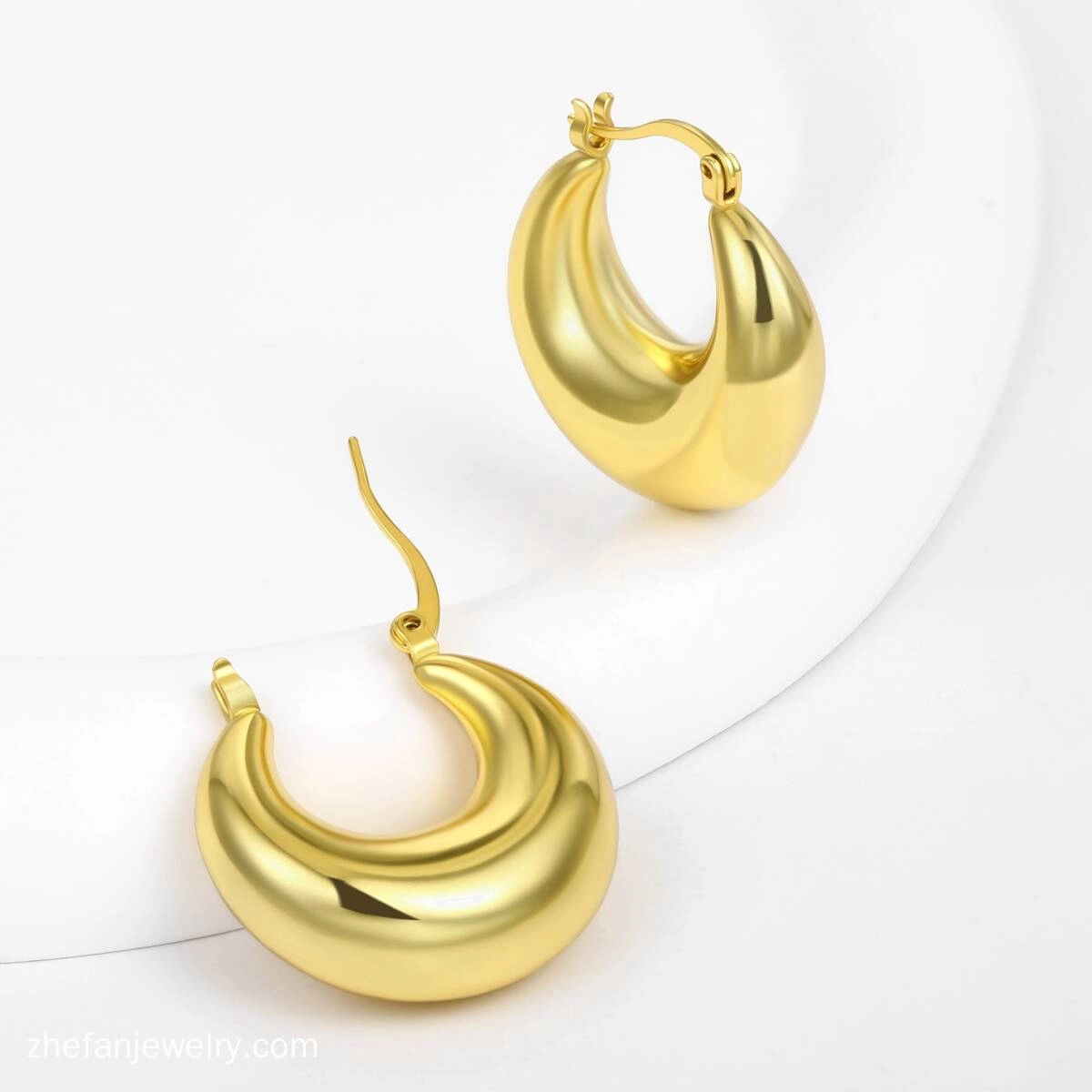
Launch Your Brand: A Guide to Sourcing Custom Wholesale Brass Huggie Earrings
Prdoucts Categories
FAQ
FAQs
What’s the lead time? .
We could arrange shipment for you within 48 hours if you order models in stock. For bulk order, it
takes 10-25 days for production depending on order quantity and styles.
Do you offer after-sales warranty service?
Yes, we will refund or resend products if fading, stone falling off and other quality problems found in 1 month receipt of goods.Furthermore, we offer 1 year after-sales warranty service, but you need pay the shipping charge.
Products
Do you offer free sample for quality check?
Sample order is welcome, but sample fee need to be paid. It will be deducted when you place an bulk order.
What services can we provide?
Accepted Delivery Terms: FOB, CIF, EXW, Express Delivery;
Accepted Payment Currency: USD, EUR, JPY, CAD, AUD, HKD, GBP, CNY, CHF;
Accepted Payment Type: T/T, L/C, MoneyGram, Credit Card, PayPal, Western Union, Cash, Escrow;
Language Spoken: English, Chinese, Spanish, Japanese, Portuguese, German, Arabic, French, Russian, Korean, Hindi, Italian.
What’s the shipment method? How long does it take for delivery?
Our product distributed to all over the world. Shipped by DHL / Fedex / TNT / UPS takes 3-7 days, Epacket takes 7-15 days, China Post takes 15-30 days.
Can you engrave my logo on the jewelry ?Do you supply OEM/ODM service?
Yes. Custom logo and OEM/ODM are both accepted.Our factory specializes in jewelry manufacturing for 25 years.We can produce jewelry by your sample, design, pictures, even by an idea.Please feel free to contact us for more details. Custom order process: Inquiry-Confirm products details-Pay mold fee -Confirm CAD draft-Quote-Initial payment-Produce mold & sample-Confirm Sample-Mass production-Balance payment-Shipment-Track shipment-delivery.
Discuss Your Ideas with a Professional Custom Jewelry Manufacturer
We provide personalized jewelry customization services for clients worldwide.
Rest assured that your privacy is important to us, and all information provided will be handled with the utmost confidentiality.
By clicking 'Send Inquiry Now' I agree to ZHEFAN JEWELRY processing my personal data.
To see how to withdraw your consent, how to control your personal data and how we process it, please see our Privacy Policy and Terms of use.
From design to production, ZHEFAN JEWELRY offers a one-stop solution to help you enhance your brand value and market competitiveness.
Get A Quote
Contact
Tel: (+86) 188 1927 7817
© 2026 Zhefan Jewelry. All Rights Reserved.
Facebook
Instagram
YouTube
Whatsapp: +8618819277817