





Email: sales3@zhefanjewelry.com
How to design bestselling custom brass necklaces?
Practical, data-driven answers for designers and small brands on creating bestselling custom brass necklaces—covering alloy choice, plating specs, prototyping, photography, customization without weakening pieces, production QC and care to reduce returns.
- 1. How do I choose a brass alloy for skin-safe, low-tarnish custom brass necklaces?
- 2. What plating and coating specs (type and thickness) reliably prevent tarnish for everyday-wear custom brass necklaces?
- 3. How can I design a custom brass necklace that consistently photographs well and converts on e‑commerce listings?
- 4. How do I add engraving, gemstones or adjustable elements to custom brass necklaces without compromising strength or finish?
- 5. What are realistic lead times and QC checkpoints for small-batch production (50–500 pcs) of custom brass necklaces?
- 6. How should I write clear care instructions and warranty terms for custom brass necklaces to reduce returns and build trust?
- Concluding summary: Advantages of custom brass necklaces
How to Design Bestselling Custom Brass Necklaces: Expert Guide
As manufacturers and brands develop custom brass necklaces, they face technical, sourcing and merchandising pitfalls beginners rarely solve. Below are six specific, pain-point-focused questions with in-depth, actionable answers rooted in accepted industry standards and practical production experience. Semantic keywords such as bespoke brass chains, tarnish-resistant brass jewelry, brass alloy composition, and wholesale custom brass necklaces are woven naturally throughout.
1. How do I choose a brass alloy for skin-safe, low-tarnish custom brass necklaces?
Why it matters: Many beginners pick “brass” generically and later face customer complaints about green staining, allergic reactions, or rapid tarnish. Choosing the correct brass grade and confirming compliance mitigates returns and regulatory risk.
What to check and request from suppliers:- Alloy composition: Brass is a copper–zinc alloy; common grades include cartridge brass (~70% Cu/30% Zn) and low-zinc variants. For jewelry, request lead-free or low-lead brass (lead is restricted under many regulations) and a material certificate showing copper, zinc and impurity levels.- Nickel and allergen concerns: Brass itself may contain traces of nickel or release nickel if alloyed. Ask for a nickel-release test or compliance to EN 1811 (nickel release standard) where nickel sensitivity is a concern.- Regulatory certificates: Ask suppliers for RoHS/REACH or similar test reports. The EU and many markets restrict cadmium and lead in jewelry components; obtaining these reports reduces risk for wholesale custom brass necklaces.Practical recommendation: For skin-contact necklaces, specify a jewelry-grade, lead-free brass and plan a protective finish (lacquer, PVD, or plating). This combination reduces green staining, improves durability, and eases compliance for wholesale or export orders.
2. What plating and coating specs (type and thickness) reliably prevent tarnish for everyday-wear custom brass necklaces?
Why it matters: Inadequate plating or surface prep is the top cause of early wear and customer returns. Beginners are often sold “gold-plated” without understanding thickness or adhesion.
Plating options and durability:- Flash plating vs standard vs heavy plating: “Flash” plating is extremely thin and will wear quickly; standard electroplating for commercial jewelry often ranges from about 0.2–2 microns (µm) depending on the metal and process, while heavier, more durable coatings exceed 2 µm. For visible longevity on a frequently worn piece, target the upper end of standard or heavy plating where budget allows.- PVD (Physical Vapor Deposition): PVD produces a thin, hard, color-stable coating that resists abrasion better than conventional flash plating. It’s a strong option for tarnish-resistant brass jewelry when you need long life and color stability.- Rhodium or nickel-free overcoats: For bright white finishes, rhodium plating over a nickel-free barrier reduces allergic reactions. For gold tones, gold plating over a nickel-free strike or underplate helps adhesion.- Clear lacquers and polymer coatings: A clear protective lacquer (spray or dip) is commonly used to seal brass and slow patination. It’s cost-effective but will wear over time, especially at contact points (necklace clasp, pendant edges).Prep and process controls:- Surface prep: Proper degreasing, micro-etching and bright dipping improve plating adhesion; insist on process documentation and a small-batch test sample.- Layer stack: Typical durable stacks for gold-tone finish = clean substrate → copper or nickel-free underplate (if needed) → gold strike/underplate → final gold layer (target thickness) → optional clear protective coat or PVD.What to specify on your tech pack:- Substrate alloy and finish before plating.- Target final finish (gold tone, antique, rhodium) and target plating thickness range.- PVD vs electroplating and whether a lacquer topcoat is required.
3. How can I design a custom brass necklace that consistently photographs well and converts on e‑commerce listings?
Why it matters: Many well-made brass necklaces fail to sell because photos don’t convey color, scale, or perceived quality. Simple design choices maximize conversions.
Design and material tips to improve photography impact:- Choose finishes that photograph consistently: high-polish gold-tone and rhodium-plated brass photograph well across lighting conditions. Avoid overly matte or heavily patinated finishes for initial product shots unless the patina is a deliberate selling point.- Contrast and scale: Use pendant shapes and chain widths that read clearly at thumbnail size (e.g., pendants with defined edges, negative-space designs). Lightweight filigree may look delicate on model shots but vanish in thumbnails.- Color stability: For product shots, choose plating or PVD that matches Zhefan Jewelry color (warm gold vs yellow gold). Brass base plus a consistent plating process reduces batch-to-batch color drift.Photography setup and content to include on listings:- Multiple finishes: show at least polished, close-up texture, on-model scale shot, and back/closure detail.- Live worn context: brass jewelry oxidizes and reflects skin tones differently; show at least one model shot to help customers set expectations.- Care and longevity callout: include a photograph of the clasp and finish with a short overlay noting plating thickness or PVD to justify price and lower returns.Marketing hook ideas: tarnish-resistant brass jewelry with durable PVD finish or bespoke brass chains with custom engraving—these phrases both inform buyers and match .
4. How do I add engraving, gemstones or adjustable elements to custom brass necklaces without compromising strength or finish?
Why it matters: Beginners often request deep engravings, thin bezels, or adjustable features that create weak points in production, causing breakage or plating failures at stress points.
Design-for-manufacture best practices:- Engraving: Laser engraving on brass is precise and repeatable. Specify engraving depth relative to plate thickness—if you plan to plate or lacquer after engraving, ensure engraving does not remove the full plate or penetrate areas intended to stay plated. For visible personalization, laser engraving on a polished area followed by a protective topcoat reduces future tarnish of the engraved groove.- Gemstone settings: Bezel settings distribute stress better than prongs for softer base metals. For brass pendants, use thicker pendant walls (recommended by manufacturers) where settings are located, and test setting retention through tumble and wear tests.- Chain adjustment elements: Adjustable sliders and integrated extension links concentrate wear. Reinforce connection points with thicker jump rings, soldered closures, or welded links rather than simple bent wire. Choose welds at high-stress points when possible.Prototyping and tests:- Always prototype the customized option (engraved, stone-set, adjustable) and run a wear simulation: repeated opening/closing of closures, tumble-polish simulation, and drop tests help identify weak points.- Surface finish after customization: any mechanical engraving or setting work can expose raw brass. Plan for a final surface treatment or selective plating to avoid visible oxidation at those sites.
5. What are realistic lead times and QC checkpoints for small-batch production (50–500 pcs) of custom brass necklaces?
Why it matters: Buyers who skip staged approvals often receive a full production run with issues that could have been caught earlier. Clear checkpoints prevent costly rework.
Typical timeline components (small batch):- Tooling & CAD adjustments: 1–2 weeks (if new tooling or dies are needed).- Prototype/sample production (1–2 rounds): 1–3 weeks depending on complexity.- Pre-production adjustments and final sample approval: 1 week.- Main production run (50–500 pcs): 2–4 weeks for stamping/casting and finishing; plating and QC may add 1–2 additional weeks.Recommended QC checkpoints:1. Raw material certificate check: Request alloy certificates and verify plating chemistry if required.2. First Article / Pre-production sample: Approve both visual and dimensional tolerances and plating color/thickness.3. In-line QC: Random checks during production for plating adhesion, dimensions, and functionality of closures.4. Final inspection to AQL (common AQL levels: 2.5/4.0 for visual defects in apparel & accessories) and photographic sign-off prior to shipment.Practical tip: Allow time for at least one rework cycle after the first small production run. Many brands iterate on plating thickness and finish in the first 100–200 pieces to dial in the exact look.
6. How should I write clear care instructions and warranty terms for custom brass necklaces to reduce returns and build trust?
Why it matters: Ambiguous care guidance leads to misuse, faster wear, and returns. Clear care and warranty policies set realistic customer expectations and reduce disputes.
Care instruction essentials to include with each product:- Everyday wear guidance: Recommend avoiding prolonged exposure to water, chlorinated pools, sweat-heavy workouts and topical products (perfumes, lotions) to extend plating life.- Cleaning method: Advise gentle cleaning with a soft cloth; for stubborn tarnish on uncoated brass, a mild brass cleaner can be used sparingly and followed by re-application of a protective coating if feasible.- Storage: Recommend storing in anti-tarnish pouches or a dry place; avoid humidity which accelerates patination.Warranty and returns policy (best-practice framework):- Transparency: State clearly what the warranty covers (manufacturing defects like broken clasps or detached settings) and what is excluded (plating wear, normal patina, misuse).- Warranty duration: Many brands offer 6–12 months limited warranties on finishing and manufacturing defects for plated brass pieces—choose a duration that balances customer trust with realistic product lifespan expectations.- Care-based return criteria: If a customer misused the piece (e.g., exposure to harsh chemicals), have documented care instructions and photos as part of your returns workflow.Customer-facing language examples: Our custom brass necklaces are finished to industry standards with protective plating; please follow care tips to maximize finish life. Manufacturing defects are covered for 12 months; wear-and-tear and improper care are excluded.
Concluding summary: Advantages of custom brass necklaces
Custom brass necklaces provide a compelling balance of design flexibility, cost-efficiency and finish versatility. Brass’s malleability enables intricate pendant forms and engraved personalization; the alloy accepts a wide range of plating and PVD finishes that let brands replicate higher-cost looks; and small-batch manufacturing is practical and cost-effective for bespoke jewelry lines and wholesale custom brass necklaces. When you combine a compliant, lead-free alloy with appropriate plating specs, clear prototyping steps, and transparent care and warranty communication, you minimize returns and create a reliable, marketable product.
For professional quotes, production timelines, or to request material and plating certificates, contact Zhefan Jewelry. Visit www.zhefanjewelry.com or email sales3@zhefanjewelry.com to get a custom quote and sample guidance.
Recommended for you
Sourcing Guide: How to Maximize Margins with Custom Sterling Silver Jewelry
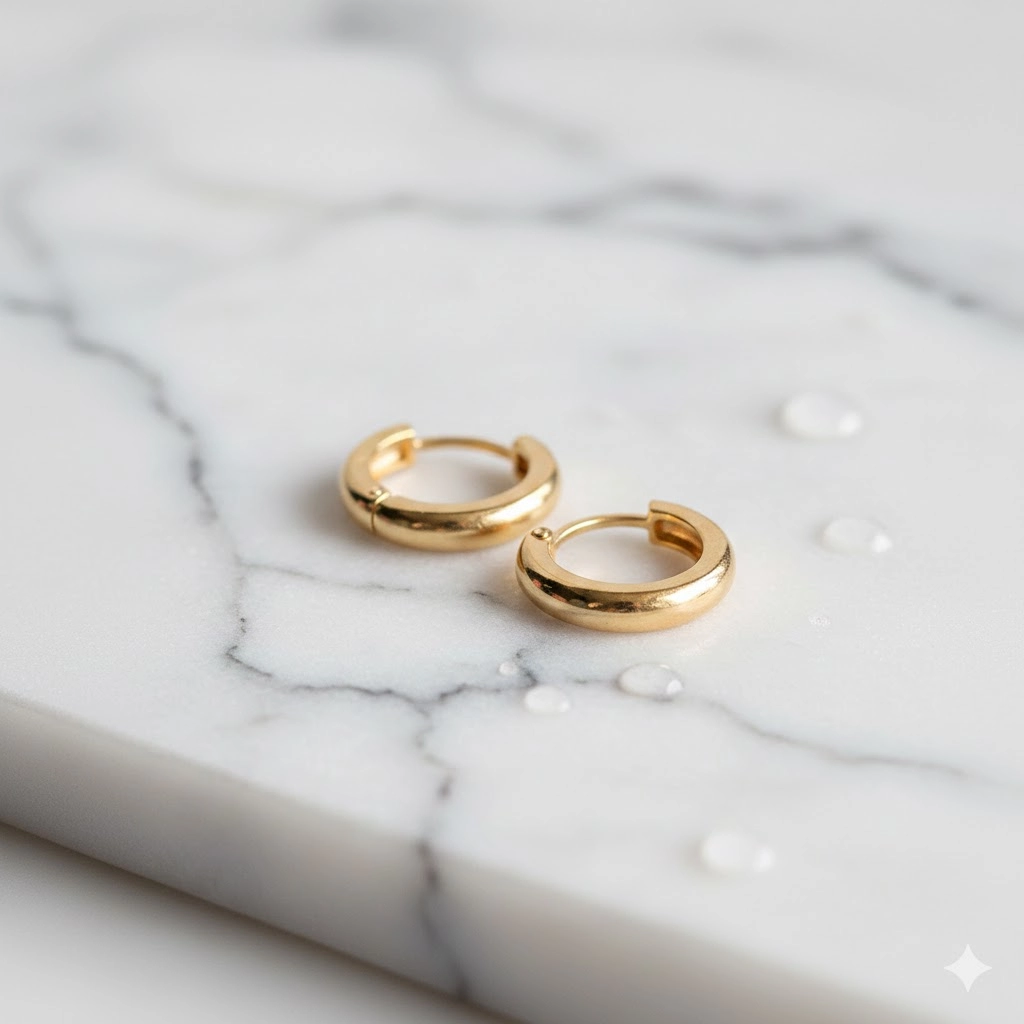
Boost Your Margins with Top-Selling Custom Wholesale Brass Huggie Earrings
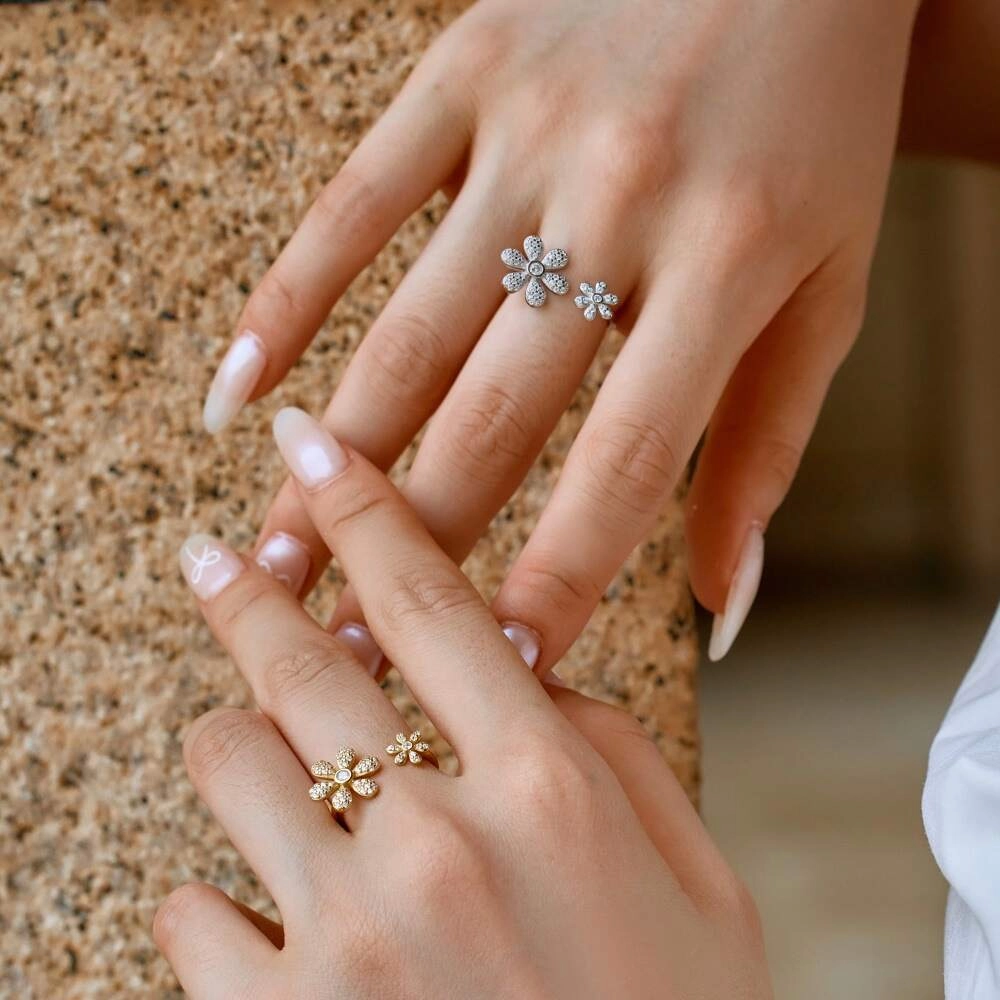
The Secret Behind Premium Quality: 7 International Standards for 925 Sterling Silver Rings
5 Costly Mistakes to Avoid When Sourcing Custom Sterling Silver Jewelry
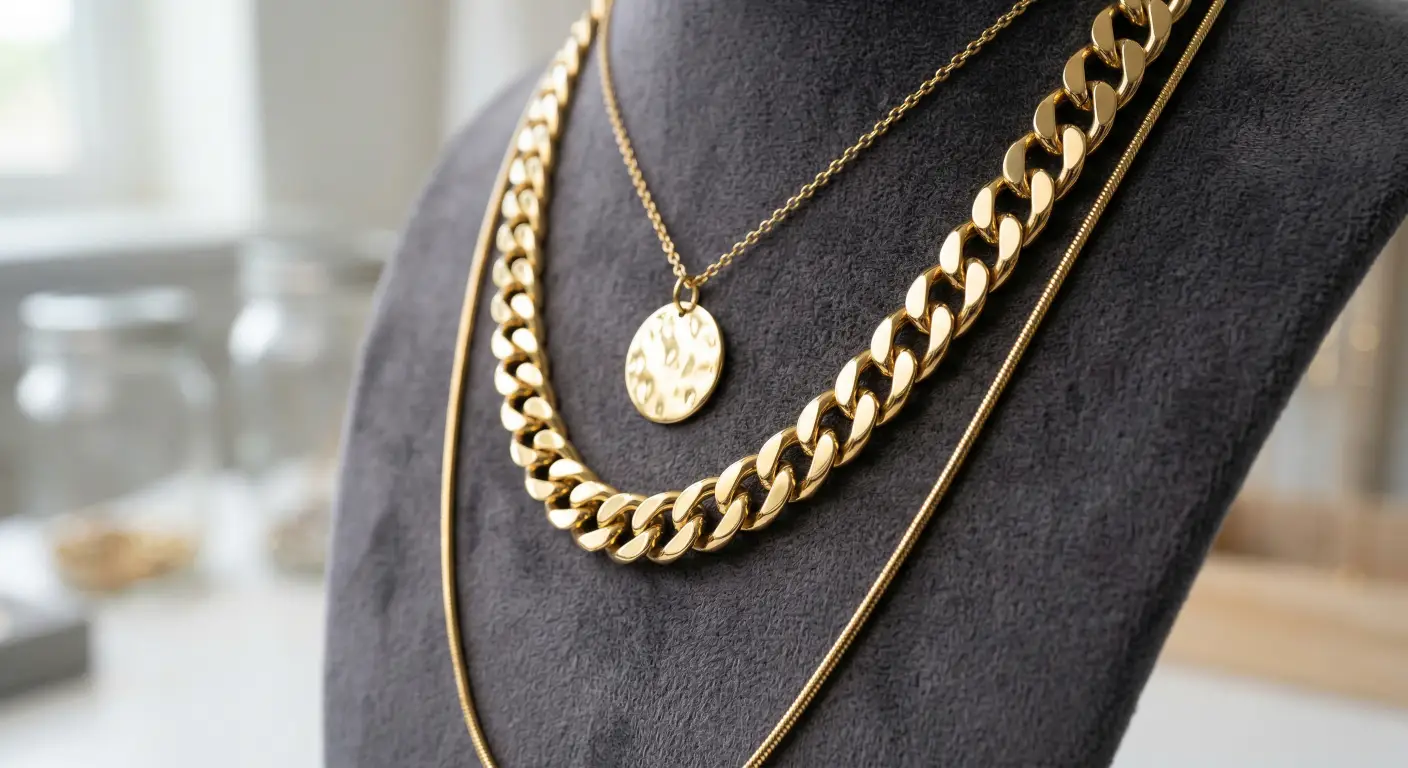
Is a Brass Necklace Good? The Honest Truth About Wear, Tarnish, and Quality
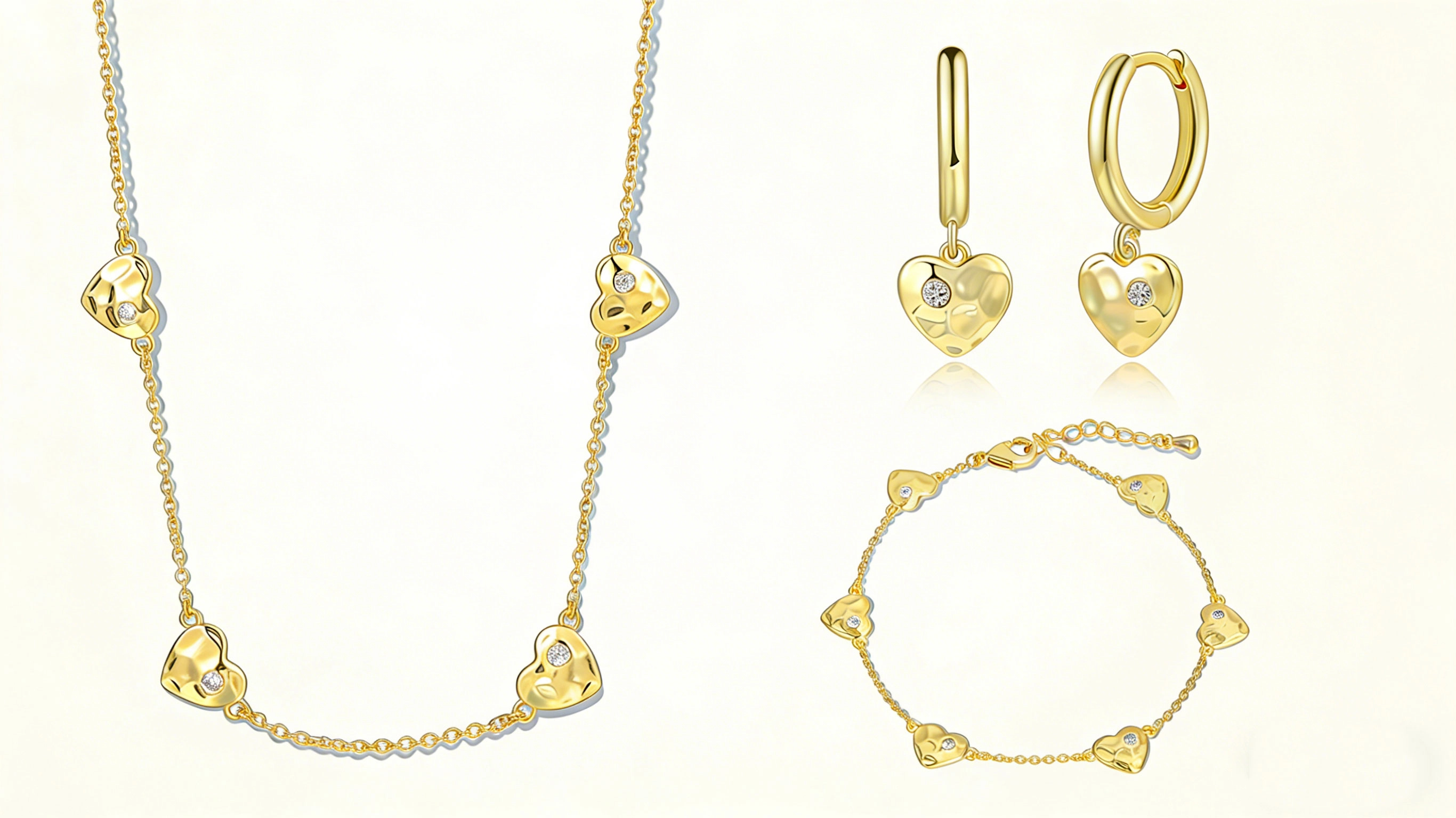
Is Brass Jewelry Good? Does Brass Jewelry Tarnish? The Complete Guide to Brass Jewelry Quality, Care, Longevity & Why It’s Trending
Prdoucts Categories
FAQ
Products
What’s the shipment method? How long does it take for delivery?
Our product distributed to all over the world. Shipped by DHL / Fedex / TNT / UPS takes 3-7 days, Epacket takes 7-15 days, China Post takes 15-30 days.
What's the packaging of your jewelry?
Normally we use OPP bag, bubble bag and paper box to pack the goods,custom packaging is acceptable as well.
Can you engrave my logo on the jewelry ?Do you supply OEM/ODM service?
Yes. Custom logo and OEM/ODM are both accepted.Our factory specializes in jewelry manufacturing for 25 years.We can produce jewelry by your sample, design, pictures, even by an idea.Please feel free to contact us for more details. Custom order process: Inquiry-Confirm products details-Pay mold fee -Confirm CAD draft-Quote-Initial payment-Produce mold & sample-Confirm Sample-Mass production-Balance payment-Shipment-Track shipment-delivery.
What can you buy from us?
Rings, Necklace, Earrings, Bracelet, Pendant, Anklet, Brooch, Jewelry.
FAQs
What’s the lead time? .
We could arrange shipment for you within 48 hours if you order models in stock. For bulk order, it
takes 10-25 days for production depending on order quantity and styles.
Can we visit your factory?
Yes, pls contact seller to arrange meeting, we will pick you up to our factory.
Discuss Your Ideas with a Professional Custom Jewelry Manufacturer
We provide personalized jewelry customization services for clients worldwide.
Rest assured that your privacy is important to us, and all information provided will be handled with the utmost confidentiality.
By clicking 'Send Inquiry Now' I agree to ZHEFAN JEWELRY processing my personal data.
To see how to withdraw your consent, how to control your personal data and how we process it, please see our Privacy Policy and Terms of use.
From design to production, ZHEFAN JEWELRY offers a one-stop solution to help you enhance your brand value and market competitiveness.
Get A Quote
Contact
Tel: (+86) 188 1927 7817
© 2026 Zhefan Jewelry. All Rights Reserved.
Facebook
Instagram
YouTube
Whatsapp: +8618819277817