





Email: sales3@zhefanjewelry.com
How to request samples for custom brass necklace designs?
Practical, industry-vetted answers for buyers ordering custom brass necklaces: what technical files to supply, realistic sample fees and lead times, plating/coating specs for daily wear, compliance testing (RoHS/REACH/nickel-free), robust sample approval checklists, and durability tests you can require.
- 1. What exact technical specs and files should I provide to get an accurate sample quote for a custom brass necklace (including tolerances, alloy, plating, and clasp details)?
- 2. How can I test sample brass necklace prototypes for long-term wear, tarnish, and plating durability before placing a full order?
- 3. What are realistic sample fees, tooling costs, and MOQs for custom brass necklaces — and how can I reduce upfront costs?
- 4. How can I ensure custom brass necklaces are nickel-free and compliant with RoHS/REACH — what documentation and on-sample tests should I demand?
- 5. Which plating and coating options deliver the best durability for gold-toned brass necklaces that will be worn daily, and what plating thicknesses/processes should I request?
- 6. How do I structure an approval checklist and sign-off process for samples to avoid disputes and ensure mass production matches the approved brass necklace sample?
1. What exact technical specs and files should I provide to get an accurate sample quote for a custom brass necklace (including tolerances, alloy, plating, and clasp details)?
Provide a single, consolidated technical brief to eliminate guesswork. The brief should include:
- Vector artwork and dielines: AI/EPS/PDF with 1:1 scale and layers separated (logo, text, cut, engrave, texture). Include exact font files or convert text to outlines.
- 3D data (if applicable): STEP/IGES/STL for pendant volumes and cavities. For cast or 3D-printed prototypes, STL with wall thickness indicated is essential.
- Critical dimensions & tolerances: overall pendant length/width/thickness, hole diameters, chain eye size, clasp gap. State tolerances, e.g., ±0.2 mm for small features; note which dimensions are critical.
- Material and alloy preference: specify “brass C260 (approx. 70% Cu / 30% Zn)” or state acceptable copper content range (60–70% Cu) if not using a specific standard. Declare requirements for lead-free or reduced-lead brass if needed.
- Surface finish & plating spec: e.g., “gold-tone, PVD coating over nickel-free base; PVD thickness 0.2–1.0 µm; optional clear lacquer for extra tarnish protection.” If you want antique/oxidized finishes, include reference photos and target patina density.
- Plating thickness target and test method: give a target (e.g., electroplate 0.3–0.8 µm Au over brass) and require XRF verification during sampling.
- Hardware and chain spec: chain type (snake, cable, curb), link thickness, chain gauge, clasp type (lobster, spring ring), solder joint requirements, jump ring size and soldering preference.
- Packaging & labeling: sample packaging (polybag vs. gift box), tags, barcode/UPC, and any batch/lot traceability requirements.
- Quantity and delivery expectations: state if sample is for approval only or small production run, desired lead time, and shipping method.
- Acceptance criteria: measurement sheet, plating adhesion, visual color reference under daylight, and any functional tests (clasp strength, chain pull test).
Delivering this package lets manufacturers give accurate sample fees, tooling estimates, and production lead times for your custom brass necklaces and brass pendants.
2. How can I test sample brass necklace prototypes for long-term wear, tarnish, and plating durability before placing a full order?
Order at least two types of samples: a functional prototype (to test fit and function) and a finished sample with final plating/coating and packaging. Ask the supplier to perform or provide results for these tests:
- Visual & color match under D65 lighting: compare against a Pantone/reference swatch and provide high-res photos straight, angled, and macro.
- Plating thickness by XRF: supplier should record µm values for at least three spots per sample (front, edge, back). For electroplated gold finishes on fashion brass, expect typical ranges of 0.1–1.0 µm; durable finishes and vermeil-style coatings are higher.
- Adhesion / tape test: cross-hatch and tape pull per ISO 2409. Expect no peeling for acceptable adhesion.
- Accelerated tarnish / corrosion: request salt‑spray (ASTM B117) or humidity chamber results for a small sample batch, or at minimum a 48–96 hour spot test; ask supplier for test duration/results.
- Abrasion / crock test: simulate wear by rubbing plated surfaces over fabric for a set number of cycles (e.g., 500–2000) to check color transfer or blackening.
- Mechanical tests: clasp opening/closing cycle test (e.g., 5,000 cycles), chain tensile/pull test to client-required kg force, and solder joint fatigue test.
- Real-world wear trial: wear test on 5–10 testers for 2–8 weeks under normal daily conditions and report observations (sweat resistance, discoloration, skin reaction).
For supply-chain trust, request independent lab reports from SGS, Intertek or Bureau Veritas for plating thickness, nickel release, and RoHS/REACH compliance where applicable. If independent testing is not practical for a single sample, require the supplier’s in-house test data plus a third-party lab plan prior to production.
3. What are realistic sample fees, tooling costs, and MOQs for custom brass necklaces — and how can I reduce upfront costs?
Typical cost structure (industry-typical ranges):
- Simple flat pendant sample (laser-cut, stamped): $30–$120 per sample.
- Complex cast or multi-component prototype (lost-wax casting, 3D printing, custom die): $100–$400 per sample, higher if CNC finishing is needed.
- Tooling / die costs: custom stamping dies or injection molds can range from $50–$800 depending on complexity and whether the die is shared or single-use. Wax injection rubber molds for casting are usually lower.
- MOQ on full production: often 50–500 pcs for plated brass necklaces, depending on supplier and finish. Some factories will accept lower MOQs at a higher per-unit price.
Ways to reduce costs:
- Use standard chain/standard clasp parts from supplier inventory instead of bespoke hardware.
- Request shared tooling or artwork reuse if launching multiple SKUs (common shapes can be batch-striped).
- Start with a plated prototype rather than expensive solid-metal prototypes—gold plated brass is much cheaper than solid gold to validate market fit.
- Consolidate SKUs for the first run or use mix-and-match production (e.g., 5 designs, 100 pcs total) to meet MOQ with variety.
Ask the manufacturer for a transparent cost breakdown (sample fee, tooling, plating, packaging, freight) so you can identify negotiable items.
4. How can I ensure custom brass necklaces are nickel-free and compliant with RoHS/REACH — what documentation and on-sample tests should I demand?
To manage risk and comply with buyer-country regulations, request the following from the supplier before approving production:
- Material Certificate (Mill Test Report) for the brass alloy or a supplier declaration that the brass is lead-free and meets your alloy spec (e.g., C260/corresponding standard).
- Third-party lab test certificates (SGS/Intertek/BV) for: nickel release testing, RoHS (restricted substances), and REACH SVHC screening if selling to EU customers.
- Batch traceability: lot numbers linked to production runs and plating baths so any non-conforming batch can be identified.
- Nickel release tests and lead content tests are standard buyer requirements for jewelry. If your market requires it, request the supplier’s recent nickel test reports and an agreed-upon re-test frequency (e.g., quarterly or per production run).
If suppliers claim nickel-free, require a verifiable lab report for that batch. Also ask about surface barriers—rhodium plating or PVD plus a clear lacquer reduces risk of metal release and skin reaction.
5. Which plating and coating options deliver the best durability for gold-toned brass necklaces that will be worn daily, and what plating thicknesses/processes should I request?
Plating/coating options by durability (practical ordering guidance):
- PVD (Physical Vapor Deposition): offers excellent adhesion and surface hardness; preferred for gold-tone pieces with high wear resistance. Best for items expecting daily wear and exposure to sweat.
- Thick electroplating: heavier gold electroplate (close to 0.5–2 µm where practical) gives better longevity than standard thin flash plating (0.05–0.2 µm). Request XRF verification.
- Rhodium plating over brass: provides a bright, tarnish-resistant and hypoallergenic finish—good for silver-tone designs.
- Clear lacquer / anti-tarnish sealants: an additional protective layer that reduces direct metal-to-skin contact and slows oxidation; useful for antique brass finishes where you want to preserve tone.
What to request from the factory:
- Specify the plating process (PVD vs. electroplating), the target thickness range and the test method (XRF), plus adhesion and salt-spray test requirements.
- For PVD, describe color reference and expected wear life (ask for prior wear test data if possible). For electroplating, require a minimum µm target and a post-plate seal.
Note: Gold vermeil standards apply to silver, not brass—do not confuse vermeil claims on brass pieces. Use the correct terminology with suppliers and require documentation.
6. How do I structure an approval checklist and sign-off process for samples to avoid disputes and ensure mass production matches the approved brass necklace sample?
Create a pre-production approval protocol with these concrete elements:
- Sample Identification: photo, SKU code, sample ID, date, and signer.
- Measurement & Tolerance Sheet: list all critical dimensions with pass/fail tolerances and sign-off boxes.
- Visual Specs: high-res photos from defined angles and color swatches under D65 lighting; include a color acceptance matrix.
- Functional Tests & Results: plating thickness (XRF values and location), adhesion test result, salt-spray/humidity result (if required), clasp endurance cycles, tensile strength on chain.
- Materials & Certificates: alloy declaration, plating chemistry, and any SGS/Intertek test reports.
- Packaging & Labeling: final packaging photos with dimensions, box print proofs, and barcode check.
- Approved Sample Types: clearly label whether the approved sample is a production sample (PPS) or only a reference prototype. Only sign production approval when the PPS matches the approved reference within stated tolerances.
- Sign-off Workflow: buyer signs sample approval with date and retains the signed document. The factory must produce a pre-production sample (PPS) for the buyer to approve after mold/tool adjustments and before full run. Consider third-party inspection at the first bulk shipment.
Require the supplier to include an acceptance clause in the proforma invoice that ties the production run to the signed sample’s specs and test results. Keep communications and approvals in writing (email + attached signed PDF). This documentation protects both sides and prevents costly disputes.
Advantages of ordering custom brass necklaces:
Custom brass necklaces offer a cost-effective, lightweight base metal that accepts a wide range of finishes (PVD, heavy plating, antique patinas), enabling high-value looks at low unit cost. With proper plating and anti-tarnish coatings you can achieve durable, hypoallergenic pieces suitable for daily wear and scalable production runs. Clear sample specs, independent lab tests (SGS/Intertek), and a structured sign-off process reduce risk and ensure mass production matches the approved brass pendant or necklace sample.
For precise quotes, sample timelines, or to request a sample approval checklist tailored to your SKU, contact Zhefanjewelry at www.zhefanjewelry.com or email sales3@zhefanjewelry.com. Contact us for a quote.
Recommended for you
Sourcing Guide: How to Maximize Margins with Custom Sterling Silver Jewelry
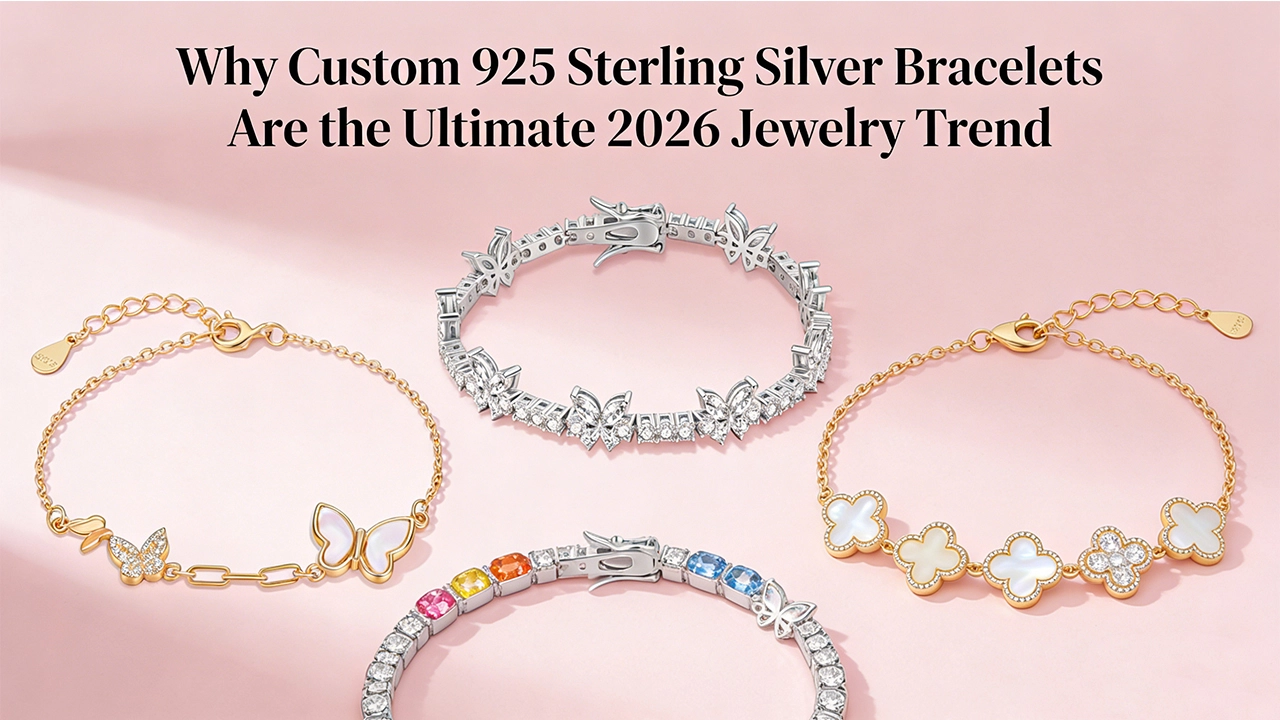
Why Custom 925 Sterling Silver Bracelets Are the Ultimate 2026 Jewelry Trend
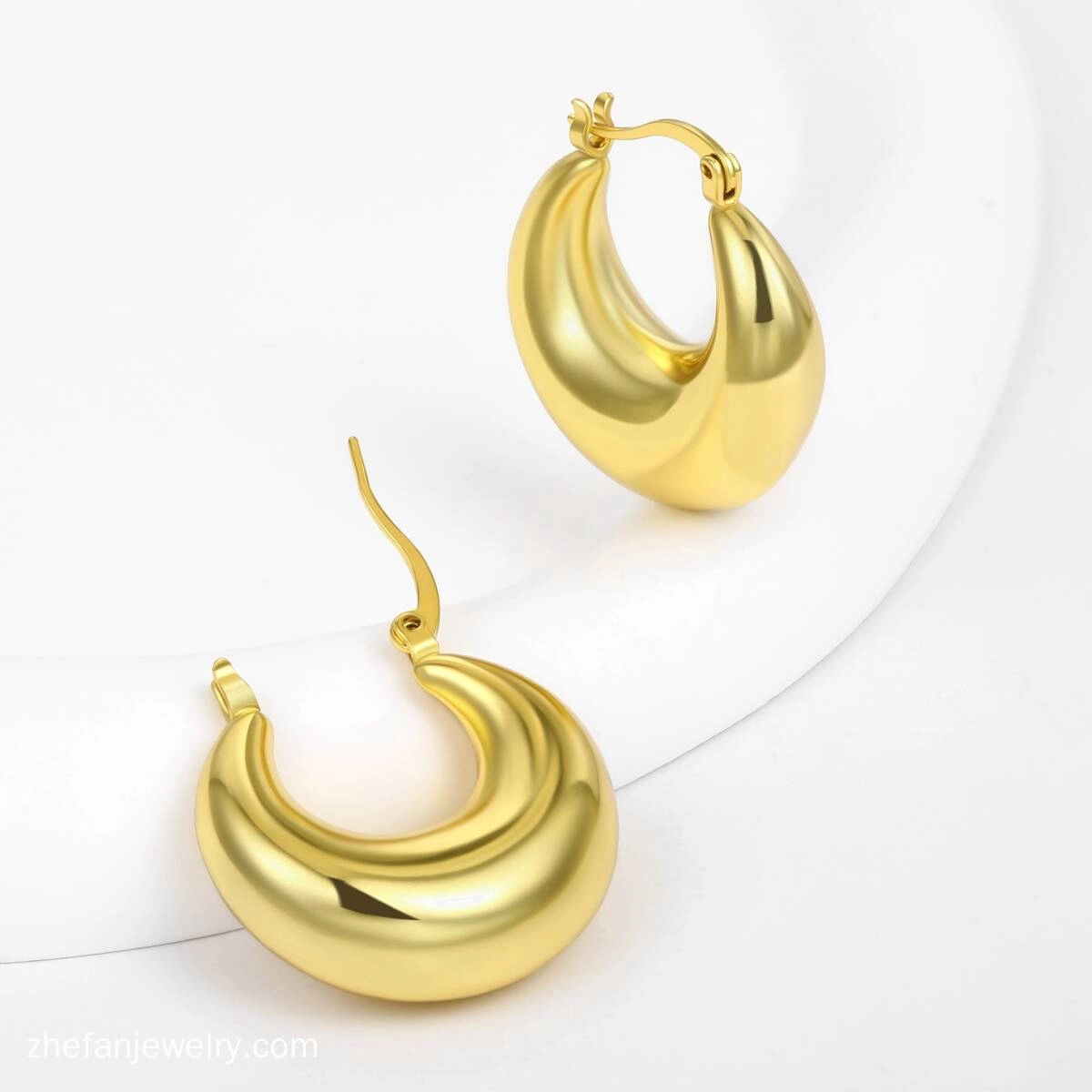
Launch Your Brand: A Guide to Sourcing Custom Wholesale Brass Huggie Earrings
The Secret Behind Premium Quality: 7 International Standards for 925 Sterling Silver Rings
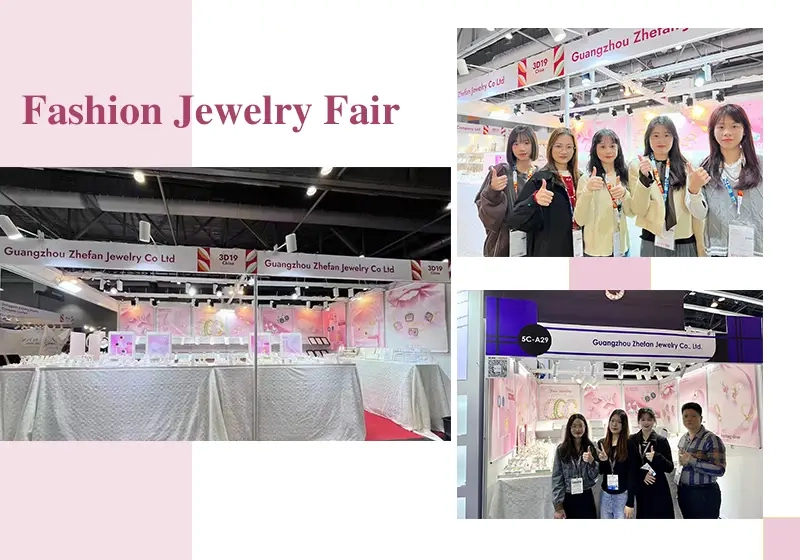
Zhefan Jewelry Will Attend Hong Kong Jewelry Fair
Launch Your Brand: The Ultimate Guide to Manufacturing Custom Sterling Silver Jewelry
Prdoucts Categories
FAQ
Products
Can you engrave my logo on the jewelry ?Do you supply OEM/ODM service?
Yes. Custom logo and OEM/ODM are both accepted.Our factory specializes in jewelry manufacturing for 25 years.We can produce jewelry by your sample, design, pictures, even by an idea.Please feel free to contact us for more details. Custom order process: Inquiry-Confirm products details-Pay mold fee -Confirm CAD draft-Quote-Initial payment-Produce mold & sample-Confirm Sample-Mass production-Balance payment-Shipment-Track shipment-delivery.
Do you offer after-sales warranty service?
Yes, we will refund or resend products if fading, stone falling off and other quality problems found in 1 month receipt of goods. Furthermore, we offer 1 year after-sales warranty service, but you need pay the shipping charge.
What is the payment method?
Our payment method are Alibaba Trade Assurance(MasterCard, visa, e-Checking, PAYLATER, T/T),T/T, PayPal,Western Union.
What is the material of the jewelry?
Most of the jewelry is made of 925 sterling silver, brass or 316 stainless steel or custom material,which can cover different procurement demand.
FAQs
Do you offer after-sales warranty service?
Yes, we will refund or resend products if fading, stone falling off and other quality problems found in 1 month receipt of goods.Furthermore, we offer 1 year after-sales warranty service, but you need pay the shipping charge.
Do you do customer design?
Do you do customer design? Yes,we are good at this way.Most of our customer do their customize.And we have cooperate with them when they are new brand, but now they become the top sell on Amazon, more than 32,000 five star comment.
Discuss Your Ideas with a Professional Custom Jewelry Manufacturer
We provide personalized jewelry customization services for clients worldwide.
Rest assured that your privacy is important to us, and all information provided will be handled with the utmost confidentiality.
By clicking 'Send Inquiry Now' I agree to ZHEFAN JEWELRY processing my personal data.
To see how to withdraw your consent, how to control your personal data and how we process it, please see our Privacy Policy and Terms of use.
From design to production, ZHEFAN JEWELRY offers a one-stop solution to help you enhance your brand value and market competitiveness.
Get A Quote
Contact
Tel: (+86) 188 1927 7817
© 2026 Zhefan Jewelry. All Rights Reserved.
Facebook
Instagram
YouTube
Whatsapp: +8618819277817