







Email: sales3@zhefanjewelry.com
How to ensure consistent gemstone settings in 925 silver bracelets? | Insights by Zhefan Jewelry
Practical, industry-grade techniques to achieve uniform, secure gemstone settings in 925 sterling silver bracelets — from calibrated bezel seats and prong geometry to jigs, plating and quality testing for repeatable production.
- 1) How can I make identical bezel seat depths across multiple 925 silver bracelets when stones vary slightly in diameter?
- 2) How do I stop sterling silver from deforming while hammer-setting prongs and still keep identical prong geometry?
- 3) What is the safest method to set fragile gems (opal, turquoise, emerald) in 925 silver without chipping while keeping uniform prong tension?
- 4) How can I achieve uniform stone height and alignment on multi-stone 925 silver bracelets, especially with mixed cuts?
- 5) What finishing and anti-tarnish steps produce consistent color and sheen across sterling silver bracelets after stone-setting?
- 6) What QA and durability tests should I run to ensure setting security and meet buyer expectations for 925 silver bracelets?
- Concluding summary: Advantages of consistent gemstone settings in 925 silver bracelets
How to Ensure Consistent Gemstone Settings in 925 Silver Bracelets
Achieving consistent gemstone settings in 925 silver (sterling silver: 92.5% Ag + alloy) requires a mix of precise measurement, repeatable bench processes, fit-for-material tooling and controlled finishing (polish/plating). Below are six specific, pain-point–focused questions beginners and small manufacturers commonly ask — with in-depth, practical answers you can apply at the bench or in light production.
1) How can I make identical bezel seat depths across multiple 925 silver bracelets when stones vary slightly in diameter?
Problem: Small variations in stone diameter (0.05–0.3 mm) create inconsistent bezel height and insecure seating when you’re setting multiple stones in a run.
Solution (bench-to-production workflow):
- Measure and sort stones first — use calibrated digital calipers and group stones by diameter and girdle profile. Consistency starts with the stones.
- Create a reference plane — decide whether your setting uses the stone’s table or girdle as the datum. For most cabochons and faceted rounds, use the girdle plane for uniform height across a bracelet.
- Use a dedicated bezel-burr and depth gauge: cut the seat with a setting bur that is matched to the stone profile; follow with a depth gauge or stepped punch (a custom stepped punch or mandrel with known depths) to ensure identical seat depth across pieces.
- Jigs and fixtures: for batch work, CNC-milled plates or a simple bench jig with interchangeable bushings ensures the bur enters at the same depth and angle every time. A repeatable bushing or drill-press fixture reduces human variance dramatically.
- Seat finishing: after cutting seats, use a fine concentric file or a custom polishing mandrel to square and smooth each seat so stones sit uniformly rather than rocking.
- Final check: test-set a sample stone in each seat and inspect with a loupe for flushness and heel gaps. Adjust seat depth one incremental step if the stone sits proud or too deep.
Why this works: Standardizing the reference plane and using mechanical guides (bushings, stepped punches or CNC templates) converts a visual/manual task into a measurable repeatable task — the core of setting consistency for sterling silver which is soft and forgiving but shows variation easily.
2) How do I stop sterling silver from deforming while hammer-setting prongs and still keep identical prong geometry?
Problem: Sterling silver is relatively soft; repetitive hammering or uncontrolled pressure changes prong geometry, causing inconsistent profiles and loose stones over time.
Practical remedies:
- Work-harden selectively: sterling silver can be strengthened by controlled cold-work (work-hardening). After forming prongs, use a circular burnisher or small hammer with brass/anvil support for controlled shaping rather than heavy blows. Avoid repeated full anneals between pieces unless necessary.
- Use support stakes and backing plates: place the bracelet on a shaped brass or delrin stake during prong forming so blows are supported and prongs don’t mushroom or collapse. For repetitive work, use a staking machine with interchangeable stakes to replicate the prong profile.
- Consistent prong length and shape: fabricate prong stock to a fixed length and thickness before attaching. Use a bench block jig or a prong-height gauge to check each prong after forming.
- Minimize annealing cycles: anneal only when metal is too hard to form — excessive annealing reduces dimensional consistency. Use predictable anneal temperature and quench method and document cycles for repeatability.
- Tooling: use a prong pusher or an arbor press with depth stops for final peening rather than free hammering — this creates identical geometry and reduces metal stretch.
Result: Supporting the metal during forming and using mechanical aids preserves geometry and reduces part-to-part variation — essential for uniform prong settings in 925 silver bracelets.
3) What is the safest method to set fragile gems (opal, turquoise, emerald) in 925 silver without chipping while keeping uniform prong tension?
Problem: Fragile or cleavage-prone stones are at risk when prongs are closed too quickly or with excessive force. Beginners often over-tighten prongs which leads to chips or fractures.
Step-by-step approach:
- Pre-seat the stone: carve a slightly undercut seat so the girdle sits supported. A well-formed seat reduces lateral pressure when prongs are closed.
- Protect the crown: cover the stone with setting wax, thin Teflon sheet, or a temporary plastic shield held with beeswax to absorb the tool impact while you shape prongs.
- Incremental setting: close prongs in small, alternating increments around the stone (e.g., 1/8 turn per prong) to equalize pressure. Use a prong pusher or a burnisher, not heavy hammer blows.
- Check tension with a tactile test and light magnification — do not rely on visual only. For production, develop a feel for the moment when the stone is secure but not stressed.
- Special adhesives: do not use permanent epoxy as a primary retaining method for fine jewelry. For fragile settings, a tiny dab of conservation-grade adhesive or UV compound is sometimes used as a temporary hold during setting, then removed if necessary; however, this is not a long-term substitute for proper mechanical seating.
- Use appropriate prong profile: rounded, slightly thicker prongs distribute pressure better on fragile stones than very thin needle-like prongs.
Trade-off: Using thicker prongs and careful seating slightly changes aesthetics but dramatically increases survivability for delicate gemstones in sterling silver bracelets.
4) How can I achieve uniform stone height and alignment on multi-stone 925 silver bracelets, especially with mixed cuts?
Problem: Mixed cuts (round, oval, baguette) and variable girdle heights create an uneven visual line and inconsistent wear profile along a multi-stone bracelet.
Best practices:
- Define the reference plane: choose whether stones should appear flush across the bracelet (table level) or aligned by girdle. For visible uniformity, aligning table heights is common in fine bracelets.
- Use adjustable seat shims: when stones vary in girdle height, create thin shims (brass or silver) under seats to raise lower stones to the same height; for production, make a set of stepped shims for usual height differences.
- Custom bezels and rails: for channel or rail settings, machine the channel to the maximum required seat depth and use a bed of solder or spacer to position stones evenly before final closure.
- Height gauge/jig: a simple check fixture with a flat plate and micrometer stop allows you to test and adjust each stone height quickly before final setting.
- Controlled final finishing: after setting, use a polishing wheel with a light touch and scaffold the bracelet on a mandrel to eliminate height variances introduced by finishing abrasives.
Outcome: Using shims, a common datum and a test jig removes visual variance and makes bracelets read as a single continuous row of stones — critical for perceived quality in retail purchases.
5) What finishing and anti-tarnish steps produce consistent color and sheen across sterling silver bracelets after stone-setting?
Problem: Different finishing sequences or inconsistent plating can leave a bracelet with varied luster and color, undermining the uniform look of the settings.
Recommended finishing workflow:
- Chemical cleaning before finish: remove flux and residues with a standardized pickling process using a commercial pickling solution (follow safety data and vendor instructions). Rinse thoroughly to avoid spot-corrosion.
- Consistent polishing stages: define and document each polishing stage (coarse, medium, fine) and the compounds used (tripoli, rouge, etc.). Keep speed, pressure and wheel type standardized per bracelet batch.
- Rhodium or anti-tarnish plating: consider rhodium plating for bracelets intended to have a bright white finish and better tarnish resistance. For sterling silver, rhodium plating must be applied in a controlled electroplating bath with consistent thickness and regular bath maintenance to avoid patchiness.
- Uniform passivation: for silver that is not plated, apply the same anti-tarnish coating (thioether-based lacquers or commercial silver protectants) in a spray/immersion step for all pieces in a batch to ensure even coverage.
- Final QA under controlled lighting: inspect finished pieces under a daylight-balanced lamp to confirm uniform sheen and color across settings.
Note: Some gems are sensitive to ultrasonic cleaning or plating chemicals (e.g., opal, turquoise). If plating or ultrasonic cleaning is needed, protect stones or remove and re-set them after plating where appropriate.
6) What QA and durability tests should I run to ensure setting security and meet buyer expectations for 925 silver bracelets?
Problem: Buyers expect settings that hold up to daily wear; undocumented quality control leads to returns and warranty claims.
Proven QA protocol (simple to implement for small makers):
- Visual and tactile inspection: loupe inspection for gaps, crown stress lines or tool marks; tactile check for wiggle/rocking.
- Repeatable pull/press checks: for production, use a small force gauge to apply lateral force to a mounted sample stone to check retention; document the pass/fail threshold you set for your product category. If you don’t have instruments, use calibrated manual tests (push/pull with consistent tool and feel) and log outcomes.
- Wear simulation: perform light abrasion tests against cloth/leather and visual re-inspection to simulate daily contact. For bracelets, include clasp stress tests (open/close cycles).
- Thermal and chemical exposure checks: where plating or adhesives are used, expose a sample to mild thermal cycling and common household chemicals (soaps, perspiration simulant) to check adhesion and tarnish response.
- Batch traceability: assign batch numbers and keep records of tool settings, jig adjustments and finish parameters so failures can be traced to a process change. This supports warranty claims and demonstrates E-E-A-T compliant accountability.
When you document your QA thresholds and processes, you can give buyers or retailers clear expectations and backing for warranties — a powerful trust signal.
Concluding summary: Advantages of consistent gemstone settings in 925 silver bracelets
Consistent settings increase perceived value, reduce returns, and extend wearable life. Standardizing measurement (calipers, seat depths), using jigs and staking tools, protecting delicate stones during setting, and applying uniform finishing/plating creates repeatability across batches. Combined with documented QA and batch traceability, these steps translate into fewer failures, stronger customer confidence and a better resale/reorder profile for your jewelry business.
For bespoke runs or production quoting, contact us for a detailed estimate: www.zhefanjewelry.com — sales3@zhefanjewelry.com.
Recommended for you
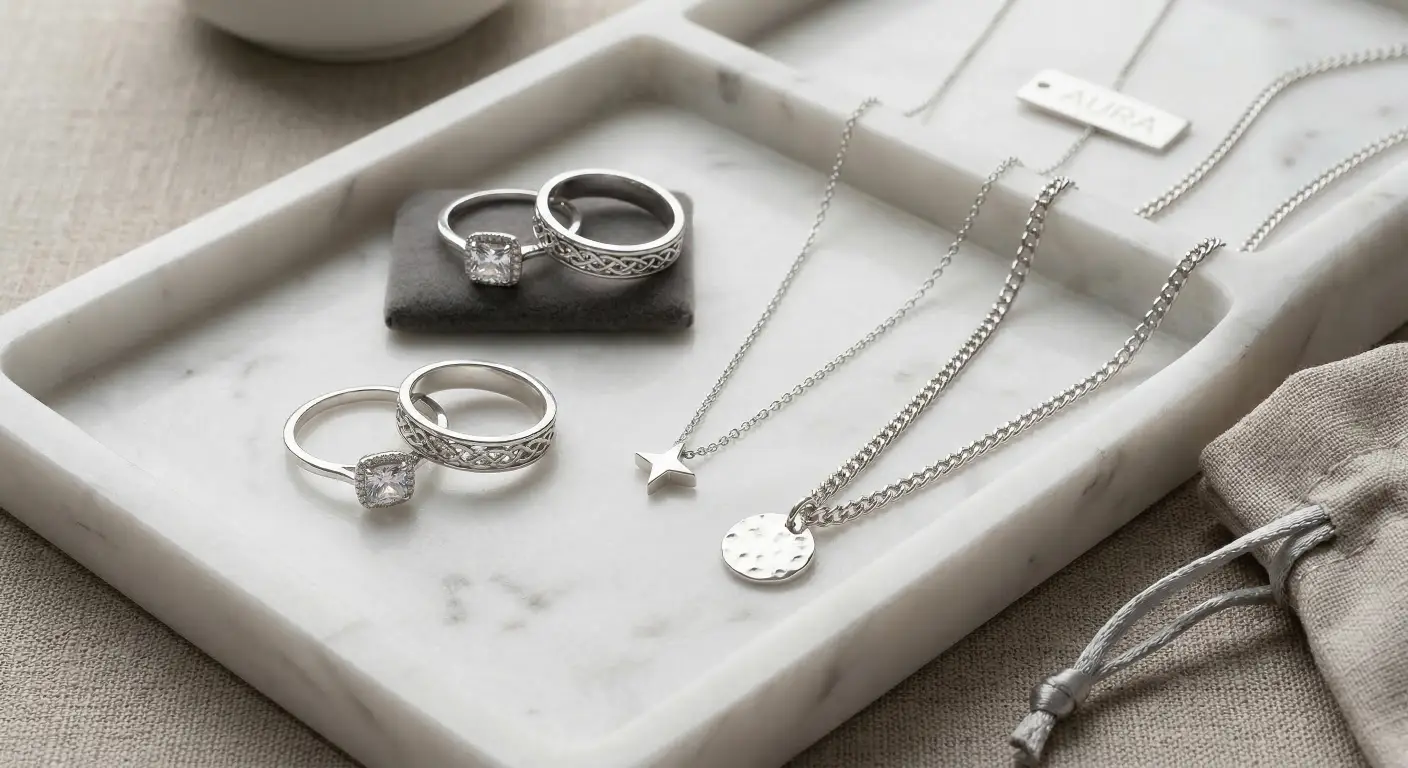
Sourcing Guide: How to Maximize Margins with Custom Sterling Silver Jewelry
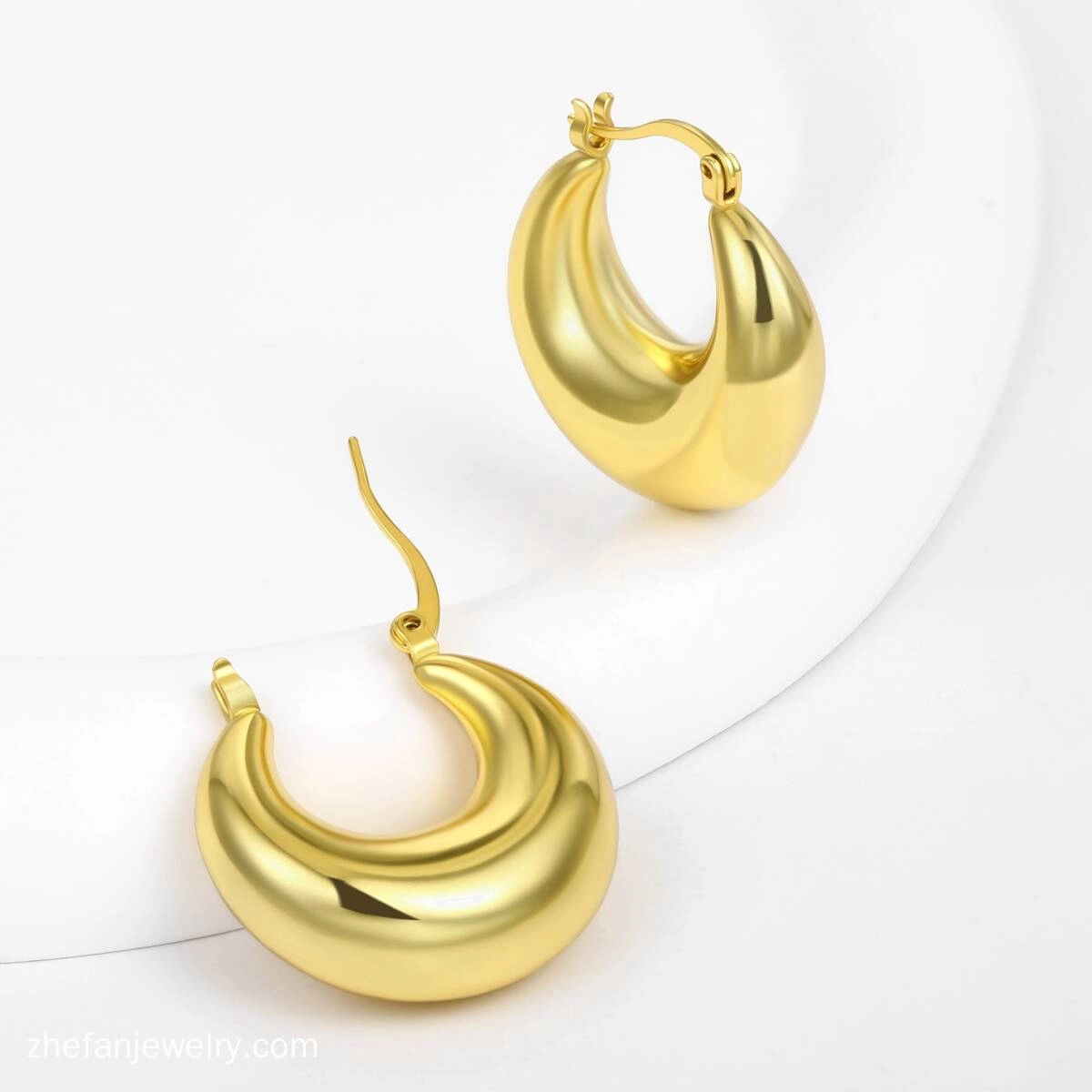
Launch Your Brand: A Guide to Sourcing Custom Wholesale Brass Huggie Earrings
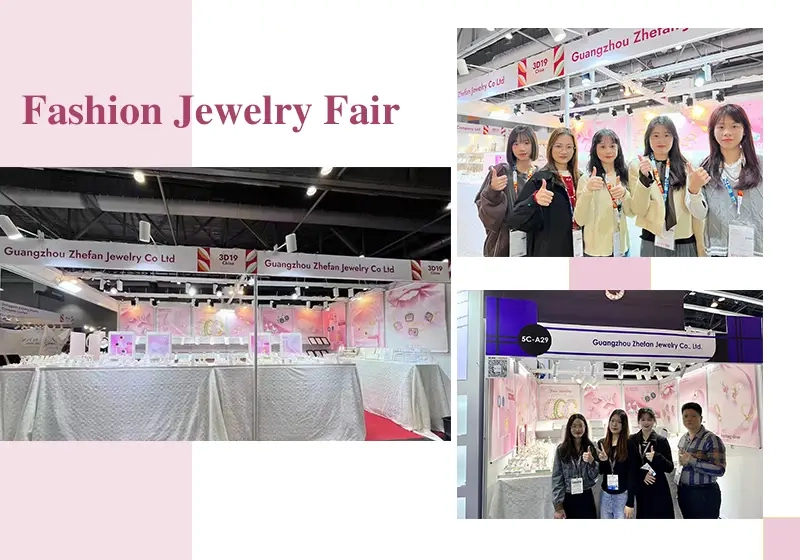
Zhefan Jewelry Will Attend Hong Kong Jewelry Fair
The Ultimate Buyer's Guide to Custom Wholesale Brass Huggie Earrings in China
5 Costly Mistakes to Avoid When Sourcing Custom Sterling Silver Jewelry

Zhefan Jewelry Invites You to Attend the Hong Kong Jewellery Exhibition 2026
Prdoucts Categories
FAQ
Products
What is your minimum order quantity?
We offer low MOQ from 2 to 30 depending on models. Send your favor model to get details from Trade Manager.
What is the material of the jewelry?
Most of the jewelry is made of 925 sterling silver, brass or 316 stainless steel or custom material,which can cover different procurement demand.
What’s the lead time?
We could arrange shipment for you within 48 hours if you order models in stock. For bulk order, it takes 10-25 days for production depending on order quantity and styles.
What is the payment method?
Our payment method are Alibaba Trade Assurance(MasterCard, visa, e-Checking, PAYLATER, T/T),T/T, PayPal,Western Union.
What can you buy from us?
Rings, Necklace, Earrings, Bracelet, Pendant, Anklet, Brooch, Jewelry.
FAQs
Can we visit your factory?
Yes, pls contact seller to arrange meeting, we will pick you up to our factory.
Discuss Your Ideas with a Professional Custom Jewelry Manufacturer
We provide personalized jewelry customization services for clients worldwide.
Rest assured that your privacy is important to us, and all information provided will be handled with the utmost confidentiality.
By clicking 'Send Inquiry Now' I agree to ZHEFAN JEWELRY processing my personal data.
To see how to withdraw your consent, how to control your personal data and how we process it, please see our Privacy Policy and Terms of use.
From design to production, ZHEFAN JEWELRY offers a one-stop solution to help you enhance your brand value and market competitiveness.
Get A Quote
Contact
Tel: (+86) 188 1927 7817
© 2026 Zhefan Jewelry. All Rights Reserved.
Facebook
Instagram
YouTube
Whatsapp: +8618819277817