







Email: sales3@zhefanjewelry.com
How to compare wholesale brass rings quotes? | Insights by Zhefan Jewelry
A practical guide for jewelry buyers explaining how to compare wholesale brass rings quotes. Learn to normalize pricing (tooling, plating, MOQ), calculate landed cost, verify plating thickness and alloy, assess lead time, shipping/incoterms, and protect quality with sample/testing protocols.
- 1. How do I normalize brass ring quotes that mix per-piece price, tooling, and plating so I can compare apples-to-apples?
- 2. What hidden costs should I demand up-front so supplier quotes don’t surprise my margins later?
- 3. How can I verify plating thickness and alloy composition so quotes reflect durable finishes and safe materials?
- 4. How should I evaluate MOQ and tiered pricing so MOQ doesn’t mask a worse unit economics?
- 5. Which shipping incoterms, lead times, and duties produce the lowest landed cost when comparing quotes from overseas brass ring manufacturers?
- 6. How can I use independent tests, certificates, and a robust sample protocol to avoid quality variance when selecting a brass ring quote?
- Conclusion: Advantages of a structured quote-comparison process
How to Compare Wholesale Brass Rings Quotes: A Buyer’s Checklist
When sourcing wholesale brass rings, a low per-piece price rarely tells the whole story. Below are six specific, pain-point oriented questions beginners ask that often have incomplete answers online — each followed by an in-depth, actionable answer that you can apply when evaluating supplier quotes.
1. How do I normalize brass ring quotes that mix per-piece price, tooling, and plating so I can compare apples-to-apples?
Problem: Suppliers often quote a low unit price but exclude one-time tooling (mold/die), plating type, or finishing. To compare quotes, convert each bid into a consistent “effective unit cost” using a standardized formula.
Step-by-step method:
- Collect line items from every quote: unit price, tooling/die cost, plating type and thickness (if offered), finishing, sample cost, packaging per unit, QC fees, estimated freight, and any discounts or tiered prices.
- Choose a realistic order quantity to amortize tooling. Many buyers use the first-production run quantity (e.g., 1,000 pcs) or a 12-month forecast.
- Use this formula to get the effective unit cost:
Effective unit cost = unit price + (tooling cost / order qty) + plating & finishing per-piece + packaging per-piece + (freight & customs per-piece) + QC/inspection per-piece. - Example (illustrative): unit price $1.00 + tooling $600 amortized over 1,000 pcs = $0.60 + plating $0.20 + packaging $0.05 + freight/customs $0.15 + QC $0.05 = $2.05 effective unit cost.
Why this works: It reveals the real per-piece cost and highlights whether a vendor’s apparent “cheap” price is offset by expensive tooling, thin plating, or high freight. Use the same amortization and freight assumptions across all quotes for a fair comparison.
2. What hidden costs should I demand up-front so supplier quotes don’t surprise my margins later?
Problem: Many quotes omit common add-ons that materially affect landed cost and product quality.
Ask suppliers explicitly for written line items for:
- Tooling/die/mold costs and ownership rules (who retains tool and re-use fees).
- Sample charges and sample lead time; whether sample is charged back after bulk order.
- Plating/finish specifics: process (electroplate, PVD, vermeil), thickness in microns, and post-plating finishing (buffing, lacquer).
- Packaging: unit box cost (custom printed vs plain), inner protection, and carton specs.
- Electroplating or PVD set-up fees, color matching, and rework fees for rejects.
- Quality control (AQL standard), third-party inspection fees, and pre-shipment checking costs.
- Logistics: port of origin, incoterm (FOB, EXW, CIF), estimated freight to your door, and typical lead times for sea/air.
- Taxes and duties: estimated HS code duty rates for brass jewelry in your destination market and VAT/GST implications if supplier handles DDP.
- After-sales fees: tooling replacement schedules, rework costs, and warranty policy.
Insist these items be listed in the quote. If a seller resists, that’s a red flag. Quotes that include incoterm and a sample policy show better commercial maturity and fewer surprises on landed cost.
3. How can I verify plating thickness and alloy composition so quotes reflect durable finishes and safe materials?
Problem: Suppliers may quote the plating type (e.g., gold plated) without specifying thickness or base alloy. Thin plating and high-lead/low-quality brass quickly lead to tarnish, skin reactions, or regulatory non-compliance.
Verification steps:
- Require plating thickness (in micrometers/μm or microns) in quotes. For brass jewelry: flash plating is commonly <0.1 μm (low durability); a more durable gold flash is typically 0.1–0.3 μm; vermeil standards (over sterling silver) use ≥2.5 μm but brass cannot be certified vermeil.
- Ask for the base alloy specification (e.g., C260/C360 brass composition) and any cadmium/lead content statements. For EU/US markets, request REACH/Nickel-release compliance and a material safety datasheet if available.
- Request an XRF (X-ray fluorescence) report or request the supplier to provide third-party material analysis for a representative sample. Many factories can provide in-house XRF scans; for critical launches, budget for an independent lab test.
- Verify plating process: PVD or chemical plating is more durable and environmentally controlled than uncontrolled bath electroplating. Ask which they use and request photos of the plating line.
- Insist on accelerated wear tests or provide a simple rub/acid/immersion protocol for the sample to demonstrate durability. For example, a 72-hour salt-spray test or rub test to ISO standard helps compare finishes objectively.
Tip: Document the required plating thickness and alloy in your purchase order (PO) and include an agreed rejection threshold. This protects you if the bulk production deviates from the sample.
4. How should I evaluate MOQ and tiered pricing so MOQ doesn’t mask a worse unit economics?
Problem: Suppliers use MOQs and tiered pricing to push larger orders where tooling amortization drops, which can make higher-MOQ quotes look cheaper per unit even if total risk or inventory holding costs are higher.
Evaluation approach:
- Calculate effective unit cost at realistic order sizes. For each quote, compute effective unit cost at your target order quantity, at the supplier’s MOQ, and at the next tier breakpoint.
- Include inventory carrying cost in your comparison if a supplier forces a higher MOQ than your sales velocity supports. Typical carrying costs (storage + capital + obsolescence) vary by business — add a conservative 8–20% annual carrying cost to the landed cost of unsold inventory to see the real impact.
- Assess flexibility: ask if the supplier offers phased shipments or stock-keeping (consignment) to reduce your inventory exposure.
- Negotiate tooling amortization: some suppliers agree to spread tooling cost across multiple SKUs or future reorders. If your assortment will scale, negotiate a tooling payback schedule tied to total annual purchases across styles.
Decision rule: Choose the supplier and MOQ tier that minimizes total landed cost over a 6–12 month forecast, not just the lowest per-piece price for an outsized MOQ you can’t sell quickly.
5. Which shipping incoterms, lead times, and duties produce the lowest landed cost when comparing quotes from overseas brass ring manufacturers?
Problem: Quotes using different incoterms (EXW, FOB, CIF, DDP) obscure who pays freight, insurance, and customs — each affecting your cash flow and landed cost.
How to compare:
- Ask every supplier to reissue the quote on at least two standardized incoterms you prefer (e.g., FOB vs DDP). This makes freight/cost responsibilities comparable.
- Calculate landed cost for each incoterm: landed cost = effective unit cost + international freight per unit (if not included) + insurance + import duty + customs clearance fees + domestic delivery + VAT/GST (if not reclaimable).
- Use HS code duty rates for brass jewelry—your customs broker can provide exact tariff rates; typical duty rates for non-precious metal jewelry often range but can be 2–6% depending on destination and product code. Don’t assume zero — check your country’s tariff schedule.
- Factor lead time into cash flow: air freight reduces lead time (and risk) but multiplies freight cost. Sea freight is cheapest per unit but lengthens lead time and increases minimum volumes for cost-efficiency.
- Consider DDP if you prefer predictable landed cost and a single supplier contact, but check DDP High Qualitys — suppliers often add a 3–8% service fee and pass-through customs duties. FOB gives you control but requires a reliable freight forwarder.
Tip: For initial orders, many buyers accept FOB with the supplier’s nominated forwarder for convenience, then switch to their own logistics partner on repeat orders to reduce cost and gain control.
6. How can I use independent tests, certificates, and a robust sample protocol to avoid quality variance when selecting a brass ring quote?
Problem: A perfect sample can mask poor-process control. Buyers need a sample protocol and objective testing to make quotes comparable and enforceable.
Recommended sample and testing protocol:
- Pre-production (PP) sample: require a fully finished pre-production sample produced on the actual tools and the same plating batch as the order. The PP sample should be signed off before mass production.
- Batch sampling plan: define an AQL (e.g., AQL 2.5 for cosmetic defects) and the inspection points (plating uniformity, dimensions, solder/joint quality, ring size tolerance, and packaging integrity).
- Third-party testing: for materials and coatings specify tests such as XRF for alloy composition, salt spray or rub test for plating durability, and nickel release test if selling in markets with nickel restrictions. Use accredited labs for formal certificates if your buyers require them.
- Include acceptance criteria in the PO: numeric limits on plating thickness, surface roughness, dimensional tolerances (± mm), and maximum allowable defects per batch.
- Agree on rectification and rework costs in the contract. Define the rejection process, retest protocol, and financial responsibility for rework or replacement.
Operationally, request photos/videos from production runs and insist on pre-shipment inspection (PSI) with a checklist that mirrors your PO. Use sample retainers and lot numbers for traceability if you plan multiple SKUs from the same factory.
Conclusion: Advantages of a structured quote-comparison process
Following a standardized, line-item based comparison—normalizing tooling amortization, platoing details, packaging, freight/incoterm, and testing requirements—lets you identify the true landed cost and supplier risks. This process reduces surprises, shortens your time to market, and improves product consistency. It also enables better negotiation (e.g., splitting tooling cost, optimizing MOQ, or choosing a more durable plating method like PVD) and ensures regulatory compliance (material certificates, nickel-release, REACH where needed).
At Zhefan Jewelry we specialize in brass ring manufacturing with transparent quotes that list tooling, plating thickness (μm), MOQ tiers, incoterm options, and sample/test protocols. For an apples-to-apples comparison and a reliable quote tailored to your SKU, contact us for a detailed quote at www.zhefanjewelry.com or email sales3@zhefanjewelry.com.
Recommended for you
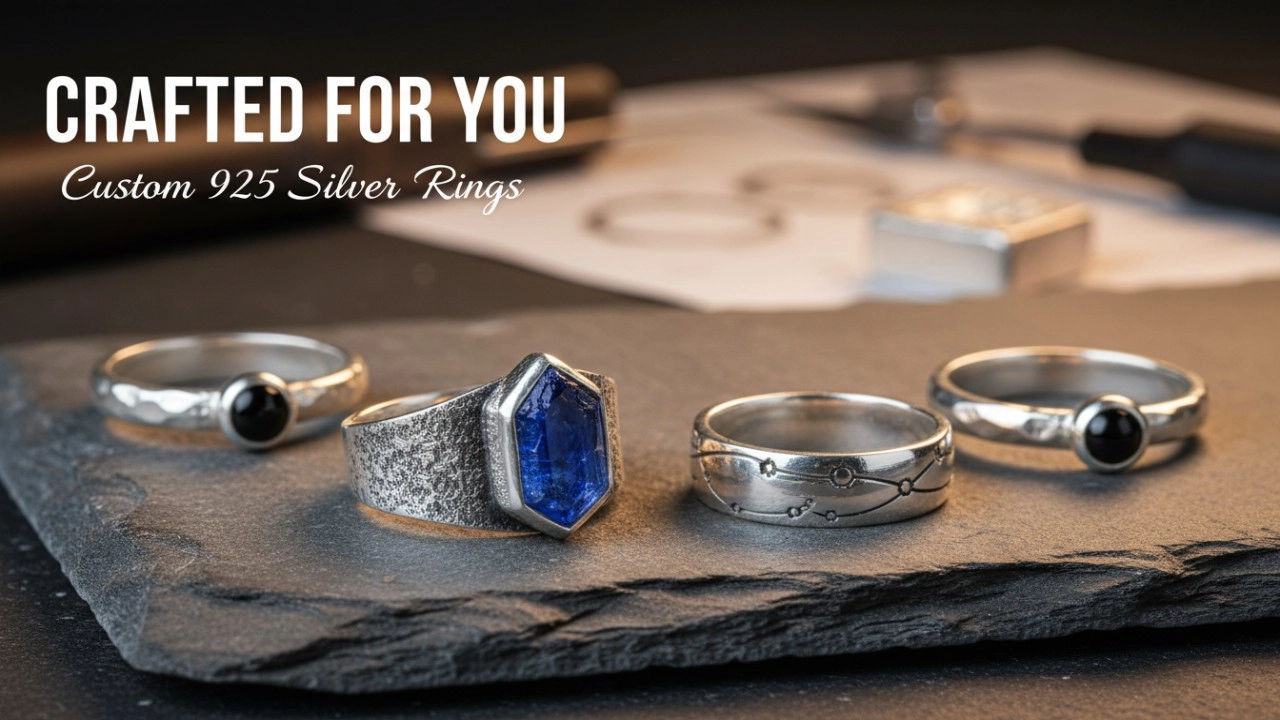
Why Custom 925 Silver Rings Are the Perfect Sustainable Luxury Gift (Compared to Gold)
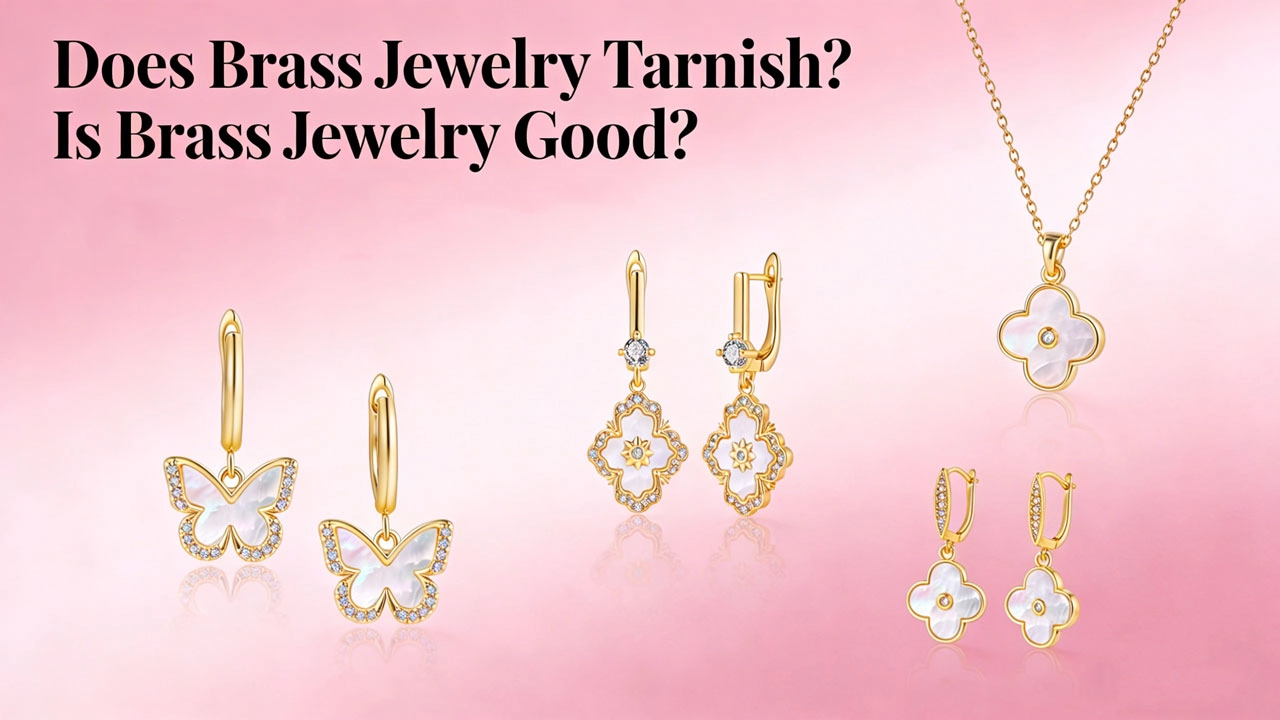
Does Brass Jewelry Tarnish? Is Brass Jewelry Good? Complete Guide from a Professional Jewelry Manufacturer
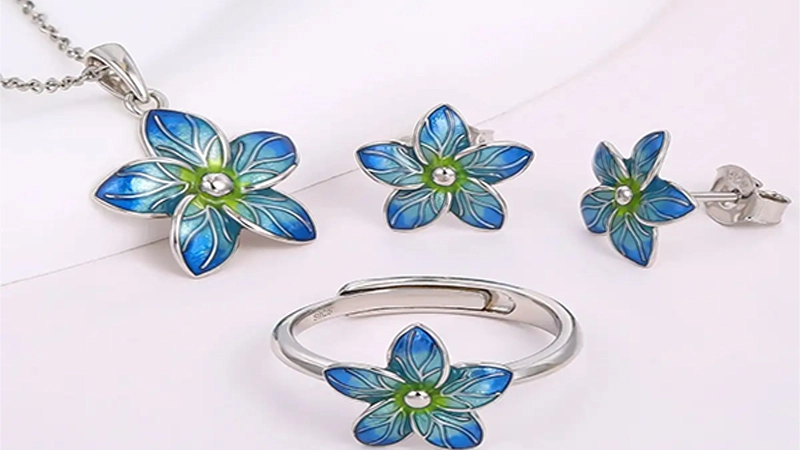
The Secret Life of Your Silver: How 925 Sterling Jewelry Comes to Exist
Is Stainless Steel a Good Type of Jewelry? Pros, Cons, and Why Brands Choose Stainless Steel Jewelry
12 Unique Custom 925 Silver Bracelet Ideas That Go Beyond Basic Engraving (2026 Guide)
Boost Your Margins with Top-Selling Custom Wholesale Brass Huggie Earrings
Prdoucts Categories
FAQ
FAQs
Do you do customer design?
Do you do customer design? Yes,we are good at this way.Most of our customer do their customize.And we have cooperate with them when they are new brand, but now they become the top sell on Amazon, more than 32,000 five star comment.
What is the material of the jewelry?
Most of the jewelry is made of 925 sterling silver, brass or 316 stainless steel or custom material,which can cover different procurement demand.
Products
Do you offer free sample for quality check?
Sample order is welcome, but sample fee need to be paid. It will be deducted when you place an bulk order.
What services can we provide?
Accepted Delivery Terms: FOB, CIF, EXW, Express Delivery;
Accepted Payment Currency: USD, EUR, JPY, CAD, AUD, HKD, GBP, CNY, CHF;
Accepted Payment Type: T/T, L/C, MoneyGram, Credit Card, PayPal, Western Union, Cash, Escrow;
Language Spoken: English, Chinese, Spanish, Japanese, Portuguese, German, Arabic, French, Russian, Korean, Hindi, Italian.
What can you buy from us?
Rings, Necklace, Earrings, Bracelet, Pendant, Anklet, Brooch, Jewelry.
What is the material of the jewelry?
Most of the jewelry is made of 925 sterling silver, brass or 316 stainless steel or custom material,which can cover different procurement demand.
Discuss Your Ideas with a Professional Custom Jewelry Manufacturer
We provide personalized jewelry customization services for clients worldwide.
Rest assured that your privacy is important to us, and all information provided will be handled with the utmost confidentiality.
By clicking 'Send Inquiry Now' I agree to ZHEFAN JEWELRY processing my personal data.
To see how to withdraw your consent, how to control your personal data and how we process it, please see our Privacy Policy and Terms of use.
From design to production, ZHEFAN JEWELRY offers a one-stop solution to help you enhance your brand value and market competitiveness.
Get A Quote
Contact
Tel: (+86) 188 1927 7817
© 2026 Zhefan Jewelry. All Rights Reserved.
Facebook
Instagram
YouTube
Whatsapp: +8618819277817