





Email: sales3@zhefanjewelry.com
How to choose a reliable stainless steel jewelry manufacturer?
Practical, industry-grade guidance to vet a stainless steel jewelry manufacturer: verify 316L alloys, hidden costs (MOQ, tooling), PVD vs plating durability, essential QC tests, realistic lead times, and must-have certifications to ensure compliant, nickel-safe jewelry.
- 1. How can I verify a stainless steel jewelry manufacturer's alloy (e.g., 316L) and ensure finished pieces are safe for sensitive skin?
- 2. What exact hidden costs (tooling, plating setup, sample fees) and realistic MOQs should I expect from a custom stainless steel jewelry manufacturer?
- 3. How do I evaluate plating and coating durability (PVD vs electroplating) for stainless steel jewelry to avoid peeling, fading, and color change?
- 4. Which QC inspection checkpoints and lab tests should I require before approving full production of stainless steel jewelry?
- 5. What are realistic production and shipping lead times for custom 316L stainless steel jewelry, and how can I shorten them without sacrificing quality?
- 6. Which certifications, lab tests, and factory capabilities should I require to ensure ethical and compliant stainless steel jewelry manufacturing?
1. How can I verify a stainless steel jewelry manufacturer's alloy (e.g., 316L) and ensure finished pieces are safe for sensitive skin?
Start with documentary evidence and follow with quick verification methods. Ask the supplier for a Material Test Report (MTR) or mill certificate that identifies the grade (e.g., 316L, 304, 430). A legitimate stainless steel jewelry manufacturer should be able to provide MSDS (material safety data sheet) and a certificate of analysis showing composition ranges from the steel mill or supplier.
For independent verification:
- Request an XRF (X‑ray fluorescence) scan or portable spectrometer report to confirm elemental composition on delivered samples. XRF identifies major alloying elements (Fe, Cr, Ni, Mo) but has limits on light elements and coatings.
- Perform a nickel release test (EN 1811) on finished pieces if you target nickel‑sensitive markets. EN 1811 is the standard method used in the EU to quantify nickel release from jewelry and is commonly requested by retailers.
- Ask for passivation documentation (ASTM A967) and visible post‑processing photos. Proper chemical passivation reduces free iron and improves corrosion resistance.
Why 316L? 316L is widely preferred for jewelry due to higher corrosion resistance (molybdenum content) and lower carbon for weldability. However, quality depends on mill source and post‑processing. A verified MTR + third‑party tests (XRF + EN 1811) are the minimum to ensure safety for sensitive skin.
2. What exact hidden costs (tooling, plating setup, sample fees) and realistic MOQs should I expect from a custom stainless steel jewelry manufacturer?
Hidden costs frequently overlooked by beginners include tooling/die costs, sample adjustments, coating setup (PVD fixture charges), inspection fees, and packaging design. Typical cost components:
- Tooling / mold: For die‑stamped or cast parts expect a one‑time tooling fee. For CNC or custom stamping dies, tooling can range widely; request an itemized tooling quote.
- Samples & revisions: Prototyping, machining, and rework add costs. Ask whether sample fees are refundable against the first production order.
- Surface finishing setup: PVD fixtures, electroplating racks, or bead‑blasting jigs can incur setup fees.
- Compliance testing: If you require EN 1811, RoHS, or REACH tests, include third‑party lab fees (SGS, Intertek, BV).
- Packaging & labeling: Custom boxes, hang tags, and barcodes are often extra.
Typical MOQ expectations:
- Simple OEM stamped or standard SKU jewelry: MOQ often 100–300 pcs per design/color.
- Complex custom items with tooling: MOQ can be 200–1,000 pcs depending on process and finishing.
- For polished 316L items with PVD finishes, many manufacturers quote an MOQ of 200–500 to make PVD run economical.
Actionable steps: obtain a detailed cost breakdown, ask whether sample fees are credited to production, and negotiate MOQ tiers tied to unit price to avoid surprises.
3. How do I evaluate plating and coating durability (PVD vs electroplating) for stainless steel jewelry to avoid peeling, fading, and color change?
Different coatings have distinct lifespans and failure modes. Understand these differences and require measurable tests.
Coating types and strengths:
- PVD (Physical Vapor Deposition): Hard, thin metallic films bonded at atomic scale—excellent abrasion resistance and superior to conventional electroplating for stainless steel substrates. PVD resists tarnish and is commonly used for long‑lasting gold/black finishes.
- Electroplating (e.g., nickel, gold flash): Thicker decorative layers but may have adhesion issues on stainless steel unless the surface is pre‑treated and an appropriate strike layer is used.
- Electro‑less nickel: Provides corrosion protection and can be used as an underlayer.
Durability checks to request:
- Adhesion test (cross‑cut or tape test per ISO 2409/ASTM D3359): shows whether coating adheres under stress.
- Salt spray / corrosion resistance (ASTM B117): indicates how coatings behave in corrosive environments; request hours to failure or comparative data.
- Wear testing (Taber abrasion or simulated finger rub tests): provides practical wear life estimates.
Best practices:
- Require PVD for High Quality finishes and ask for coating thickness and adhesion reports. PVD bond strength is generally better than traditional plating on stainless steel, but still depends on surface prep and machine parameters.
- Insist on batch sampling and destructive wear tests before approving full runs.
4. Which QC inspection checkpoints and lab tests should I require before approving full production of stainless steel jewelry?
A robust QC workflow eliminates costly recalls. Combine in‑house inspections with third‑party testing.
Pre-production and in‑process checks:
- Pre‑production sample approval (PSA): approve a golden sample including finish, weight, and dimensions.
- First article inspection (FAI): verify critical dimensions, weight tolerance, solder/weld integrity, and finish.
- In-line checks: random sampling by AQL standards for plating thickness, color match, and mechanical fit.
Lab tests to require for compliance and durability:
- Nickel release (EN 1811) for nickel content concerns.
- RoHS / REACH screening for restricted substances—use accredited labs (SGS, Intertek).
- Salt spray (ASTM B117) and adhesion tests for plated/PVD finishes.
- Tensile or pull tests for chains/links, and hardness checks if specified.
Documentation:
- Request an inspection checklist and batch photos. Ask for test reports and traceability (lot numbers, material certificates).
Operational tip: include acceptance criteria in your purchase order (e.g., permitted surface defects, plating thickness range) and define penalties or rework steps in the contract.
5. What are realistic production and shipping lead times for custom 316L stainless steel jewelry, and how can I shorten them without sacrificing quality?
Typical timeline ranges (subject to complexity and factory workload):
- Prototype/sample stage: 7–21 days (CNC or 3D print + finishing).
- Tooling and setup (if needed): 7–30 days for dies or custom tooling.
- Mass production run: 20–45 days depending on order size, finishing (PVD adds queue time), and QC cycles.
- Shipping: 5–30 days depending on air vs sea and destination.
Ways to shorten lead time:
- Approve a fully finished pre‑production sample to eliminate iterative sample rounds.
- Lock materials early: confirm 316L mill source and pre‑allocate material if possible.
- Use in‑stock components: select standard chains, jump rings, and findings the factory already stocks.
- Negotiate priority slots for recurring orders and pay for expedited finishing or shipment when necessary.
Transparency: ask the manufacturer for a Gantt‑style schedule with milestones (tooling complete, first article, start of production, QC complete, ship date).
6. Which certifications, lab tests, and factory capabilities should I require to ensure ethical and compliant stainless steel jewelry manufacturing?
Certifications and tests that matter:
- ISO 9001: indicates the factory maintains a quality management system (not product‑specific proof but useful for process control).
- EN 1811: standardized nickel release test used for EU compliance on nickel release from jewelry.
- REACH / RoHS test reports: screening for restricted substances (lead, cadmium, certain phthalates) and chemical compliance for EU markets.
- Third‑party lab reports from accredited labs such as SGS, Intertek, or BV: these labs can confirm material composition, nickel release, and restricted substance compliance.
Factory capabilities to verify:
- In‑house PVD, electroplating, tumbling/polishing, and chemical passivation (ASTM A967) capabilities.
- On‑site QC lab or partner labs for XRF and corrosion testing.
- Traceability systems: batch numbers, MTRs for incoming material, and inspection records.
Ethical and social compliance:
- Ask for social audit reports (BSCI or Sedex/SMETA) if you require ethical manufacturing assurance.
Action checklist: request copies of certificates, recent third‑party test reports for the same product family, and factory capability photos. If certifications are missing, plan to include third‑party testing as part of the project budget.
Choosing a verified stainless steel jewelry manufacturer such as a certified OEM stainless jewelry supplier with documented 316L material sources, PVD finishing, and lab-tested nickel release reduces commercial and legal risk while improving customer satisfaction.
For tailored quotes, compliance documents, and sample requests, contact Zhefan Jewelry at www.zhefanjewelry.com or email sales3@zhefanjewelry.com. We can provide MTRs, PVD and plating reports, third‑party test options, and transparent MOQ/tooling quotes to help you move from prototype to mass production.
Concluding summary — Advantages of choosing a reliable stainless steel jewelry manufacturer: reducing product recalls and returns through verified 316L materials and EN 1811 testing; extending product life and customer satisfaction with durable PVD or properly applied plating; avoiding hidden costs via clear tooling and sample policies; shortening lead times with approved golden samples and material pre‑allocation; and meeting global market rules through ISO, REACH, and third‑party lab documentation. A trustworthy partner streamlines QC, provides traceability, and protects brand reputation.
Recommended for you
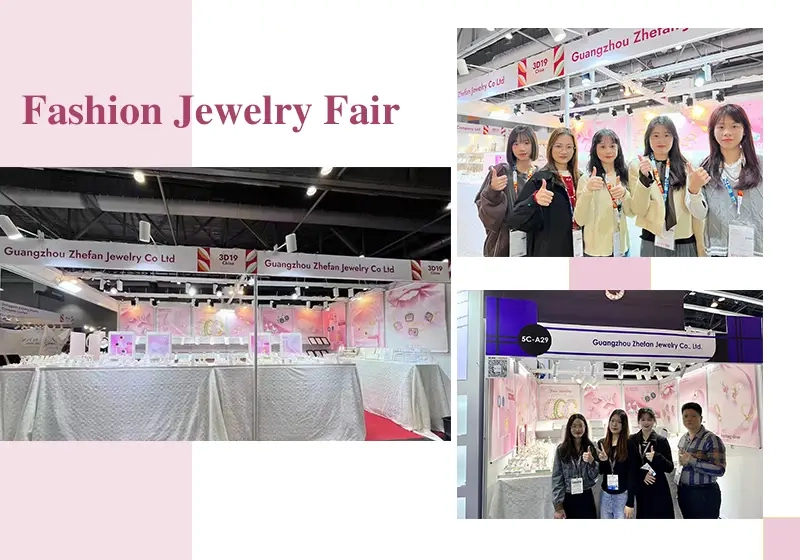
Zhefan Jewelry Will Attend Hong Kong Jewelry Fair
The Ultimate Guide to Ordering Custom Made Silver Earrings: How to Get Perfection Every Time (2026 Edition)
How to Choose the Right Jewelry for Your Skin Tone
The Ultimate 2026 Guide to Stainless Steel Ring Jewelry: Why It Outshines Traditional Metals
What is Zircon Jewelry?-The Ulimate Guide
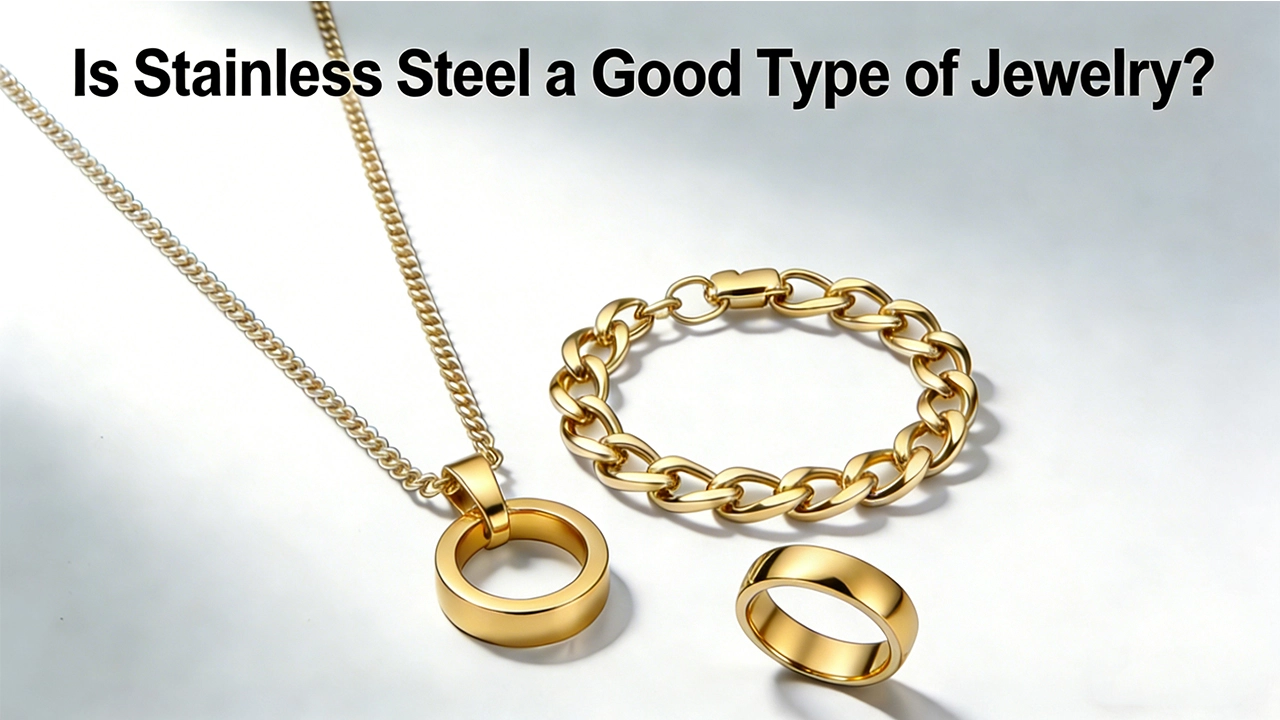
Is Stainless Steel a Good Type of Jewelry? Pros, Cons, and Why Brands Choose Stainless Steel Jewelry
Prdoucts Categories
FAQ
Products
What is your minimum order quantity?
We offer low MOQ from 2 to 30 depending on models. Send your favor model to get details from Trade Manager.
What’s the shipment method? How long does it take for delivery?
Our product distributed to all over the world. Shipped by DHL / Fedex / TNT / UPS takes 3-7 days, Epacket takes 7-15 days, China Post takes 15-30 days.
What's themonthly production capacity?
600,000 pcs per month.
What's the packaging of your jewelry?
Normally we use OPP bag, bubble bag and paper box to pack the goods,custom packaging is acceptable as well.
FAQs
Do you attend any jewelry fairs?
Yes, we participate in Hong Kong Jewelry Fair and Canton Fair twice a year, please contact the seller for the latest invitation.
What’s the lead time? .
We could arrange shipment for you within 48 hours if you order models in stock. For bulk order, it
takes 10-25 days for production depending on order quantity and styles.
Discuss Your Ideas with a Professional Custom Jewelry Manufacturer
We provide personalized jewelry customization services for clients worldwide.
Rest assured that your privacy is important to us, and all information provided will be handled with the utmost confidentiality.
By clicking 'Send Inquiry Now' I agree to ZHEFAN JEWELRY processing my personal data.
To see how to withdraw your consent, how to control your personal data and how we process it, please see our Privacy Policy and Terms of use.
From design to production, ZHEFAN JEWELRY offers a one-stop solution to help you enhance your brand value and market competitiveness.
Get A Quote
Contact
Tel: (+86) 188 1927 7817
© 2026 Zhefan Jewelry. All Rights Reserved.
Facebook
Instagram
YouTube
Whatsapp: +8618819277817