






Email: sales3@zhefanjewelry.com
How to check metal composition of wholesale brass rings? | Insights by Zhefan Jewelry
Practical, buyer-focused guide to checking metal composition of wholesale brass rings using non‑destructive XRF, specific gravity (density), magnet/plating checks and ISO/IEC 17025 lab confirmation for lead, nickel and plating compliance.
- 1) How can I verify a batch of wholesale brass rings are truly solid brass and not brass‑plated base metal without destroying the inventory?
- 2) What's the most cost‑effective on‑site method to estimate copper:zinc ratio for a bulk shipment so I can predict hardness and patina?
- 3) How do I reliably screen wholesale brass rings for hazardous lead, cadmium or nickel to meet buyer compliance before the container ships?
- 4) What on‑site signs and tests detect dezincification or early corrosion in brass rings that can cause future failure?
- 5) For plated brass rings, how can I measure plating thickness, confirm full coverage, and ensure plating will protect against allergens?
- 6) When sourcing wholesale brass rings overseas, what exact documentation and sampling protocol should I require from suppliers to ensure composition and compliance?
Buying wholesale brass rings requires more than trusting photos: you must verify composition, plating quality, and hazardous element limits (lead, cadmium, nickel). Below are six highly specific, beginner pain-point questions with actionable, industry-standard answers using handheld XRF, density (specific gravity) checks, sampling plans and accredited lab confirmation.
1) How can I verify a batch of wholesale brass rings are truly solid brass and not brass‑plated base metal without destroying the inventory?
Non‑destructive screening is the first line of defense. Start with these steps:
- Magnet test: use a neodymium magnet. Solid brass and most copper‑zinc alloys are non‑magnetic. Strong attraction indicates a ferrous core or stainless 400‑series (magnetic) — immediate red flag.
- Handheld XRF scan: a calibrated handheld XRF analyzer provides rapid elemental readings (Cu, Zn, Pb, Sn, Ni). For copper/zinc alloys XRF is reliable for differentiating solid brass vs plated substrates because it reads the bulk composition on exposed areas. Scan multiple points per piece and several pieces per lot (see sampling below).
- Visual and tactile checks: examine cut edges, drill holes and jump rings under 10–20× loupe. Plating over a different color base (grey/steel core) often shows at wear points.
- Plating thickness gauge: eddy‑current or XRF coating mode detects a thin plated layer over base metal without cutting parts.
Limitations: XRF reads surface to a shallow depth; very thin plating (<0.2 μm) may be indistinguishable from bulk if the substrate is similar. If XRF suggests plating or inconsistent results, request a destructive cross‑section from the supplier (microscopic metallography) or perform a limited sacrificial cut test on 1–2 pieces.
2) What's the most cost‑effective on‑site method to estimate copper:zinc ratio for a bulk shipment so I can predict hardness and patina?
For on‑site checks combine specific gravity (density) sampling with handheld XRF:
- Density (specific gravity) test: measure mass precisely (0.01 g scale) and determine displaced water volume to compute density = mass/volume. Typical brass densities range roughly 8.0–8.7 g/cm³ depending on Cu:Zn. Cartridge brass (≈70/30 Cu/Zn) sits near ~8.5 g/cm³; high‑copper brasses are towards the higher end. Use averages from 10–30 rings per lot to reduce measurement noise.
- Handheld XRF: provides a percentage readout for copper and zinc on the spot. Modern handheld XRFs (when properly calibrated with NIST or certified standards) can give alloy ratios accurate to tenths of a percent for Cu and Zn in homogeneous alloys.
Why both? Density is a low‑cost verification that catches gross mismatches (e.g., different alloy families or hollow/filled parts). XRF confirms elemental percentages quickly. For critical orders, validate with an ISO/IEC 17025 lab ICP‑OES analysis of digested samples (costlier) to eliminate surface‑coating or contamination concerns.
3) How do I reliably screen wholesale brass rings for hazardous lead, cadmium or nickel to meet buyer compliance before the container ships?
Regulatory and allergy risks are primary buyer concerns. Recommended testing workflow:
- On‑site XRF screening: use handheld XRF to screen for lead (Pb), cadmium (Cd) and nickel (Ni). XRF provides rapid ppm‑level screening for these heavier elements and is ideal as a pass/fail gate. Note: XRF detection limits vary by element and instrument; always record instrument model, calibration method and detection limits.
- Confirmatory lab testing: for regulatory compliance or when XRF levels approach legal limits, send representative samples to an accredited ISO/IEC 17025 lab for ICP‑OES or ICP‑MS after acid digestion. ICP methods yield ppb to low ppm sensitivity and are the reference standard for total elemental composition.
- Ask for documentation: require an accredited lab report (ICP or XRF) linked to batch lot numbers and signed by the testing body (SGS/Intertek/Bureau Veritas or equivalent). For large brands insist on chain‑of‑custody and sample photos.
Practical notes: XRF reads total element concentration on the exposed surface and near‑surface; it does not measure nickel release (allergy risk) — for nickel release you need EN 1811 or equivalent tests. For children’s jewelry or strict retailer specs, prioritize ICP confirmation and supplier certification of RoHS/REACH compliance.
4) What on‑site signs and tests detect dezincification or early corrosion in brass rings that can cause future failure?
Dezincification (selective leaching of zinc) reduces mechanical strength and causes granular, brittle surfaces. To detect susceptibility:
- Visual inspection: look for fine white or chalky surface pitting, porous texture, or flaking — classic dezincification signatures.
- Microscope check: under 20–100× a dezincified surface shows a porous copper matrix and voids where zinc leached out.
- Salt spray / accelerated corrosion check (sample level): expose small sample pieces to neutral salt spray to accelerate corrosion for weeks — useful for high‑risk orders but slow.
- Microhardness or tensile tests (lab): measure mechanical properties vs expected values for the claimed alloy grade. Dezincified parts will show reduced hardness and strength.
- Supplier metallurgy disclosure: request alloy grade (e.g., C260/C268 cartridge brass vs high‑zinc brasses) and manufacturing process. Alloys with higher zinc (>30%) are more susceptible in certain environments; leaded brasses can behave differently.
Because dezincification often starts beneath surface plating or oxidation, if you see suspicious signs, isolate the lot and require metallurgical cross‑sections from the supplier or a lab to confirm.
5) For plated brass rings, how can I measure plating thickness, confirm full coverage, and ensure plating will protect against allergens?
Plating quality is defined by thickness, adhesion and continuity. Recommended checks:
- XRF coating thickness mode: many XRF units quantify coating thickness of heavy platings (gold, silver, nickel) over brass. This non‑destructive method gives μm (micron) level thickness readings and maps multiple points across a part to check uniformity.
- Destructive cross‑section: for absolute confirmation, mount, polish and image a cross‑section under an optical or SEM microscope to measure layers and check adhesion. This is the laboratory gold standard when disputes arise.
- Nickel release vs nickel content: XRF can detect nickel content but cannot determine nickel release (which causes allergies). For allergy compliance use EN 1811 or equivalent nickel release tests. If buyer requires “nickel‑free,” request nickel release certificates from supplier or third‑party test labs.
- Salt spray and wear tests: run citric acid, abrasion (Taber), or salt spray tests on samples to check plating durability and likely longevity in consumer use.
Typical cosmetic gold plating in fashion jewelry often ranges 0.05–2 μm; fine jewelry plating is thicker. Specify minimum thickness, adhesion and lab tests in your purchase contract (e.g., minimum 0.5 μm gold plating with adhesion and accelerated wear testing) to avoid disputes.
6) When sourcing wholesale brass rings overseas, what exact documentation and sampling protocol should I require from suppliers to ensure composition and compliance?
Define a clear pre‑shipment protocol in your purchase order. Key items to demand:
- Material certificate / Mill Test Report (MTR) or supplier material declaration listing alloy grade and typical composition (Cu/Zn percentages).
- Batch‑linked XRF screening report with instrument model, calibration standards and readings from multiple pieces per batch.
- If regulated (children’s jewelry or strict retail buyers): third‑party ISO/IEC 17025 ICP lab reports for Pb/Cd/Ni limits and any requested nickel release testing (EN 1811).
- Sampling plan: define an inspection sampling plan (e.g., ANSI/ASQ Z1.4 or AQL agreement). For metal composition require a minimum of 30 randomly selected pieces per lot or 1% of quantity (whichever is larger) for XRF screening; escalate to 10–30 lab ICP subsamples if inconsistencies are found.
- Third‑party inspection option: reserve the right for a pre‑shipment inspection by an independent inspector that includes XRF verification and photographic documentation.
Contract language example: Supplier to provide MTR and handheld XRF report for each shipment. For any XRF reading >X ppm for Pb or Ni, supplier to provide ISO/IEC 17025 ICP confirmation within 14 days. Clear acceptance criteria and certified lab links reduce disputes and protect buyers from compliance risk.
Final summary — recommended testing protocol: perform an initial non‑destructive screening on site (magnet + density + handheld XRF), map plating thickness with XRF coating mode, and if any element approaches spec limits or you require legal certification, send triplicate samples to an ISO/IEC 17025 lab for ICP‑OES/MS confirmation. Record all reports with batch numbers and chain‑of‑custody for traceability.
Advantages of this combined approach: fast on‑site risk filtering, low per‑unit cost for bulk checking, and definitive lab confirmation when needed — giving you accurate copper:zinc ratios, reliable lead/cadmium detection, plating coverage numbers and documented regulatory compliance.
For professional testing, certification, and reliable supply of wholesale brass rings, contact Zhefan Jewelry for a consolidated quote and inspection support: www.zhefanjewelry.com or email sales3@zhefanjewelry.com.
Recommended for you
What Is Nickel Free Jewelry? Meaning, Benefits & Does It Tarnish? (Complete Guide 2026)
The Secret Life of Your Silver: How 925 Sterling Jewelry Comes to Exist
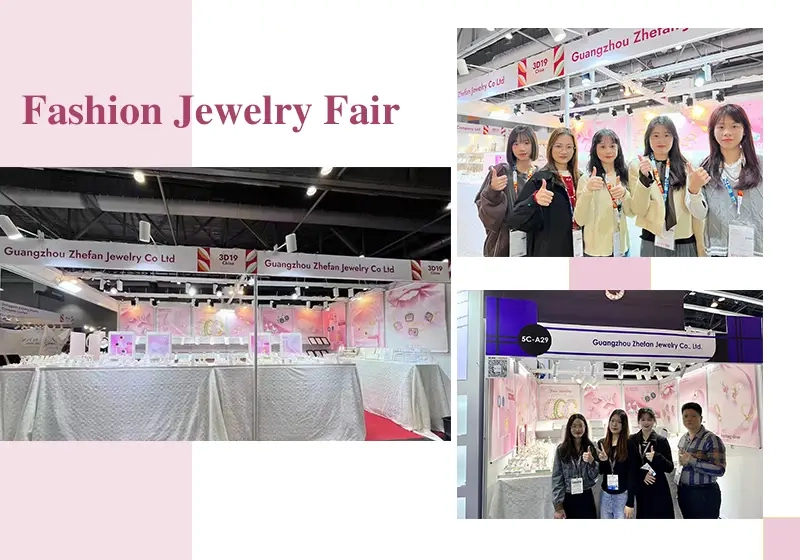
Zhefan Jewelry Will Attend Hong Kong Jewelry Fair
The Ultimate Guide to Sourcing Wholesale 925 Silver Adjustable Rings in 2026
Is a Brass Necklace Good? The Honest Truth About Wear, Tarnish, and Quality

Does Brass Jewelry Tarnish? Is Brass Jewelry Good? Complete Guide from a Professional Jewelry Manufacturer
Prdoucts Categories
FAQ
FAQs
What’s the shipment method?How long does it take for delivery?
Our product distributed to all over the world. Shipped by DHL/Fedex/ TNT/UPS takes 3-7 days,Epacket takes 7-15 days, China Post takes 15-30 days.
Do you attend any jewelry fairs?
Yes, we participate in Hong Kong Jewelry Fair and Canton Fair twice a year, please contact the seller for the latest invitation.
Do you offer after-sales warranty service?
Yes, we will refund or resend products if fading, stone falling off and other quality problems found in 1 month receipt of goods.Furthermore, we offer 1 year after-sales warranty service, but you need pay the shipping charge.
Products
What's the packaging of your jewelry?
Normally we use OPP bag, bubble bag and paper box to pack the goods,custom packaging is acceptable as well.
What services can we provide?
Accepted Delivery Terms: FOB, CIF, EXW, Express Delivery;
Accepted Payment Currency: USD, EUR, JPY, CAD, AUD, HKD, GBP, CNY, CHF;
Accepted Payment Type: T/T, L/C, MoneyGram, Credit Card, PayPal, Western Union, Cash, Escrow;
Language Spoken: English, Chinese, Spanish, Japanese, Portuguese, German, Arabic, French, Russian, Korean, Hindi, Italian.
What is the payment method?
Our payment method are Alibaba Trade Assurance(MasterCard, visa, e-Checking, PAYLATER, T/T),T/T, PayPal,Western Union.
Discuss Your Ideas with a Professional Custom Jewelry Manufacturer
We provide personalized jewelry customization services for clients worldwide.
Rest assured that your privacy is important to us, and all information provided will be handled with the utmost confidentiality.
By clicking 'Send Inquiry Now' I agree to ZHEFAN JEWELRY processing my personal data.
To see how to withdraw your consent, how to control your personal data and how we process it, please see our Privacy Policy and Terms of use.
From design to production, ZHEFAN JEWELRY offers a one-stop solution to help you enhance your brand value and market competitiveness.
Get A Quote
Contact
Tel: (+86) 188 1927 7817
© 2026 Zhefan Jewelry. All Rights Reserved.
Facebook
Instagram
YouTube
Whatsapp: +8618819277817