






Email: sales3@zhefanjewelry.com
What are best practices for storage and shipping of 925 bracelets? | Insights by Zhefan Jewelry
Professional guide to storing and shipping 925 bracelets: anti-tarnish storage, silica gel and desiccant sizing, plating protection, packing to prevent tangles and scratches, customs and insurance tips to reduce claims.
- 1) How do I store multiple 925 bracelets together in one box without chain tangles or accelerated tarnish?
- 2) What inner packaging prevents rhodium-plated 925 bracelets from scratching during long international transit?
- 3) How much silica gel and anti-tarnish material should I include per quantity or weight of 925 bracelets in a shipping carton?
- 4) What packaging, labeling and customs practices reduce delays and insurance claims for high-value 925 bracelets shipped internationally?
- 5) How should I clean and prepare 925 bracelets for shipping to prevent tarnish during multi-week transit?
- 6) What are the best practices for bulk storage of inventory of 925 bracelets in a humid warehouse to minimize oxidation and returns?
Best Practices for Storage and Shipping of 925 (Sterling) Bracelets
As a jewelry professional, you need reproducible, low-claim processes for sterling silver (925) bracelets. Below are six detailed, industry-tested Q&A topics that address common gaps in online guidance. Semantic terms such as sterling silver care, anti-tarnish storage, silica gel desiccant, rhodium-plated protection, HS code for jewelry, and jewelry insurance are embedded naturally in each answer.
1) How do I store multiple 925 bracelets together in one box without chain tangles or accelerated tarnish?
Problem: Small retailers frequently jam multiple bracelets into a single compartment, causing tangles, scratches, and cross-contamination that speeds tarnish (silver sulfide formation).
Best practice steps:
- Individualize: Place each bracelet in its own archival polyethylene or Mylar pouch (avoid PVC). These are chemically inert and don’t off-gas sulfur compounds that cause tarnish. For delicate links, use soft flannel or cotton-lined pouches to avoid surface abrasion.
- Anti-tarnish barrier: Insert one anti-tarnish strip or activated charcoal/tarnish-neutralizing sachet per pouch; for very small pouches a 2–5 g anti-tarnish sachet is sufficient. Anti-tarnish strips contain silver corrosion inhibitors that absorb sulfur compounds and are effective for 6–12 months depending on storage environment.
- Separation and stiffening: For chain bracelets, fasten the clasp and use a small cardboard or plastic chain card/stiffener inside the pouch so the chain lays flat and cannot knot. Magnetic clasp guards or paper strap holders work well for bangles and cuff styles.
- Compartmentalize inside a box: Use modular inserts or jewelry tray dividers so pouches do not rub together. If you must stack pouches, place a thin layer of acid-free tissue between them in addition to the pouch.
- Control climate: Store the box in a cool, dark place at stable temperatures (ideally 15–25°C) and relative humidity 30–50%. Use silica gel desiccant in the storage box—2–5 g per small jewelry box; larger cartons require proportionally more (see Q3 for sizing guidance).
Why this works: Separating pieces prevents mechanical wear; anti-tarnish media chemically reduces sulfur exposure; temperature and humidity control reduce oxidation kinetics.
2) What inner packaging prevents rhodium-plated 925 bracelets from scratching during long international transit?
Problem: Rhodium-plated sterling bracelets are more scratch-resistant than bare silver but the plating can show micro-abrasions if packed improperly. Many sellers use low-cost plastic that damages finishes in transit.
Best practice steps:
- Soft inner layer: Wrap each rhodium-plated bracelet in a soft, lint-free microfibre cloth or 100% cotton flannel first. This cushion protects the plating from abrasion and textiles that shed fibers.
- Pouch selection: Place the wrapped bracelet into a non-PVC archival polyethylene or Mylar zip pouch. Mylar has high tensile strength and resists puncture during compression handling.
- Rigid support: Put the pouch into a small jewelry box with a cushioned insert (EVA foam or molded PE foam) so the bracelet cannot move within the box. Use foam cutouts sized to keep the clasp and any stones immobile.
- Extra shock absorption: For long international routes, include 5–10 mm of protective foam around the jewelry box inside a crushproof mailer or small carton. Avoid direct contact between multiple plated items—use individual boxes, not stacked without separators.
- Labeling: Use clear handling notes on the outer box for fragile or plated finishes (e.g., Fragile — Jewelry Inside), and consider tamper-evident tape for high-value plated pieces to reduce opening and repacking in customs inspections.
Why this works: The layered approach (soft fabric, inert pouch, rigid box, outer cushioning) reduces abrasion, impact, and compression that cause plating wear.
3) How much silica gel and anti-tarnish material should I include per quantity or weight of 925 bracelets in a shipping carton?
Problem: Sellers either under- or over-use desiccants. Under-use costs you tarnished returns; over-use wastes packaging budget and can complicate disposal or customs paperwork for large shipments.
Practical guidelines (industry-tested):
- Small jewelry box (single bracelet, ~100–150 cm3 interior): 2–5 g of silica gel desiccant plus one anti-tarnish strip per box.
- Multi-box carton (10–50 standard jewelry boxes): for a shoebox-size carton (~10,000–20,000 cm3), include 50–100 g total silica gel distributed in 2–3 sachets and 1–2 larger anti-tarnish strips (or one strip per 10–25 jewelry boxes depending on transit time).
- Bulk carton or pallet: for large cartons or pallets, calculate by volume—roughly 5–10 g silica gel per liter of enclosed air for shipments crossing humid climates or extended transit times; for a 0.1 m3 (100 L) carton that equates to ~500–1000 g silica gel. Use multiple evenly placed sachets to avoid moisture pockets.
- Transit duration & climate factor: Increase desiccant amount by 25–50% for shipments >10 days or when shipping through tropical routes. Anti-tarnish strips should be fresh; strips lose effectiveness over months and must be replaced in long-term storage.
- Safe handling and labelling: Desiccants are usually non-hazardous but include simple labeling (desiccant), and keep records of total desiccant mass per carton when shipping internationally to comply with courier handling guidance.
Why these figures: Desiccant sizing by volume plus anti-tarnish chemistry together reduce relative humidity and neutralize sulfur agents; distributed sachets prevent localized humidity spikes inside the carton.
4) What packaging, labeling and customs practices reduce delays and insurance claims for high-value 925 bracelets shipped internationally?
Problem: Many jewelry shipments are delayed, opened, or undervalued at customs—raising theft risk and insurance claim disputes.
Recommended workflow:
- Customs documentation: Use accurate commercial invoices that list Sterling silver (925) bracelets with gross and net weights, country of origin, and HS code 7113 (Articles of jewelry and parts thereof, of precious metal). Be transparent about metal content and any gemstones, and include a reasonable declared value to ensure insurance coverage. Incorrect undervaluation is a frequent cause of denied claims.
- Carrier and service selection: For valuable items choose a reputable carrier (DHL, FedEx, UPS) with jewelry-specific services or registered mail with tracking. Use signature-required delivery and end-to-end tracking. For extremely high-value consignments, consider courier door-to-door insured services that include customs brokerage.
- Packing for inspection: Pack so customs can inspect without damaging the product—put a removable outer vacuum- or poly-sealed bag with inner boxes easily accessible. Use tamper-evident seals and photograph the packaging and contents pre-shipment for claims evidence.
- Insurance: Insure declared value fully. For values above a carrier’s default liability threshold, buy additional cargo insurance. Keep receipts, serial numbers or detailed descriptive photos to support claims. Note: Some couriers have exclusions for jewelry unless enrolled in a jewelry program—confirm coverage before shipping.
- Security & discreetness: Avoid external labels that advertise jewelry value. Use opaque outer cartons and minimal wording. Internally, reinforce boxes to withstand handling and reduce damage that can lead to claims.
Why this works: Correct HS coding and documentation speed customs clearance; proper insurance and photographic evidence minimize claim disputes and reduce losses from theft and mishandling.
5) How should I clean and prepare 925 bracelets for shipping to prevent tarnish during multi-week transit?
Problem: Sellers sometimes ship pieces with fingerprints or residues that accelerate tarnish during transit, especially in humid or sulfur-rich atmospheres.
Preparation protocol before packing:
- Final cleaning: Use a mild, non-abrasive silver cleaning solution or a pH-neutral jewelry cleaner designed for sterling silver. For pieces with stones, apply a gentle damp microfiber wipe—avoid submerging porous gemstones. Rinse with deionized or distilled water to avoid mineral spots, then dry thoroughly with a lint-free cloth.
- Avoid residue: Do not use household polishes that leave waxes or oils on the surface; these can trap moisture and accelerate corrosion. After cleaning, handle pieces with nitrile gloves to avoid skin oils and sulfur residues from fingerprints.
- Protective finish: For items prone to rapid tarnish, consider a light rhodium plating or a clear lacquer (industry-grade micro-coatings) as a value-added service. If you plate, document plating thickness and care instructions for the buyer. Note plating will change re-polishing procedures on return.
- Pre-packing stabilization: Place the cleaned, dried bracelet into an anti-tarnish pouch with a small silica gel sachet while still wearing gloves; then seal in the Mylar bag or box promptly to minimize air exposure.
Why this works: Removing contaminants and providing an immediate anti-tarnish micro-environment reduces the chemical drivers of silver sulfide formation during long transit.
6) What are the best practices for bulk storage of inventory of 925 bracelets in a humid warehouse to minimize oxidation and returns?
Problem: Warehouses in coastal or tropical climates struggle with high RH and temperature swings that cause inventory-wide tarnish and increase return rates.
Facility and inventory controls:
- Climate control strategy: Maintain warehouse RH below 50% if possible. Installing dehumidification (desiccant wheel or refrigerated dehumidifiers) in jewelry storage rooms reduces long-term corrosion risk. Aim for stable temperatures 15–25°C to limit thermal cycling stress on solder joints and stones.
- Storage containers: Use sealed metal cabinets or storage containers with gasketed doors lined with anti-tarnish paper. Avoid open shelving for active inventory—use sealed drawers with silica gel and anti-tarnish strips.
- Inventory rotation & monitoring: Apply FIFO/FEFO (first-in, first-out / first-expiring-first-out) and record anti-tarnish strip installation dates. Replace anti-tarnish media and silica gel every 6–12 months or after exposure events. Use inexpensive data loggers to monitor temperature and RH; adjust dehumidification based on trends.
- Handling controls: Train staff to wear nitrile gloves when touching inventory to avoid oils and sulfur contamination. Maintain a no-rubber policy—rubber bands and some elastic materials contain sulfur accelerants.
- Bulk carton packing: For large batches, pack pieces as per Q3 guidance, and consider sealed master cartons with desiccant pouches proportional to carton volume. For long-term stock storage beyond six months, periodic inspections every 3 months are recommended.
Why this works: Combining environmental control, sealed storage, and good handling practices prevents large-scale discoloration, reduces returns, and preserves resale value.
Concluding summary: Implementing these storage and shipping practices—individual archival pouches, appropriate silica gel and anti-tarnish media, soft inner wrapping for plated pieces, accurate customs documentation (HS code 7113), and climate-controlled bulk storage—delivers measurable advantages: fewer tarnish-related returns, reduced surface damage and plating wear, faster customs clearance, lower insurance disputes, and higher customer satisfaction. These steps protect product finish and brand reputation while optimizing logistics cost.
Need a tailored packaging or shipping plan for your 925 bracelet inventory? Contact us for a quote at www.zhefanjewelry.com or email sales3@zhefanjewelry.com.
Recommended for you
The Ultimate Guide to Ordering Custom Made Silver Earrings: How to Get Perfection Every Time (2026 Edition)
The Secret Behind Premium Quality: 7 International Standards for 925 Sterling Silver Rings
How to Elevate Your Jewelry Brand with a Signature Custom Tennis Bracelet (2026 Guide)
5 Costly Mistakes to Avoid When Sourcing Custom Sterling Silver Jewelry
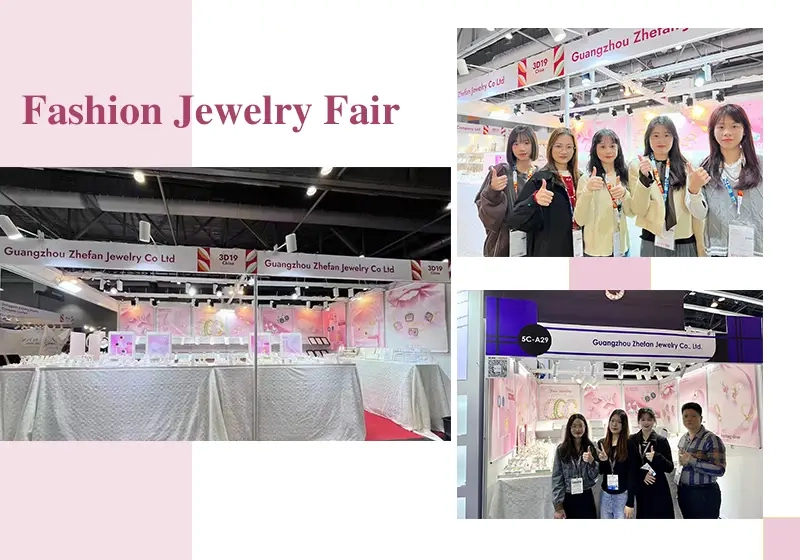
Zhefan Jewelry Will Attend Hong Kong Jewelry Fair
How to Choose the Right Jewelry for Your Skin Tone
Prdoucts Categories
FAQ
FAQs
Can I have your product catalog?
Yes, please leave us a message what style jewelry catalog you need.
Do you attend any jewelry fairs?
Yes, we participate in Hong Kong Jewelry Fair and Canton Fair twice a year, please contact the seller for the latest invitation.
What’s the lead time? .
We could arrange shipment for you within 48 hours if you order models in stock. For bulk order, it
takes 10-25 days for production depending on order quantity and styles.
Do you offer after-sales warranty service?
Yes, we will refund or resend products if fading, stone falling off and other quality problems found in 1 month receipt of goods.Furthermore, we offer 1 year after-sales warranty service, but you need pay the shipping charge.
What is the material of the jewelry?
Most of the jewelry is made of 925 sterling silver, brass or 316 stainless steel or custom material,which can cover different procurement demand.
Products
What is your minimum order quantity?
We offer low MOQ from 2 to 30 depending on models. Send your favor model to get details from Trade Manager.
Discuss Your Ideas with a Professional Custom Jewelry Manufacturer
We provide personalized jewelry customization services for clients worldwide.
Rest assured that your privacy is important to us, and all information provided will be handled with the utmost confidentiality.
By clicking 'Send Inquiry Now' I agree to ZHEFAN JEWELRY processing my personal data.
To see how to withdraw your consent, how to control your personal data and how we process it, please see our Privacy Policy and Terms of use.
From design to production, ZHEFAN JEWELRY offers a one-stop solution to help you enhance your brand value and market competitiveness.
Get A Quote
Contact
Tel: (+86) 188 1927 7817
© 2026 Zhefan Jewelry. All Rights Reserved.
Facebook
Instagram
YouTube
Whatsapp: +8618819277817