








Email: sales3@zhefanjewelry.com
How to audit a stainless steel jewelry factory onsite?
Practical, standards-backed onsite audit questions for buyers of stainless steel jewelry. Learn how to verify 316L material, detect nickel-release risks, evaluate passivation/electropolishing, validate capacity, set QC sampling, and spot contamination risks.
- 1) How can I verify the stainless grade (e.g., 316L vs 304) onsite without a full lab report?
- 2) What minimum onsite checks will reveal hidden nickel-release risks in stainless jewelry?
- 3) How do I evaluate a factory's passivation and electropolishing effectiveness during an audit?
- 4) How can I objectively evaluate a factory's quoted production capacity for rings, bracelets, or chains during an onsite audit?
- 5) Which QC sampling plans and onsite inspection methods reliably detect plating/PVD failures for stainless jewelry?
- 6) What factory safety and environmental issues directly harm stainless jewelry quality, and how can I test for contamination onsite?
- Conclusion: Advantages of auditing and choosing a verified stainless steel jewelry manufacturer
How to Audit a Stainless Steel Jewelry Factory Onsite: 6 High-Value Questions for Buyers
When sourcing from a stainless steel jewelry manufacturer—especially for 316L pieces, PVD-gold plated items, or high-volume production—buyers need more than brochures. Below are six specific, pain-point-focused questions buyers often search for but rarely find in-depth answers to. Each answer includes practical, standards-referenced steps you can perform during an onsite factory audit, test evidence to request, and red flags to watch for.
1) How can I verify the stainless grade (e.g., 316L vs 304) onsite without a full lab report?
Why it matters: Different stainless grades have different corrosion resistance and nickel content. 316L is preferred for jewelry exposed to sweat and salt; 304 is less corrosion-resistant. Mis-specified metal is a common cause of returns and skin reactions.
Concrete onsite checks and actions:
- Ask for a Mill Test Report (MTR) or Material Certificate (MTC) for each lot. Verify grade, heat number, and supplier. A legitimate stainless steel jewelry manufacturer will retain MTRs and link them to batch/lot numbers.
- Use a handheld XRF analyzer: it provides alloy composition (Fe, Cr, Ni, Mo) in seconds. Check Ni and Mo values to distinguish 316L (Ni ~10–14%, Mo ~2–3%) from 304 (Ni ~8–10%, no Mo). Note: XRF has limitations for light elements and surface coatings; always compare to MTRs.
- Magnet test: 304 and 316L are generally non-magnetic when fully annealed. A permanent magnet can quickly detect strongly magnetic items (indicates ferritic content, likely not 316L). This is a quick screen but not definitive.
- Request recent lab verification: for high-risk orders request an independent chemical analysis from an ISO/IEC 17025 lab (OES or ICP methods). This is required when small differences in alloying elements matter.
Red flags:
- No MTRs or evasive answers about batch traceability.
- Significant mismatch between XRF readings and supplier paperwork.
- Factory claims 316L but multiple samples show magnetic behaviour or unusually high corrosion in quick salt exposure.
2) What minimum onsite checks will reveal hidden nickel-release risks in stainless jewelry?
Why it matters: Nickel release (and other allergenic ions) often comes from surface finish, coatings, or inadequate passivation—not just base alloy. Buyers need to see the factory controls that reduce skin-sensitizing ion release.
Onsite checklist to detect nickel-release risks:
- Ask for EN 1811 test reports for the product range or a representative batch. EN 1811 is the European standard for nickel release from jewelry. If the factory cannot provide EN 1811 reports, request alternative accredited lab evidence and ask for the testing method.
- Inspect surface finishing processes: final polishing, electropolishing, passivation, and PVD/ion plating steps. Rough surfaces and worn plating are major contributors to ion release.
- Confirm coating type: PVD/IP coatings typically reduce nickel exposure better than simple electroplating if applied correctly. Request adhesion and thickness records (XRF thickness, PVD process parameters).
- Ask for corrosion test evidence (salt spray/ASTM B117 or ISO 9227) for plated/treated samples and compare to acceptance criteria (e.g., 48–240 hours depending on finish and buyer tolerance).
Practical onsite tests:
- Visual and tactile inspection for blistering, porosity, or uneven platings.
- Simple wear simulation: rub a concealed sample with isopropyl alcohol and a soft cloth to check immediate staining or color transfer (not definitive but useful).
- Request to witness the EN 1811 testing or see chain-of-custody and certificates from an ISO/IEC 17025 lab. Always verify lab accreditation.
Red flags:
- No EN 1811 reports or inconsistent plating/corrosion documentation.
- Visible polish/wear defects on finished pieces from the production line.
3) How do I evaluate a factory's passivation and electropolishing effectiveness during an audit?
Why it matters: Proper chemical passivation and electropolishing remove free iron and contaminants that accelerate corrosion and cause staining or allergic reactions. Poor baths or uncontrolled processes ruin even genuine 316L jewelry.
What to ask and inspect onsite:
- Request passivation and electropolishing SOPs and recent bath control logs. Legitimate processes record bath chemistry, temperature, time, and replacement frequency. ASTM A967 covers chemical passivation methods for stainless steel.
- Check for dedicated, labeled tanks with clear signage, PPE, and documented drain/disposal procedures. Corrosion control processes should be segregated from plating lines to prevent cross-contamination.
- Examine incoming process control records: are parts rinsed properly between steps, and is DI/RO water used for final rinses? Residual salts or oils will compromise passivation.
- Look for evidence of electropolishing validation: surface roughness (Ra) records, before/after images, and salt-spray test results. Electropolishing should lower Ra and improve corrosion resistance.
Simple verification tests onsite:
- Contact angle test (drops of water) — well-passivated/electropolished surfaces have more uniform wetting; inconsistent beading can indicate contamination.
- Salt test samples: request production pieces that have completed passivation; perform a brief visual check for flash corrosion after wiping with saline-soaked cloth (not a substitute for ASTM B117 lab testing).
Red flags:
- No documented bath chemistry records or uncontrolled bath topping up.
- Shared tanks for incompatible chemistries or visible sludge/contamination.
4) How can I objectively evaluate a factory's quoted production capacity for rings, bracelets, or chains during an onsite audit?
Why it matters: Suppliers commonly overstate capacity. Verifying real throughput prevents late shipments, hidden subcontracting, and quality drops when orders scale up.
Onsite steps to validate capacity:
- Perform equipment inventory: count CNC lathes, stamping presses, polishing stations, PVD chambers, passivation tanks, and dedicated QA benches. Ask for asset ages and maintenance logs.
- Cycle-time sampling: observe a production line for 30–60 minutes. Record cycle times per operation (stamping, forming, welding, polishing). Multiply by available shifts to calculate theoretical throughput. Request the factory's OEE (overall equipment effectiveness) or actual historical output.
- Review workforce skills and shift patterns: how many trained polishers or TIG welders are available? Jewelry finishing is labor-sensitive—polishing capacity is often the bottleneck.
- Check inventory and WIP: large WIP piles often indicate bottlenecks; conversely, empty lines with many parts missing may indicate reliance on subcontractors.
- Ask for recent production run records: order history, lead times, rejected rates, and reasons for rejects. Cross-check with purchase order dates and shipment records.
Red flags:
- Factory claims high output but has few finishing stations or no PVD/passivation capacity on site.
- High manual rework areas or repeated schedule slips on recent orders.
5) Which QC sampling plans and onsite inspection methods reliably detect plating/PVD failures for stainless jewelry?
Why it matters: Plating delamination, color drift, and abrasion are top quality complaints. A robust QC plan balances statistical sampling with functional tests that predict real-world wear.
Recommended inspection and sampling approach:
- Adopt an AQL-based sampling plan per ISO 2859-1 for incoming finished lots. For high-risk plated items, use tighter inspection levels (e.g., AQL 0.65–1.0 for critical defects).
- Perform functional tests on representative samples: cross-hatch adhesion (ISO 2409), tape test, and spot salt-spray corrosion (ASTM B117 / ISO 9227) on sacrificial pieces.
- Measure coating thickness with handheld XRF for plated samples. For PVD, verify process parameters and test for thickness uniformity. Typical PVD thicknesses are thin (<1 µm) so adhesion tests are crucial.
- Conduct rub/abrasion tests (Taber or manual rub with solvent) to simulate wear. Check for color transfer and substrate exposure.
- Use visual inspection under consistent lighting (D65 or 5000K) and a quality standard board of accepted/defect examples. Capture photos for supplier nonconformance records.
Onsite practical tips:
- Request to witness or review last 3 production QC reports with defect classification and corrective action records.
- For large orders, require pre-shipment validation samples that undergo the same tests you require for approval of the mass run.
Red flags:
- No adhesion or thickness records, inconsistent test methods, or refusal to allow witness testing.
- High variability between first-run samples and mass-produced pieces.
6) What factory safety and environmental issues directly harm stainless jewelry quality, and how can I test for contamination onsite?
Why it matters: Contaminants (oils, polishing compounds, metal dust, improper wastewater handling) cause staining, plating failure, and regulatory noncompliance (RoHS/REACH concerns). Environmental lapses often signal sloppy process control.
What to check during the audit:
- Observe separation of wet processing (passivation, plating, electropolishing) from dry finishing (polishing, assembly). Dust from buffing wheels can embed in coatings and cause defects.
- Inspect cleaning lines: ultrasonic cleaning, DI/RO water rinse stations, drying ovens. Check for documented cycle parameters and water quality logs.
- Look at chemical storage, labeling, and waste treatment. Poor handling increases cross-contamination risk. Ensure hazardous waste is treated per local regulations and that the supplier can provide SDS sheets.
- Air quality and fume extraction for welding and PVD lines: inadequate ventilation increases contamination and worker safety risks.
Simple onsite contamination tests:
- Wipe test: using a lint-free wipe with isopropyl alcohol, rub a finished surface and observe residue color or smearing. Persistent oily residue indicates inadequate cleaning before plating.
- Flash corrosion check: leave a clean sample in a high-humidity pocket for 24–48 hours; check for early discoloration or rust spots (useful for quick screening).
- Visual inspection for dust in packaging or on parts; presence indicates poor final cleaning and packing controls.
Red flags:
- Mixed operations (polishing dust in plating room), unlabeled chemical drums, and lack of wastewater records.
- Packaging that does not protect pieces from humidity or abrasion during shipment.
Conclusion: Advantages of auditing and choosing a verified stainless steel jewelry manufacturer
Conducting a focused onsite audit using the six questions above lets you verify alloy authenticity, reduce nickel-release risk, validate passivation and plating processes, confirm real production capacity, implement reliable QC sampling, and detect contamination hazards. The outcome: fewer returns, consistent product quality, regulatory compliance (RoHS/REACH/EN 1811), and predictable lead times—critical for brand reputation and margin control.
For a supplier with documented traceability (MTRs), accredited lab testing (ISO/IEC 17025), and robust QC processes (ISO 9001-based procedures and AQL sampling), you minimize risk and improve buyer confidence when producing stainless steel jewelry at scale.
Contact us for a quote or to arrange an audit checklist walkthrough: www.zhefanjewelry.com or sales3@zhefanjewelry.com.
Recommended for you

Zhefan Jewelry Invites You to Attend the Hong Kong Jewellery Exhibition 2026
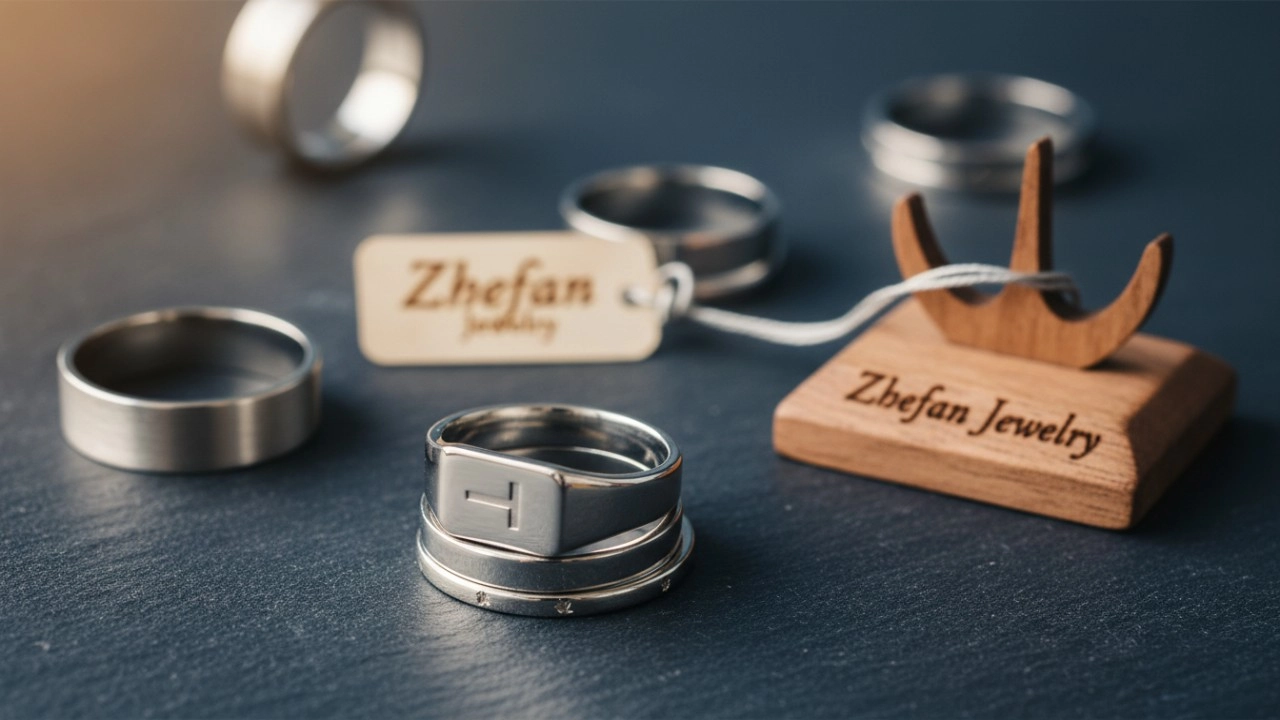
The Ultimate 2026 Guide to Stainless Steel Ring Jewelry: Why It Outshines Traditional Metals

What is Zircon Jewelry?-The Ulimate Guide
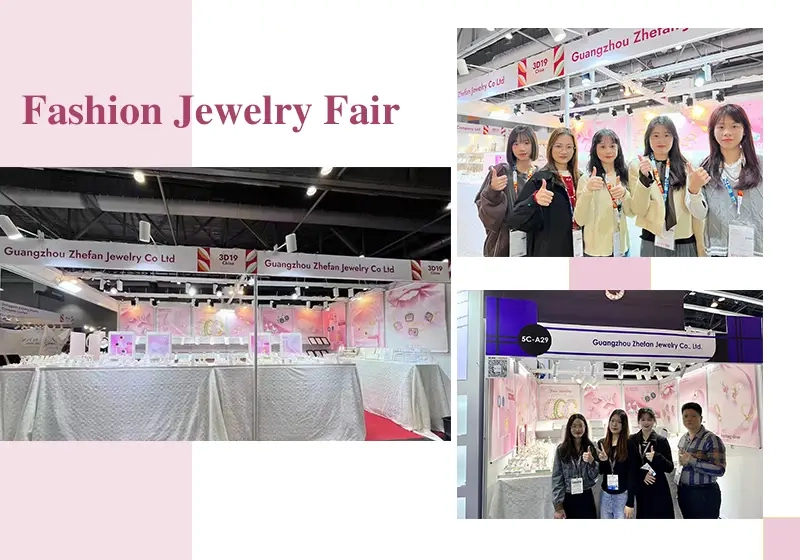
Zhefan Jewelry Will Attend Hong Kong Jewelry Fair
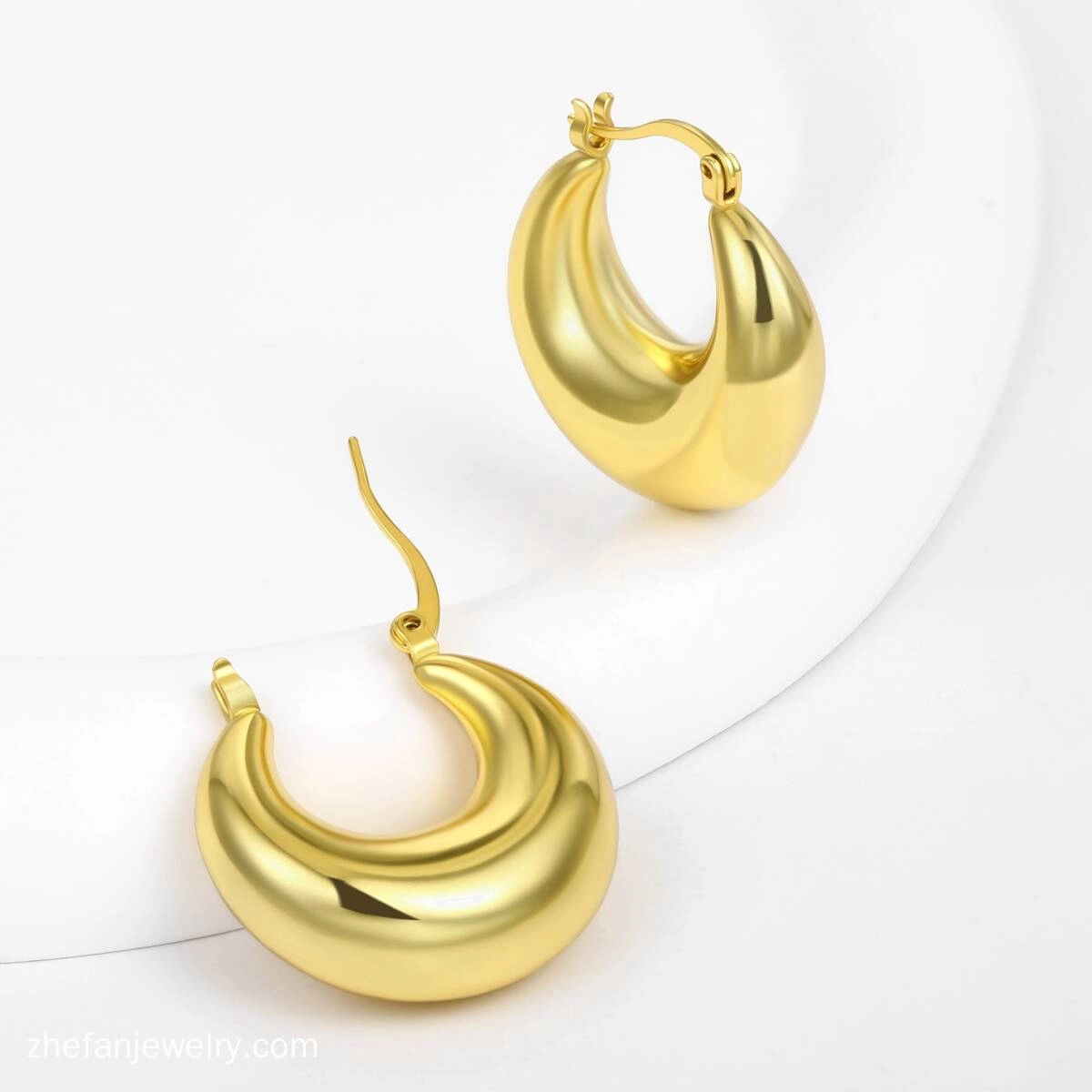
Launch Your Brand: A Guide to Sourcing Custom Wholesale Brass Huggie Earrings
Is Stainless Steel a Good Type of Jewelry? Pros, Cons, and Why Brands Choose Stainless Steel Jewelry
Prdoucts Categories
FAQ
FAQs
Do you offer after-sales warranty service?
Yes, we will refund or resend products if fading, stone falling off and other quality problems found in 1 month receipt of goods.Furthermore, we offer 1 year after-sales warranty service, but you need pay the shipping charge.
What’s the lead time? .
We could arrange shipment for you within 48 hours if you order models in stock. For bulk order, it
takes 10-25 days for production depending on order quantity and styles.
Products
How long will the plating color last?
Generally 6 month for Water Plated color , 1 - 2 years for vacuum plated color if in proper wearing.
What's themonthly production capacity?
600,000 pcs per month.
How can we guarantee quality?
Always a pre-production sample before mass production;
Always final Inspection before shipment;
What’s the shipment method? How long does it take for delivery?
Our product distributed to all over the world. Shipped by DHL / Fedex / TNT / UPS takes 3-7 days, Epacket takes 7-15 days, China Post takes 15-30 days.
Discuss Your Ideas with a Professional Custom Jewelry Manufacturer
We provide personalized jewelry customization services for clients worldwide.
Rest assured that your privacy is important to us, and all information provided will be handled with the utmost confidentiality.
By clicking 'Send Inquiry Now' I agree to ZHEFAN JEWELRY processing my personal data.
To see how to withdraw your consent, how to control your personal data and how we process it, please see our Privacy Policy and Terms of use.
From design to production, ZHEFAN JEWELRY offers a one-stop solution to help you enhance your brand value and market competitiveness.
Get A Quote
Contact
Tel: (+86) 188 1927 7817
© 2026 Zhefan Jewelry. All Rights Reserved.
Facebook
Instagram
YouTube
Whatsapp: +8618819277817