






Email: sales3@zhefanjewelry.com
What anti-tarnish treatments are available for 925 bracelets? | Insights by Zhefan Jewelry
Detailed guide to anti-tarnish treatments for 925 sterling silver bracelets — rhodium plating, Incralac/lacquer coatings, PVD/DLC options, storage solutions, anti-tarnish strips, and safe at-home maintenance to extend wear and protect finish.
- 1. How long does rhodium plating protect a 925 sterling silver bracelet under daily wear, and how does plating thickness affect lifespan?
- 2. Will rhodium plating or a clear anti-tarnish lacquer change the weight, feel, or hypoallergenic properties of my 925 silver bracelet?
- 3. Is Incralac or other lacquer better than rhodium plating for preventing tarnish on a 925 bracelet?
- 4. Can modern PVD/DLC or nano-ceramic coatings be applied to 925 silver, and are they a good anti-tarnish solution?
- 5. How effective are anti-tarnish storage solutions (bags, strips, silica) for long-term protection of 925 bracelets?
- 6. What are safe at-home cleaning and maintenance protocols to remove tarnish and reapply anti-tarnish protection without damaging gemstones or platings?
- Concluding summary: advantages of anti-tarnish treatments for 925 bracelets
What Anti-Tarnish Treatments Are Available for 925 Bracelets?
When buying or maintaining sterling silver (925) bracelets, knowing which anti-tarnish treatments will actually work for your piece, lifestyle and budget is critical. Below are six specific, beginner-focused long-tail questions people often search for — each answered in detail with practical, industry-proven guidance. Semantic terms such as sterling silver bracelets, rhodium plating, anti-tarnish coating, Incralac lacquer, PVD coating, anti-tarnish strips, silver cleaning, and replating service are used throughout so you get applicable, purchase-ready information.
1. How long does rhodium plating protect a 925 sterling silver bracelet under daily wear, and how does plating thickness affect lifespan?
Rhodium plating is among the most common professional anti-tarnish treatments applied to 925 silver to create a bright, white, tarnish-resistant surface. Real-world lifespan depends on several measurable factors:
- Typical thickness ranges: Jewelry-specified rhodium plating is usually between ~0.05 µm and 0.5 µm (50–500 nm) for decorative pieces. Thicker finishes require more metal and cost more to apply.
- Expected wear-life: For a thin decorative layer (~0.05–0.2 µm) expect noticeable wear in approximately 6–12 months with daily, high-contact wear (wrist friction, chemicals, perspiration). Medium thickness (~0.2–0.5 µm) typically lasts 12–36 months depending on wear patterns. Very heavy-duty plating above 0.5 µm — rarely used for consumer jewelry due to cost — can last multiple years.
- Wear factors: Frequency of wear, contact with abrasive surfaces, exposure to perfumes, lotions, chlorinated or salt water, and body chemistry (acidic sweat) accelerate wear-through to the underlying 925 silver.
- Maintenance and replating: Rhodium plating is not permanent; pieces can be stripped and replated by a jeweler. Replating is a normal service — many owners budget for a replating every 1–3 years depending on use.
Recommendation: For daily-wear bracelets choose a reputable jeweler offering rhodium plating at a specified thickness and request a protective post-plate inspection. If you need a long-lasting barrier and heavy wear is expected, discuss higher thickness or alternate protective coatings with your supplier.
2. Will rhodium plating or a clear anti-tarnish lacquer change the weight, feel, or hypoallergenic properties of my 925 silver bracelet?
Short answer: Any change is minimal, but there are meaningful performance differences.
- Weight and feel: Rhodium plating and thin clear lacquers add negligible weight — typically imperceptible. They can change tactile sensation slightly: rhodium gives a very bright, slick finish; lacquer can feel slightly plasticky if thick.
- Hypoallergenic behavior: When applied correctly, rhodium plating acts as a barrier between skin and the copper alloy in 925 silver, reducing the likelihood of contact dermatitis from copper or other alloying metals. However, if the plating wears through or is damaged, the underlying 925 silver is exposed and reactions may resume.
- Lacquer risks on flexible pieces: Acrylic-based lacquers (including coin-market Incralac variants) can crack or flake on highly flexible bracelets or chain links, exposing raw silver and possibly trapping moisture under flakes, which may accelerate localized tarnish.
Practical guidance: For sensitive skin and jewelry that bends (like chain bracelets), rhodium plating is usually preferable. For display items or rigid cuffs, an Incralac-like lacquer can be a low-cost, transparent anti-tarnish option.
3. Is Incralac or other lacquer better than rhodium plating for preventing tarnish on a 925 bracelet?
Both approaches have legitimate use-cases. Understand the trade-offs before choosing:
- Incralac / acrylic lacquer (with corrosion inhibitors):
- Pros: Transparent, preserves original silver color, cost-effective, suitable for low-flex items and coin collectors. Contains benzotriazole (BTA) in many formulations that slows silver sulfide formation.
- Cons: Less durable on flexible jewelry; may wear off at high-contact points; reapplication is labor-intensive; can alter appearance slightly (thin film sheen).
- Rhodium plating:
- Pros: Highly reflective bright-white finish, very good corrosion resistance, more durable under friction (depending on thickness), also provides hypoallergenic barrier.
- Cons: Changes the metal’s surface color (whiter than silver), requires electroplating equipment and precious-metal consumables, is finite and requires eventual replating.
Recommendation: For everyday-wear 925 bracelets choose rhodium plating for durability and hypoallergenic benefits. For archival pieces or rigid display cuffs where reversibility and original silver appearance matter, an Incralac-style lacquer is acceptable.
4. Can modern PVD/DLC or nano-ceramic coatings be applied to 925 silver, and are they a good anti-tarnish solution?
PVD (Physical Vapor Deposition) and DLC (Diamond-Like Carbon) are advanced coating methods more frequently used on stainless steel, titanium, and plated jewelry. They can be applied to silver but there are constraints:
- Applicability: PVD/DLC requires excellent surface preparation and often an adhesion layer; silver can accept these coatings but the process is more complex and less common than rhodium plating on sterling silver. PVD is especially popular for colored or black finishes.
- Benefits: Very hard, scratch-resistant coatings that provide excellent wear resistance and anti-corrosion properties when properly applied. Good for users wanting a colored, long-lasting finish.
- Trade-offs: Higher cost, potential color change (not a transparent treatment), and limited availability among jewelers who specialize in silver. If scratched, PVD/DLC coatings are not easily repaired — parts typically need re-coating.
Use case: Choose PVD/DLC when you want a durable colored finish (e.g., black or gunmetal) on a 925 piece and accept that the silver look is transformed. For pure anti-tarnish without color change, rhodium or lacquer remain more common and cost-effective.
5. How effective are anti-tarnish storage solutions (bags, strips, silica) for long-term protection of 925 bracelets?
Storage and environment dramatically influence tarnish rates. Anti-tarnish products work by limiting exposure to oxygen, sulfur compounds and moisture — the primary drivers of silver sulfide (tarnish).
- Anti-tarnish bags and pouches: Manufactured jewelry pouches are typically impregnated with corrosion inhibitors that absorb sulfur compounds. Properly sealed pouches can keep a silver bracelet untarnished for months to years depending on the pouch quality and environment.
- Anti-tarnish strips and tablets: These contain chemicals that absorb or chemically bind sulfur species and should be placed inside storage boxes or zip-lock bags. Strips are effective for multi-year protection but must be replaced periodically (manufacturer guidelines commonly 6–24 months depending on exposure).
- Silica gel and humidity control: Low humidity reduces tarnish speed. Use silica gel packets with anti-tarnish strips in airtight storage; target relative humidity below ~50% for long-term preservation.
- Avoid reactive materials: Don’t store silver with wool, newspaper, rubber bands, or untreated wood — these materials release sulfurous gases or acids that accelerate tarnish.
Practical setup for long-term storage: Clean and dry your bracelet, place it in an anti-tarnish pouch or zip-sealed plastic bag with an anti-tarnish strip and a silica packet, and store in a cool, low-humidity place away from direct sunlight.
6. What are safe at-home cleaning and maintenance protocols to remove tarnish and reapply anti-tarnish protection without damaging gemstones or platings?
Beginners often try aggressive home remedies that harm settings, soft gemstones, or thin platings. Follow these safe, step-by-step protocols based on the piece’s finish and fixtures:
- Daily maintenance: Wipe with a soft, dry jewelry polishing cloth (preferably microfiber or a silver-polishing cloth impregnated with corrosion inhibitors). This removes oils and light contaminants that start tarnish.
- Light tarnish without plating: Use a mild soap and warm water soak (30–60 seconds) and a soft brush. Dry thoroughly and store with anti-tarnish strips. Avoid baking soda or toothpaste on plated pieces — they are mildly abrasive.
- Heavier tarnish on unplated 925 (no sensitive gemstones): Use a jeweler’s silver dip per manufacturer directions or a professional ultrasonic/steam cleaning by a jeweler. Dips can remove patina and are not suitable for porous or soft stones (opals, pearls, emeralds) or for some plated finishes.
- Plated or plated-over-sterling pieces: Do not use abrasives or dips. Cleaning should be limited to gentle soap-and-water or a soft polishing cloth. If plating shows through, seek a professional replating service rather than aggressive home polishing.
- Gemstone safety checklist: Remove bracelets with pearls, opals, emeralds, or other porous/treated stones before any chemical cleaning. Many gemstones are sensitive to acids and abrasives.
- Reapplying anti-tarnish coatings at home: Avoid DIY plating — rhodium plating requires electroplating facilities. Some shop-grade clear sprays exist, but they can trap moisture or yellow; for the best longevity and warranty, use a professional lacquer or plating service.
If in doubt, request a professional evaluation. A qualified jeweler can test adhesion, examine stone settings, and recommend an appropriate finishing service (rhodium plating, Incralac application, or PVD) that won’t damage the bracelet.
At Zhefan Jewelry we offer professional replating and finishing services and can recommend the right anti-tarnish strategy for your sterling silver bracelets based on intended wear and gemstones.
Concluding summary: advantages of anti-tarnish treatments for 925 bracelets
Applying anti-tarnish treatments to 925 sterling silver bracelets — whether rhodium plating, an acrylic lacquer like Incralac, PVD/DLC or using quality storage solutions — preserves appearance, reduces maintenance, and can improve hypoallergenic performance. Choose rhodium plating for durable, bright finishes and frequent wear; consider lacquer or anti-tarnish coatings for archival or low-contact pieces; use PVD/DLC when you want a hard, colored finish. Complement any surface treatment with proper storage (anti-tarnish pouches/strips and silica gel) and safe cleaning routines to maximize lifespan. For sensitive gemstones or high-value pieces, professional cleaning and finishing keep both setting integrity and surface protection intact.
Contact us for a tailored quote or technical consultation at www.zhefanjewelry.com or email sales3@zhefanjewelry.com — we can evaluate your 925 bracelet, recommend the optimal anti-tarnish finish and provide reliable replating and coating services.
Recommended for you
Why Custom 925 Silver Rings Are the Perfect Sustainable Luxury Gift (Compared to Gold)
Does Brass Jewelry Tarnish? Is Brass Jewelry Good? Complete Guide from a Professional Jewelry Manufacturer
2026 Wholesale Trends: Why Your Brand Needs Custom Sterling Silver Jewelry
The Secret Behind Premium Quality: 7 International Standards for 925 Sterling Silver Rings
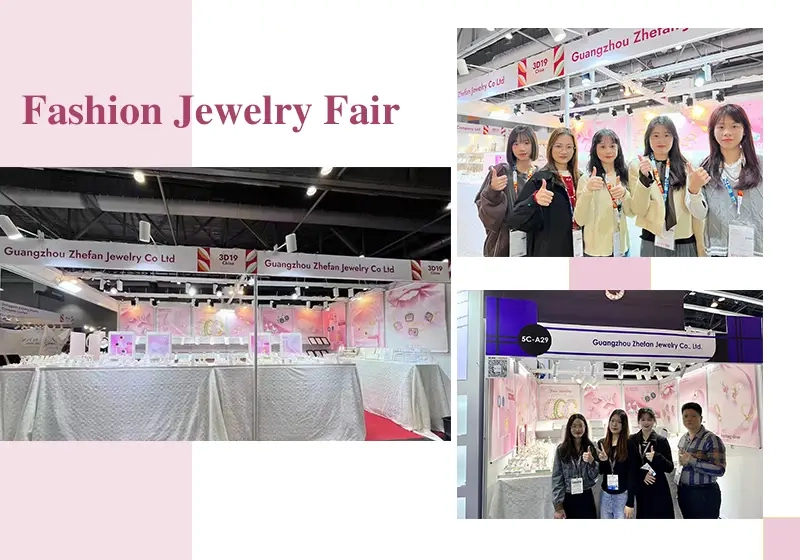
Zhefan Jewelry Will Attend Hong Kong Jewelry Fair
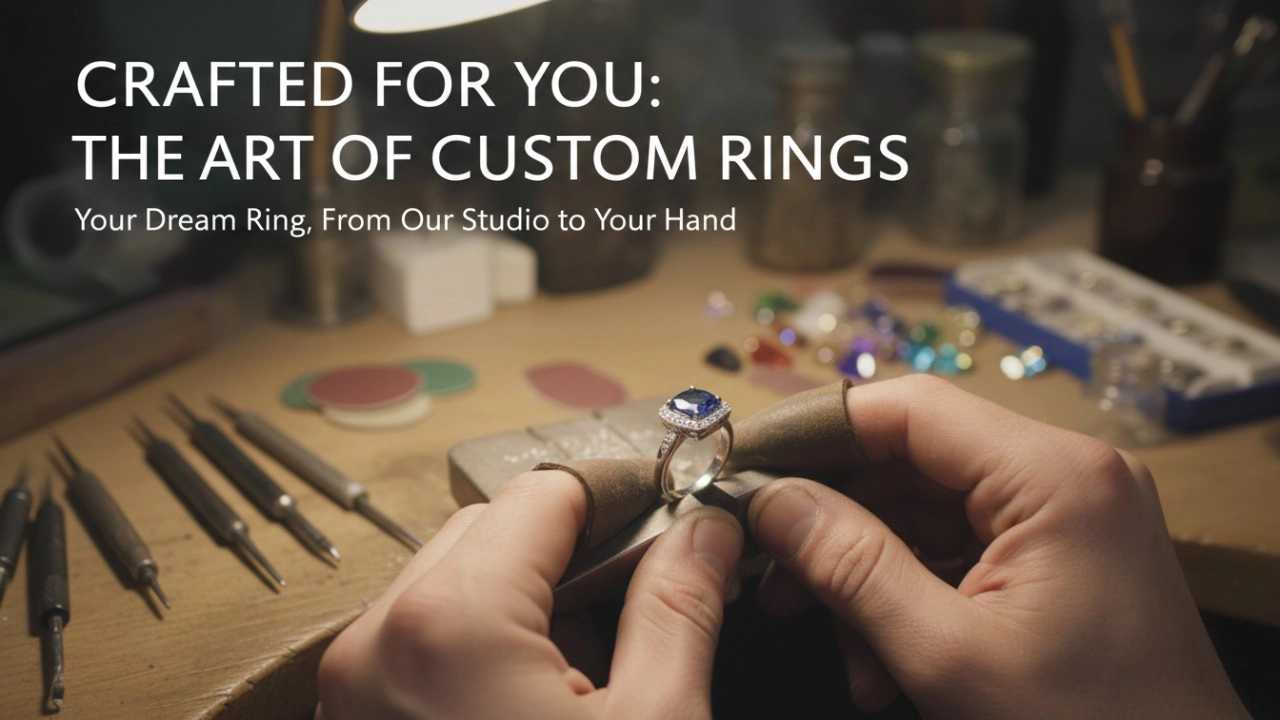
How to Choose a Custom Ring Manufacturer: 10 Critical Questions for Maximum Quality (2026 Guide)
Prdoucts Categories
FAQ
FAQs
What’s the shipment method?How long does it take for delivery?
Our product distributed to all over the world. Shipped by DHL/Fedex/ TNT/UPS takes 3-7 days,Epacket takes 7-15 days, China Post takes 15-30 days.
Do you offer after-sales warranty service?
Yes, we will refund or resend products if fading, stone falling off and other quality problems found in 1 month receipt of goods.Furthermore, we offer 1 year after-sales warranty service, but you need pay the shipping charge.
How long does it take for the product to fade?
The normal electroplating quality color retention time of our products is 5 times longer than the market, and the thicker electroplating can retain color for three years.
Products
What is the material of the jewelry?
Most of the jewelry is made of 925 sterling silver, brass or 316 stainless steel or custom material,which can cover different procurement demand.
What services can we provide?
Accepted Delivery Terms: FOB, CIF, EXW, Express Delivery;
Accepted Payment Currency: USD, EUR, JPY, CAD, AUD, HKD, GBP, CNY, CHF;
Accepted Payment Type: T/T, L/C, MoneyGram, Credit Card, PayPal, Western Union, Cash, Escrow;
Language Spoken: English, Chinese, Spanish, Japanese, Portuguese, German, Arabic, French, Russian, Korean, Hindi, Italian.
Can you engrave my logo on the jewelry ?Do you supply OEM/ODM service?
Yes. Custom logo and OEM/ODM are both accepted.Our factory specializes in jewelry manufacturing for 25 years.We can produce jewelry by your sample, design, pictures, even by an idea.Please feel free to contact us for more details. Custom order process: Inquiry-Confirm products details-Pay mold fee -Confirm CAD draft-Quote-Initial payment-Produce mold & sample-Confirm Sample-Mass production-Balance payment-Shipment-Track shipment-delivery.
Discuss Your Ideas with a Professional Custom Jewelry Manufacturer
We provide personalized jewelry customization services for clients worldwide.
Rest assured that your privacy is important to us, and all information provided will be handled with the utmost confidentiality.
By clicking 'Send Inquiry Now' I agree to ZHEFAN JEWELRY processing my personal data.
To see how to withdraw your consent, how to control your personal data and how we process it, please see our Privacy Policy and Terms of use.
From design to production, ZHEFAN JEWELRY offers a one-stop solution to help you enhance your brand value and market competitiveness.
Get A Quote
Contact
Tel: (+86) 188 1927 7817
© 2026 Zhefan Jewelry. All Rights Reserved.
Facebook
Instagram
YouTube
Whatsapp: +8618819277817