





Email: sales3@zhefanjewelry.com
What surface finishes are popular for 925 silver bracelet lines? | Insights by Zhefan Jewelry
This technical Q&A answers 7 buyer-focused, long-tail questions about surface finishes for 925 sterling silver bracelets — finish choice vs. wear, plating compatibility, QC specs, anti-tarnish strategies, regulatory and sustainability considerations, and precise procurement language to use with suppliers.
- 1. How does a surface finish (polish, satin/matte, brushed, hammered, sandblast, oxidized or plated) affect the legal 925 hallmark and the alloy’s silver content — can a finish mask non-compliant alloys?
- 2. For fine, thin bracelet chains (sub-2mm), which finishes best hide micro-scratches and everyday wear without making the piece look dull?
- 3. Which finishing processes are reliably compatible with rhodium or lacquer anti-tarnish coatings, and how should I specify pre-treatment to avoid adhesion failure or visual inconsistency?
- 4. How should I write QC acceptance criteria for surface finish defects on a 925 bracelet production run (scratch, polish streaks, texture variation, plating defects)?
- 5. Which finishes minimize tarnishing in humid or coastal environments, and what packaging and aftercare should I require to reduce returns?
- 6. What finish options and phrasing should I include in an RFQ to avoid vague quotes and hidden costs (e.g., “antique look” or “high polish” can mean different things)?
- 7. How do regulatory and sustainability issues (nickel release, plating waste, responsible sourcing) affect finish choice and vendor selection for large 925 bracelet orders?
- Conclusion — How to turn this into a practical supplier checklist
- Zhefan Jewelry — Why source your 925 sterling bracelet lines with us
7 Specific Buyer Questions About Surface Finishes for 925 Sterling Silver Bracelet Lines
As a procurement professional or product manager sourcing 925 sterling silver bracelet lines, you need finish recommendations that balance durability, cost, production reliability, regulatory compliance and consumer expectations. Below are 7 long-tail, pain-point questions buyers often ask but find only superficial or outdated answers for online. Each question includes practical specification language you can use with manufacturers and test/inspection steps.
1. How does a surface finish (polish, satin/matte, brushed, hammered, sandblast, oxidized or plated) affect the legal 925 hallmark and the alloy’s silver content — can a finish mask non-compliant alloys?
Short answer: surface finish does not change the alloy composition. A proper 925 (sterling) piece must be 92.5% silver by mass regardless of finish; finishing can’t legally convert a lower-grade alloy into ‘925’. Always require proof of alloy composition in your sourcing docs.
Practical buyer actions:
- Specify “Material: 925 sterling silver (92.5% Ag) — mill certificate or material COA required.”
- Require chemical verification (XRF spectroscopy) on production samples and random lots. XRF is non‑destructive and widely used for alloy verification.
- Include marking/hallmark spec: “Visible 925 mark on clasp or inner surface per client placement requirements.”
Why this matters: finishes like heavy plating or lacquer can visually conceal base metal color or defects, but do not change alloy makeup. For background on sterling silver composition see Sterling silver — Wikipedia.
2. For fine, thin bracelet chains (sub-2mm), which finishes best hide micro-scratches and everyday wear without making the piece look dull?
Fine chains are highly susceptible to visible scratches. The most forgiving finishes for thin profiles are satin/matte and very fine brushed textures. These finishes scatter light and make micro‑abrasions less apparent than a high mirror polish. A controlled light satin (machine or hand-satin with small abrasive grain) preserves perceived quality without looking worn.
Procurement checklist:
- Specify target finish: “Fine satin/matte finish; visual uniformity required; no directional tool marks unless intentional.”
- Ask manufacturer for sample chain links produced on the exact tooling and wire size you’ll use — not just a photo.
- Request a wear test: 1,000-cycle flex or abrasion test on sample chains to simulate clasping and wrist motion; inspect at 10x magnification for unacceptable bright scratches.
Reference: basic explanations of surface appearance vs. wear can be found in surface engineering literature — see general surface roughness overview: Surface roughness — Wikipedia.
3. Which finishing processes are reliably compatible with rhodium or lacquer anti-tarnish coatings, and how should I specify pre-treatment to avoid adhesion failure or visual inconsistency?
Compatibility depends on surface cleanliness and profile. High-gloss, well-polished surfaces plate most uniformly. Textured finishes (brushed, hammered, satin) can be plated, but the pre-treatment must remove oils, buffing compounds and micro-contaminants so the coating conforms to texture.
Procurement spec and test steps:
- Specify surface preparation: “Parts must be degreased, ultrasonically cleaned, rinsed and chemically activated per supplier standard operating procedure; provide process sheet.”
- If plating is used, require plating adhesion testing (cross-hatch adhesion test or bend test) on production samples and start-of-run pieces.
- For lacquer coatings, request accelerated humidity/tarnish test results (e.g., 85% RH/40°C, 96 hours) to verify performance against expected SKU shelf life.
- Demand plating uniformity samples on both polished and textured variants; textured finishes often require thicker or multi-step applications to avoid patchiness.
A practical note: some thin or porous textures may reveal base metal through a thin coating; always evaluate plated textured samples before bulk production.
4. How should I write QC acceptance criteria for surface finish defects on a 925 bracelet production run (scratch, polish streaks, texture variation, plating defects)?
Do not rely on vague statements like “good finish.” Use measurable inspection rules and sampling plans.
Suggested specification elements:
- Acceptance sampling: cite AQL sampling plan and level (e.g., use ISO/ANSI AQL sampling for visual defects). For background on AQL sampling, see Acceptable quality limit — Wikipedia.
- Define defect categories (Critical, Major, Minor) and give photographic examples. Example: Critical = plating flake exposing base metal; Major = continuous scratch > 5 mm visible at 30 cm under standard lighting; Minor = small polish blemishes visible only at 10x magnification.
- Include inspection conditions: lighting (500–1,000 lux), viewing distance (30 cm), magnification (10x for micro-inspection), and orientation (rotate piece 360°).
- For textured finishes, define allowable texture variance using photos and/or instrument metrics (e.g., profilometer Ra ranges) where feasible. If you require profilometer metrics, specify measurement points per part and acceptable Ra range.
Ask suppliers to submit a first-article inspection (FAI) report with photos taken under the specified lighting and magnification, and reserve right to reject lots that fail sampling inspection.
5. Which finishes minimize tarnishing in humid or coastal environments, and what packaging and aftercare should I require to reduce returns?
Most effective at reducing visible tarnish:
- Rhodium plating (when properly applied) — provides a barrier against sulfur and environmental tarnish, though plating will wear over time.
- Clear protective lacquers or polymer coatings — effective short-to-medium term but can alter hand-feel and can chip with wear.
- Dense satin finishes can mask initial tarnish better than bright polishes, but they do not stop chemical tarnish.
Packaging and aftercare to specify:
- Individual pieces in low‑oxygen or anti-tarnish pouches containing activated charcoal or silver‑safe anti‑tarnish strips.
- Recommend silica gel and low-humidity packaging for shipments to high-humidity regions.
- Provide consumer care card copy with each SKU: store dry, avoid cosmetics/perfume contact, periodic cleaning with a soft cloth.
For general silver care guidance, see resources such as the Gemological Institute of America (GIA): GIA — care resources. The Silver Institute also publishes practical notes on silver corrosion and tarnish mechanisms: The Silver Institute.
6. What finish options and phrasing should I include in an RFQ to avoid vague quotes and hidden costs (e.g., “antique look” or “high polish” can mean different things)?
Ambiguity in finish descriptions causes price variance and rework. Use precise language, reference photos, and demand process steps.
Example RFQ finish line items to include:
- “Finish: High Mirror Polish — buffed with rouge to 20 cm visual gloss, no visible tooling marks at 30 cm under 1,000 lux.”
- “Finish: Fine Satin — machine-satin using 400–600 grit abrasive, uniform directional grain; provide sample.”
- “Finish: Oxidized Antique — controlled liver of sulfur patina, sealed with lacquer; specify patina depth photo.”
- “Plating: Rhodium plate — pre-treatment, brightening, and final rhodium electroplate; adhesion cross‑hatch test required; provide bath maintenance record.”
Require unit prices for each finish variant and list additional operations that incur extra cost (e.g., hand hammering, additional plating thickness, sealing lacquer). Ask suppliers to quote with and without protective coatings so you can compare base finish cost vs. anti-tarnish cost.
7. How do regulatory and sustainability issues (nickel release, plating waste, responsible sourcing) affect finish choice and vendor selection for large 925 bracelet orders?
Key regulatory and sustainability considerations:
- Nickel: Many markets (EU) restrict nickel release in items in prolonged contact with skin; avoid finishes that rely on nickel flash layers without testing. Check EU rules and guidance from the European Chemicals Agency (ECHA) on nickel in jewelry: ECHA — chemicals & jewelry guidance.
- Plating and wastewater: plating baths and their waste streams are environmentally sensitive. Verify your supplier’s wastewater treatment and hazardous waste controls, and ask for third‑party audit reports where available.
- Responsible sourcing: prefer suppliers certified or audited for responsible sourcing and environmental management (for example, Responsible Jewellery Council — RJC). Request supplier ESG / HSE documentation as part of vendor qualification.
Procurement actions:
- Include a compliance appendix in the purchase order requiring conforming to applicable regulations in target markets and supplier cooperation for testing/certification.
- Require Material Safety Data Sheets (MSDS) for plating chemistries and evidence of proper effluent treatment.
- Plan to test finished goods for nickel release and plating contaminants before mass shipments to regulated markets.
Conclusion — How to turn this into a practical supplier checklist
When you finalize specs for a 925 sterling silver bracelet line, create a one‑page finish specification for each SKU that includes:
- Material: 925 sterling silver — COA/XRF requirement
- Finish name + photo reference
- Process steps and pre-treatment (degassing, cleaning, plating if applicable)
- QC acceptance criteria (AQL sampling, inspection lighting/magnification, defect categories)
- Testing: adhesion tests, accelerated tarnish/humidity tests, nickel release if applicable
- Packaging and aftercare instructions
Using these concrete items in RFQs and POs reduces ambiguity, minimizes rework, and makes supplier quotes comparable.
Zhefan Jewelry — Why source your 925 sterling bracelet lines with us
Zhefan Jewelry (www.zhefanjewelry.com) specializes in production and quality control for sterling silver (925) jewelry. Our strengths for buyers:
- Detailed finish documentation and first-article photo reports for every SKU.
- In-house XRF alloy verification, adhesion tests and accelerated humidity/tarnish testing prior to shipment.
- Supplier ESG and wastewater controls with compliance documents on request.
- Flexible finishing capabilities (mirror polish, satin, brushed, hammered, oxidized, rhodium/lacquer options) and transparent cost breakdowns for each finish variant.
Contact sales3@zhefanjewelry.com for RFQ templates, sample requests, and finish sample packs.
Authoritative references used in this
Recommended for you
Is a Brass Necklace Good? The Honest Truth About Wear, Tarnish, and Quality
Why Custom 925 Silver Rings Are the Perfect Sustainable Luxury Gift (Compared to Gold)
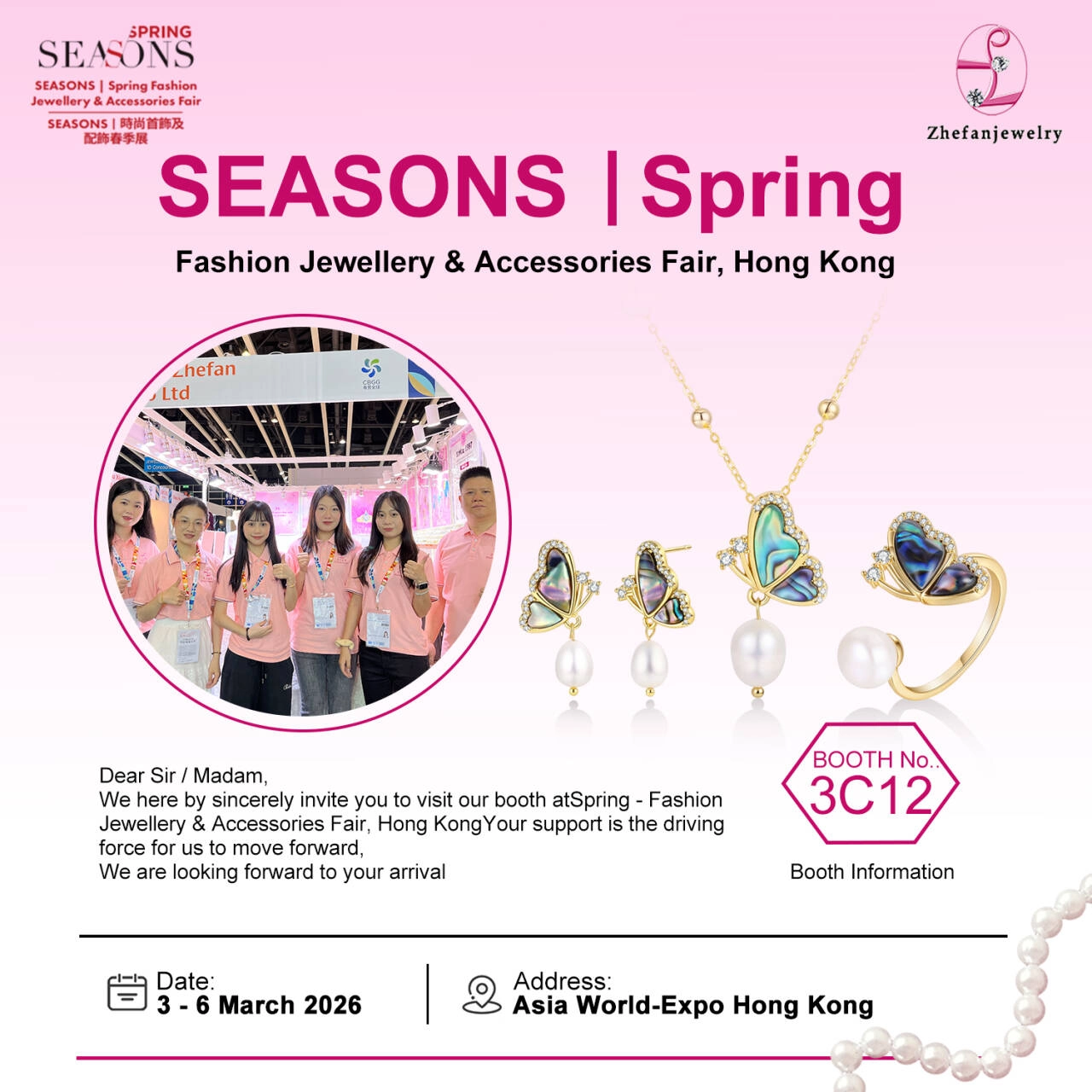
Zhefan Jewelry Invites You to Attend the Hong Kong Jewellery Exhibition 2026
The Secret Behind Premium Quality: 7 International Standards for 925 Sterling Silver Rings
How to Choose a Custom Ring Manufacturer: 10 Critical Questions for Maximum Quality (2026 Guide)
The Ultimate 2026 Guide to Stainless Steel Ring Jewelry: Why It Outshines Traditional Metals
Prdoucts Categories
FAQ
Products
What services can we provide?
Accepted Delivery Terms: FOB, CIF, EXW, Express Delivery;
Accepted Payment Currency: USD, EUR, JPY, CAD, AUD, HKD, GBP, CNY, CHF;
Accepted Payment Type: T/T, L/C, MoneyGram, Credit Card, PayPal, Western Union, Cash, Escrow;
Language Spoken: English, Chinese, Spanish, Japanese, Portuguese, German, Arabic, French, Russian, Korean, Hindi, Italian.
What is your minimum order quantity?
We offer low MOQ from 2 to 30 depending on models. Send your favor model to get details from Trade Manager.
How long will the plating color last?
Generally 6 month for Water Plated color , 1 - 2 years for vacuum plated color if in proper wearing.
What can you buy from us?
Rings, Necklace, Earrings, Bracelet, Pendant, Anklet, Brooch, Jewelry.
FAQs
Can I have your product catalog?
Yes, please leave us a message what style jewelry catalog you need.
Do you attend any jewelry fairs?
Yes, we participate in Hong Kong Jewelry Fair and Canton Fair twice a year, please contact the seller for the latest invitation.
Discuss Your Ideas with a Professional Custom Jewelry Manufacturer
We provide personalized jewelry customization services for clients worldwide.
Rest assured that your privacy is important to us, and all information provided will be handled with the utmost confidentiality.
By clicking 'Send Inquiry Now' I agree to ZHEFAN JEWELRY processing my personal data.
To see how to withdraw your consent, how to control your personal data and how we process it, please see our Privacy Policy and Terms of use.
From design to production, ZHEFAN JEWELRY offers a one-stop solution to help you enhance your brand value and market competitiveness.
Get A Quote
Contact
Tel: (+86) 188 1927 7817
© 2026 Zhefan Jewelry. All Rights Reserved.
Facebook
Instagram
YouTube
Whatsapp: +8618819277817