







Email: sales3@zhefanjewelry.com
What are common alloy additives in 925 silver and their effects? | Insights by Zhefan Jewelry
This Q&A guide explains how common alloy additives (copper, zinc, germanium, nickel, palladium, lead/bismuth, trace impurities) change the performance of 925 sterling silver — tarnish behavior, mechanical properties, soldering, plating, and testing methods — and gives actionable procurement specs, lab-test recommendations and compliance tips for jewelry buyers and manufacturers.
- 1) How does varying the copper content (typical 7.5% vs alternatives) change 925 silver in casting, finishing and long‑term wear?
- 2) Is switching to Argentium (germanium‑bearing sterling) worth it for reduced firescale and better tarnish resistance?
- 3) Can nickel or palladium be used in 925 silver to change color or hardness — and what are the allergy/regulatory implications?
- 4) How do trace contaminants (lead, bismuth, antimony) found in recycled silver impact casting quality and long‑term product liability?
- 5) Which testing methods should I require in supplier CoAs — XRF, ICP‑OES or ICP‑MS — and what can each reliably detect?
- 6) How do alloy choices change soldering, annealing and finishing parameters that affect throughput and scrap rates?
- 7) If I plan to plate (rhodium, gold) or lacquer 925 pieces, how do base‑metal additives affect plating adhesion and long‑term appearance?
- Practical supplier specification checklist (for procurement contracts and POs)
- Zhefan Jewelry — how we help buyers minimize alloy risk
Common 925 Silver Alloy Additives — 7 Procurement Questions and Practical Answers
As a jewelry buyer or production manager, specifying the right 925 (sterling) silver composition and testing regime is essential for consistent casting, finishing, plating, wear performance and regulatory compliance. Below are seven specific, procurement-focused questions that beginners often ask but that many online sources treat superficially or with outdated advice. Each question is followed by practical, sourced answers you can use in purchase specs, CoAs and supplier audits.
1) How does varying the copper content (typical 7.5% vs alternatives) change 925 silver in casting, finishing and long‑term wear?
Most conventional sterling silver is 92.5% Ag + ~7.5% copper (or other metals) by mass. Increasing copper within the alloy (e.g., from 7.5% toward higher values used for special alloys) primarily:
- Increases hardness and tensile strength — beneficial for forged or hammered pieces and for reducing spring-back during forming.
- Reduces ductility and increases work hardening — may require additional annealing steps during fabrication.
- Raises tendency to form copper oxides and sulfides at the surface, which accelerates visible tarnish (Cu2S, CuO) and can generate deeper fire scale during soldering/casting.
- Warms the finished color slightly (a more yellow/rose tint) compared with alloys containing white‑making elements like palladium.
Procurement guidance: specify Ag ≥ 92.5% and name the secondary element (e.g., “925 Ag + 7.5% Cu”). If you need better tarnish behavior or fewer firescale issues, consider alternative alloying approaches (see question 2). Ask suppliers to provide CoAs with XRF/ICP results and process notes on annealing/soldering practices.
Reference: the definition and common composition of sterling silver are summarized by Wikipedia: Sterling silver.
2) Is switching to Argentium (germanium‑bearing sterling) worth it for reduced firescale and better tarnish resistance?
Argentium is a trade-name sterling silver alloy that replaces some copper with germanium (typical germanium additions range from about 0.1% up to ~1.2% depending on grade). Its key practical effects are:
- Markedly improved resistance to fire scale and some types of tarnish due to the formation of a germanium oxide surface layer during heating.
- Improved hardness and spring properties compared with conventional sterling at similar work-hardening states.
- Small changes in melting and flow behavior — many casters and platers report needing modest process adjustments (different fluxing/cleaning routines).
Procurement guidance: request Argentium-certified alloy (specify grade e.g., Argentium 925 or Argentium 960) and obtain manufacturer plating/finishing guidelines. If your product line requires minimal firescale, fewer reworks, or you frequently use flat, highly polished surfaces, Argentium is often cost-effective despite a slightly higher alloy price.
Reference: Argentium Silver official resources discuss properties and process notes: Argentium Silver.
3) Can nickel or palladium be used in 925 silver to change color or hardness — and what are the allergy/regulatory implications?
Nickel and palladium affect appearance and performance very differently.
- Nickel: Some white-colored copper alloys historically used nickel (e.g., “nickel silver” contains copper‑nickel‑zinc and contains no elemental silver). Adding nickel to sterling is generally avoided for items intended for skin contact because nickel is a common sensitizer/allergen. Many markets impose strict limits on nickel release from jewelry; therefore, for skin‑contact 925 pieces, procurement best practice is to explicitly require “no intentionally added nickel” or provide strict nickel-release testing results when nickel is present. See nickel allergy background: Nickel allergy (Wikipedia).
- Palladium: Small palladium additions (or palladium‑rich white alloys) can brighten the color and reduce tarnish relative to copper-only alloys, but palladium is costly and will change melting/processing behavior. Pd-containing sterling is used selectively where a whiter tone is desired without plating.
Procurement guidance: for consumer jewelry intended for direct skin contact, avoid nickel in alloying. If a supplier proposes nickel-containing formulations, require detailed test data and market‑specific compliance documentation (e.g., EU/REACH where applicable).
4) How do trace contaminants (lead, bismuth, antimony) found in recycled silver impact casting quality and long‑term product liability?
Recycled silver feedstock can contain trace hazardous elements (lead, bismuth, antimony). Practical effects:
- Lead and bismuth can cause embrittlement, hot shortness or poor ductility, and increase porosity or casting defects if present at even low levels.
- Lead is a toxic heavy metal and creates regulatory and liability risks if it migrates to the surface or is present above applicable limits for consumer goods in your target markets.
Procurement guidance: demand a Certificate of Analysis from responsible recyclers/refiners that includes elemental assays for Pb, Bi, Sb, Ni, Pd and other contaminants using ICP‑OES/ICP‑MS (not only XRF). Add contractual limits for these impurities (and require retesting on arrival for any suspicious lots). For product safety and brand protection, many buyers insist on documented lead‑free or below‑detection specifications and supply‑chain traceability.
Reference on lead toxicity and public health: Centers for Disease Control and Prevention (CDC): Lead — CDC.
5) Which testing methods should I require in supplier CoAs — XRF, ICP‑OES or ICP‑MS — and what can each reliably detect?
Typical testing strategy used in procurement:
- Handheld or bench XRF: fast, non‑destructive screening that accurately measures major components (Ag, Cu, Zn, Pd, Ni) down to low‑hundreds of ppm for many heavier elements. Excellent for incoming goods spot checks and verifying declared Ag % on batches.
- ICP‑OES / ICP‑MS: destructive wet‑chemistry techniques that provide trace‑level quantification (ppb to low‑ppm) for contaminants such as Pb, Bi, Cd and low‑level alloying elements. Use ICP testing for final acceptance when product safety/regulatory compliance is required.
Procurement guidance: require a CoA with XRF screening for routine shipments and an ICP‑OES/ICP‑MS report for each new source lot or whenever trace contaminant risk exists. Specify which elements must be reported and acceptable test methods (e.g., “Ag by gravimetric/XRF; Pb/Bi by ICP‑MS”).
Reference: general technique descriptions — X‑ray fluorescence: XRF (Wikipedia); ICP‑MS overview and detection capabilities: ICP‑MS (Thermo Fisher).
6) How do alloy choices change soldering, annealing and finishing parameters that affect throughput and scrap rates?
Alloy chemistry changes thermal behavior and surface reactions:
- Copper-rich sterling tends to develop more firescale during heating. That increases the need for fluxing, pickling and possibly deeper milling/polishing — raising labor and scrap costs.
- Argentium and other low‑firescale alloys reduce rework time, but they sometimes need adjusted fluxes, different pickling cycles and may require a chemical cleaning step before plating to remove germanium oxide residues.
- Alloy hardness affects work‑hardening rates and the frequency of anneals. Harder alloys or those with rapid work hardening require more intermediate anneals and raise cycle time; conversely, softer mixes can deform in finishing and shipping.
Procurement guidance: ask suppliers for recommended thermal cycles (annealing temp/time ranges), soldering fluxes and pickling chemistries for the specific batch alloy. Build these requirements into your production specifications to ensure predictable throughput and to reduce scrap.
Reference: practical alloy process guidance and Argentium service notes are available from Argentium Silver: Argentium Silver.
7) If I plan to plate (rhodium, gold) or lacquer 925 pieces, how do base‑metal additives affect plating adhesion and long‑term appearance?
Plating adhesion and appearance depend first on surface cleanliness and the presence of surface oxides or contaminants:
- High copper content and copper firescale increase the chance of under‑plating discoloration and can require more aggressive cleaning/striking steps before rhodium/gold plating.
- Argentium’s germanium oxide improves tarnish resistance but can change pre‑plating cleaning practice; platers often recommend a specific cleaning/strike to ensure adhesion.
- Any trace contaminants or surface porosity from poor casting will reduce plating life and lead to early failure or discoloration at wear points.
Procurement guidance: include plating acceptance criteria in procurement documents (e.g., adhesion tests, salt‑spray or accelerated wear tests where appropriate). Require suppliers to share their pre‑plating cleaning regimen and to certify that the delivered alloy surface is compatible with your plating house. For Argentium and some treated alloys, require the supplier to disclose surface oxide behavior and recommend pre‑plating steps.
Reference: industry plating and alloy compatibility notes available from alloy producers and Argentium technical guidance: Argentium Silver.
Practical supplier specification checklist (for procurement contracts and POs)
- Declare nominal composition: Ag ≥ 92.5% and identify secondary alloys (e.g., Cu 7.5%, or Argentium 925 with X% Ge).
- Require CoA on each lot: XRF screening + ICP‑OES/ICP‑MS trace contaminants report for Pb, Bi, Cd, Ni, etc.
- State prohibited elements explicitly (e.g., “No intentionally added nickel” if selling to skin-contact markets).
- Request process notes: recommended soldering/annealing cycles and post‑casting cleaning/pickling processes.
- For plated goods: require supplier pre‑cleaning protocol and compatibility statement with rhodium/gold plating houses.
- Specify sample acceptance criteria and right to test on arrival (include defined retest and rejection clauses).
Zhefan Jewelry — how we help buyers minimize alloy risk
Zhefan Jewelry (www.zhefanjewelry.com) supplies sterling and Argentium alloys with end‑to‑end QC built into the procurement process. Our advantages for buyers:
- Documented Certificates of Analysis on every lot (XRF screening and ICP testing available on request).
- Experience specifying alloys for large plated and unplated programs — we provide practical finishing and plating guidelines to reduce rework.
- Traceability and restricted‑substance controls to minimize lead, bismuth and nickel risks for consumer markets.
- Technical support for switching to Argentium or other low‑firescale alloys, including supplier recommendations and process notes that reduce cost of finishing.
- Direct procurement support: templated PO language and acceptance test criteria you can drop into supplier contracts. Contact: sales3@zhefanjewelry.com or visit zhefanjewelry.com.
If you want, we can produce a sample procurement specification (Ag% tolerances, required CoA fields, and testing methods) tailored to your market (EU/US/Asia) and product finish (plated vs unplated).
Selected sources and further reading
- Sterling silver composition overview: https://en.wikipedia.org/wiki/Sterling_silver
- Tarnish and sulfide formation (mechanisms relevant to copper and silver): https://en.wikipedia.org/wiki/Tarnish
- Argentium alloy technology and technical notes: https://www.argentiumsilver.com/
- XRF (screening) and ICP‑MS (trace analysis) technique overviews: XRF — Wikipedia and ICP‑MS — Thermo Fisher
- Lead health & safety background for contaminants in consumer articles: CDC — Lead
Recommended for you
The Ultimate 2026 Guide to Stainless Steel Ring Jewelry: Why It Outshines Traditional Metals
The Ultimate Guide to Ordering Custom Made Silver Earrings: How to Get Perfection Every Time (2026 Edition)
What is Zircon Jewelry?-The Ulimate Guide
Why Custom 925 Silver Rings Are the Perfect Sustainable Luxury Gift (Compared to Gold)
The Secret Behind Premium Quality: 7 International Standards for 925 Sterling Silver Rings
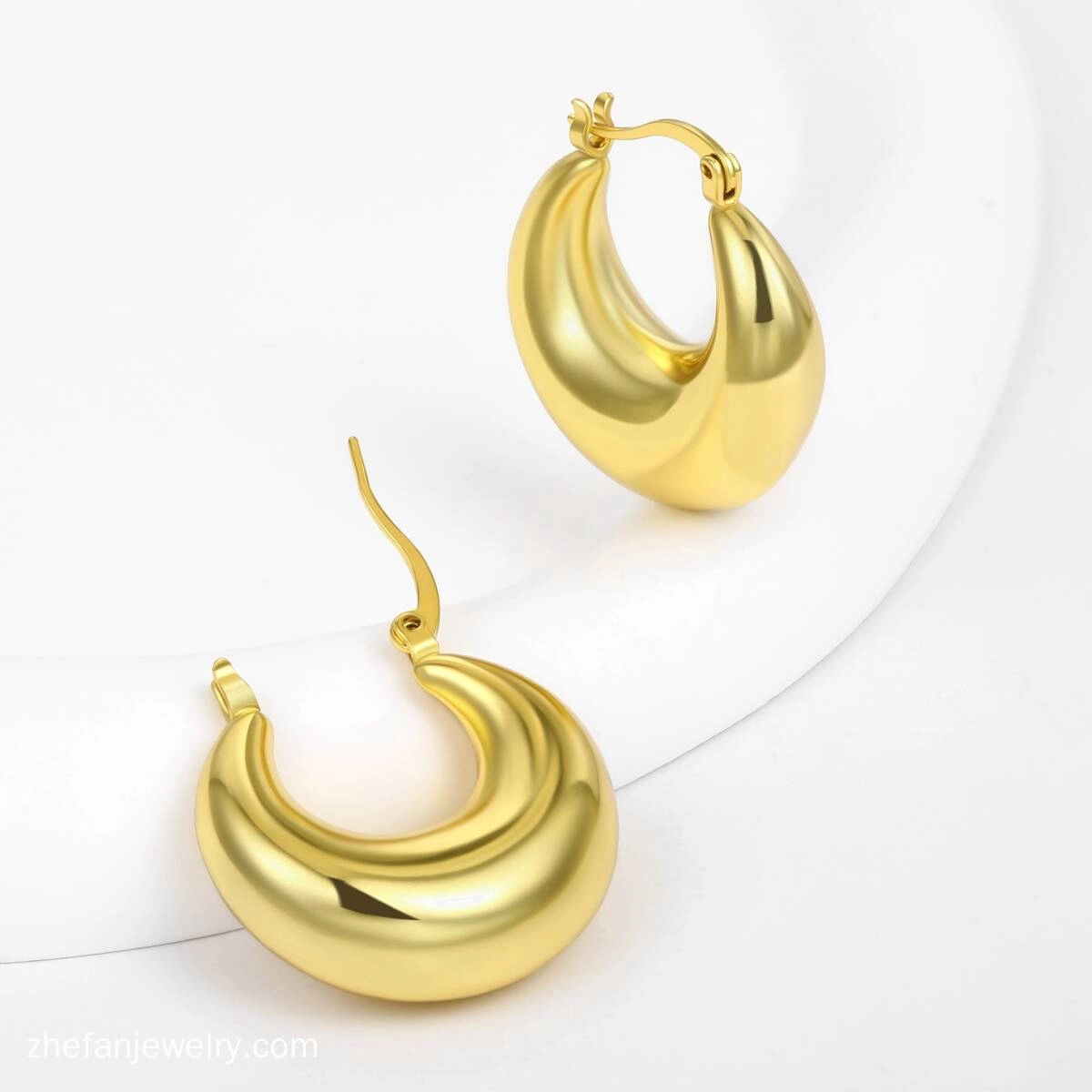
Launch Your Brand: A Guide to Sourcing Custom Wholesale Brass Huggie Earrings
Prdoucts Categories
FAQ
FAQs
Can we visit your factory?
Yes, pls contact seller to arrange meeting, we will pick you up to our factory.
Can I see your product test report?
Of course.Our product throught standar test like SGS.We test in many ways of product.
How long does it take for the product to fade?
The normal electroplating quality color retention time of our products is 5 times longer than the market, and the thicker electroplating can retain color for three years.
Do you offer after-sales warranty service?
Yes, we will refund or resend products if fading, stone falling off and other quality problems found in 1 month receipt of goods.Furthermore, we offer 1 year after-sales warranty service, but you need pay the shipping charge.
Products
What services can we provide?
Accepted Delivery Terms: FOB, CIF, EXW, Express Delivery;
Accepted Payment Currency: USD, EUR, JPY, CAD, AUD, HKD, GBP, CNY, CHF;
Accepted Payment Type: T/T, L/C, MoneyGram, Credit Card, PayPal, Western Union, Cash, Escrow;
Language Spoken: English, Chinese, Spanish, Japanese, Portuguese, German, Arabic, French, Russian, Korean, Hindi, Italian.
How long will the plating color last?
Generally 6 month for Water Plated color , 1 - 2 years for vacuum plated color if in proper wearing.
Discuss Your Ideas with a Professional Custom Jewelry Manufacturer
We provide personalized jewelry customization services for clients worldwide.
Rest assured that your privacy is important to us, and all information provided will be handled with the utmost confidentiality.
By clicking 'Send Inquiry Now' I agree to ZHEFAN JEWELRY processing my personal data.
To see how to withdraw your consent, how to control your personal data and how we process it, please see our Privacy Policy and Terms of use.
From design to production, ZHEFAN JEWELRY offers a one-stop solution to help you enhance your brand value and market competitiveness.
Get A Quote
Contact
Tel: (+86) 188 1927 7817
© 2026 Zhefan Jewelry. All Rights Reserved.
Facebook
Instagram
YouTube
Whatsapp: +8618819277817