





Email: sales3@zhefanjewelry.com
Why Certification Matters: A Deep Dive into Children's Silver Jewelry Safe Supplier Standards for 2026
A comprehensive 2026 guide for B2B retailers on sourcing safe, certified children's 925 silver jewelry, covering CPSIA, REACH compliance, and physical safety standards.
- What Are Children's Silver Jewelry Safe Supplier Standards?
- Key Takeaways: Quick Summary for Sourcing Safe Kids' Jewelry
- The Anatomy of Safe 925 Sterling Silver
- Crucial Certifications Every Reliable Supplier Must Have
- Physical Safety Standards: Beyond Material Purity
- Navigating Global Compliance: Regulatory Trends for 2026 and Beyond
- Expert Tips and Common Mistakes When Vetting a Manufacturer
- Conclusion
- What makes 925 sterling silver safe for children's jewelry?
- How can I verify a children's jewelry supplier is certified?
- What is CPSIA compliance in kids' jewelry?
- Why are nickel-free and lead-free certifications essential?
- What type of earring backing is safest for toddlers?
- Can toddlers wear silver chains safely?
- How often should a jewelry manufacturer undergo third-party testing?
- What are the regulatory trends for children's jewelry in 2026?
What Are Children's Silver Jewelry Safe Supplier Standards?
Children's silver jewelry safe supplier standards are strict manufacturing and material regulations designed to protect children from toxic metals and physical hazards, ensuring that all products meet global compliance frameworks before reaching the consumer market.
Achieving wholesale children's silver jewelry compliance is essential for any retailer looking to source safe, durable, and legally sound products for their inventory. Securing this compliance is not just a legal formality; it is a critical, uncompromising step in safeguarding young wearers from heavy metal toxicity and structural dangers. How do these standards function in the real world? They establish a baseline of quality control that governs everything from raw material sourcing to the final polishing phase. By adhering to these rigorous protocols, a reliable hypoallergenic kids jewelry manufacturer ensures that every piece meets international expectations for both purity and durability. Why is this level of scrutiny necessary? Children interact with jewelry differently than adults—they chew on pendants, pull on chains, and wear pieces continuously. This necessitates a manufacturing process that prioritizes health and safety above all else.
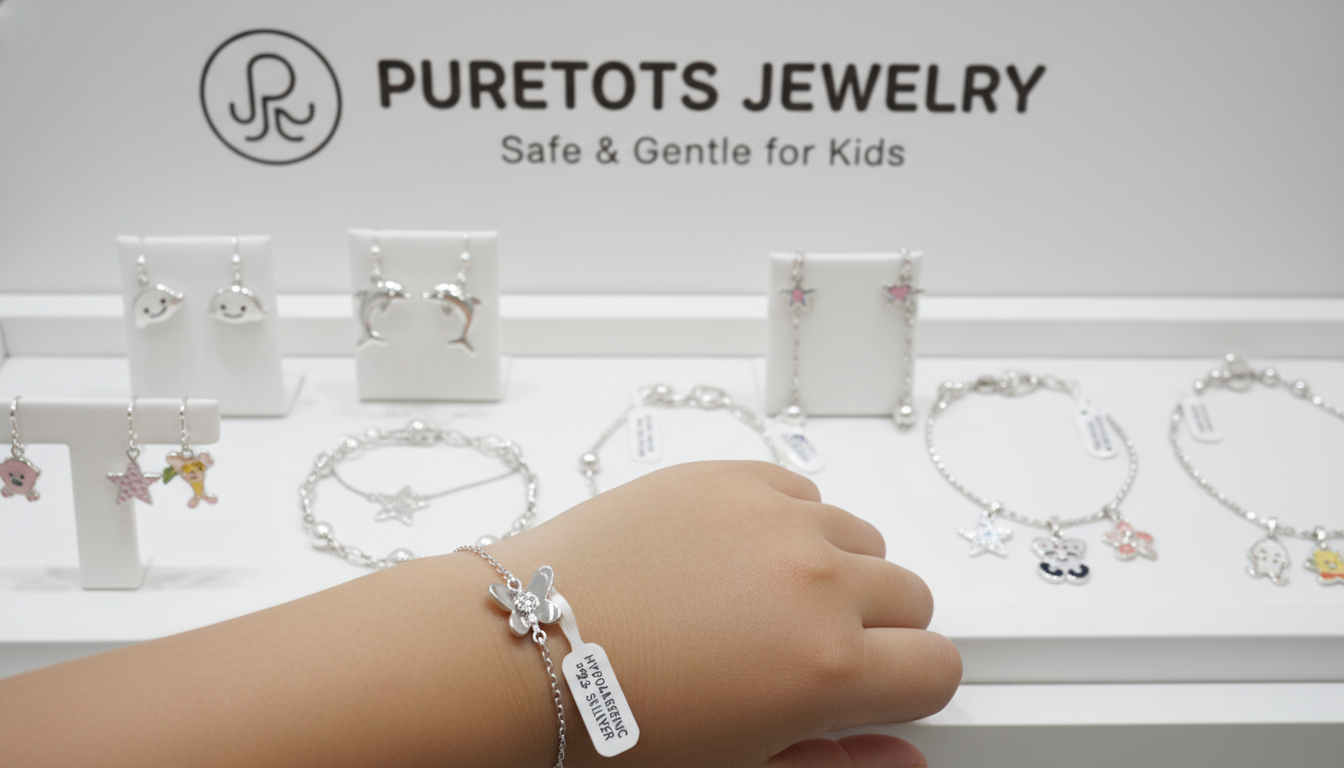
Key features of these standards include:
- Verified Purity: Suppliers must use verified 925 sterling silver to guarantee a hypoallergenic foundation.
- Toxin-Free Production: Strict adherence ensures a completely nickel-free and lead-free manufacturing process.
- Third-Party Testing: Regular laboratory testing is mandated to verify material safety across all product batches.
- Global Frameworks: Meeting the standards of CPSIA in the US and REACH in the EU ensures structural and chemical safety for daily wear.
Key Takeaways: Quick Summary for Sourcing Safe Kids' Jewelry
The key takeaways for sourcing safe kids' jewelry revolve around verifying exact material purity, ensuring rigorous physical safety, partnering with ethically audited manufacturers, and anticipating future global regulations to protect both the consumer and your retail brand.
How can retailers implement these takeaways effectively? Navigating the complexities of 925 sterling silver safety certifications requires buyers to be highly vigilant and strictly methodical during the procurement process. Relying on reputable frameworks and standardized checklists minimizes retail liability while guaranteeing that the end product is completely safe for sensitive, developing skin. Why is a proactive approach better? It prevents costly product recalls and protects your brand reputation in a highly competitive market. By internalizing these key takeaways, businesses can confidently expand their children's lines without compromising on safety.
Essential sourcing steps include:
- Assay Reports: Always verify third-party assay reports to definitively confirm exact 925 silver purity and the complete absence of heavy metals.
- Mechanical Safety: Physical safety is paramount; prioritize manufacturing partners who rigorously test for high tensile strength and highly secure fastenings.
- Certified Partners: Working closely with an RJC certified children's jewelry supplier minimizes legal liability and guarantees ethical, safe production from start to finish.
- Future-Proofing: Proactively align your current inventory with the upcoming 2026 global toxicity regulations to remain ahead of inevitable compliance shifts.
The Anatomy of Safe 925 Sterling Silver
Safe 925 sterling silver consists of exactly 92.5% pure silver alloyed with 7.5% safe metals, typically copper, to provide essential durability and strength without introducing any toxic or allergenic elements that could harm developing skin.
How does this specific ratio protect children? Pure silver on its own is too soft to hold its shape in jewelry, making alloying entirely necessary. However, cheap fashion jewelry often uses dangerous filler metals to cut costs. By strictly using safe alloys like copper, manufacturers eliminate the risk of contact dermatitis and systemic toxicity. Why is this crucial for youth? A child's skin is significantly thinner and more permeable than an adult's, making it highly susceptible to chemical absorption from prolonged contact.
Benefits of certified pure silver include:
- The 925 Hallmark: Represents the strict, universally recognized ratio of 92.5% pure silver and 7.5% safe alloys.
- Hazard Avoidance: Completely bypasses the severe dangers of nickel, cadmium, and lead commonly found in unregulated, low-cost base metals.
- Skin Health: The innate antimicrobial properties of pure silver significantly benefit a child's sensitive, developing skin, preventing irritation and infections in new piercings.
Crucial Certifications Every Reliable Supplier Must Have
Crucial certifications for a reliable supplier include strict CPSIA compliance for lead limits, REACH regulations for chemical restrictions, RJC certification for ethical sourcing, and independent third-party assay certificates to verify all material safety claims.
How do these frameworks operate in practice? They provide an objective, standardized method for evaluating supply chain safety. Securing CPSIA compliant kids jewelry is legally required for US retailers to prevent lead poisoning. Furthermore, international standards dictate transparency across the entire supply chain. For example, as reported by the Responsible Jewellery Council, their Code of Practices serves as a landmark international standard for business ethics, human rights, and environmental performance in the jewelry supply chain. Similarly, strict federal limits are enforced on heavy metals; according to the U.S. Consumer Product Safety Commission, the CPSIA mandates that children's products must not exceed 100 ppm of total lead content. Why must retailers demand these certificates? Because they shift the burden of proof from a mere verbal promise to scientifically validated laboratory data.
Mandatory certifications include:
- CPSIA Compliance: Enforces strict lead limits (under 100 ppm) and mandates rigorous third-party testing for children's products entering the US market.
- REACH Regulations: European standards that strictly prevent the use of hazardous chemicals and monitor nickel migration in jewelry alloys.
- RJC Certification: Ensures complete ethical sourcing, fair labor rights, and comprehensive supply chain transparency.
- Independent Assays: Relying solely on a manufacturer's verbal claim is insufficient; validated third-party lab reports are mandatory for true peace of mind.
Physical Safety Standards: Beyond Material Purity
Physical safety standards for children's jewelry involve strict engineering protocols designed to prevent deadly choking hazards, secure all mechanical fastenings, and maintain absolute structural integrity under the intense stress of daily wear and tear.
Why is physical construction just as critical as chemical makeup? Because even the purest silver can become a deadly hazard if a small charm breaks off and is swallowed by a toddler. How do premium manufacturers mitigate this risk? They employ advanced physical stress-testing on all individual components, ensuring that chains will snap safely under extreme strangulation pressure but remain perfectly intact during normal daily play.
Key physical safety features include:
- Choking Hazard Prevention: Chains must be analyzed for precise tensile strength, ensuring they break safely under high pressure while keeping small parts securely attached.
- Safe Fastenings: The implementation of threaded screw-backs for baby earrings and safety clasps for active toddlers is non-negotiable for injury prevention.
- Structural Integrity: Designs must feature smooth edges, polished soldering, and highly durable enamels that are guaranteed not to flake or peel into a child's mouth.
Navigating Global Compliance: Regulatory Trends for 2026 and Beyond
Regulatory trends for 2026 focus heavily on establishing stricter international thresholds for trace heavy metals, the implementation of traceable digital product passports, and the rapid, industry-wide adoption of eco-friendly, non-toxic manufacturing and plating processes.
How are these future trends reshaping the industry? As global authorities tighten their oversight, the jewelry sector is rapidly transitioning toward absolute transparency and ecological sustainability. Why should buyers care today? Anticipating these changes prevents future inventory from becoming suddenly obsolete or legally non-compliant. Buyers must partner with forward-thinking suppliers who are already adapting to these stringent environmental and safety mandates.
Upcoming 2026 trends include:
- Stricter Thresholds: Anticipated shifts in international heavy metal limits will dramatically impact current silver alloying and surface plating processes.
- Digital Traceability: The imminent rise of digital product passports will ensure fully traceable supply chains from the raw mining material to the retail shelf.
- Eco-Friendly Innovations: Leading suppliers are proactively adopting non-toxic polishes and safe, environmentally friendly rhodium platings well ahead of the 2026 mandates.
Expert Tips and Common Mistakes When Vetting a Manufacturer
Vetting a manufacturer effectively requires requesting comprehensive, batch-specific laboratory tests and conducting thorough physical factory audits, while actively avoiding the critical mistake of assuming a basic metal hallmark guarantees total chemical safety for young consumers.
How do buyers successfully audit a new partner? By implementing a strict, uncompromising checklist that looks far beyond surface-level marketing materials. Even well-intentioned buyers can fall victim to misleading claims if they lack a rigorous vetting framework. Why is this diligence necessary? Differentiating between generic, outdated company certifications and actionable, batch-specific laboratory data is the only reliable way to maintain a truly safe and compliant retail inventory.
Vetting steps and pitfalls to avoid:
- Common Mistake: Assuming a standard '925' stamp automatically guarantees the item is free of hidden, highly allergenic nickel underplating.
- Expert Tip: Always demand batch-specific laboratory testing results rather than relying on general, outdated company compliance certificates.
- Common Mistake: Overlooking physical construction methods, such as accepting cheap glued stones over secure bezel-set stones, which pose significant choking risks.
- Expert Tip: Conduct a virtual or physical factory audit to directly assess their quality control (QC) checkpoints dedicated specifically to children's lines.
Conclusion
Sourcing safe children's jewelry requires a rigorous, uncompromising approach to both chemical material purity and physical structural safety in order to ensure absolute consumer protection and maintain long-term compliance with international laws.
How does this benefit your business in the long term? By prioritizing certified suppliers who strictly meet legal guidelines, retailers protect young consumers from harm and heavily shield their own businesses from costly liabilities and product recalls. Why is this the ultimate competitive advantage? In an era where parents are hyper-aware of product safety, absolute transparency builds lasting, unshakeable brand trust.
Final takeaways:
- Comprehensive Safety: Sourcing premium inventory requires equal, diligent attention to material purity and structural safety standards.
- Brand Trust: Adhering strictly to CPSIA and REACH guidelines protects young consumers and establishes your retail brand as a trusted, authoritative source in the market.
Contact us today to view our compliance reports and wholesale catalogs to start sourcing premium, certified safe children's jewelry for your retail business.
What makes 925 sterling silver safe for children's jewelry?
925 sterling silver is widely considered the safest metal for children's jewelry due to its pure composition and lack of irritants.
- It consists of 92.5% pure silver and 7.5% safe alloys, making it naturally hypoallergenic.
- It lacks toxic heavy metals like nickel and lead that commonly cause contact dermatitis.
How can I verify a children's jewelry supplier is certified?
Verifying a supplier requires looking beyond their marketing claims and demanding hard, scientific proof of their safety standards.
- Request up-to-date third-party laboratory testing certificates for specific production batches.
- Check for verifiable credentials from organizations like the Responsible Jewellery Council (RJC) or ISO.
What is CPSIA compliance in kids' jewelry?
CPSIA compliance is a mandatory federal safety standard in the United States designed to protect children from hazardous materials.
- The Consumer Product Safety Improvement Act (CPSIA) restricts the amount of lead and phthalates allowed in children's products.
- It mandates independent testing and certification to ensure items are completely safe for kids under 12.
Why are nickel-free and lead-free certifications essential?
These certifications are essential because exposure to heavy metals can cause immediate physical reactions and long-term health complications in developing children.
- Nickel is the leading cause of allergic contact dermatitis in children.
- Lead is highly toxic to a child's developing nervous system and is strictly regulated globally.
What type of earring backing is safest for toddlers?
Selecting the correct earring backing is a crucial physical safety measure to prevent accidental ingestion and piercing injuries.
- Screw-back earrings are universally considered the safest option for young children.
- They thread onto the post securely, preventing the child from easily removing and swallowing them.
Can toddlers wear silver chains safely?
Yes, toddlers can wear silver chains safely, provided that the jewelry is specifically engineered for their age group.
- The chain length must be age-appropriate to prevent strangulation risks.
- Chains must also have high tensile strength so they snap under heavy pressure to prevent injury, while normal wear remains secure.
How often should a jewelry manufacturer undergo third-party testing?
Consistent, ongoing testing is the only way to ensure that safety standards are maintained across years of production.
- Manufacturers should conduct routine testing for every new material batch or significant design change.
- Annual or bi-annual audits are standard for maintaining high-level certifications like RJC.
What are the regulatory trends for children's jewelry in 2026?
The future of children's jewelry regulation focuses heavily on advanced traceability and the complete eradication of toxic manufacturing chemicals.
- Stricter global thresholds will be introduced for trace heavy metals, alongside the phase-out of certain chemical polishes.
- Implementation of enhanced digital traceability will require suppliers to prove the ethical and safe origins of all materials.
Tags
brass earrings
brass earrings
brass tennis bracelet bulk order samples
brass tennis bracelet bulk order samples
locking urn pendant necklace bulk
locking urn pendant necklace bulk
925 sterling silver CZ jewelry sets wholesale
925 sterling silver CZ jewelry sets wholesale
925 sterling silver jewelry sets factory direct
925 sterling silver jewelry sets factory direct
mother of pearl heart pendant
mother of pearl heart pendant
Recommended for you
Wholesale 925 silver necklace manufacturer and supplier
Care & Maintenance: Keep 925 Sterling Silver Earrings Shiny
MOQ and Lead Times: Buying 925 Silver Rings in Bulk
Wholesale stainless steel jewelry set manufacturer and supplier
Prdoucts Categories
Question you may concern
FAQs
Do you offer after-sales warranty service?
Yes, we will refund or resend products if fading, stone falling off and other quality problems found in 1 month receipt of goods.Furthermore, we offer 1 year after-sales warranty service, but you need pay the shipping charge.
Can I have your product catalog?
Yes, please leave us a message what style jewelry catalog you need.
Can we visit your factory?
Yes, pls contact seller to arrange meeting, we will pick you up to our factory.
Products
What's themonthly production capacity?
600,000 pcs per month.
How can we guarantee quality?
Always a pre-production sample before mass production;
Always final Inspection before shipment;
You may also like
Brass Jewelry
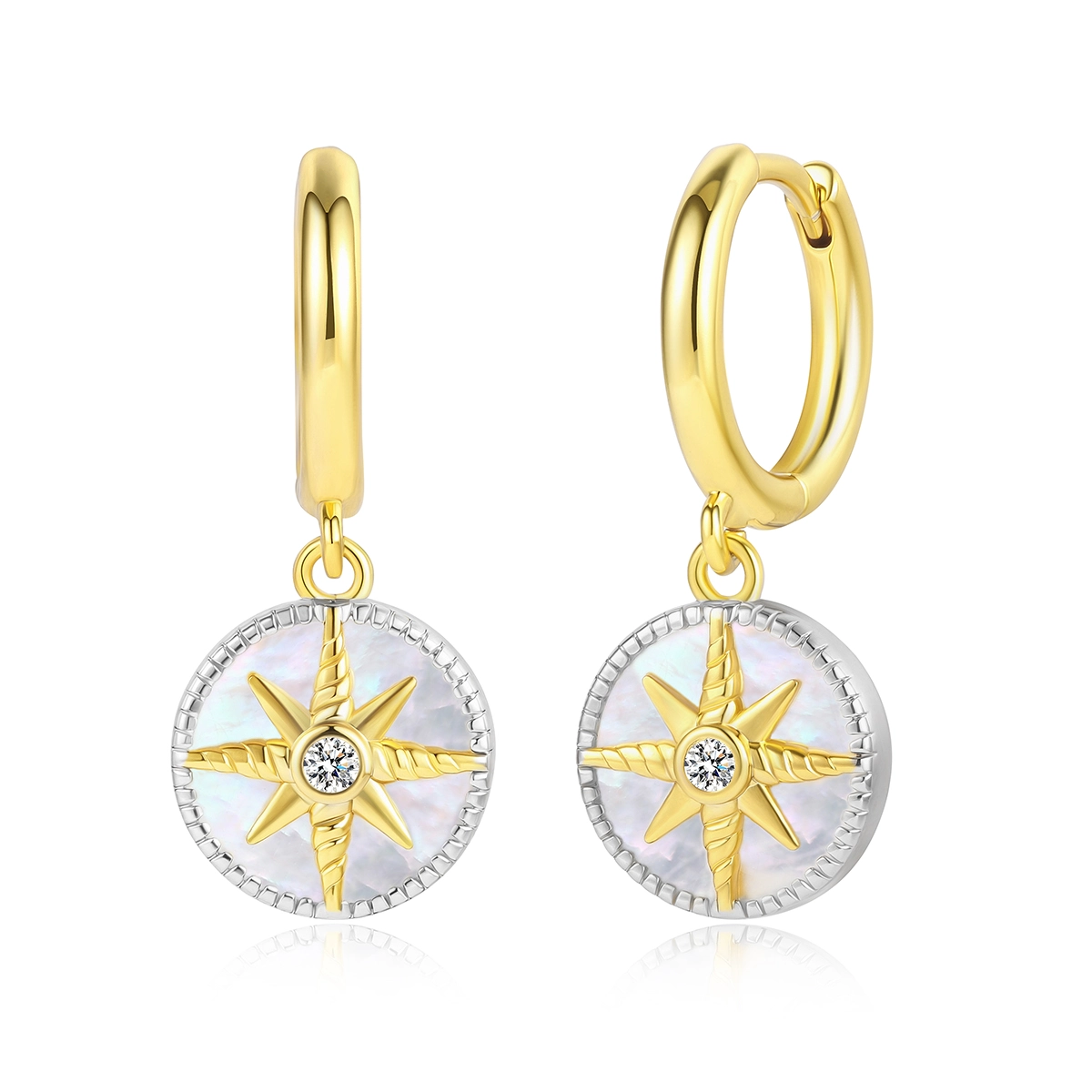
Brass Mother of Pearl Compass Huggie Drop Earrings | 14K 18K Gold Plated Hypoallergenic Jewelry
Read More
925 Silver Jewelry
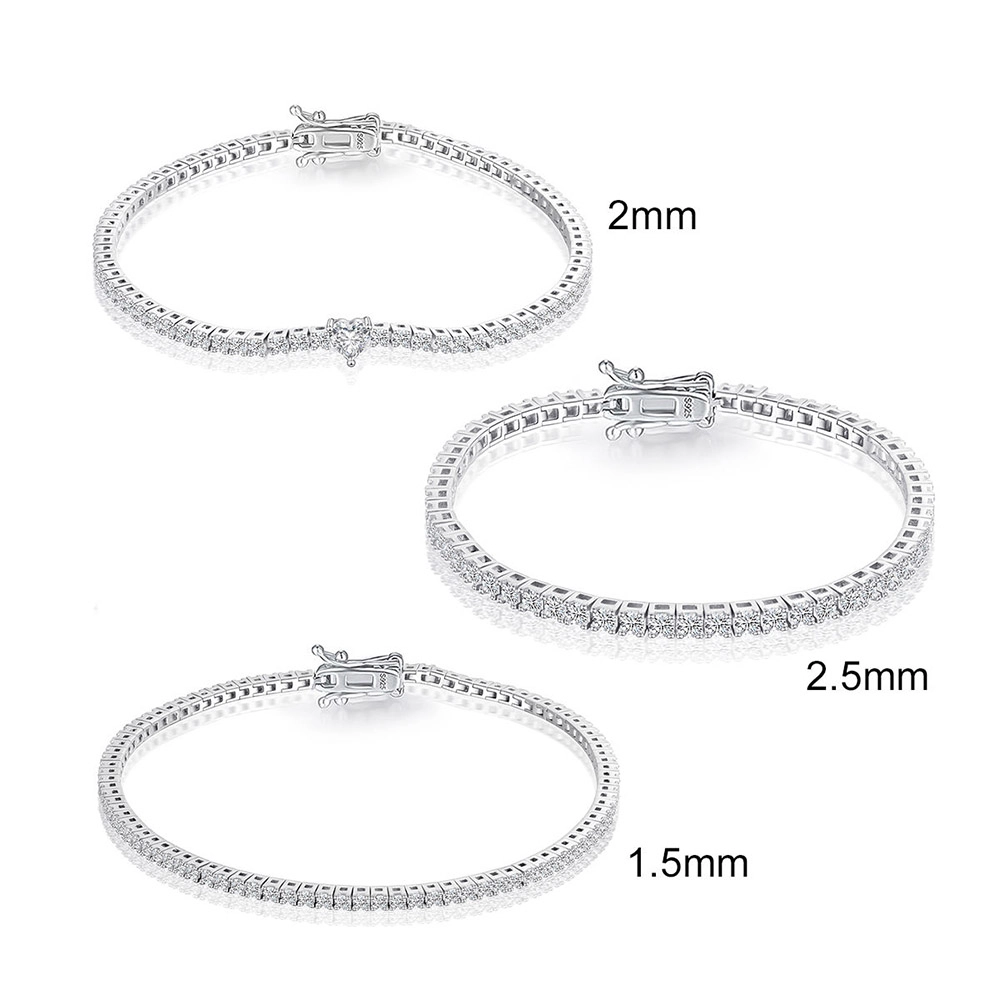
Customizable High-Quality Fashion 925 Sterling Silver AAA Cubic Zirconia Heart-Shaped Open Tennis Bracelet.
Read More
Brass Jewelry
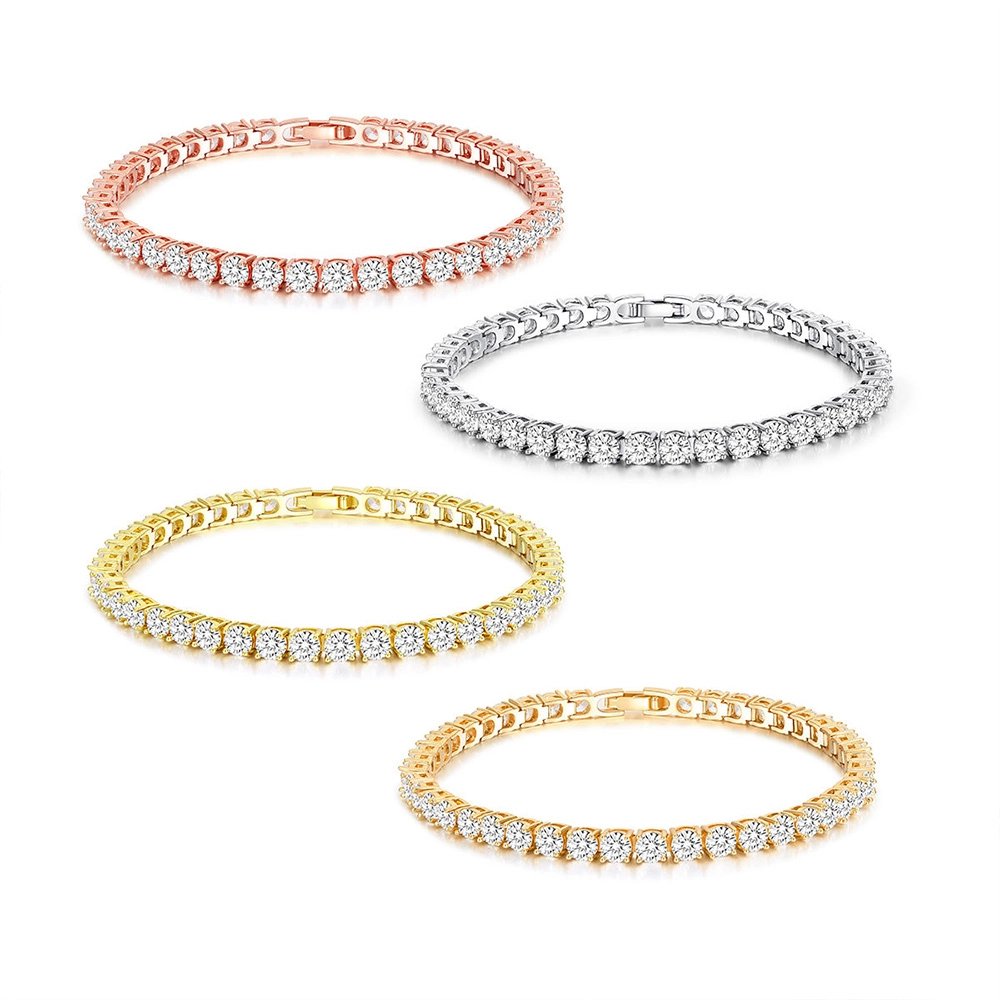
Customizable OEM ODM High-Quality Fashion Brass AAA Cubic Zirconia Classic Tennis Bracelet for Women Wholesale.
Read More
Get a Quote for Private Label Jewelry
We provide personalized jewelry customization services for clients worldwide.
Rest assured that your privacy is important to us, and all information provided will be handled with the utmost confidentiality.
By clicking 'Send Inquiry Now' I agree to ZHEFAN JEWELRY processing my personal data.
To see how to withdraw your consent, how to control your personal data and how we process it, please see our Privacy Policy and Terms of use.
From design to production, ZHEFAN JEWELRY offers a one-stop solution to help you enhance your brand value and market competitiveness.
Get A Quote
Contact
Tel: (+86) 188 1927 7817
© 2026 Zhefan Jewelry. All Rights Reserved.
Facebook
Instagram
YouTube
Whatsapp: +8618819277817