





Email: sales3@zhefanjewelry.com
Wholesale Silver Rings: 7 Costly Pricing Mistakes Every Resale Business Must Avoid in 2026
A comprehensive guide for jewelry resellers in 2026, detailing how to avoid seven costly pricing mistakes when selling wholesale 925 sterling silver rings. Learn to navigate market fluctuations, calculate true COGS, and implement expert markup strategies.
- What Is Wholesale Pricing For Resale Silver Rings?
- Key Takeaways: Maximizing Your Silver Ring Margins
- 7 Costly Pricing Mistakes Every Resale Business Must Avoid
- Mistake 1: Ignoring Silver Market Price Fluctuations
- Mistake 2: Miscalculating the True Cost of Goods Sold (COGS)
- Mistake 3: Failing to Factor Minimum Order Quantities (MOQ)
- Mistake 4: Using a Flat Markup Strategy
- Mistake 5: Overlooking Hallmarking and Lab Testing Fees
- Mistake 6: Pricing Solid 925 Sterling Silver Identically to Silver-Plated Rings
- Mistake 7: Slashing Prices Too Quickly
- Expert Tips: How Future Market Trends (2026+) Will Impact Resale Pricing
- Conclusion
- How much markup should I put on wholesale silver rings?
- What is a good profit margin for reselling sterling silver jewelry?
- How do silver spot prices affect wholesale ring costs?
- Should I include shipping costs in my silver ring retail price?
- What is the difference between wholesale pricing and retail MSRP for 925 silver?
- Do Minimum Order Quantities (MOQ) lower the overall price per ring?
- How do I verify the quality of wholesale silver before setting my price?
- Can I charge a premium for ethically sourced silver rings in 2026?
The jewelry resale industry is highly lucrative, but navigating the nuances of a wholesale 925 sterling silver markup requires precision and strategic foresight. In 2026, fluctuating commodity prices, shifting global supply chains, and hidden operational costs make pricing strategies more critical than ever. Welcome to your definitive guide to pricing your inventory for maximum profitability.
What Is Wholesale Pricing For Resale Silver Rings?
Wholesale pricing for resale silver rings refers to purchasing bulk quantities of 925 sterling silver jewelry directly from manufacturers at discounted rates. This allows retailers to apply a strategic markup, covering the Cost of Goods Sold (COGS) and overhead.
Understanding the fundamental mechanics of wholesale purchasing is the absolute foundation of any successful jewelry business. When you buy in bulk, you are not just paying for the raw silver material; you are paying for the artisanal craftsmanship, the finishing processes, and the global logistics required to deliver the product to your door. Mastering this purchasing process is what separates thriving jewelry empires from struggling retail startups.
Here is how securing optimal wholesale pricing directly empowers your business model:
- Volume Discounts: Buying larger quantities significantly reduces the cost per unit, allowing for a much more competitive retail price in a crowded marketplace.
- Scalability: Securing a reliable wholesale partner ensures you can scale your operations aggressively without facing sudden, crippling inventory shortages during peak holiday seasons.
- Margin Control: A lower baseline cost gives you the ultimate flexibility to run seasonal promotional campaigns, offer discount codes, and provide free shipping while maintaining a robustly healthy bottom line.
Key Takeaways: Maximizing Your Silver Ring Margins
Maximizing your silver ring margins involves balancing accurate cost analysis with market awareness. By tracking commodity prices and avoiding hidden fees, jewelry resellers can build scalable, profitable businesses without sacrificing their competitive edge or brand quality.
To ensure your retail operation thrives throughout 2026 and beyond, you must focus on these fundamental pillars of profitability:
- Monitor Spot Prices: Understanding real-time silver spot prices is critical to timing your wholesale purchases effectively and avoiding buying at the top of the market.
- Calculate True Costs: Accurate COGS calculations must include every single hidden fee, like inbound shipping, customs, tariffs, and professional hallmarking.
- Optimize Pricing Strategies: Avoiding common pricing errors directly boosts your bottom-line profit and overall market competitiveness, allowing you to reinvest in customer acquisition.
7 Costly Pricing Mistakes Every Resale Business Must Avoid
Avoiding costly pricing mistakes requires a comprehensive understanding of overhead, raw material volatility, and inventory dynamics. Ignoring these factors can quickly erode your silver jewelry resale profit margins, leaving your retail business vulnerable to market shifts and hidden expenses.
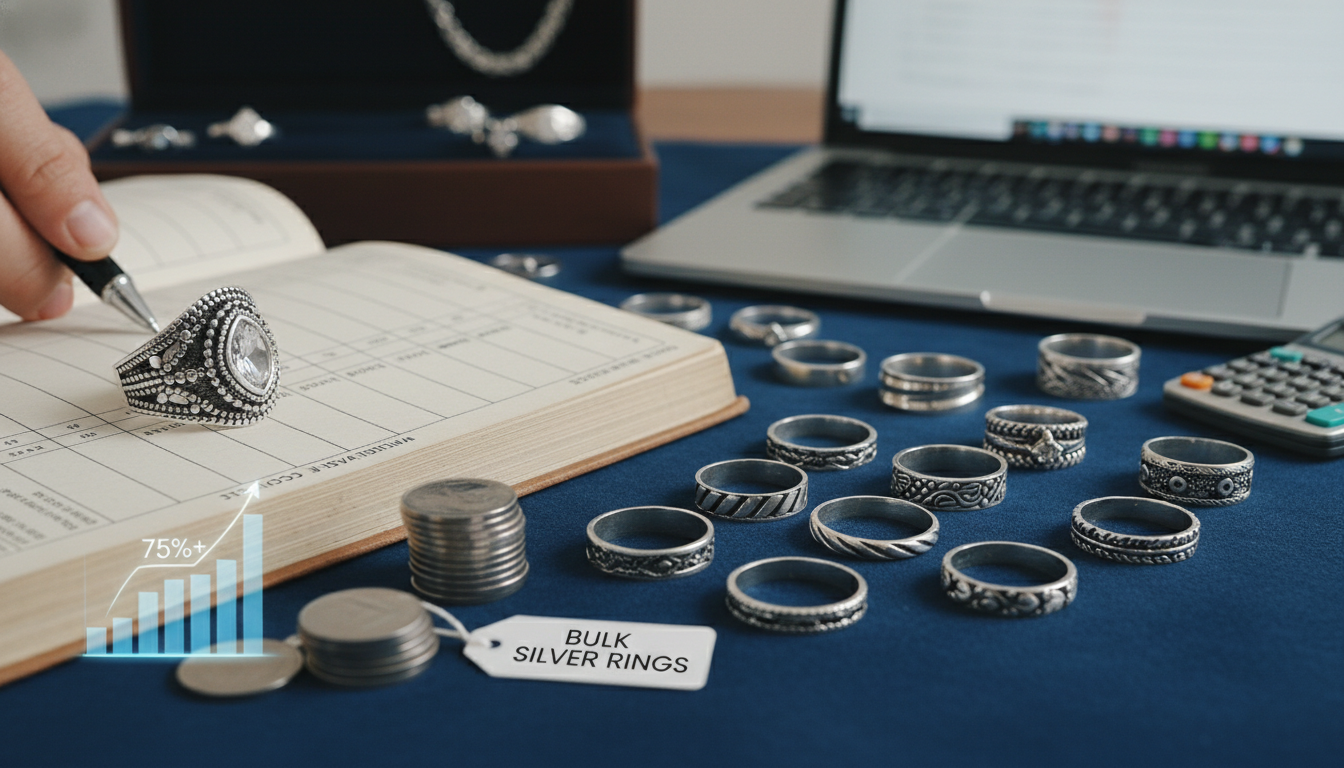
Here are the seven most critical, yet surprisingly common, errors to avoid when setting your retail jewelry prices:
Mistake 1: Ignoring Silver Market Price Fluctuations
Many retailers make the error of setting a retail price once and forgetting it. However, silver is a highly active, globally traded commodity. Silver market price fluctuations can severely impact your margins if you do not adjust your long-term pricing strategy accordingly. In 2026, persistent global supply deficits have kept silver spot prices incredibly volatile. If spot prices rise significantly and your retail prices remain stubbornly static, your profit margins will shrink with every new batch of inventory you order.
- How to avoid this mistake: Review your pricing architecture quarterly. Implement dynamic pricing models that account for current commodity rates, and communicate value to your customers so price adjustments feel justified rather than arbitrary.
Mistake 2: Miscalculating the True Cost of Goods Sold (COGS)
Calculating COGS for silver rings is absolutely not as simple as looking at the manufacturer's unit invoice. Many resellers make the fatal, business-ending mistake of only factoring in the base unit cost of the ring, completely ignoring the complex web of logistics fees.
- Crucial hidden costs include:
- International shipping, air freight, and local forwarding fees.
- Import duties, state taxes, and complex customs clearance tariffs.
- Premium packaging, unboxing materials, and custom branding inserts.
- Payment gateway fees (e.g., credit card processing or PayPal fees).
- How to avoid this mistake: Build a comprehensive, automated spreadsheet that divides all inbound shipping, tax, and processing costs by the total number of units ordered. This will reveal your true landed cost per ring, ensuring your markup is based on reality, not optimism.
Mistake 3: Failing to Factor Minimum Order Quantities (MOQ)
The MOQ impact on wholesale pricing is massively significant. While a higher Minimum Order Quantity usually lowers the immediate per-unit cost, it simultaneously increases your inventory holding costs and ties up valuable, liquid cash flow that could be used for marketing.
- The Hidden Risk: Ordering 2,000 rings to save a mere $0.50 per unit might seem mathematically smart on paper. However, if those rings take three years to sell, the storage costs, depreciation, and tied-up capital entirely negate the initial upfront savings.
- How to avoid this mistake: Always balance your MOQ with your accurately projected sales velocity. Only commit to aggressively high MOQs for proven, perennial best-selling ring designs.
Mistake 4: Using a Flat Markup Strategy
Applying a lazy, blanket 2.5x markup across your entire jewelry inventory is a massive missed opportunity for revenue generation. Basic, minimalist silver bands should simply not have the exact same markup percentage as intricate, artisanal rings featuring complex filigree work or semi-precious stone settings.
- The Benefits of Value-Based Pricing:
- Allows significantly higher margins on unique, hard-to-find, or limited-edition designs.
- Positions your most premium pieces as luxury aspirational items, increasing perceived brand value.
- Keeps basic, everyday staples highly competitively priced to serve as entry points to attract new customers.
Mistake 5: Overlooking Hallmarking and Lab Testing Fees
To legally, transparently, and ethically sell jewelry marketed as "925 sterling silver," it must explicitly meet strict international purity standards. Authentic sterling silver is an alloy that must have a minimum millesimal fineness of 925, as reported by Wikipedia. Guaranteeing this precise purity often requires paying for independent, third-party lab testing and official, state-recognized hallmarking.
- The Hidden Risk: Failing to budget for these rigorous verification fees means they will eat directly into your net profits, or worse, you risk selling unverified metals that could destroy your brand's reputation.
- How to avoid this mistake: Add a standard quality assurance financial buffer to your COGS calculation for every single batch of new inventory.
Mistake 6: Pricing Solid 925 Sterling Silver Identically to Silver-Plated Rings
Solid sterling silver is an inherently premium material where pure silver makes up at least 92.5 percent of the content, as reported by Britannica. Pricing your high-quality solid rings too low makes educated consumers highly suspicious of their authenticity and permanently destroys your perceived brand value.
- Strategic Market Positioning: Ensure your marketing copy and product descriptions heavily highlight the lifelong durability, hypoallergenic properties, and intrinsic precious metal value of solid 925 silver. Price your items to clearly reflect this premium quality, distinguishing them aggressively from cheap, disposable silver-plated alternatives.
Mistake 7: Slashing Prices Too Quickly
When retail inventory moves slowly, the amateur panic response is often to slash prices immediately. This dangerous habit trains your customer base to wait for deep sales and actively devalues the prestige of your entire brand.
- Better Strategic Alternatives:
- Utilize highly strategic seasonal promotions rather than permanent, desperate markdowns.
- Bundle slow-moving statement rings with best-selling minimalist necklaces or stud earrings to increase Average Order Value (AOV).
- Invest in superior product photography and influencer marketing to showcase the ring's true aesthetic beauty to a new demographic.
Expert Tips: How Future Market Trends (2026+) Will Impact Resale Pricing
Future market trends in 2026 will directly impact resale pricing through persistent supply deficits and shifting industrial demands. Retailers must adapt their pricing models dynamically to account for rising raw material costs and evolving consumer expectations regarding ethical sourcing.
To stay fiercely competitive and ahead of the curve, savvy resale businesses should prepare for the following inevitable industry shifts:
- Industrial Demand Increases: As advanced AI technology infrastructure and green energy sectors (specifically solar panel manufacturing) consume vastly more raw silver, this industrial demand will continuously strain the availability and drive up the price of jewelry-grade silver.
- Ethical Sourcing Premiums: Modern Gen-Z and Millennial consumers are hyper-aware of global supply chain ethics. Providing transparent, 100% sustainable manufacturing origins allows you to comfortably justify higher retail MSRPs.
- AI Inventory Management: Leveraging sophisticated artificial intelligence tools to track your inventory will soon be mandatory. These tools allow you to dynamically adjust retail prices across your store based on real-time wholesale costs, local market demand, and competitor pricing.
Conclusion
Mastering wholesale silver ring pricing requires a deep understanding of COGS, market trends, and strategic markups to ensure your resale business remains profitable. By avoiding common pitfalls like ignoring commodity market fluctuations, miscalculating hidden shipping fees, and utilizing flat markup strategies, you can build a highly resilient, scalable, and lucrative jewelry brand in 2026.
Contact us today to optimize your wholesale 925 sterling silver markup strategy.
How much markup should I put on wholesale silver rings?
Industry standard for silver jewelry is typically a 2.5x to 3x markup from the wholesale cost, depending on your brand positioning and overhead.
What is a good profit margin for reselling sterling silver jewelry?
A healthy gross profit margin for reselling 925 sterling silver rings ranges between 60% and 75%.
How do silver spot prices affect wholesale ring costs?
Silver is a traded commodity; as spot prices rise, manufacturers increase their wholesale prices, which means you must adjust your retail pricing to maintain margins.
Should I include shipping costs in my silver ring retail price?
Yes, all inbound freight, shipping, and customs duties must be calculated into your Total Cost of Goods Sold (COGS) before applying your markup percentage.
What is the difference between wholesale pricing and retail MSRP for 925 silver?
Wholesale pricing is the discounted bulk rate you pay the manufacturer, while Retail MSRP is the final, marked-up price the consumer pays.
Do Minimum Order Quantities (MOQ) lower the overall price per ring?
Generally, yes. Higher MOQs allow manufacturers to produce rings at scale, reducing the unit cost and allowing you to achieve better profit margins.
How do I verify the quality of wholesale silver before setting my price?
Always request samples, check for the 925 hallmark, and consider third-party lab testing to ensure purity before pricing your inventory as premium solid silver.
Can I charge a premium for ethically sourced silver rings in 2026?
Absolutely. Modern consumers are increasingly willing to pay a 15-20% premium for jewelry that boasts transparent, ethical, and sustainable supply chains.
Tags
brass earrings allergy
brass earrings allergy
brass CZ tennis bracelet wholesale
brass CZ tennis bracelet wholesale
wholesale 925 sterling silver jewelry sets
wholesale 925 sterling silver jewelry sets
women's brass earrings
women's brass earrings
925 sterling silver bracelets men's
925 sterling silver bracelets men's
sterling silver bracelets 925
sterling silver bracelets 925
Recommended for you
Ethical Sourcing and Sustainability for 925 Silver Necklaces
MOQ and Lead Times: Buying 925 Silver Rings in Bulk
Top stainless steel gold rings Manufacturers and Suppliers
7 High-Margin Trends Every Boho Silver Jewelry Wholesale Collection Needs Right Now
Prdoucts Categories
Question you may concern
Products
What is your minimum order quantity?
We offer low MOQ from 2 to 30 depending on models. Send your favor model to get details from Trade Manager.
FAQs
Can I have your product catalog?
Yes, please leave us a message what style jewelry catalog you need.
Do you attend any jewelry fairs?
Yes, we participate in Hong Kong Jewelry Fair and Canton Fair twice a year, please contact the seller for the latest invitation.
Can I get a sample?
Yes,welcome to choose our sample to test and check quality.Please give me your address and number then send you payment list.
What’s the lead time? .
We could arrange shipment for you within 48 hours if you order models in stock. For bulk order, it
takes 10-25 days for production depending on order quantity and styles.
You may also like
Brass Jewelry
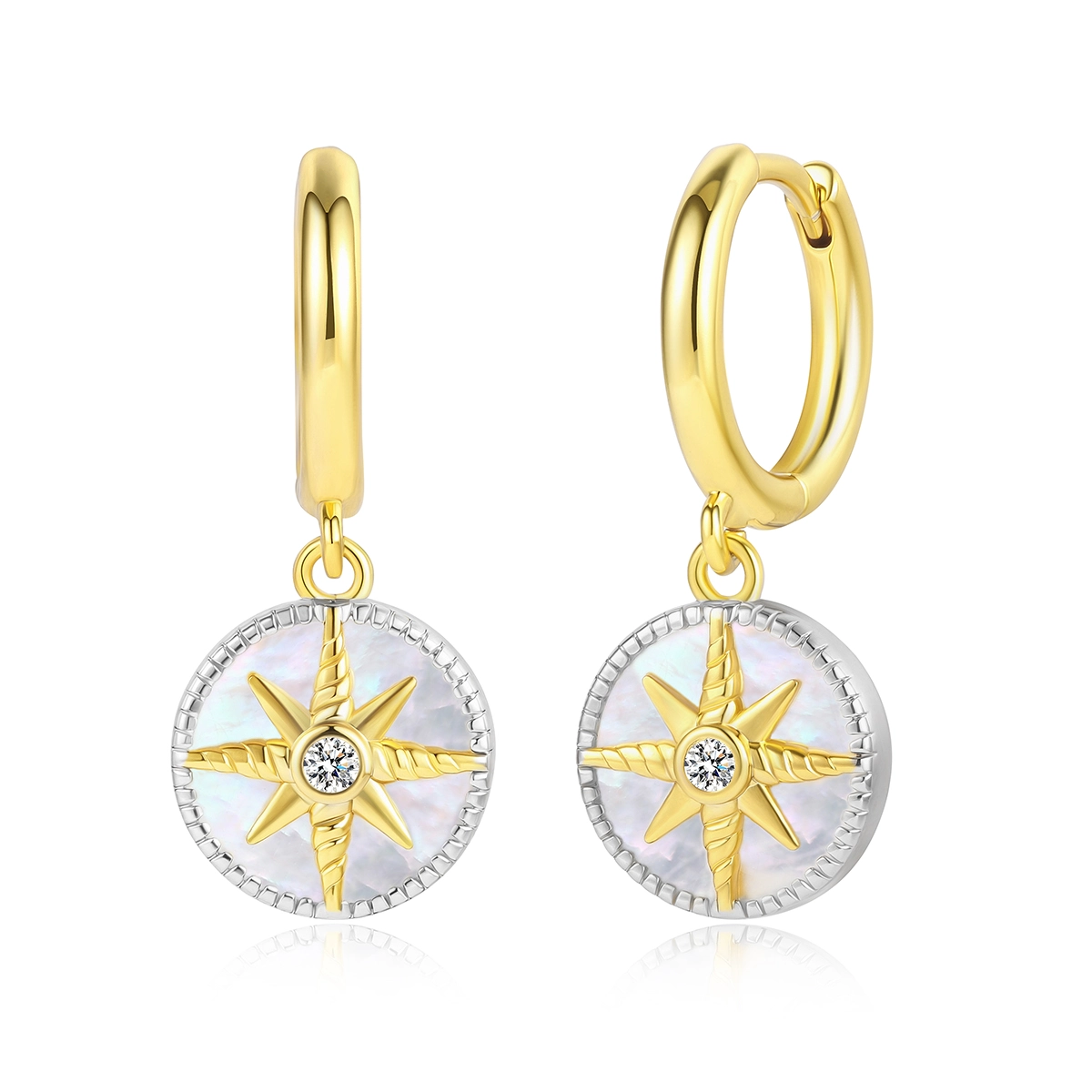
Brass Mother of Pearl Compass Huggie Drop Earrings | 14K 18K Gold Plated Hypoallergenic Jewelry
Read More
925 Silver Jewelry
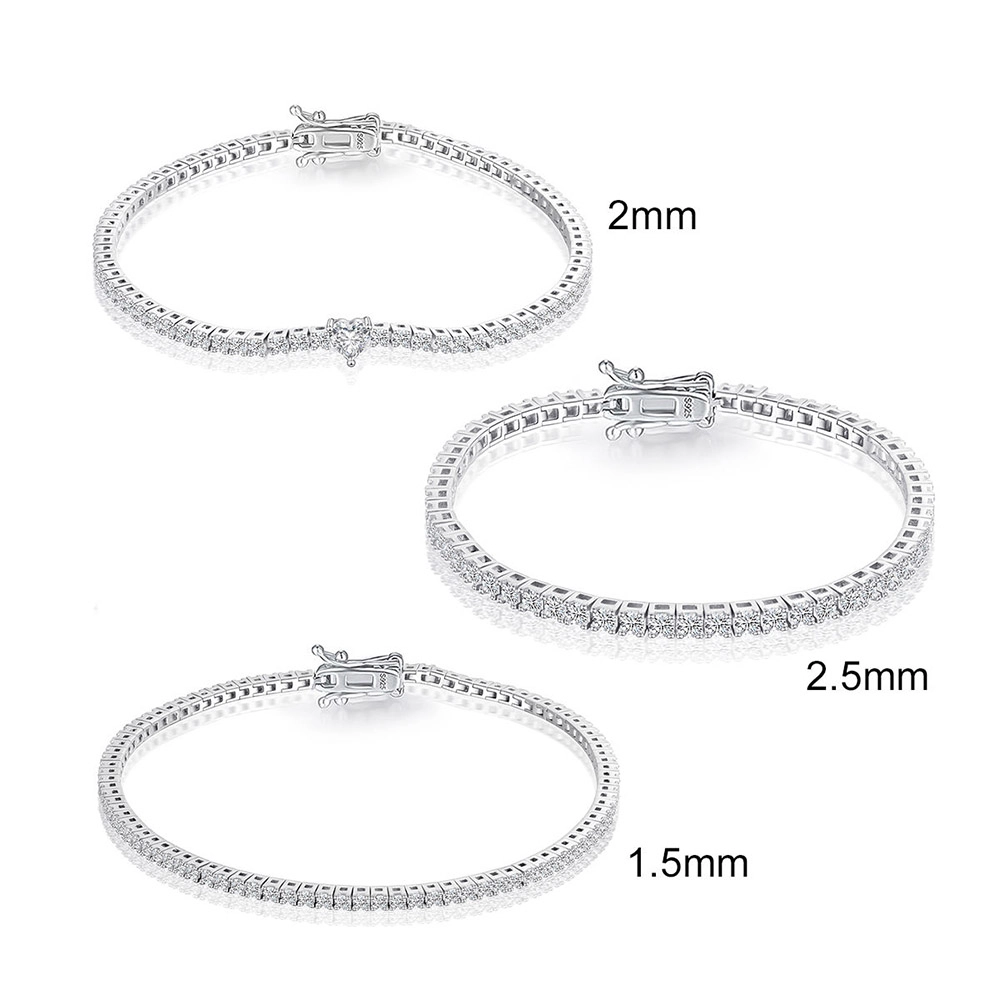
Customizable High-Quality Fashion 925 Sterling Silver AAA Cubic Zirconia Heart-Shaped Open Tennis Bracelet.
Read More
Brass Jewelry
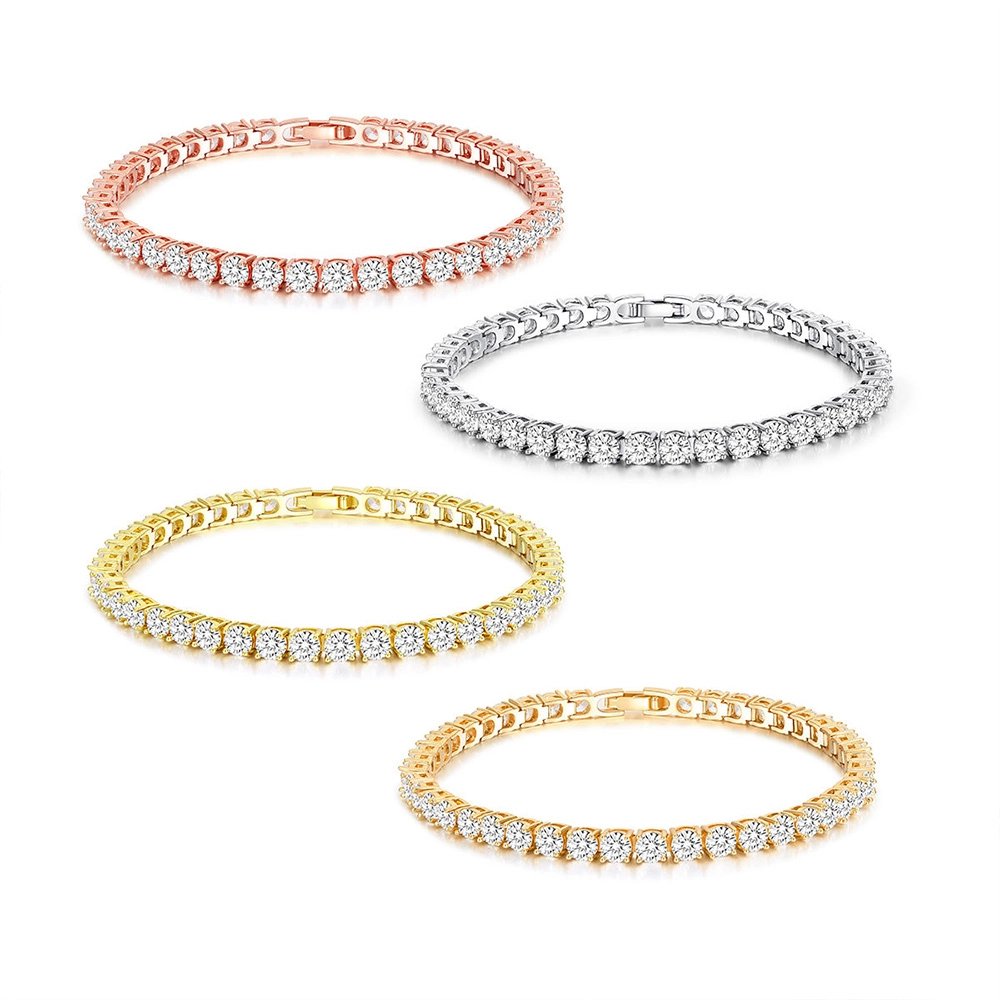
Customizable OEM ODM High-Quality Fashion Brass AAA Cubic Zirconia Classic Tennis Bracelet for Women Wholesale.
Read More
Get a Quote for Private Label Jewelry
We provide personalized jewelry customization services for clients worldwide.
Rest assured that your privacy is important to us, and all information provided will be handled with the utmost confidentiality.
By clicking 'Send Inquiry Now' I agree to ZHEFAN JEWELRY processing my personal data.
To see how to withdraw your consent, how to control your personal data and how we process it, please see our Privacy Policy and Terms of use.
From design to production, ZHEFAN JEWELRY offers a one-stop solution to help you enhance your brand value and market competitiveness.
Get A Quote
Contact
Tel: (+86) 188 1927 7817
© 2026 Zhefan Jewelry. All Rights Reserved.
Facebook
Instagram
YouTube
Whatsapp: +8618819277817