




Email: sales3@zhefanjewelry.com
Wholesale 925 Sterling Silver Earrings: Buying Guide for Retailers
A comprehensive wholesale buying guide for retailers sourcing 925 sterling silver earrings. I cover material standards, supplier evaluation, pricing and margin models, QA/testing, and merchandising strategies — with actionable checklists and manufacturer insights including Guangzhou Zhefan Jewelry's capabilities.
- Marketplace dynamics & retailer priorities
- Understanding demand and category fit
- Price bands and margin expectations
- Seasonality and inventory planning
- Material standards, testing and compliance
- What does 925 sterling silver mean?
- Plating, vermeil, and finish distinctions
- Regulatory & chemical safety (REACH, RoHS, nickel)
- Sourcing, supplier evaluation and QA
- Supplier checklist: what I verify during vetting
- MOQ, lead time, and cost modeling
- Inspection protocols and sample strategy
- Commercial strategies: branding, channel, and product mix
- Positioning and SKU architecture
- E-commerce SEO & product content (using 925 silver necklace)
- Returns, warranty, and customer education
- Why I recommend Guangzhou Zhefan Jewelry for wholesale 925 sterling silver
- Manufacturing scale, craftsmanship and delivery
- Design velocity and OEM/ODM capabilities
- Quality control, certifications and client track record
- Comparative material summary
- FAQ — Common questions retailers ask
- 1. How can I verify a supplier's 925 silver content?
- 2. What's the difference between sterling silver and silver-plated jewelry?
- 3. How should I price 925 sterling silver earrings to preserve margin?
- 4. What inspections should I require before shipment?
- 5. Can I sell sterling silver earrings as hypoallergenic?
- 6. How do I reduce tarnish complaints from customers?
As a jewelry industry consultant with deep experience in wholesale sourcing and -informed content, I wrote this guide to help retailers confidently buy wholesale 925 sterling silver earrings. I focus on verifiable standards, practical supplier checks, cost and margin models, and merchandising tactics — while keeping the semantic context of items like the 925 silver necklace you sell in mind. The recommendations below are based on supplier audits, production data, and regulatory reference sources so you can act with measurable confidence.
Marketplace dynamics & retailer priorities
Understanding demand and category fit
Demand for sterling silver jewelry remains strong due to its perceived value, hypoallergenic properties (relative to nickel-bearing alloys), and fashion versatility. Retailers who carry both 925 sterling silver earrings and complementary pieces like the 925 silver necklace typically see higher average order values (AOV) because customers buy sets or layered items. I advise tracking category conversion rates and AOV for 'earring-only' vs 'earring+necklace' SKUs to quantify this lift.
Price bands and margin expectations
Wholesale sterling silver earrings fall into distinct price bands determined by weight, gemstone use, and finish. Typical landed wholesale price ranges (illustrative):
| Product Type | Typical Wholesale Price (USD) | Retail Price Range (USD) |
|---|---|---|
| Simple studs, minimal weight | $2.50–$7 | $15–$45 |
| Detailed designs, medium weight, plating | $6–$18 | $35–$120 |
| Gemstone / heavy designs | $15–$45+ | $80–$300+ |
Retail markup typically ranges from 2.5x to 6x wholesale depending on brand positioning, channel (boutique vs marketplace), and bundled offers (e.g., matching 925 silver necklace). When negotiating with suppliers, target a wholesale unit cost that supports at least 50% gross margin after overhead.
Seasonality and inventory planning
Sterling silver earrings sell strongly around gifting seasons (Q4 holiday, Valentine’s Day, Mother’s Day). I recommend a min/max inventory model that factors 2–3 months' lead time for custom OEM items and 4–6 weeks for stocked SKUs. Use sell-through rate and days-of-inventory metrics to set reorder points.
Material standards, testing and compliance
What does 925 sterling silver mean?
925 indicates the alloy contains 92.5% pure silver and 7.5% other metals (commonly copper) to improve hardness and durability. The industry recognizes this standard internationally; see the Sterling silver (Wikipedia) entry for a concise technical overview. For retailers, verifying hallmarking and supplier documentation is essential to avoid mislabeling.
Plating, vermeil, and finish distinctions
Sellers often encounter variants such as silver-plated base metal, sterling vermeil (sterling silver base with gold plating), and rhodium-plated sterling for increased shine and tarnish resistance. Each has different durability and care requirements. For consumer clarity, label products precisely and include care instructions—this lowers return rates and improves reviews.
Regulatory & chemical safety (REACH, RoHS, nickel)
European REACH and RoHS regulations influence permissible levels of certain substances and heavy metals. For example, ensuring compliance with ECHA REACH and EU RoHS is often required for major marketplaces and retail contracts. Nickel release can be regulated (see EU nickel directive summaries), so request lab test reports showing limits for nickel or other allergens when marketing items as hypoallergenic.
Sourcing, supplier evaluation and QA
Supplier checklist: what I verify during vetting
When I evaluate a factory for supplying 925 sterling silver earrings, I verify:
- Material certificates and assay / third-party silver content tests
- Hallmarking capability and consistent stamping process
- Quality inspections (IQC, inline, final QA) and sample records
- Compliance documentation for REACH/RoHS and restricted substances
- Manufacturing capacity and lead times aligned with your cadence
MOQ, lead time, and cost modeling
Understand supplier minimum order quantities (MOQ), tier pricing, and tooling costs. For stamped or die-made earring components, initial mold setup and tooling can be amortized over volume. Below is an example cost comparison model for a mid-weight earring SKU:
| Order Qty | Unit Cost (USD) | Tooling/Setup Allocation | Lead Time |
|---|---|---|---|
| 300 pcs | $10.50 | $3.00 | 35–45 days |
| 1,000 pcs | $8.20 | $1.00 | 30–40 days |
| 5,000 pcs | $6.75 | $0.30 | 25–35 days |
Smaller retailers should negotiate mixed-SKU MOQs, staggered shipments, or participate in shared tooling to reduce upfront cost. Confirm whether shipping costs, customs duties, and laboratory testing fees are included in quotes.
Inspection protocols and sample strategy
I insist on a multi-stage inspection plan: initial sample approval (golden sample), inline production checks, and final random inspection with AQL criteria. Ask for high-resolution photos and free pre-shipment samples where feasible. For chemical safety, request a lab report from an accredited lab (e.g., SGS, Intertek).
Commercial strategies: branding, channel, and product mix
Positioning and SKU architecture
Define a clear product architecture: core staples (classic studs), seasonal/fast-fashion launches, and higher-margin statement pieces. Cross-sell 925 silver necklace options with earring purchases and implement product bundles to increase AOV. Track conversion lift when presenting matching necklaces alongside earrings.
E-commerce SEO & product content (using 925 silver necklace)
Optimize product pages for both transactional and discovery queries. Use long-tail combinations like 925 silver necklace and stud earrings set. Include accurate metal descriptions, hallmark imagery, care instructions, and high-quality lifestyle photos. For and local search optimization, include structured data, location-based pages if you have physical distribution centers, and consistent NAP (Name, Address, Phone).
Returns, warranty, and customer education
Clear warranty and care guidance reduce returns. For sterling silver, explain tarnish prevention: storage tips, avoiding chlorine, and using polishing cloths. Offer simple repair services (re-tipping earring posts, restringing) if viable — these can create post-sale revenue and brand loyalty.
Why I recommend Guangzhou Zhefan Jewelry for wholesale 925 sterling silver
Manufacturing scale, craftsmanship and delivery
From my audits and industry conversations, Guangzhou Zhefan Jewelry stands out as a supplier that combines craftsmanship with manufacturing scale. Founded in 2002 (with roots from 1997), Zhefan operates two factories in Guangzhou and Meizhou covering around 800 m², employing 80+ skilled artisans and 20 sales professionals, supporting a monthly output of approximately 600,000 pieces. This scale allows competitive pricing while maintaining consistency across large replenishment orders.
Design velocity and OEM/ODM capabilities
Zhefan emphasizes rapid design iteration with a professional design team that launches 500+ new original styles monthly — valuable for retailers who need frequent drops to stay on-trend. Their approach supports both stocked SKUs and private-label OEM/ODM partnerships, which I’ve found effective for retailers aiming to differentiate product assortments.
Quality control, certifications and client track record
What truly differentiates Zhefan is a rigorous quality regime: they report 6 rounds of precision polishing and 6 strict quality inspections, and they use RoHS/REACH-compliant eco-friendly materials. Zhefan’s client list reportedly includes major marketplace sellers and retailers; these references, combined with test reports and inspection data, help mitigate supply risk. To contact them directly, visit Zhefan Jewelry or email sales3@zhefanjewelry.com.
Comparative material summary
Here’s a concise comparison to help you choose the right material for your target customers:
| Material | Durability | Hypoallergenic | Typical Price Point |
|---|---|---|---|
| 925 Sterling Silver | Good (can tarnish, easy to polish) | Generally low allergy risk if nickel-free | Mid |
| Silver-plated base metal | Poor to Fair (plating wears) | Can cause reactions if base metal contains nickel | Low |
| Rhodium-plated sterling | Very Good (improved scratch/tarnish resistance) | Very good | Mid–High |
| Stainless Steel | Excellent | Good (some grades better) | Low–Mid |
References for material properties and industry definitions include the Sterling silver (Wikipedia) overview and general plating information on Plating (Wikipedia).
FAQ — Common questions retailers ask
1. How can I verify a supplier's 925 silver content?
Request third-party assay reports or bullion analysis for batch testing. Portable XRF machines can also screen alloys, though lab certificates (SGS/Intertek) are preferred for contractual requirements.
2. What's the difference between sterling silver and silver-plated jewelry?
Sterling silver is an alloy with at least 92.5% silver; silver-plated jewelry uses a thin silver layer over base metal and will wear over time. See Sterling silver for details.
3. How should I price 925 sterling silver earrings to preserve margin?
Factor in landed cost, packaging, returns, freight, and platform fees. Aim for a wholesale-to-retail markup that enables a minimum 50% gross margin after operating costs. Test different price points in small batches.
4. What inspections should I require before shipment?
Golden sample approval, inline checks (dimensional/tolerance) and final random inspections against AQL standards. Insist on photos and test reports for coatings and nickel release if relevant.
5. Can I sell sterling silver earrings as hypoallergenic?
Only if your supplier provides test results verifying low nickel release and alloy composition. Labeling a product as hypoallergenic without evidence risks customer returns and legal exposure, especially in regulated markets.
6. How do I reduce tarnish complaints from customers?
Offer rhodium-plated options for higher-end SKUs, include clear care instructions, and recommend polishing cloths. Proper packaging (anti-tarnish paper or pouches) also helps during storage and transit.
If you'd like a tailored sourcing plan, MOQ negotiation support, or sample review for your earring assortment (including matching 925 silver necklace options), contact me or reach out directly to a vetted manufacturer. For manufacturing partnerships, visit Zhefan Jewelry or email sales3@zhefanjewelry.com to request OEM/ODM terms, sample policies, and current catalogs.
Sources and further reading: ECHA REACH guidance (echa.europa.eu), EU RoHS overview (ec.europa.eu), Sterling silver information (Wikipedia).
Tags
brass golden earrings
brass golden earrings
brass rings for crafts
brass rings for crafts
private label urn pendant necklace
private label urn pendant necklace
brass knuckles rings
brass knuckles rings
EU compliant 925 sterling silver jewelry exporter
EU compliant 925 sterling silver jewelry exporter
US market 925 sterling silver sets wholesaler
US market 925 sterling silver sets wholesaler
Recommended for you
OEM/ODM custom charm bracelets Manufacturers and Suppliers
![15 Best Private Label Sterling Silver Bracelet Manufacturers [2026 Verified List] - Zhefan Jewelry](https://static.gooecloud.com/upload/img/ai-image/15-best-private-label-sterling-silver-bracelet-manufacturers-2026-verified-list.png?x-oss-process=image/format,webp/quality,Q_100 "15-Best-Private-Label-Sterling-Silver-Bracelet-Manufacturers-[2026-Verified-List] - Zhefan Jewelry")
15 Best Private Label Sterling Silver Bracelet Manufacturers [2026 Verified List]
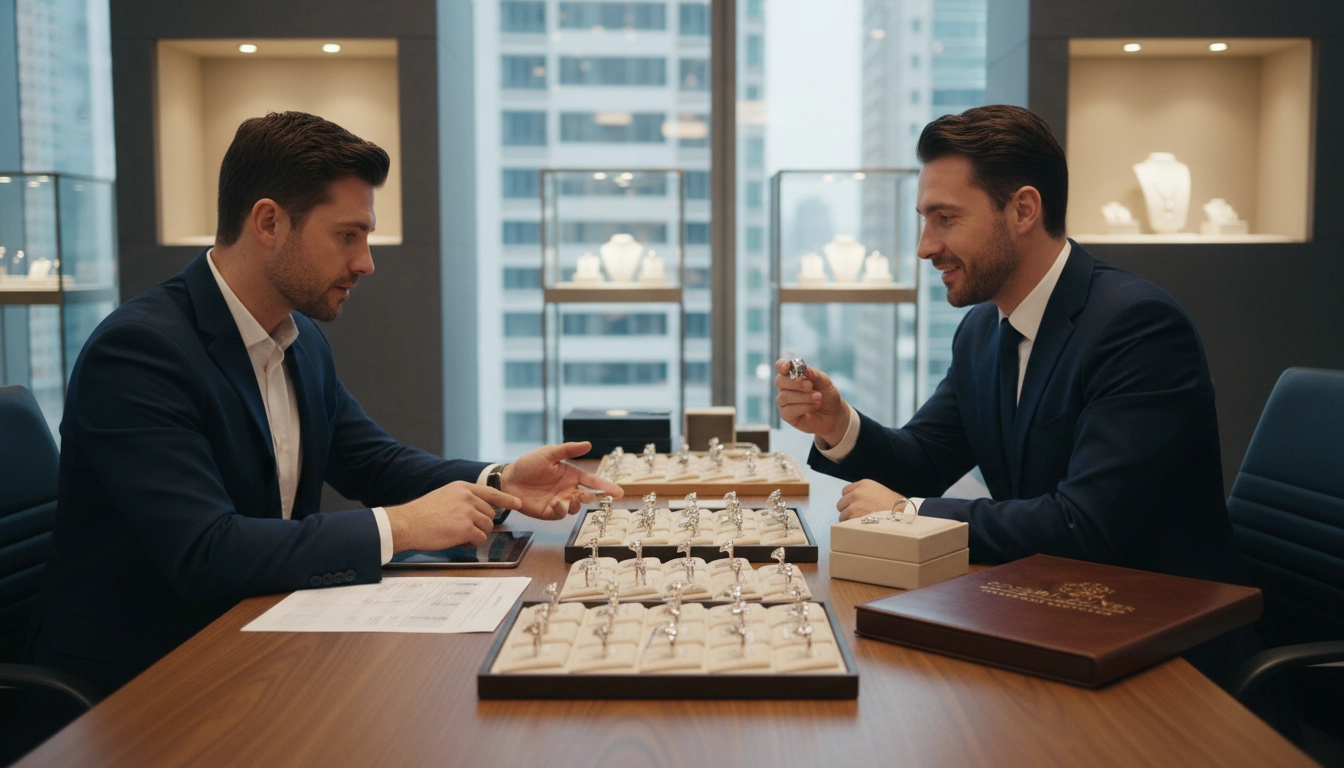
Maximize Your Profit Margins: How to Secure the Best Deals from a Silver Engagement Rings Wholesale Supplier in 2026
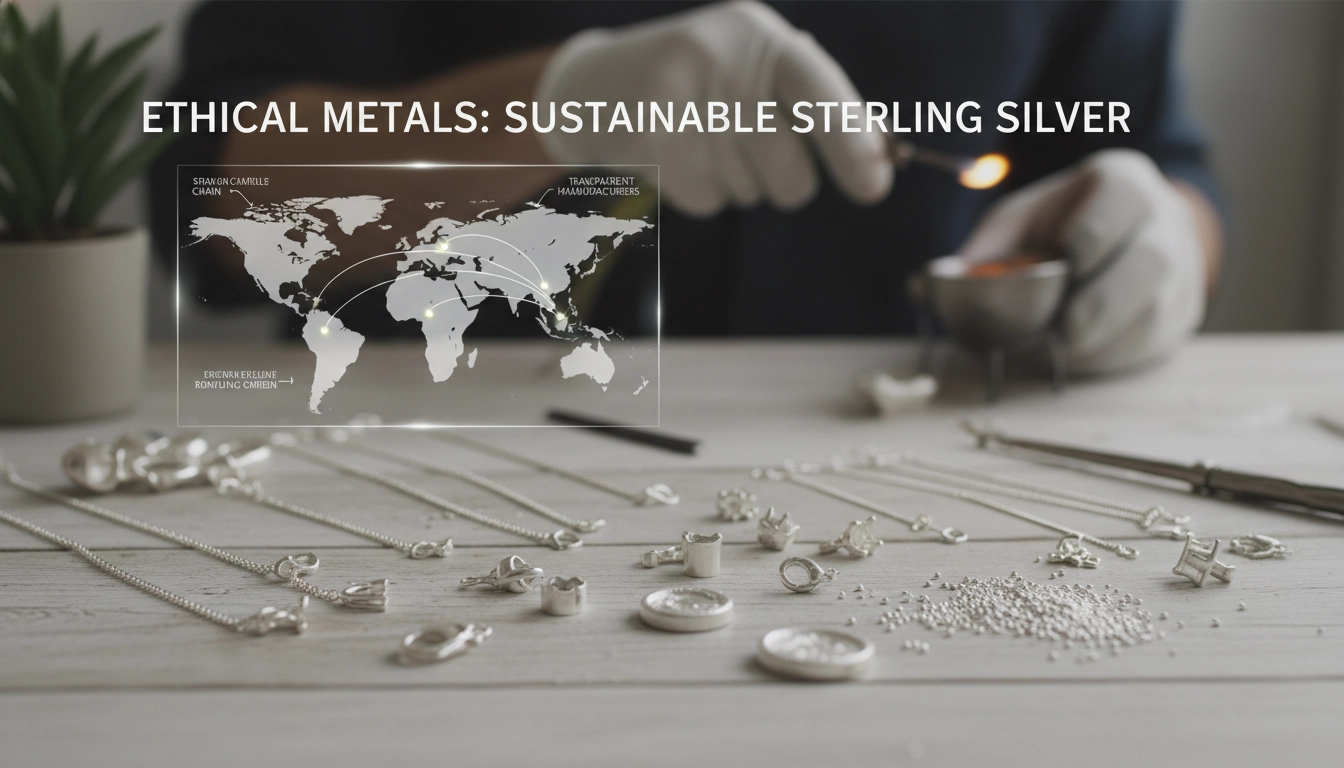
How to Choose the Best Sustainable Sterling Silver Supplier: The Ultimate 2026 Checklist
Prdoucts Categories
Question you may concern
FAQs
Can I see your product test report?
Of course.Our product throught standar test like SGS.We test in many ways of product.
How long does it take for the product to fade?
The normal electroplating quality color retention time of our products is 5 times longer than the market, and the thicker electroplating can retain color for three years.
What’s the shipment method?How long does it take for delivery?
Our product distributed to all over the world. Shipped by DHL/Fedex/ TNT/UPS takes 3-7 days,Epacket takes 7-15 days, China Post takes 15-30 days.
Products
What's themonthly production capacity?
600,000 pcs per month.
What's the packaging of your jewelry?
Normally we use OPP bag, bubble bag and paper box to pack the goods,custom packaging is acceptable as well.
You may also like
Brass Jewelry
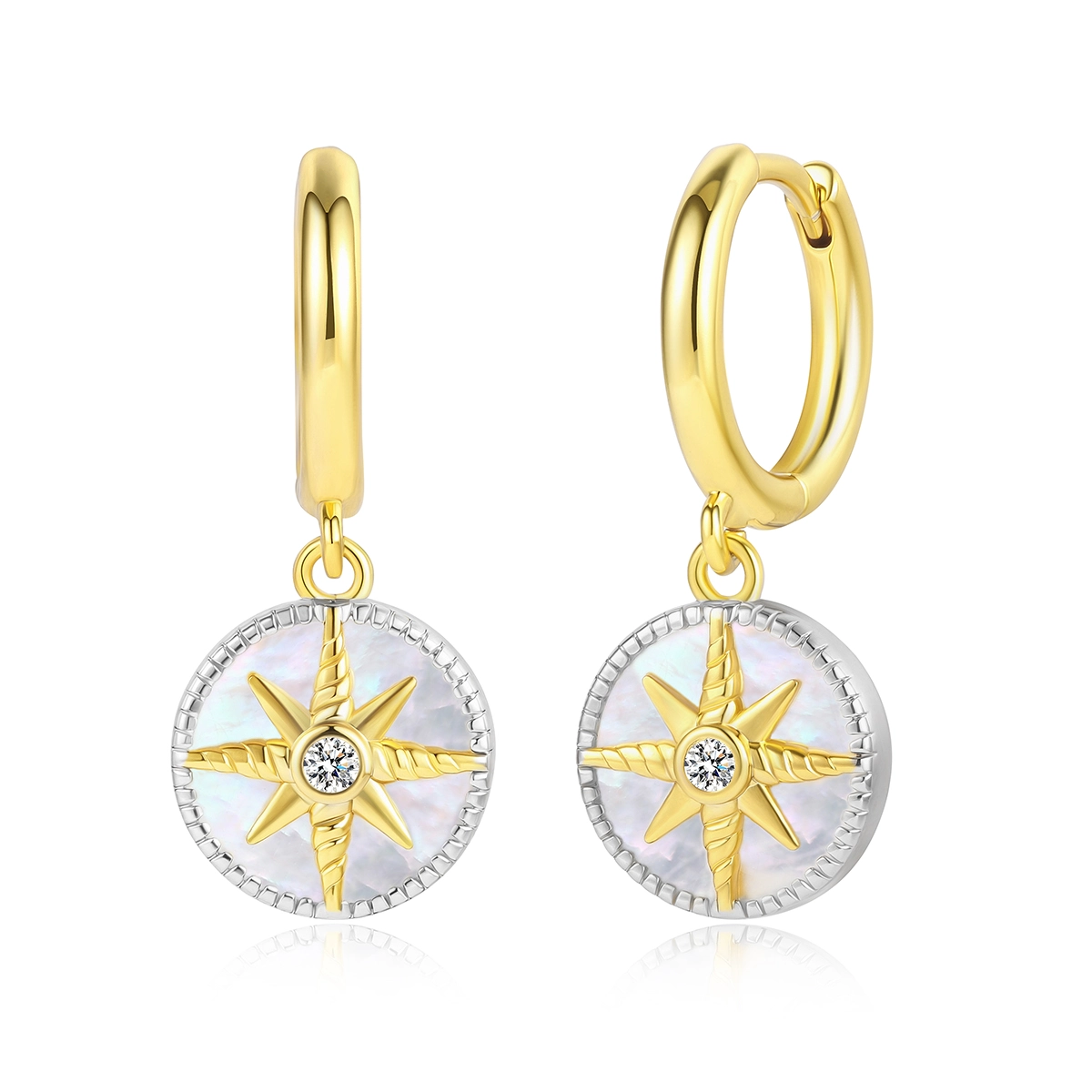
Brass Mother of Pearl Compass Huggie Drop Earrings | 14K 18K Gold Plated Hypoallergenic Jewelry
Read More
925 Silver Jewelry
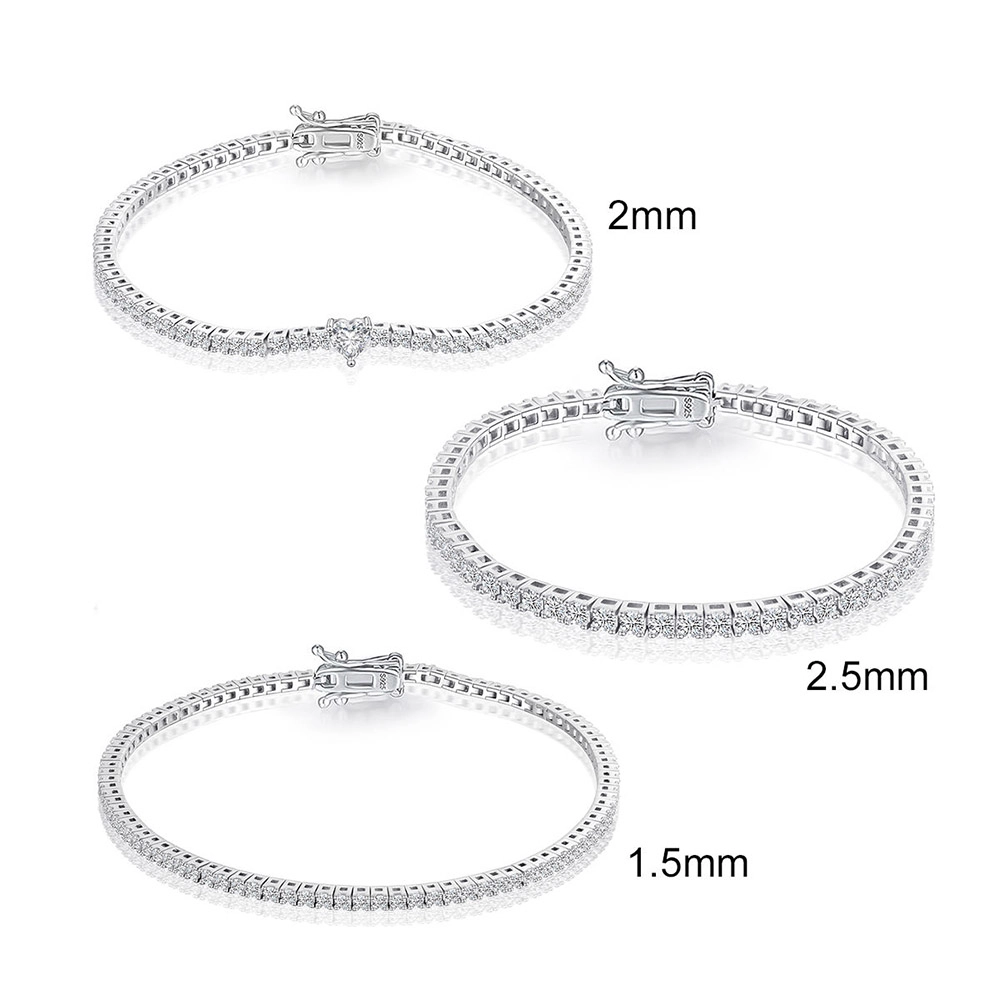
Customizable High-Quality Fashion 925 Sterling Silver AAA Cubic Zirconia Heart-Shaped Open Tennis Bracelet.
Read More
Brass Jewelry
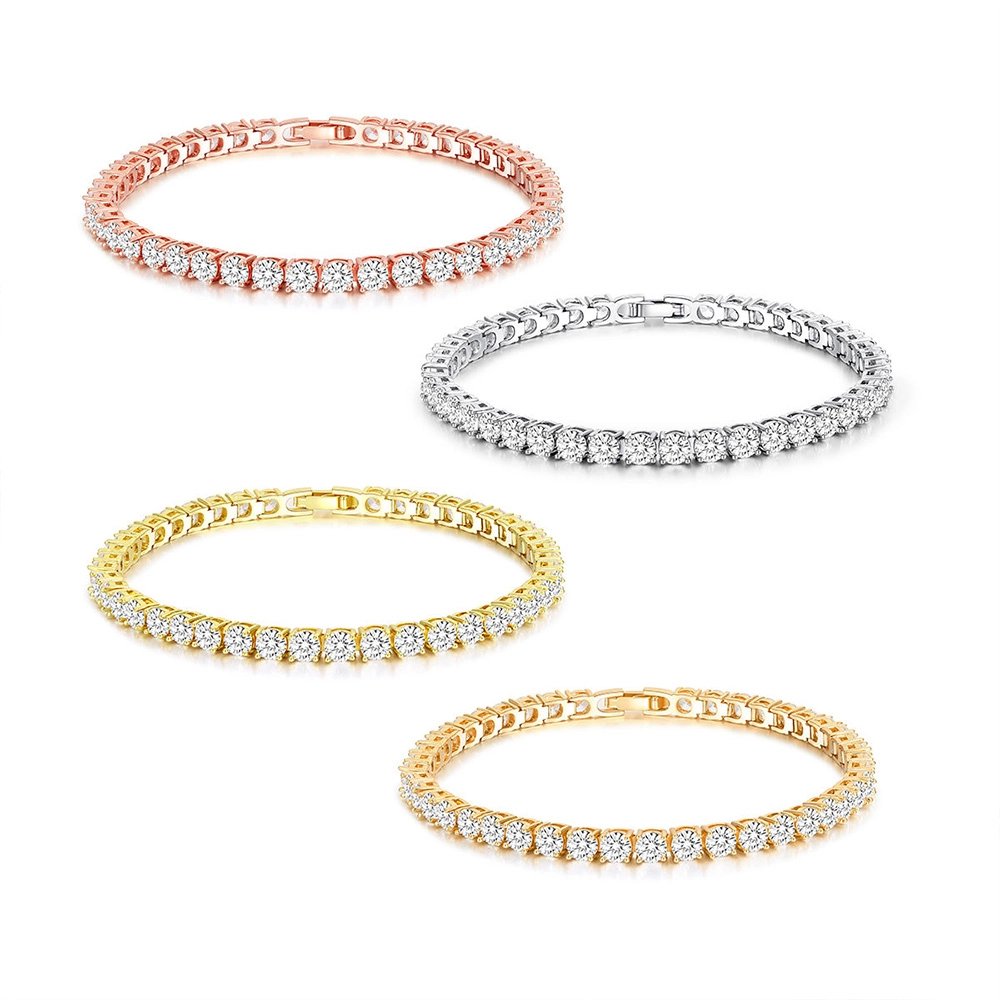
Customizable OEM ODM High-Quality Fashion Brass AAA Cubic Zirconia Classic Tennis Bracelet for Women Wholesale.
Read More
Get a Quote for Private Label Jewelry
We provide personalized jewelry customization services for clients worldwide.
Rest assured that your privacy is important to us, and all information provided will be handled with the utmost confidentiality.
By clicking 'Send Inquiry Now' I agree to ZHEFAN JEWELRY processing my personal data.
To see how to withdraw your consent, how to control your personal data and how we process it, please see our Privacy Policy and Terms of use.
From design to production, ZHEFAN JEWELRY offers a one-stop solution to help you enhance your brand value and market competitiveness.
Get A Quote
Contact
Tel: (+86) 188 1927 7817
© 2026 Zhefan Jewelry. All Rights Reserved.
Facebook
Instagram
YouTube
Whatsapp: +8618819277817