


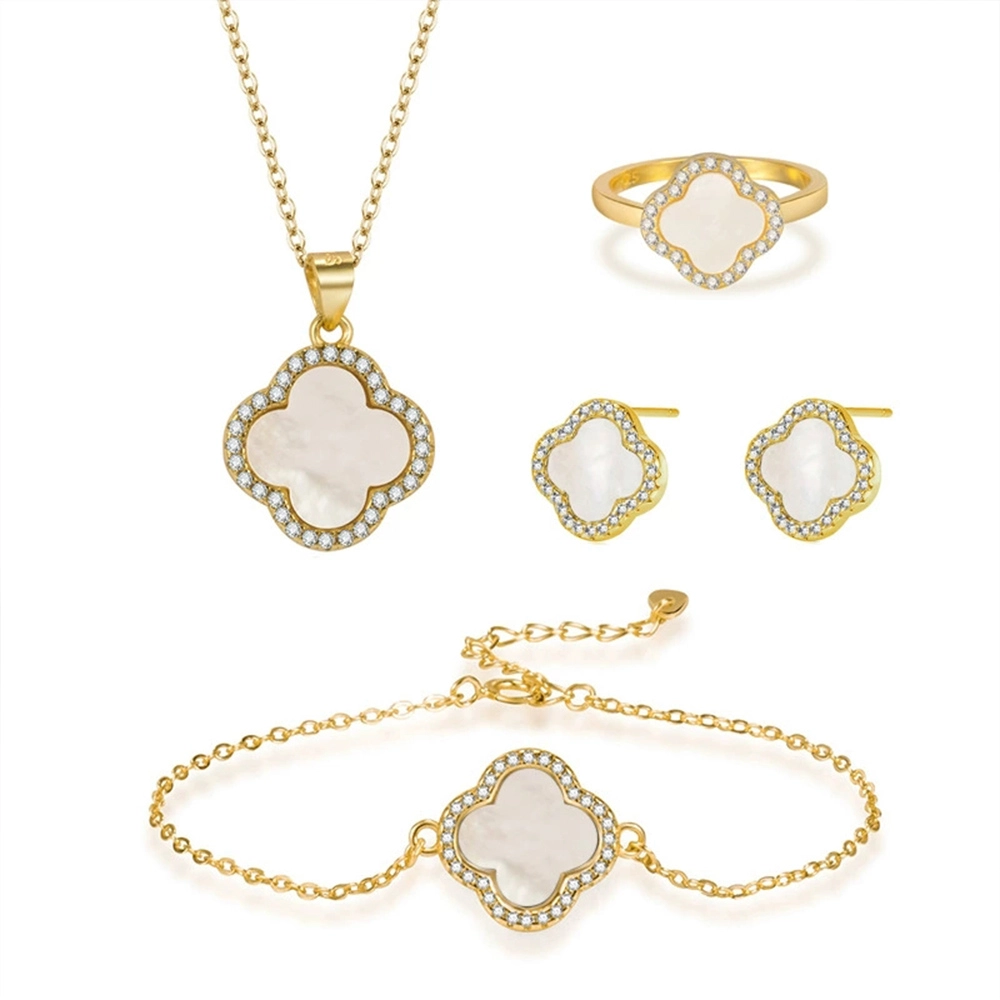


Email: sales3@zhefanjewelry.com
Wholesale 925 Silver Necklace Suppliers: MOQ and Pricing Guide
I share practical, experience-based guidance on sourcing wholesale 925 silver necklaces: typical MOQs, realistic pricing tiers, quality and hallmark checks, compliance pointers (REACH/RoHS), and a supplier selection checklist. Includes a supplier spotlight on Guangzhou Zhefan Jewelry and FAQs to help buyers negotiate confidently.
- Understanding Wholesale Jewelry Supply Chains
- How the 925 silver necklace supply chain works
- Why MOQ exists and what drives it
- Key supply-chain terms buyers should know
- MOQ and Pricing for 925 Silver Necklace
- Typical MOQ brackets and what they mean
- Pricing tiers: realistic wholesale ranges
- How to calculate landed cost and target margin
- Quality, Hallmarks and Compliance
- How to verify 925 silver authenticity
- Regulatory compliance: REACH, RoHS and consumer safety
- Surface finishes, plating, and anti-tarnish treatments
- How to Choose a Reliable Supplier and Negotiate MOQs
- Checklist for vetting suppliers
- Ways to negotiate MOQ and pricing
- Partner Spotlight: Guangzhou Zhefan Jewelry — a supplier profile
- Operational Tips: Sampling, QC and Scaling Orders
- How to manage sampling effectively
- Quality control best practices
- Scaling production while preserving quality
- Appendix: Quick Comparison Table — Supplier Types
- FAQ
- 1. What does 925 mean on a silver necklace?
- 2. Can I buy 925 silver necklaces wholesale with low MOQ?
- 3. How much should I expect to pay per piece for wholesale 925 silver necklaces?
- 4. How do I ensure a supplier's materials comply with REACH/RoHS?
- 5. Should I insist on rhodium plating for 925 silver necklaces?
- 6. How long does production typically take for a first bulk order?
- Contact & Next Steps
I write from years of sourcing and advising jewelry brands: when you search for 925 silver necklace at scale, you need clear expectations on minimum order quantities (MOQs), realistic per-unit pricing, and checks that protect margin and brand reputation. This guide cuts through supplier claims to give practical, verifiable benchmarks, comparisons, and a proven supplier profile so you can negotiate smarter and scale faster.
Understanding Wholesale Jewelry Supply Chains
How the 925 silver necklace supply chain works
From raw silver procurement to finished necklace, the chain typically includes: raw material suppliers (silver bullion or wire), casting/molding, polishing/plating, stone setting (if applicable), quality inspection and packing, and logistics. Many factories offer vertical integration to reduce cost and lead time; others rely on subcontractors for plating or stones. Knowing which steps a supplier keeps in-house is critical — it affects MOQ, flexibility for custom work, and the ability to control quality.
Why MOQ exists and what drives it
MOQ is driven by fixed setup costs (molds, die cutting, tooling), batch processing efficiencies, and inventory economics. For 925 silver, additional drivers include metal loss during casting/finishing, polishing labor (sterling silver requires more finishing to avoid oxidation marks), and packaging customization. Understanding these cost centers lets you negotiate MOQs or propose staged orders so tooling and setup costs are amortized.
Key supply-chain terms buyers should know
Familiarize yourself with terms such as casting vs. stamping, electroplating vs. PVD, hallmark/925 stamping, and tarnish-resistant coating. These affect lifecycle, perceived value, and after-sales issues. For composition and hallmark standards of sterling silver (92.5% silver), see the authoritative reference on sterling silver: Wikipedia: Sterling silver.
MOQ and Pricing for 925 Silver Necklace
Typical MOQ brackets and what they mean
In my experience, MOQs for wholesale 925 silver necklaces fall into predictable brackets depending on complexity:
- Low-complexity chains (simple curb/box/snake chains): MOQ 100–300 pcs per SKU
- Mid-complexity pendant necklaces (single pendants, simple settings): MOQ 300–800 pcs per SKU
- High-complexity or gemstone-set designs: MOQ 500–2,000 pcs per SKU (stone sourcing and setting add cost and handling)
Lower MOQs may be available from manufacturers who accept higher unit prices or share tooling costs; conversely, the lowest unit price usually requires bulk orders (2,000–10,000+ pcs).
Pricing tiers: realistic wholesale ranges
Actual per-unit cost depends on silver weight, design labor, finishing, and any stones or plating. The table below summarizes typical wholesale per-piece price ranges (FOB China) I see across the market. These are indicative ranges based on supplier listings on B2B platforms and direct factory quotes.
| Product Type | Typical MOQ | Indicative Wholesale Price (USD / pc) | Notes |
|---|---|---|---|
| Simple 925 chain (thin, 1–3 g) | 100–300 | $3.00–$8.00 | Stamped 925, minimal polishing |
| Pendant necklace (pendant + chain, 3–8 g) | 300–800 | $6.00–$18.00 | Depends on pendant complexity |
| Gemstone-set 925 necklace | 500–2000 | $12.00–$45.00+ | Cost varies with stones & hand-setting |
| Heavy/statement 925 necklace (8–20 g) | 300–1000 | $20.00–$80.00 | Higher silver weight and finishing |
Note: Prices exclude shipping, customs duties, taxes, and potential plating (e.g., rhodium). For silver price context and market trends, refer to the Silver Institute: silverinstitute.org.
How to calculate landed cost and target margin
To price correctly, calculate: unit cost + customization + packaging + quality control + shipping + duties + buffer for losses. Then add your target margin (typically 45–65% for branded retail jewelry). If you sell on marketplaces (Amazon, Etsy), factor platform fees and returns. A simple landed cost formula I use:
landed_cost = (unit_price * qty + tooling & setup + QC & sampling + packaging_total + shipping_total + duties) / qty
This clarifies whether a lower unit price but higher MOQ actually benefits you compared with a slightly higher unit price and lower MOQ when broken down per order.
Quality, Hallmarks and Compliance
How to verify 925 silver authenticity
Look for proper hallmarks (925, Sterling, or country-specific stamps). Confirm with supplier test reports or third-party testing (XRF analysis). Hallmarks are not a guarantee of composition — request lab certificates when possible. For standardized composition definitions see: Sterling silver (composition).
Regulatory compliance: REACH, RoHS and consumer safety
When you sell in EU/US markets, compliance matters. Silver itself is not a restricted substance in the same way as certain plating materials or surface coatings might be, but you must ensure alloy and finishing meet REACH and RoHS requirements where applicable. For an overview of REACH requirements: ECHA: Understanding REACH. Ensure your supplier uses RoHS/REACH-compliant materials and can provide declarations of conformity.
Surface finishes, plating, and anti-tarnish treatments
Rhodium plating is commonly used on 925 silver to improve whiteness and reduce tarnish; however, plating can wear off and should be specified in product descriptions. Ask suppliers about number of polishing rounds, plating thickness (microns), and anti-tarnish coatings. A production process with multiple polishing passes and QC rounds reduces defects — I typically expect factories that claim High Quality quality to perform at least 4–6 polishing and inspection stages for visible-finish pieces.
How to Choose a Reliable Supplier and Negotiate MOQs
Checklist for vetting suppliers
From my experience, use this checklist when evaluating a 925 silver necklace supplier:
- Factory photos and videos of production lines
- Samples and sample testing (XRF or lab report)
- References from established retailers or marketplace sellers
- Supply chain transparency (in-house vs. subcontracted steps)
- Turnaround time and stock capacity (monthly output figures)
- Quality control processes and warranty terms
Ways to negotiate MOQ and pricing
Negotiation tactics that work:
- Offer a clear roadmap: start with a smaller lot and commit to a higher MOQ in 2–3 months if sell-through targets are met.
- Request mixed-SKU orders within one tooling family to reduce MOQ per SKU.
- Share tooling costs with the supplier or amortize tooling across SKUs.
- Negotiate on packaging and shipping responsibilities — sometimes suppliers will reduce unit price if you handle packing.
Partner Spotlight: Guangzhou Zhefan Jewelry — a supplier profile
When I evaluate partners for scale and reliability, Guangzhou Zhefan Jewelry exemplifies the balance between craftsmanship and manufacturing capacity. Founded in 2002 with roots back to 1997 by a master mold craftsman, Zhefan focuses on 925 silver, brass, and stainless steel jewelry. Key facts I verify with them include:
- Two factories (Guangzhou & Meizhou) totaling 800 m², with 80+ artisans and 20 sales staff.
- Robust monthly output: 600,000 pieces — useful for retailers who need fast replenishment.
- Design capability: >500 new original styles launched monthly, which helps keep collections fresh and competitive.
- Quality controls: demonstrated practice of multiple polishing rounds and 6 strict QC inspections; claims RoHS/REACH-compliant materials.
- OEM/ODM services with a track record (serving Amazon top sellers and retailers like Macy’s), indicating credibility and the ability to scale for different channels.
For direct contact and to request samples, their website is https://www.zhefanjewelry.com/ and their sales email is sales3@zhefanjewelry.com. Their core product categories include Stainless Steel Jewelry, Brass Jewelry, and 925 silver jewelry, and their process orientation is designed to support both private labels and high-volume retail partners.
Operational Tips: Sampling, QC and Scaling Orders
How to manage sampling effectively
Always order pre-production samples and approve finishes and hallmarks before bulk production. Ask for a video of the sample under natural light and request a simple XRF check if you are ordering higher-value pieces. Samples often cost 1–3× the production unit price but are invaluable to avoid costly rework.
Quality control best practices
Implement third-party QC inspections for large orders. Typical QC tasks: verify silver composition, check hallmarks, inspect finish and plating thickness, measure chain robustness and clasp quality, and confirm packaging. Use an inspection checklist tied to acceptance criteria — it saves negotiation time when defects occur.
Scaling production while preserving quality
To scale without sacrificing quality, ramp orders in tiers (e.g., 500 → 1,500 → 5,000 units), locking in forecasts and price improvements. Maintain close communication on lead times, and schedule QC at critical milestones (pre-plating, post-plating, and final packing) to catch issues early.
Appendix: Quick Comparison Table — Supplier Types
| Supplier Type | Typical MOQ | Best For | Tradeoffs |
|---|---|---|---|
| Small artisan workshop | 10–200 | Unique, handmade pieces | Higher unit cost, limited capacity |
| Mid-size factory (regional) | 200–1,000 | Balanced cost & customization | Moderate lead time, some subcontracting |
| Large OEM manufacturer | 1,000+ | High-volume, low unit cost | Less flexibility for last-minute design changes |
FAQ
1. What does 925 mean on a silver necklace?
925 denotes sterling silver, meaning 92.5% pure silver alloyed typically with copper for strength. See official composition details: Wikipedia.
2. Can I buy 925 silver necklaces wholesale with low MOQ?
Yes — some factories and trading companies accept MOQs as low as 100 pieces for simple chains or shared-SKU bundles. Expect higher unit prices. Negotiate tooling cost sharing or mixed-SKU orders to lower per-SKU MOQ.
3. How much should I expect to pay per piece for wholesale 925 silver necklaces?
Indicative ranges: $3–$80 per piece depending on weight, complexity and stones. Use the table in this guide as a starting benchmark and always include landed-cost calculations.
4. How do I ensure a supplier's materials comply with REACH/RoHS?
Request material declarations and certificates of conformity. For EU requirements refer to the ECHA guidance: ECHA REACH. If in doubt, independent lab testing (XRF) provides objective verification.
5. Should I insist on rhodium plating for 925 silver necklaces?
Rhodium plating improves whiteness and tarnish resistance, which customers often expect for bright silver finishes. It can add to cost and requires re-plating over time. Decide based on your target market and price positioning.
6. How long does production typically take for a first bulk order?
Lead times vary: 15–30 days for stocked designs, 30–75+ days for custom tooling and production, depending on complexity and order size. Plan buffer time for sampling, approvals, and QC.
Contact & Next Steps
If you want supplier introductions or a sample request routed to a vetted factory, I recommend starting with a scoped spec (design files, expected weight, plating requirement, target price and MOQ). For companies looking for a partner with proven scale and quality, consider Guangzhou Zhefan Jewelry — they offer OEM/ODM services, rapid new-style development, and full compliance practices. Learn more at https://www.zhefanjewelry.com/ or email them at sales3@zhefanjewelry.com to request samples and lead-time quotes.
Want help converting your designs into manufacturable specs or comparing supplier quotes? Contact me and I can review RFPs, sample reports, and landed-costs to help you pick the best partner and negotiate MOQs that match your growth plan.
Tags
brass tennis bracelet bulk order samples
brass tennis bracelet bulk order samples
brass rings wholesale
brass rings wholesale
bulk 925 silver pendant and earring sets
bulk 925 silver pendant and earring sets
bulk urn pendant necklace supplier
bulk urn pendant necklace supplier
eco friendly brass tennis bracelet supplier
eco friendly brass tennis bracelet supplier
925 sterling silver jewelry sets packaging options
925 sterling silver jewelry sets packaging options
Recommended for you
How to Verify Authentic 925 Sterling Silver Earrings for Buyers
OEM/ODM mens brass rings Manufacturers and Suppliers
Top stainless steel gold rings Manufacturers and Suppliers
Custom OEM 925 Sterling Silver Earrings: Minimums and Lead Time
Prdoucts Categories
Question you may concern
FAQs
Do you offer after-sales warranty service?
Yes, we will refund or resend products if fading, stone falling off and other quality problems found in 1 month receipt of goods.Furthermore, we offer 1 year after-sales warranty service, but you need pay the shipping charge.
Can I get a sample?
Yes,welcome to choose our sample to test and check quality.Please give me your address and number then send you payment list.
Can we visit your factory?
Yes, pls contact seller to arrange meeting, we will pick you up to our factory.
Products
What can you buy from us?
Rings, Necklace, Earrings, Bracelet, Pendant, Anklet, Brooch, Jewelry.
What’s the shipment method? How long does it take for delivery?
Our product distributed to all over the world. Shipped by DHL / Fedex / TNT / UPS takes 3-7 days, Epacket takes 7-15 days, China Post takes 15-30 days.
You may also like
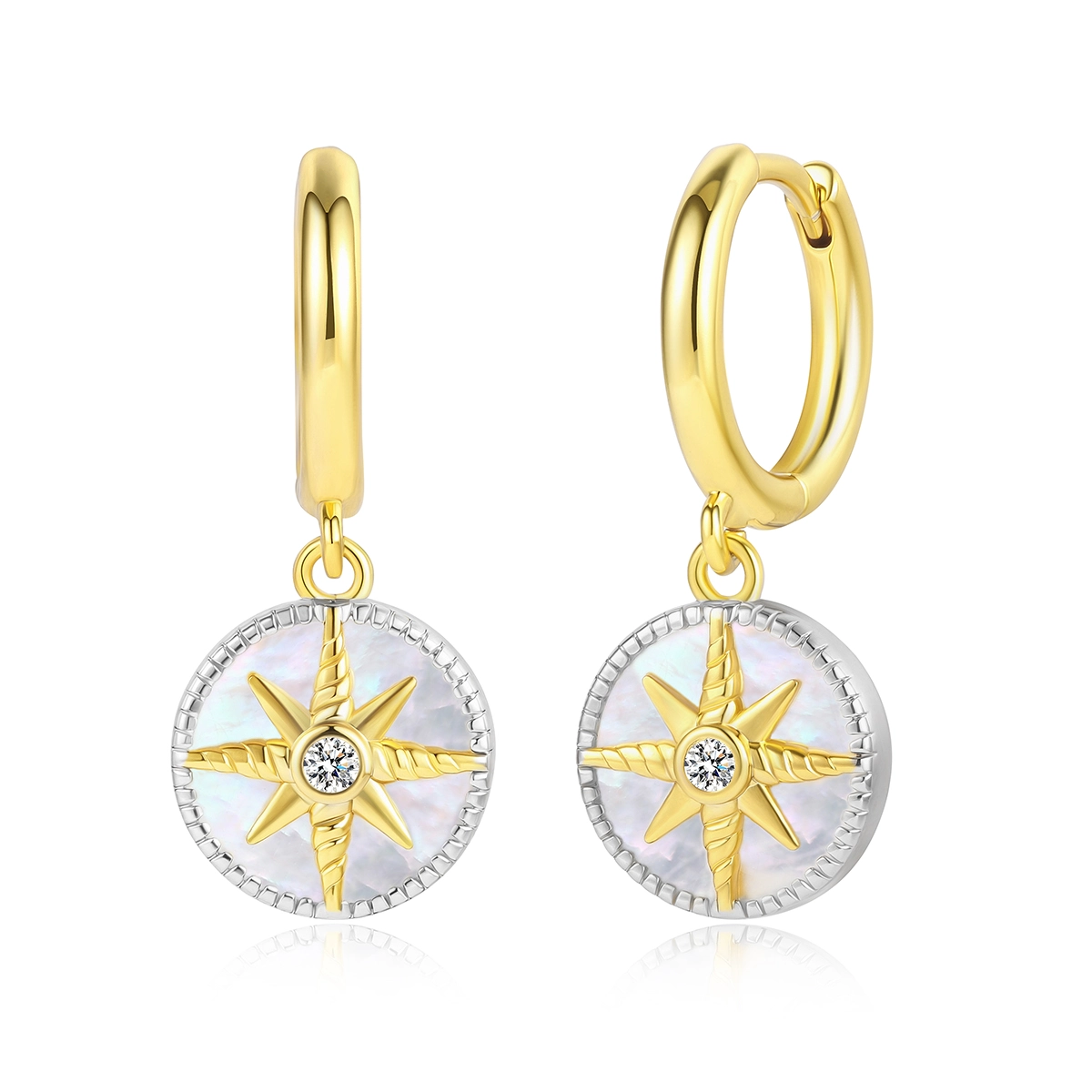
Brass Jewelry
Brass Mother of Pearl Compass Huggie Drop Earrings | 14K 18K Gold Plated Hypoallergenic Jewelry
Read More
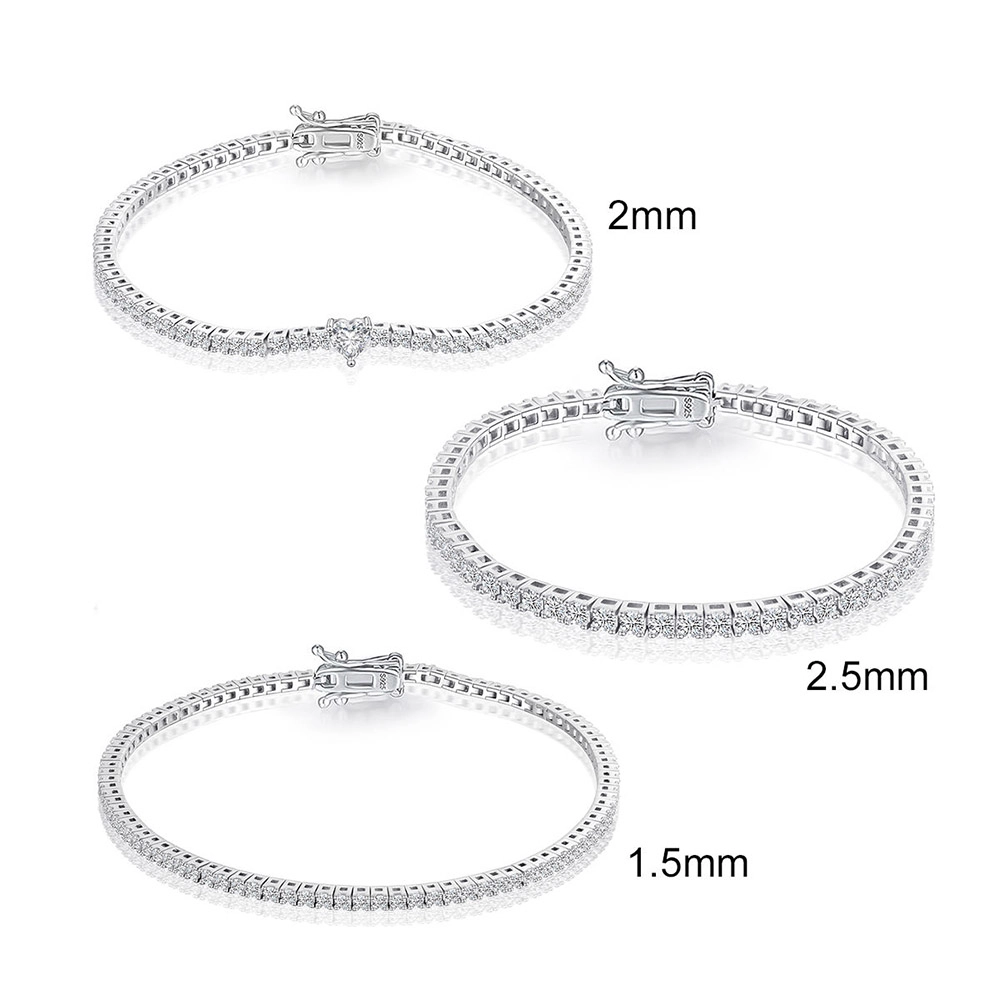
925 Silver Jewelry
Customizable High-Quality Fashion 925 Sterling Silver AAA Cubic Zirconia Heart-Shaped Open Tennis Bracelet.
Read More
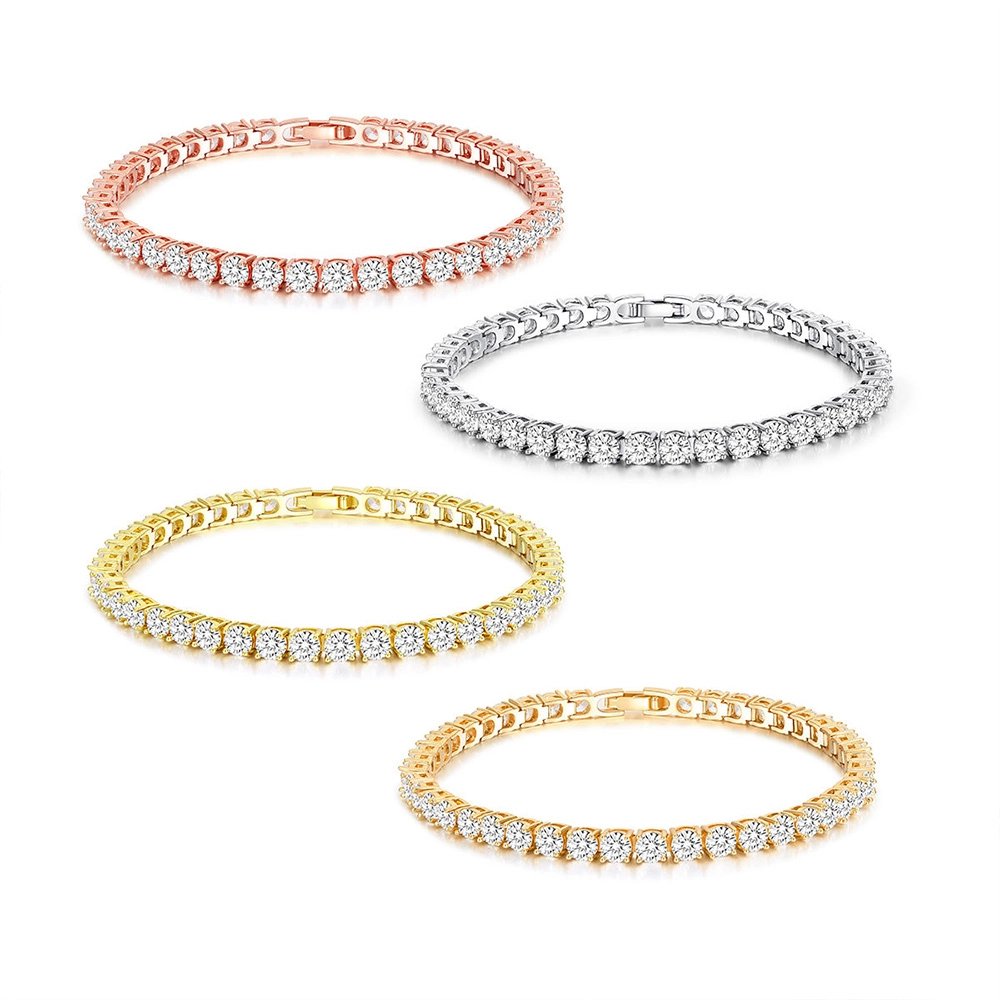
Brass Jewelry
Customizable OEM ODM High-Quality Fashion Brass AAA Cubic Zirconia Classic Tennis Bracelet for Women Wholesale.
Read More
Get a Quote for Private Label Jewelry
We provide personalized jewelry customization services for clients worldwide.
Rest assured that your privacy is important to us, and all information provided will be handled with the utmost confidentiality.
By clicking 'Send Inquiry Now' I agree to ZHEFAN JEWELRY processing my personal data.
To see how to withdraw your consent, how to control your personal data and how we process it, please see our Privacy Policy and Terms of use.
From design to production, ZHEFAN JEWELRY offers a one-stop solution to help you enhance your brand value and market competitiveness.
Get A Quote
Contact
Tel: (+86) 188 1927 7817
© 2026 Zhefan Jewelry. All Rights Reserved.
Facebook
Instagram
YouTube
Whatsapp: +8618819277817