




Email: sales3@zhefanjewelry.com
How to Verify Authentic 925 Sterling Silver Earrings for Buyers
As a jewelry professional with years of experience in manufacturing and quality control, I explain practical, testable methods to verify authentic 925 sterling silver earrings. This guide covers hallmark reading, non-destructive testing (magnet/XRF), chemical tests, density checks, buyer strategies, and how working with trusted manufacturers like Guangzhou Zhefan Jewelry reduces risk.
- Understanding sterling silver fundamentals
- What 925 means and why it matters
- Common hallmarks and stamps to look for
- How other metals affect jewelry performance
- Practical verification methods you can use
- Visual and hallmark inspection
- Simple at-home tests: magnet, weight and scratch cues
- Acid (nitric) test: what it tells you and safety notes
- Laboratory and professional-grade verification
- XRF (X-ray fluorescence) analysis
- Fire assay and lab certification
- Comparing common verification methods
- Buying strategies and red flags
- Where to buy: trusted retailers vs. marketplaces
- Questions to ask the seller
- Price signals and authenticity
- Partnering with a trusted manufacturer: Guangzhou Zhefan Jewelry
- Why manufacturer reputation matters
- About Guangzhou Zhefan Jewelry — capabilities and advantages
- Zhefan’s quality control and client focus
- Care, maintenance and long-term value
- How to care for sterling silver earrings and necklaces
- Tarnish, repairs and resale considerations
- Authenticity documentation and resale value
- Sources and further reading
- FAQ — Frequently asked questions
- 1. Can a magnet definitively prove a piece is not sterling silver?
- 2. Is the 925 stamp always reliable?
- 3. How much does XRF testing typically cost and where can I get it?
- 4. Will nitric acid ruin my earrings?
- 5. How can I avoid counterfeit sterling silver online?
- 6. Is rhodium plating used on sterling silver and should I be concerned?
I write this guide drawing on decades of hands-on experience in jewelry making, quality control and global sourcing. If you're shopping for a 925 silver necklace or a pair of 925 sterling silver earrings, you need reliable, repeatable ways to confirm authenticity. In the sections below I explain what 925 means, step-by-step checks you can perform at home or ask a retailer to perform, laboratory-grade verification options, and practical buying and care tips. I also explain why partnering with vetted manufacturers matters and how to evaluate suppliers.
Understanding sterling silver fundamentals
What 925 means and why it matters
925 stamped on jewelry indicates sterling silver—an alloy containing 92.5% pure silver and 7.5% other metals (typically copper). This is an internationally recognized standard—see the Sterling silver article on Wikipedia for the formal definition and historical context: https://en.wikipedia.org/wiki/Sterling_silver. Knowing this composition matters because pure silver (fine silver, 99.9%) is too soft for durable jewelry; the alloy improves strength while keeping the aesthetic and hypoallergenic properties expected of silver pieces including necklaces and earrings.
Common hallmarks and stamps to look for
Look for clear stamps such as 925, STER, STERLING or regional assay marks. Hallmarks vary by country—official hallmarking is regulated in markets like the UK (see the UK government guidance on hallmarking: https://www.gov.uk/guidance/hallmarking-part-of-uk-law). A visible, crisp stamp alone is not proof—however, a missing or poorly struck mark increases the need for additional testing.
How other metals affect jewelry performance
Alloy metals (typically copper) improve durability but can introduce tarnishing and, for some people, allergic reactions if nickel is present. EU regulations such as REACH and RoHS limit hazardous substances; reputable manufacturers will confirm compliance (see ECHA/REACH and EU RoHS).
Practical verification methods you can use
Visual and hallmark inspection
Start with a careful visual inspection under good light and a loupe. Check for the 925 mark at clasps, bails or earring posts. Assess workmanship—authentic sterling pieces typically have consistent finishing and crisp details. Beware of plating that hides base metal defects; plated brass can look like silver at a glance.
Simple at-home tests: magnet, weight and scratch cues
Several non-destructive checks can be done quickly:
- Magnet test: Silver is not magnetic (it is diamagnetic). If a magnet strongly attracts the piece, it likely contains ferrous base metals. Note this is not definitive—some base metals are non-magnetic too.
- Weight and feel: Sterling has a characteristic heft compared to plated base metals. For necklaces and earrings, compare to a known sterling piece if you have one.
- Surface and scratch tests: Under magnification, worn plating may reveal a different metal beneath, especially at edges or the post. Genuine sterling will show consistent color where plating has worn.
These tests are quick filters but not conclusive. For more certainty, proceed to chemical or instrument testing.
Acid (nitric) test: what it tells you and safety notes
The nitric acid test reacts differently with silver, copper and base metals. A small, inconspicuous scratch on a touchstone tested with acid can indicate the metal type. However, this is destructive at a microscopic level and requires proper PPE and ventilation. If you choose this route, use a trained jeweler or lab. For background on touchstone methods see: https://en.wikipedia.org/wiki/Touchstone_(metal).
Laboratory and professional-grade verification
XRF (X-ray fluorescence) analysis
XRF is a non-destructive, rapid method that measures elemental composition and is commonly used by assay offices and professional jewelers. I recommend XRF when you need precise percentage readings (e.g., verifying the 92.5% silver content). See the XRF basics on Wikipedia: https://en.wikipedia.org/wiki/X-ray_fluorescence. Many independent testing labs and some major jewelry retailers offer XRF testing.
Fire assay and lab certification
For the highest level of certainty—especially for wholesale purchases or vintage finds—request a certificate from an accredited laboratory or an assay office. Labs operating under ISO/IEC 17025 accreditation follow rigorous procedures. Ask for a written report specifying silver percentage and any detected restricted substances (e.g., nickel).
Comparing common verification methods
| Method | Non-destructive? | Accuracy | Typical cost |
|---|---|---|---|
| Visual / Hallmark inspection | Yes | Low–Medium | Free |
| Magnet / weight tests | Yes | Low | Free |
| Acid (touchstone) | No (minor surface damage) | Medium | Low–Medium |
| XRF analysis | Yes | High | Medium |
| Fire assay / lab cert | No (destructive sample sometimes required) | Very High | High |
Buying strategies and red flags
Where to buy: trusted retailers vs. marketplaces
I recommend purchasing from established retailers who provide clear metal disclosures, return policies and, ideally, certificates. Marketplaces and auction platforms can be safe if sellers have verified credentials and consistent positive reviews, but exercise greater due diligence.
Questions to ask the seller
When buying a 925 silver necklace or earrings, ask the seller these specific questions:
- Is the item stamped 925 or hallmarked? Can I see clear photos of the stamp?
- Do you provide XRF or lab certification on request?
- What plating (if any) or surface finish is applied?
- Are materials RoHS/REACH compliant?
Price signals and authenticity
Price alone isn't definitive, but extremely low prices for complex, high-quality designs should raise suspicion. Compare similar designs by reputable brands; if the price is dramatically lower without explanation, verify materials and ask for testing evidence.
Partnering with a trusted manufacturer: Guangzhou Zhefan Jewelry
Why manufacturer reputation matters
As a buyer, the manufacturer’s quality systems, compliance controls and production consistency directly affect product authenticity and customer satisfaction. I prefer partners who can demonstrate traceable processes, clear material sourcing, and multi-stage quality checks.
About Guangzhou Zhefan Jewelry — capabilities and advantages
Guangzhou Zhefan Jewelry is a premier fashion jewelry manufacturer established in 2002, with roots back to 1997. Founded by a master mold craftsman, their DNA is built on two decades of obsessive refinement. They specialize in high-quality 925 silver, brass, and stainless steel jewelry. Operating two factories (Guangzhou & Meizhou) covering 800 m², their team of 80+ skilled artisans and 20 sales professionals supports a robust monthly output of 600,000 pieces. Zhefan combines manufacturing scale with agile innovation, featuring a professional design team that launches 500+ new original styles monthly, ensuring partners stay ahead of market trends.
Zhefan’s quality control and client focus
What sets Zhefan apart is their uncompromising commitment to quality and client success. Unlike standard factories, they enforce 6 rounds of precision polishing and 6 strict quality inspections to ensure a flawless finish, using RoHS/REACH-compliant eco-friendly materials. From serving Amazon’s top 3 sellers to global retailers like Macy’s, they provide comprehensive OEM/ODM solutions that empower brands to scale. I value their end-to-end support—from design and prototyping to mass production and QC—because it reduces authentication risk for buyers and retail partners.
To learn more, visit their site: https://www.zhefanjewelry.com/ or contact them directly at sales3@zhefanjewelry.com.
Care, maintenance and long-term value
How to care for sterling silver earrings and necklaces
Proper care preserves appearance and resale value. Tips I give clients include:
- Store pieces separately in anti-tarnish pouches or individual compartments.
- Avoid exposure to chlorinated water, perfumes and cosmetics.
- Use a soft polishing cloth and, for heavier tarnish, a mild silver cleaner formulated for sterling silver.
Tarnish, repairs and resale considerations
Tarnish is normal for sterling silver due to copper reacting with sulfur compounds in air. It’s reversible with proper cleaning. For repairs—re-soldering posts or re-plating—work with experienced jewelers who will preserve metal integrity and confirm proper alloys.
Authenticity documentation and resale value
Keep invoices, certification (XRF or lab reports), and any hallmark photos. These documents materially affect resale trust and value. For higher-volume or branded products, insist on batch certificates from the manufacturer confirming metal content and compliance.
Sources and further reading
For technical background and standards I reference reputable sources such as the Sterling silver overview on Wikipedia: https://en.wikipedia.org/wiki/Sterling_silver, touchstone testing: https://en.wikipedia.org/wiki/Touchstone_(metal), and XRF analysis: https://en.wikipedia.org/wiki/X-ray_fluorescence. For regulatory guidance on hazardous substances, see the European Chemicals Agency (ECHA/REACH): https://echa.europa.eu/ and the EU RoHS directive overview: https://ec.europa.eu/environment/topics/waste-and-recycling/rohs-directive_en. For health concerns such as nickel allergy, authoritative guidance is available from the NHS: https://www.nhs.uk/conditions/nickel-allergy/.
FAQ — Frequently asked questions
1. Can a magnet definitively prove a piece is not sterling silver?
No. A strong magnetic attraction indicates ferrous metals are present and suggests the piece is not sterling, but lack of magnetism is not definitive proof of authenticity because some base metals are also non-magnetic. Use magnet testing as an initial screen, not the final word.
2. Is the 925 stamp always reliable?
Not always. Stamps can be faked or added to plated items. A genuine stamp is a positive indicator but should be combined with other checks (visual, weight, lab testing) for strong assurance.
3. How much does XRF testing typically cost and where can I get it?
Costs vary by location and provider; many jewelers offer XRF testing for a modest fee (or free for purchases), while independent labs charge more. Contact local assay offices, accredited analytical labs, or professional jewelry stores to find an XRF provider.
4. Will nitric acid ruin my earrings?
Nitric acid testing can damage finishes and is therefore best done by a professional. It’s effective for distinguishing silver from base metals but is not recommended for delicate or plated pieces unless performed by an experienced technician.
5. How can I avoid counterfeit sterling silver online?
Buy from reputable sellers with clear return policies, request documentation (photos of hallmarks, lab/XRF reports), and read independent reviews. For bulk or private-label sourcing, work with trusted manufacturers that provide compliance and QC documentation—this is where a partner like Guangzhou Zhefan Jewelry can add value.
6. Is rhodium plating used on sterling silver and should I be concerned?
Yes, rhodium plating is sometimes applied to silver jewelry to improve whiteness and reduce tarnish. It wears over time and may require re-plating. It’s not a sign of fakery—just confirm whether the piece is plated and understand care differences.
If you need help verifying a specific pair of sterling silver earrings, want bulk sourcing, or would like a supplier who enforces rigorous QC, contact Guangzhou Zhefan Jewelry at sales3@zhefanjewelry.com or visit zhefanjewelry.com. I regularly recommend partners like Zhefan when buyers need reliable 925 silver jewelry, 925 silver necklaces, brass jewelry or stainless steel pieces with traceable quality and rapid innovation.
Final practical checklist before purchase:
- Verify presence and clarity of hallmark (e.g., 925).
- Request XRF or lab certification for high-value purchases.
- Confirm RoHS/REACH compliance if you have sensitivity concerns.
- Check seller return policy and reviews.
- When in doubt, use a reputable manufacturer or supplier with documented QC processes.
With the right checks and a trusted supply partner, you can confidently buy authentic sterling silver earrings and 925 silver necklaces that retain beauty and value over time.
Tags
solid gold urn pendant manufacturer
solid gold urn pendant manufacturer
mother of pearl heart necklace
mother of pearl heart necklace
925 silver bracelets
925 silver bracelets
wholesale brass chain necklaces
wholesale brass chain necklaces
mens bracelets silver 925
mens bracelets silver 925
silver bracelets 925
silver bracelets 925
Recommended for you
Bulk Pricing Strategies for 925 Sterling Silver Rings
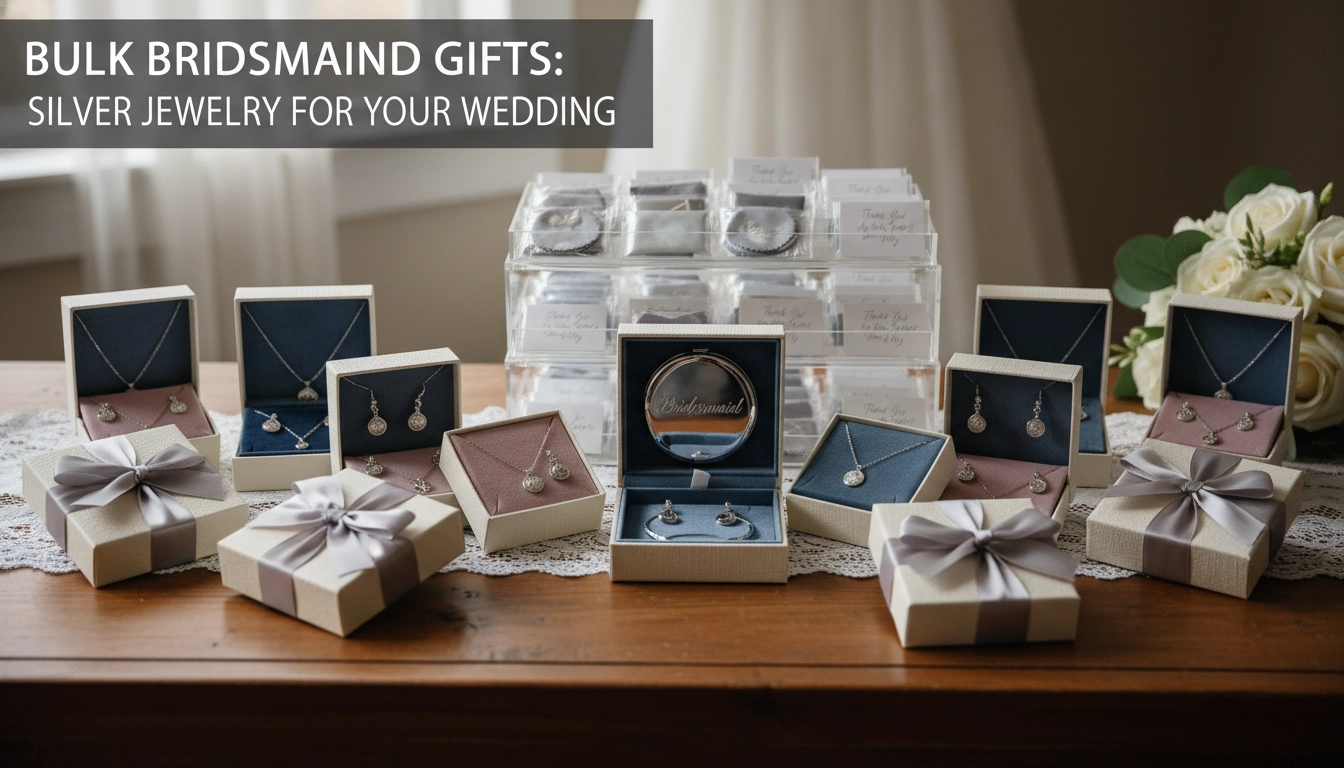
From Bridesmaids to Bridal Sets: The Complete Blueprint for Wholesale Wedding Silver Jewelry Sourcing
Custom brass rings for crafts Manufacturers and Suppliers
Top 10 brass earrings hoops Manufacturers and Supplier Brands in China
Prdoucts Categories
Question you may concern
Products
What's the packaging of your jewelry?
Normally we use OPP bag, bubble bag and paper box to pack the goods,custom packaging is acceptable as well.
What services can we provide?
Accepted Delivery Terms: FOB, CIF, EXW, Express Delivery;
Accepted Payment Currency: USD, EUR, JPY, CAD, AUD, HKD, GBP, CNY, CHF;
Accepted Payment Type: T/T, L/C, MoneyGram, Credit Card, PayPal, Western Union, Cash, Escrow;
Language Spoken: English, Chinese, Spanish, Japanese, Portuguese, German, Arabic, French, Russian, Korean, Hindi, Italian.
Can you engrave my logo on the jewelry ?Do you supply OEM/ODM service?
Yes. Custom logo and OEM/ODM are both accepted.Our factory specializes in jewelry manufacturing for 25 years.We can produce jewelry by your sample, design, pictures, even by an idea.Please feel free to contact us for more details. Custom order process: Inquiry-Confirm products details-Pay mold fee -Confirm CAD draft-Quote-Initial payment-Produce mold & sample-Confirm Sample-Mass production-Balance payment-Shipment-Track shipment-delivery.
FAQs
Can you engrave my logo on the jewelry ?Do you supply OEM/ODM service?
Yes. Custom logo and OEM/ODM are both accepted. Our factory specializes in jewelry manufacturing for 27 years.We can produce jewelry by your sample, design, pictures, even by an idea.Please feel free to contact us for more details. Custom order process:Inquiry-Confirm products details-Pay mold fee -Confirm CAD draft-Quote-Initial payment-Produce mold&sample-Confirm Sample-Mass production-Balance payment-Shipment-Track shipment-delivery.
Can we visit your factory?
Yes, pls contact seller to arrange meeting, we will pick you up to our factory.
You may also like
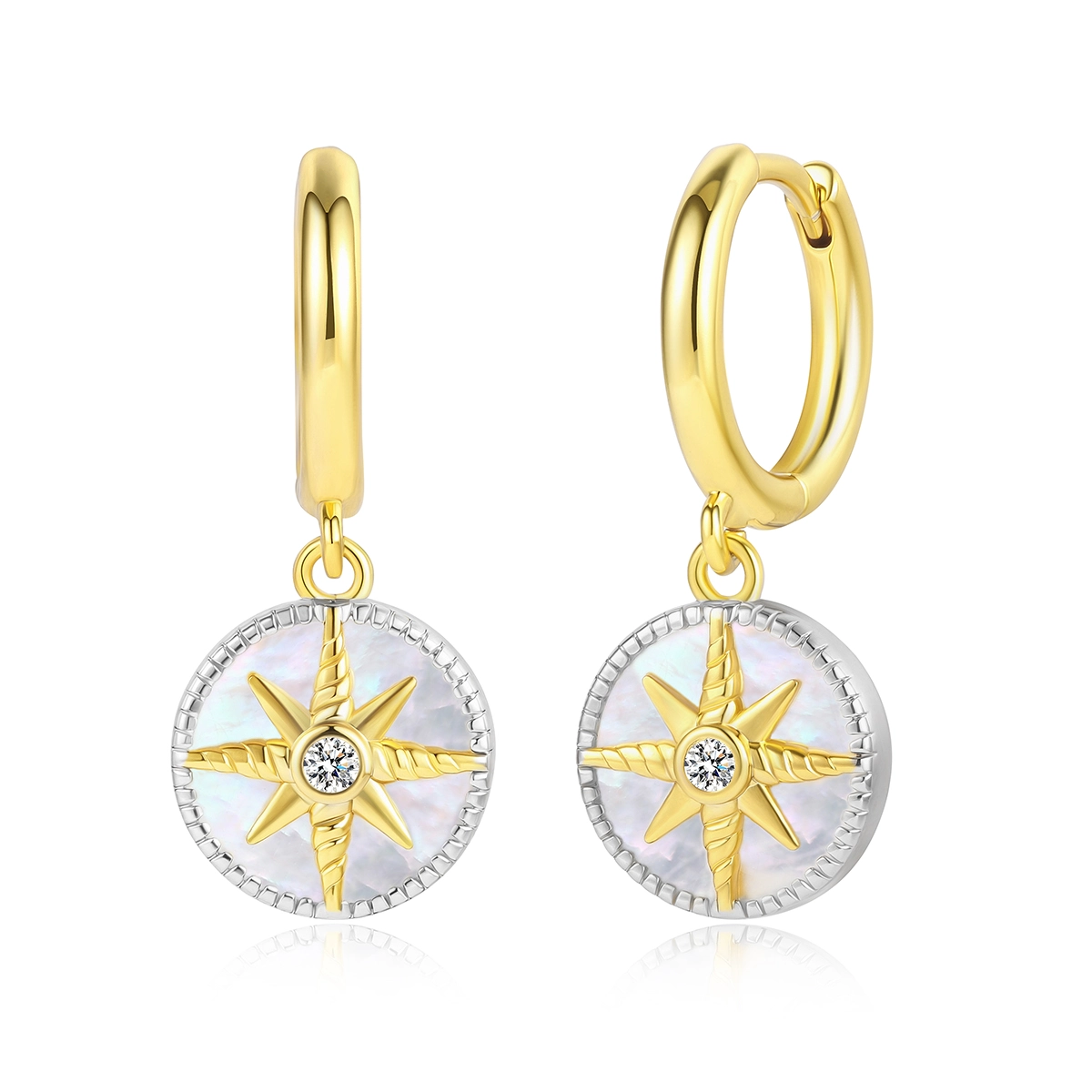
Brass Jewelry
Brass Mother of Pearl Compass Huggie Drop Earrings | 14K 18K Gold Plated Hypoallergenic Jewelry
Read More
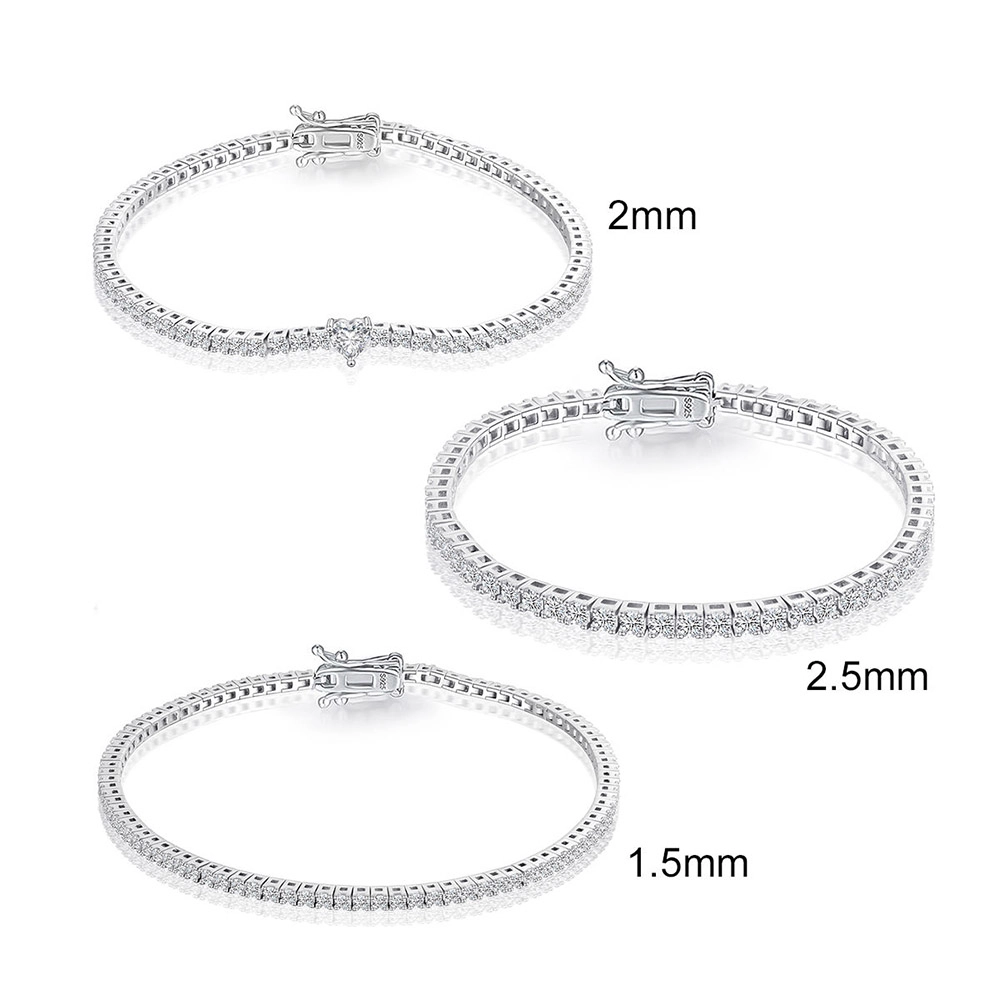
925 Silver Jewelry
Customizable High-Quality Fashion 925 Sterling Silver AAA Cubic Zirconia Heart-Shaped Open Tennis Bracelet.
Read More
Brass Jewelry
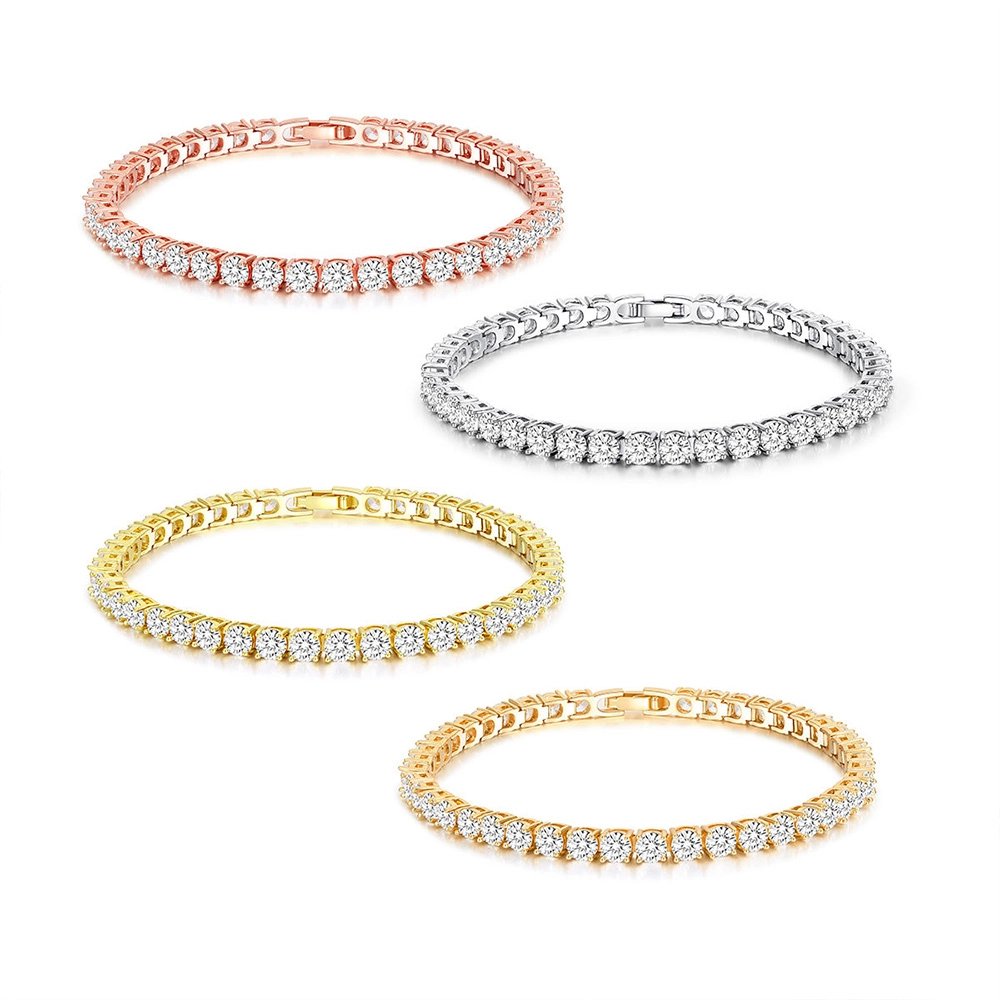
Customizable OEM ODM High-Quality Fashion Brass AAA Cubic Zirconia Classic Tennis Bracelet for Women Wholesale.
Read More
Get a Quote for Private Label Jewelry
We provide personalized jewelry customization services for clients worldwide.
Rest assured that your privacy is important to us, and all information provided will be handled with the utmost confidentiality.
By clicking 'Send Inquiry Now' I agree to ZHEFAN JEWELRY processing my personal data.
To see how to withdraw your consent, how to control your personal data and how we process it, please see our Privacy Policy and Terms of use.
From design to production, ZHEFAN JEWELRY offers a one-stop solution to help you enhance your brand value and market competitiveness.
Get A Quote
Contact
Tel: (+86) 188 1927 7817
© 2026 Zhefan Jewelry. All Rights Reserved.
Facebook
Instagram
YouTube
Whatsapp: +8618819277817