




Email: sales3@zhefanjewelry.com
The Ultimate Silver Jewelry Sourcing Blueprint: From Vetting Suppliers to Global Logistics (2026 Guide)
A comprehensive 2026 guide for retailers on sourcing wholesale sterling silver. Covers selecting global manufacturers, navigating customs, hedging spot prices, and implementing strict quality control standards.
- Executive Summary: Key Takeaways for Buyers
- What are the essential silver jewelry sourcing tips for buyers?
- Mapping the Market: Global Silver Manufacturing Hubs
- The Vetting Phase: Advanced Quality Control Beyond the Stamp
- Financial Blueprint: Pricing, Negotiations, and Spot Rates
- Global Logistics: Customs, Duties, and Safe Delivery
- 7 Expert Tips to Avoid Common Sourcing Mistakes
- Conclusion
- FAQ
- How do I verify if wholesale silver jewelry is real 925 sterling?
- What is the minimum order quantity (MOQ) for custom silver jewelry?
- Does the price of wholesale silver jewelry change daily?
- What are the best Incoterms for importing jewelry?
- How can I avoid tarnishing during shipping?
- What is the difference between silver plated and sterling silver sourcing?
- Do I need specific licenses to import silver jewelry?
- Where is the best place to source silver jewelry packaging?
Sourcing wholesale silver jewelry is a high-stakes balancing act between validating purity, navigating volatile spot prices, and managing complex cross-border logistics. In 2026, successful retailers are moving beyond simple catalog buying to establish resilient, audited supply chains that protect margins and brand reputation.
Executive Summary: Key Takeaways for Buyers
Successful silver sourcing requires a holistic strategy that integrates financial hedging, rigorous quality control, and precise logistics planning. This blueprint outlines the critical lifecycle of procuring wholesale sterling silver manufacturers who meet international standards.
- Lifecycle Management: We break down the 5-step sourcing lifecycle from factory selection to final delivery.
- Stock Strategy: Learn to distinguish between 'Ready Stock' (fast turnaround) and 'Made-to-Order' (lower cost, higher minimums).
- Margin Protection: Understand why silver spot price fluctuations directly impact your bottom line and how to mitigate this risk.
- Verification: Third-party verification is no longer optional; it is the cornerstone of trust in 2026.
What are the essential silver jewelry sourcing tips for buyers?
Silver jewelry sourcing involves a strategic process of identifying compliant manufacturers, verifying 925 purity through professional assays, negotiating contracts based on silver spot prices, and managing global logistics via specific Incoterms to ensure secure delivery and margin protection.
To succeed, buyers must treat silver not just as a fashion accessory but as a commodity trade. The days of trusting a simple "925" stamp are over. Professional buyers now require evidence of metal content analysis and supply chain transparency. This shift is driven by tighter regulations in Western markets and a consumer base that demands ethical accountability. By strictly adhering to a structured sourcing roadmap, you minimize the risks of receiving under-karat goods or facing customs delays due to improper documentation.
Core Sourcing Pillars:
- Purity Verification: Mandatory lab testing (Assay or XRF).
- Contract Clarity: Clearly defined penalties for late shipments and quality defects.
- Logistics Mastery: utilizing the correct Incoterms to control costs.
- Regulatory Compliance: Meeting nickel-free and cadmium-free standards.
Mapping the Market: Global Silver Manufacturing Hubs
Each major global manufacturing hub offers distinct advantages in craftsmanship, technology, and pricing structure, dictating where you should source based on your specific product needs. For instance, wholesale sterling silver manufacturers in Italy differ vastly in capability from those in India.
Choosing the right geography is the first step in quality control. If you require high-precision machine-cut chains, sourcing from a handmade-focused region like Jaipur will lead to quality inconsistencies. Conversely, sending a complex gemstone-heavy design to a mass-production factory in China may result in poor setting quality. Understanding these regional specializations allows you to allocate your portfolio efficiently.
Regional Specializations:
- Thailand: The global leader for high-end detail, oxidation techniques, and intricate Gemstone Integration.
- India (Jaipur/Surat): Unmatched for labor-intensive handmade designs, beadwork, and competitive pricing on semi-precious stones.
- Italy (Arezzo/Vicenza): The premier source for machine-made chains, laser cutting, and luxury high-fashion plating (Vermeil).
- China (Guangzhou): Dominates volume production, lightweight stamping, and stainless steel/silver hybrid capabilities.
The Vetting Phase: Advanced Quality Control Beyond the Stamp
Professional quality control for silver requires implementing jewelry quality control AQL standards (Acceptable Quality Limit) and utilizing XRF technology rather than relying on subjective visual inspections or basic magnet tests.
Amateur buyers often mistakenly believe that a hallmark stamp guarantees authenticity. In reality, stamps are easily forged. A robust vetting process involves defining a statistical sample size for inspection before the goods leave the factory. By setting an AQL standard (e.g., AQL 2.5 for major defects), you legally bind the supplier to a specific quality threshold. Failure to meet this standard triggers a clause for rework or refund, protecting your capital.
Advanced QC Protocols:
- XRF Analysis: Non-destructive X-ray testing to determine elemental composition.
- Fire Assay: The most accurate destructive test for silver purity (cupellation).
- E-Coating: Verifying the presence of anti-tarnish electrophoretic coating thickness.
- RJC Compliance: Checking for Responsible Jewellery Council audit reports to ensure ethical labor practices.
Financial Blueprint: Pricing, Negotiations, and Spot Rates
Effective financial management in jewelry sourcing involves separating the "Making Charge" (labor) from the metal cost and utilizing strategies for hedging silver spot prices for retailers to lock in margins during market volatility.
Silver is a traded commodity, meaning its price changes by the minute. Sophisticated suppliers will quote you a "Fixing Date"—the day the metal price is locked for your order. If you ignore the market trends, a 10% spike in silver prices between your order date and production date can wipe out your profit. Hedging involves buying forward contracts or agreeing to a "locked rate" with your supplier immediately upon placing the deposit.
Pricing Components & Tactics:
- Making Charge vs. Metal: Negotiate labor costs separately; metal prices are generally non-negotiable.
- Locking Rates: Confirm the silver rate on the day of the deposit to avoid surprises.
- MOQ vs. MOV: Balance Minimum Order Quantities against Minimum Order Values to optimize cash flow.
- Payment Safety: Use Letters of Credit or Escrow for large orders to mitigate non-delivery risk.
Global Logistics: Customs, Duties, and Safe Delivery
Navigating global logistics requires a precise understanding of silver jewelry import customs regulations, harmonized system (HS) codes, and the selection of appropriate Incoterms to define liability during transit.
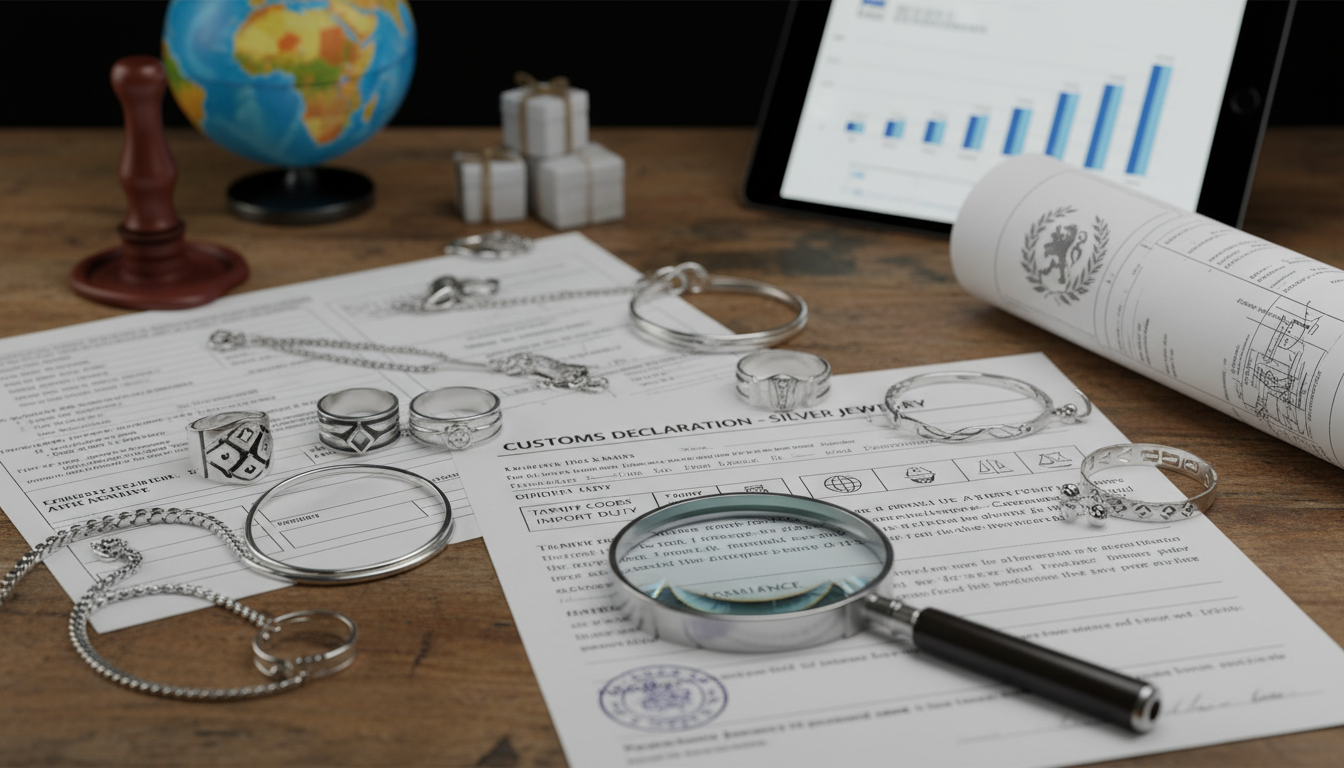
Shipping high-value metal is not the same as shipping general merchandise. The density of silver means weight adds up quickly, impacting air freight costs. Furthermore, incorrect HS codes can trigger punitive tariffs, especially in trade-war sensitive zones. Using the correct Incoterms, as defined by the International Chamber of Commerce (ICC), is vital to determine who pays for insurance and duties.
Logistics Essentials:
- Incoterms Selection: FOB (Free on Board) gives you control over the freight, while DDP (Delivered Duty Paid) places the burden on the supplier.
- HS Codes: Verify the exact code (usually under Chapter 71) to prevent customs hold-ups.
- Transit Insurance: Mandatory for all silver shipments to cover theft or loss.
- Oxidation Prevention: Require silica gel and airtight packaging to prevent tarnishing during sea or air transit.
7 Expert Tips to Avoid Common Sourcing Mistakes
Avoiding sourcing pitfalls requires a proactive approach that includes ethical silver supply chain audit procedures, specific technical documentation, and rigorous pre-production verification.
Many retailers lose money not because of bad product, but because of vague specifications. If you do not specify "Nickel-Free," a supplier may use a cheaper alloy that causes allergic reactions, rendering the stock unsellable in the EU or USA. Similarly, failing to specify gold plating thickness (micron) allows factories to apply a "flash plating" that wears off in weeks, damaging your brand's reputation.
Critical Sourcing Checklist:
- Nickel-Free: Mandate this in writing for US/EU compliance.
- Pre-Production Sample (PPS): Never approve mass production without a signed-off physical sample.
- Micron Thickness: Specify 2.5 microns for Vermeil to ensure longevity.
- Consolidation: Group shipments from multiple vendors to lower freight costs.
- Resilience: maintain a backup supplier list to handle unexpected closures.
- Video Evidence: Document the unboxing process to prove any shortages or damages.
- Factory Audits: Regularly visit or hire agents to inspect working conditions.
Conclusion
Mastering the silver jewelry supply chain is a journey from vetting wholesale sterling silver manufacturers to mastering global logistics. By implementing professional assay testing, understanding jewelry quality control AQL standards, and hedging against market volatility, you transform your sourcing from a passive activity into a competitive advantage. Prioritize transparency and long-term partnerships over the lowest possible price to build a sustainable business.
Contact us today to optimize your wholesale jewelry sourcing strategy.
FAQ
How do I verify if wholesale silver jewelry is real 925 sterling?
While stamps are common, the most reliable methods are XRF analyzer tests or professional fire assays performed by third-party labs. Simple home tests like magnets or ice can be inconclusive for high-volume sourcing.
What is the minimum order quantity (MOQ) for custom silver jewelry?
MOQs vary by region; mass-market factories in China may require 100+ pieces per design, whereas artisanal workshops in Thailand or India might accept 20-50 pieces per design.
Does the price of wholesale silver jewelry change daily?
Yes, the raw material cost floats with the global silver spot price. Suppliers usually fix the labor cost but update the metal cost on the day of invoicing or deposit.
What are the best Incoterms for importing jewelry?
FOB (Free on Board) is common, giving you control over the freight forwarder. However, DDP (Delivered Duty Paid) is easiest for beginners as the supplier handles all customs and duties.
How can I avoid tarnishing during shipping?
Ensure suppliers use anti-tarnish strips, seal items in airtight polybags, and add silica gel packets to control humidity within the shipping carton.
What is the difference between silver plated and sterling silver sourcing?
Sterling silver is an alloy of 92.5% silver throughout. Silver plated is a base metal (like brass) with a thin layer of silver. Sourcing plated jewelry requires specifying micron thickness to ensure durability.
Do I need specific licenses to import silver jewelry?
It depends on your country. In the US, you generally need a customs bond for commercial shipments valued over $2,500. Always check with a local customs broker.
Where is the best place to source silver jewelry packaging?
Many silver manufacturers can also source packaging, but for specialized branding, dedicated packaging hubs in Guangdong, China, or eco-friendly paper suppliers in India are often preferred.
Tags
925 sterling silver bracelets for men
925 sterling silver bracelets for men
mens brass rings
mens brass rings
vintage brass earrings
vintage brass earrings
925 sterling silver charms for bracelets
925 sterling silver charms for bracelets
nickel free brass tennis bracelet supplier
nickel free brass tennis bracelet supplier
brass tennis bracelet bulk order samples
brass tennis bracelet bulk order samples
Recommended for you
OEM/ODM stainless steel mens rings Manufacturers and Suppliers
Top stainless steel gold jewelry Manufacturers and Suppliers
Top 10 mens 925 silver rings Manufacturers and Supplier Brands in China
The Ultimate 2026 Silver Vermeil Jewelry Wholesale Guide: Sourcing, Pricing, and Profit Secrets
Prdoucts Categories
Question you may concern
FAQs
Can I have your product catalog?
Yes, please leave us a message what style jewelry catalog you need.
Do you do customer design?
Do you do customer design? Yes,we are good at this way.Most of our customer do their customize.And we have cooperate with them when they are new brand, but now they become the top sell on Amazon, more than 32,000 five star comment.
Products
What can you buy from us?
Rings, Necklace, Earrings, Bracelet, Pendant, Anklet, Brooch, Jewelry.
What's themonthly production capacity?
600,000 pcs per month.
Do you offer after-sales warranty service?
Yes, we will refund or resend products if fading, stone falling off and other quality problems found in 1 month receipt of goods. Furthermore, we offer 1 year after-sales warranty service, but you need pay the shipping charge.
You may also like
Brass Jewelry
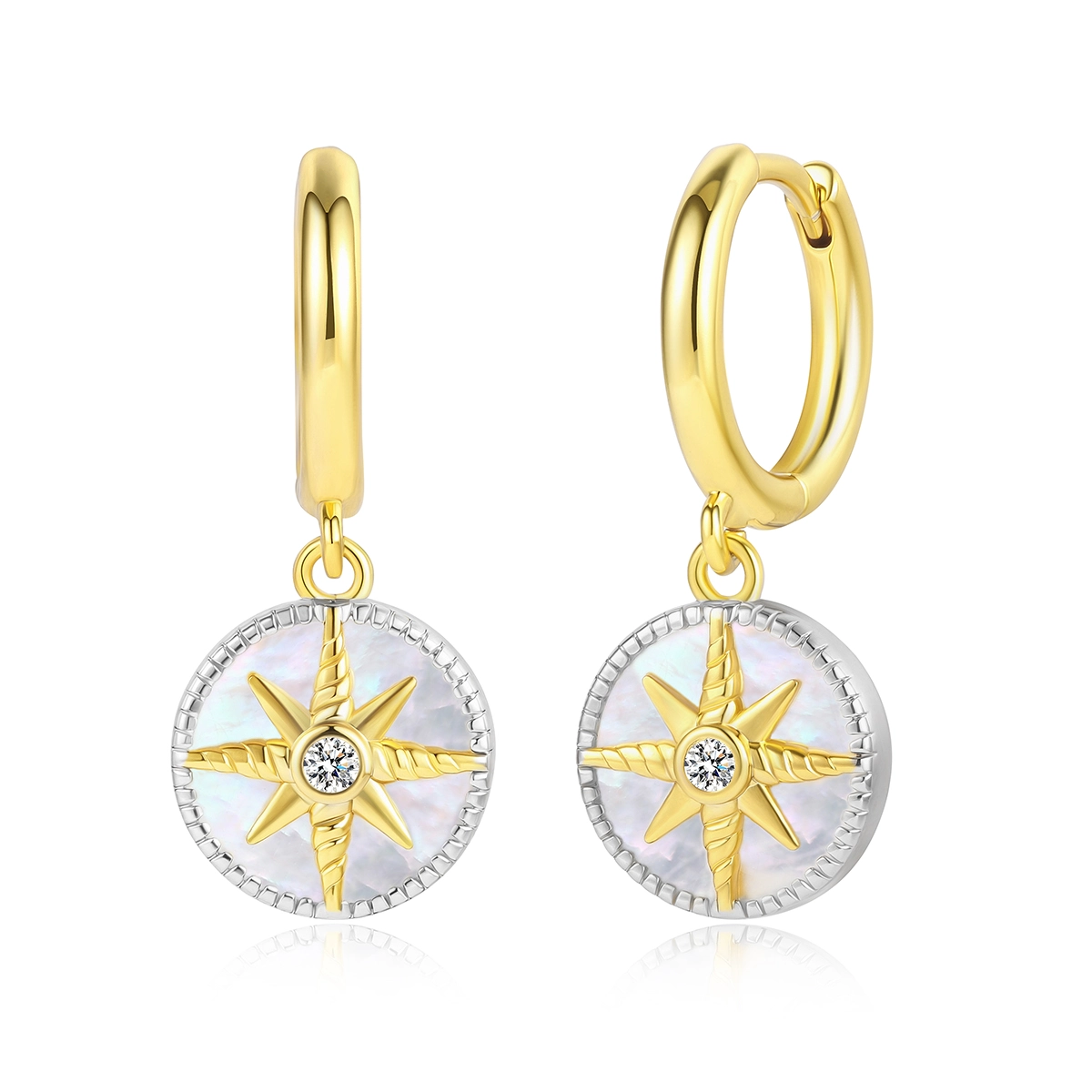
Brass Mother of Pearl Compass Huggie Drop Earrings | 14K 18K Gold Plated Hypoallergenic Jewelry
Read More
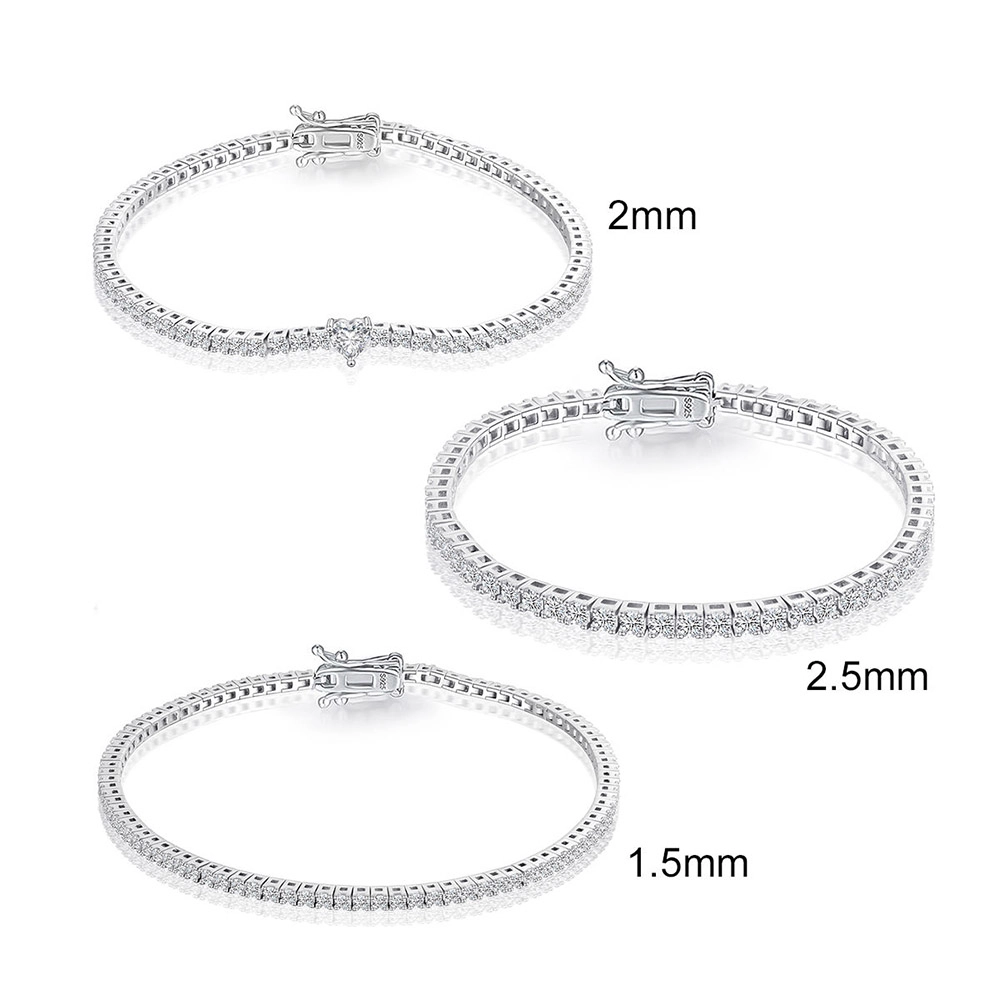
925 Silver Jewelry
Customizable High-Quality Fashion 925 Sterling Silver AAA Cubic Zirconia Heart-Shaped Open Tennis Bracelet.
Read More
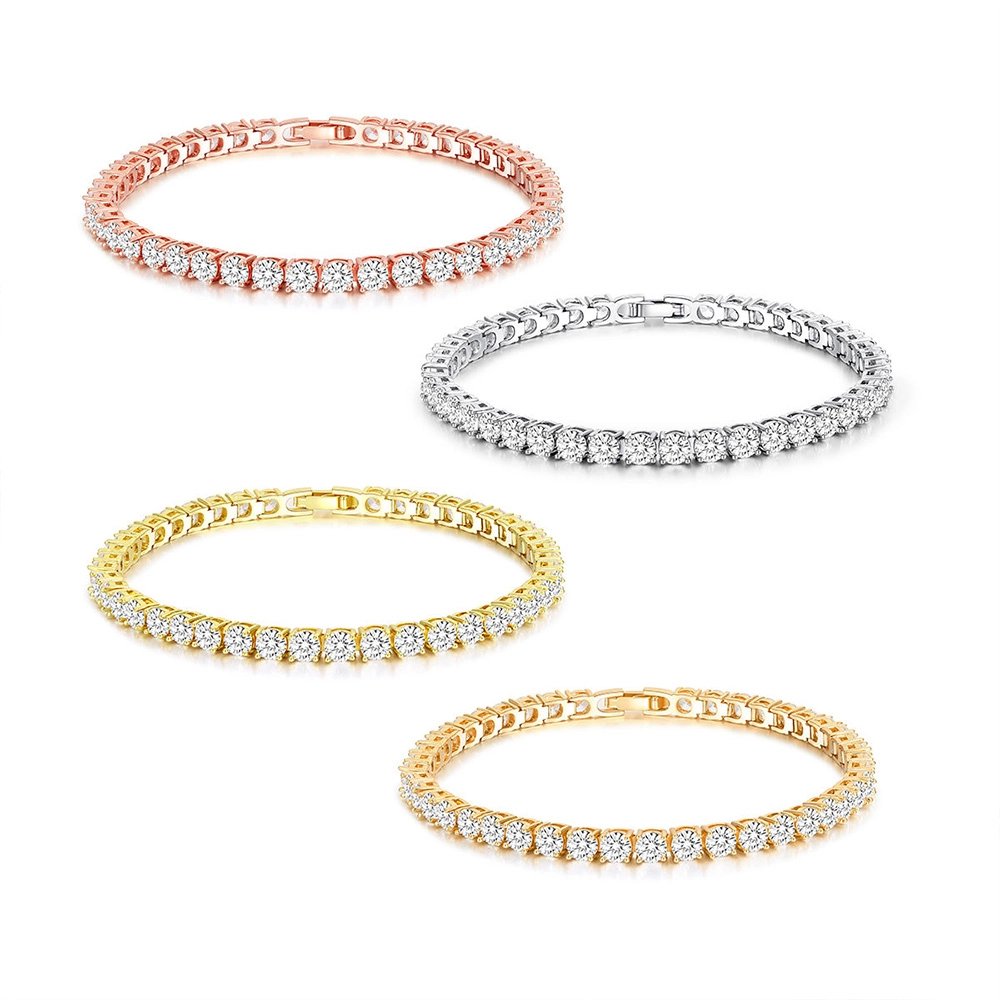
Brass Jewelry
Customizable OEM ODM High-Quality Fashion Brass AAA Cubic Zirconia Classic Tennis Bracelet for Women Wholesale.
Read More
Get a Quote for Private Label Jewelry
We provide personalized jewelry customization services for clients worldwide.
Rest assured that your privacy is important to us, and all information provided will be handled with the utmost confidentiality.
By clicking 'Send Inquiry Now' I agree to ZHEFAN JEWELRY processing my personal data.
To see how to withdraw your consent, how to control your personal data and how we process it, please see our Privacy Policy and Terms of use.
From design to production, ZHEFAN JEWELRY offers a one-stop solution to help you enhance your brand value and market competitiveness.
Get A Quote
Contact
Tel: (+86) 188 1927 7817
© 2026 Zhefan Jewelry. All Rights Reserved.
Facebook
Instagram
YouTube
Whatsapp: +8618819277817