



Email: sales3@zhefanjewelry.com
The Ultimate 2026 Guide to Sourcing Ethical Artisan Silver Jewelry for Boutique Owners
A comprehensive guide for boutique owners on sourcing ethical artisan silver jewelry in 2026. Covers vetting suppliers, understanding certifications, and inventory strategies.
- Quick Summary: The State of Ethical Silver in 2026
- What is Ethical Artisan Silver Sourcing?
- Vetting Suppliers: Beyond the 925 Hallmark
- 2026 Trend Forecast: What Boutique Customers Want
- Direct Artisan Partnerships vs. Wholesale Aggregators
- Curation Strategy: The 70/30 Rule for Silver
- Pricing & Negotiation: Securing Margins with Integrity
- Expert Tips: Common Sourcing Mistakes to Avoid
- Conclusion
- FAQ
- How do I verify if silver jewelry is ethically sourced?
- What is the difference between artisan and mass-produced silver?
- What are the top silver jewelry trends for boutiques in 2026?
- What is the standard markup for artisan silver jewelry?
- Where can I find reliable wholesale artisan jewelry suppliers?
- Is 925 sterling silver considered sustainable?
- How does fair trade certification impact wholesale pricing?
- What is the minimum order quantity (MOQ) for custom artisan jewelry?
As we approach 2026, the jewelry retail landscape is undergoing a seismic shift toward transparency. Boutique owners can no longer rely on vague promises of quality; sustainable wholesale jewelry suppliers are now the backbone of a successful inventory strategy. This guide provides the actionable roadmap you need to source handcrafted sterling silver sourcing partners who align with modern ethical standards while protecting your margins.
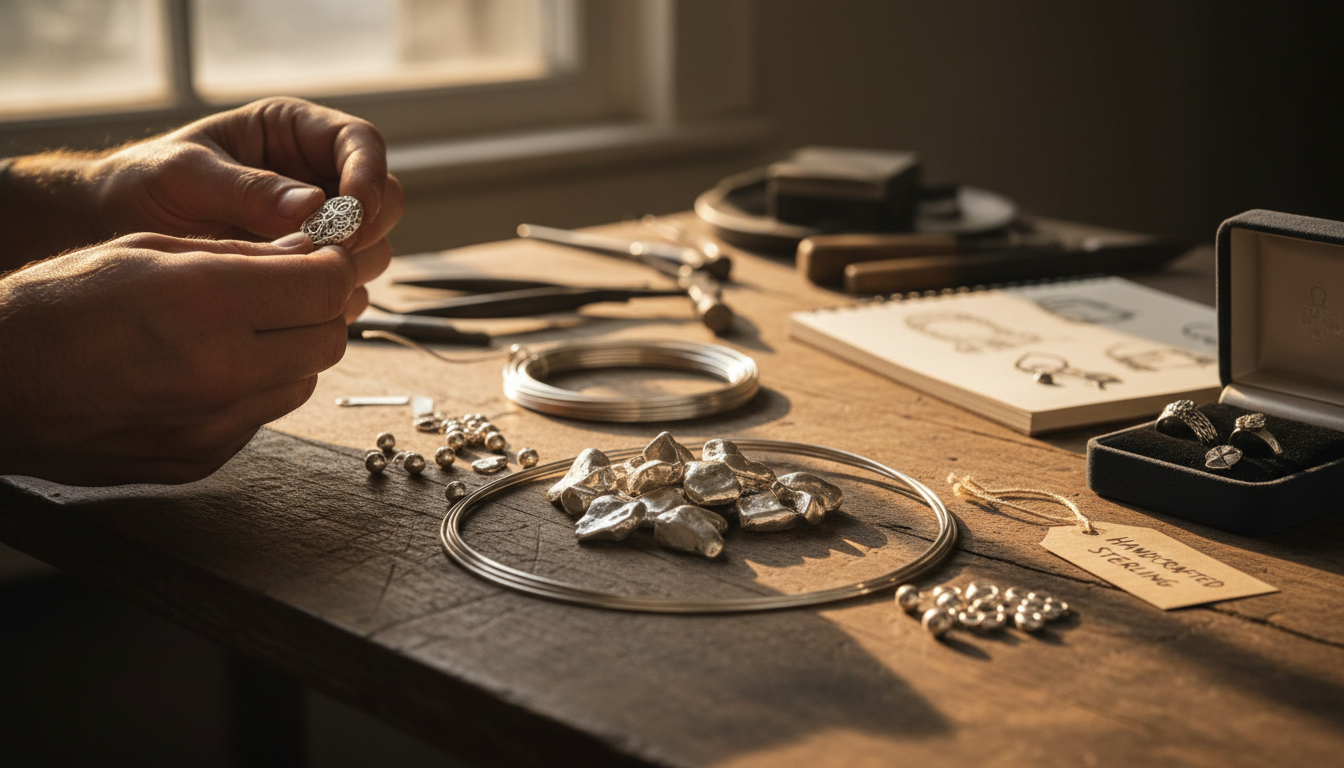
Quick Summary: The State of Ethical Silver in 2026
- Market Shift: The industry is moving rapidly from disposable fast-fashion jewelry to investment-grade artisan pieces that tell a human story.
- Consumer Demand: Recent data indicates that over 78% of consumers in 2025 prioritized ethical sourcing when purchasing luxury goods, a trend projected to grow in 2026.
- Roadmap: This guide covers everything from verifying ethical silver certifications to calculating landed costs for international imports.
What is Ethical Artisan Silver Sourcing?
Ethical artisan silver sourcing is the procurement process where jewelry supply chains are verified to ensure fair wages, safe working conditions, and environmentally responsible mining or recycling practices.
It goes beyond the aesthetic appeal of the final product to validate the human and environmental cost of production. For boutique owners, this distinction is critical for building brand loyalty. In 2026, customers are not just buying a ring; they are buying the assurance that their purchase supported a community rather than exploiting it.
- Human Impact: Ensuring silversmiths receive a living wage rather than just a minimum wage.
- Environmental Impact: Prioritizing suppliers who use closed-loop water systems and avoid toxic mercury in extraction.
- Transparency: The ability to trace a piece of jewelry back to the specific workshop or mine.
Vetting Suppliers: Beyond the 925 Hallmark
Vetting ethical suppliers requires demanding third-party documentation that validates labor conditions and material origins, rather than relying solely on the standard '925' purity stamp.
While the '925' stamp confirms the metal is 92.5% silver, it tells you nothing about how that silver was mined or if the artisan was paid fairly. To truly vet sustainable wholesale jewelry suppliers, you must look for recognized industry standards.
Key certifications to look for include:
- Fairmined Standard: This is a leading assurance label that certifies gold and silver from empowered responsible artisanal and small-scale mining organizations. It guarantees traceable supply chains and fair prices for miners, as detailed by the Fairmined Standard.
- Responsible Jewellery Council (RJC): The RJC Code of Practices is the global standard for responsible business practices, covering human rights and environmental performance throughout the supply chain. You can verify a supplier's standing via the Responsible Jewellery Council.
- B Corp Certification: While broader, this indicates a company meets high standards of social and environmental performance.
Questions to ask potential suppliers:
- "Can you provide a chain-of-custody document for your silver?"
- "Do you use 100% recycled silver, or do you source from Fairmined certified mines?"
- "When was your last third-party social audit conducted?"
Red Flags:
- Vague answers regarding where the production facility is located.
- Price points that are mathematically impossible without labor exploitation (e.g., complex silver rings wholesaling for under $5).
2026 Trend Forecast: What Boutique Customers Want
The dominant silver jewelry trends for 2026 focus on 'Brutalist' textures, heavy gender-neutral chains, and mixed-material designs that emphasize raw, natural imperfections.
As the artisan jewelry trends 2026 cycle begins, we are seeing a departure from the ultra-delicate, high-shine minimalism of previous years. Economic stabilization has brought back a desire for "heavy" luxury—pieces that feel substantial and permanent.
- Raw Textures: Hammered, scorched, or reticulated finishes that highlight the handmade nature of the work.
- Gender-Neutral Collections: Moving beyond "Men's" and "Women's" sections to size-inclusive lines.
- Mixed Materials: Combining recycled silver with ethically sourced wood, glass, or raw unpolished gemstones.
- Sculptural Statements: Large, wearable art pieces that serve as the focal point of an outfit.
Direct Artisan Partnerships vs. Wholesale Aggregators
Choosing between direct artisan partnerships and wholesale aggregators depends on your boutique's ability to manage logistics versus your willingness to pay higher markups for convenience.
Direct sourcing offers the best margins but requires significant time investment in communication and logistics. Aggregators simplify the process but cut into your profit.
Direct Artisan Partnerships:
- Pros: Lower cost, unique exclusive designs, direct narrative control.
- Cons: High communication load (language barriers), managing international shipping and customs yourself.
- Best For: Boutiques with an established boutique jewelry inventory strategy and cash flow for bulk orders.
Ethical Aggregators:
- Pros: Curated selection, easier returns, lower Minimum Order Quantities (MOQs).
- Cons: Higher wholesale prices (middleman markup), designs available to other retailers.
- Best For: New boutique owners testing the market.
Curation Strategy: The 70/30 Rule for Silver
A balanced inventory strategy allocates 70% of your budget to timeless bestsellers and 30% to high-risk, high-reward artisan statement pieces to maintain cash flow while building brand prestige.
This ratio ensures you have a consistent revenue stream from staples while keeping your boutique feeling fresh and trend-conscious.
- The Core 70% (Bread & Butter):
- Simple studs, hoops, and bands.
- Standard chains (snake, cable, box).
- These items turn over quickly and pay the rent.
- The Accent 30% (The Hook):
- One-of-a-kind artisan cuffs.
- Heavy sculptural necklaces.
- These items draw people into the store and look great on Instagram.
Rotation Tip: Rotate your seasonal collections to prevent "display fatigue." If a statement piece hasn't sold in 90 days, move it to a different display context or style it differently before discounting.
Pricing & Negotiation: Securing Margins with Integrity
Ethical negotiation involves securing favorable payment terms rather than squeezing artisans on production costs, ensuring a sustainable relationship for both parties.
When dealing with handcrafted sterling silver sourcing, standard retail markup models (typically 2.5x to 3x) must account for the higher cost of goods sold (COGS). Never compromise the artisan's wage to hit a price point; instead, adjust your retail price to reflect the value of the ethical certification.
Calculating Landed Cost:
- Product Unit Cost
- Inbound Shipping & Insurance
- Customs/Duties (Harmonized Tariff Schedule)
- Packaging Costs
- = Total Landed Cost
Negotiation Tactics:
- Ask for Terms, Not Discounts: Requesting Net-30 or Net-60 payment terms improves your cash flow without hurting the artisan's profit.
- Volume Tiers: Ask for price breaks at 50, 100, or 200 units rather than negotiating on a per-piece basis for small orders.
Expert Tips: Common Sourcing Mistakes to Avoid
The most common sourcing errors are overlooking the physical weight of silver pieces, which impacts shipping costs, and failing to capture marketing assets during the buying process.
Avoiding these pitfalls is essential for a robust boutique jewelry inventory strategy.
- Weight vs. Wearability: A heavy earring looks great on a tray but may be unwearable for more than an hour. Always test the weight.
- Ignoring the Story: If you don't get photos or videos of the artisan at work during the sourcing phase, you lose your most powerful marketing tool.
- Depth vs. Width: Buying 20 different ring styles in only one size is a recipe for lost sales. Buy fewer styles, but stock a full size run (5 through 9).
- Nickel Testing: Always verify nickel compliance, especially for European markets, to avoid allergic reactions and returns.
Conclusion
Sourcing ethical silver is a dual commitment to quality craftsmanship and human rights. By vetting sustainable wholesale jewelry suppliers and adhering to strict certifications like Fairmined and RJC, you protect your business from reputational risk and offer your customers true value. The shift toward transparency is not a passing trend; it is the future of luxury retail. Start building your ethical inventory today to secure your place in the 2026 market.
Contact us today to optimize your boutique jewelry inventory strategy.
FAQ
How do I verify if silver jewelry is ethically sourced?
Look for third-party certifications like RJC or Fairmined which audit the supply chain. You should also request transparency documentation from the vendor that traces the metal's origin and check for the use of certified recycled silver to ensure environmental standards are met.
What is the difference between artisan and mass-produced silver?
Artisan silver is hand-finished or fully handmade, often featuring unique variations that show the maker's mark. In contrast, mass-produced silver is cast in large volumes using machines, lacking individual character. Artisan pieces usually support smaller local economies and traditional craftsmanship.
What are the top silver jewelry trends for boutiques in 2026?
The top trends include raw, textured metal finishes and gender-fluid heavy chains. We are also seeing a surge in sculptural, nature-inspired motifs and mixed media designs where silver is combined with non-traditional materials like wood or glass.
What is the standard markup for artisan silver jewelry?
The standard markup is typically 2.5x to 3x the wholesale cost. However, higher markups (3.5x+) are common for exclusive, one-of-a-kind artisan pieces. These margins are necessary to cover overhead, packaging, and marketing efforts.
Where can I find reliable wholesale artisan jewelry suppliers?
You can find reliable suppliers at major trade shows like JCK Las Vegas or Vicenzaoro. Additionally, online B2B marketplaces specializing in handmade goods like Faire or Ankorstore are excellent resources, as is direct outreach via social media platforms like Instagram or Pinterest.
Is 925 sterling silver considered sustainable?
Not inherently; '925' only indicates purity (92.5% silver). Sustainability depends entirely on how the silver was mined or if it is recycled. Ethical buyers should specifically look for 'Recycled 925' or 'Fairmined 925' to ensure sustainability.
How does fair trade certification impact wholesale pricing?
Fair trade certification generally increases the wholesale cost by 10-20%. This premium covers fair wages, safe working conditions, and community development premiums. Fortunately, consumers are increasingly willing to pay this premium for the ethical assurance it provides.
What is the minimum order quantity (MOQ) for custom artisan jewelry?
MOQs vary widely but are often lower than factories, typically around 10-20 pieces per design. Some artisans may require a minimum total spend (e.g., $500) rather than per-SKU minimums, though custom designs usually require higher MOQs or mold fees.
Tags
brass tennis bracelet wholesale price list
brass tennis bracelet wholesale price list
wholesale 925 sterling silver jewelry sets
wholesale 925 sterling silver jewelry sets
925 sterling silver CZ jewelry sets wholesale
925 sterling silver CZ jewelry sets wholesale
brass tennis bracelet wholesale
brass tennis bracelet wholesale
custom 925 sterling silver jewelry sets wholesale
custom 925 sterling silver jewelry sets wholesale
925 sterling silver children's jewelry sets bulk
925 sterling silver children's jewelry sets bulk
Recommended for you
Why choose Zhefan Jewelry as your custom initial bracelets supplier
Top 10 925 silver cross necklace Manufacturers and Supplier Brands in China
Why choose Zhefan Jewelry as your stainless steel necklace for men supplier
OEM/ODM stainless steel stretch bracelets Manufacturers and Suppliers
Prdoucts Categories
Question you may concern
FAQs
Do you do customer design?
Do you do customer design? Yes,we are good at this way.Most of our customer do their customize.And we have cooperate with them when they are new brand, but now they become the top sell on Amazon, more than 32,000 five star comment.
How long does it take for the product to fade?
The normal electroplating quality color retention time of our products is 5 times longer than the market, and the thicker electroplating can retain color for three years.
Do you offer after-sales warranty service?
Yes, we will refund or resend products if fading, stone falling off and other quality problems found in 1 month receipt of goods.Furthermore, we offer 1 year after-sales warranty service, but you need pay the shipping charge.
Products
What's the packaging of your jewelry?
Normally we use OPP bag, bubble bag and paper box to pack the goods,custom packaging is acceptable as well.
What can you buy from us?
Rings, Necklace, Earrings, Bracelet, Pendant, Anklet, Brooch, Jewelry.
You may also like
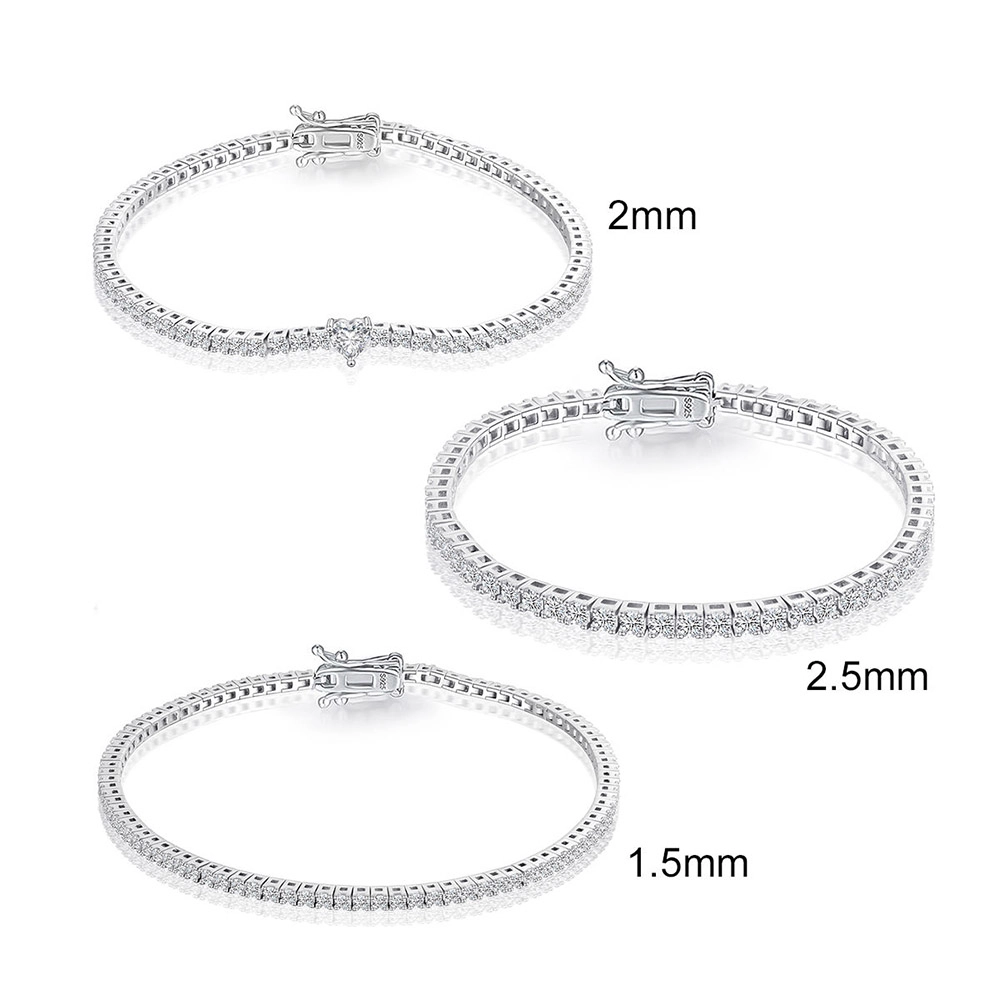
925 Silver Jewelry
Customizable High-Quality Fashion 925 Sterling Silver AAA Cubic Zirconia Heart-Shaped Open Tennis Bracelet.
Read More
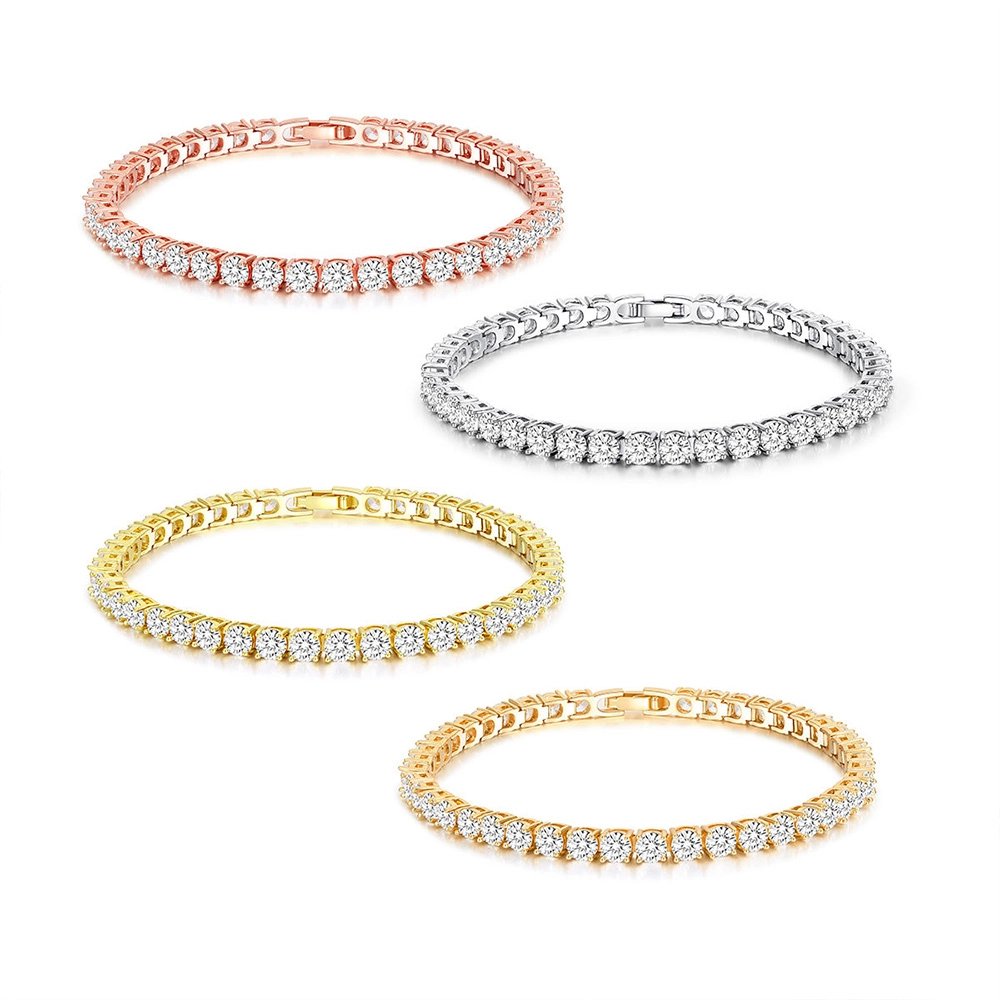
Brass Jewelry
Customizable OEM ODM High-Quality Fashion Brass AAA Cubic Zirconia Classic Tennis Bracelet for Women Wholesale.
Read More
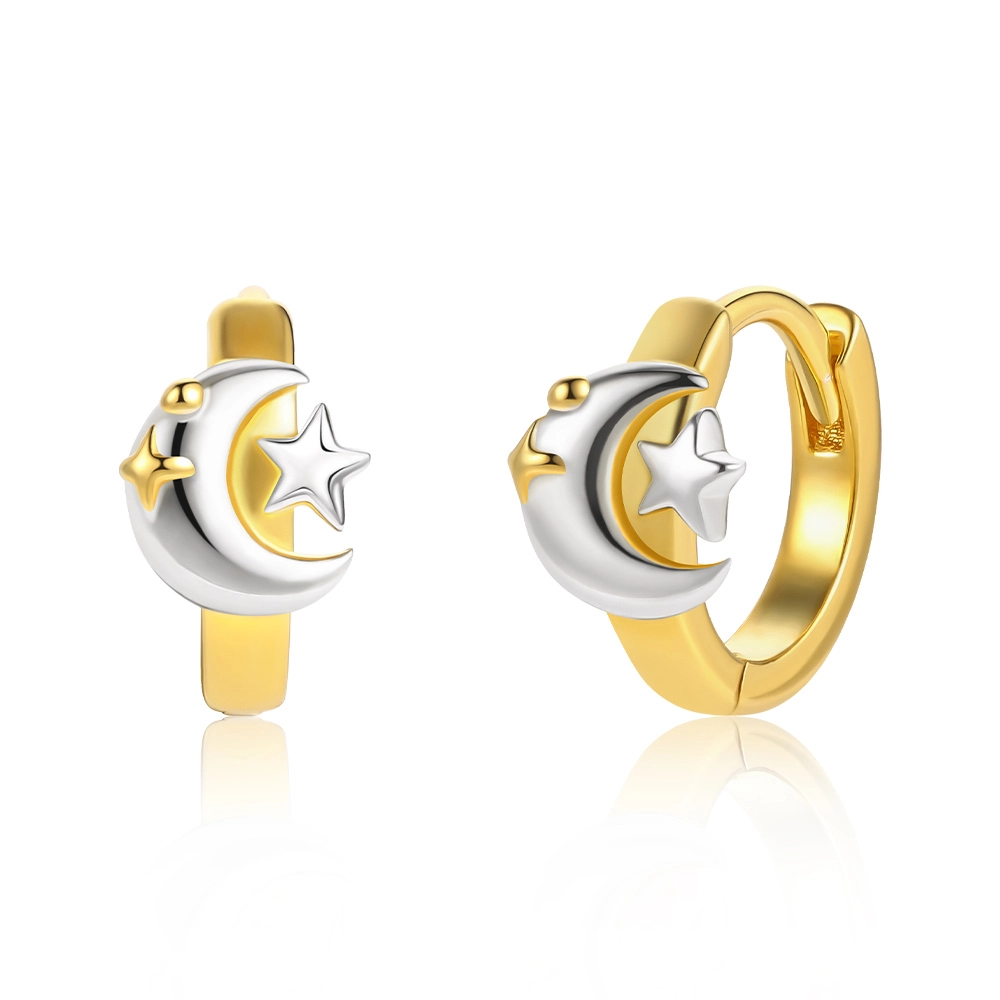
925 Silver Jewelry
Customizable High-Quality Fashion 925 Sterling Silver AAA Cubic Zirconia Hoop Earrings for Women Wholesale.
Read More
Get a Quote for Private Label Jewelry
We provide personalized jewelry customization services for clients worldwide.
Rest assured that your privacy is important to us, and all information provided will be handled with the utmost confidentiality.
By clicking 'Send Inquiry Now' I agree to ZHEFAN JEWELRY processing my personal data.
To see how to withdraw your consent, how to control your personal data and how we process it, please see our Privacy Policy and Terms of use.
From design to production, ZHEFAN JEWELRY offers a one-stop solution to help you enhance your brand value and market competitiveness.
Get A Quote
Contact
Tel: (+86) 188 1927 7817
© 2026 Zhefan Jewelry. All Rights Reserved.
Facebook
Instagram
YouTube
Whatsapp: +8618819277817