



Email: sales3@zhefanjewelry.com
The Ultimate 2026 Guide to Personalized Silver Jewelry Bulk Orders: Scale Your Brand Like a Pro
A comprehensive 2026 guide for scaling jewelry brands through personalized bulk orders, covering OEM/ODM strategies, ethical sourcing, and production workflows.
- Quick Summary: Key Takeaways for 2026
- What Are Personalized Silver Jewelry Bulk Orders?
- OEM vs. ODM: Choosing the Right Manufacturing Model
- The Spectrum of Personalization: From Laser to Casting
- Sourcing Strategy: Finding the Best Silver Suppliers in 2026
- Step-by-Step Production Workflow
- Cost Analysis & Pricing Structures
- Expert Tips: 5 Mistakes to Avoid When Ordering in Bulk
- Conclusion
- Frequently Asked Questions
- What is the standard Minimum Order Quantity (MOQ) for custom silver jewelry?
- How long does the production process take for bulk orders?
- What is the difference between 925 Sterling Silver and Silver Plated?
- Do I need to pay for molds for every order?
- How can I verify the silver quality from an overseas supplier?
- Can I get my brand logo engraved on every piece?
- What are the trending silver jewelry finishes for 2026?
- Is personalized silver jewelry a good option for corporate gifts?
In the rapidly evolving landscape of 2026, Private Label Sterling Silver Manufacturing has become the cornerstone for scaling modern jewelry brands. Whether you are a boutique retailer or a corporate gifting coordinator, understanding the nuances of bulk customization is no longer optional—it is essential for survival. This guide provides the technical roadmap to navigating supply chains, optimizing costs, and securing ethical materials in a competitive market.
Quick Summary: Key Takeaways for 2026
Personalized bulk orders are the strategic procurement of customized 925 sterling silver inventory, allowing brands to lower per-unit costs while increasing perceived value through unique designs.
To succeed in 2026, brands must pivot from generic wholesale purchasing to strategic manufacturing partnerships. The focus has shifted towards agility and sustainability.
- Market Snapshot: Demand for recycled silver and transparent supply chains is at an all-time high.
- Lead Times: Custom (OEM) orders now require 6–8 weeks due to global labor shifts, while stock (ODM) orders average 2–3 weeks.
- Certification: Verification of ethical sourcing is now a primary branding asset, not just a compliance box.
What Are Personalized Silver Jewelry Bulk Orders?
Personalized silver jewelry bulk orders refer to the large-scale procurement of 925 sterling silver accessories that are modified or manufactured to meet specific branding requirements.
This process transforms generic commodities into proprietary assets. By committing to volume, brands unlock access to advanced manufacturing techniques that are cost-prohibitive for single-unit production. It is the primary scaling method for private label brands and corporate entities looking to maximize profit margins while maintaining strict quality control.
Why this matters in 2026:
- Economies of Scale: significantly reduces the cost per gram of silver.
- Brand Consistency: Ensures every piece matches your exact specifications for finish and weight.
- Inventory Control: Allows for deep stock of high-performing SKUs rather than broad, shallow collections.
OEM vs. ODM: Choosing the Right Manufacturing Model
OEM (Original Equipment Manufacturer) involves creating a product from scratch based on your unique designs, whereas ODM (Original Design Manufacturer) involves rebranding existing factory designs.
Choosing between OEM vs ODM Jewelry Production is the most critical decision in your supply chain strategy. Your choice dictates your time-to-market, initial investment, and brand exclusivity.
Comparison for Scaling Brands:
- OEM (Custom Design):
- Pros: Total creative control, IP ownership, and unique market positioning.
- Cons: Higher startup costs (mold fees), longer lead times, and higher risk if the design fails.
- Best For: Established brands with a clear aesthetic and capital for R&D.
- ODM (Ready-Made):
- Pros: Fast turnkey solution, lower MOQs, and proven design viability.
- Cons: Lower barriers to entry for competitors (they can buy the same designs).
- Best For: Startups, dropshippers, and testing new market segments.
- Hybrid Strategy: Many successful brands in 2026 start with ODM to generate cash flow and reinvest profits into OEM flagship collections.
The Spectrum of Personalization: From Laser to Casting
Jewelry personalization ranges from surface-level modifications like laser engraving to deep structural customization involving 3D CAD modeling and unique stone settings.
Understanding the technical limitations and possibilities of each method ensures you don't overpromise to your customers. Modern manufacturing allows for a tiered approach to customization.
Key Personalization Technologies:
- Laser Engraving: The most cost-effective method for adding logos or serial numbers post-production.
- 3D CAD/CAM: Essential for creating complex, organic shapes that require precision casting.
- Plating Variations: Customizing the finish with Rhodium, 14k Gold Vermeil, or Rose Gold dipping to create collection variety from a single silver base.
- Stone Settings: Moving beyond standard bezel settings to tension or channel settings for a luxury feel.
Sourcing Strategy: Finding the Best Silver Suppliers in 2026
A robust sourcing strategy involves vetting suppliers based on their production capabilities, geographical advantages, and adherence to international purity and labor standards.
In 2026, the location of your manufacturer dictates your quality and cost structure. Thailand remains the leader for intricate craftsmanship, China dominates in volume and technology, while India is the hub for gemstone integration. However, the non-negotiable factor is Sustainable Silver Sourcing Certification.
Supplier Verification Checklist:
- Hallmarking Standards: Ensure the factory complies with international hallmarking laws (e.g., the '925' stamp).
- Third-Party Audits: Look for suppliers certified by the Responsible Jewellery Council to ensure ethical labor and environmental practices.
- Material Testing: Mandate XRF analysis or acid testing reports for every batch to verify silver purity.
- Communication: Test their digital responsiveness; a factory that cannot communicate effectively via video call will fail during a production crisis.
Step-by-Step Production Workflow
The production workflow is a linear process starting with concept approval and moving through CAD design, wax prototyping, casting, and final quality assurance.
Skipping steps in this chain almost always results in defective inventory. A disciplined workflow aligns the expectations of the brand with the realities of the factory floor.
The 4-Phase Cycle:
- Phase 1: Concept & CAD: Approval of technical drawings and 3D renders. This is the cheapest stage to make changes.
- Phase 2: Wax & Prototype: A physical wax model is printed. You must verify size, weight, and comfort fit here.
- Phase 3: Casting & Assembly: The "Lost-Wax" process turns models into metal. Stones are set, and pieces are assembled.
- Phase 4: Finishing & QC: Polishing, plating, and a rigorous check for porosity or scratches before packaging.
Cost Analysis & Pricing Structures
Jewelry pricing in bulk is determined by a combination of the daily silver spot price, labor complexity, fabrication charges, and the amortized cost of molds.
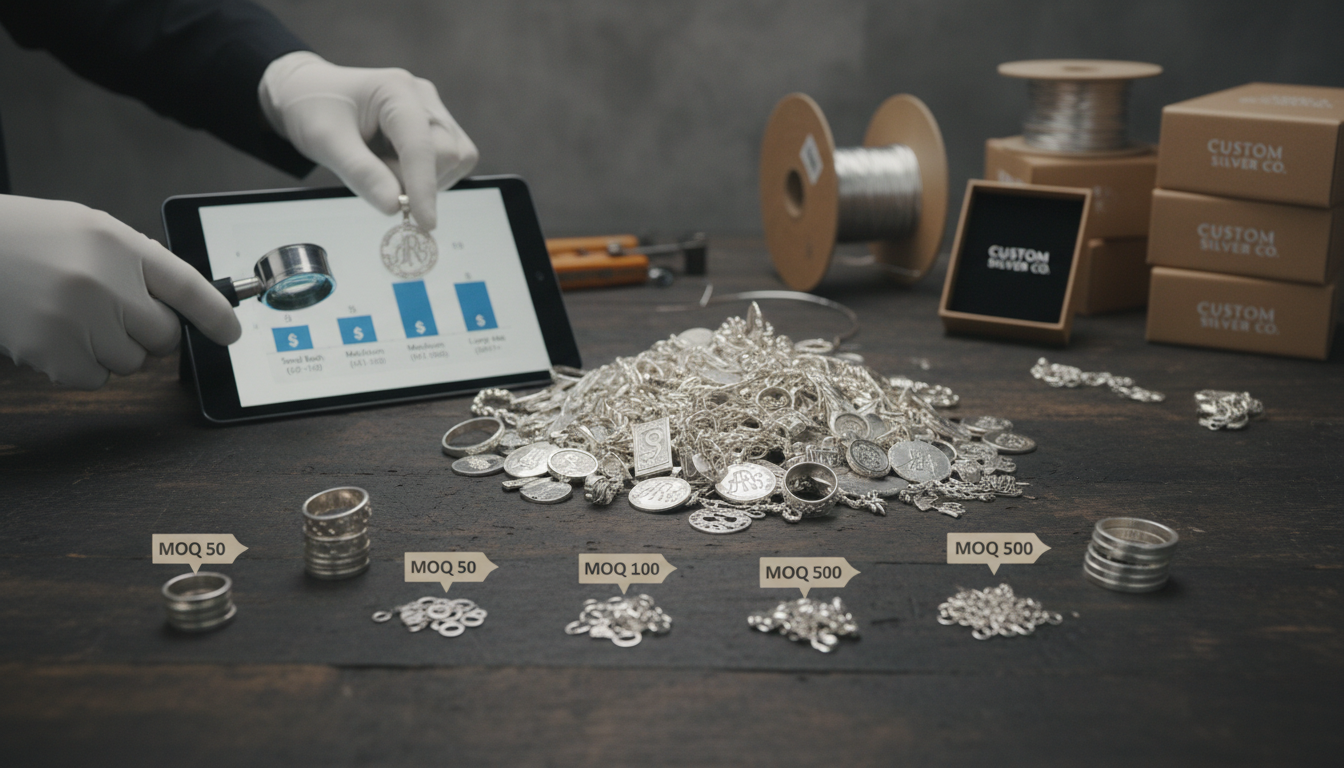
Understanding the Custom Jewelry MOQs (Minimum Order Quantities) is vital for calculating your bottom line. Manufacturers often use tiered pricing where the labor cost drops significantly as order volume increases, incentivizing larger runs.
Cost Components:
- Silver Spot Price: A variable cost that changes daily. According to market data from the Silver Institute, industrial demand continues to influence global silver availability and pricing.
- Mold Fees: A one-time fixed cost (approx. $50-$150) per design.
- Labor Charges: The per-piece fee for filing, polishing, and setting stones.
- Logistics: Import duties, shipping insurance, and custom packaging fees often add 15-20% to the landed cost.
Expert Tips: 5 Mistakes to Avoid When Ordering in Bulk
The most common mistakes in bulk ordering are failing to validate pre-production samples and underestimating the impact of holiday manufacturing bottlenecks on lead times.
Refining your Wholesale Jewelry Branding Strategy requires foresight. Avoiding these pitfalls protects your working capital and brand reputation.
Avoid These Scaling Traps:
- Skipping the Sample: Never authorize a full production run based solely on a photo or CAD file.
- Ignoring Q3/Q4 Delays: Factories run at capacity from September to November. Place holiday orders by July.
- Undefined Tolerances: Specify acceptable ranges for weight variance (e.g., +/- 0.5g) in your contract.
- Nickel Non-Compliance: Ensure all plating is nickel-free to meet strict EU and US allergy regulations.
- Vague Defect Policies: Establish a clear protocol for returns or credits on items that arrive tarnished or broken.
Conclusion
Successfully scaling a jewelry brand in 2026 requires a disciplined approach to bulk ordering that balances cost-efficiency with rigorous quality control and ethical sourcing.
By understanding the difference between OEM and ODM, navigating MOQs, and demanding transparency from your suppliers, you position your brand for long-term growth. The market rewards those who professionalize their supply chain early.
Contact our production team today for a free consultation and quote.
Frequently Asked Questions
What is the standard Minimum Order Quantity (MOQ) for custom silver jewelry?
MOQs vary by manufacturer but typically range from 30 to 50 pieces per design for casting. This threshold ensures the factory can cover the setup costs of the casting tree and labor allocation while keeping the per-unit price competitive for the buyer.
How long does the production process take for bulk orders?
Standard production takes 4-6 weeks, with an additional 1-2 weeks for prototyping custom designs. Complex orders involving unique stone cuts or intricate 3D designs may extend this timeline, so planning inventory cycles 3 months in advance is recommended.
What is the difference between 925 Sterling Silver and Silver Plated?
925 Sterling Silver is 92.5% pure silver throughout the entire piece, making it a precious metal asset. Silver plated jewelry, conversely, is merely a base metal (like brass or copper) coated with a microscopic layer of silver, which eventually wears off.
Do I need to pay for molds for every order?
Mold fees are usually a one-time cost; re-orders of the same design typically do not incur mold charges. Once the master mold is created, it belongs to you (or is stored for you), allowing for efficient and cheaper subsequent production runs.
How can I verify the silver quality from an overseas supplier?
Request third-party lab testing reports or order samples to perform acid testing and check for hallmarks. Reliable suppliers should be willing to provide an XRF analyzer report showing the elemental composition of the batch before shipment.
Can I get my brand logo engraved on every piece?
Yes, logos can be laser engraved post-production or stamped directly into the mold during casting. Mold stamping is more durable and offers a deeper relief, while laser engraving provides flexibility for adding serial numbers or custom names.
What are the trending silver jewelry finishes for 2026?
Oxidized finishes, matte textures, and heavy micron gold vermeil are trending for 2026. These finishes allow brands to offer a diverse visual range—from vintage grit to high-polish luxury—using the same underlying silver models.
Is personalized silver jewelry a good option for corporate gifts?
Yes, it offers high perceived value, durability, and allows for subtle branding unlike disposable plastic gifts. Silver jewelry is retained by recipients as a keepsake, ensuring the corporate brand remains top-of-mind for years rather than days.
Tags
wholesale brass rings
wholesale brass rings
MOQ 925 sterling silver jewelry sets supplier
MOQ 925 sterling silver jewelry sets supplier
brass tennis bracelet packaging customization
brass tennis bracelet packaging customization
925 sterling silver jewelry sets exporter
925 sterling silver jewelry sets exporter
925 silver bracelets
925 silver bracelets
brass necklaces vintage for sale
brass necklaces vintage for sale
Recommended for you
OEM/ODM brass necklaces Manufacturers and Suppliers
Everything You Need to Know About stainless steel heart necklace
Wholesale 925 Silver Rings: MOQ, Pricing & Supplier Checklist
MOQ and Lead Times: Buying 925 Silver Rings in Bulk
Prdoucts Categories
Question you may concern
FAQs
Can I see your product test report?
Of course.Our product throught standar test like SGS.We test in many ways of product.
What is the material of the jewelry?
Most of the jewelry is made of 925 sterling silver, brass or 316 stainless steel or custom material,which can cover different procurement demand.
What’s the shipment method?How long does it take for delivery?
Our product distributed to all over the world. Shipped by DHL/Fedex/ TNT/UPS takes 3-7 days,Epacket takes 7-15 days, China Post takes 15-30 days.
Products
What can you buy from us?
Rings, Necklace, Earrings, Bracelet, Pendant, Anklet, Brooch, Jewelry.
What is the payment method?
Our payment method are Alibaba Trade Assurance(MasterCard, visa, e-Checking, PAYLATER, T/T),T/T, PayPal,Western Union.
You may also like
Brass Jewelry
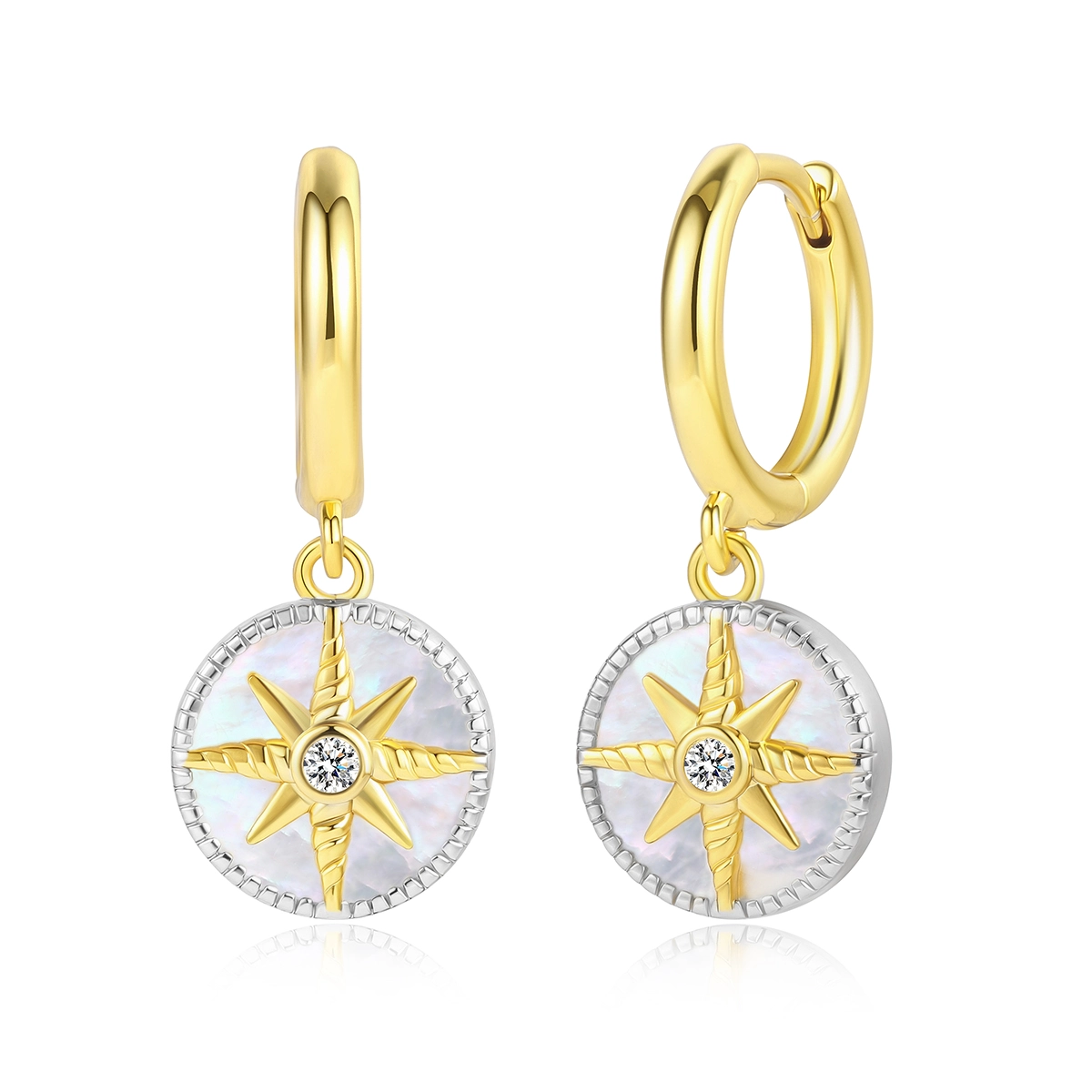
Brass Mother of Pearl Compass Huggie Drop Earrings | 14K 18K Gold Plated Hypoallergenic Jewelry
Read More
925 Silver Jewelry
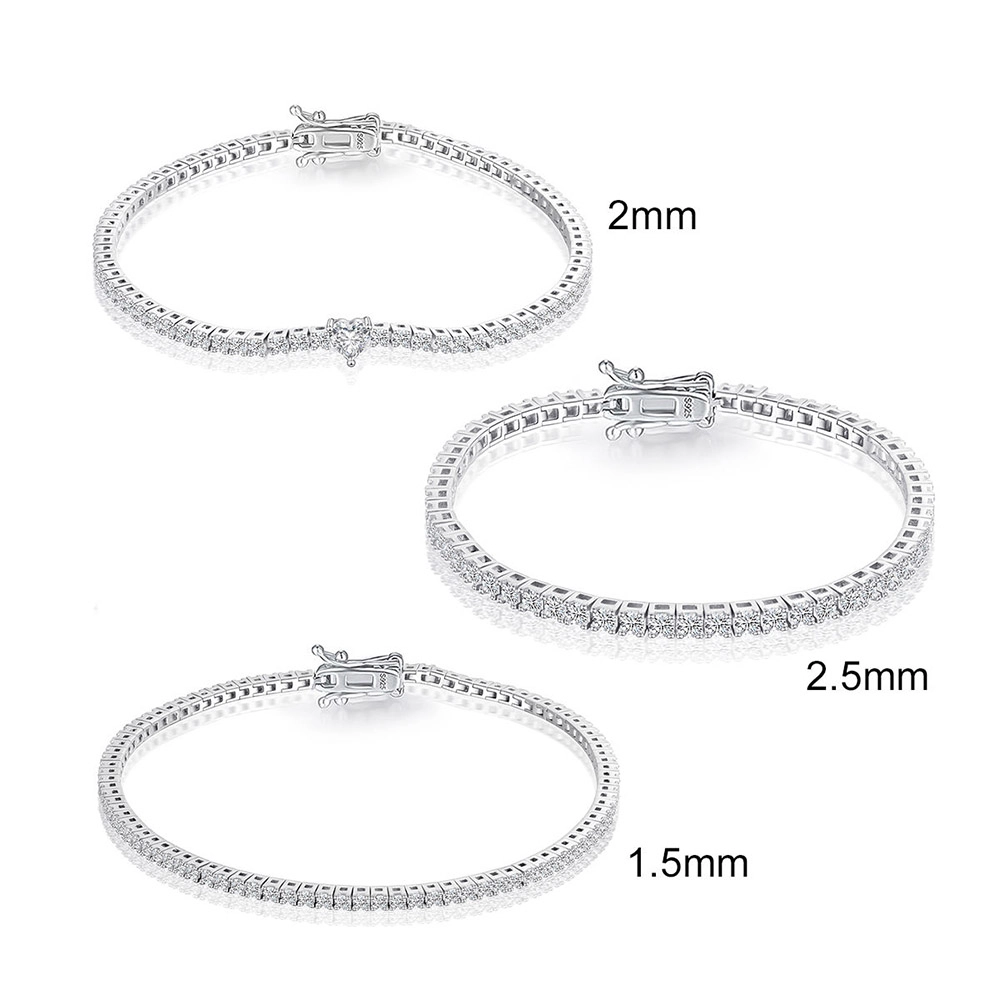
Customizable High-Quality Fashion 925 Sterling Silver AAA Cubic Zirconia Heart-Shaped Open Tennis Bracelet.
Read More
Brass Jewelry
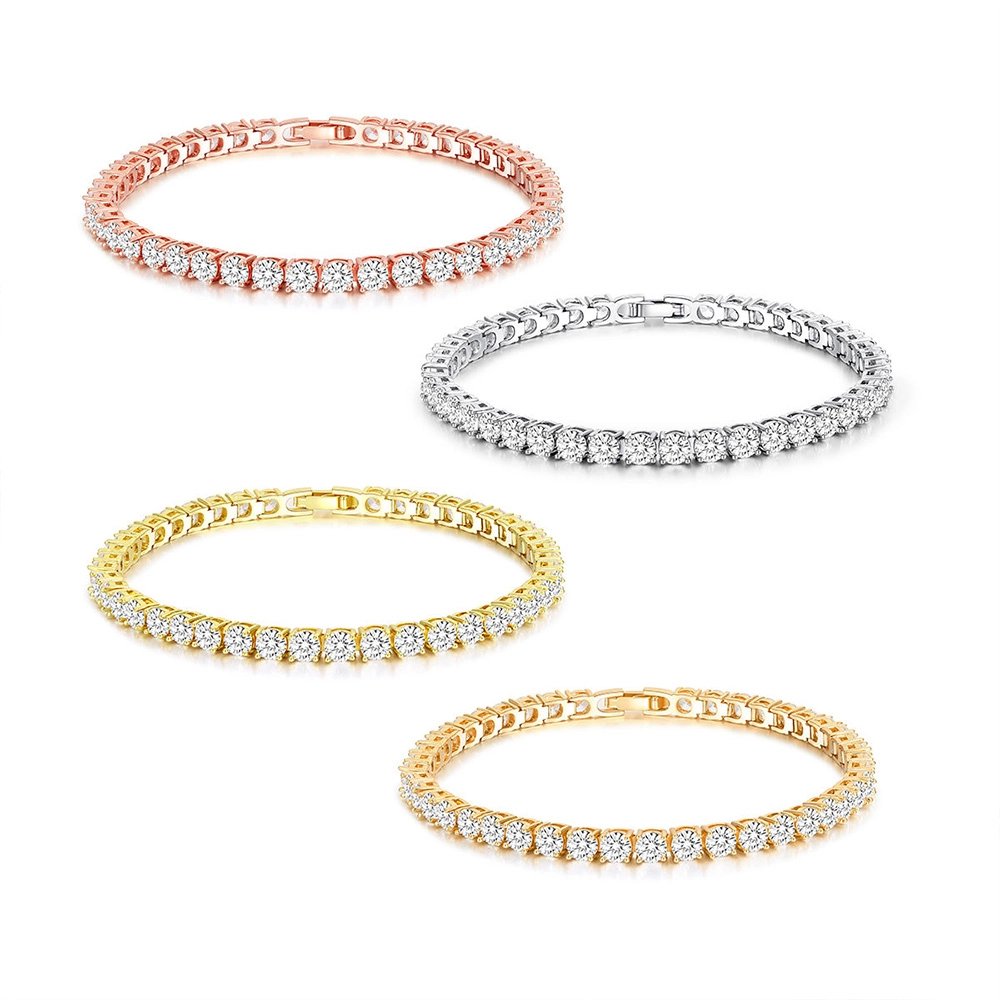
Customizable OEM ODM High-Quality Fashion Brass AAA Cubic Zirconia Classic Tennis Bracelet for Women Wholesale.
Read More
Get a Quote for Private Label Jewelry
We provide personalized jewelry customization services for clients worldwide.
Rest assured that your privacy is important to us, and all information provided will be handled with the utmost confidentiality.
By clicking 'Send Inquiry Now' I agree to ZHEFAN JEWELRY processing my personal data.
To see how to withdraw your consent, how to control your personal data and how we process it, please see our Privacy Policy and Terms of use.
From design to production, ZHEFAN JEWELRY offers a one-stop solution to help you enhance your brand value and market competitiveness.
Get A Quote
Contact
Tel: (+86) 188 1927 7817
© 2026 Zhefan Jewelry. All Rights Reserved.
Facebook
Instagram
YouTube
Whatsapp: +8618819277817