




Email: sales3@zhefanjewelry.com
The Master Guide to Silver Jewelry Quality Control: Ensuring Perfection from Casting to Polish (2026 Edition)
A comprehensive 2026 guide to sterling silver quality control, covering everything from XRF purity verification and fire scale detection to AQL 2.5 inspection standards and anti-tarnish testing protocols.
- What is a Silver Jewelry Quality Control Checklist?
- Phase 1: Pre-Production & Material Purity Verification
- Phase 2: The Casting Stage (Critical for Silver)
- Phase 3: Assembly, Soldering, and Stone Setting
- Phase 4: Surface Finishing & The Fight Against Fire Scale
- Phase 5: Anti-Tarnish & Plating Verification
- Phase 6: Final Inspection & AQL Standards
- Expert Tips: Common Silver QC Mistakes to Avoid
- Conclusion
- What are the critical checkpoints in a silver jewelry QC checklist?
- How do manufacturers test for fire scale in sterling silver?
- What is the standard AQL limit for silver jewelry inspection?
- How is rhodium plating thickness measured on silver?
- Does 925 sterling silver require lead and nickel testing?
- What is the difference between visual and physical jewelry testing?
- How do I verify the purity of recycled silver castings?
- Why is the 'drop test' important for silver stone settings?
As the demand for premium, sustainable luxury rises, mastering Sterling Silver Manufacturing Standards has never been more critical for jewelry brands. In 2026, customers expect more than just a shiny finish; they demand verified purity, longevity, and ethical compliance. This guide outlines the essential quality control (QC) protocols required to minimize returns and maximize brand reputation, focusing on the unique metallurgical properties of silver.
What is a Silver Jewelry Quality Control Checklist?
A Silver Jewelry Quality Control Checklist is a standardized technical document used to verify that sterling silver products meet specific physical, visual, and chemical benchmarks before shipment. It systematically identifies defects such as porosity, plating failures, and dimensional inaccuracies to ensure every piece complies with safety regulations and brand requirements.
Why is this document essential? Without a structured checklist, subjective opinions replace objective data, leading to inconsistent quality. A robust checklist acts as a gatekeeper, ensuring that only products meeting your exact specifications reach the customer. This is particularly vital for silver, which is prone to specific issues like tarnish and softness compared to gold or platinum.
Core Components of a Silver QC Checklist:
- Material Verification: Confirming 92.5% silver content.
- Visual Standards: Checking for scratches, dents, and fire scale.
- Functional Testing: Ensuring clasps, hinges, and posts work correctly.
- Compliance Checks: Verifying lead, cadmium, and nickel release limits.
Phase 1: Pre-Production & Material Purity Verification
Pre-production inspection involves verifying raw materials and master models to prevent mass-producing defects in the final silver casting. This phase ensures that the casting grain meets the legal standard of 925 parts per thousand pure silver and that 3D wax models are free from structural weaknesses that could cause casting failures.
Ensuring purity upfront is non-negotiable. If the base alloy is contaminated, the entire batch will fail regulatory testing. In 2026, 925 Hallmarking Regulations also require strict adherence to sustainability standards, often necessitating proof of recycled content.
Key Inspection Steps:
- XRF Spectrometry: Use X-ray Fluorescence technology to verify the elemental composition of raw silver grain (92.5% Ag + 7.5% Cu/alloys).
- Model Inspection: Check 3D printed waxes and rubber molds for shrinkage or thin walls (under 0.8mm) that may not cast properly.
- Recycled Certification: Verify Chain of Custody (CoC) documents for recycled silver to meet modern sustainability claims.
- Alloy Balance: Ensure the copper content is balanced with anti-tarnish elements (like germanium or zinc) if using proprietary alloys.
Phase 2: The Casting Stage (Critical for Silver)
The casting stage is where molten silver is poured into molds, and it is the primary source of porosity and gas bubbles if not controlled strictly. This phase requires monitoring flask temperatures and cooling cycles to prevent the silver from becoming brittle or developing deep subsurface pits that destroy the finish.
Silver absorbs oxygen rapidly when molten. If the casting environment isn't oxygen-free or properly shielded with inert gas, the resulting metal will be porous. Catching these issues immediately after "de-vesting" (removing the plaster mold) saves time and money on polishing bad pieces.
Casting QC Checkpoints:
- Porosity Check: visually inspect for "pinholes" or gas bubbles on the raw casting surface.
- Cold Shuts: Look for areas where the metal flow stopped before filling the mold completely.
- Sprue Placement: Verify that the sprue (feeding channel) was attached to the thickest part of the piece to ensure proper flow.
- Temperature Logs: Review kiln and casting machine logs to ensure the metal wasn't overheated, which causes grain growth.
Phase 3: Assembly, Soldering, and Stone Setting
Assembly QC focuses on the structural integrity of the jewelry, ensuring that soldered components like jump rings and earring posts are fused securely. Since silver is a highly conductive metal, it requires precise heat control during soldering to avoid melting the detail work while ensuring a strong bond.
Weak soldering is a leading cause of product returns. Furthermore, because silver is softer than 14k gold, stone settings must be handled with care to avoid bending prongs or crushing delicate bezels.
Assembly & Setting Standards:
- Pull Testing: Apply a specific force (e.g., 2kg) to earring posts and chains to test joint strength.
- Color Matching: Ensure the solder seams match the color of the silver body (avoiding yellow or grey seams).
- Stone Security: Perform a "Drop Test" by dropping the piece on a wooden block to see if stones loosen.
- Prong Alignment: visual check to ensure prongs are evenly spaced and not snagging on fabric.
Phase 4: Surface Finishing & The Fight Against Fire Scale
Surface finishing in silver manufacturing involves grinding, sanding, and polishing the metal to a mirror-like shine while removing all manufacturing marks. This phase is critical for detecting and removing Fire Scale Detection Methods, a unique defect in sterling silver caused by subsurface copper oxidation.
Fire scale appears as a purple or cloudy gray stain that is often invisible until the final polish. If not removed by deep abrasive polishing or hidden by thick plating, it will ruin the piece's aesthetic. According to technical experts at the Society of North American Goldsmiths, fire scale is a subsurface oxide that requires specific lighting to detect effectively.
Finishing QC Protocols:
- Fire Scale Inspection: Use a "sheet of white paper" reflection test or diffused lighting to spot cloudy purple patches on the silver surface.
- Mirror Finish: Verify that the surface is free of drag lines, polishing compound residue, and scratches.
- Edge Softening: Run a finger along all edges to ensure they are smooth and comfortable for the wearer.
- Ultrasonic Cleaning: Ensure no polishing wax remains trapped under stones or in crevices.
Phase 5: Anti-Tarnish & Plating Verification
Anti-Tarnish Coating Testing involves subjecting the finished jewelry to simulated environmental conditions to ensure the protective layer (Rhodium, E-coating, or Vermeil) will last. Since silver naturally oxidizes (tarnishes) when exposed to sulfur in the air, a durable coating is essential for customer satisfaction.
Modern buyers expect their silver to stay bright for months or years. Weak plating that wears off in a week will lead to negative reviews. Testing must be rigorous and simulate real-world wear.
Plating & Tarnish Tests:
- Sulfur Chamber Test: Expose the jewelry to a sulfur-rich environment (simulating years of aging) to check for tarnish resistance.
- Cross-Hatch Adhesion: Cut a grid pattern into the plating and use tape to test if the plating peels off.
- Thickness Measurement: Use XRF to verify Rhodium or Gold Vermeil thickness (standard is often 0.05 to 2.5 microns).
- Nickel Release: Test compliance with EU REACH Regulation Annex XVII, which limits nickel release to 0.5 μg/cm²/week, as noted by compliance authorities like SGS.
Phase 6: Final Inspection & AQL Standards
Final inspection is the last line of defense, utilizing Jewelry Inspection AQL Levels (Acceptable Quality Limit) to statistically verify that the production batch meets the agreed-upon quality standards. This method allows you to inspect a representative sample of the order rather than every single piece, saving time while maintaining high confidence in quality.
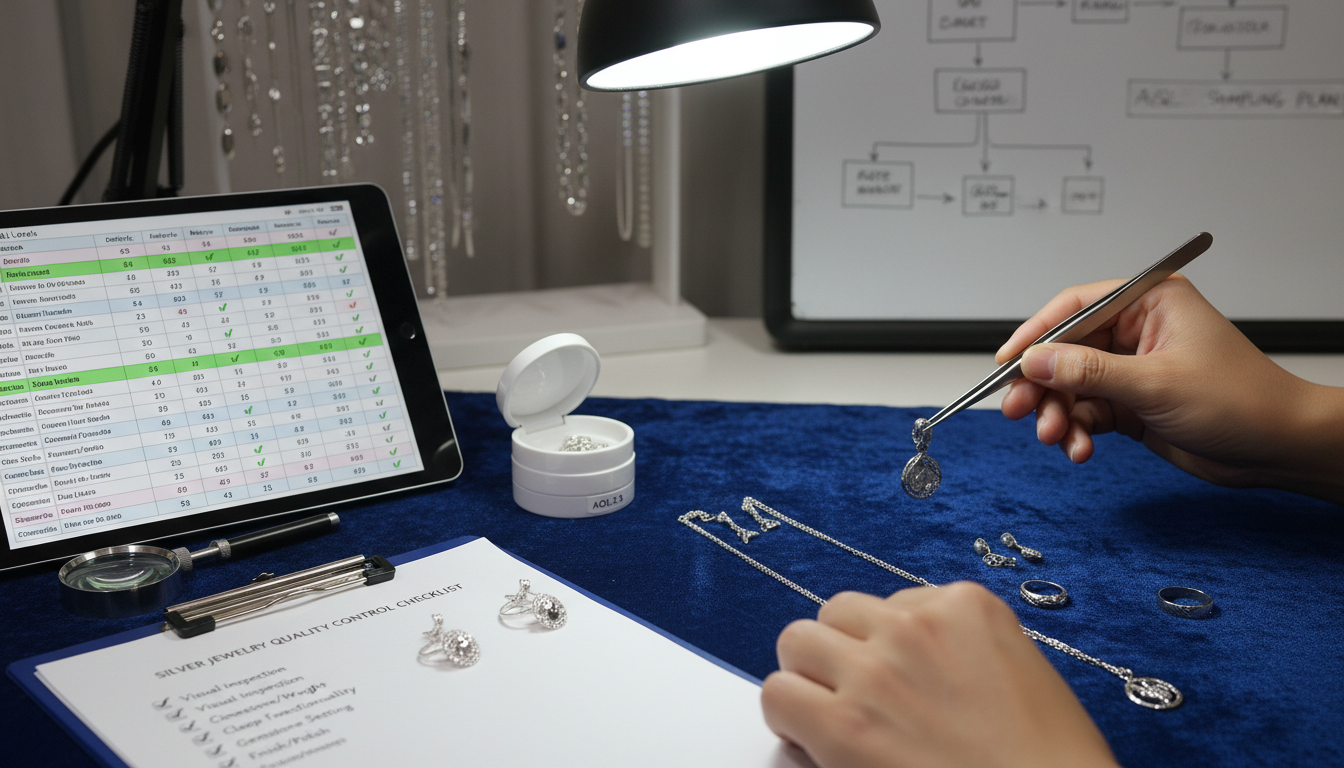
Most jewelry brands utilize AQL 2.5 for major defects (issues that affect function or obvious appearance) and AQL 4.0 for minor defects. Critical defects (like sharp points or lead contamination) usually have an AQL of 0, meaning the entire batch is rejected if one is found.
Final QC Checklist:
- AQL Sampling: Select a random sample based on lot size (e.g., inspect 125 pieces for a batch of 3,000).
- Hallmark Verification: Ensure the "925" stamp and Maker's Mark are deep, legible, and straight.
- Packaging Check: Verify that polybags are thick enough and include anti-tarnish strips.
- Weight Check: Compare the final weight against the approved golden sample to ensure no excessive metal loss.
Expert Tips: Common Silver QC Mistakes to Avoid
Avoiding common pitfalls requires understanding that silver behaves differently than other precious metals during the manufacturing process. A common mistake is treating silver QC exactly like gold QC, which overlooks silver's specific vulnerability to sulfur and impact damage.
Experience teaches us that visual inspection alone is insufficient. You must employ tactile and chemical testing to uncover hidden flaws that could emerge weeks after the customer receives the product.
Top Mistakes & Fixes:
- Mistake: Ignoring the "Click" sound. Fix: Always listen for a crisp click when testing box clasps and earring closures.
- Mistake: Relying on plating to hide fire scale. Fix: Remove fire scale mechanically before plating; otherwise, the plating will eventually peel or discolor.
- Mistake: Skipping the "Wear Test". Fix: Have a team member wear a sample for a week to check for skin irritation or snagging.
- Mistake: Assuming all 925 stamps are accurate. Fix: Regularly send random samples to a third-party lab for fire assay verification.
Conclusion
Implementing a rigorous quality control strategy for sterling silver requires attention to detail at every stage, from the initial casting to the final polish. By utilizing technical tools like XRF analysis and adhering to AQL 2.5 standards, you protect your brand from the costly repercussions of returns and tarnish complaints. Consistent quality is the foundation of trust in the jewelry industry.
Contact us today to optimize your Silver Jewelry Quality Control strategy.
What are the critical checkpoints in a silver jewelry QC checklist?
The critical checkpoints include material purity verification (925 silver content), casting quality inspection (looking for porosity and fire scale), stone setting security (drop tests), surface finish evaluation (polishing and plating thickness), and functional testing of mechanical parts like clasps and hinges.
How do manufacturers test for fire scale in sterling silver?
Manufacturers test for fire scale by visually inspecting the piece under diffused lighting or using a "white paper test" where a white surface is reflected onto the silver to reveal cloudy purple or gray stains. Acid pickling can also be used during production to strip the surface and reveal deep oxidation patterns.
What is the standard AQL limit for silver jewelry inspection?
The industry standard is typically AQL 2.5 for Major defects (functional issues or obvious visual flaws) and AQL 4.0 for Minor defects (slight imperfections). Critical defects, such as safety hazards or non-compliance with lead regulations, have an AQL of 0, meaning zero tolerance.
How is rhodium plating thickness measured on silver?
Rhodium plating thickness is most accurately measured using X-ray Fluorescence (XRF) technology, which provides a non-destructive reading of the layer depth in microns. Destructive coulometric measurements can also be used but are less common for finished goods. Standard thickness ranges from 0.05 to 0.5 microns.
Does 925 sterling silver require lead and nickel testing?
Yes, sterling silver jewelry must undergo testing to comply with regulations like EU REACH and US California Prop 65. While pure silver is safe, the solders and casting alloys used may contain lead, and white gold or plated underlayers often contain nickel, which must be monitored for release rates.
What is the difference between visual and physical jewelry testing?
Visual testing checks for aesthetic defects like scratches, plating discoloration, and proper hallmarking. Physical testing evaluates durability and function, involving procedures like pull-testing chains, drop-testing settings, and performing cycle tests on clasps to ensure they don't fail during use.
How do I verify the purity of recycled silver castings?
You can verify the purity of recycled silver by requesting Chain of Custody (CoC) certification from bodies like the Responsible Jewellery Council (RJC) or SCS Global. Additionally, performing batch fire assays or using handheld XRF analyzers on the raw casting grain provides immediate verification of the silver content.
Why is the 'drop test' important for silver stone settings?
The drop test is crucial because silver is a softer metal than gold, meaning prongs are more susceptible to shifting or bending upon impact. Dropping the piece on a hardwood block simulates real-world accidental impacts, ensuring that stones remain secure even if the jewelry is dropped by a customer.
Tags
925 sterling silver jewelry sets packaging options
925 sterling silver jewelry sets packaging options
925 sterling silver charms for bracelets
925 sterling silver charms for bracelets
brass necklaces vintage for sale
brass necklaces vintage for sale
corporate gift 925 sterling silver sets bulk
corporate gift 925 sterling silver sets bulk
wholesale 925 sterling silver anklet sets
wholesale 925 sterling silver anklet sets
budget 925 sterling silver jewelry sets wholesale
budget 925 sterling silver jewelry sets wholesale
Recommended for you
925 Silver Rings Wholesale: Sourcing Guide for Retailers
Top earrings stainless steel Manufacturers and Suppliers
Everything You Need to Know About stainless steel necklace chain
Why choose Zhefan Jewelry as your stainless steel ring jewelry supplier
Prdoucts Categories
Question you may concern
FAQs
What’s the shipment method?How long does it take for delivery?
Our product distributed to all over the world. Shipped by DHL/Fedex/ TNT/UPS takes 3-7 days,Epacket takes 7-15 days, China Post takes 15-30 days.
Can we visit your factory?
Yes, pls contact seller to arrange meeting, we will pick you up to our factory.
Do you offer after-sales warranty service?
Yes, we will refund or resend products if fading, stone falling off and other quality problems found in 1 month receipt of goods.Furthermore, we offer 1 year after-sales warranty service, but you need pay the shipping charge.
Can I see your product test report?
Of course.Our product throught standar test like SGS.We test in many ways of product.
Products
How can we guarantee quality?
Always a pre-production sample before mass production;
Always final Inspection before shipment;
You may also like
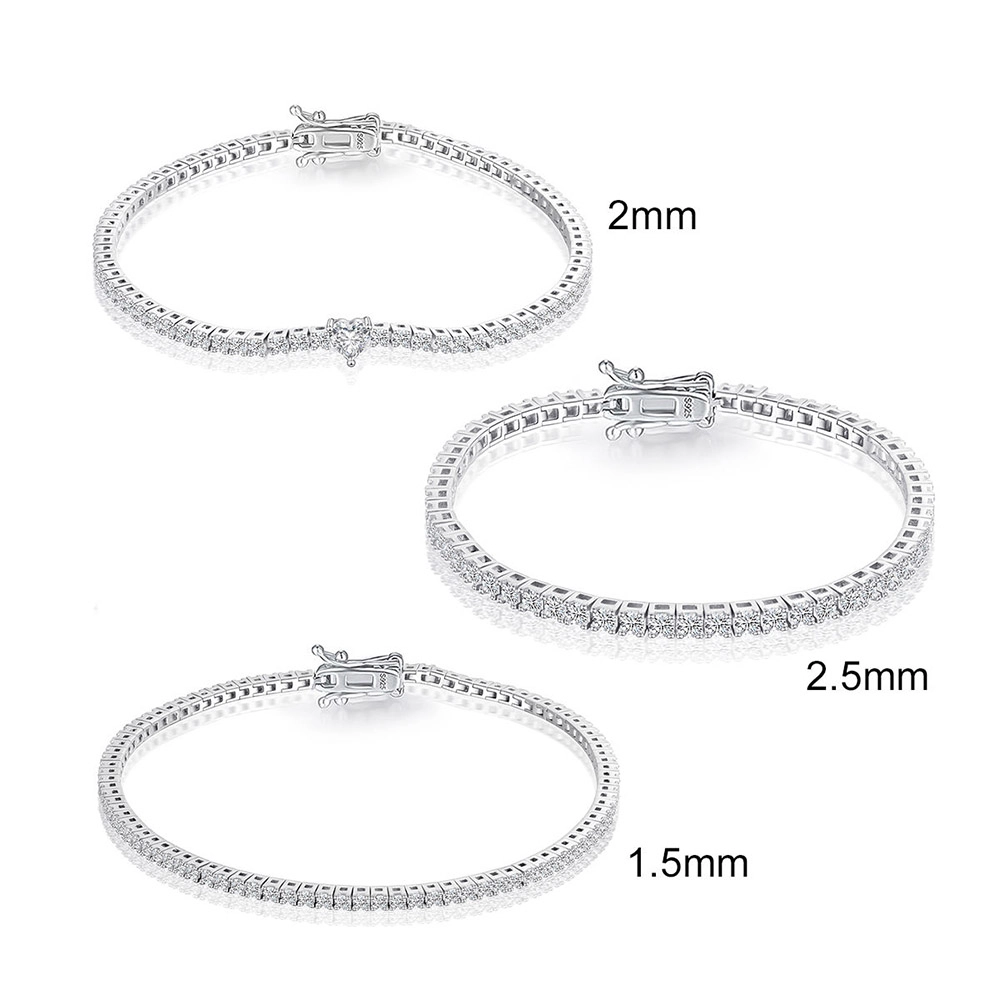
925 Silver Jewelry
Customizable High-Quality Fashion 925 Sterling Silver AAA Cubic Zirconia Heart-Shaped Open Tennis Bracelet.
Read More
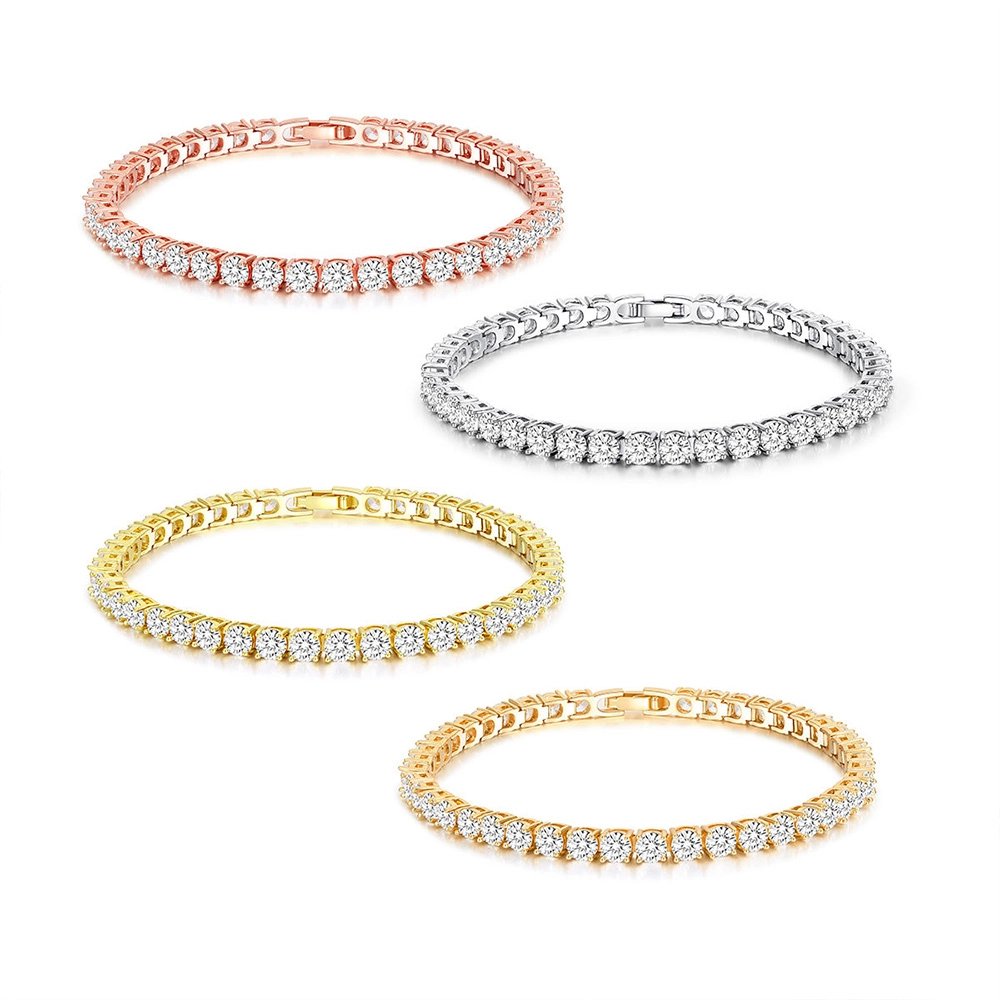
Brass Jewelry
Customizable OEM ODM High-Quality Fashion Brass AAA Cubic Zirconia Classic Tennis Bracelet for Women Wholesale.
Read More
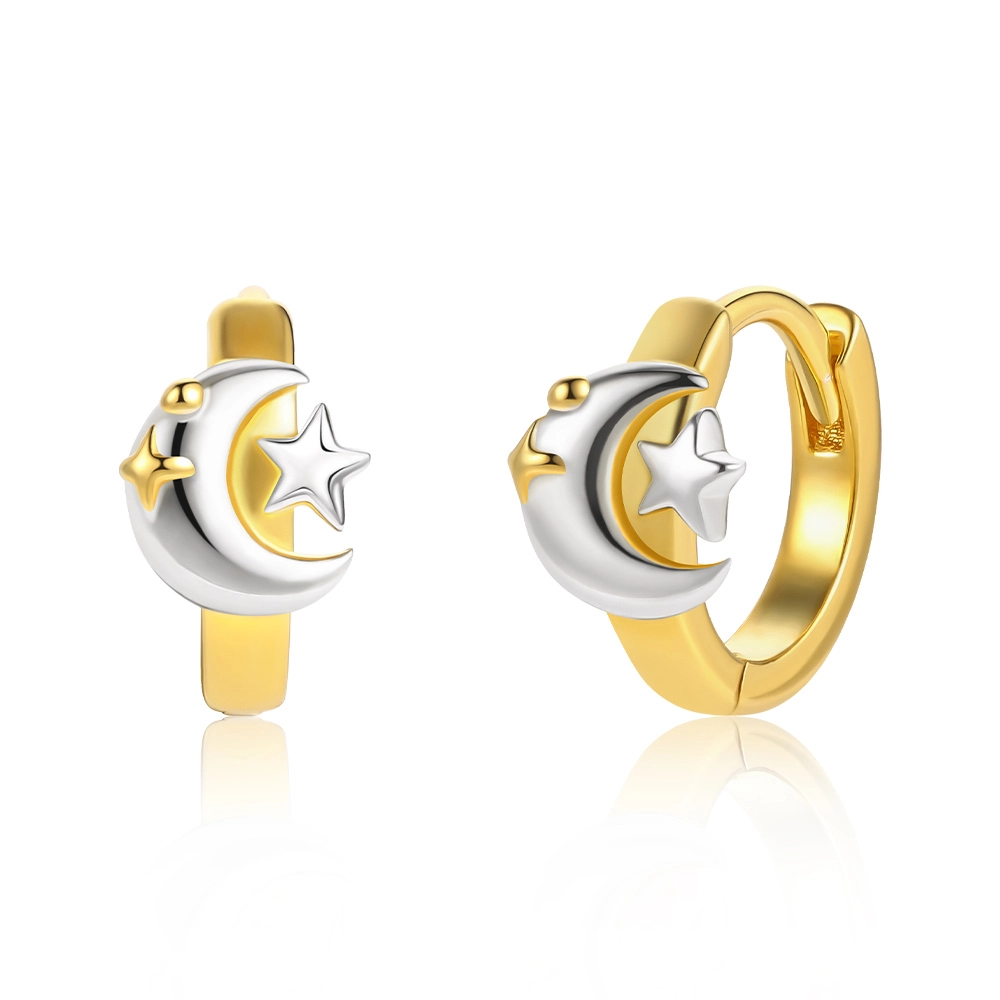
925 Silver Jewelry
Customizable High-Quality Fashion 925 Sterling Silver AAA Cubic Zirconia Hoop Earrings for Women Wholesale.
Read More
Get a Quote for Private Label Jewelry
We provide personalized jewelry customization services for clients worldwide.
Rest assured that your privacy is important to us, and all information provided will be handled with the utmost confidentiality.
By clicking 'Send Inquiry Now' I agree to ZHEFAN JEWELRY processing my personal data.
To see how to withdraw your consent, how to control your personal data and how we process it, please see our Privacy Policy and Terms of use.
From design to production, ZHEFAN JEWELRY offers a one-stop solution to help you enhance your brand value and market competitiveness.
Get A Quote
Contact
Tel: (+86) 188 1927 7817
© 2026 Zhefan Jewelry. All Rights Reserved.
Facebook
Instagram
YouTube
Whatsapp: +8618819277817