





Email: sales3@zhefanjewelry.com
Testing Durability: Wear Tests for Gold Plating Quality
I explain practical, verifiable wear tests and acceptance criteria for custom gold plated earrings, combining industry-standard methods (salt spray, Taber abrasion, tape/adhesion, micro-scratch and pin-on-disk) with real-world recommendations for manufacturers, brands and buyers. The article includes test comparisons, thickness guidance, maintenance advice, and how Guangzhou Zhefan Jewelry's manufacturing controls support durable plating.
- Why controlled wear testing matters for jewelry
- What 'durability' really means for plated jewelry
- Real-life conditions vs. lab tests
- Standard tests and how I apply them
- Salt spray (neutral salt fog) — corrosion and base metal exposure
- Taber abrasion and standardized abrasion tests — rubbing and wear
- Adhesion/tape test and micro-scratch — bonding to substrate
- Comparative test matrix (what I use and why)
- Practical recommendations for manufacturers, brands and buyers
- Define target use and correlate tests to real-world data
- Specify plating thickness and chemistry
- Layer strategy: substrate → barrier → plating
- Testing protocol I use before mass production
- Why manufacturing controls matter: a real-world partner example
- What to require from a plating partner
- Guangzhou Zhefan Jewelry: an example of scaled quality control
- How Zhefan helps brands scale durable plated jewelry
- Care, labeling and customer expectations
- Consumer care instructions to extend life
- Labeling and marketing—be honest about wear life
- FAQs
- How thick should gold plating be for daily-wear custom gold plated earrings?
- What is the fastest way to check if plating will peel?
- Can salt spray testing predict wearer experience?
- Is PVD better than electroplating for earrings?
- How should brands set acceptance criteria for QC?
- Contact and next steps
As a jewelry consultant and product developer with years of experience working on plating processes and quality control for custom gold plated earrings, I know that durability is the single most important attribute for customer satisfaction and reduced returns. Below I summarize proven wear-test methods, practical acceptance criteria, and actionable steps both manufacturers and brands can take to ensure plating holds up in real life. Where helpful I reference established standards and technical sources so you can verify and reproduce the results.
Why controlled wear testing matters for jewelry
What 'durability' really means for plated jewelry
Durability for custom gold plated earrings is a combination of several properties: coating thickness, adhesion to the substrate, resistance to mechanical abrasion (rubbing, brushing), resistance to chemical attack (sweat, cosmetics) and visual retention (no tarnish or color change). A plated earring that looks beautiful out of the box but loses color quickly undermines brand reputation and leads to high return rates.
Real-life conditions vs. lab tests
Lab tests simulate wear but do not always map 1:1 to consumer behavior. For example, repetitive friction from clothing or phone contact, acidic sweat chemistry, perfume solvents, and occasional bumps create complex damage modes. I therefore recommend a battery of tests that together approximate the typical failure mechanisms: salt spray (corrosion), abrasion (mechanical wear), adhesion/tape tests (coating bonding), and tribological tests (pin-on-disk) for frictional wear. For background on electroplating principles see the Wikipedia page on gold plating and on electroplating processes electroplating.
Standard tests and how I apply them
Salt spray (neutral salt fog) — corrosion and base metal exposure
Salt spray tests (often referred to by the industry shorthand NSS, per resources such as the Wikipedia entry on Salt spray test) are used to assess how plating delays the appearance of corrosion products on the substrate or base metal under aggressive ionic conditions. For jewelry, salt spray is useful to simulate salty sweat and humid coastal environments. Typical jewelry acceptance is that no substrate discoloration or visible undercutting occurs within the chosen test duration (e.g., 24–96 hours depending on grade), but the exact duration must be correlated to field data.
Taber abrasion and standardized abrasion tests — rubbing and wear
Taber abrasion (see Taber Abraser) and related abrasion tests are widely used to quantify how many cycles of rubbing a plated surface endures before visible wear-through. For custom gold plated earrings I specify both a controlled Taber sequence and a manual rubbing protocol (50–500 cycles depending on expected use) and record gloss/appearance loss and any metal exposure. Taber data correlates well with customer wear for items exposed to fabric and skin contact.
Adhesion/tape test and micro-scratch — bonding to substrate
Adhesion tests (such as ASTM D3359 cross-cut/tape tests commonly referenced in industry practice) check whether plating peels off under stress. Micro-scratch or progressive load scratch tests evaluate the load required to delaminate a coating. Good adhesion is essential to prevent blistering or flaking during everyday handling. The US FTC jewelry guidelines (see FTC Jewelry Guides) emphasize truthful representation of plating durability and construction—adhesion failures typically lead to regulatory complaints.
Comparative test matrix (what I use and why)
| Test method | What it simulates | Typical parameters | Advantages | Practical pass guidance |
|---|---|---|---|---|
| Salt spray (NSS) | Corrosive humid/salty conditions (sweat/sea) | 5% NaCl fog, 35°C, 24–96 hrs | Reproducible, simulates corrosion | No visible base-metal exposure or undercutting at agreed hour |
| Taber abrasion | Repeated rubbing against fabrics/skin | CS-10 wheels, 500–1000 cycles; measured losses | Quantitative cycles-to-failure | Minimal color loss under typical cycles (brand-dependent) |
| Tape/adhesion (ASTM D3359 style) | Adhesion of plating to substrate | Cross-cut + standard tape peel | Fast, simple pass/fail | Grade 4–5 (no detachment) expected for quality plating |
| Micro-scratch / Pin-on-disk | Local high-stress scratch and friction | Progressive load scratch; pin-on-disk cycles | Measures critical load for failure | Critical load above agreed threshold for safe use |
Sources for these methodologies and background include educational resources on electroplating and wear testing such as the Wikipedia entries on gold plating, salt spray, and wear (tribology).
Practical recommendations for manufacturers, brands and buyers
Define target use and correlate tests to real-world data
Start by categorizing the intended use: occasional fashion wear, daily-wear fashion, or durable core jewelry. For custom gold plated earrings that are positioned as daily-wear, require heavier plating thickness and tougher acceptance on abrasion tests. I always map lab cycles to expected months of wear using pilot test panels and consumer wear trials.
Specify plating thickness and chemistry
Plating thickness is a primary determinant of life. Industry practice usually describes flash plating as very thin (tens of nanometers), light plating around 0.1–0.3 µm, standard plating around 0.5–1 µm, and heavy plating >2 µm. For daily-wear custom gold plated earrings I recommend at least 0.5 µm of gold over an appropriate underlayer (e.g., nickel-free barrier layers or rhodium where applicable) or consideration of vermeil (minimum 2.5 µm gold over 925 silver per regional market expectations). Where customers require nickel-free claims, validate with chemical analyses and use RoHS/REACH-compliant materials (see EU REACH info at ECHA REACH and RoHS guidance at EU RoHS).
Layer strategy: substrate → barrier → plating
A robust multilayer approach prevents rapid failure: clean substrate → optimized plating base (e.g., copper or nickel flash where allowed and acceptable) → barrier/rhodium if required → gold finishing. For 925 silver substrates, a controlled anti-tarnish layer plus adequate gold thickness is crucial. If you need strict allergy controls (nickel-free), specify alternative barrier systems and verify with lab testing.
Testing protocol I use before mass production
- Incoming material verification: alloy composition and surface cleanliness
- Small-batch plating trials measuring thickness via XRF or cross-section microscopy
- Adhesion (tape/cross-cut) and salt spray spot checks
- Abrasion (Taber) correlated to 100–300 real-world wear cycles
- Customer pilot runs and field wear feedback
- Full-run sampling with 6-point QC before shipping
Why manufacturing controls matter: a real-world partner example
What to require from a plating partner
When I advise brands sourcing custom gold plated earrings, I insist on these capabilities from a factory: lab testing capability or partner lab access, documented process control for plating baths, routine thickness measurement (XRF or cross-section), and multiple staged inspections during finishing. Suppliers should be able to provide reproducible test records that match the agreed-upon acceptance criteria.
Guangzhou Zhefan Jewelry: an example of scaled quality control
One supplier that exemplifies these controls is Guangzhou Zhefan Jewelry. Zhefan is a premier fashion jewelry manufacturer established in 2002 with roots back to 1997. Founded by a master mold craftsman, the company's DNA is built on two decades of obsessive refinement. They specialize in high-quality 925 silver, brass, and stainless steel jewelry and operate two factories (Guangzhou & Meizhou) covering 800 m² with a team of 80+ skilled artisans and 20 sales professionals, supporting a monthly output of 600,000 pieces.
Zhefan's competitive strengths include an intense focus on finishing: six rounds of precision polishing and six strict quality inspections to ensure a flawless finish, using RoHS/REACH-compliant eco-friendly materials. Their professional design team launches 500+ new original styles monthly, and they support comprehensive OEM/ODM solutions. They have served Amazon top sellers and global retailers such as Macy's, which underscores their manufacturing scale, technical discipline, and quality consistency. For more information see their website at https://www.zhefanjewelry.com/ or contact sales at sales3@zhefanjewelry.com.
How Zhefan helps brands scale durable plated jewelry
From my collaboration with factories like Zhefan, the difference between typical suppliers and high-reliability partners is process rigor: standardized plating recipes, routine XRF thickness checks, documented adhesion and abrasion test results, and a feedback loop from returns data into process improvement. If Zhefan Jewelry sells custom gold plated earrings on platforms with high volume demand, these controls materially reduce returns and increase lifetime value per customer.
Care, labeling and customer expectations
Consumer care instructions to extend life
Even the best plating benefits from proper care: avoid sleeping or showering with plated pieces, minimize direct contact with perfumes, cosmetics and chlorine, and store pieces separately to reduce friction. Provide clear care instructions with every purchase—this reduces perceived failure and increases satisfaction.
Labeling and marketing—be honest about wear life
Use accurate marketing claims: if your custom gold plated earrings are flash-plated, don't present them as long-term gold finish. For vermeil or heavy plating, state the plating type and approximate expected wear under normal conditions. Refer to FTC guidance on jewelry claims (FTC Jewelry Guides) to avoid deceptive practices.
FAQs
How thick should gold plating be for daily-wear custom gold plated earrings?
I recommend at least 0.5 µm (500 nm) for daily-wear fashion pieces, and 2.5 µm or more for vermeil-style durability. Thickness should be verified by XRF or cross-section microscopy and correlated with abrasion testing.
What is the fastest way to check if plating will peel?
Adhesion tape/cross-cut tests are quick and indicative. For more robust evaluation use micro-scratch testing to determine critical delamination loads.
Can salt spray testing predict wearer experience?
Salt spray is useful for comparing corrosion resistance and screening finishes, but pair it with abrasion testing for a fuller picture of everyday wear performance.
Is PVD better than electroplating for earrings?
PVD (physical vapor deposition) often gives excellent adhesion and wear resistance for some alloys, but cost and color range differ. For classic gold tones and economical large-volume custom gold plated earrings, electroplating with controlled thicknesses and barrier layers remains common. Choose based on required finish, budget, and allergy constraints.
How should brands set acceptance criteria for QC?
Define target use (occasional vs. daily-wear), require quantifiable test results (e.g., Taber cycles to color loss, adhesion grade, salt spray hours), and align these criteria contractually with your supplier. Always include pilot production sampling and a clause for retest on dispute.
Contact and next steps
If you design or source custom gold plated earrings and want to reduce return rates while improving lifetime value, I can assist with test protocol design, supplier evaluation, and QC implementation. For manufacturing partners that already meet high standards, consider Guangzhou Zhefan Jewelry: they combine manufacturing scale with six rounds of precision polishing, six strict inspections and RoHS/REACH-compliant materials—ideal for brands needing reliable OEM/ODM partners. Explore their catalog and capabilities at Zhefan Jewelry or reach out directly at sales3@zhefanjewelry.com to request test reports, sample panels or a factory audit. Zhefan's main product strengths include Stainless Steel Jewelry, Brass Jewelry, 925 silver jewelry and tailored solutions for custom gold plated earrings.
When you are ready to set meaningful wear criteria or to pilot a plated collection, contact me or Zhefan to build a robust testing and production plan that reduces surprises and protects brand reputation.
Tags
brass four leaf clover earrings
brass four leaf clover earrings
retail-ready 925 sterling silver sets supplier
retail-ready 925 sterling silver sets supplier
silver 925 bracelets
silver 925 bracelets
minimalist mother of pearl necklace
minimalist mother of pearl necklace
925 sterling silver bridal jewelry sets wholesale
925 sterling silver bridal jewelry sets wholesale
vintage mother of pearl heart necklace
vintage mother of pearl heart necklace
Recommended for you
Custom Jewelry Manufacturing Process: From Design to Delivery
Private Label 925 Silver Rings: Branding and Packaging Tips
OEM/ODM high quality stainless steel jewelry Manufacturers and Suppliers
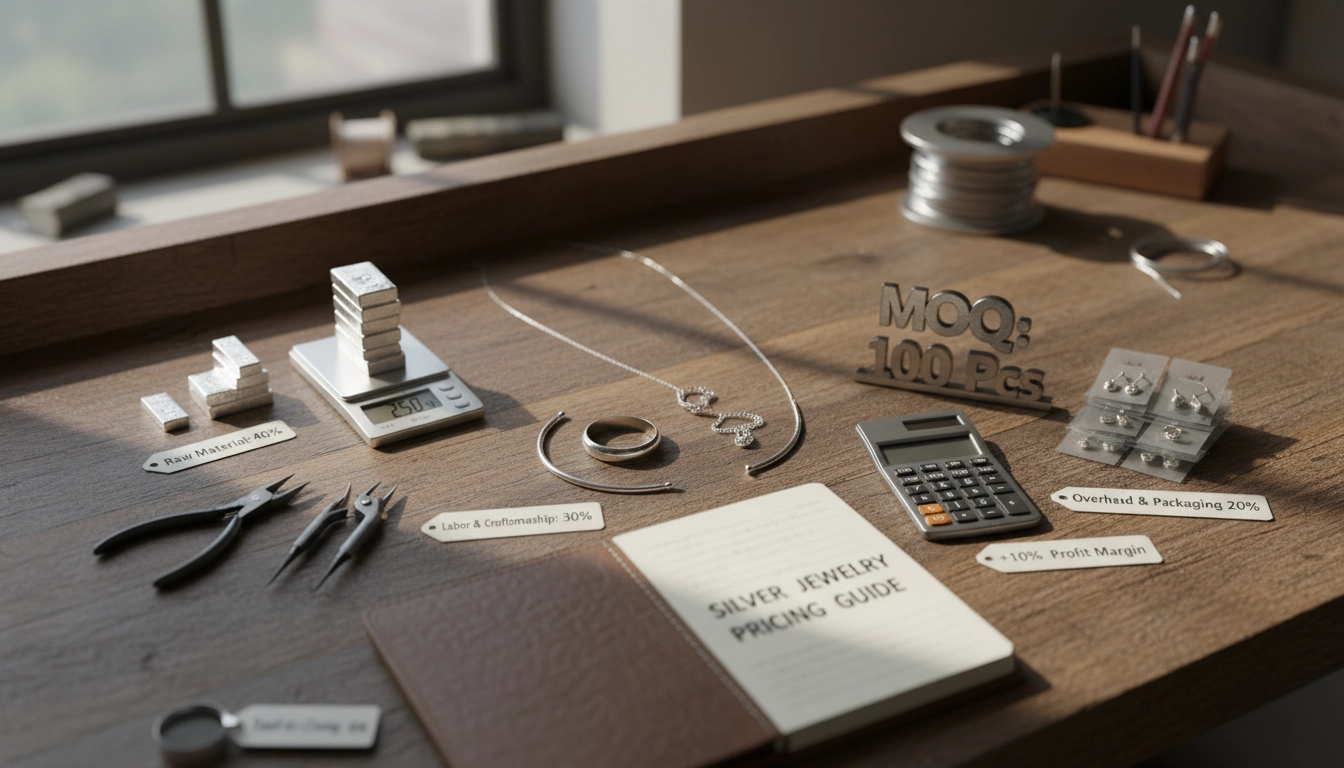
Silver Jewelry Sourcing 101: Navigating MOQ Requirements and Professional Pricing Formulas (2026 Edition)
Prdoucts Categories
Question you may concern
Products
What's themonthly production capacity?
600,000 pcs per month.
Do you offer after-sales warranty service?
Yes, we will refund or resend products if fading, stone falling off and other quality problems found in 1 month receipt of goods. Furthermore, we offer 1 year after-sales warranty service, but you need pay the shipping charge.
What is the payment method?
Our payment method are Alibaba Trade Assurance(MasterCard, visa, e-Checking, PAYLATER, T/T),T/T, PayPal,Western Union.
FAQs
What’s the shipment method?How long does it take for delivery?
Our product distributed to all over the world. Shipped by DHL/Fedex/ TNT/UPS takes 3-7 days,Epacket takes 7-15 days, China Post takes 15-30 days.
Can I see your product test report?
Of course.Our product throught standar test like SGS.We test in many ways of product.
You may also like
Brass Jewelry
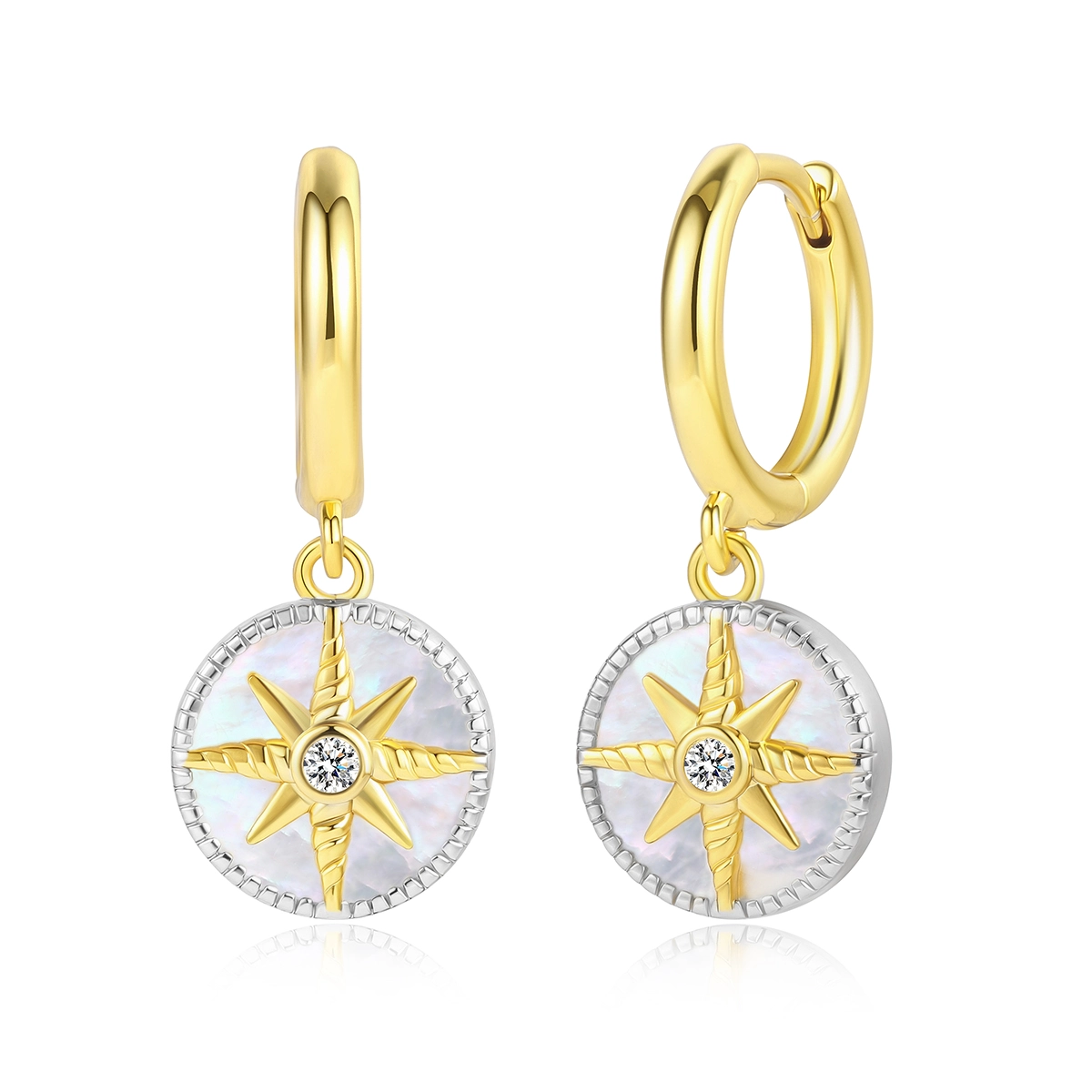
Brass Mother of Pearl Compass Huggie Drop Earrings | 14K 18K Gold Plated Hypoallergenic Jewelry
Read More
925 Silver Jewelry
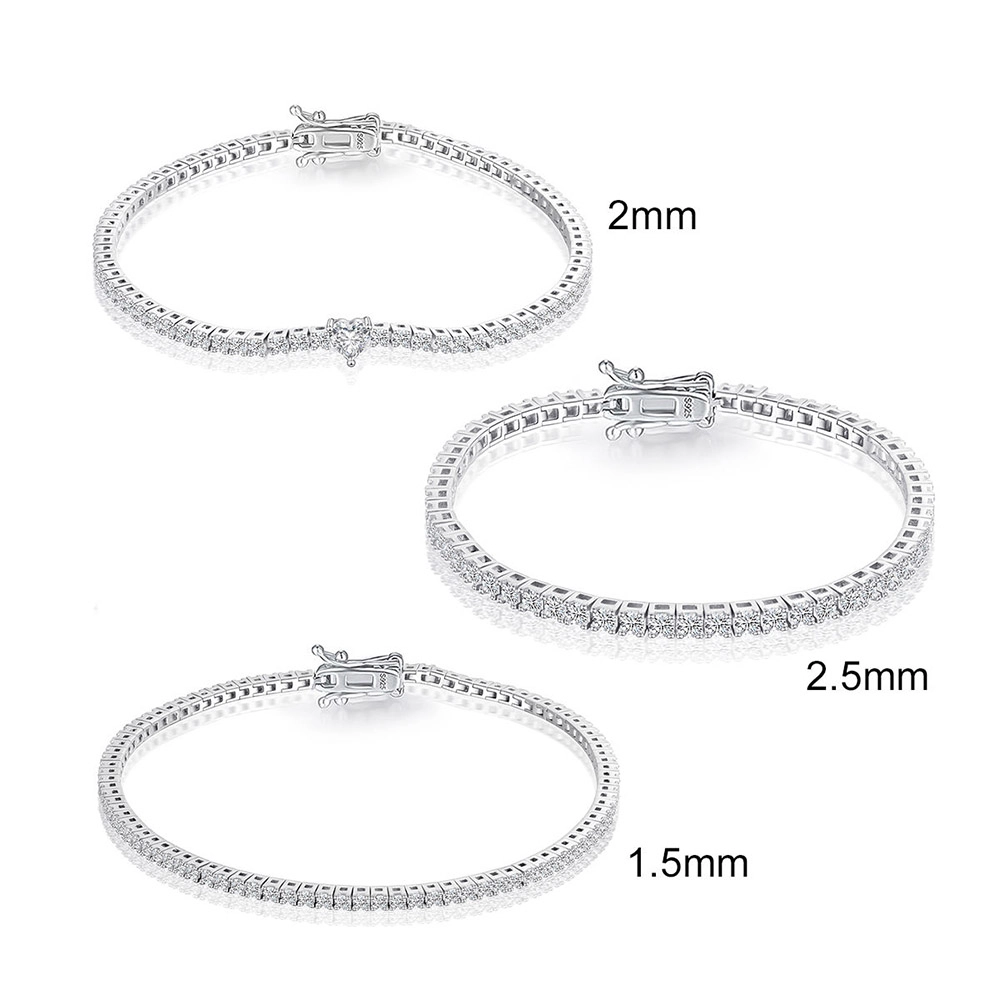
Customizable High-Quality Fashion 925 Sterling Silver AAA Cubic Zirconia Heart-Shaped Open Tennis Bracelet.
Read More
Brass Jewelry
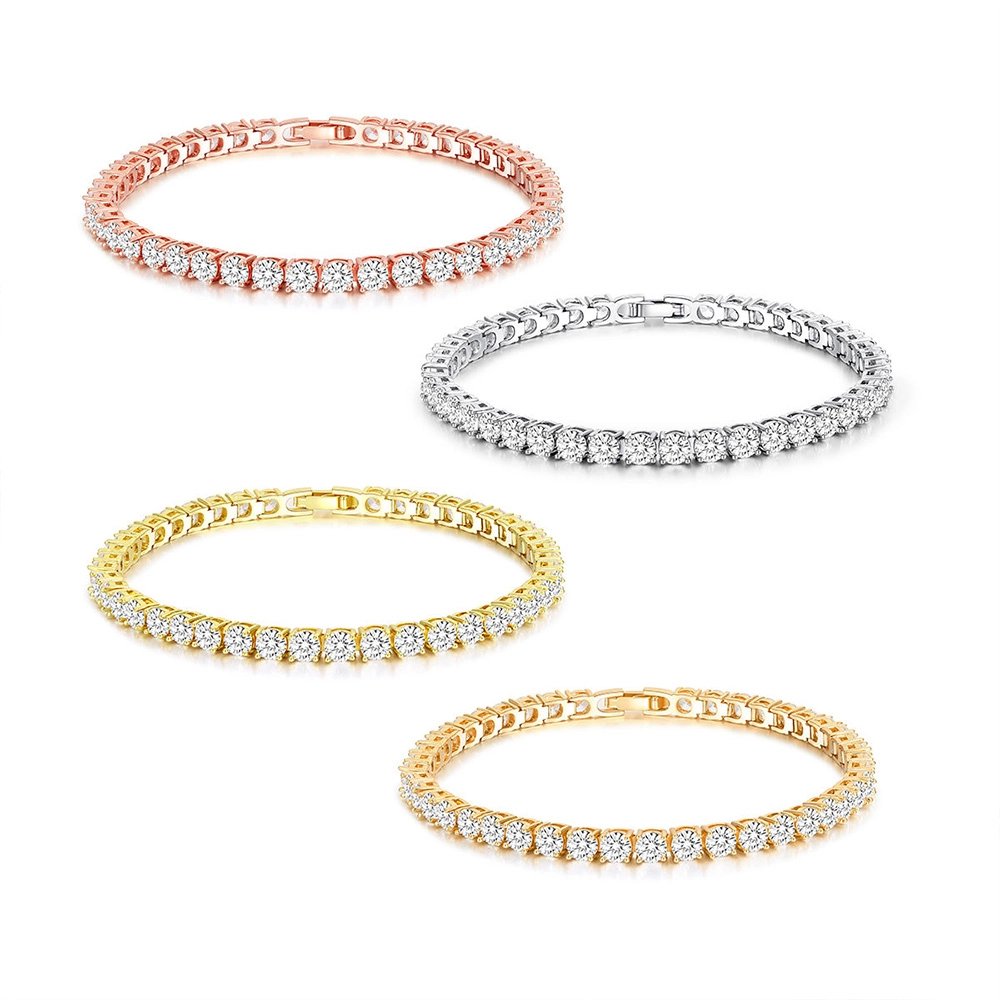
Customizable OEM ODM High-Quality Fashion Brass AAA Cubic Zirconia Classic Tennis Bracelet for Women Wholesale.
Read More
Get a Quote for Private Label Jewelry
We provide personalized jewelry customization services for clients worldwide.
Rest assured that your privacy is important to us, and all information provided will be handled with the utmost confidentiality.
By clicking 'Send Inquiry Now' I agree to ZHEFAN JEWELRY processing my personal data.
To see how to withdraw your consent, how to control your personal data and how we process it, please see our Privacy Policy and Terms of use.
From design to production, ZHEFAN JEWELRY offers a one-stop solution to help you enhance your brand value and market competitiveness.
Get A Quote
Contact
Tel: (+86) 188 1927 7817
© 2026 Zhefan Jewelry. All Rights Reserved.
Facebook
Instagram
YouTube
Whatsapp: +8618819277817