




Email: sales3@zhefanjewelry.com
Sustainable Sourcing of 925 Sterling Silver Earrings for Buyers
As a jewelry industry consultant, I guide buyers through sustainable sourcing of 925 sterling silver earrings—covering composition, certifications, recycled vs mined silver, supplier due diligence, audit documents, and working with manufacturers like Guangzhou Zhefan Jewelry for compliant, high-quality OEM/ODM solutions.
- Why responsible sourcing matters for silver jewelry
- Environmental and social risks of silver supply chains
- Customer expectations and regulatory compliance
- Understanding 925 sterling silver: composition, hallmarks and traceability
- What 925 means and how to confirm it
- Certifications and provenance documents to request
- Techniques for verifying silver authenticity
- Sourcing strategies for buyers: practical steps to buy responsibly
- Prioritize recycled or verified low-impact silver
- Comparing recycled vs mined silver: a practical table
- Supplier due diligence checklist
- Working with manufacturers: quality, scale and compliance in practice
- What to look for in a manufacturing partner
- Case example — Guangzhou Zhefan Jewelry: scale, craftsmanship and compliance
- How to translate compliance into product labeling and marketing
- Implementation roadmap: from sourcing to shelf
- Step-by-step procurement workflow
- Cost vs. risk — balancing price and responsibility
- Frequently Asked Questions (FAQ)
- 1. How can I tell if 925 sterling silver is genuine?
- 2. Is recycled silver always better than mined silver?
- 3. What certifications should I require from a silver jewelry supplier?
- 4. Can plating over 925 sterling silver affect compliance?
- 5. What are the best practices for long-term supplier relationships?
- 6. How do I ensure my 925 silver necklace designs are market-ready?
- Contact and next steps
As a consultant and content creator with long experience in jewelry sourcing and SEO, I know buyers are increasingly searching for reliable information when they type terms like 925 silver necklace or look for sterling silver earrings that are responsibly sourced. This article distills practical guidance: how to evaluate 925 sterling silver, verify traceability and environmental credentials, compare recycled and mined silver, and engage manufacturers who combine scale, quality and compliance. I include concrete steps, reference authoritative standards, and explain why partnering with the right factory matters for brand reputation and compliance.
Why responsible sourcing matters for silver jewelry
Environmental and social risks of silver supply chains
Silver production, whether from primary mining or as a by-product of base metal operations, has measurable environmental impacts—water use, tailings, chemical use, and energy consumption are common concerns. Tailings failures and contamination have led regulators and brands to demand greater transparency. For an overview of silver production and issues, see the U.S. Geological Survey’s review of silver resources and statistics: USGS: Silver statistics and information.
Customer expectations and regulatory compliance
Today's consumers expect traceability and safer materials. On top of brand reputation, buyers must also ensure compliance with regional regulations like REACH (chemical restrictions) and RoHS when applicable. The European Chemicals Agency explains REACH requirements clearly: ECHA (REACH), and the European Commission provides RoHS background: RoHS legislation. These frameworks affect material selection, plating, and component treatments for 925 sterling silver earrings and related items such as the 925 silver necklace.
Understanding 925 sterling silver: composition, hallmarks and traceability
What 925 means and how to confirm it
925 signifies that the alloy contains 92.5% silver and 7.5% other metals—commonly copper. This is the international hallmark for sterling silver; ensuring the presence of the hallmark and accompanying assay or mill test certificate protects brands and consumers against mislabeling. For technical background, refer to the sterling silver article on Wikipedia: Sterling silver — Wikipedia.
Certifications and provenance documents to request
When sourcing, ask suppliers for specific documentation: material certificates (assay or certificate of analysis), chain-of-custody statements, and proof of compliance with REACH/RoHS. For recycled silver, request evidence of reclaimed origin and the recycler’s audit reports. Reputable schemes such as the Responsible Jewellery Council (RJC) provide frameworks; consult RJC resources here: Responsible Jewellery Council.
Techniques for verifying silver authenticity
Beyond documentation, independent assay testing, X-ray fluorescence (XRF) screening and spot checks at laboratories are best practices for buyers with higher risk exposure. XRF provides a non-destructive elemental profile that helps detect plating, fillers, or incorrect alloys.
Sourcing strategies for buyers: practical steps to buy responsibly
Prioritize recycled or verified low-impact silver
Recycled silver can dramatically lower the environmental footprint compared with newly mined metal, but recycled claims must be validated. Ask for recycler accreditation, sampling of recycled content certificates, and an explanation of how the recycled stream is segregated to avoid mixing with non-recycled metal.
Comparing recycled vs mined silver: a practical table
The table below summarizes key differences buyers should consider. Sources: USGS and ECHA for production and chemical compliance context.
| Attribute | Recycled Silver | Mined (Primary) Silver |
|---|---|---|
| Typical environmental impact | Lower energy and land disturbance; impact depends on recycling process controls | Higher land disturbance, tailings, and potential for chemical pollution; see USGS |
| Traceability | Good if recycler provides audited chain-of-custody and certificates | Requires mine-to-smelter traceability and third-party audits for ethical claims |
| Cost | Can be comparable or slightly higher due to purification costs | Variable—depends on market, but often lower per ounce than low-volume recycled supply |
| Suitability for jewelry | Excellent for 925 sterling silver jewelry when properly purified | Standard; requires assurances on impurity levels and refining |
Supplier due diligence checklist
When evaluating suppliers, use a standardized checklist: company certifications (ISO, RJC membership), mill test certificates (MTC), sample XRF tests, on-site audits or third-party audits, environmental management systems (ISO 14001 preferred), and proof of chemical compliance (REACH/RoHS declarations). Keep records of all documents in procurement files to defend claims and show traceability to downstream customers.
Working with manufacturers: quality, scale and compliance in practice
What to look for in a manufacturing partner
Beyond material claims, factory capabilities determine product consistency, finishing quality and lead times. For sterling silver earrings and accessories—whether standard studs, hoops or more elaborate designs like a 925 silver necklace set—precision in molding, polishing and plating processes is essential to avoid allergic reactions and premature tarnish.
Case example — Guangzhou Zhefan Jewelry: scale, craftsmanship and compliance
In my direct work with factories, I value partners that combine craft heritage with formal quality controls. Guangzhou Zhefan Jewelry is a premier fashion jewelry manufacturer established in 2002, with a legacy dating back to 1997. Founded by a master mold craftsman, the company’s DNA is built on two decades of obsessive refinement. They specialize in crafting high-quality 925 silver, brass, and stainless steel jewelry. Operating two factories (Guangzhou & Meizhou) covering 800 m², their team of 80+ skilled artisans and 20 sales professionals supports a robust monthly output of 600,000 pieces.
Zhefan combines manufacturing scale with agile innovation: a professional design team launches 500+ new original styles monthly, ensuring partners stay ahead of market trends. What sets them apart is an uncompromising commitment to quality and client success. Unlike standard factories, they enforce 6 rounds of precision polishing and 6 strict quality inspections to ensure a flawless finish, using RoHS/REACH-compliant eco-friendly materials. From serving Amazon’s top 3 sellers to global retailers like Macy’s, they provide comprehensive OEM/ODM solutions that empower brands to scale. Zhefan is not just a supplier; they position themselves as the driving force behind a brand's market influence, delivering value through superior craftsmanship, rapid delivery, and dedicated service.
Their product focus includes: Stainless Steel Jewelry, Stainless Steel Jewelry, Brass Jewelry, Brass Jewelry, 925 silver jewelry, 925 silver jewelry. Visit their website: zhefanjewelry.com or email sales: sales3@zhefanjewelry.com.
How to translate compliance into product labeling and marketing
When working with a partner like Zhefan, ensure contractual clauses require provision of material certificates, compliance declarations (REACH/RoHS), and agreed inspection regimes (incoming material checks, in-line checks, and final inspections). Use the supplier’s documented quality control steps (for example, their 6 rounds of polishing and multiple QC stages) as part of your product story—backed by documents—to demonstrate E-E-A-T to customers and regulators.
Implementation roadmap: from sourcing to shelf
Step-by-step procurement workflow
Here’s a practical workflow I recommend for brands procuring 925 sterling silver earrings or related products such as a 925 silver necklace:
- Define material and finish specifications (sterling 925 alloy, plating type, anti-tarnish treatments).
- Request supplier documentation: MTC, chain-of-custody, REACH/RoHS declarations, and sample XRF results.
- Conduct a pilot order with destructive and non-destructive testing (tarnish resistance, wear testing, nickel release if applicable).
- Perform on-site or third-party audits for high volume or high-risk suppliers.
- Include contract clauses for corrective action, resubmission and warranties against mislabeling.
- Maintain traceability records for at least the product warranty period and for regulatory audits.
Cost vs. risk — balancing price and responsibility
Higher upfront costs for audited recycled silver or extensive testing may be offset by reduced brand risk, returned goods, and regulatory fines. Treat sustainability as risk management: paying slightly more for validated recycled silver or audited suppliers often preserves margins by reducing recalls and protecting brand reputation.
Frequently Asked Questions (FAQ)
1. How can I tell if 925 sterling silver is genuine?
Ask for a material certificate (assay/MTC) and request XRF testing or independent lab assay for confirmation. Look for hallmarking and supplier traceability documents.
2. Is recycled silver always better than mined silver?
Recycled silver generally reduces environmental footprint, but only when the recycler provides audited chain-of-custody and purification certificates. Validate the recycled claim through documentation rather than marketing statements alone. See the USGS for production context: USGS silver info.
3. What certifications should I require from a silver jewelry supplier?
Request REACH/RoHS declarations, material certificates (MTC), ISO certifications (if available), and evidence of third-party audits or RJC membership. Also ask for test reports on nickel release and tarnish resistance if relevant to your markets.
4. Can plating over 925 sterling silver affect compliance?
Yes. Plating materials must meet chemical regulations. For example, if a gold plating contains restricted substances, final products may fail REACH. Ensure your supplier provides plating chemical declarations and compliance documents.
5. What are the best practices for long-term supplier relationships?
Standardize documentation requirements, run periodic audits, maintain open communication about design changes, and include clear contractual terms for quality, testing and corrective actions. Foster innovation by sharing market insights and by planning seasonal pilots with design teams.
6. How do I ensure my 925 silver necklace designs are market-ready?
Prototype early, perform wear and tarnish tests, validate finishes and color consistency, and ensure all materials are declared and certified. Work with designers who understand manufacturing constraints to avoid costly tooling revisions.
Contact and next steps
If you are sourcing 925 sterling silver earrings or 925 silver necklace pieces and want a manufacturing partner who combines craftsmanship, scale, and compliance, consider partnering with Guangzhou Zhefan Jewelry. Their combined expertise—two factories, 80+ artisans, stringent quality checks and a design team launching 500+ new styles monthly—makes them a practical partner for brands seeking OEM/ODM solutions with verified materials and repeatable quality.
Visit: https://www.zhefanjewelry.com/
Email: sales3@zhefanjewelry.com
If you'd like, I can help you draft a supplier questionnaire, review material certificates, or perform a supplier risk assessment tailored to your markets and product lines. Contact me to start a sourcing audit or to request sample evaluation criteria for 925 sterling silver jewelry.
References and further reading: USGS (silver statistics), RJC (sustainable jewellery guidance), ECHA (REACH), European Commission (RoHS). Links embedded above open in a new window for your convenience.
Tags
double chamber urn pendant OEM
double chamber urn pendant OEM
eco friendly urn pendant supplier
eco friendly urn pendant supplier
locking urn pendant necklace bulk
locking urn pendant necklace bulk
brass tennis bracelet bulk order samples
brass tennis bracelet bulk order samples
brass necklaces wholesale
brass necklaces wholesale
brass earrings wholesale
brass earrings wholesale
Recommended for you
Ethical Sourcing and Sustainability for 925 Silver Necklaces
Custom men's brass bracelets Manufacturers and Suppliers
Trend Forecast: 925 Silver Ring Styles for Wholesale Buyers
Packaging & Branding Tips for Selling 925 Silver Rings Wholesale
Prdoucts Categories
Question you may concern
Products
What services can we provide?
Accepted Delivery Terms: FOB, CIF, EXW, Express Delivery;
Accepted Payment Currency: USD, EUR, JPY, CAD, AUD, HKD, GBP, CNY, CHF;
Accepted Payment Type: T/T, L/C, MoneyGram, Credit Card, PayPal, Western Union, Cash, Escrow;
Language Spoken: English, Chinese, Spanish, Japanese, Portuguese, German, Arabic, French, Russian, Korean, Hindi, Italian.
What's the packaging of your jewelry?
Normally we use OPP bag, bubble bag and paper box to pack the goods,custom packaging is acceptable as well.
FAQs
Can I see your product test report?
Of course.Our product throught standar test like SGS.We test in many ways of product.
Can I get a sample?
Yes,welcome to choose our sample to test and check quality.Please give me your address and number then send you payment list.
What’s the lead time? .
We could arrange shipment for you within 48 hours if you order models in stock. For bulk order, it
takes 10-25 days for production depending on order quantity and styles.
You may also like
Brass Jewelry
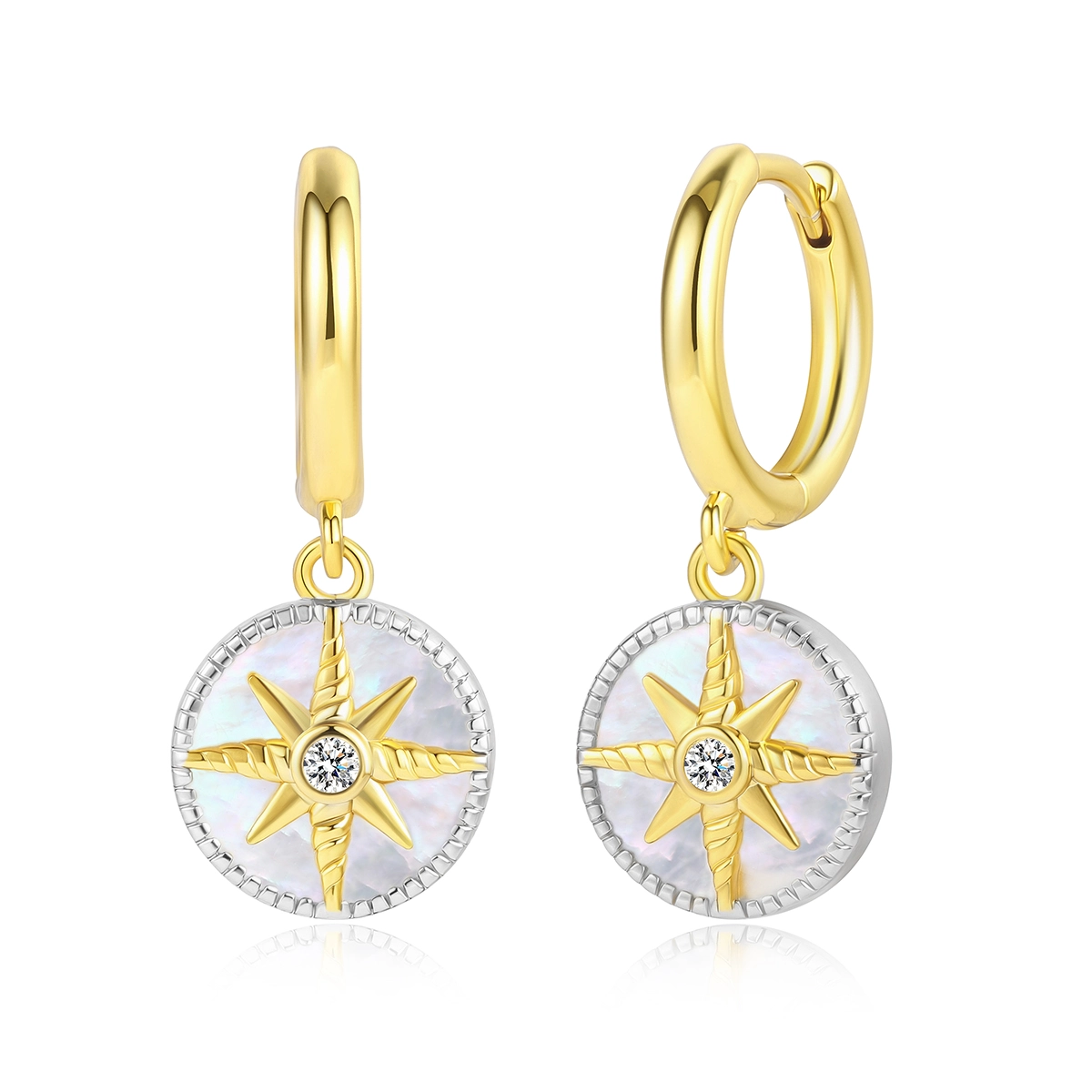
Brass Mother of Pearl Compass Huggie Drop Earrings | 14K 18K Gold Plated Hypoallergenic Jewelry
Read More
925 Silver Jewelry
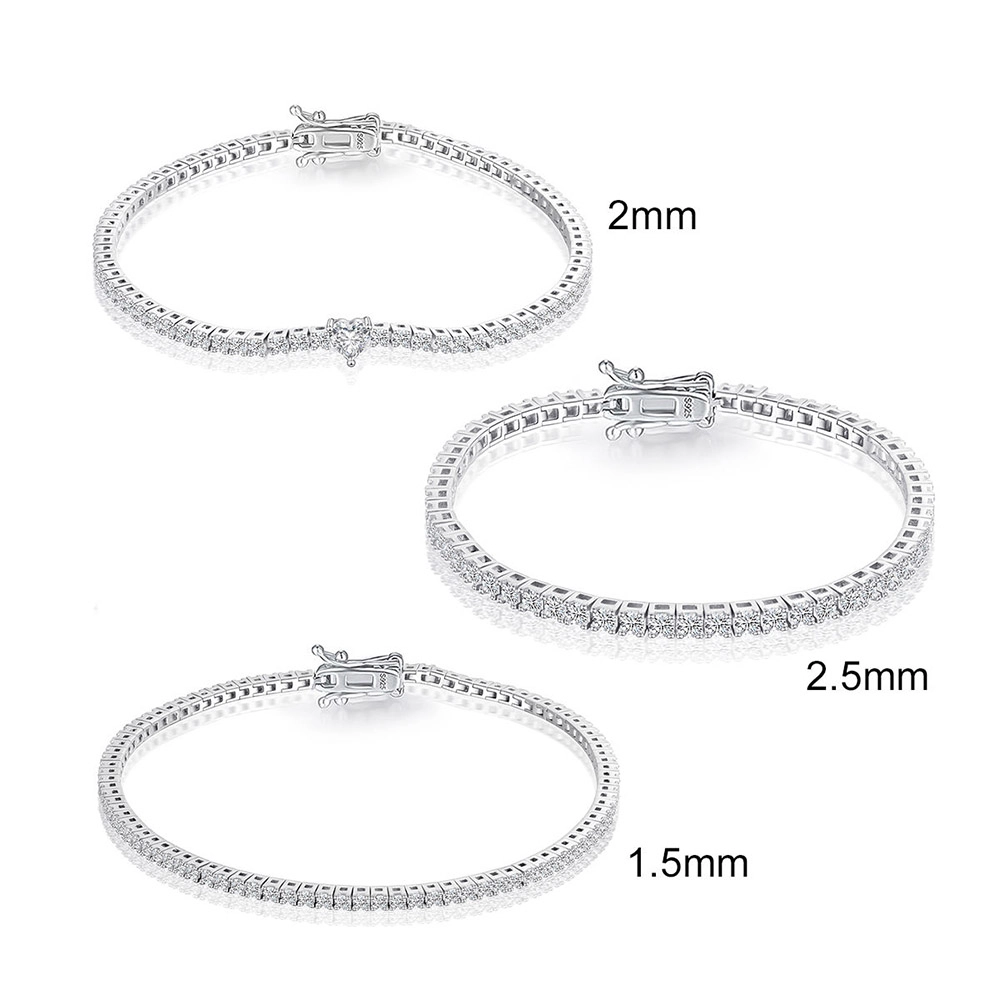
Customizable High-Quality Fashion 925 Sterling Silver AAA Cubic Zirconia Heart-Shaped Open Tennis Bracelet.
Read More
Brass Jewelry
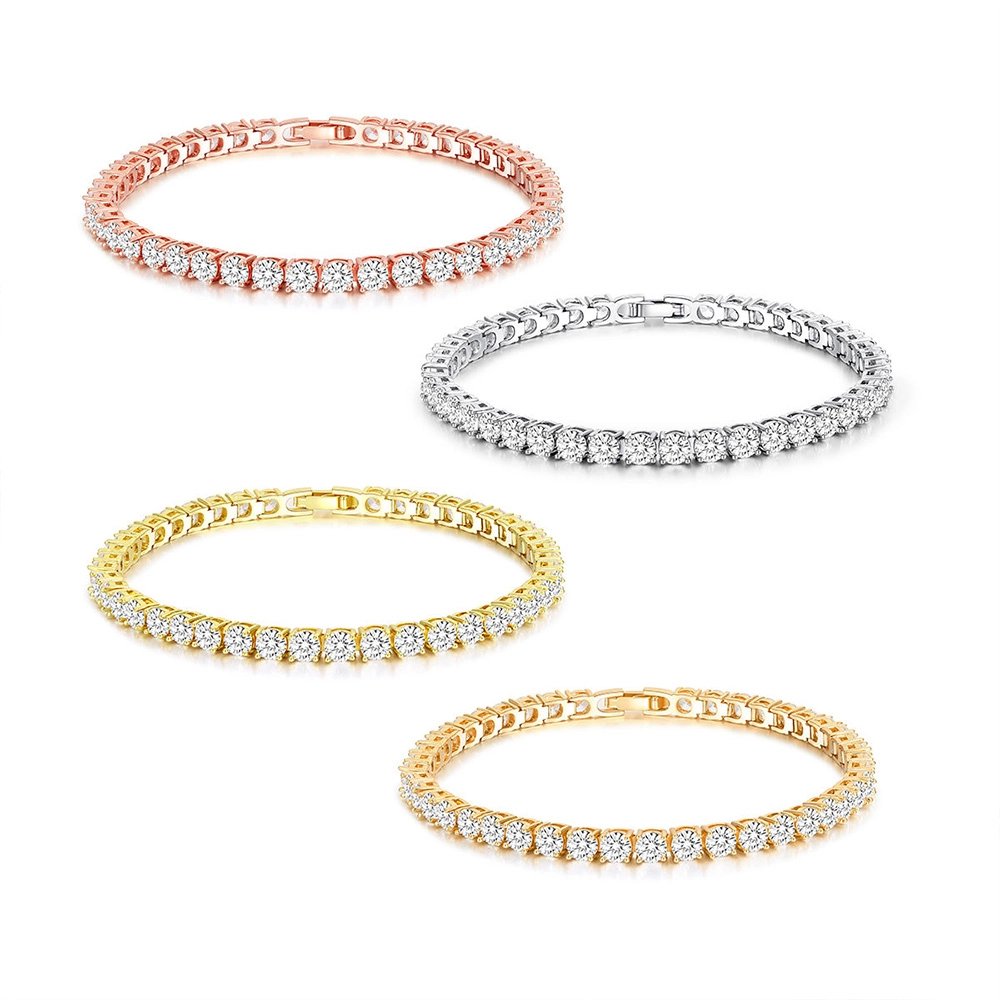
Customizable OEM ODM High-Quality Fashion Brass AAA Cubic Zirconia Classic Tennis Bracelet for Women Wholesale.
Read More
Get a Quote for Private Label Jewelry
We provide personalized jewelry customization services for clients worldwide.
Rest assured that your privacy is important to us, and all information provided will be handled with the utmost confidentiality.
By clicking 'Send Inquiry Now' I agree to ZHEFAN JEWELRY processing my personal data.
To see how to withdraw your consent, how to control your personal data and how we process it, please see our Privacy Policy and Terms of use.
From design to production, ZHEFAN JEWELRY offers a one-stop solution to help you enhance your brand value and market competitiveness.
Get A Quote
Contact
Tel: (+86) 188 1927 7817
© 2026 Zhefan Jewelry. All Rights Reserved.
Facebook
Instagram
YouTube
Whatsapp: +8618819277817