



Email: sales3@zhefanjewelry.com
Sustainable Sourcing of 925 Silver Rings for Retail Buyers
As a jewelry industry consultant with deep experience in ethical sourcing, I walk retail buyers through practical, verifiable steps to source sustainable 925 silver rings: understanding recycled vs mined silver, supplier due diligence, required certifications (REACH/RoHS, RJC), material testing, and how to partner with manufacturers like Guangzhou Zhefan Jewelry for compliant OEM/ODM solutions.
- Why ethical sourcing matters for jewelry retailers
- Consumer expectations and market signals
- Regulatory, reputational and supply risks
- Practical steps to source sustainable 925 silver rings
- 1. Define what “sustainable” means for your assortment
- 2. Supplier due diligence and documentation
- 3. Material verification and laboratory testing
- Comparing sourcing options: recycled vs mined silver
- Environmental and traceability considerations
- Cost, availability and quality trade-offs
- Comparison table: recycled vs mined silver
- Working with manufacturers: what to ask and expect
- Quality control, testing and compliance expectations
- Capacity, lead times and OEM/ODM capabilities
- Contracts, warranties and after-sales support
- How I verify claims and maintain continuous assurance
- Audit cadence and sample testing
- Using industry standards and third-party partners
- Partnering with a factory: why Guangzhou Zhefan Jewelry can be a strategic choice
- Company snapshot and manufacturing DNA
- Production scale, design velocity and compliance
- OEM/ODM services and retail success stories
- Checklist for retail buyers before placing bulk orders
- Frequently Asked Questions (FAQ)
- 1. What exactly is 925 silver and how does it differ from fine silver?
- 2. Can I market my 925 silver rings as sustainable?
- 3. How do I verify recycled silver content?
- 4. What certifications should I ask for from a silver supplier?
- 5. Is recycled silver more expensive?
- 6. How frequently should I test production batches?
- 7. Can a manufacturer support both 925 silver rings and 925 silver necklace production?
I help retail buyers navigate sustainable sourcing for 925 silver rings with practical, verifiable guidance that balances quality, compliance, and consumer demand. This article explains why ethical sourcing matters, how to assess suppliers and materials, what certifications and tests matter, and how to compare recycled and mined silver. I also describe what to ask manufacturers, and why partnering with a reliable factory—such as Guangzhou Zhefan Jewelry—can accelerate responsible product programs and keep your 925 silver necklace and ring assortments on-trend.
Why ethical sourcing matters for jewelry retailers
Consumer expectations and market signals
Today’s jewelry consumers expect transparency and sustainability. Surveys show that a growing segment of buyers are willing to pay a High Quality for responsibly sourced products. For retail buyers, this means the provenance of your 925 silver rings is not a niche concern—it affects shopper trust, conversion rates, and the lifetime value of Zhefan Jewelry. Embedding transparent sourcing into your assortment planning reduces churn and protects pricing power.
Regulatory, reputational and supply risks
Beyond reputation, there are regulatory and operational risks. European Union chemical regulations (REACH) and product directives like RoHS impact material compliance for jewelry sold in major markets. Learn more from the European Chemicals Agency: ECHA (REACH) and EU RoHS guidance: EU RoHS. Additionally, industry initiatives such as the Responsible Jewellery Council (RJC) set expectations for responsible supply chains (Responsible Jewellery Council). Ignoring these frameworks can create blocking issues at customs, costly recalls, and brand damage.
Practical steps to source sustainable 925 silver rings
1. Define what “sustainable” means for your assortment
Sustainability can mean different things: recycled silver content, conflict-free sourcing, low-carbon manufacturing, or chemical compliance. I recommend setting a clear policy before engaging suppliers. For example: ‘‘All 925 silver rings must contain a minimum of 30% recycled silver, meet REACH & RoHS limits, and provide chain-of-custody documentation or third-party assurance where possible.’’ Defining thresholds makes comparisons objective.
2. Supplier due diligence and documentation
Conducting due diligence is about verifying claims. Start with these documents: material test reports (XRF or lab assays), supplier declarations of origin, MSDS, and chain-of-custody records. For mined silver, ask for provenance traceability and certificates aligned with OECD guidance on responsible supply chains: OECD Responsible Minerals Guidance. For recycled silver, request evidence from refiners showing the recycling pathway.
3. Material verification and laboratory testing
On-premise XRF screening gives a rapid, non-destructive check of silver content and alloying elements. For legal and marketing claims (e.g., percent recycled content), rely on accredited laboratory assays (ISO/IEC 17025 labs). When I audit suppliers, I require both in-house screening records and independent lab verification for initial bulk orders.
Comparing sourcing options: recycled vs mined silver
Environmental and traceability considerations
Recycled silver generally offers lower lifecycle environmental impacts and better traceability when sourced from certified refiners. Mined silver requires robust chain-of-custody systems to mitigate risks associated with artisanal and small-scale mining. Industry bodies emphasize that properly certified recycled material reduces social and environmental risk.
Cost, availability and quality trade-offs
Recycled silver can be competitively priced, especially when refinery capacity is high. However, large-scale OEM orders may still rely on a mix of recycled and mined silver to meet volume and alloying specifications. Quality (sterling standard: 92.5% silver) is consistent across sources when alloyed correctly, but surface finishes and impurity profiles may affect polishing behavior and final appearance.
Comparison table: recycled vs mined silver
| Factor | Recycled Silver | Mined Silver |
|---|---|---|
| Traceability | High if from certified refineries; easier documentation | Variable; requires more verification and chain-of-custody |
| Environmental impact | Generally lower lifecycle impact | Higher impact depending on mining methods |
| Cost | Often competitive; depends on scrap availability | Price volatility tied to commodity markets |
| Certifications | Refiner certificates, recycled content documentation | Chain-of-custody, RJC or equivalent |
| Suitability for mass OEM | High for compliant supply chains | High but needs diligent sourcing |
Sources: lifecycle and traceability guidance from the Responsible Jewellery Council and regulatory context from ECHA.
Working with manufacturers: what to ask and expect
Quality control, testing and compliance expectations
When evaluating manufacturers, require documented quality-control procedures: incoming material checks, process controls, polishing and finishing standards, and final product inspections. Ask for compliance evidence: RoHS/REACH declarations and material safety data sheets. It’s also reasonable to request production-run test pieces be independently tested in an ISO/IEC 17025 lab to confirm sterling content and surface contaminant limits.
Capacity, lead times and OEM/ODM capabilities
Ensure the manufacturer’s capacity matches your scale and speed-to-market needs. Ask for lead-time examples, tooling timelines, and minimum order quantities. Strong partners provide both OEM (make to spec) and ODM (design plus manufacturing) options that help you refresh assortments quickly—important when launching seasonal 925 silver necklace or ring collections.
Contracts, warranties and after-sales support
Negotiate warranties that cover material quality and workmanship. Include audit rights for periodic supplier verification. A manufacturer that supports returns, repairs, and clear remediation procedures reduces risk for retailers and end customers.
How I verify claims and maintain continuous assurance
Audit cadence and sample testing
I use a layered approach: document review, on-site factory audits where feasible, in-process sample checks (XRF), and periodic third-party lab testing. Frequency depends on volume and risk—high-volume lines get quarterly checks; smaller or new suppliers may require monthly oversight until confidence is established.
Using industry standards and third-party partners
Standards and reputable third parties reduce subjectivity. ISO 9001 gives a baseline for quality management systems (ISO 9001), while RJC and independent testing labs provide supply-chain credibility. For mineral sourcing guidance, the OECD offers a practical framework.
Partnering with a factory: why Guangzhou Zhefan Jewelry can be a strategic choice
Company snapshot and manufacturing DNA
From my experience working with contract manufacturers across Asia, Guangzhou Zhefan Jewelry stands out for its combination of artisanal skill and structured quality systems. Established formally in 2002 with roots back to 1997, Zhefan was founded by a master mold craftsman—and that lineage shows in precision tooling and finish. They specialize in high-quality 925 silver, brass, and stainless steel jewelry and operate two factories (Guangzhou & Meizhou) covering 800 m² with a team of 80+ skilled artisans and 20 sales professionals.
Production scale, design velocity and compliance
Zhefan provides robust production capacity—supporting a monthly output of 600,000 pieces—and pairs that scale with an agile design engine that launches 500+ new original styles monthly. For retailers, that means fast trend response while maintaining production discipline. What truly differentiates Zhefan is its quality regime: 6 rounds of precision polishing and 6 strict quality inspections, and use of RoHS/REACH-compliant eco-friendly materials—aligning with the compliance steps I recommend earlier.
OEM/ODM services and retail success stories
Unlike basic factories, Zhefan supports end-to-end OEM/ODM solutions—from initial concept and mold making to large-scale production and post-production quality assurance. Their client list includes Amazon top sellers and established retailers, demonstrating they can meet both marketplace speed and retail compliance. If you’re sourcing a High Quality line of 925 silver necklace pendants or ring collections, Zhefan’s combination of craftsmanship, inspection rigor, and production velocity can reduce your time-to-market while supporting sustainability claims.
Contact details and product focus: Guangzhou Zhefan Jewelry manufactures Stainless Steel Jewelry, Brass Jewelry, and 925 silver jewelry—built on craftsmanship and consistent quality. Visit: https://www.zhefanjewelry.com/ or email sales3@zhefanjewelry.com to discuss OEM/ODM projects and sustainability requirements.
Checklist for retail buyers before placing bulk orders
- Written sourcing policy (recycled content, compliance, traceability thresholds).
- Material documentation: XRF records, lab assays, refiner certificates.
- Supplier compliance: REACH/RoHS declarations, MSDS, and audit reports.
- Quality control plan: incoming inspection, in-process checks, final inspections.
- Warranty and remediation clauses in contract.
- Third-party verification cadence (e.g., quarterly lab tests, annual supplier audits).
Frequently Asked Questions (FAQ)
1. What exactly is 925 silver and how does it differ from fine silver?
925 silver or sterling silver is an alloy containing 92.5% silver and 7.5% other metals (usually copper) to improve strength and durability. Fine silver is 99.9% pure silver and is softer, so it’s less suitable for rings and everyday jewelry. See the technical overview on Sterling silver.
2. Can I market my 925 silver rings as sustainable?
Yes—but you need evidence. Sustainable claims should be backed by documentation: recycled-content certificates, refiner documentation, or supplier chain-of-custody records. Avoid vague statements; specify the basis of your claim (e.g., contains 30% certified recycled silver).
3. How do I verify recycled silver content?
Recycled content is usually evidenced by refiner statements and associated documentation. Independent lab testing can confirm alloy composition, but recycled percent often requires traceability documents from the refiner or a recognized certification scheme.
4. What certifications should I ask for from a silver supplier?
Request REACH and RoHS compliance declarations, MSDS, refiner certificates (if recycled), and any RJC or equivalent supply-chain certifications. For quality systems, ISO 9001 certification is advantageous.
5. Is recycled silver more expensive?
Not necessarily. Recycled silver can be price-competitive, depending on scrap availability and refinery margins. The key trade-off is ensuring credible documentation and potential High Qualitys for verified recycled content.
6. How frequently should I test production batches?
For established, low-risk suppliers, quarterly sample testing may be sufficient. For new suppliers or high-risk SKUs, I recommend monthly testing until consistent results are established. Always perform random incoming material checks per shipment.
7. Can a manufacturer support both 925 silver rings and 925 silver necklace production?
Yes. Most competent manufacturers that work with sterling silver produce both rings and necklaces; ensure tooling expertise and finishing processes are documented for both product types.
If you have more specific needs—volume projections, design files, or compliance thresholds—I can help you design a sourcing checklist or evaluate supplier proposals directly.
Ready to evaluate suppliers or request samples? Contact Guangzhou Zhefan Jewelry to discuss OEM/ODM production, sustainable material sourcing, and compliance workflows. Visit https://www.zhefanjewelry.com/ or email sales3@zhefanjewelry.com to get started. I’m available to review supplier documentation or help design verification plans that protect Zhefan Jewelry and customers.
Tags
brass tennis bracelet OEM custom
brass tennis bracelet OEM custom
925 sterling silver bracelets wholesale
925 sterling silver bracelets wholesale
brass rings jewelry
brass rings jewelry
brass disc earrings
brass disc earrings
mens brass rings
mens brass rings
925 sterling silver bracelets men's
925 sterling silver bracelets men's
Recommended for you
Custom stainless steel rosary necklace Manufacturers and Suppliers
Private Label 925 Silver Rings: Branding and Packaging Tips
Wholesale 925 silver necklace manufacturer and supplier
Top 10 925 silver cross necklace Manufacturers and Supplier Brands in China
Prdoucts Categories
Question you may concern
FAQs
What’s the shipment method?How long does it take for delivery?
Our product distributed to all over the world. Shipped by DHL/Fedex/ TNT/UPS takes 3-7 days,Epacket takes 7-15 days, China Post takes 15-30 days.
Can you engrave my logo on the jewelry ?Do you supply OEM/ODM service?
Yes. Custom logo and OEM/ODM are both accepted. Our factory specializes in jewelry manufacturing for 27 years.We can produce jewelry by your sample, design, pictures, even by an idea.Please feel free to contact us for more details. Custom order process:Inquiry-Confirm products details-Pay mold fee -Confirm CAD draft-Quote-Initial payment-Produce mold&sample-Confirm Sample-Mass production-Balance payment-Shipment-Track shipment-delivery.
Can I see your product test report?
Of course.Our product throught standar test like SGS.We test in many ways of product.
What’s the lead time? .
We could arrange shipment for you within 48 hours if you order models in stock. For bulk order, it
takes 10-25 days for production depending on order quantity and styles.
Products
What is your minimum order quantity?
We offer low MOQ from 2 to 30 depending on models. Send your favor model to get details from Trade Manager.
You may also like
925 Silver Jewelry
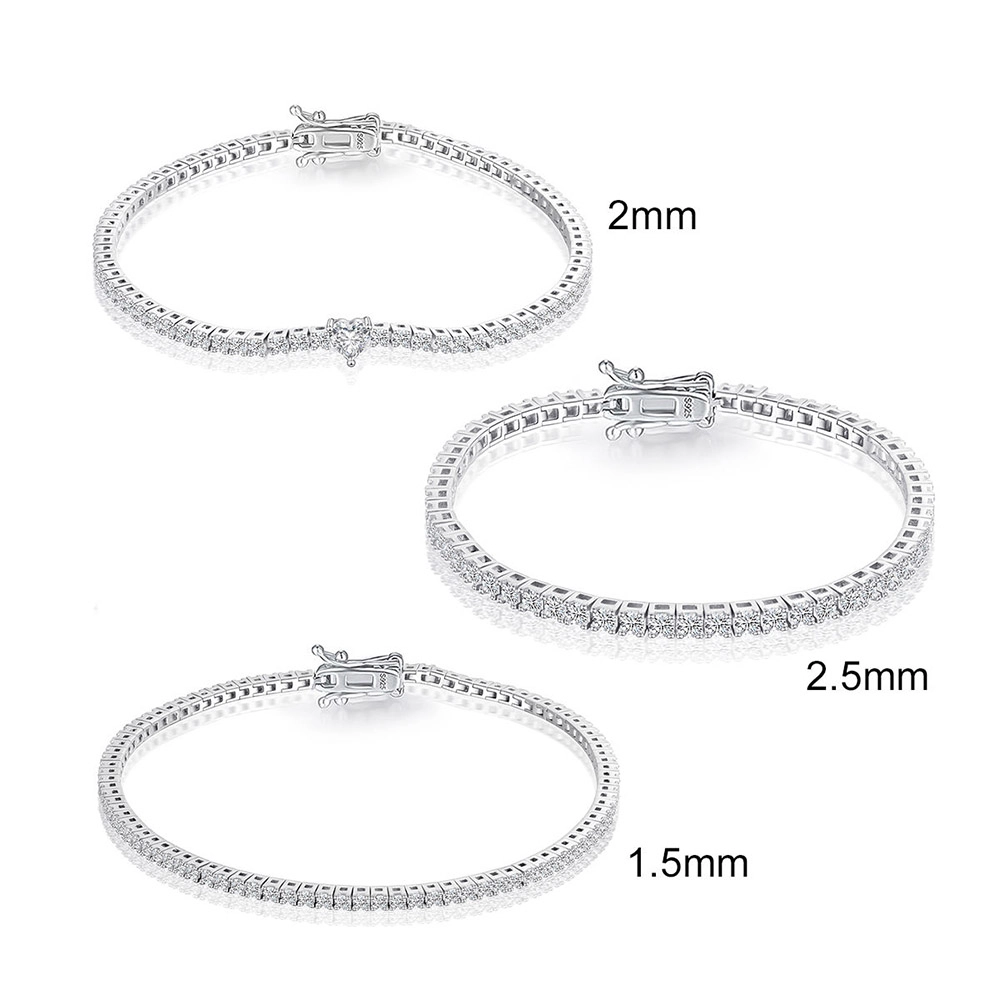
Customizable High-Quality Fashion 925 Sterling Silver AAA Cubic Zirconia Heart-Shaped Open Tennis Bracelet.
Read More
Brass Jewelry
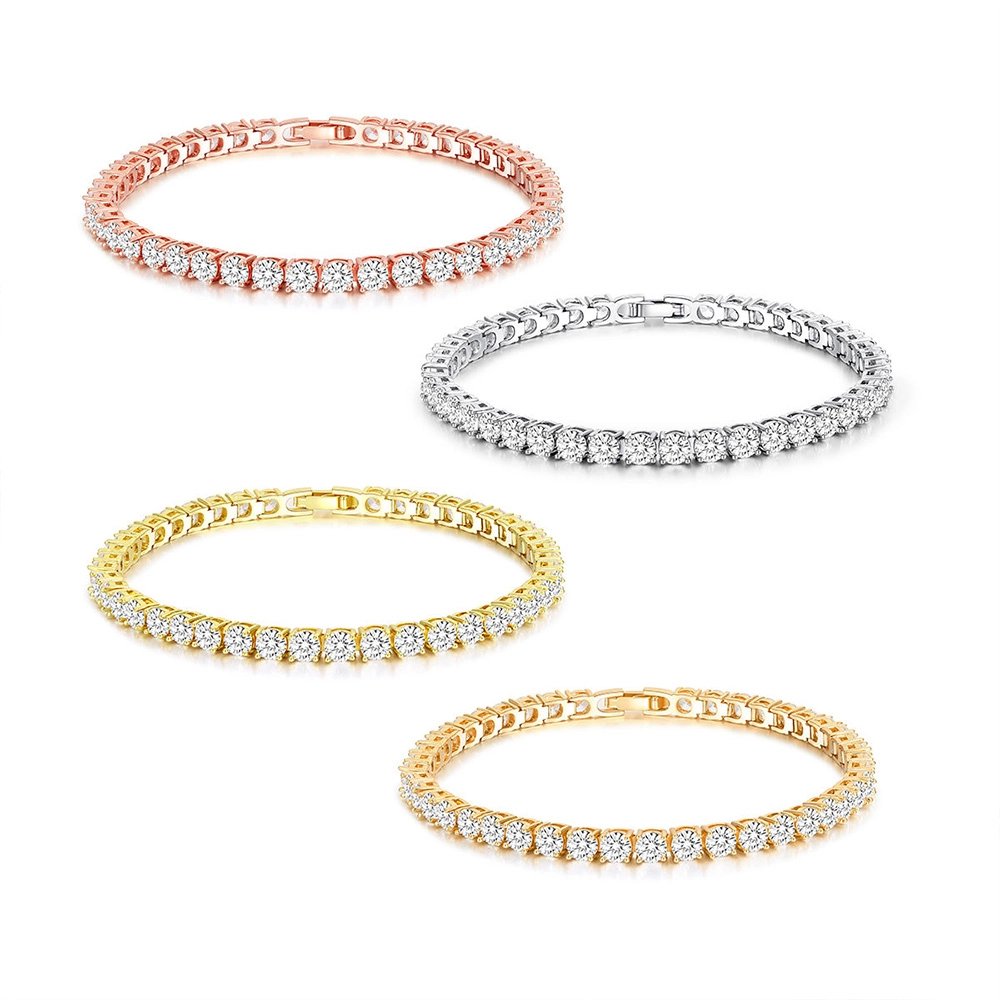
Customizable OEM ODM High-Quality Fashion Brass AAA Cubic Zirconia Classic Tennis Bracelet for Women Wholesale.
Read More
925 Silver Jewelry
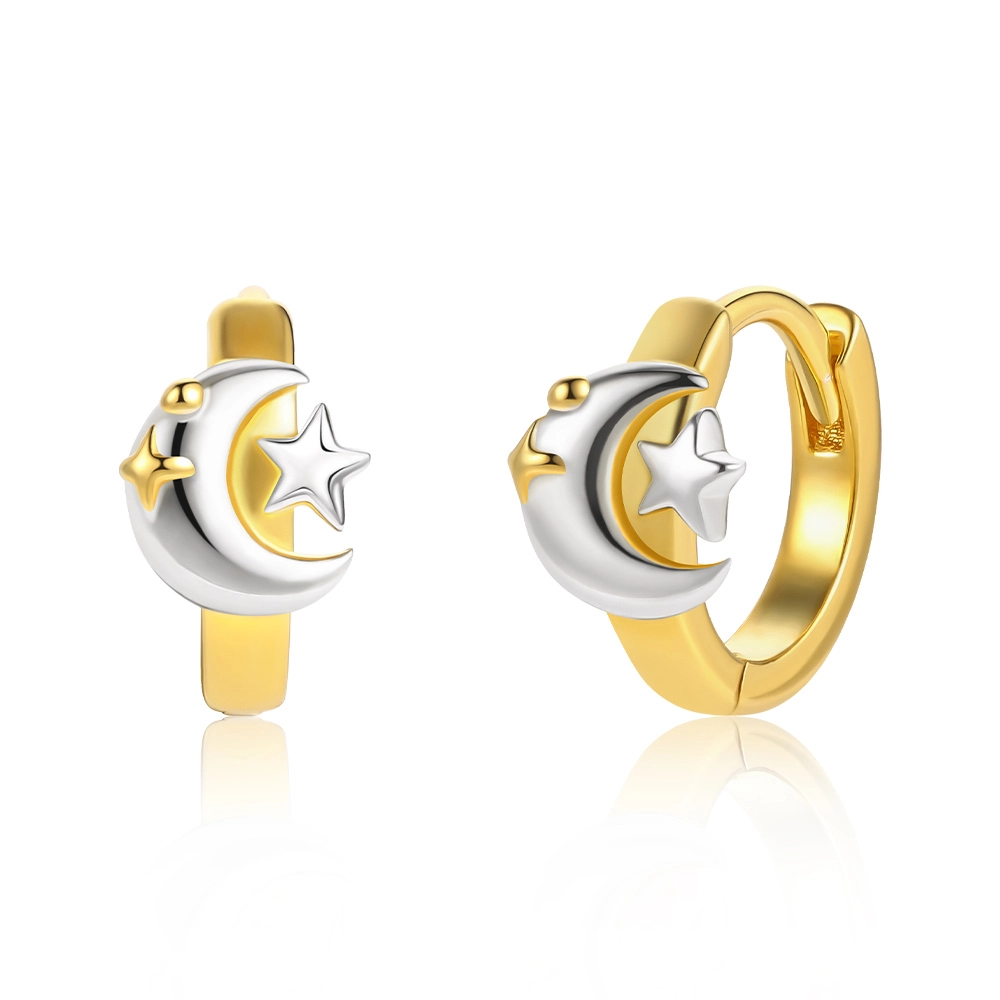
Customizable High-Quality Fashion 925 Sterling Silver AAA Cubic Zirconia Hoop Earrings for Women Wholesale.
Read More
Get a Quote for Private Label Jewelry
We provide personalized jewelry customization services for clients worldwide.
Rest assured that your privacy is important to us, and all information provided will be handled with the utmost confidentiality.
By clicking 'Send Inquiry Now' I agree to ZHEFAN JEWELRY processing my personal data.
To see how to withdraw your consent, how to control your personal data and how we process it, please see our Privacy Policy and Terms of use.
From design to production, ZHEFAN JEWELRY offers a one-stop solution to help you enhance your brand value and market competitiveness.
Get A Quote
Contact
Tel: (+86) 188 1927 7817
© 2026 Zhefan Jewelry. All Rights Reserved.
Facebook
Instagram
YouTube
Whatsapp: +8618819277817