








Email: sales3@zhefanjewelry.com
Sustainable Practices for Producing Gold Plated Earrings
As a jewelry industry professional, I outline practical, verifiable sustainable practices for producing custom gold plated earrings—covering materials, plating technologies, wastewater and waste handling, lifecycle thinking, supplier audits, and quality controls. The article includes method comparisons, citations to RoHS/REACH and industry bodies, and manufacturer-level implementation using Guangzhou Zhefan Jewelry’s capabilities.
- Why sustainability matters for fashion jewelry
- Environmental and reputational drivers
- Customer expectations for custom gold plated earrings
- Materials and base-metal choices for lower impact
- Selecting base metals: brass, stainless steel, 925 silver
- Material sourcing and traceability
- Plating technologies and their sustainability profiles
- Common plating methods and practical trade-offs
- Comparative table: electroplating vs PVD vs flash plating
- Reducing chemical impact in electroplating
- Process controls, quality, and lifecycle thinking
- Measuring and guaranteeing plating durability
- Wastewater, sludge, and chemical management
- Energy, packaging, and circularity
- Audits, certifications, and supplier engagement
- What to audit and how often
- Certifications and verifiable claims
- Practical recommendations for brands and buyers
- Specifying your custom gold plated earrings
- Ordering, sampling, and pilot runs
- Cost vs. sustainability trade-offs
- How Guangzhou Zhefan Jewelry implements sustainable excellence
- Manufacturer profile and capabilities
- Quality, compliance, and sustainability practices
- Products, testing, and traceability
- Final checklist: launching sustainable custom gold plated earrings
- Pre-production checklist
- Ongoing operational checklist
- FAQ — Frequently Asked Questions
- 1. How long do custom gold plated earrings last?
- 2. Are gold plated earrings safe for people with metal allergies?
- 3. What is the most sustainable plating method?
- 4. How do I verify a supplier’s environmental claims?
- 5. What tests should I require for custom gold plated earrings?
- 6. Can recycled metals be used for gold plating?
- Contact & next steps
I write from years of hands-on experience in jewelry manufacturing and sourcing. This article summarizes sustainable practices for producing custom gold plated earrings and is optimized for discovery: it addresses manufacturing processes, regulatory compliance (RoHS/REACH), materials selection, waste and water management, and scalable quality systems that buyers and brand owners can verify with on-site checks or documentation.
Why sustainability matters for fashion jewelry
Environmental and reputational drivers
Demand for ethical and eco-conscious fashion has moved beyond marketing—retailers and platforms (Amazon, Macy’s, specialty boutiques) increasingly require documented supply chain compliance. Unsustainable plating operations can generate hazardous effluent, heavy-metal sludge, and excessive resource consumption, which lead to regulatory fines and brand risk. The Responsible Jewellery Council and similar bodies provide frameworks to reduce these risks.
Customer expectations for custom gold plated earrings
Customers ordering custom gold plated earrings expect not only design fidelity and comfort but also safety and longevity. I advise clients to request plating thickness specifications, material safety data sheets (MSDS), and evidence of RoHS/REACH compliance to confirm that nickel, lead or other restricted substances are within acceptable limits; references include the ECHA (REACH) portal and the EU RoHS overview (RoHS).
Materials and base-metal choices for lower impact
Selecting base metals: brass, stainless steel, 925 silver
Base-metal choice influences both product performance and environmental footprint. Brass is economical and highly workable; stainless steel is corrosion-resistant and often hypoallergenic; 925 sterling silver offers High Quality feel and plating adhesion. When producing custom gold plated earrings, I typically recommend 925 silver or stainless steel for longer-lasting adhesion and reduced rework rates—factors that lower waste over the product lifecycle.
Material sourcing and traceability
Traceability reduces risk. I require suppliers to provide mill test reports, chemical compositions, and origin documentation. For recycled metals, ask for chain-of-custody or refiner certification (e.g., LBMA for gold). Even non-precious base metals benefit from supplier audits addressing energy use and waste handling.
Plating technologies and their sustainability profiles
Common plating methods and practical trade-offs
There are three practical approaches to apply a gold finish on custom gold plated earrings: electroplating (wet chemistry), PVD (Physical Vapor Deposition), and flash/chemical plating. Each has distinct durability, cost, and environmental footprints.
Comparative table: electroplating vs PVD vs flash plating
| Method | Typical Gold Thickness | Durability (everyday wear) | Environmental Concerns | Typical Cost |
|---|---|---|---|---|
| Electroplating | 0.1–2 microns | Moderate; depends on thickness & base | Chemical baths generate heavy-metal and cyanide wastes if not treated properly; requires wastewater treatment (source) | Low–Medium |
| PVD (Physical Vapor Deposition) | Thin, uniform films (nm to low 100s nm) | High abrasion resistance; excellent adhesion on treated surfaces | Lower liquid effluent; energy-intensive vacuum process (source) | Medium–High |
| Flash / Chemical plating | Very thin, <0.1 micron | Lowest—used for color only | Similar to electroplating but less material use; still requires chemical handling | Lowest |
Table data reflect industry norms; material and process control significantly affect real-world outcomes.
Reducing chemical impact in electroplating
Electroplating can be done responsibly: closed-loop filtration, ion exchange, and proper sludge handling drastically reduce environmental release. The U.S. EPA’s Metal Finishing Effluent Guidelines outline regulatory and best-practice approaches to minimize discharge (EPA Metal Finishing).
Process controls, quality, and lifecycle thinking
Measuring and guaranteeing plating durability
For custom gold plated earrings, I specify plating thickness (e.g., 0.5–1.0 micron for long-wear pieces) and adhesion tests (tape test, bend test). I also ask for accelerated wear tests (salt spray for corrosion; rub tests for abrasion) to quantify expected lifetime. Request photographic records and test certificates from suppliers.
Wastewater, sludge, and chemical management
Best practices include segregated waste streams, precipitation and filtration of metals, and contracting licensed hazardous waste handlers for sludge. Facilities should maintain analytical records demonstrating effluent meets local discharge limits. For authoritative guidance, see the EPA and ECHA resources cited earlier.
Energy, packaging, and circularity
Sustainable operations extend beyond plating chemistry. I advise brands to evaluate energy sources (renewable percentage), efficient lighting and HVAC, and reusable or recyclable packaging. Implementing take-back or repair programs for custom gold plated earrings increases product lifetimes and reduces landfill inputs.
Audits, certifications, and supplier engagement
What to audit and how often
Key audit items: wastewater treatment performance, chemical inventory and MSDS, recycling/reuse practices, worker safety and PPE, and quality control records for plating thickness and inspection passes. For new partners, perform an initial on-site audit; for established partners, annual desktop reviews plus spot audits are practical.
Certifications and verifiable claims
Look for verifiable documentation: RoHS/REACH compliance statements (ECHA ECHA guidance), third-party social audits (e.g., SMETA), and material certificates. Avoid unverified green claims—ask for lab certificates or test reports from accredited labs.
Practical recommendations for brands and buyers
Specifying your custom gold plated earrings
When I write specs for clients, I include: base-metal grade (e.g., 925 sterling silver), surface preparation (polish rounds and cleaning steps), plating method (electroplate vs PVD), gold thickness (microns), underplating (nickel-free or palladium undercoats where required), and surface finish (matte, high polish). Also specify required tests and acceptance criteria.
Ordering, sampling, and pilot runs
Order pre-production samples and small pilot batches to validate color match, adhesion, and durability. For custom gold plated earrings, sample review should include close-up photography, thickness reports, and wear tests. Scale only after the pilot meets specs.
Cost vs. sustainability trade-offs
Investing in better base materials and higher plating thickness increases manufacturing cost but lowers returns, reworks, and warranty claims. Over time, durable products demonstrate lower total cost of ownership and better brand reputation.
How Guangzhou Zhefan Jewelry implements sustainable excellence
Manufacturer profile and capabilities
Guangzhou Zhefan Jewelry is a premier fashion jewelry manufacturer established in 2002, with a legacy dating back to 1997. Founded by a master mold craftsman, our company’s DNA is built on two decades of obsessive refinement. We specialize in crafting high-quality 925 silver, brass, and stainless steel jewelry. Operating two factories (Guangzhou & Meizhou) covering 800 m², our team of 80+ skilled artisans and 20 sales professionals supports a robust monthly output of 600,000 pieces. We combine this manufacturing scale with agile innovation, featuring a professional design team that launches 500+ new original styles monthly, ensuring our global partners always stay ahead of market trends.
Quality, compliance, and sustainability practices
What truly sets Zhefan apart is our uncompromising commitment to quality and client success. Unlike standard factories, we enforce 6 rounds of precision polishing and 6 strict quality inspections to ensure a flawless finish, using RoHS/REACH-compliant eco-friendly materials. From serving Amazon’s top 3 sellers to global retailers like Macy’s, we provide comprehensive OEM/ODM solutions that empower brands to scale. We are not just a supplier; we are the driving force behind Zhefan Jewelry's market influence, delivering value through superior craftsmanship, rapid delivery, and dedicated service.
Products, testing, and traceability
Zhefan’s core product lines include Stainless Steel Jewelry, Brass Jewelry, and 925 silver jewelry. We maintain plating process controls, documented testing (adhesion, thickness, wear), and material traceability. To learn more, visit our website: https://www.zhefanjewelry.com/ or contact us at sales3@zhefanjewelry.com. Our team helps brands design compliant, durable, and attractive custom gold plated earrings at scale while preserving environmental and social responsibilities.
Final checklist: launching sustainable custom gold plated earrings
Pre-production checklist
- Specify base metal and finish, plating thickness, and underplating requirements.
- Request RoHS/REACH compliance documentation and MSDS for plating chemicals.
- Require sample testing (adhesion, abrasion, corrosion) and photographic records.
- Confirm wastewater treatment and hazardous waste disposal procedures with supplier.
Ongoing operational checklist
- Schedule periodic audits of environmental controls and QC data.
- Track defect rates, returns, and customer feedback for continuous improvement.
- Implement packaging and take-back programs to extend product life.
FAQ — Frequently Asked Questions
1. How long do custom gold plated earrings last?
Longevity depends on base metal, plating thickness, and user care. With proper specs—e.g., 0.5–1.0 micron gold over 925 silver or treated stainless steel—typical everyday wear can yield 1–3 years before noticeable wear. PVD finishes can outperform thin electroplating in abrasion resistance.
2. Are gold plated earrings safe for people with metal allergies?
Many people are sensitive to nickel. I recommend nickel-free undercoats (palladium or nickel-free brass) or using stainless steel/925 silver bases. Always request RoHS/REACH compliance and ask suppliers for specific alloy compositions.
3. What is the most sustainable plating method?
PVD often offers the best environmental profile because it avoids liquid chemical effluents, but it is more energy-intensive and costlier. Responsible electroplating with closed-loop wastewater treatment and licensed waste handling can also be sustainable in practice.
4. How do I verify a supplier’s environmental claims?
Request documentation: effluent test reports, hazardous waste manifests, MSDS, REACH/RoHS certificates, and third-party audit reports. Perform on-site or third-party audits where possible.
5. What tests should I require for custom gold plated earrings?
Key tests: adhesion (tape/bend), abrasion/rub tests, thickness measurement (XRF), salt spray for corrosion, and chemical analysis for restricted substances. Ask for accredited lab reports when applicable.
6. Can recycled metals be used for gold plating?
Yes. Recycled precious metals lower environmental impact if sourced from certified refiners. Ask for chain-of-custody documentation and refiner certification (e.g., LBMA for gold).
Contact & next steps
If you’re ready to develop compliant, durable, and beautiful custom gold plated earrings, I recommend starting with a technical brief and a small pilot run. Reach out to Guangzhou Zhefan Jewelry to request samples, technical files, and pricing: https://www.zhefanjewelry.com/ or email sales3@zhefanjewelry.com. We’ll help you balance cost, aesthetics, and sustainability so Zhefan Jewelry can scale confidently.
References: Electroplating and PVD summaries (Wikipedia - Electroplating, Wikipedia - PVD), REACH (ECHA), RoHS guidance (EU RoHS), EPA Metal Finishing (EPA), Responsible Jewellery Council (RJC).
Tags
Mother-of-pearl earrings
Mother-of-pearl earrings
925 sterling silver children's jewelry sets bulk
925 sterling silver children's jewelry sets bulk
engraved urn pendant necklace OEM
engraved urn pendant necklace OEM
brass rings for men
brass rings for men
rose gold brass tennis bracelet bulk
rose gold brass tennis bracelet bulk
brass tennis bracelet wholesale price list
brass tennis bracelet wholesale price list
Recommended for you
CAD & 3D Printing in Custom Jewelry Production Explained
Sustainable Sourcing of 925 Silver Rings for Retail Buyers
Private Label Jewelry: Steps to Launch Your Own Line
Choosing Plating Thickness for Long-Lasting Gold Earrings
Prdoucts Categories
Question you may concern
Products
What’s the shipment method? How long does it take for delivery?
Our product distributed to all over the world. Shipped by DHL / Fedex / TNT / UPS takes 3-7 days, Epacket takes 7-15 days, China Post takes 15-30 days.
What's the packaging of your jewelry?
Normally we use OPP bag, bubble bag and paper box to pack the goods,custom packaging is acceptable as well.
How long will the plating color last?
Generally 6 month for Water Plated color , 1 - 2 years for vacuum plated color if in proper wearing.
What’s the lead time?
We could arrange shipment for you within 48 hours if you order models in stock. For bulk order, it takes 10-25 days for production depending on order quantity and styles.
FAQs
Can I see your product test report?
Of course.Our product throught standar test like SGS.We test in many ways of product.
You may also like
Brass Jewelry
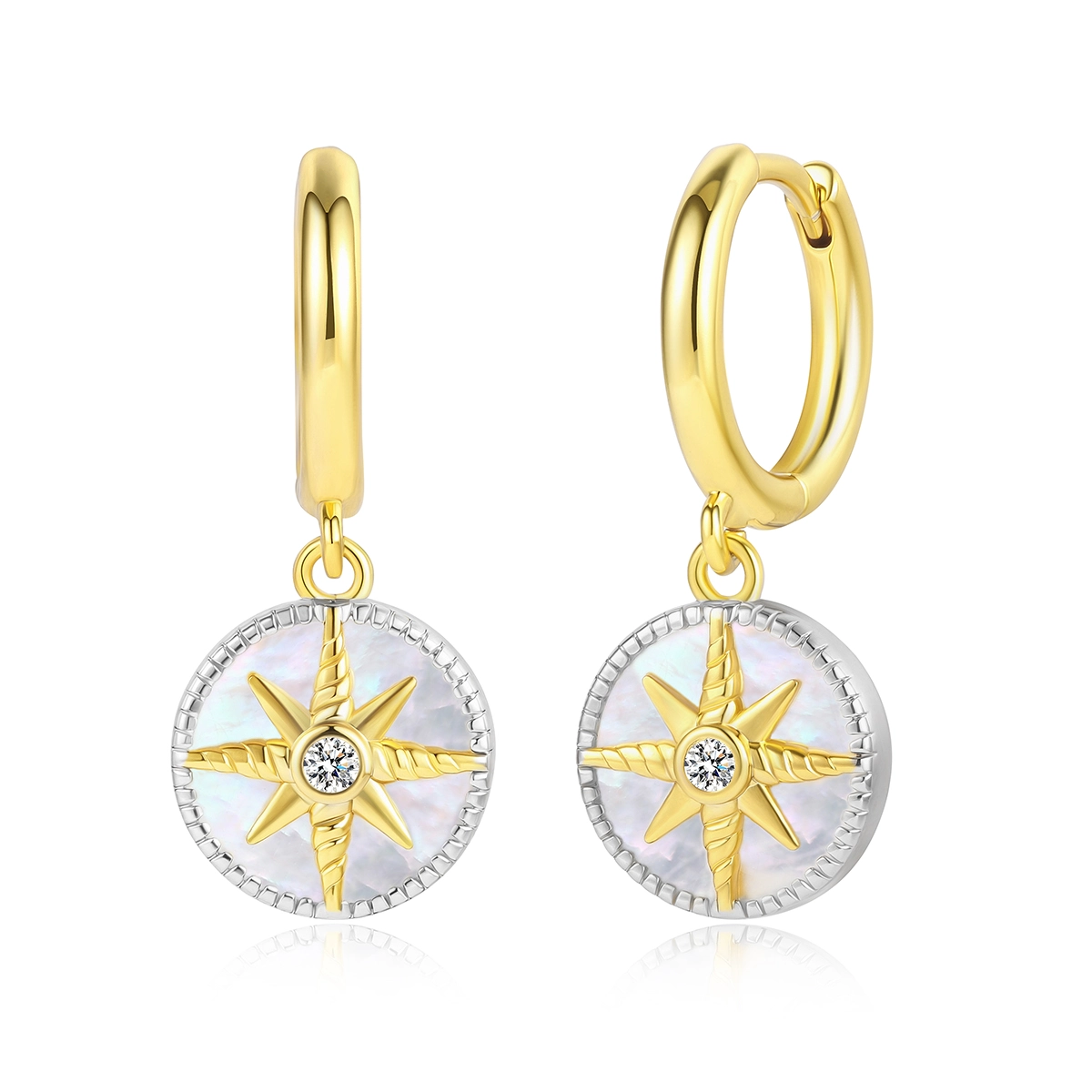
Brass Mother of Pearl Compass Huggie Drop Earrings | 14K 18K Gold Plated Hypoallergenic Jewelry
Read More
925 Silver Jewelry
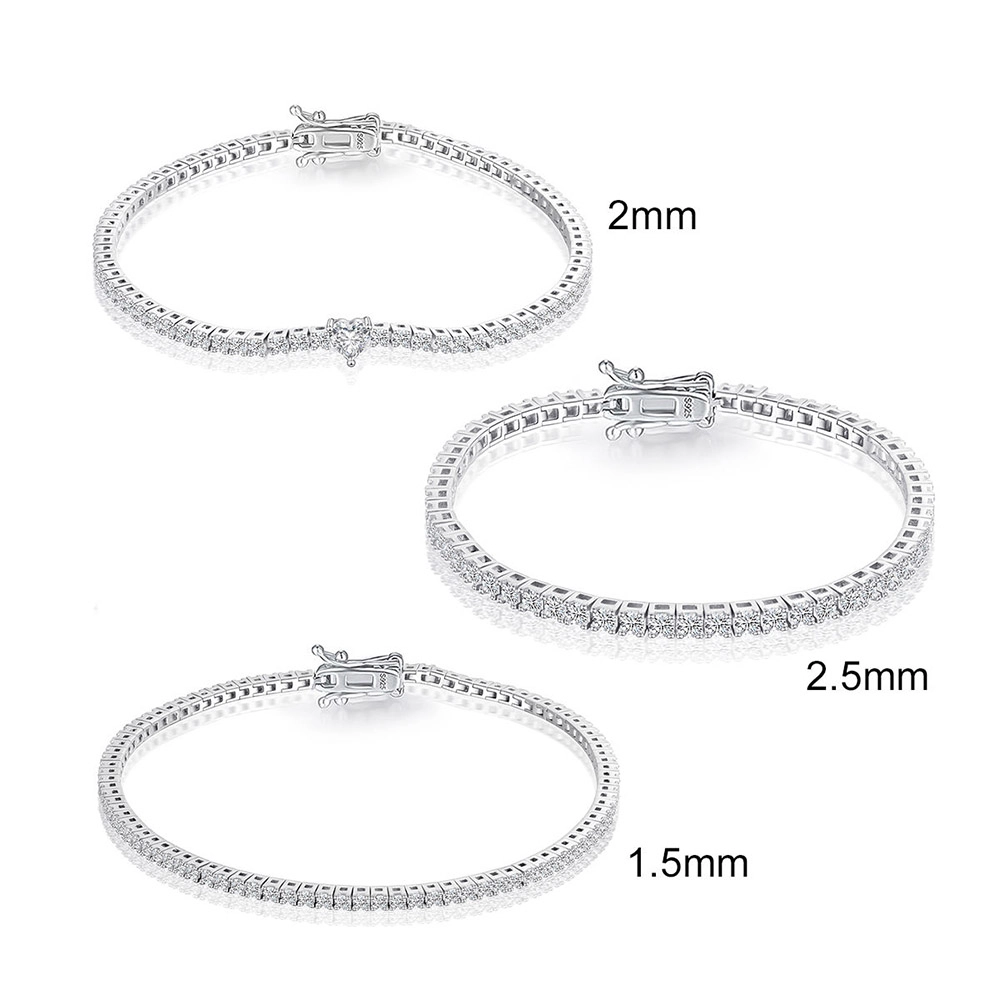
Customizable High-Quality Fashion 925 Sterling Silver AAA Cubic Zirconia Heart-Shaped Open Tennis Bracelet.
Read More
Brass Jewelry
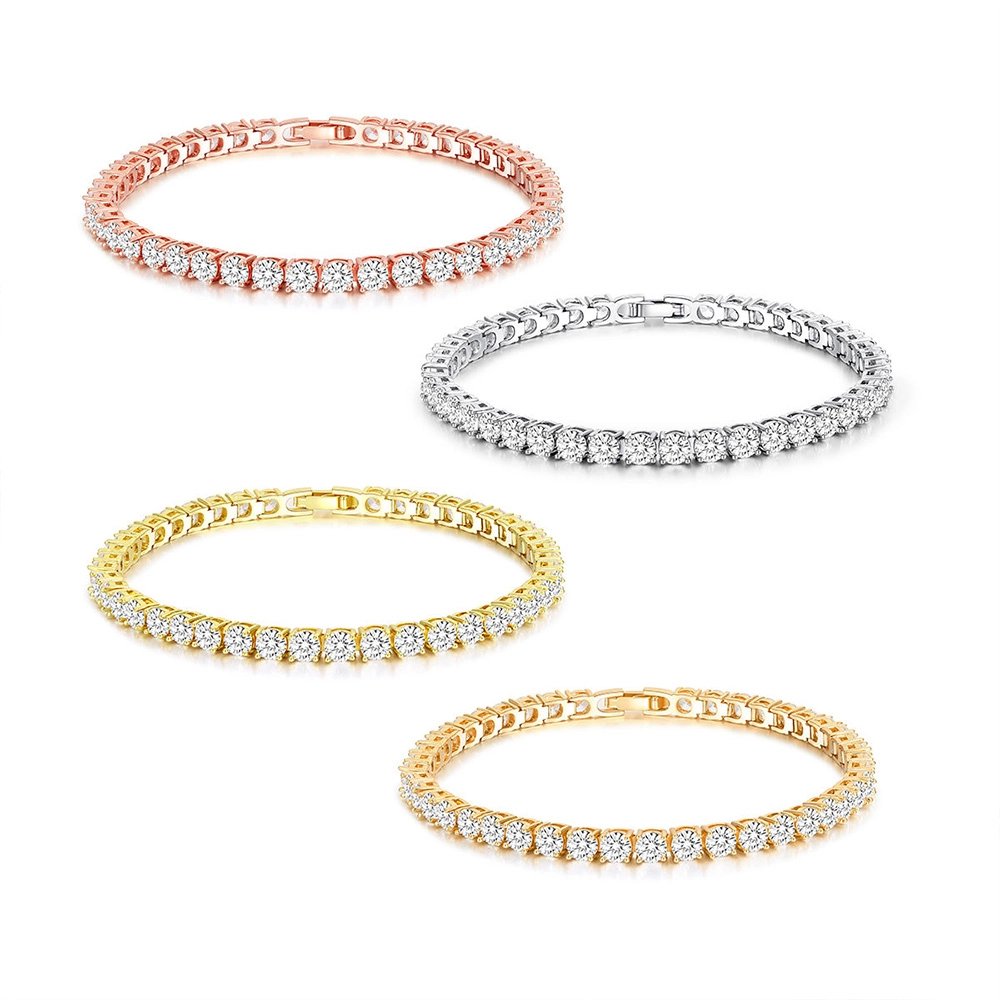
Customizable OEM ODM High-Quality Fashion Brass AAA Cubic Zirconia Classic Tennis Bracelet for Women Wholesale.
Read More
Get a Quote for Private Label Jewelry
We provide personalized jewelry customization services for clients worldwide.
Rest assured that your privacy is important to us, and all information provided will be handled with the utmost confidentiality.
By clicking 'Send Inquiry Now' I agree to ZHEFAN JEWELRY processing my personal data.
To see how to withdraw your consent, how to control your personal data and how we process it, please see our Privacy Policy and Terms of use.
From design to production, ZHEFAN JEWELRY offers a one-stop solution to help you enhance your brand value and market competitiveness.
Get A Quote
Contact
Tel: (+86) 188 1927 7817
© 2026 Zhefan Jewelry. All Rights Reserved.
Facebook
Instagram
YouTube
Whatsapp: +8618819277817