






Email: sales3@zhefanjewelry.com
Supplier Audits for Mother of Pearl Stud Earrings
I explain practical, standards-based approaches to supplier audits for mother of pearl stud earrings—covering quality, ethical sourcing, traceability, testing protocols (nacre durability, plating, posts), and how to evaluate vendors. I also outline audit checklists, compare audit types, and show how a manufacturing partner like Guangzhou Zhefan Jewelry applies rigorous inspections and eco-compliant materials to scale reliable, compliant production.
- Why supplier audits matter in jewelry supply chains
- Protecting brand integrity and consumer safety
- Regulatory and standards context
- Supplier audits as risk management
- Technical and quality checks specific to mother of pearl stud earrings
- Material verification: nacre quality and origin
- Mechanical durability: bonding, setting, and mounting
- Surface finishes and plating integrity
- Conducting effective supplier audits: process, checklists and tools
- Audit types and when to use them
- Practical audit checklist for mother of pearl stud earrings
- Tools and data evidence I rely on
- Comparing audit types and expected deliverables
- Audit deliverables and KPIs
- Audit frequency and sample sizes
- Audit type comparison table
- Partnering with a manufacturer: applying audits in real-world sourcing
- What I expect from a reliable factory partner
- Case example: Guangzhou Zhefan Jewelry—why scale and precision matter
- How I incorporate a manufacturer's QA into my audits
- Closing recommendations and next steps
- Prioritize audits based on risk and volume
- Create auditable supplier scorecards
- Invest in relationships and supplier development
- Frequently Asked Questions (FAQ)
- 1. What specific tests should I require for mother of pearl inlays?
- 2. How do I verify that a supplier’s nacre is ethically sourced?
- 3. Are mother of pearl stud earrings likely to cause skin allergies?
- 4. How often should I re-audit a long-term supplier?
- 5. Can audits be performed remotely?
- 6. What red flags should trigger an immediate supplier suspension?
- Contact and how I can help
I audit suppliers of mother of pearl stud earrings with the same discipline I would expect from a buyer: clear traceability, repeatable testing, and verifiable compliance. In this article I summarize actionable steps for performing supplier audits that reduce product failures, protect brand reputation, and ensure regulatory and ethical compliance for nacre (mother of pearl) inlays set in 925 silver, brass, or stainless steel.
Why supplier audits matter in jewelry supply chains
Protecting brand integrity and consumer safety
As a jewelry professional, I have seen how quickly a single batch of poorly made mother of pearl stud earrings can damage a brand: peeling nacre, plated finishes that tarnish, nickel release causing allergic reactions, or even lead contamination. Supplier audits are the primary mechanism to catch systemic issues before they hit the market. They combine documentation review, product testing, and on-site verification to reduce recalls and negative reviews.
Regulatory and standards context
Manufacturers must meet multiple regulatory and voluntary standards: product safety limits (e.g., nickel release), chemical restrictions like RoHS and REACH, and quality systems such as ISO 9001. For responsible sourcing in the jewelry sector, the Responsible Jewellery Council (RJC) and platforms like SEDEX influence audit protocols and supplier expectations.
Supplier audits as risk management
I view audits as risk-identification tools. They quantify risks across material sourcing (shell origin, potential dyes or stabilizers in nacre), workmanship (secure setting of nacre cabochons), and supply chain compliance (worker welfare, chemical management). The audit outputs—non-conformance lists, CAPAs (corrective action plans), and verification visits—are what convert a supplier from an unknown variable into a predictable partner.
Technical and quality checks specific to mother of pearl stud earrings
Material verification: nacre quality and origin
Mother of pearl (nacre) varies in thickness, layering, and color depending on mollusk species and region. I always ask for certificates of origin and supplier photos of raw shell stock and processed pieces. Visual checks (iridescence uniformity, absence of dye migration) and lab tests (FTIR or microscopy where needed) help confirm genuineness and detect stabilizers or synthetic alternatives. For background on nacre composition see Mother of pearl (nacre).
Mechanical durability: bonding, setting, and mounting
Mother of pearl is brittle compared to gemstones. Audits must verify correct substrate bonding methods (epoxy vs. mechanical bezel), tolerance checks for drill holes in posts, and finishing steps such as chamfering edges to prevent chipping. I insist on drop, abrasion, and humidity tests documented in audit reports to ensure settings hold under typical wear conditions.
Surface finishes and plating integrity
Whether the setting is 925 silver, plated brass, or PVD stainless steel, plating adhesion and thickness are audit-critical. I require salt spray (ASTM B117), tape adhesion, and abrasion test records. These tests predict how plating will perform against sweat, cosmetics, and environmental exposure.
Conducting effective supplier audits: process, checklists and tools
Audit types and when to use them
There are several audit types I deploy depending on risk and stage of relationship:
- Desk/desktop audits: document review before placing orders.
- Initial on-site audits: pre-production verification of processes and infrastructure.
- Production audits: in-line and final inspection during runs.
- Social/environmental audits: labor practices, chemical handling, and waste control.
Practical audit checklist for mother of pearl stud earrings
My concise checklist covers:
- Material traceability: shell origin, vendor certifications.
- Chemical compliance: RoHS/REACH documentation, MSDS for adhesives/finishes.
- Mechanical checks: setting security, post straightness, solder joints.
- Finish testing: plating thickness, salt spray resistance, colorfastness.
- Packaging and labeling: accurate alloy claims (925 silver), care instructions to limit water exposure for nacre.
- Quality management: existence of QC stages and inspection records.
Tools and data evidence I rely on
Good audits combine visual inspection with objective test data. I request: lab certificates (NIAS testing where relevant), plating reports, SPC data for critical dimensions, photographs of batch inspections, and videos of destructive tests when necessary. For social and environmental checks, I refer to SA8000 or SEDEX frameworks—see SA8000 and SEDEX.
Comparing audit types and expected deliverables
Audit deliverables and KPIs
After each audit I provide:
- An executive summary with risk rating (low/medium/high).
- Detailed non-conformance list with photographic evidence.
- Corrective action plan with assigned owners and due dates.
- Verification protocol for follow-up (re-audit or documentary proof).
Audit frequency and sample sizes
For repeat suppliers I recommend a tiered frequency: monthly production checks for high-volume SKUs, quarterly quality system reviews, and annual full on-site audits that include social and environmental criteria. Sample sizes should follow statistically valid sampling; for visual and functional checks I typically sample 2–5% of a production run or a minimum of 100 pieces for large batches where feasible.
Audit type comparison table
| Audit Type | Purpose | Key Checks | Standards / Tools |
|---|---|---|---|
| Desk Audit | Pre-qualification | Docs: COOs, MSDS, QC records | ISO 9001 docs, REACH/RoHS certs |
| Initial On-site | Process verification | Process flow, sample testing, equipment | Process mapping, FTIR, salt spray tests |
| Production Audit | In-line quality control | Sampling, defect rates, packaging | AQL tables, SPC charts |
| Social/Environmental | Compliance & sustainability | Worker records, chemical handling | SEDEX, SA8000, RJC principles |
Sources for standards referenced include ISO, REACH, and the Responsible Jewellery Council.
Partnering with a manufacturer: applying audits in real-world sourcing
What I expect from a reliable factory partner
When I evaluate partners for mother of pearl stud earrings, three attributes matter most: transparent material sourcing, repeatable manufacturing processes for nacre inlay and settings, and robust QC with verifiable test data. The factory should provide clear alloy certificates for 925 silver, documented plating processes for brass, and evidence of stainless steel-grade specifications for posts and backs.
Case example: Guangzhou Zhefan Jewelry—why scale and precision matter
In my experience with mid- to large-scale brands, a partner that combines manufacturing scale with strict quality processes reduces audit burden and accelerates time-to-market. Guangzhou Zhefan Jewelry is an example of such a partner. Established in 2002 with roots back to 1997 and founded by a master mold craftsman, Zhefan operates two factories in Guangzhou and Meizhou covering 800 m2 with 80+ skilled artisans and 20 sales staff. Their monthly output of 600,000 pieces and a professional design team launching 500+ new styles monthly allow buyers to iterate designs quickly while maintaining traceability.
What sets Zhefan apart from my audit perspective is their emphasis on process and inspection: six rounds of precision polishing and six strict quality inspections per piece, plus the use of RoHS/REACH-compliant eco-friendly materials. These controls demonstrate a manufacturing DNA that reduces common non-conformances I find in other vendors—uneven nacre bonding, inconsistent plating, or inadequate post strength.
Zhefan provides comprehensive OEM/ODM solutions and has experience serving Amazon top sellers and global retailers like Macy's. For buyers seeking a reliable supplier for mother of pearl stud earrings in 925 silver, brass, or stainless steel, their combination of craftsmanship, scale, and inspection discipline aligns well with the audit expectations I describe.
How I incorporate a manufacturer's QA into my audits
When working with a manufacturer like Zhefan, I map their internal QC steps to my audit checklist and request objective evidence at each stage: incoming raw-material inspections, in-process checks (adhesive curing times, bezel pressure specs), and final test reports (nickel release, salt spray). Where possible I integrate third-party lab tests and periodic mystery-shopping to validate end-customer experience.
Closing recommendations and next steps
Prioritize audits based on risk and volume
Allocate audit resources to the SKUs and suppliers that pose the highest risk to Zhefan Jewelry—new suppliers, high-volume items, or materials with known issues such as dyed nacre. For low-risk repeat items, maintain periodic sampling and document review to keep costs manageable.
Create auditable supplier scorecards
I recommend a supplier scorecard that weights: material traceability (30%), manufacturing quality (30%), compliance and documentation (20%), and social/environmental practices (20%). Use the scorecard to drive corrective action timelines and to decide on supplier development investments.
Invest in relationships and supplier development
Audits shouldn’t be purely punitive. Work with suppliers to fix root causes—train operators on nacre handling, adjust plating parameters, or improve packaging to prevent chipping. Investing in supplier capability reduces long-term audit frequency and improves margins for both parties.
Frequently Asked Questions (FAQ)
1. What specific tests should I require for mother of pearl inlays?
At minimum: visual inspection for dye migration, bond strength testing for adhesives or bezel retention, humidity and abrasion tests to simulate wear, and chemical analysis if any discoloration is suspected. For plated settings, request salt spray and adhesion tests.
2. How do I verify that a supplier’s nacre is ethically sourced?
Request certificates of origin, supplier contracts with raw-material vendors, and any sustainability or chain-of-custody documentation. For higher assurance, use auditors to trace shipments back to the mollusk processing facility and verify labor practices using standards like SA8000 or SEDEX.
3. Are mother of pearl stud earrings likely to cause skin allergies?
Nacre itself is not a common allergen, but metal components (nickel in base alloys, residues in plating) can cause reactions. I require nickel-release testing and prefer RoHS/REACH-compliant materials; stainless steel and certified 925 silver minimize allergy risks.
4. How often should I re-audit a long-term supplier?
For stable, high-performing suppliers, I recommend annual full audits, quarterly document reviews, and production spot checks per large batch. Increase frequency if there are product complaints or process changes.
5. Can audits be performed remotely?
Desk audits and document reviews work well remotely. For critical checks—factory layout, in-process handling of nacre, or social audits—I prefer on-site visits. Remote audits can be augmented with live video, but they are not a complete substitute for physical verification.
6. What red flags should trigger an immediate supplier suspension?
Immediate suspension is warranted for falsified certificates, repeated product safety failures (heavy metals beyond legal limits), systemic failure to address non-conformances, or evidence of severe labor abuses.
Contact and how I can help
If you need a practical audit checklist tailored to your SKU range or want to vet suppliers of mother of pearl stud earrings, I can help design verification protocols, manage on-site audits, and interpret lab results. For reliable manufacturing partners, consider Guangzhou Zhefan Jewelry—a premier fashion jewelry manufacturer established in 2002 with roots back to 1997. Zhefan specializes in high-quality 925 silver, brass, and stainless steel jewelry and operates two factories (Guangzhou & Meizhou) covering 800 m2. Their team of 80+ skilled artisans and 20 sales professionals supports a monthly output of 600,000 pieces and launches 500+ original styles monthly. Zhefan enforces 6 rounds of precision polishing and 6 strict quality inspections, uses RoHS/REACH-compliant eco-friendly materials, and offers OEM/ODM solutions for global retailers.
Products: Stainless Steel Jewelry, Brass Jewelry, 925 silver jewelry. Learn more at https://www.zhefanjewelry.com/ or contact sales at sales3@zhefanjewelry.com. If you’d like, I can review your current supplier audit plan and adapt it to your product mix, including nacre-specific checkpoints and compliance requirements.
Tags
mother of pearl heart necklace sterling chain
mother of pearl heart necklace sterling chain
rings brass knuckles
rings brass knuckles
brass necklaces vintage for sale
brass necklaces vintage for sale
mother of pearl heart anniversary necklace
mother of pearl heart anniversary necklace
stainless steel jewelry factory
stainless steel jewelry factory
brass rings for sale
brass rings for sale
Recommended for you
Dropshipping Custom Gold Plated Earrings: A Buyer Guide
Sourcing Sustainable Mother of Pearl Stud Earrings
Top 10 brass earrings hoops Manufacturers and Supplier Brands in China
Custom Jewelry Manufacturing Process: From Design to Delivery
Prdoucts Categories
Question you may concern
Products
What is your minimum order quantity?
We offer low MOQ from 2 to 30 depending on models. Send your favor model to get details from Trade Manager.
What's the packaging of your jewelry?
Normally we use OPP bag, bubble bag and paper box to pack the goods,custom packaging is acceptable as well.
FAQs
Can we visit your factory?
Yes, pls contact seller to arrange meeting, we will pick you up to our factory.
How long does it take for the product to fade?
The normal electroplating quality color retention time of our products is 5 times longer than the market, and the thicker electroplating can retain color for three years.
Do you offer after-sales warranty service?
Yes, we will refund or resend products if fading, stone falling off and other quality problems found in 1 month receipt of goods.Furthermore, we offer 1 year after-sales warranty service, but you need pay the shipping charge.
You may also like
Brass Jewelry
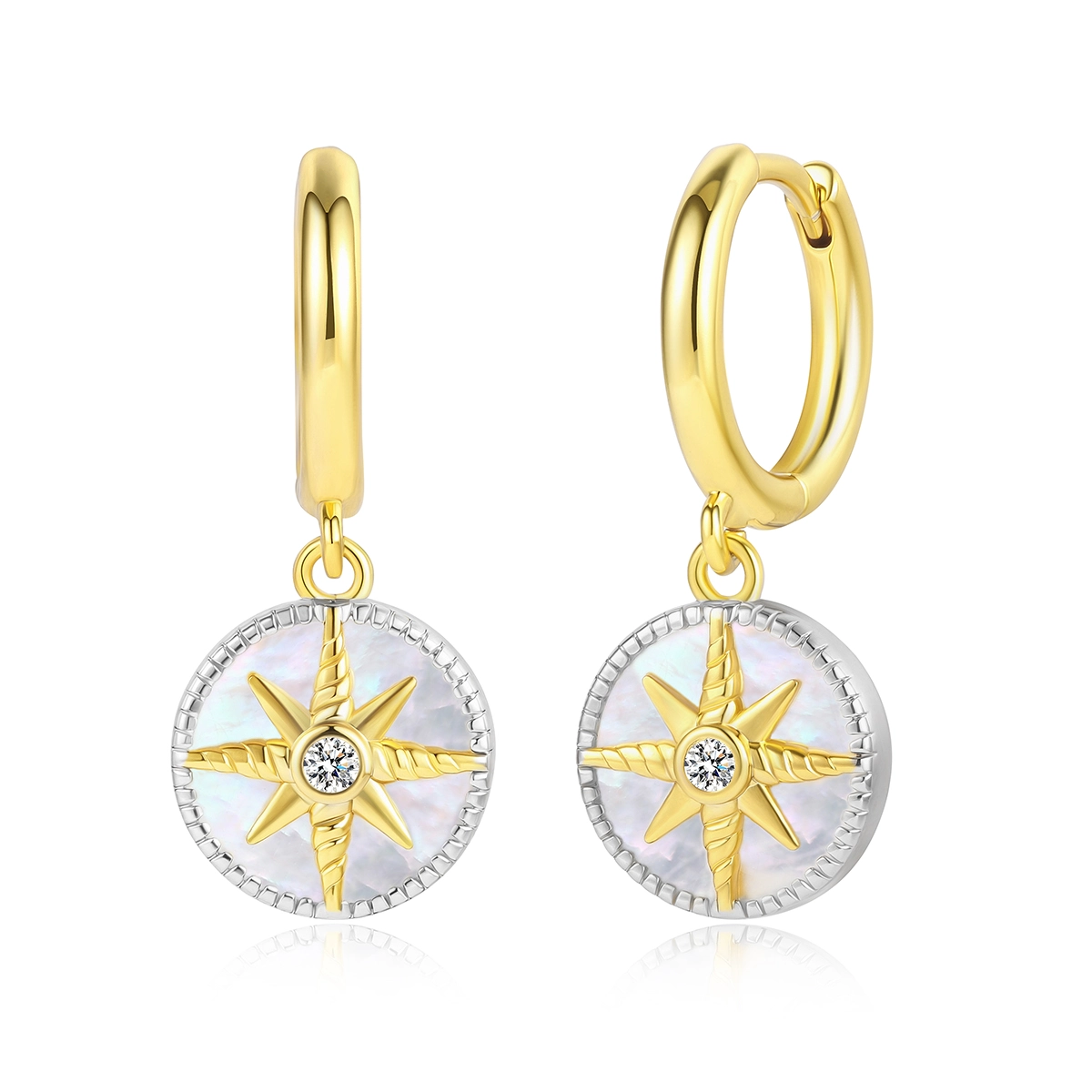
Brass Mother of Pearl Compass Huggie Drop Earrings | 14K 18K Gold Plated Hypoallergenic Jewelry
Read More
925 Silver Jewelry
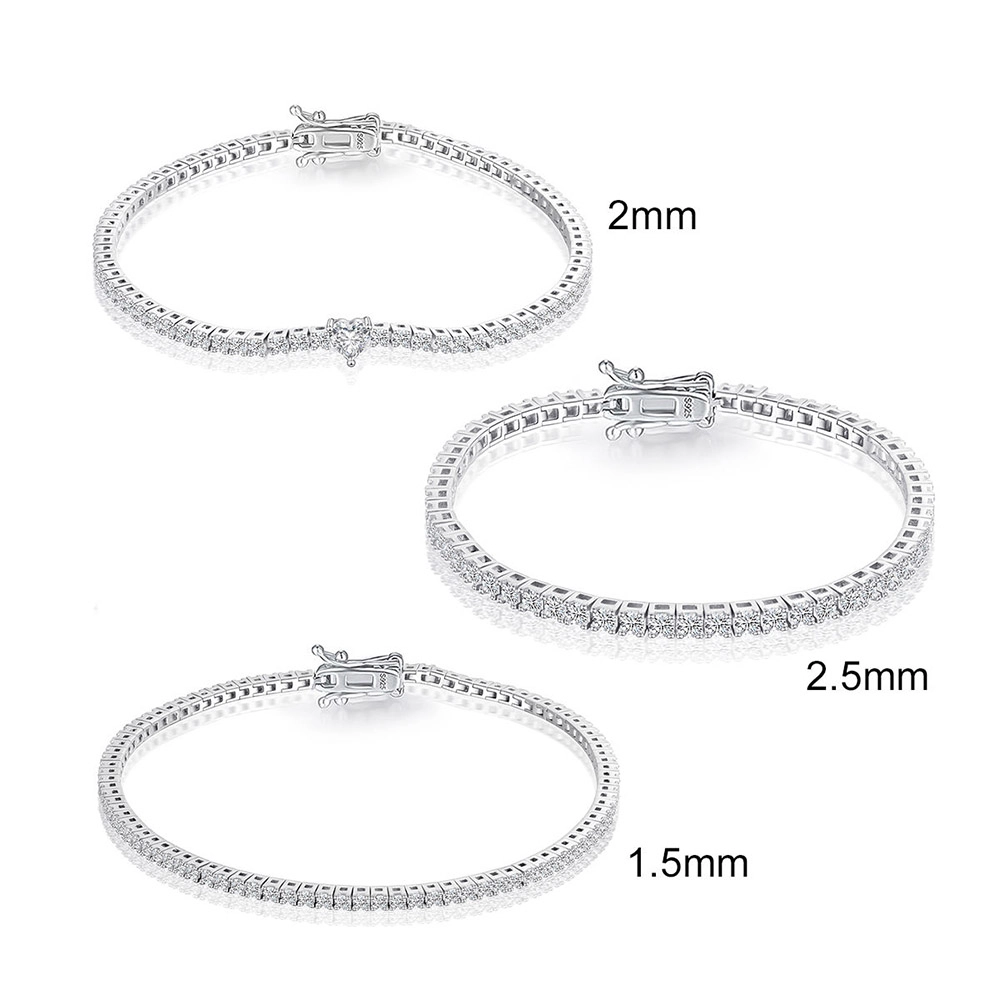
Customizable High-Quality Fashion 925 Sterling Silver AAA Cubic Zirconia Heart-Shaped Open Tennis Bracelet.
Read More
Get a Quote for Private Label Jewelry
We provide personalized jewelry customization services for clients worldwide.
Rest assured that your privacy is important to us, and all information provided will be handled with the utmost confidentiality.
By clicking 'Send Inquiry Now' I agree to ZHEFAN JEWELRY processing my personal data.
To see how to withdraw your consent, how to control your personal data and how we process it, please see our Privacy Policy and Terms of use.
From design to production, ZHEFAN JEWELRY offers a one-stop solution to help you enhance your brand value and market competitiveness.
Get A Quote
Contact
Tel: (+86) 188 1927 7817
© 2026 Zhefan Jewelry. All Rights Reserved.
Facebook
Instagram
YouTube
Whatsapp: +8618819277817