





Email: sales3@zhefanjewelry.com
Sterling Silver vs. Fine Silver: 11 Critical Differences Every Buyer Must Know (2026 Edition)
A comprehensive 2026 guide detailing the 11 critical differences between sterling silver and fine silver, including purity, durability, hallmarks, and investment value.
- What is the Difference Between Sterling Silver and Fine Silver?
- Key Takeaways: Quick Summary for Buyers
- The 11 Critical Differences You Must Know
- Expert Tips & Common Buyer Mistakes
- 2026 Market Trends & Modern Silver Alloys
- Conclusion
- Can you wear sterling silver in the shower?
- Does fine silver tarnish over time?
- Is 925 sterling silver worth any money?
- Which is better for sensitive skin: sterling or fine silver?
- How can you tell if silver is 925 or 999?
- Why does sterling silver turn black?
- Is Argentium silver better than sterling silver?
- Can fine silver be used for engagement rings?
Welcome to the definitive 2026 guide on silver. Whether you are a passionate jewelry collector, a novice investor, or simply shopping for an unforgettable gift, navigating the terminology of precious metals can be daunting. You have likely encountered stamps, hallmarks, and aggressive marketing claims, leaving you to wonder what truly separates the best from the rest. The debate of 925 sterling silver vs 999 pure silver is one of the most fundamental concepts in metallurgy and consumer finance. Silver has captivated human civilization for millennia, serving as both a reliable currency and an artistic medium. However, not all silver is created equal. Understanding the nuances between sterling and fine silver is absolutely critical. In this comprehensive guide, we will unpack the 11 critical differences you must know, ensuring you protect your hard-earned money while making an informed, authoritative purchase.
What is the Difference Between Sterling Silver and Fine Silver?
The main difference between the two metals is their purity-to-durability ratio. Sterling silver contains 92.5% pure silver and 7.5% alloy metals for added strength, whereas fine silver consists of 99.9% pure silver, making it highly malleable but naturally resistant to tarnish.
When comparing 925 sterling silver vs 999 pure silver, it is essential to understand "how" and "why" these compositions exist in the modern marketplace. Pure elemental silver, mined directly from the earth and refined, is simply too soft for most functional, everyday applications. If you were to craft a ring out of pure silver, simply gripping a steering wheel or carrying heavy groceries could warp its shape. To create durable, wearable pieces, silversmiths blend it with stronger base metals, most commonly copper. This structural and molecular change impacts everything from how the metal reflects light to how it reacts with environmental elements. As detailed by Wikipedia, the sterling silver standard dictates a minimum millesimal fineness of 925, a standard that has rigidly defined the global jewelry industry for centuries.
- Sterling Silver (925): Recognized as the undisputed global industry standard for wearable jewelry, offering the necessary structural hardness to prevent daily deformation while retaining a brilliant shine.
- Fine Silver (999): Primarily reserved for investing in silver bullion vs jewelry, as well as crafting delicate artisanal pieces, protective bezels for soft gemstones, or intricate display items that will not be subjected to physical stress.
Key Takeaways: Quick Summary for Buyers
The core takeaway for consumers is to select fine silver (.999) for investments or low-impact wear, while choosing sterling silver (.925) for everyday jewelry like rings and chains to ensure longevity and resistance to daily damage.
Making the right purchasing decision hinges entirely on understanding your specific practical needs. Whether you are actively building a tangible investment portfolio or buying a sentimental engagement ring, knowing the behavioral characteristics of these metals will save you from costly, irreversible mistakes. Silver is an investment, whether it sits in a vault or is worn on your finger, and treating it as such guarantees a better return on your money.
- Investment Focus: Fine silver (.999) remains the premier choice for bullion bars, government-minted coins, and tangible wealth assets due to its supreme elemental purity and natural softness.
- Durability Focus: Sterling silver (.925) delivers the necessary tensile strength and structural integrity for heavy-duty, everyday jewelry items that experience constant friction.
- Verification: Always thoroughly inspect physical pieces for official, legally mandated stamps—such as "925", "STER", or "999"—to definitively verify their metallurgical authenticity before buying.
The 11 Critical Differences You Must Know
The 11 critical differences between these metals encompass purity levels, durability, tarnish rates, visual appearance, market value, hallmark stamping, hypoallergenic traits, best use cases, weight density, maintenance requirements, and long-term secondary market resale value.
To truly master the silver market, buyers must evaluate the "why" behind each of these functional and aesthetic disparities. Here is the comprehensive breakdown of how these two distinct grades of silver compare:
- Purity Levels: The most fundamental difference separating these metals is their raw elemental composition. Fine silver boasts 99.9% pure elemental silver, meaning there are virtually no trace elements present. In stark contrast, sterling is exactly 92.5% alloyed silver, intentionally diluted with 7.5% other metals. This specific mathematical ratio is non-negotiable in the jewelry world, heavily regulated by international trade laws to ensure that consumers get exactly what they pay for.
- Durability and Strength: Pure silver is incredibly soft, akin to lead or pure gold. If you press a fingernail firmly into fine silver, you might leave a mark. The mandatory 7.5% copper addition in sterling fundamentally alters the metal's crystalline structure, making it significantly more scratch and dent resistant. This allows sterling rings, thick chains, and intricate bracelets to survive accidental bumps, drops, and the daily grind of human activity without losing their aesthetic form.
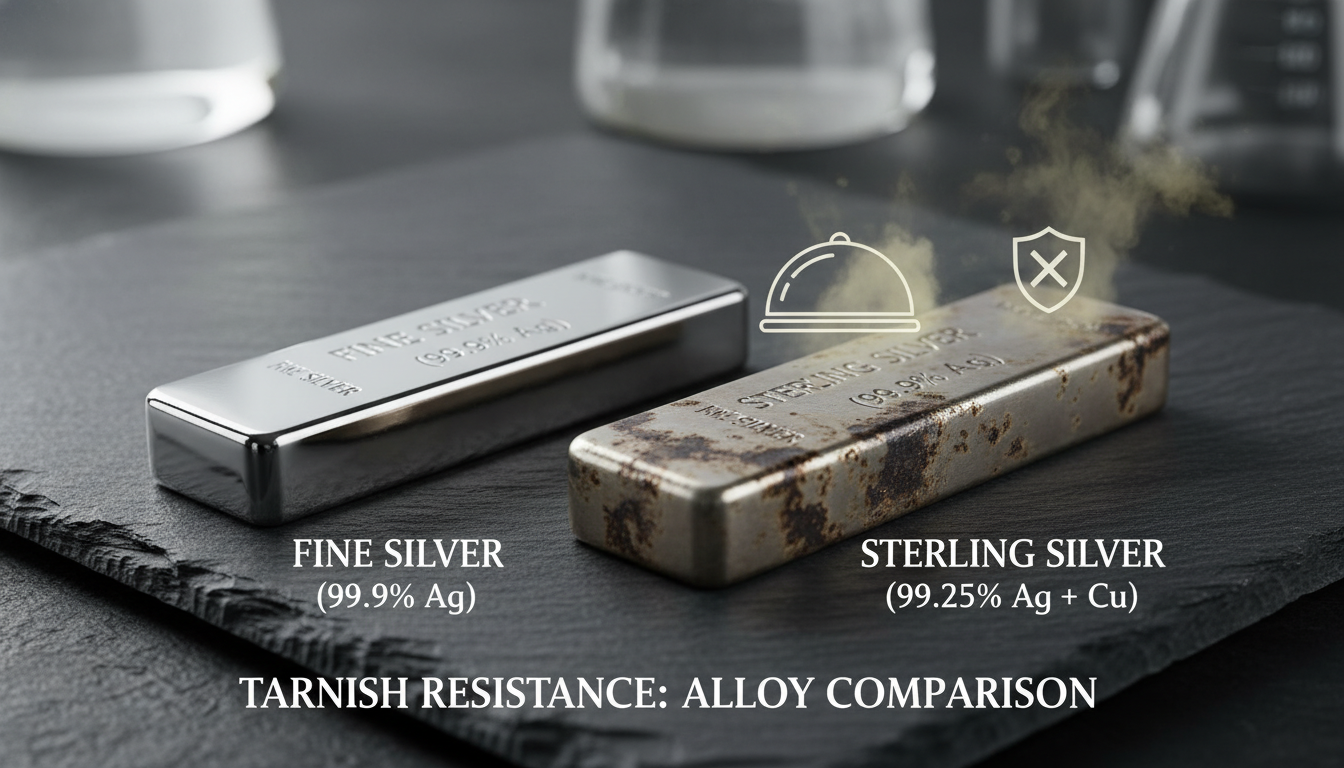
- Tarnish and Oxidation: The tarnish resistance of silver alloys is a crucial factor for anyone who despises constant maintenance. Sterling tarnishes at a noticeably faster rate because the base copper actively reacts with sulfur gases, humidity, and atmospheric moisture. This chemical reaction creates a dark layer of copper sulfide. Fine silver, lacking this reactive copper, is far more chemically stable and resists turning black, even when left exposed to the open air for extended periods.
- Appearance and Luster: While both metals are objectively beautiful, they interact with light differently. Fine silver radiates a brighter, whiter, and more highly reflective sheen that appears almost luminous under direct light. Sterling silver naturally possesses a slightly warmer, occasionally grayish or faintly yellowish tone due to the presence of the alloyed base metals. Although rhodium plating is often used to make sterling look whiter, the raw metals differ visually.
- Market Value and Pricing: Because it contains a substantially higher volume of precious metal per ounce, fine silver intrinsically holds a higher scrap value based on global spot prices. Sterling silver's value is often derived from the artistry, brand name, and labor of the jewelry maker, rather than just the raw melt value of the silver itself.
- Hallmarks and Stamping: Proper silver jewelry hallmarks identification is a vital skill for any serious buyer. You will typically see global stamps like .999 for pure silver, and .925, "Sterling", or the historic Lion Passant for sterling pieces. As reported by Wikipedia, silver hallmarks historically indicate the purity, manufacturer, and date of assay, acting as a critical, centuries-old tool for consumer protection against fraud and counterfeiting.
- Hypoallergenic Properties: For buyers plagued by sensitive skin or contact dermatitis, the hypoallergenic properties of silver matter greatly. Fine silver is 100% hypoallergenic, meaning it will never cause a rash or turn your skin green. Sterling is generally considered safe and hypoallergenic for the vast majority of people; however, its trace copper—or occasionally undeclared trace irritants like nickel in cheaper foreign alloys—can cause mild skin reactions in highly hypersensitive individuals.
- Best Use Cases: Form always follows function. Sterling is masterfully engineered for high-wear jewelry items like tennis bracelets, wedding bands, and durable mechanical clasps. Fine silver is best suited for delicate display pieces, conductive industrial electronics, protective bezels for fragile gemstones, and high-grade investment bullion that remains safely locked in a vault.
- Weight and Density: Density plays a subtle but noticeable role. If you hold two completely identical volumes of both metals in your hands, fine silver will feel slightly denser and heavier than its alloyed counterpart. This heavy, substantial feel is one of the sensory reasons why fine silver coins are so popular among precious metal stackers.
- Maintenance Needs: Sterling silver demands regular, proactive polishing routines using specialized cloths or gentle chemical dips to combat oxidation and keep it shining brilliantly. Fine silver requires far less chemical cleaning, but it demands extremely careful physical handling to avoid permanent deformation, bending, or deep, irreparable scratches.
- Resale Value: When investing in silver bullion vs jewelry, fine silver offers vastly superior liquidity and lower premiums in the secondary bullion market. Precious metal dealers and refineries highly prefer fine silver because they do not need to spend time or resources extracting base metals like copper to achieve a pure melt.
Expert Tips & Common Buyer Mistakes
The most vital expert tip is to properly store your silver to prevent environmental damage, while the most common buyer mistake is drastically overpaying for mass-produced sterling pieces under the false assumption that they are pure fine silver.
Protecting your physical and financial investment requires practical, everyday strategies. By understanding exactly how environmental factors and retail market pricing work, you can preserve both the physical beauty of your jewelry collection and the liquid financial value of your bullion assets.
- Expert Tip (Storage): Always store your sterling silver collections in dedicated anti-tarnish bags alongside silica gel packets. This severely minimizes moisture and sulfur exposure, drastically reducing the speed of oxidation and saving you countless hours of tedious manual polishing time.
- Common Mistake (Pricing): Uneducated buyers frequently pay exorbitant 'fine silver' premium prices for standard, machine-manufactured sterling silver jewelry sold in mall kiosks or online marketplaces. Always check the daily global spot price of silver before making large, impulsive purchases.
- Expert Tip (Testing): Use a high-strength neodymium magnet to perform a quick, non-destructive test for counterfeits. Genuine fine and sterling silver are distinctly non-magnetic. If the piece strongly leaps to the magnet, it is likely a cheap, silver-plated base metal containing iron or nickel.
2026 Market Trends & Modern Silver Alloys
In 2026, the silver market is heavily defined by a growing premium for sustainable fine silver bullion, the rising popularity of tarnish-resistant Argentium silver, and an intense global consumer demand for eco-friendly, fully recycled silver products.
The global landscape of precious metals is rapidly evolving, driven by both technological advancements and shifting consumer ethics. Today's buyers are vastly more conscious of both the environmental impact of traditional open-pit mining and the long-term technological stability of their tangible assets. According to data provided by The Silver Institute, modern investors utilize various forms of physical bullion, including 99.9% pure bars, rounds, and official government-minted coins, as strategic wealth-preservation vehicles in an increasingly volatile global economy.
- Sustainable Bullion: Current 2026 pricing and market trends highlight a significant, measurable buyer premium for verified, sustainably sourced fine silver bullion, as institutional investors strictly prioritize ethical, carbon-neutral supply chains.
- The Rise of Argentium: The modern jewelry market is witnessing massive, widespread adoption of Argentium Silver (ranging from 93.5% to 96% purity, intelligently alloyed with germanium). This modern metallurgical marvel offers the rugged, daily durability of traditional sterling alongside the exceptional tarnish resistance of silver alloys that was historically only found in pure fine silver.
- Eco-Friendly Demand: The explosive, worldwide demand for certified recycled silver is completely reshaping both retail jewelry showcases and wholesale investment landscapes, lowering carbon footprints while flawlessly maintaining pure elemental value.
Conclusion
Choosing between sterling and fine silver ultimately depends entirely on whether your primary goal is everyday wearable durability or maximizing absolute elemental purity for long-term financial investment purposes.
Understanding these 11 critical differences ensures you make a highly informed, valuable purchase that perfectly aligns with your specific lifestyle demands, aesthetic preferences, or long-term investment portfolio goals. Whether you are expanding your jewelry box or securing your retirement, knowledge is your ultimate currency. By leveraging proper silver jewelry hallmarks identification and recognizing the unique hypoallergenic properties of silver, you can safely and confidently navigate the complex 2026 precious metals market. Never settle for less than verified authenticity, and always align the specific metal alloy with its intended real-world application.
Contact us today to optimize your silver jewelry and bullion strategy.
Can you wear sterling silver in the shower?
Yes, but it is not recommended for daily showering. Water and harsh soaps can accelerate tarnishing. If it does get wet, make sure to dry it completely to prevent the copper alloy from oxidizing.
Does fine silver tarnish over time?
Fine silver is highly resistant to tarnish because it lacks the copper that reacts with sulfur in the air. However, in extremely polluted environments or over long periods, it may develop a very slight dullness.
Is 925 sterling silver worth any money?
Yes, 925 sterling silver retains intrinsic value based on the current spot price of silver. While not as valuable as fine silver bullion, high-quality sterling jewelry often carries an artisanal premium.
Which is better for sensitive skin: sterling or fine silver?
Fine silver is technically better because it is 99.9% pure and completely hypoallergenic. Sterling silver is generally safe, but individuals with severe copper sensitivities might experience slight irritation.
How can you tell if silver is 925 or 999?
Look for tiny stamps or hallmarks on the piece, such as '925', 'Sterling', '999', or 'Fine Silver'. If there is no stamp, an acid test or X-ray fluorescence (XRF) test by a jeweler can confirm the exact purity.
Why does sterling silver turn black?
Sterling silver turns black due to a chemical reaction between the copper in the alloy and sulfur gases in the air. This oxidation process, known as tarnishing, is completely normal and can be removed with a polishing cloth.
Is Argentium silver better than sterling silver?
Argentium is considered a modern upgrade; it uses germanium instead of copper, making it highly tarnish-resistant. It is also brighter and generally more hypoallergenic than traditional sterling silver.
Can fine silver be used for engagement rings?
It is highly discouraged because fine silver is too soft and will easily scratch, dent, or bend out of shape. For daily-wear pieces like engagement rings, sterling silver or harder metals like platinum and gold are much better choices.
Tags
brass hoop earrings
brass hoop earrings
brass necklaces wholesale
brass necklaces wholesale
brass disc earrings
brass disc earrings
925 sterling silver CZ jewelry sets wholesale
925 sterling silver CZ jewelry sets wholesale
925 sterling silver bracelets for women
925 sterling silver bracelets for women
sterling silver bracelets 925
sterling silver bracelets 925
Recommended for you
Private Label 925 Silver Necklaces: Design and Production Steps
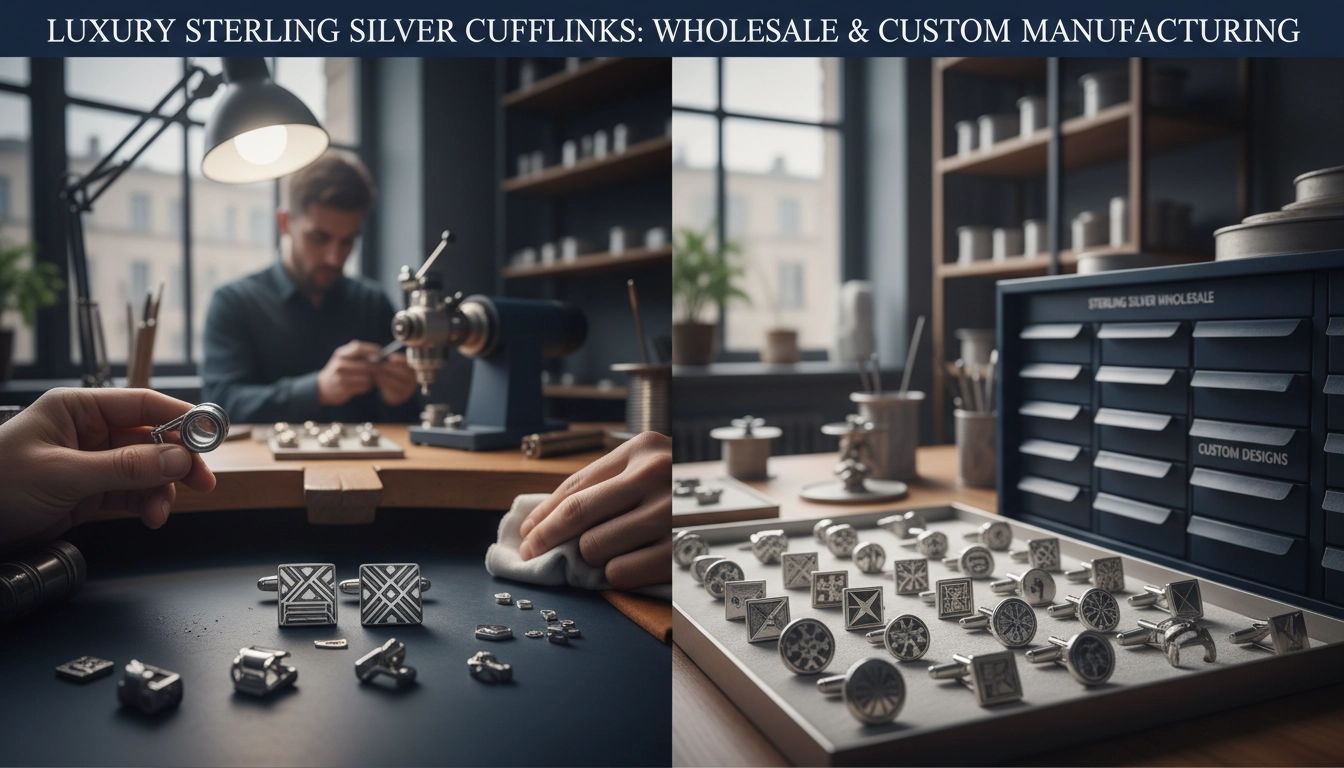
The Ultimate 2026 Guide to Sourcing Sterling Silver Cufflinks Wholesale: Maximizing Quality & Profit
Custom brass earrings Manufacturers and Suppliers
Private Label 925 Silver Rings: Design, MOQ and Lead Times
Prdoucts Categories
Question you may concern
Products
Do you offer after-sales warranty service?
Yes, we will refund or resend products if fading, stone falling off and other quality problems found in 1 month receipt of goods. Furthermore, we offer 1 year after-sales warranty service, but you need pay the shipping charge.
What is your minimum order quantity?
We offer low MOQ from 2 to 30 depending on models. Send your favor model to get details from Trade Manager.
What's the packaging of your jewelry?
Normally we use OPP bag, bubble bag and paper box to pack the goods,custom packaging is acceptable as well.
What can you buy from us?
Rings, Necklace, Earrings, Bracelet, Pendant, Anklet, Brooch, Jewelry.
FAQs
Can you engrave my logo on the jewelry ?Do you supply OEM/ODM service?
Yes. Custom logo and OEM/ODM are both accepted. Our factory specializes in jewelry manufacturing for 27 years.We can produce jewelry by your sample, design, pictures, even by an idea.Please feel free to contact us for more details. Custom order process:Inquiry-Confirm products details-Pay mold fee -Confirm CAD draft-Quote-Initial payment-Produce mold&sample-Confirm Sample-Mass production-Balance payment-Shipment-Track shipment-delivery.
You may also like
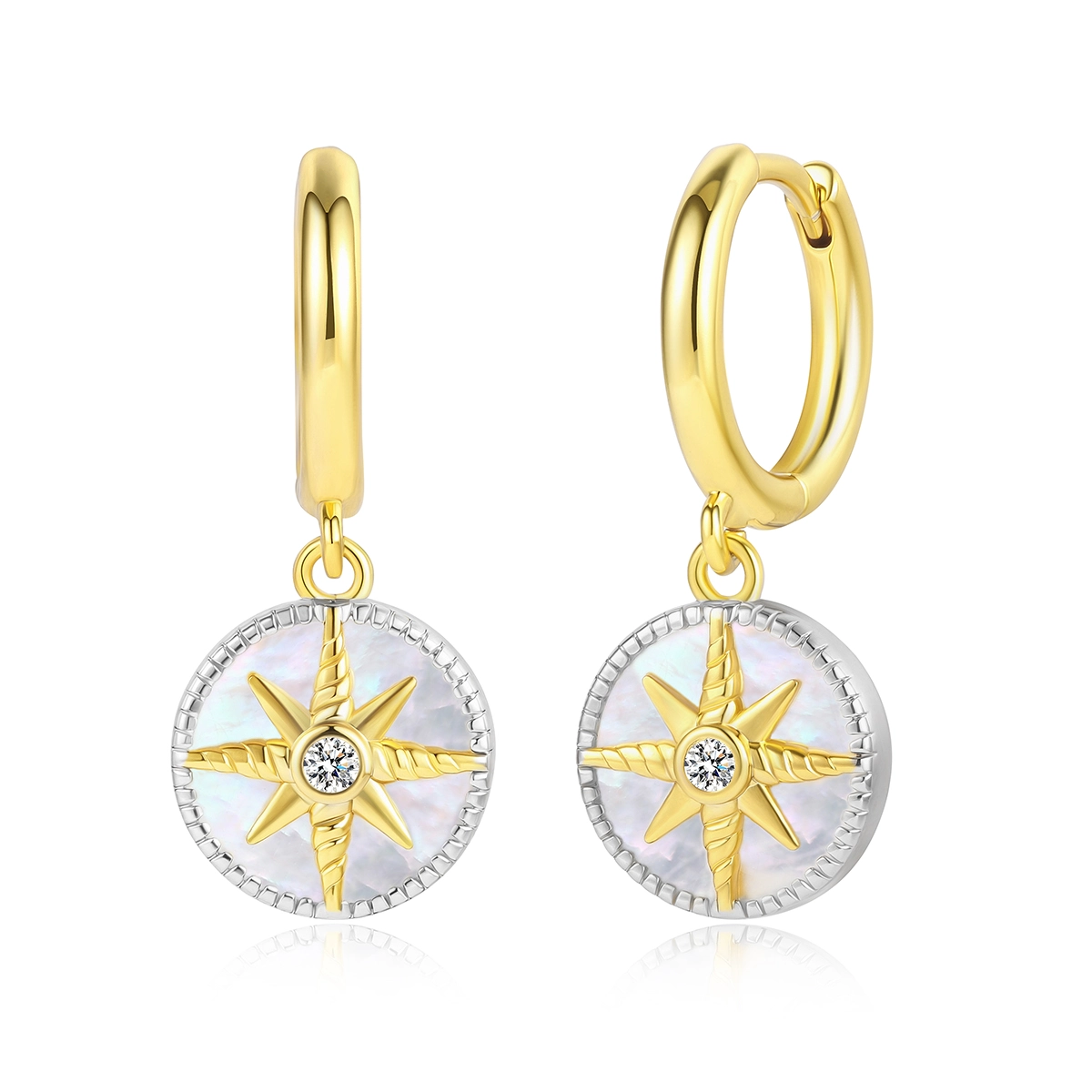
Brass Jewelry
Brass Mother of Pearl Compass Huggie Drop Earrings | 14K 18K Gold Plated Hypoallergenic Jewelry
Read More
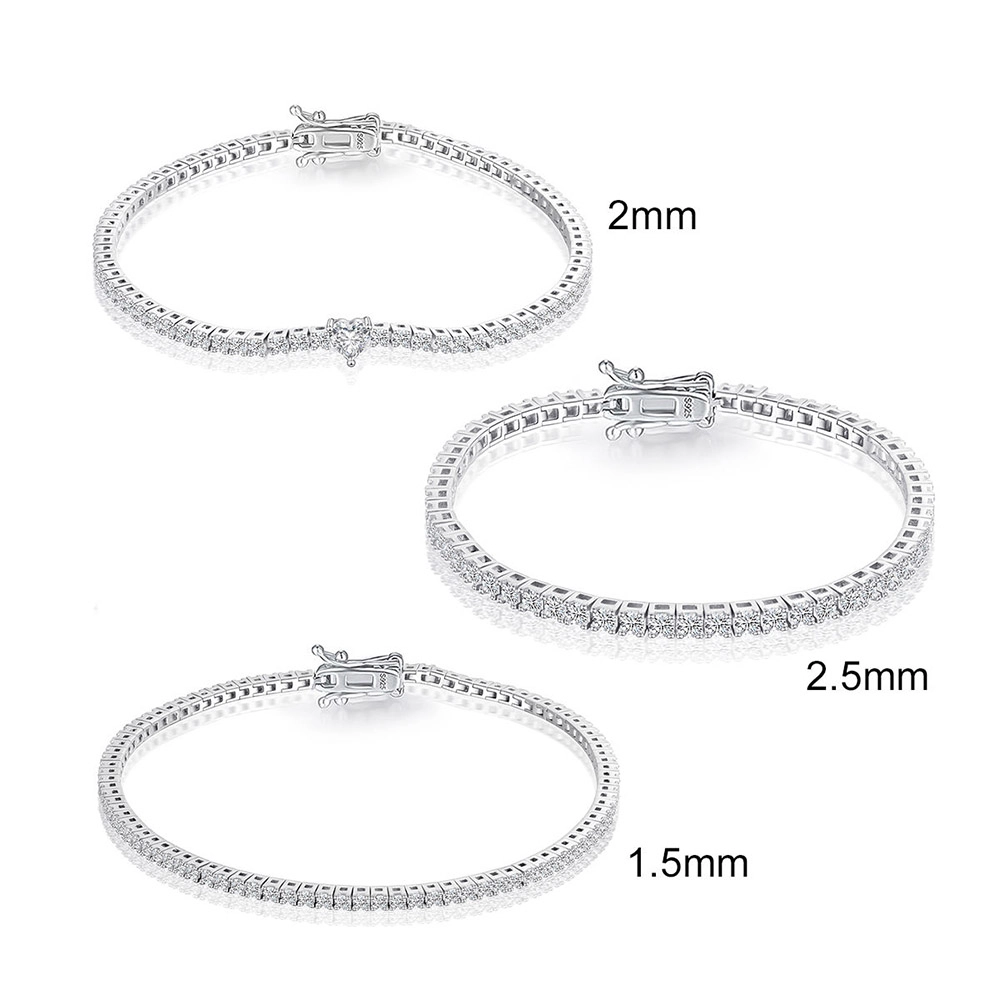
925 Silver Jewelry
Customizable High-Quality Fashion 925 Sterling Silver AAA Cubic Zirconia Heart-Shaped Open Tennis Bracelet.
Read More
Brass Jewelry
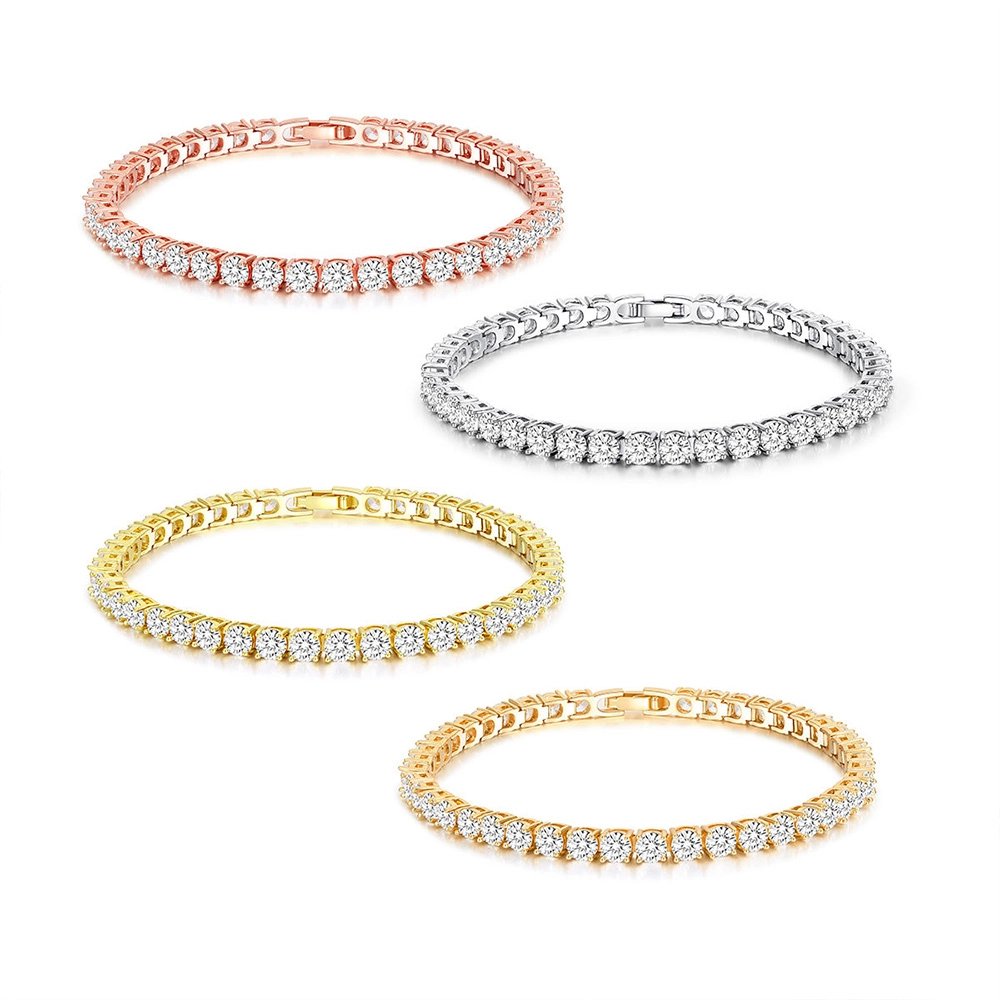
Customizable OEM ODM High-Quality Fashion Brass AAA Cubic Zirconia Classic Tennis Bracelet for Women Wholesale.
Read More
Get a Quote for Private Label Jewelry
We provide personalized jewelry customization services for clients worldwide.
Rest assured that your privacy is important to us, and all information provided will be handled with the utmost confidentiality.
By clicking 'Send Inquiry Now' I agree to ZHEFAN JEWELRY processing my personal data.
To see how to withdraw your consent, how to control your personal data and how we process it, please see our Privacy Policy and Terms of use.
From design to production, ZHEFAN JEWELRY offers a one-stop solution to help you enhance your brand value and market competitiveness.
Get A Quote
Contact
Tel: (+86) 188 1927 7817
© 2026 Zhefan Jewelry. All Rights Reserved.
Facebook
Instagram
YouTube
Whatsapp: +8618819277817