



Email: sales3@zhefanjewelry.com
Everything You Need to Know About stainless steel necklace chain
A practical, expert guide to stainless steel necklace chains—types, grades (316L vs 304), maintenance, hypoallergenic concerns, and OEM manufacturing insights. Learn how to choose, care for, and source quality chains backed by regulatory and industry references.
- Why stainless steel chains are dominating modern jewelry
- Market demand and practical advantages
- How stainless steel compares to other metals
- we address
- Types and technical grades of stainless steel necklace chains
- Common grades used in jewelry
- Chain styles and finishes
- Quick grade comparison table
- Care, durability, and wearer safety
- Cleaning and maintenance
- Allergy and nickel concerns
- Longevity, wear patterns, and plating longevity
- Buying guide and sourcing: what brands and buyers should know
- Quality controls, standards, and compliance
- OEM/ODM considerations and minimums
- Cost drivers and negotiation tips
- Practical FAQs
- Is stainless steel necklace chain waterproof?
- Can stainless steel chains be resized or repaired?
- Should I pick 316L or 304 for a retail collection?
- Real-world comparisons and cost/value assessment
- Performance comparison table
- Sourcing recommendation for retailers
- Company capabilities and why manufacturing partner matters
- About Guangzhou Zhefan Jewelry
- OEM/ODM services and design speed
- Certifications and compliance
- Conclusion
- Frequently Asked Questions (short)
- Will my stainless steel chain rust?
- Are stainless steel chains good for people with sensitive skin?
- How do I verify supplier claims?
This page provides a localized, factual overview of stainless steel necklace chain options, commonly searched features (durability, hypoallergenic properties, finishes), and sourcing considerations for buyers and brands. It includes material grade comparisons, care guidance, and OEM/ODM manufacturing capabilities to help retailers, designers, and consumers make data-driven choices when selecting stainless steel chains for jewelry collections.
Why stainless steel chains are dominating modern jewelry
Market demand and practical advantages
Stainless steel necklace chains have surged in popularity across fashion, streetwear, and fine-styled jewelry because they align with current consumer needs: durability, affordability, and low maintenance. Unlike softer metals, stainless steel resists scratches and deformation during daily wear, making it ideal for active lifestyles and high-volume retail channels like Amazon, fast-fashion stores, and subscription jewelry boxes.
How stainless steel compares to other metals
Compared with sterling silver or gold-plated brass, stainless steel delivers superior corrosion resistance and lower long-term maintenance costs. Many buyers prefer stainless steel for unisex and minimalist chains because it retains finish and shape with minimal polishing. For specifics on alloy chemistry and grades, see the comprehensive overview at Wikipedia - Stainless steel.
we address
Users searching “stainless steel necklace chain” typically want to know: which grade to buy (e.g., 316L vs 304), whether it’s hypoallergenic, how to care for it, and where to source reliable OEM/ODM manufacturing. This article answers those questions with practical comparisons, care instructions, and sourcing guidance for brands and retailers.
Types and technical grades of stainless steel necklace chains
Common grades used in jewelry
The most common stainless steel grades in jewelry are 304, 316, and 316L. 316L (low carbon) is often the preferred choice for high-quality jewelry because its molybdenum content improves corrosion resistance—important for sweat, seawater, and humid climates. Typical composition ranges and characteristics are summarized by metallurgy references such as Wikipedia.
Chain styles and finishes
Stainless steel chains are manufactured in many styles—cable, curb, box, snake, Figaro, rope, and Singapore. Finishes include high polish, brushed/matte, PVD (Physical Vapor Deposition) color coatings, and electroplating for accents. PVD coatings are more durable than conventional plating and are commonly used for black or rose gold looks without sacrificing wear resistance.
Quick grade comparison table
| Grade | Typical Nickel Content | Corrosion Resistance | Magnetic | Common Use |
|---|---|---|---|---|
| 304 | ~8–10.5% | Good (general use) | Non-magnetic (austenitic) | Cost-effective fashion chains |
| 316 / 316L | ~10–14% (Mo 2–3%) | Excellent (chemical & marine) | Non-magnetic (austenitic) | High-quality jewelry (preferred) |
| 430 | Low (ferritic) | Fair (less corrosion resistance) | Magnetic | Cost applications, lower-end chains |
Care, durability, and wearer safety
Cleaning and maintenance
Stainless steel requires minimal maintenance: clean with warm water, mild dish soap, and a soft cloth; rinse and dry thoroughly. For stubborn dirt, a soft-bristled toothbrush helps remove grime in chain links. Avoid prolonged exposure to household chlorine and concentrated bleach which can damage finishes over time.
Allergy and nickel concerns
Many consumers search whether stainless steel is hypoallergenic. While austenitic stainless steels like 316L contain nickel, the nickel is bound within the alloy matrix and less likely to leach under normal wear. However, people with severe nickel allergies may still react. Trusted medical sources discuss nickel contact dermatitis; see the American Academy of Dermatology guidance on metal allergies: AAD - Nickel allergy.
Longevity, wear patterns, and plating longevity
Unplated 316L chains can last many years with regular wear and minimal visual aging. Coatings—such as PVD or electroplated gold—have variable lifespans: PVD typically exceeds electroplating in abrasion resistance. For retailers, offering both solid stainless chains and PVD-coated options covers customers who prioritize either natural steel tone or colored finishes.
Buying guide and sourcing: what brands and buyers should know
Quality controls, standards, and compliance
When sourcing stainless steel chains, validate supplier quality systems and material certificates. Compliance with chemical regulations like the EU REACH and electronic waste limits like RoHS are important, especially for exports to EU markets. Many established factories also run ISO 9001-certified quality management systems to maintain consistent production standards.
OEM/ODM considerations and minimums
For private-label brands, understand lead times, minimum order quantities (MOQs), and sample policies. Guangzhou Zhefan Jewelry—established 2002 with roots from 1997—operates two factories and can support high-volume runs and rapid product development. Their capabilities include 6 rounds of precision polishing and 6 strict QC checks, eco-friendly RoHS/REACH-compliant materials, and a professional design team launching 500+ new styles monthly. Monthly output capacity can reach 600,000 pieces, supporting both small-scale designers and large retailers.
Cost drivers and negotiation tips
Price depends on grade (316L higher than 304), chain thickness, finish, and manufacturing complexity (e.g., welded vs. seamless links). Additional costs include PVD or plating, clasp type (lobster, spring ring, magnetic), and packaging. Negotiate on tooling amortization, especially for novel chain patterns—manufacturers like Zhefan that have in-house mold masters can reduce tooling lead times and costs.
Practical FAQs
Is stainless steel necklace chain waterproof?
Stainless steel is highly water-resistant; 316L resists seawater and perspiration well. However, chlorine, concentrated acids, and some harsh cleaners can affect finishes and coatings over time. Rinse and dry your chain after swimming in chlorinated pools or seawater for best longevity.
Can stainless steel chains be resized or repaired?
Yes. Experienced jewelers can repair and resize most chain styles by replacing links, re-soldering (with appropriate tools), or changing clasps. For plated chains, repairs may expose base metal and require re-coating to match the original finish.
Should I pick 316L or 304 for a retail collection?
If your target customers include those who value longevity, low corrosion, and better resistance to sweat and salt, 316L is the recommended choice. 304 is acceptable for budget-conscious lines but may not match 316L in harsh environments. For more on steel grades, see official metallurgy summaries.
Real-world comparisons and cost/value assessment
Performance comparison table
| Property | 316L Stainless Steel | Sterling Silver (925) | Gold-Plated Brass |
|---|---|---|---|
| Corrosion resistance | Excellent | Fair (tarnishes) | Depends on plating quality |
| Hypoallergenic potential | High (low leaching) | High (nickel-free if pure) | Varies (nickel may be present) |
| Maintenance | Low | Moderate (polish needed) | Variable (plating wears) |
| Typical retail price range | Low–Medium | Medium–High | Low–Medium |
Sourcing recommendation for retailers
For private-label lines, combine uncoated 316L options with PVD-coated styles to cover customers who want both natural steel tones and colored finishes. Work with manufacturers that provide material certifications, plating method details (PVD vs. electroplating), and clear QC procedures—this reduces returns and increases customer satisfaction.
Company capabilities and why manufacturing partner matters
About Guangzhou Zhefan Jewelry
Guangzhou Zhefan Jewelry is a premier fashion jewelry manufacturer established in 2002 with roots from 1997. Founded by a master mold craftsman, Zhefan combines artisanal skill with production scale: two factories (Guangzhou & Meizhou), 800 m² combined facilities, 80+ skilled artisans, and 20 sales professionals supporting a monthly output of 600,000 pieces. The company enforces 6 rounds of precision polishing and 6 strict quality inspections and uses RoHS/REACH-compliant eco-friendly materials. Learn more at Zhefan Jewelry.
OEM/ODM services and design speed
Zhefan’s in-house design team launches 500+ new original styles monthly, which is ideal for brands needing rapid trend response. Services include custom molds, plating/PVD, engraving, bespoke clasp designs, and private-label packaging. The combination of manufacturing scale, artisan skill, and rigorous QC makes it suitable for brands selling on platforms like Amazon or department stores.
Certifications and compliance
When evaluating suppliers, ask for material certificates and compliance documentation for REACH and RoHS. Many reputable manufacturers maintain quality control in line with customer expectations and industry guidelines; for regulatory context see the EU REACH and RoHS resources.
Conclusion
Stainless steel necklace chains are a practical, durable, and cost-effective choice for modern jewelry collections. Choosing the right grade (316L preferred), finish (PVD for durable coloration), and a reliable manufacturing partner reduces returns and builds customer trust. For brands, partnering with an experienced OEM/ODM—one that can provide certificates, consistent QC, and rapid new-style development—ensures competitive advantage in fast-moving markets.
Frequently Asked Questions (short)
Will my stainless steel chain rust?
High-quality 316L stainless steel resists rusting in normal conditions. Poor-quality or lower-grade steels can corrode when exposed to harsh chemicals.
Are stainless steel chains good for people with sensitive skin?
Many users with sensitive skin tolerate 316L well because nickel is bound in the alloy. However, those with severe nickel allergy should perform a patch test or choose explicitly nickel-free options.
How do I verify supplier claims?
Request material certificates, batch traceability, plating method documentation, and independent test reports. Reputable suppliers will provide these as part of B2B onboarding.
Contact us for OEM/ODM stainless steel necklace chain solutions tailored to Zhefan Jewelry: sales3@zhefanjewelry.com.
References: Wikipedia on stainless steel, EU REACH, EU RoHS, and American Academy of Dermatology on nickel allergy. For industry standards, visit Jewelers of America.
Tags
925 silver bracelets
925 silver bracelets
mother of pearl heart necklace gift
mother of pearl heart necklace gift
brass rings for sale
brass rings for sale
nickel-free stainless steel jewelry wholesale
nickel-free stainless steel jewelry wholesale
bulk brass tennis bracelets
bulk brass tennis bracelets
brass disc earrings
brass disc earrings
Recommended for you
Sourcing Sustainable Mother of Pearl Stud Earrings
Top stainless steel bracelets for men Manufacturers and Suppliers
Customization Options: Size, Shape, and Finish Choices
Wholesale 925 sterling silver rings manufacturer and supplier
Prdoucts Categories
Question you may concern
Products
What is your minimum order quantity?
We offer low MOQ from 2 to 30 depending on models. Send your favor model to get details from Trade Manager.
What services can we provide?
Accepted Delivery Terms: FOB, CIF, EXW, Express Delivery;
Accepted Payment Currency: USD, EUR, JPY, CAD, AUD, HKD, GBP, CNY, CHF;
Accepted Payment Type: T/T, L/C, MoneyGram, Credit Card, PayPal, Western Union, Cash, Escrow;
Language Spoken: English, Chinese, Spanish, Japanese, Portuguese, German, Arabic, French, Russian, Korean, Hindi, Italian.
FAQs
Do you attend any jewelry fairs?
Yes, we participate in Hong Kong Jewelry Fair and Canton Fair twice a year, please contact the seller for the latest invitation.
Can I get a sample?
Yes,welcome to choose our sample to test and check quality.Please give me your address and number then send you payment list.
Do you offer after-sales warranty service?
Yes, we will refund or resend products if fading, stone falling off and other quality problems found in 1 month receipt of goods.Furthermore, we offer 1 year after-sales warranty service, but you need pay the shipping charge.
You may also like
Brass Jewelry
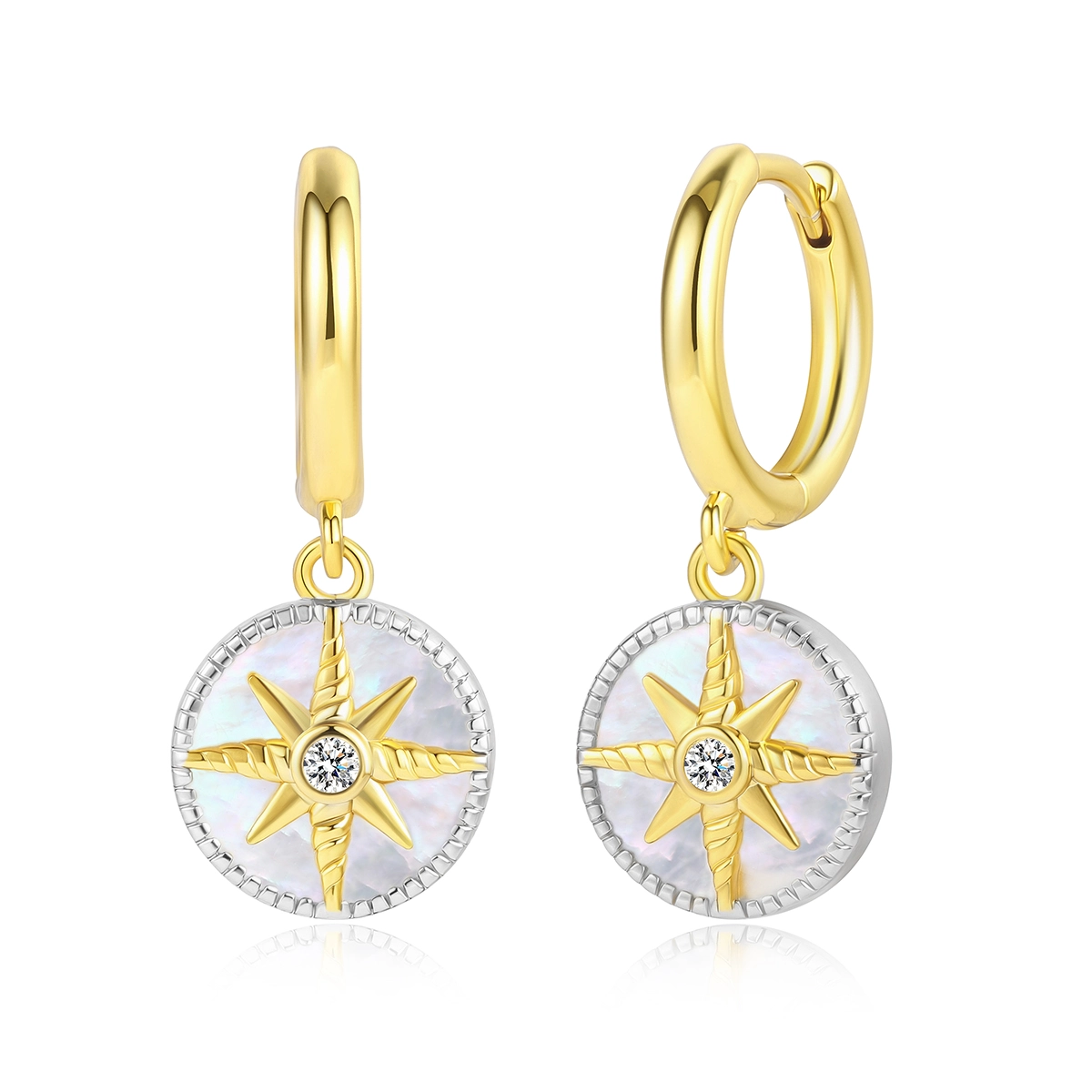
Brass Mother of Pearl Compass Huggie Drop Earrings | 14K 18K Gold Plated Hypoallergenic Jewelry
Read More
925 Silver Jewelry
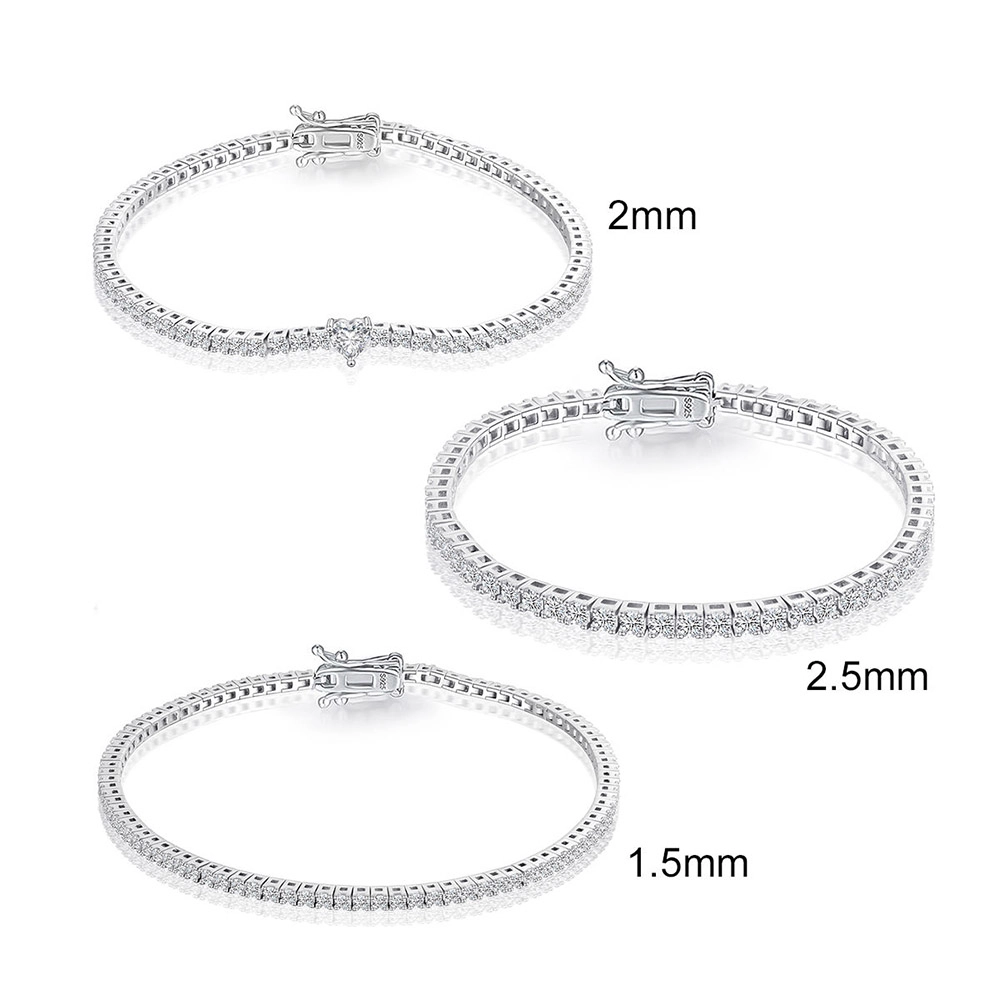
Customizable High-Quality Fashion 925 Sterling Silver AAA Cubic Zirconia Heart-Shaped Open Tennis Bracelet.
Read More
Brass Jewelry
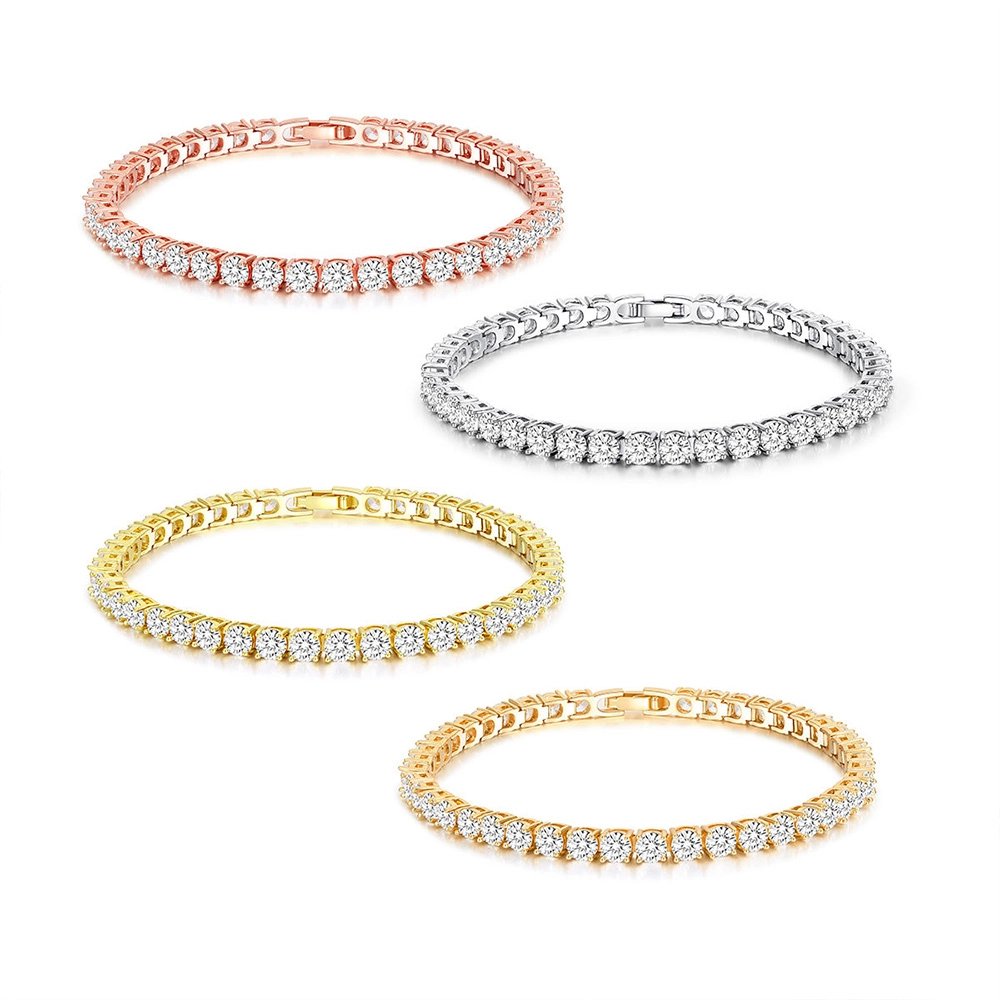
Customizable OEM ODM High-Quality Fashion Brass AAA Cubic Zirconia Classic Tennis Bracelet for Women Wholesale.
Read More
Get a Quote for Private Label Jewelry
We provide personalized jewelry customization services for clients worldwide.
Rest assured that your privacy is important to us, and all information provided will be handled with the utmost confidentiality.
By clicking 'Send Inquiry Now' I agree to ZHEFAN JEWELRY processing my personal data.
To see how to withdraw your consent, how to control your personal data and how we process it, please see our Privacy Policy and Terms of use.
From design to production, ZHEFAN JEWELRY offers a one-stop solution to help you enhance your brand value and market competitiveness.
Get A Quote
Contact
Tel: (+86) 188 1927 7817
© 2026 Zhefan Jewelry. All Rights Reserved.
Facebook
Instagram
YouTube
Whatsapp: +8618819277817