



Email: sales3@zhefanjewelry.com
Everything You Need to Know About stainless steel crosses jewelry
A comprehensive guide to stainless steel cross jewelry: materials (316L vs 304), manufacturing, hypoallergenic properties, finish options, care, compliance (REACH/RoHS), buying tips and comparisons with silver and brass.
- Why stainless steel is a preferred metal for fashion jewelry
- Material fundamentals: 316L vs 304 and other alloys
- Benefits for cross jewelry: durability, hypoallergenic, cost
- Design and manufacturing of stainless steel cross jewelry
- From mold to finish: process steps and quality controls
- Finishes and customization options
- Production scale, lead times, and MOQ considerations
- Safety, compliance and how to choose safe stainless steel cross jewelry
- Regulatory context: REACH, RoHS and nickel release
- Testing and labeling best practices
- Hypoallergenic claims: what they mean in practice
- Buying guide, styling, care and market trends
- How to choose the right stainless steel cross necklace
- Care tips to keep stainless steel crosses looking new
- Trends and market signals for cross jewelry
- Comparison: stainless steel vs. silver vs. brass for cross jewelry
- FAQs
- Are stainless steel crosses jewelry magnetic?
- Can stainless steel cross pendants turn skin green?
- How long do PVD finishes last on stainless steel crosses?
- What should retailers require from a stainless steel jewelry supplier?
- Conclusion
This article is an in-depth, authoritative guide on stainless steel crosses jewelry tailored for retailers, brand owners, and consumers. It covers material science, manufacturing, surface finishes, compliance with chemical and nickel-release regulations, styling and market trends, and practical care instructions—helpful for SEO and indexing. Guangzhou Zhefan Jewelry brings two decades of manufacturing expertise to the discussion, offering real-world production and quality-control insights to help you source better cross pendants and necklaces.
Why stainless steel is a preferred metal for fashion jewelry
Material fundamentals: 316L vs 304 and other alloys
Stainless steel used in jewelry is primarily austenitic stainless steel—commonly 304 and 316L grades. 316L (low-carbon 316) contains molybdenum for improved corrosion resistance and is the most widely recommended grade for body jewelry and pieces worn daily. 304 is also corrosion resistant but less so than 316L. For cross pendants and necklaces that contact skin and are exposed to sweat, 316L offers better long-term performance.
Reference: Stainless steel (Wikipedia).
Benefits for cross jewelry: durability, hypoallergenic, cost
Stainless steel crosses jewelry combines several advantages:
- Durability and scratch resistance—retains shape and polish under daily wear.
- Low maintenance—does not tarnish like silver or corrode like some base metals.
- Hypoallergenic potential—316L often has low nickel release when finished properly, making it suitable for many sensitive wearers when tested to standards.
- Cost-effective—offers a High Quality look at a fraction of sterling silver prices.
For compliance and nickel-release guidance, consult the European chemicals authority and relevant testing standards. See ECHA (REACH) and the European Commission RoHS overview at ec.europa.eu.
Design and manufacturing of stainless steel cross jewelry
From mold to finish: process steps and quality controls
High-quality stainless steel cross pendants begin with precision tooling. Typical manufacturing steps include:
- Design & CAD modeling
- Mold-making or CNC blanking for shapes
- Stamping, laser-cutting, or die-casting the base shape
- Deburring and multiple-stage polishing
- Surface treatments (PVD coating, blackening, brushing, plating if applied)
- Final inspections and packing
At Guangzhou Zhefan Jewelry, each piece undergoes 6 rounds of precision polishing and 6 strict quality inspections to ensure a flawless finish—procedures that reduce rough edges and control surface nickel exposure.
Finishes and customization options
Popular finishes for cross jewelry include mirror polish, brushed/satin, matte sandblast, black PVD, and two-tone combinations. PVD (Physical Vapor Deposition) creates a durable colored coating (black, gold, rose) with better scratch resistance than traditional plating.
Customization options often requested by retailers include engraving, inset CZ stones, enamel fills, and adjustable bail sizes for necklace chains. For high-volume partners, OEM/ODM workflows support branded packaging and design exclusives.
Production scale, lead times, and MOQ considerations
Choosing a manufacturer requires balancing lead time, MOQ, and design complexity. Guangzhou Zhefan Jewelry operates two factories and has a monthly output of ~600,000 pieces, supporting small-to-large orders. Typical lead times vary by complexity but generally fall into:
| Order type | Typical lead time | Notes |
|---|---|---|
| Sample/prototype | 7–14 days | CAD and sample approval required |
| Small production runs | 15–30 days | SMEs and Amazon sellers |
| Bulk production | 30–60 days | Customization and finishing affect timing |
Safety, compliance and how to choose safe stainless steel cross jewelry
Regulatory context: REACH, RoHS and nickel release
Retailers and manufacturers must consider chemical and heavy-metal limits. The EU's REACH regulation and national nickel restriction laws regulate harmful substances and nickel release from jewelry. For example, the EU Nickel Directive restricts nickel release from items in direct and prolonged contact with the skin. Independent lab testing according to EN 1811 (nickel release) and ISO or ASTM test methods is standard practice for market access in Europe and major retailers.
See ECHA for REACH details: https://echa.europa.eu/.
Testing and labeling best practices
Buyers should request certificates and test reports for:
- Nickel release (EN 1811 or equivalent)
- Material certification (metal alloy composition, 316L verification)
- RoHS/REACH compliance for any coatings or inlay materials
Top retailers often require third-party test reports from accredited labs for a product to be accepted, especially for sensitive-skin products like necklaces and pendants.
Hypoallergenic claims: what they mean in practice
Hypoallergenic is a marketing term—what matters is measurable nickel release and wearer response. Proper surface finishing, passivation, and plating/PVD can reduce nickel exposure risk. For consumers with severe metal allergies, implant-grade materials (titanium, surgical 316L with tested low nickel release) or coated pieces may be safer choices.
Buying guide, styling, care and market trends
How to choose the right stainless steel cross necklace
Consider the following when selecting a cross pendant or necklace:
- Material grade — prefer 316L for durability and corrosion resistance.
- Finish — polished for formal looks, brushed/matte for everyday minimalism, black PVD for modern style.
- Weight and thickness — too thin may bend; balanced weight feels High Quality while remaining comfortable.
- Chain compatibility — ensure bails and ring sizes fit standard chains (1.5–3.5 mm ranges are common).
Care tips to keep stainless steel crosses looking new
Stainless steel is low maintenance but benefits from simple care:
- Clean with warm water and mild soap; dry thoroughly to avoid water spots.
- For tougher grime, use a soft toothbrush and a paste of baking soda and water, then rinse.
- Avoid harsh acidic chemicals (chlorine pools, strong cleaning agents) which can damage some coatings.
- Store in a dry place; separate from abrasive metals to prevent scratches.
Trends and market signals for cross jewelry
Cross jewelry remains a perennial category in both faith-based and fashion markets. Current trends include minimalist openwork crosses, blackened industrial styles, mixed-metal two-tone crosses (stainless + gold PVD), and personalization (engraving, coordinates, initials). Fast-turnaround manufacturers that deliver new original styles (500+ designs monthly, as practiced by Guangzhou Zhefan Jewelry) help retailers test micro-trends and refresh listings quickly.
Comparison: stainless steel vs. silver vs. brass for cross jewelry
| Property | Stainless steel (316L) | Sterling silver (925) | Brass |
|---|---|---|---|
| Durability | High—resists scratches and deformation | Moderate—softer, scratches easier | Low—softer, prone to dents |
| Tarnish | Very low | Tarnishes (silver oxide), needs polishing | Tarnishes/oxidizes; may darken over time |
| Hypoallergenic | Generally good if tested (316L) | Good if nickel-free alloys; some people sensitive to silver alloys | Often contains nickel or copper—higher allergy risk |
| Finish options | PVD, polishing, brushing, blackening | Polish, oxidation, plating | Plating common to get silver/gold appearance |
| Price | Low–medium | Medium–high (valuable metal) | Low |
FAQs
Are stainless steel crosses jewelry magnetic?
Austenitic stainless steels (304, 316L) are generally non-magnetic in the annealed state, though slight magnetism can occur after cold working. If magnetism is a concern, check alloy specifications or ask the supplier for material certificates.
Can stainless steel cross pendants turn skin green?
No. Unlike copper-containing alloys (brass) that can oxidize and leave greenish residues, properly made stainless steel does not typically cause green staining. Any discoloration likely comes from other components (coatings, base metal chains) or external contaminants like cosmetics or sweat.
How long do PVD finishes last on stainless steel crosses?
PVD coatings are very durable compared to traditional plating. With normal wear and proper care, PVD colors (black, gold, rose) can last several years. Abrasive contact and harsh chemicals will shorten lifespan.
What should retailers require from a stainless steel jewelry supplier?
Ask for:
- Material certificates confirming 316L or specified alloy
- Third-party test reports for nickel release and RoHS/REACH where applicable
- Photographs of finishing and packaging samples
- Production capacity and quality control flow (e.g., polishing rounds, inspection steps)
Conclusion
Stainless steel crosses jewelry offers a practical, fashionable, and durable option for modern consumers. When sourced from experienced manufacturers who follow strict finishing and compliance processes—like Guangzhou Zhefan Jewelry, which combines two decades of craftsmanship with 6 rounds of precision polishing and robust QA—you get products that balance affordability, safety, and style. Whether you're a retailer looking to add hypoallergenic cross necklaces to your catalog or a consumer choosing a daily-wear pendant, focus on material grade (316L), finish quality (PVD or polished), and verified test reports to make an informed purchase.
For more on jewelry manufacturing best practices, see Jewelers of America: https://www.jewelers.org/.
Contact Guangzhou Zhefan Jewelry for OEM/ODM stainless steel cross jewelry and samples: https://www.zhefanjewelry.com/ or email sales3@zhefanjewelry.com.
Ready to source high-quality stainless steel cross jewelry? Contact us at sales3@zhefanjewelry.com to discuss your next collection.
Tags
wholesale brass rings
wholesale brass rings
oem mother of pearl heart necklace
oem mother of pearl heart necklace
brass necklaces vintage for sale
brass necklaces vintage for sale
mass production stainless steel jewelry
mass production stainless steel jewelry
stainless steel jewelry design services
stainless steel jewelry design services
trendy mother of pearl heart necklace
trendy mother of pearl heart necklace
Recommended for you
Why choose Zhefan Jewelry as your custom necklace with name supplier
Finishes & Plating Options for Custom Brass Necklaces
How to Vet Manufacturers of Custom Gold Plated Earrings
Wholesale brass earrings manufacturer and supplier
Prdoucts Categories
Question you may concern
FAQs
Can I see your product test report?
Of course.Our product throught standar test like SGS.We test in many ways of product.
Products
What’s the shipment method? How long does it take for delivery?
Our product distributed to all over the world. Shipped by DHL / Fedex / TNT / UPS takes 3-7 days, Epacket takes 7-15 days, China Post takes 15-30 days.
What’s the lead time?
We could arrange shipment for you within 48 hours if you order models in stock. For bulk order, it takes 10-25 days for production depending on order quantity and styles.
How can we guarantee quality?
Always a pre-production sample before mass production;
Always final Inspection before shipment;
What is the material of the jewelry?
Most of the jewelry is made of 925 sterling silver, brass or 316 stainless steel or custom material,which can cover different procurement demand.
You may also like
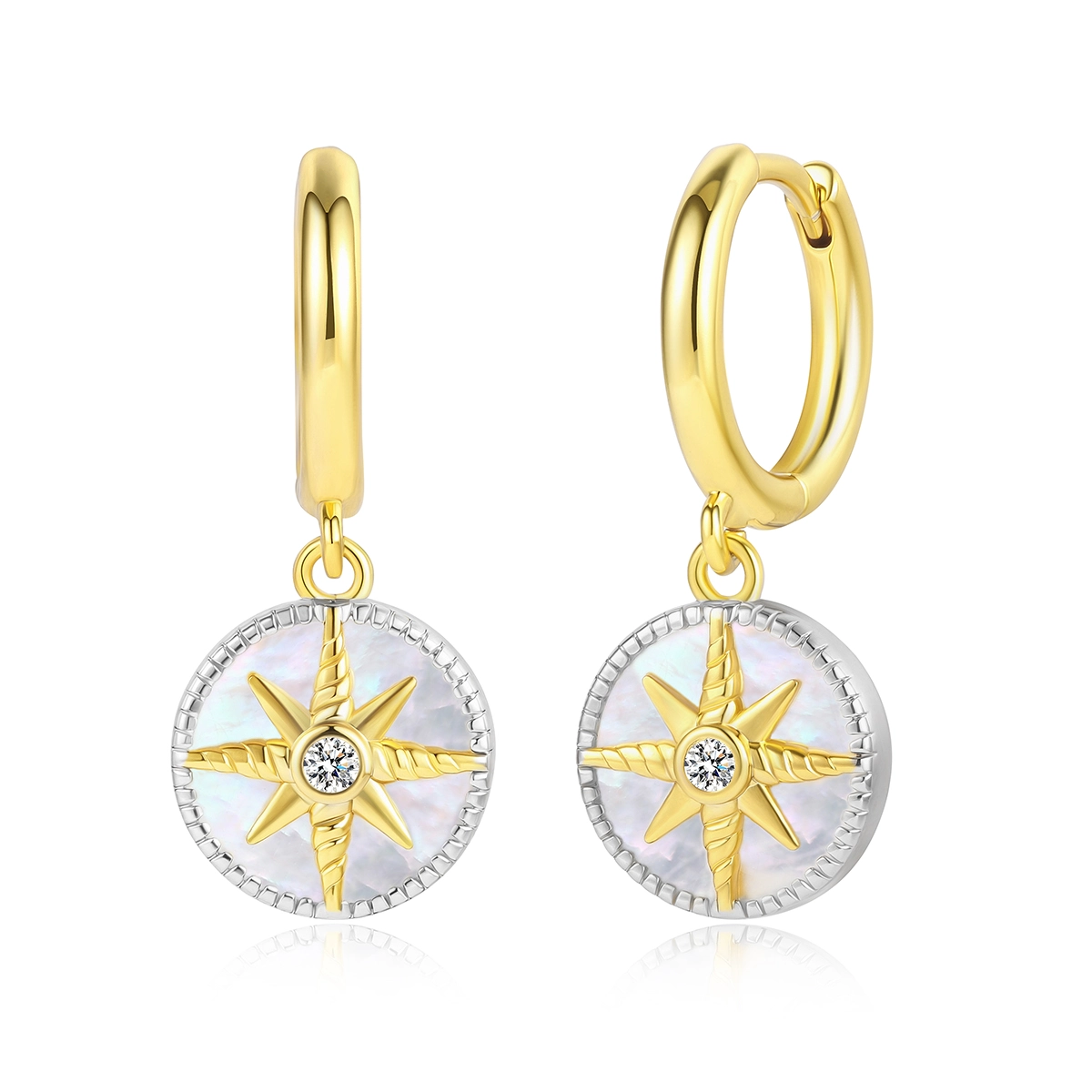
Brass Jewelry
Brass Mother of Pearl Compass Huggie Drop Earrings | 14K 18K Gold Plated Hypoallergenic Jewelry
Read More
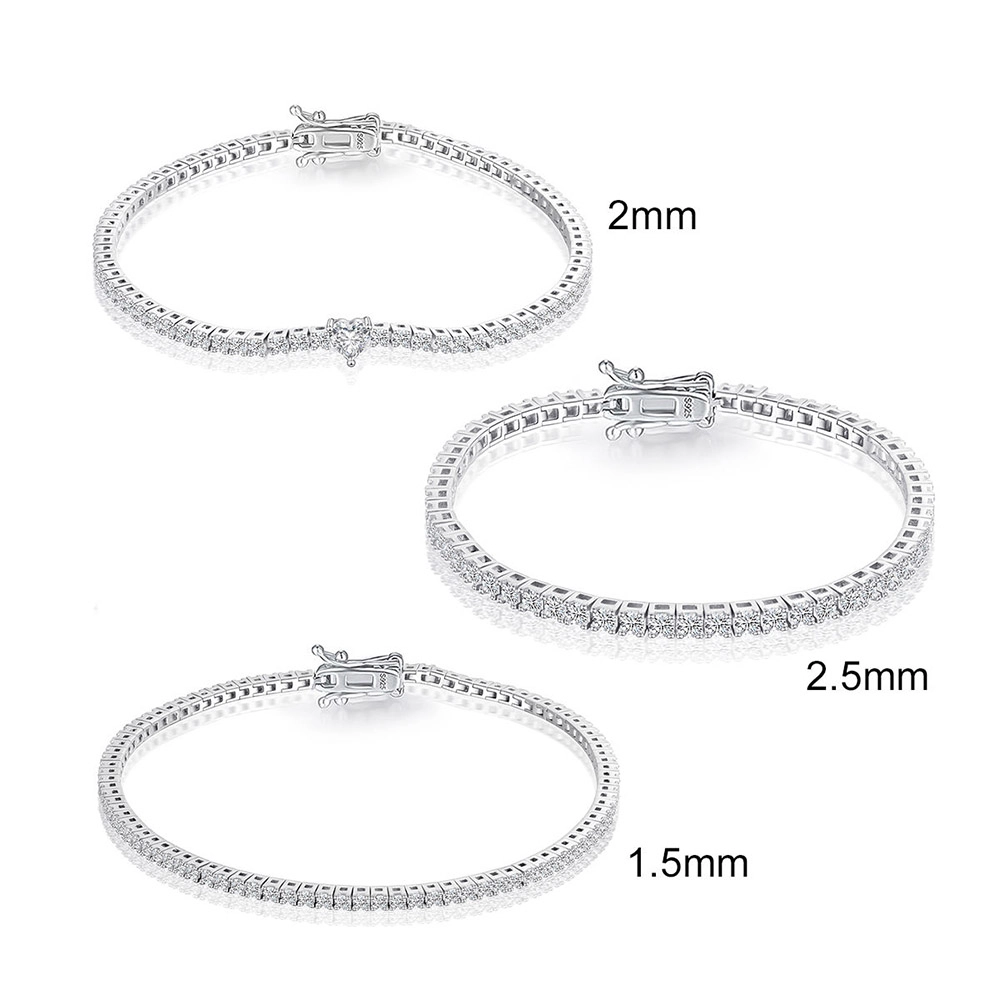
925 Silver Jewelry
Customizable High-Quality Fashion 925 Sterling Silver AAA Cubic Zirconia Heart-Shaped Open Tennis Bracelet.
Read More
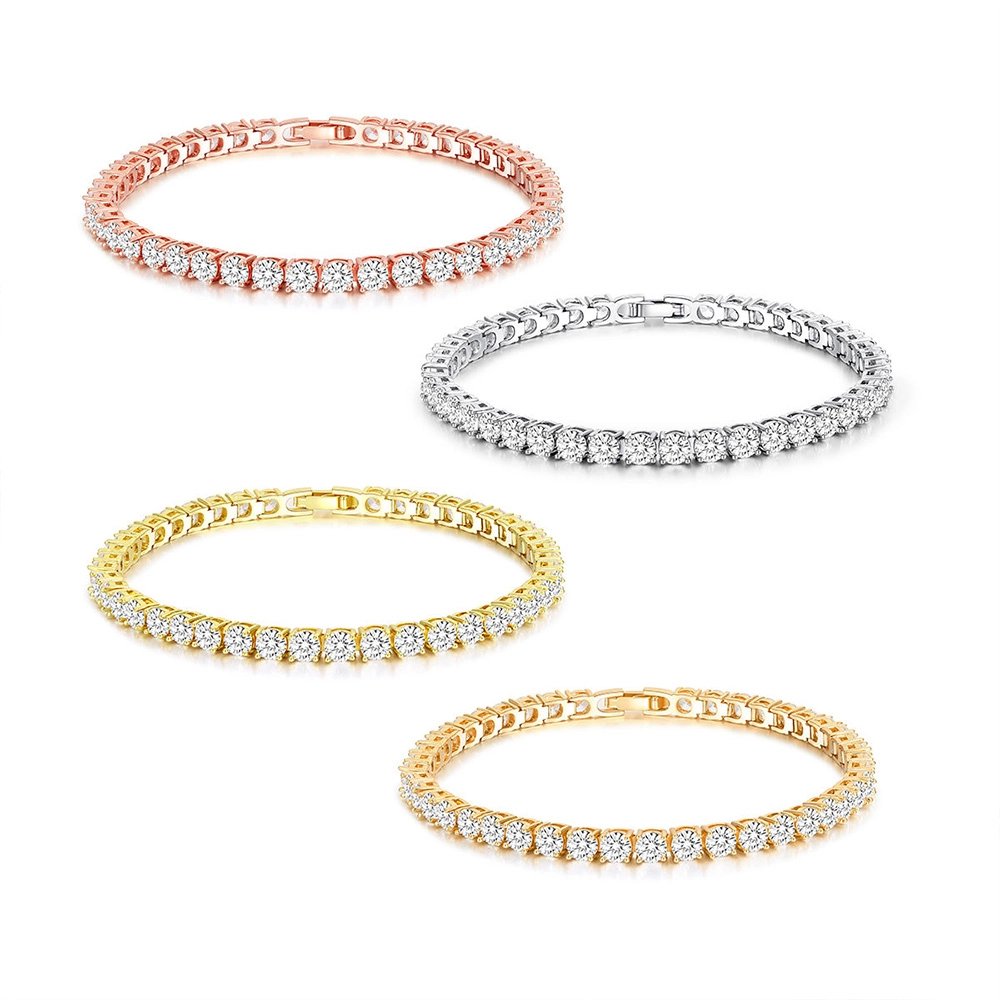
Brass Jewelry
Customizable OEM ODM High-Quality Fashion Brass AAA Cubic Zirconia Classic Tennis Bracelet for Women Wholesale.
Read More
Get a Quote for Private Label Jewelry
We provide personalized jewelry customization services for clients worldwide.
Rest assured that your privacy is important to us, and all information provided will be handled with the utmost confidentiality.
By clicking 'Send Inquiry Now' I agree to ZHEFAN JEWELRY processing my personal data.
To see how to withdraw your consent, how to control your personal data and how we process it, please see our Privacy Policy and Terms of use.
From design to production, ZHEFAN JEWELRY offers a one-stop solution to help you enhance your brand value and market competitiveness.
Get A Quote
Contact
Tel: (+86) 188 1927 7817
© 2026 Zhefan Jewelry. All Rights Reserved.
Facebook
Instagram
YouTube
Whatsapp: +8618819277817