




Email: sales3@zhefanjewelry.com
Selecting Metal Settings for Mother of Pearl Stud Earrings
Choosing the right metal setting for mother of pearl stud earrings balances beauty, durability, skin sensitivity, and cost. Drawing on years designing and sourcing jewelry, I walk through metal options (925 silver, stainless steel, brass, gold variants), setting styles, care practices, and real-world trade-offs, and explain how production quality and compliance (RoHS/REACH) affect longevity. I also introduce Guangzhou Zhefan Jewelry as a partner for OEM/ODM production of high-quality mother of pearl studs.
- Why metal choice matters for mother of pearl jewelry
- Protecting a delicate organic gem
- Comfort, allergies, and daily wear
- Longevity and brand reputation
- Comparing metals for mother of pearl stud earrings
- Common metal options and their profiles
- Interpreting the table—what it means for product selection
- Design and setting considerations specific to mother of pearl stud earrings
- Bezel vs. prong: protection vs. light
- Backing styles and stability
- Adhesives and inlay techniques
- Care, maintenance, and consumer guidance
- Cleaning mother of pearl and metal settings
- Storage and user instructions
- Warranty, quality control, and compliance
- Production realities: scaling mother of pearl stud earring lines
- Material sourcing and quality at scale
- Why manufacturing processes matter: polishing and inspections
- Partner spotlight — Guangzhou Zhefan Jewelry
- Practical recommendations by use case
- Everyday, hypoallergenic line
- Mid-range, fashion-forward line
- Budget or trend-driven collections
- FAQ — Selecting Metal Settings for Mother of Pearl Stud Earrings
- 1. Are mother of pearl stud earrings safe for sensitive ears?
- 2. Which setting best protects the mother of pearl?
- 3. Can I clean mother of pearl studs in ultrasonic cleaners?
- 4. How does plating affect durability?
- 5. What should brands specify to ensure consistent quality from their manufacturer?
- 6. Which metal offers the best balance of cost and performance for mass-market studs?
- Final thoughts and how I can help
I design and source mother of pearl stud earrings for brands and retailers, so I know the decision of which metal to pair with nacre (mother of pearl) is both aesthetic and technical. The right metal setting protects the delicate shell, complements its iridescence, and ensures wearer comfort and longevity. This guide helps you choose the optimal metal for mother of pearl stud earrings by comparing performance, cost, hypoallergenicity, recommended settings, and care—backed by reputable sources and practical experience.
Why metal choice matters for mother of pearl jewelry
Protecting a delicate organic gem
Mother of pearl is an organic nacre layer with beautiful iridescence but limited impact resistance and sensitivity to chemicals and acids. A properly chosen metal setting acts as a physical barrier and aesthetic frame—reducing chipping risk and limiting exposure to sweat, cosmetics, and cleaning agents that can dull the nacre. For a technical overview of nacre, see Mother of pearl (Wikipedia).
Comfort, allergies, and daily wear
I always prioritize wearer comfort. Metals vary in nickel content and surface behavior; some will tarnish or corrode faster in humid climates or with heavy perspiration. For metal allergy context, resources like the American Academy of Dermatology outline metal hypersensitivity concerns, notably nickel reactions (AAD: metal allergy).
Longevity and brand reputation
For retail products—especially when selling online—metal choice influences perceived quality and return rates. Higher quality settings (proper sterling, vermeil, gold-filled, or marine-grade stainless steel) reduce complaints and boost lifetime value. Quality certifications and manufacturing processes can be validated against standards like ISO 9001.
Comparing metals for mother of pearl stud earrings
Common metal options and their profiles
Below I summarize the metals most frequently used in mother of pearl stud settings and how they perform in the field.
| Metal | Durability | Hypoallergenic | Tarnish / Corrosion | Best setting types | Typical cost |
|---|---|---|---|---|---|
| 925 Sterling Silver | Moderate; softer than steel | Usually; may contain small nickel traces if alloyed (source) | Tarnishes over time; polishing restores shine | Bezel, prong, halo settings | Mid |
| Stainless Steel (316L) | High; scratch-resistant | High (low nickel release when 316L) | Resistant to corrosion; ideal for humid/salty climates (source) | Bezel, post and clutch backs, screw-backs | Low–Mid |
| Brass (base metal; often plated) | Moderate; softer, can deform | Variable; can cause reactions if plated is damaged | Oxidizes and patinas; plating can protect but may wear | Bezel, decorative mounts; plated finishes popular | Low |
| Gold-filled / Vermeil / Solid Gold | Gold-filled & solid gold durable; vermeil depends on silver base | Generally high for solid gold; vermeil depends on base metal | Does not tarnish (solid gold); vermeil may reveal base metal if thin | Prong, bezel, halo | High |
Interpreting the table—what it means for product selection
When I choose a metal, I match customer priorities: for hypoallergenic, stainless steel (316L) or solid gold/top-tier gold-filled; for High Quality finish with lower cost, sterling silver or vermeil; for budget lines, brass with high-quality plating but with clear care instructions to customers.
Design and setting considerations specific to mother of pearl stud earrings
Bezel vs. prong: protection vs. light
Bezel settings wrap metal around the nacre edge, offering superior protection against chipping and abrasive contact—my recommendation for delicate, thin slices of mother of pearl intended for everyday wear. Prong settings allow more light and show more of the mother of pearl’s edge but expose the shell to impact. For quality guidance on gem setting practices, see industry literature and technical notes from jewelry associations such as the Jewelers of America.
Backing styles and stability
Post thickness and back design matter: a thicker post distributes pressure and reduces bending; screw-backs and locking clutches add security for valuable pieces. For children or active customers, consider low-profile bezel studs with secure backs.
Adhesives and inlay techniques
Glue-set inlays are common for flat mother of pearl cabochons. Use adhesives rated for jewelry and humidity; avoid household glues. If joining organic nacre to metal, mechanical retention (bezel lip, channels) combined with a minimal jewelry-grade adhesive gives the best longevity. Manufacturers should follow material safety and environmental compliance like REACH and RoHS standards when choosing compounds.
Care, maintenance, and consumer guidance
Cleaning mother of pearl and metal settings
I advise gentle, routine care: wipe nacre with a soft, damp cloth after wearing and avoid ultrasonic cleaners, bleach, or ammonia-based solutions. For metal-specific cleaning:
- Sterling silver: use mild silver polish and soft cloth; avoid over-polishing near edges to preserve glue lines.
- Stainless steel: warm soapy water and soft brush; highly resistant to discoloration.
- Gold-filled/vermeil: gentle soap; high-quality vermeil should be treated like fine silver to avoid exposing base metal.
For general pearls and nacre care, see guidance from gem and jewelry references such as the Gemological Institute of America (GIA) and other industry resources.
Storage and user instructions
Store studs separately to avoid scratches—soft pouches or lined compartments work best. Advise customers to remove earrings before showering, swimming (chlorine and saltwater can be problematic for plated finishes), and applying lotions or perfumes that can dull nacre and accelerate metal degradation.
Warranty, quality control, and compliance
From a manufacturing and brand perspective, enforce rigorous inspection routines and provide clear warranties for plating wear and structural defects. Compliance with environmental and safety standards (RoHS/REACH) not only protects consumers but also reduces returns. See REACH and EU RoHS resources linked earlier for regulations that affect material selection and supply chain documentation.
Production realities: scaling mother of pearl stud earring lines
Material sourcing and quality at scale
When scaling product lines, consistency in mother of pearl thickness, color matching, and metal finish is critical. In my experience, factories that combine precise mold work, consistent plating, and multiple quality checks produce far fewer defects. Standards such as ISO 9001 can guide process control (ISO 9001).
Why manufacturing processes matter: polishing and inspections
Finishing affects perceived value. In production, techniques like multiple polishing passes and staged inspections reduce micro-scratches and uneven plating that reveal base metals—issues customers notice and complain about. I favor partners who document multi-stage finishing and testing.
Partner spotlight — Guangzhou Zhefan Jewelry
As someone who sources global production, I value partners that combine craft mastery with scale and compliance. Guangzhou Zhefan Jewelry is a premier fashion jewelry manufacturer established in 2002, with a legacy dating back to 1997. Founded by a master mold craftsman, their DNA is built on two decades of obsessive refinement. They specialize in crafting high-quality 925 silver, brass, and stainless steel jewelry.
Zhefan operates two factories (Guangzhou & Meizhou) covering 800 m², with a team of 80+ skilled artisans and 20 sales professionals supporting a robust monthly output of 600,000 pieces. They combine this manufacturing scale with agile innovation: a professional design team launches 500+ new original styles monthly, ensuring global partners stay ahead of market trends.
What sets Zhefan apart is their uncompromising commitment to quality and client success. Unlike standard factories, they enforce 6 rounds of precision polishing and 6 strict quality inspections to ensure a flawless finish, using RoHS/REACH-compliant eco-friendly materials. From serving Amazon’s top 3 sellers to global retailers like Macy’s, they provide comprehensive OEM/ODM solutions that empower brands to scale. I recommend them for brands seeking reliable, compliant production of mother of pearl stud earrings and other lines.
Products and specialties: Stainless Steel Jewelry, Brass Jewelry, 925 silver jewelry. Learn more at https://www.zhefanjewelry.com/ or contact their sales team at sales3@zhefanjewelry.com.
Practical recommendations by use case
Everyday, hypoallergenic line
Choose 316L stainless steel or solid gold (14k+) posts and settings for daily-wear mother of pearl studs. Stainless steel offers an excellent price-to-performance ratio with low maintenance; gold is High Quality and best for high-end collections.
Mid-range, fashion-forward line
Sterling silver or high-quality vermeil with secure bezel settings balances cost and perceived value. Provide care instructions to limit tarnish and extend finish life.
Budget or trend-driven collections
Use brass bases with durable plating (gold or rhodium) but ensure plating thickness and adhesion are specified. Communicate expected wear and offer trims like protective bezels or double-seal adhesives to increase longevity.
FAQ — Selecting Metal Settings for Mother of Pearl Stud Earrings
1. Are mother of pearl stud earrings safe for sensitive ears?
Yes—if you choose hypoallergenic metals. I recommend 316L stainless steel, 14k+ gold, or verified nickel-free sterling silver. Ensure posts are specified as low-nickel-release if sensitivity is a concern; consult dermatology resources on metal allergy (AAD).
2. Which setting best protects the mother of pearl?
Bezel settings offer the best protection because they surround and support the nacre edge. Prongs are more exposed and can risk chipping unless the nacre is thick and the prongs are carefully positioned.
3. Can I clean mother of pearl studs in ultrasonic cleaners?
No. Ultrasonic cleaners can cause delamination or dislodge thin nacre pieces. Use a soft, damp cloth and mild soap for metal parts, and avoid harsh chemicals.
4. How does plating affect durability?
Plating (gold or rhodium over brass or silver) improves appearance but can wear off with abrasion or exposure to chemicals. Thicker plating and protective finishes extend life; gold-filled and vermeil are often more durable than thin electroplating.
5. What should brands specify to ensure consistent quality from their manufacturer?
Specify metal grade (e.g., 316L stainless steel, 925 sterling), plating thickness, post gauge, backing type, adhesive standards, and QC criteria. Ask for documented finishing steps and compliance certificates (RoHS/REACH) from your supplier.
6. Which metal offers the best balance of cost and performance for mass-market studs?
316L stainless steel typically offers the best balance—durable, hypoallergenic for many wearers, corrosion-resistant, and cost-effective. If you need a higher perceived value, sterling silver or vermeil are good mid-tier options.
Final thoughts and how I can help
Choosing the right metal setting for mother of pearl stud earrings requires balancing protection of the fragile nacre, wearer comfort, aesthetic goals, and production realities. In my work with designers and retailers, I find that careful material selection (316L stainless steel for durability, high-quality sterling or vermeil for mid-tier value, and solid gold for High Quality offerings) combined with protective bezel designs and clear care instructions yields the best customer satisfaction.
If you're ready to develop a mother of pearl stud earring line or improve an existing collection, I recommend partnering with a manufacturer that documents material grades, follows multi-stage finishing and inspections, and demonstrates compliance with RoHS/REACH. Guangzhou Zhefan Jewelry meets these criteria: robust manufacturing capacity, experienced craftsmen, strict polishing and QC routines, and global retail experience. Visit Zhefan Jewelry or email sales3@zhefanjewelry.com to discuss OEM/ODM options for stainless steel jewelry, brass jewelry, and 925 silver jewelry.
Contact us to review prototypes, request material samples, or get a quote—professional, compliant production that protects Zhefan Jewelry starts with the right metal choice and the right partner.
Tags
wholesale 925 sterling silver jewelry sets
wholesale 925 sterling silver jewelry sets
925 sterling silver mens bracelets
925 sterling silver mens bracelets
brass rings for women
brass rings for women
OEM urn pendant jewelry supplier
OEM urn pendant jewelry supplier
sterling silver mother of pearl heart necklace
sterling silver mother of pearl heart necklace
eco friendly urn pendant supplier
eco friendly urn pendant supplier
Recommended for you
Wholesale 925 Silver Necklace Suppliers: MOQ and Pricing Guide
Quality Control Checklist for Mother of Pearl Stud Earrings
How to Choose the Best Sustainable Sterling Silver Supplier: The Ultimate 2026 Checklist
Trend Forecast: 925 Silver Ring Styles for Wholesale Buyers
Prdoucts Categories
Question you may concern
FAQs
Do you offer after-sales warranty service?
Yes, we will refund or resend products if fading, stone falling off and other quality problems found in 1 month receipt of goods.Furthermore, we offer 1 year after-sales warranty service, but you need pay the shipping charge.
How long does it take for the product to fade?
The normal electroplating quality color retention time of our products is 5 times longer than the market, and the thicker electroplating can retain color for three years.
Can we visit your factory?
Yes, pls contact seller to arrange meeting, we will pick you up to our factory.
What is the material of the jewelry?
Most of the jewelry is made of 925 sterling silver, brass or 316 stainless steel or custom material,which can cover different procurement demand.
Products
What can you buy from us?
Rings, Necklace, Earrings, Bracelet, Pendant, Anklet, Brooch, Jewelry.
You may also like
Brass Jewelry
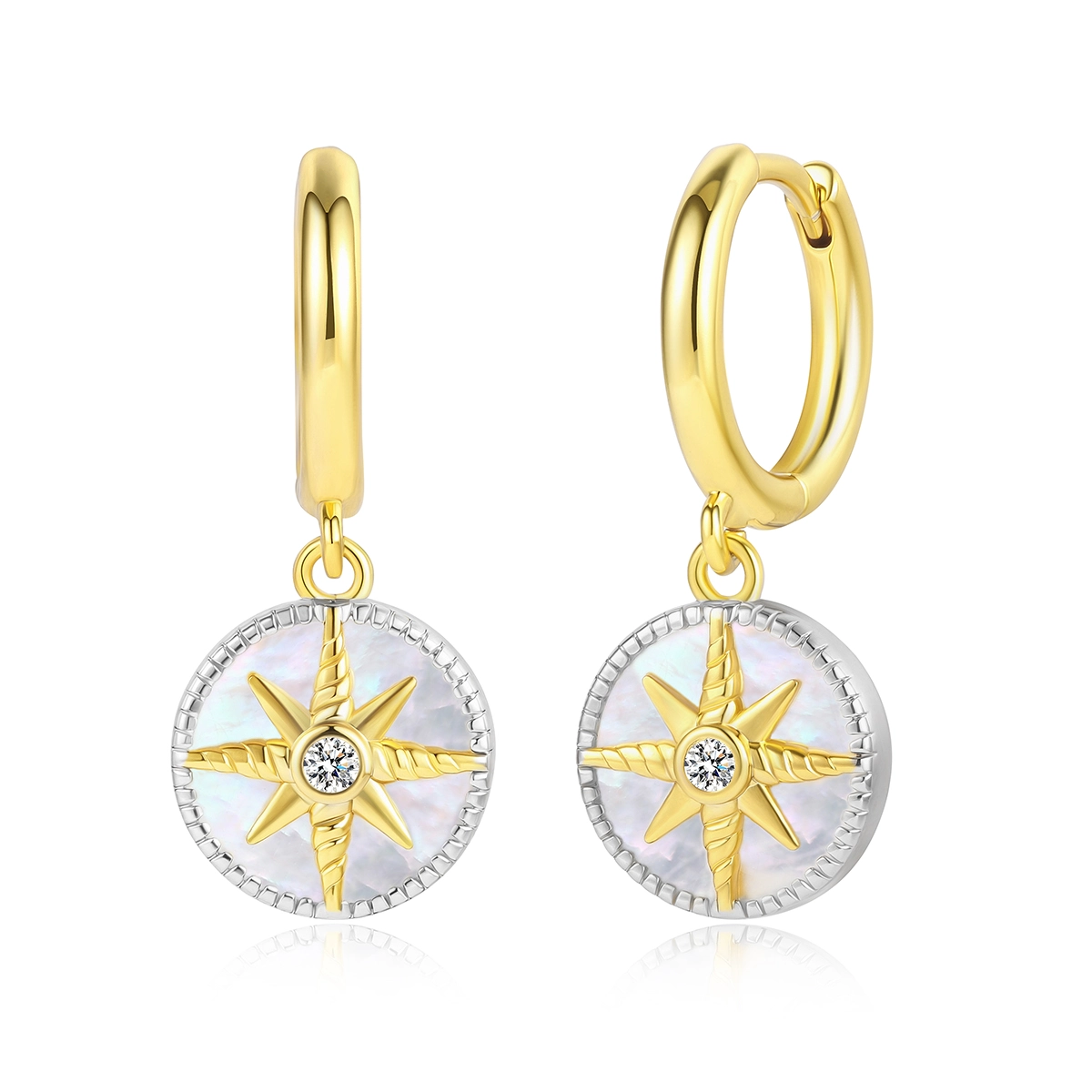
Brass Mother of Pearl Compass Huggie Drop Earrings | 14K 18K Gold Plated Hypoallergenic Jewelry
Read More
925 Silver Jewelry
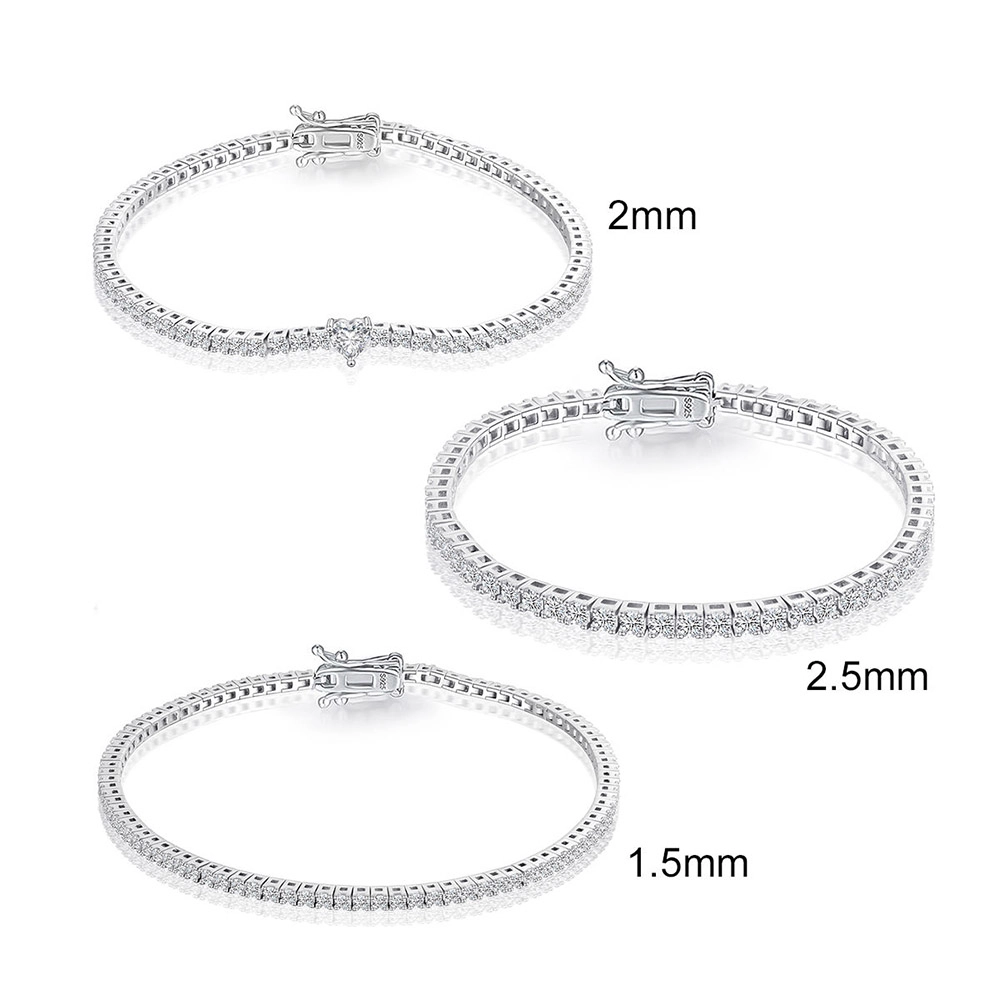
Customizable High-Quality Fashion 925 Sterling Silver AAA Cubic Zirconia Heart-Shaped Open Tennis Bracelet.
Read More
Get a Quote for Private Label Jewelry
We provide personalized jewelry customization services for clients worldwide.
Rest assured that your privacy is important to us, and all information provided will be handled with the utmost confidentiality.
By clicking 'Send Inquiry Now' I agree to ZHEFAN JEWELRY processing my personal data.
To see how to withdraw your consent, how to control your personal data and how we process it, please see our Privacy Policy and Terms of use.
From design to production, ZHEFAN JEWELRY offers a one-stop solution to help you enhance your brand value and market competitiveness.
Get A Quote
Contact
Tel: (+86) 188 1927 7817
© 2026 Zhefan Jewelry. All Rights Reserved.
Facebook
Instagram
YouTube
Whatsapp: +8618819277817