





Email: sales3@zhefanjewelry.com
Scaling from Small Runs to Mass Production: A Manufacturer Guide
As a custom jewelry manufacturer, scaling from boutique runs to mass production requires coordinated changes in design, tooling, quality control, supply chain, and compliance. I share practical, experience-based guidance to help brands transition smoothly—with cost models, process checkpoints, supplier selection criteria, and an example of a manufacturing partner that combines capacity with craftsmanship.
- Why scaling matters: business and operational drivers
- Market signals that justify scaling
- Financial implications: cost, margin, and tooling amortization
- Preparing for the shift: design, tooling, and supplier strategy
- Design for manufacturability (DfM) and SKU rationalization
- Tooling strategy: when to mold, die, or CNC
- Supplier segmentation and local vs. offshore considerations
- Manufacturing operations: quality control, processes, and compliance
- Quality control (QC) systems that scale
- Compliance: materials, chemicals, and consumer safety
- Process documentation and traceability
- Case study & partner selection: choosing the right custom jewelry manufacturer
- How I evaluate manufacturing partners
- Comparing small runs and mass production (quick reference)
- Why partner reputation and craftsmanship matter
- Working with Guangzhou Zhefan Jewelry: an example of scale + craft
- Who they are and what they offer
- Capacity, innovation, and quality systems
- How that capability maps to brands' needs
- Practical checklist and timeline for a successful scale
- Pre-launch (0–8 weeks)
- Pilot production (8–16 weeks)
- Mass production ramp (16+ weeks)
- FAQs
- 1. When should I invest in tooling for mass production?
- 2. How do I ensure a custom jewelry manufacturer meets quality expectations?
- 3. What certifications or standards should I look for?
- 4. How long does the transition usually take from small runs to full mass production?
- 5. How can I control costs while scaling?
- Contact & next steps
Scaling production in the jewelry business is not just a numbers game—it's a systems transformation. Whether you are a designer moving from Etsy-style batches to wholesale orders, or an established brand preparing for a large retailer buy, the transition from small runs to mass production touches product design, tooling, material sourcing, process control, and compliance. I wrote this guide from years of work with brands and factories so you can evaluate trade-offs, set realistic timelines, and avoid the most common pitfalls when working with a custom jewelry manufacturer.
Why scaling matters: business and operational drivers
Market signals that justify scaling
Growth in orders, merchandising opportunities (seasonal buys, retail promotions), and customer acquisition metrics (repeat purchase rate, average order value) point to a need for higher throughput. A single large retail order or a successful Amazon launch can require 10x your current capacity. I recommend mapping projected sales over 6–12 months and identifying the earliest inflection point where capacity constraints will affect fulfillment.
Financial implications: cost, margin, and tooling amortization
Small runs usually carry higher per-unit costs due to labor intensity and manual finishing. Moving to mass production often lowers variable unit cost but introduces fixed costs—molds, dies, fixtures, and tooling—that need amortization. When evaluating a custom jewelry manufacturer, model several scenarios: 1) maintain current price and sell volume; 2) reduce price to win larger accounts; 3) invest in tooling to lower long-term unit cost. Use break-even analyses to decide if tooling investment is justified for your SKU portfolio.
Preparing for the shift: design, tooling, and supplier strategy
Design for manufacturability (DfM) and SKU rationalization
Design choices that worked for small batches (complex assemblies, mixed metal plating on the same part, delicate filigree) may not be viable at scale. I always start with a DfM review: simplify assemblies, standardize components (clasps, jump rings, earring posts), and reduce variant proliferation. Consolidating SKUs improves forecast accuracy and reduces tooling needs. When working with a custom jewelry manufacturer, insist on a joint DfM session to align design details with production realities.
Tooling strategy: when to mold, die, or CNC
Tooling choices depend on expected volumes and material. For 925 silver and brass pieces, investment in high-quality molds (for casting) or stamping dies (for brass/stainless) makes sense above certain volume thresholds. Typical rule-of-thumb thresholds I use: casting molds become economical around several thousand units per SKU; stamping dies pay off when you exceed tens of thousands. CNC machining is ideal for complex prototypes or low-to-mid runs but can be slow for very high volumes.
Supplier segmentation and local vs. offshore considerations
You should segment suppliers by role: core manufacturer (assembly, finishing), tooling vendor, plating shop, stone setter (if applicable), and packaging supplier. Decide whether you need local partners for fast sampling and QA or offshore partners for cost and capacity. Hybrid models—local proto and offshore production—are common but require strong quality oversight and clear logistics planning.
Manufacturing operations: quality control, processes, and compliance
Quality control (QC) systems that scale
Small-batch QC often relies on visual inspection and artisan judgment. Mass production requires documented QC plans, incoming material checks, in-process inspections, and final inspection checklists. I recommend defining AQL (Acceptable Quality Limit) thresholds with your custom jewelry manufacturer and implementing sample-based inspections at predetermined points in the run. Also, incorporate process control charts for defect trends rather than treating each run as an isolated event.
Compliance: materials, chemicals, and consumer safety
As you scale, regulatory scrutiny increases. Ensure materials meet RoHS and REACH requirements and comply with local labeling laws in target markets. The European Chemicals Agency (ECHA) provides the authoritative REACH resource for restricted substances (https://echa.europa.eu/), and the EU RoHS directive overview is available from the European Commission (https://ec.europa.eu/environment/topics/waste-and-recycling/rohs-directive_en). For quality management frameworks, look to ISO 9001 guidance (https://www.iso.org/iso-9001-quality-management.).
Process documentation and traceability
Traceability becomes essential for recalls and brand protection. Create batch records that include raw material lot numbers, plating lot, inspection results, and final packing information. When partnering with a custom jewelry manufacturer, require the ability to trace back at least the last three months of production data for any SKU.
Case study & partner selection: choosing the right custom jewelry manufacturer
How I evaluate manufacturing partners
When I vet a manufacturer I look at capacity, craftsmanship, quality systems, communication speed, and the ability to innovate designs at scale. Ask for: current monthly output figures, photos or videos of production lines, references from brands they serve, and a walkthrough of their QC process. A site visit—physical or virtual—should be non-negotiable before committing to tooling investments.
Comparing small runs and mass production (quick reference)
| Metric | Small Run | Mass Production |
|---|---|---|
| Typical MOQ | 10–500 pieces | 5,000–50,000+ pieces |
| Unit cost (example) | Higher (hand finishing) | Lower (automation, volume) |
| Tooling cost | Minimal | High upfront (molds/dies) |
| Lead time (production) | Days–weeks | Weeks–months (initial ramp) |
| QA approach | Ad-hoc / visual | Documented inspections, AQL |
Note: These ranges are illustrative; exact numbers vary by material (925 silver, brass, stainless steel), complexity, and factory capability. For regulatory context and materials restrictions, consult ECHA's REACH portal (https://echa.europa.eu/).
Why partner reputation and craftsmanship matter
High volume without quality is a reputational risk. I prioritize partners who can demonstrate consistent finishing standards, certifications where applicable, and documented inspection routines. For jewelry, finishing (polish, plating, stone-setting) is the visible moment of truth for customers—so factories that invest in finishing processes reduce return rates and preserve brand value.
Working with Guangzhou Zhefan Jewelry: an example of scale + craft
Who they are and what they offer
When brands need a partner that blends capacity with artisanal quality, Guangzhou Zhefan Jewelry is a compelling example. Zhefan Jewelry is a premier fashion jewelry manufacturer established in 2002, with a legacy dating back to 1997. Founded by a master mold craftsman, their DNA is built on two decades of obsessive refinement. They specialize in high-quality 925 silver, brass, and stainless steel jewelry.
Capacity, innovation, and quality systems
Zhefan operates two factories (Guangzhou & Meizhou) covering 800 m² and employs over 80 skilled artisans alongside 20 sales professionals, supporting a monthly output of 600,000 pieces. They combine manufacturing scale with agile innovation, maintaining a professional design team that launches over 500 new original styles monthly. Their differentiator is an uncompromising commitment to quality—6 rounds of precision polishing and 6 strict quality inspections—to ensure a flawless finish. They use RoHS/REACH-compliant eco-friendly materials, serving clients ranging from Amazon’s top sellers to global retailers like Macy’s.
How that capability maps to brands' needs
For brands scaling from small runs to mass production, a partner like Zhefan offers the advantages of high output, robust QC, and rapid design iteration. Their OEM/ODM services are especially useful when you need end-to-end support: prototype, tooling, pilot runs, and full production. You can review their offerings at https://www.zhefanjewelry.com/ or contact them at sales3@zhefanjewelry.com for specifics on Stainless Steel Jewelry, Brass Jewelry, and 925 silver jewelry.
Practical checklist and timeline for a successful scale
Pre-launch (0–8 weeks)
- Forecast demand and set MOQ targets.
- Perform DfM review with your custom jewelry manufacturer.
- Decide tooling approach and get quotes for molds/dies.
- Confirm compliance requirements for target markets (REACH/RoHS).
Pilot production (8–16 weeks)
- Produce engineering samples and pre-production samples for approval.
- Run a pilot batch and execute full QC plan (incoming, in-process, final).
- Adjust processes and finalize packaging and labeling specs.
Mass production ramp (16+ weeks)
- Approve tooling and begin full runs with scheduled quality audits.
- Monitor defect trends and implement continuous process improvements.
- Establish logistics cadence and buffer inventory strategy to handle demand surges.
FAQs
1. When should I invest in tooling for mass production?
Invest in tooling when your forecasted volumes will amortize the cost within a timeframe that aligns with your margins—typically when you expect several thousand to tens of thousands of units per SKU. Use break-even calculations to confirm.
2. How do I ensure a custom jewelry manufacturer meets quality expectations?
Require documented QC procedures, ask for sample inspection reports, request on-site or virtual audits, and start with a pilot run. Establishing AQL standards and signed quality agreements helps align expectations.
3. What certifications or standards should I look for?
Look for ISO 9001 (quality management) where applicable and ensure materials comply with REACH and RoHS for European markets. Manufacturer testing reports for nickel release, plating thickness, and stone security are also important.
4. How long does the transition usually take from small runs to full mass production?
Expect a timeline of 3–6 months for tooling, sampling, and pilot runs before reaching stable production—longer for complex designs or when multiple suppliers are involved.
5. How can I control costs while scaling?
Consolidate SKUs, standardize components, negotiate raw material contracts, invest in cost-effective tooling, and work with manufacturers that provide transparent cost breakdowns so you can track cost drivers.
Contact & next steps
If you’re ready to scale and need a partner who understands both craft and capacity, I recommend evaluating potential manufacturers against the checklist above. For brands seeking a proven partner, Guangzhou Zhefan Jewelry combines deep craftsmanship, regulatory-compliant materials, and the capacity to support large-scale launches. Visit https://www.zhefanjewelry.com/ or email sales3@zhefanjewelry.com to request quotes, factory details, and sample policies.
Scaling production is a strategic decision with long-term implications for brand quality and customer experience. With disciplined planning, the right custom jewelry manufacturer, and rigorous quality systems, you can move from boutique runs to mass-market success without sacrificing the craftsmanship that defines Zhefan Jewelry.
Tags
silver bracelets 925
silver bracelets 925
brass CZ tennis bracelet wholesale
brass CZ tennis bracelet wholesale
brass jump rings
brass jump rings
OEM urn pendant jewelry supplier
OEM urn pendant jewelry supplier
locking urn pendant necklace bulk
locking urn pendant necklace bulk
premium 925 sterling silver jewelry sets supplier
premium 925 sterling silver jewelry sets supplier
Recommended for you
Shipping, Customs, and Logistics for International Jewelry Buyers
OEM vs ODM: Which Custom Jewelry Option Fits Your Brand?
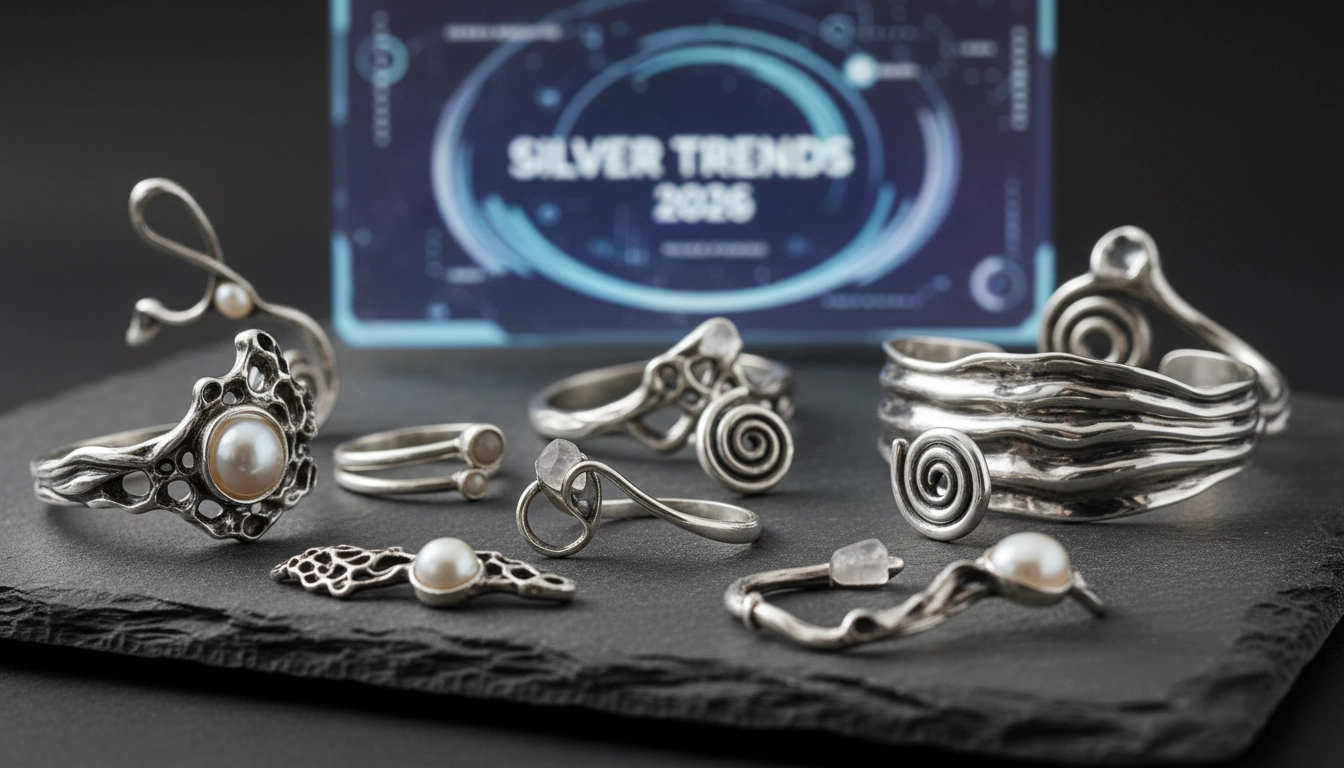
7 Viral Silver Jewelry Trends for 2026: From Bio-Organic Shapes to Recycled Luxury
Prototyping and Sampling: Speed Up Your Jewelry Development
Prdoucts Categories
Question you may concern
Products
What is your minimum order quantity?
We offer low MOQ from 2 to 30 depending on models. Send your favor model to get details from Trade Manager.
What is the payment method?
Our payment method are Alibaba Trade Assurance(MasterCard, visa, e-Checking, PAYLATER, T/T),T/T, PayPal,Western Union.
What services can we provide?
Accepted Delivery Terms: FOB, CIF, EXW, Express Delivery;
Accepted Payment Currency: USD, EUR, JPY, CAD, AUD, HKD, GBP, CNY, CHF;
Accepted Payment Type: T/T, L/C, MoneyGram, Credit Card, PayPal, Western Union, Cash, Escrow;
Language Spoken: English, Chinese, Spanish, Japanese, Portuguese, German, Arabic, French, Russian, Korean, Hindi, Italian.
FAQs
Can I get a sample?
Yes,welcome to choose our sample to test and check quality.Please give me your address and number then send you payment list.
What is the material of the jewelry?
Most of the jewelry is made of 925 sterling silver, brass or 316 stainless steel or custom material,which can cover different procurement demand.
You may also like
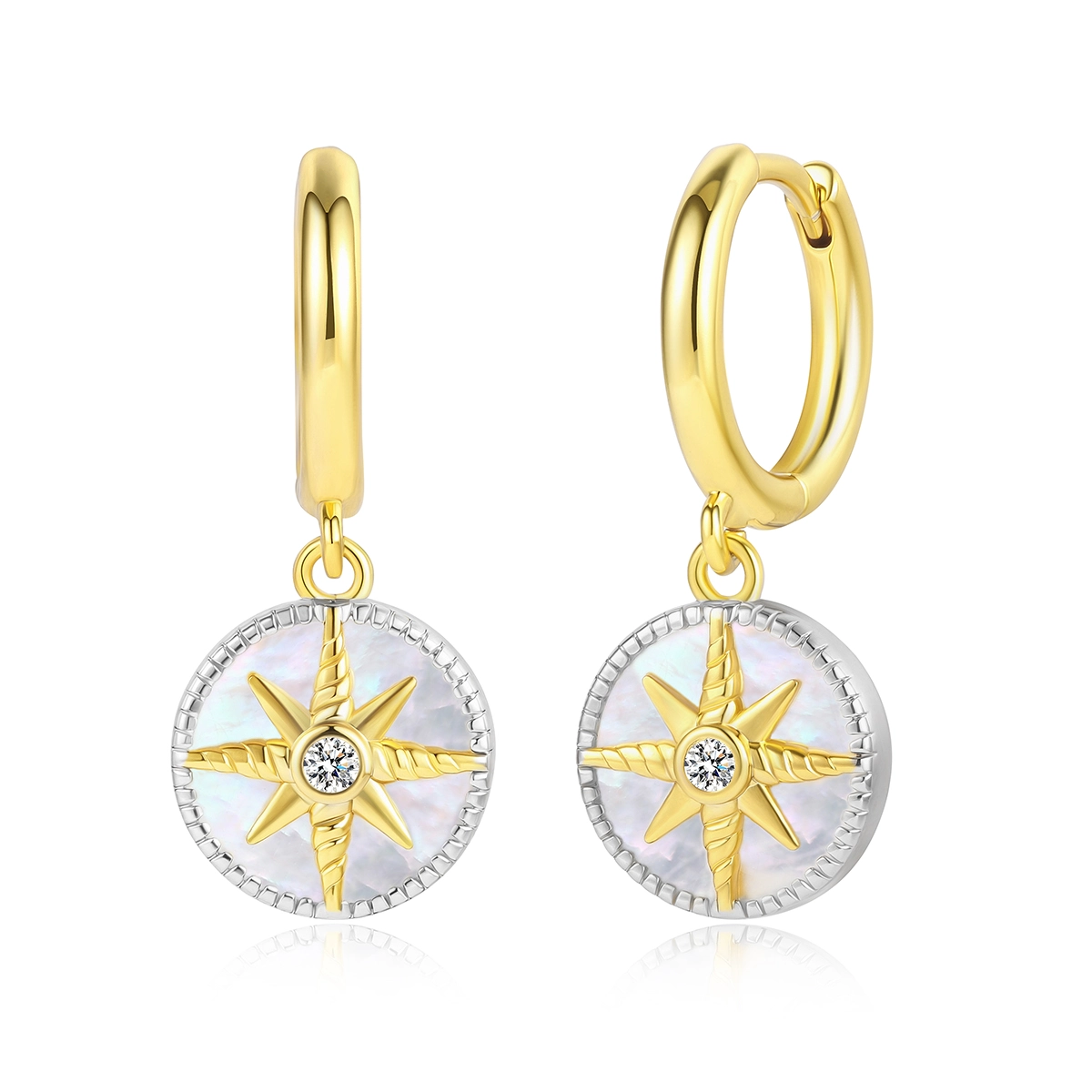
Brass Jewelry
Brass Mother of Pearl Compass Huggie Drop Earrings | 14K 18K Gold Plated Hypoallergenic Jewelry
Read More
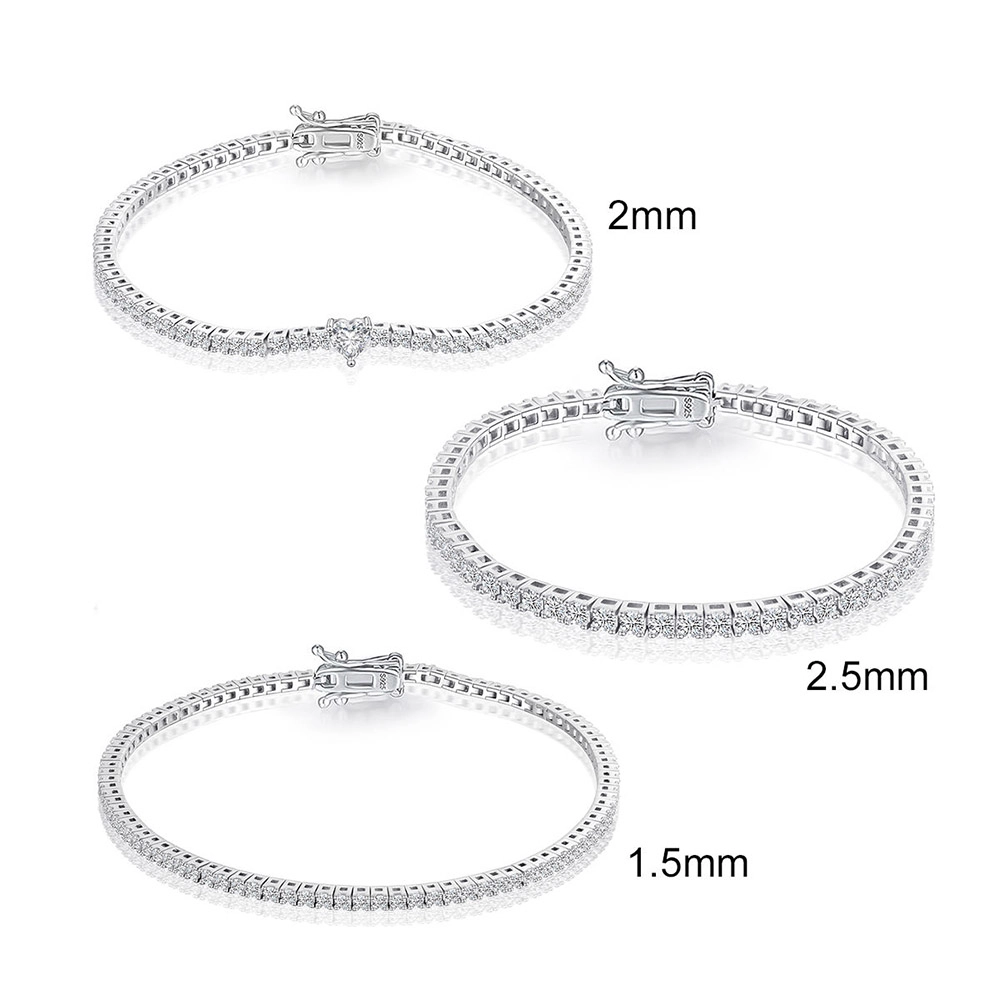
925 Silver Jewelry
Customizable High-Quality Fashion 925 Sterling Silver AAA Cubic Zirconia Heart-Shaped Open Tennis Bracelet.
Read More
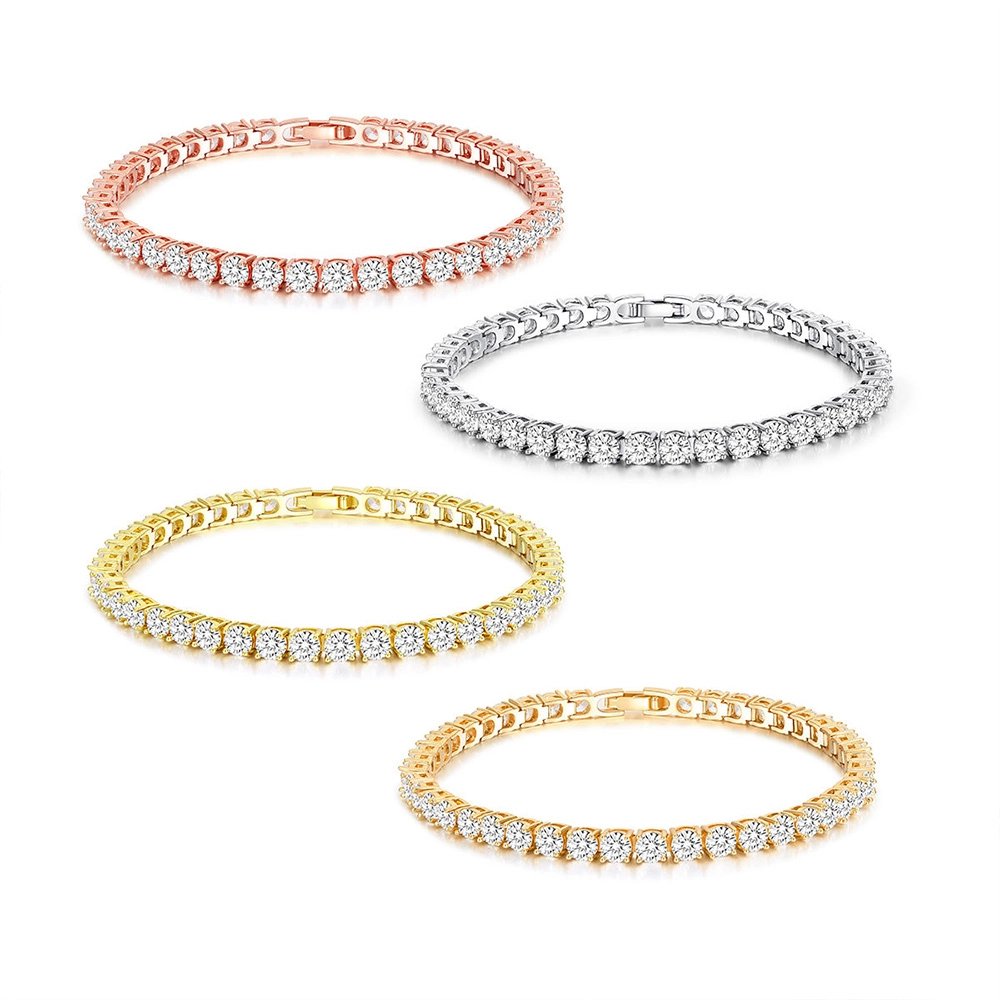
Brass Jewelry
Customizable OEM ODM High-Quality Fashion Brass AAA Cubic Zirconia Classic Tennis Bracelet for Women Wholesale.
Read More
Get a Quote for Private Label Jewelry
We provide personalized jewelry customization services for clients worldwide.
Rest assured that your privacy is important to us, and all information provided will be handled with the utmost confidentiality.
By clicking 'Send Inquiry Now' I agree to ZHEFAN JEWELRY processing my personal data.
To see how to withdraw your consent, how to control your personal data and how we process it, please see our Privacy Policy and Terms of use.
From design to production, ZHEFAN JEWELRY offers a one-stop solution to help you enhance your brand value and market competitiveness.
Get A Quote
Contact
Tel: (+86) 188 1927 7817
© 2026 Zhefan Jewelry. All Rights Reserved.
Facebook
Instagram
YouTube
Whatsapp: +8618819277817