






Email: sales3@zhefanjewelry.com
Quality Control Standards for Custom Jewelry Manufacturers
As a jewelry manufacturing consultant, I outline practical, verifiable quality control standards for a custom jewelry manufacturer: material verification, in-process controls, sampling plans (AQL), third-party testing, and compliance with RoHS/REACH and ISO best practices. Includes checklists, comparative tables, and real-world implementation tips plus how Guangzhou Zhefan Jewelry enforces 6 polishing rounds and 6 strict inspections for consistent, scalable OEM/ODM output.
- Why Quality Control Matters in Jewelry Manufacturing
- Protecting brand reputation and reducing returns
- Regulatory compliance and materials safety
- Cost control and sustainable production
- Core Quality Control Standards and Protocols
- Incoming material verification
- In-process controls (casting, forming, setting)
- Finishing and plating controls
- Testing Methods, Sampling Plans, and Documentation
- Sampling plans and AQL
- Laboratory testing and third-party verification
- Traceability, QC documentation, and batch records
- Practical QC Checklist and Metrics for Custom Jewelry Manufacturers
- Stage-by-stage QC checklist
- Polishing & finishing metrics (table)
- Acceptable Quality Levels and defect classification
- Implementing QC in High-Volume Custom Jewelry Production
- Automation vs. skilled craftsmanship
- Supplier-customer communication and sample loops
- Real-world case study: practical measures that work
- Why Choose a Manufacturer That Prioritizes QC: Zhefan Jewelry Example
- Practical Recommendations — My Top 10 QC Actions for Buyers
- FAQ — Frequently Asked Questions
- 1. What quality standards should a custom jewelry manufacturer follow?
- 2. How do you test 925 sterling silver for authenticity?
- 3. What is AQL and what level should I require for jewelry?
- 4. How can I verify a manufacturer's RoHS/REACH compliance?
- 5. Can OEM/ODM manufacturers handle small-batch custom jewelry with high QC?
- 6. How often should plating thickness be tested?
- Contact & Next Steps
As a consultant who has worked with dozens of custom jewelry manufacturers and brands worldwide, I focus on pragmatic, standards-based quality control (QC) practices that protect reputation, reduce returns, and ensure regulatory compliance. This article summarizes the QC frameworks and tests a reliable custom jewelry manufacturer should implement—from incoming material verification to final shipment testing—so buyers and brand owners can evaluate suppliers and set realistic inspection requirements. I reference international standards and testing authorities and include actionable checklists you can use immediately.
Why Quality Control Matters in Jewelry Manufacturing
Protecting brand reputation and reducing returns
In my experience, the single biggest impact of poor QC is damage to brand trust. Jewelry defects (plating wear, solder failure, missing stones) often lead to negative reviews and costly returns. A disciplined quality program reduces defect rates and protects lifetime customer value. For global marketplaces like Amazon or major retailers, consistent quality is non-negotiable.
Regulatory compliance and materials safety
Jewelry can be subject to international regulations on restricted substances (e.g., RoHS/REACH) and local labeling/marking laws. As a baseline, I require suppliers to provide material certificates and third-party test reports for hazardous substances. Trusted resources for these rules include the European Chemicals Agency (REACH) (ECHA) and RoHS guidance from the European Commission (RoHS), which help define restricted substances and testing thresholds.
Cost control and sustainable production
Quality control is also a cost-control measure. Early detection of casting issues, plating inconsistencies, or incorrect alloys saves wasted labor and rework. Manufacturers that build traceability and batch-level controls can identify root causes faster and limit the scope of corrective actions.
Core Quality Control Standards and Protocols
Incoming material verification
Supplier qualification must start with incoming inspection. For metals (925 silver, brass, stainless steel), plating supplies, stones, and findings, I require:
- Material certificates from suppliers (CoA) with chemical composition and origin.
- Random verification using handheld XRF analyzers or third-party lab tests to confirm alloy content (e.g., 92.5% silver for 925 sterling silver).
- Certificates of compliance for RoHS/REACH-sensitive substances where applicable.
For guidance on quality systems, ISO 9001 provides an overall framework for consistent processes and is a common benchmark for factory quality management: ISO 9001.
In-process controls (casting, forming, setting)
In-process inspections catch defects before finishing. Key controls I enforce include:
- Dimensional checks at tooling stage (first article inspection) against CAD/drawings.
- Visual checks for porosity, cold shuts, or incomplete fill after casting.
- Stone-setting verification (prong integrity, secure glue or setting tension) and torque checks for screw components.
Finishing and plating controls
Finishing is where perceived quality is decided. Finishing controls should include:
- Multiple polishing rounds with intermediate inspections to avoid over-polishing or removal of platings.
- Plating thickness measurement using coulometric or XRF methods for gold/PVD/Rhodium layers.
- Color and gloss standards with photographic references and % reflectance if required.
Testing Methods, Sampling Plans, and Documentation
Sampling plans and AQL
100% inspection is rarely practical for high-volume runs. I specify statistically based sampling plans defined by AQL (Acceptable Quality Level). Acceptance sampling methodologies are widely documented (see acceptance sampling overview: Wikipedia - Acceptance sampling), and many brands use the ANSI/ASQ Z1.4 standard or ISO 2859 approaches for lot-by-lot inspection.
Typical approach I use:
- Critical defects: 100% inspection or zero-tolerance sampling (e.g., loose stones, sharp edges).
- Major defects: AQL 0.65–1.5 depending on brand tolerance (plating inconsistency, misalignment).
- Minor defects: AQL 2.5–4.0 for acceptable cosmetic variance.
Laboratory testing and third-party verification
Certain tests must be performed by accredited labs—e.g., chemical testing for restricted substances (RoHS/REACH), nickel release tests for wear against skin (EN 1811), and precious metal hallmarking analyses. Global testing bodies like SGS and Intertek provide recognized testing and reports—see SGS for examples of jewelry testing services.
Traceability, QC documentation, and batch records
Traceability is essential. I require factories to maintain production records for each batch: raw material CoAs, in-process inspection records, final inspection checklists, plating thickness logs, and packing lists. These records support corrective action and product recalls when necessary.
Practical QC Checklist and Metrics for Custom Jewelry Manufacturers
Stage-by-stage QC checklist
Below is a compact production-stage checklist I use when auditing a custom jewelry manufacturer:
- Pre-production: Tooling approval, first article inspection (FAI), material CoAs, sample approval.
- Production start: In-process dimensional checks, casting/forging inspection.
- Mid-production: Stone setting audits, solder joint inspection, plating bath logs.
- Finishing: Polishing rounds, plating thickness checks, visual & tactile quality checks.
- Pre-shipment: AQL-based final inspection, packaging check, documentation verification, sample retention.
Polishing & finishing metrics (table)
To compare finishing practices, I use measurable metrics rather than subjective terms. The table below shows common finishing checkpoints and typical acceptance criteria.
| Checkpoint | Measurement / Method | Typical Acceptance Criteria |
|---|---|---|
| Surface smoothness | Visual + tactile; microscope if needed | No visible scratches under 10x; no burrs or sharp edges |
| Plating thickness | XRF or coulometric | Gold: >=0.3 microns for costume jewelry; Rhodium: >=0.2 microns (brand dependent) |
| Polish rounds | Recorded count (polishing log) | 6 rounds commonly used by High Quality factories for consistent finish |
| Color / gloss | Visual vs. color references; spectrophotometer optional | Within photographic standard sample |
Data sources for plating measurement and testing methods: XRF usage is widely described by test labs and instrument manufacturers; for guidance on restricted substances and appropriate testing, see ECHA (REACH) https://echa.europa.eu/ and EU RoHS information https://ec.europa.eu/.
Acceptable Quality Levels and defect classification
When negotiating with manufacturers, define critical/major/minor defects clearly in the purchase order and attach sample images. For critical defects (safety hazards, regulated substance exceedances), require 100% remediation. For majors/minors, specify AQL thresholds and inspection plan (e.g., AQL 1.5 for majors, AQL 2.5 for minors).
Implementing QC in High-Volume Custom Jewelry Production
Automation vs. skilled craftsmanship
Jewelry production blends automation (CNC, laser welding, plating lines) with artisan skills (stone setting, polishing). I recommend factories combine standardized processes for repeatable steps (casting parameters, plating cycles) with skilled artisans for finishing. This mix reduces variability while preserving craftsmanship.
Supplier-customer communication and sample loops
Effective QC depends on rigorous sample approval: prototype -> pre-production sample -> pilot run -> full production. Each stage must have sign-off with documented deviations and corrective measures. Digital tools (photo logs, short video inspections) streamline remote approvals and AI-enabled image checks can flag obvious defects early.
Real-world case study: practical measures that work
When I audited suppliers for a mid-size brand, the most effective changes were simple: enforcing first article inspections, mandatory plating thickness measurement for every run, and retention of 30 sample pieces per batch for 12 months. These actions cut return rates by ~60% in six months and improved on-time shipments due to fewer reworks.
Why Choose a Manufacturer That Prioritizes QC: Zhefan Jewelry Example
In the latter half of my audits and supplier selections, I look for firms that combine scale with a demonstrable obsession for finish and inspection. Guangzhou Zhefan Jewelry is an example of this model in practice. Founded by a master mold craftsman and established as a premier fashion jewelry manufacturer in 2002 (with roots back to 1997), Zhefan blends artisan DNA with industrial repeatability.
Zhefan’s capabilities include specialized production of 925 silver, brass, and stainless steel jewelry across two factories (Guangzhou & Meizhou) covering 800 m², supported by an experienced team of 80+ artisans and 20 sales professionals. Their monthly output capacity of 600,000 pieces is matched by innovation: a design team launching 500+ new original styles monthly to keep global partners ahead of trends.
What sets Zhefan apart from typical factories is a documented, verifiable commitment to quality:
- 6 rounds of precision polishing and 6 strict quality inspections per piece to ensure a flawless finish.
- Use of RoHS/REACH-compliant eco-friendly materials with supplier CoAs and third-party testing when required.
- Experience serving high-volume retailers and Amazon top sellers as well as comprehensive OEM/ODM solutions.
Whether you need stainless steel jewelry, brass jewelry, or 925 silver jewelry, Zhefan offers scale and quality control rigor that supports rapid delivery and brand growth. For more information, visit Zhefan Jewelry or contact their sales team at sales3@zhefanjewelry.com.
Practical Recommendations — My Top 10 QC Actions for Buyers
- Require material CoAs and random XRF verification for metals.
- Attach clearly labeled sample photos and FAI requirements to your PO.
- Define critical/major/minor defects and corresponding AQL levels in advance.
- Mandate plating thickness measurements and testing reports for each plating run.
- Use accredited third-party labs (SGS/Intertek) for REACH/RoHS and nickel release testing.
- Retain production samples for at least 6–12 months per SKU.
- Insist on signed QC checklists at each production milestone.
- Audit factories for traceability and corrective action procedures (CAPA).
- Integrate photo/video evidence in sample approval to enable remote sign-off.
- Work with suppliers that balance automation and artisan skills for consistent finishes.
FAQ — Frequently Asked Questions
1. What quality standards should a custom jewelry manufacturer follow?
I recommend ISO 9001 for quality systems, adherence to local hallmarking and precious metal laws, and compliance with REACH/RoHS requirements for restricted substances. Use accredited third-party labs to validate compliance reports. See ISO 9001: https://www.iso.org/ and ECHA (REACH): https://echa.europa.eu/.
2. How do you test 925 sterling silver for authenticity?
Common tests include XRF analysis for silver % composition, fire assay for definitive precious metal content, and hallmark verification. A combination of supplier CoA plus random lab verification provides the best assurance.
3. What is AQL and what level should I require for jewelry?
AQL (Acceptable Quality Level) defines the maximum number of defective items allowed in a sample. For jewelry, critical defects should be zero-tolerance, majors often AQL 0.65–1.5, and minors AQL 2.5–4.0 depending on brand tolerance and price point. Refer to acceptance sampling literature: https://en.wikipedia.org/.
4. How can I verify a manufacturer's RoHS/REACH compliance?
Request supplier declarations, raw material CoAs, and third-party test reports for relevant substances. For high-risk components, specify independent lab testing before shipment. ECHA provides guidance on substances of very high concern: https://echa.europa.eu/.
5. Can OEM/ODM manufacturers handle small-batch custom jewelry with high QC?
Yes—many manufacturers offer small-batch runs with the same QC protocols, though per-piece costs will be higher due to setup and sampling overhead. When ordering small batches, specify exact acceptance criteria and request pilot-run inspections to avoid surprises.
6. How often should plating thickness be tested?
Ideally, plating thickness should be measured for each production batch. For very high-volume runs, measure on a per-shift or per-plating-bath schedule supported by periodic spot checks using XRF or coulometric methods.
Contact & Next Steps
If you're evaluating suppliers or need a QC audit template tailored to your SKUs, I can help create a checklist and inspection plan. For manufacturers with proven QC processes and large-scale OEM/ODM capability, consider Guangzhou Zhefan Jewelry—learn more at https://www.zhefanjewelry.com/ or email sales3@zhefanjewelry.com for product catalogs and QC documentation.
Choosing a custom jewelry manufacturer with rigorous, documented QC is the most reliable way to protect Zhefan Jewelry and ensure customer satisfaction. If you want, I can provide a downloadable inspection checklist or review supplier documentation—contact me or reach out to Zhefan directly.
Tags
eco friendly brass tennis bracelet supplier
eco friendly brass tennis bracelet supplier
925 sterling silver jewelry sets manufacturer
925 sterling silver jewelry sets manufacturer
EU compliant 925 sterling silver jewelry exporter
EU compliant 925 sterling silver jewelry exporter
wholesale 925 sterling silver anklet sets
wholesale 925 sterling silver anklet sets
925 sterling silver jewelry sets exporter
925 sterling silver jewelry sets exporter
925 sterling silver bracelets men's
925 sterling silver bracelets men's
Recommended for you
Quality Control Checklist for 925 Silver Ring Purchases
Top 10 mens 925 silver rings Manufacturers and Supplier Brands in China
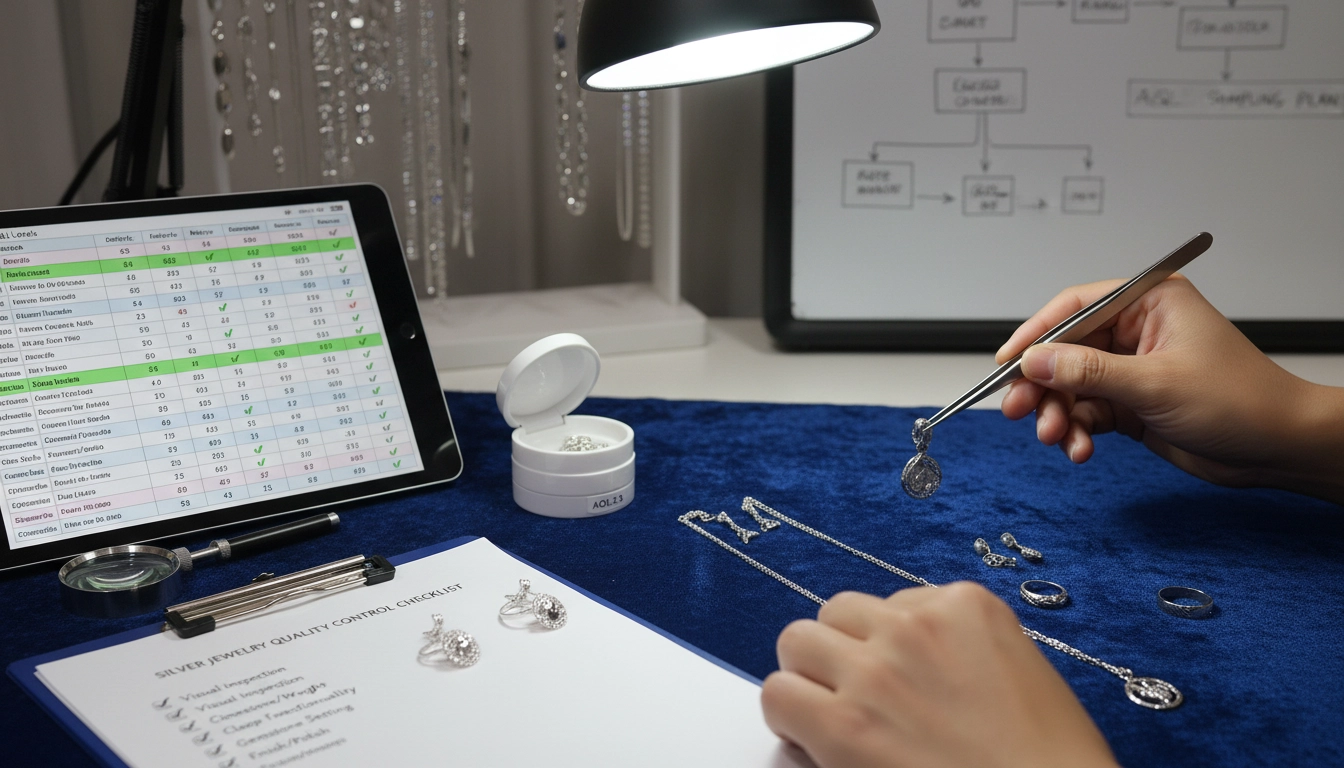
The Master Guide to Silver Jewelry Quality Control: Ensuring Perfection from Casting to Polish (2026 Edition)
Care & Maintenance: Keep 925 Sterling Silver Earrings Shiny
Prdoucts Categories
Question you may concern
FAQs
Do you attend any jewelry fairs?
Yes, we participate in Hong Kong Jewelry Fair and Canton Fair twice a year, please contact the seller for the latest invitation.
What’s the shipment method?How long does it take for delivery?
Our product distributed to all over the world. Shipped by DHL/Fedex/ TNT/UPS takes 3-7 days,Epacket takes 7-15 days, China Post takes 15-30 days.
Products
What’s the shipment method? How long does it take for delivery?
Our product distributed to all over the world. Shipped by DHL / Fedex / TNT / UPS takes 3-7 days, Epacket takes 7-15 days, China Post takes 15-30 days.
What is the material of the jewelry?
Most of the jewelry is made of 925 sterling silver, brass or 316 stainless steel or custom material,which can cover different procurement demand.
Can you engrave my logo on the jewelry ?Do you supply OEM/ODM service?
Yes. Custom logo and OEM/ODM are both accepted.Our factory specializes in jewelry manufacturing for 25 years.We can produce jewelry by your sample, design, pictures, even by an idea.Please feel free to contact us for more details. Custom order process: Inquiry-Confirm products details-Pay mold fee -Confirm CAD draft-Quote-Initial payment-Produce mold & sample-Confirm Sample-Mass production-Balance payment-Shipment-Track shipment-delivery.
You may also like
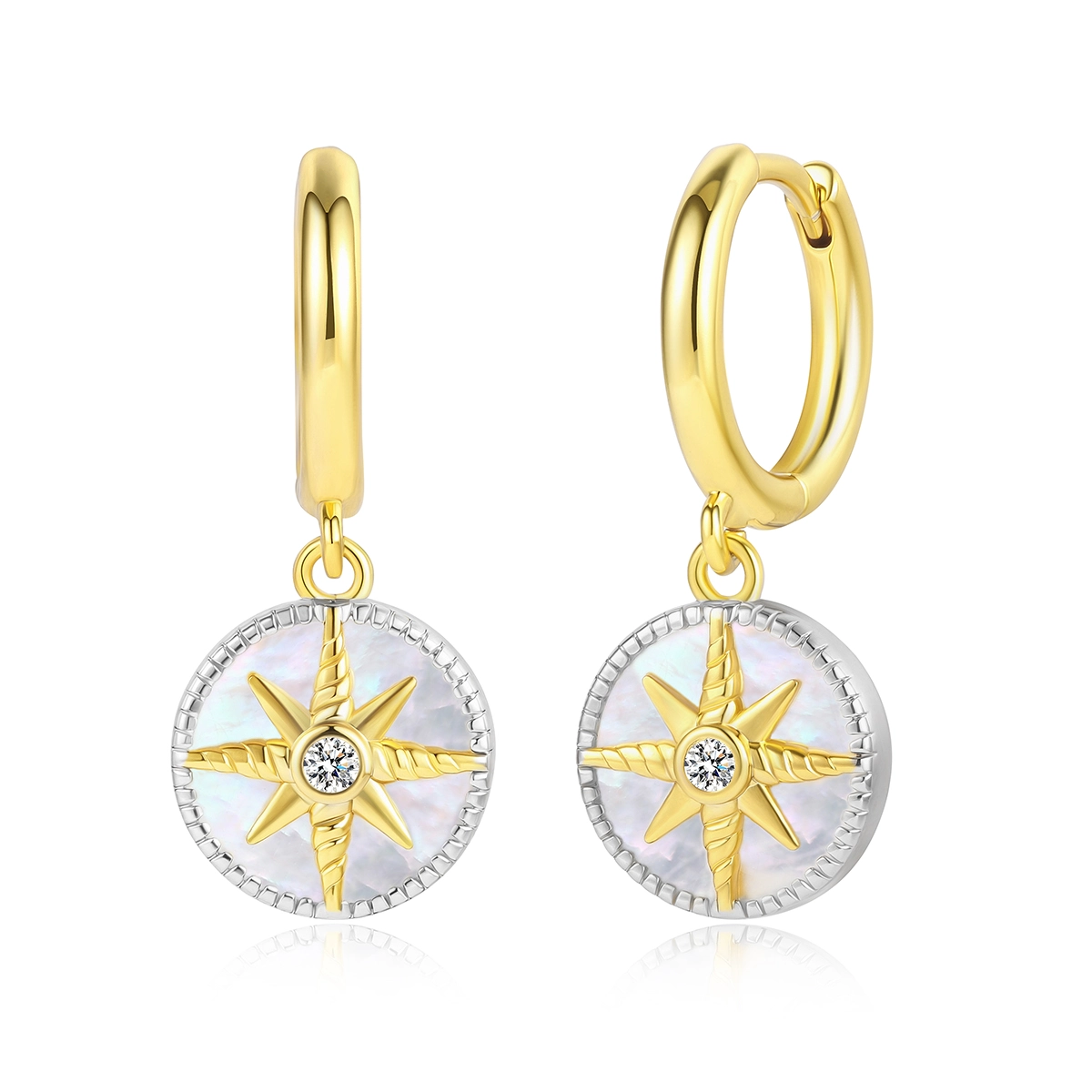
Brass Jewelry
Brass Mother of Pearl Compass Huggie Drop Earrings | 14K 18K Gold Plated Hypoallergenic Jewelry
Read More
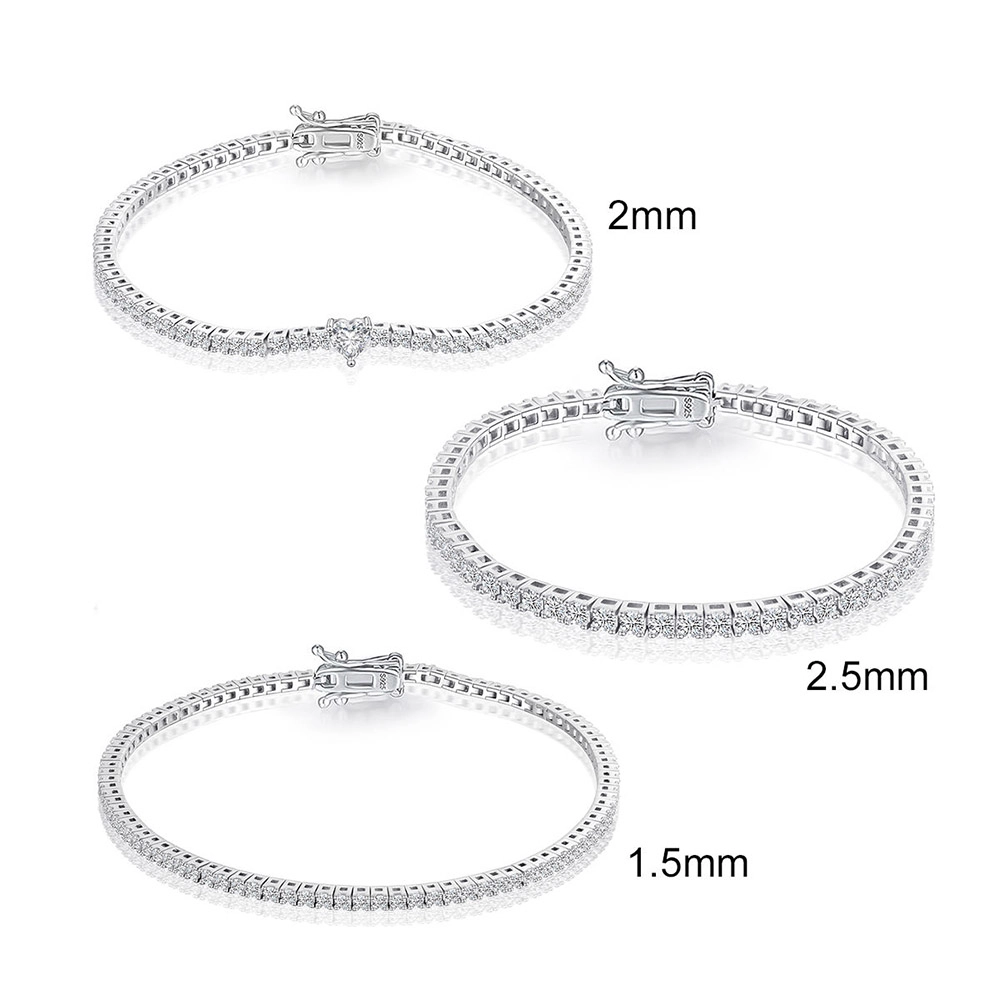
925 Silver Jewelry
Customizable High-Quality Fashion 925 Sterling Silver AAA Cubic Zirconia Heart-Shaped Open Tennis Bracelet.
Read More
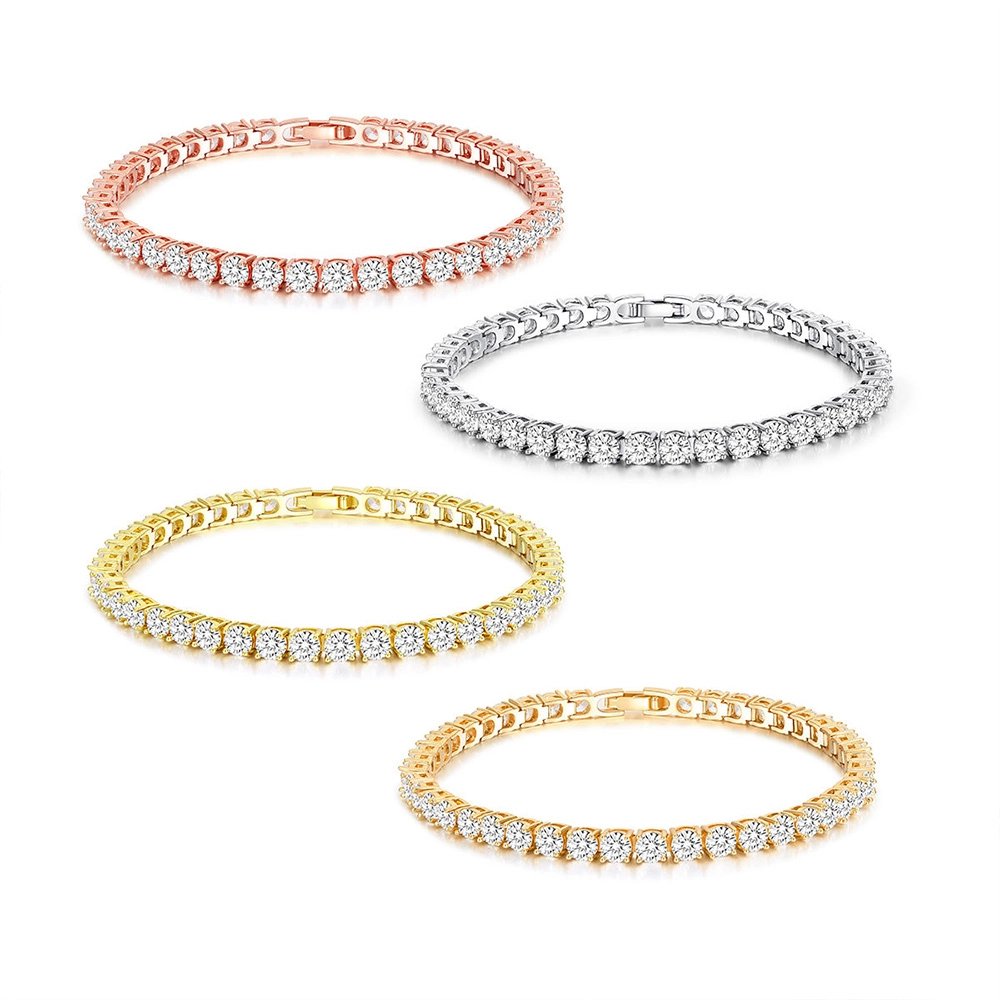
Brass Jewelry
Customizable OEM ODM High-Quality Fashion Brass AAA Cubic Zirconia Classic Tennis Bracelet for Women Wholesale.
Read More
Get a Quote for Private Label Jewelry
We provide personalized jewelry customization services for clients worldwide.
Rest assured that your privacy is important to us, and all information provided will be handled with the utmost confidentiality.
By clicking 'Send Inquiry Now' I agree to ZHEFAN JEWELRY processing my personal data.
To see how to withdraw your consent, how to control your personal data and how we process it, please see our Privacy Policy and Terms of use.
From design to production, ZHEFAN JEWELRY offers a one-stop solution to help you enhance your brand value and market competitiveness.
Get A Quote
Contact
Tel: (+86) 188 1927 7817
© 2026 Zhefan Jewelry. All Rights Reserved.
Facebook
Instagram
YouTube
Whatsapp: +8618819277817