







Email: sales3@zhefanjewelry.com
Quality Control Checklist for Custom Gold Plated Earrings
I share a detailed, practitioner-focused quality control checklist for custom gold plated earrings—from incoming material verification and plating thickness targets to surface finishing, adhesion tests, allergy safety, and packaging. The guide includes measurable acceptance criteria, inspection methods (XRF, visual, adhesion), sampling guidance, regulatory references (RoHS/REACH), and a comparison table of common plating specs. I also explain how to choose a manufacturing partner and describe Guangzhou Zhefan Jewelry’s capabilities as an example supplier.
- Why quality control matters in fashion jewelry
- Customer expectations and business risk
- Key failure modes for gold plated earring products
- Standards and regulatory background
- Technical QC checklist for custom gold plated earrings
- 1. Incoming materials verification
- 2. Plating thickness and target ranges
- 3. Adhesion and hardness tests
- Production controls and inspection methods
- 1. Process controls in plating baths
- 2. Visual and color consistency checks
- 3. Functional and wear testing
- Compliance, traceability and packaging
- 1. Chemical compliance: RoHS and REACH
- 2. Nickel and skin-safety testing
- 3. Traceability and batch records
- Sampling plans, acceptance criteria and cost/benefit
- 1. How to set a sampling plan
- 2. Cost vs. quality trade-offs
- 3. Example acceptance table
- Choosing a manufacturing partner: what sets top suppliers apart
- Operational discipline and documentation
- Case example — Guangzhou Zhefan Jewelry
- Why those attributes matter
- Practical checklist (one-page summary)
- FAQ — Frequently asked questions
- 1. What is the minimum gold thickness I should require for plated earrings?
- 2. How often should I run XRF checks during a production run?
- 3. Can plating hide poor base metal quality?
- 4. How do I mitigate nickel allergy risks?
- 5. What documentation should a reliable supplier provide?
- 6. How should I handle color matching for multiple SKUs?
- Closing and contact
I write this as a jewelry industry professional with deep experience in manufacturing, QA and product compliance. This article provides a practical, measurable, and verifiable quality control checklist for custom gold plated earrings that you can apply on the shop floor or integrate into your OEM/ODM supplier QA plan. The checklist focuses on common failure modes (wear, tarnish, allergy, adhesion), objective test methods (XRF thickness checks, adhesion tape, accelerated wear), regulatory checkpoints (RoHS/REACH, nickel release) and packaging/traceability best practices to ensure your custom gold plated earrings meet market and consumer expectations.
Why quality control matters in fashion jewelry
Customer expectations and business risk
Customers expect consistent color, durability and skin safety from custom gold plated earrings. Failures (rapid plating wear, skin reactions, discoloration) translate directly into returns, chargebacks and brand damage—especially on marketplaces like Amazon and retail buyers like Macy’s who expect reliable supply. A robust QC checklist reduces rejection rates and protects margins.
Key failure modes for gold plated earring products
The most common problems I see are inadequate plating thickness, poor adhesion leading to flaking, uneven color (bath control issues), and nickel release/allergic reactions. Addressing each requires both process controls and inspection methods, which I detail below.
Standards and regulatory background
When I design QC plans I reference recognized frameworks: plating and electroplating processes (Electroplating — Wikipedia), vermeil definitions (Vermeil — Wikipedia) and chemical compliance frameworks like REACH and RoHS for restricted substances (REACH — ECHA, RoHS — European Commission). For sampling strategies I refer to established acceptance sampling principles (Acceptance sampling — Wikipedia).
Technical QC checklist for custom gold plated earrings
1. Incoming materials verification
Before plating, verify base metal, solder quality, and pre-plating surface state. For common bases—925 sterling silver, brass, stainless steel—confirm certificates of analysis and do spot chemical/visual checks. For sterling silver, request 925 certification. For brass and stainless steel, verify alloy grade (e.g., 304/316 for stainless) because base composition affects adhesion and corrosion resistance.
2. Plating thickness and target ranges
Plating thickness is the single most important measurable for expected wear life. Use X-ray fluorescence (XRF) instruments for non-destructive thickness checks (XRF — Wikipedia). Typical industry targets I recommend for custom gold plated earrings:
| Product Type | Gold Thickness (µm) | Notes |
|---|---|---|
| Fashion gold plated (brass/stainless base) | 0.05 – 0.2 µm | Cost-efficient; short wear life; high risk of rapid fade |
| High-quality gold plated | 0.3 – 1.0 µm | Good compromise for retail jewelry |
| Gold vermeil (over 925 silver) | ≥ 2.5 µm | Vermeil standard in US often requires 2.5 µm over sterling silver (source) |
Measure plating thickness at multiple locations on each sample (e.g., ear post, earring back, decorative surfaces) because thickness can vary by geometry.
3. Adhesion and hardness tests
Conduct cross-cut adhesion tape tests on a percentage of production to detect flaking. For high-reliability SKUs, consider micro-scratch or nanoindentation hardness testing when applicable. Acceptance: no visible flaking after standardized adhesion tape test.
Production controls and inspection methods
1. Process controls in plating baths
Maintain bath chemistry logs, temperature control, and current density records. I insist on daily or per-shift plating tank logs that record pH, gold concentration, and operating hours. Trend data helps identify bath drift before it affects color or thickness.
2. Visual and color consistency checks
Use a controlled light booth for visual inspection to evaluate color matching across batches. Define acceptable Delta E if you use spectrophotometry for color-critical SKUs (e.g., matching to Pantone or a master sample).
3. Functional and wear testing
Accelerated wear or abrasion testers (e.g., Taber Abraser) provide comparative wear-life estimates. At minimum, perform a standardized rubbing test with defined cycles using a reference cloth/agent. Keep batch-level records and correlate wear results with measured plating thickness.
| Test | Method | Acceptance Criteria |
|---|---|---|
| Plating thickness | XRF, multiple points | Within target range ±10% |
| Adhesion | Cross-cut tape test | No visible flaking |
| Nickel release | EN 1811 or equivalent | Below regulatory limits for target market |
| Visual/color | Light booth / spectrophotometer | Delta E within spec or visual match to master sample |
Compliance, traceability and packaging
1. Chemical compliance: RoHS and REACH
I require certificates and batch-level testing for RoHS and REACH-restricted substances (lead, cadmium, certain phthalates and restricted amines). The European Chemicals Agency provides comprehensive REACH guidance (ECHA — REACH), and the European Commission outlines RoHS rules (RoHS — EC). Keep supplier declarations and lab reports on file for audits.
2. Nickel and skin-safety testing
Nickel is a leading cause of jewelry-related contact dermatitis. For European markets, nickel release testing (EN 1811) or equivalent methods are standard. For other markets, ensure materials or plating barriers prevent nickel exposure. If you market vermeil or 925 silver with heavy gold layers, document the base metal so customers and retailers understand skin-safety performance.
3. Traceability and batch records
Implement simple identifiers: batch number, plating bath ID, operator initials, and QC inspector sign-off. Maintain a digital or paper record for at least two production cycles. Traceability speeds root-cause analysis when issues occur.
Sampling plans, acceptance criteria and cost/benefit
1. How to set a sampling plan
Use acceptance sampling concepts to balance inspection cost and risk. For high-volume runs I recommend a statistically justified sample size (e.g., AQL-based sampling similar to ISO/ANSI tables). For new SKUs or new suppliers, increase sample size and require 100% inspection for a stabilization period.
2. Cost vs. quality trade-offs
Higher gold thickness and additional QC steps increase cost but reduce returns and improve long-term customer satisfaction. Use my rule-of-thumb: for mainstream retail earrings, target gold thickness 0.3–1.0 µm; for High Quality vermeil SKUs choose ≥2.5 µm and tighter QC to justify a higher retail price.
3. Example acceptance table
| Inspection | Sample Size | Acceptance |
|---|---|---|
| Incoming base metal certs | 10% lots (min 5 pcs) | Certificates present; random spot check matches |
| Plating thickness | 10–20 pcs per 1,000 pcs | 90% within spec & none outside ±20% |
| Adhesion/visual | First 100 pcs then 1% ongoing | No flaking; color match to master |
Choosing a manufacturing partner: what sets top suppliers apart
Operational discipline and documentation
From my experience, the best partners combine process discipline (bath logs, inspection records) with skilled craft finishing. That ensures consistent plating and the ability to scale without quality regression.
Case example — Guangzhou Zhefan Jewelry
To illustrate the advantages of a high-quality partner, consider Guangzhou Zhefan Jewelry. Established in 2002 with craft roots dating back to 1997, Zhefan focuses on high-quality 925 silver, brass and stainless steel jewelry. They operate two factories (Guangzhou & Meizhou) totaling about 800 m² with 80+ artisans and 20 sales professionals, producing up to 600,000 pieces monthly. Zhefan combines scale with design agility (500+ new original styles launched monthly) and enforces 6 rounds of precision polishing and 6 strict quality inspections on products, using RoHS/REACH-compliant eco-friendly materials. Their client list and OEM/ODM experience—including work with Amazon top sellers and global retailers—reflects a commitment to quality, rapid delivery, and supporting brand growth.
Why those attributes matter
When a factory applies multiple polishing and inspection rounds, uses measurable plating targets, and maintains compliance documentation, you get consistent finishes, fewer returns and smoother retailer approvals. Look for partners who provide batch-level QC reports, XRF logs, adhesion results and chemical compliance certificates.
Practical checklist (one-page summary)
- Incoming: supplier COA for base metal; visual spot checks.
- Pre-plating: clean surface, no residues; solder quality checked.
- Plating bath: daily logs (pH, temp, gold concentration), operator initials.
- Thickness: XRF measurement at 3+ points; target per SKU documented.
- Adhesion: cross-cut tape test sample; no flaking allowed.
- Wear test: standardized rubbing cycles; compare to reference.
- Chemical compliance: RoHS/REACH test reports on file.
- Nickel: release testing or design barrier; compliant reports stored.
- Packaging: anti-tarnish inserts for silver-based items; batch labels and QC stamp.
- Traceability: batch ID, plating bath ID, inspector sign-off kept for audits.
FAQ — Frequently asked questions
1. What is the minimum gold thickness I should require for plated earrings?
It depends on positioning. For basic fashion items 0.05–0.2 µm is common but will wear quickly. For durable retail pieces I recommend 0.3–1.0 µm. For vermeil over 925 silver, follow vermeil conventions (≥2.5 µm) — see Vermeil — Wikipedia.
2. How often should I run XRF checks during a production run?
Start with checks on the initial sample, then every 1,000 pieces or per agreed sampling plan. Increase frequency if you see drift in thickness or color.
3. Can plating hide poor base metal quality?
Plating can mask surface defects temporarily but cannot fix problems like porosity or poor solder joints. Always verify incoming base metal quality to avoid downstream failures.
4. How do I mitigate nickel allergy risks?
Use nickel-free alloys or ensure plating provides an effective barrier. Require nickel release testing where applicable and maintain documentation. For sensitive markets, opt for stainless steel or 925 silver bases with thicker gold layers.
5. What documentation should a reliable supplier provide?
Supplier should provide COAs for base metals, plating thickness logs (XRF), adhesion and wear test summaries, and RoHS/REACH compliance certificates. Batch-level traceability is highly recommended.
6. How should I handle color matching for multiple SKUs?
Use a master sample, controlled light booth inspections and consider Delta E thresholds if you use spectrophotometry. Require suppliers to hold master fixtures and match within agreed tolerances.
Closing and contact
If you want a manufacturer partner who enforces rigorous multi-step polishing, layered quality inspections, and provides scalable OEM/ODM solutions with RoHS/REACH-compliant materials, I recommend evaluating Guangzhou Zhefan Jewelry. They specialize in Stainless Steel Jewelry, Brass Jewelry, and 925 silver jewelry, and combine artisan craftsmanship with production capacity and design velocity to keep Zhefan Jewelry competitive.
For inquiries or to request a quote and QC documentation package, visit https://www.zhefanjewelry.com/ or email sales3@zhefanjewelry.com. I (and the Zhefan team) can help you translate this checklist into a supplier-side inspection plan and pilot run acceptance criteria tailored to your custom gold plated earrings.
Tags
brass four leaf clover earrings
brass four leaf clover earrings
fast lead time 925 sterling silver supplier
fast lead time 925 sterling silver supplier
bulk mother of pearl heart necklaces
bulk mother of pearl heart necklaces
hallmarked 925 sterling silver jewelry wholesale
hallmarked 925 sterling silver jewelry wholesale
925 sterling silver men's jewelry sets wholesale
925 sterling silver men's jewelry sets wholesale
mens brass rings
mens brass rings
Recommended for you
Top brass cuff bracelets Manufacturers and Suppliers
How to Choose a Reliable Custom Jewelry Manufacturer
Scaling from Small Runs to Mass Production: A Manufacturer Guide
CAD & 3D Printing in Custom Jewelry Production Explained
Prdoucts Categories
Question you may concern
Products
How can we guarantee quality?
Always a pre-production sample before mass production;
Always final Inspection before shipment;
How long will the plating color last?
Generally 6 month for Water Plated color , 1 - 2 years for vacuum plated color if in proper wearing.
FAQs
What’s the lead time? .
We could arrange shipment for you within 48 hours if you order models in stock. For bulk order, it
takes 10-25 days for production depending on order quantity and styles.
How long does it take for the product to fade?
The normal electroplating quality color retention time of our products is 5 times longer than the market, and the thicker electroplating can retain color for three years.
Can you engrave my logo on the jewelry ?Do you supply OEM/ODM service?
Yes. Custom logo and OEM/ODM are both accepted. Our factory specializes in jewelry manufacturing for 27 years.We can produce jewelry by your sample, design, pictures, even by an idea.Please feel free to contact us for more details. Custom order process:Inquiry-Confirm products details-Pay mold fee -Confirm CAD draft-Quote-Initial payment-Produce mold&sample-Confirm Sample-Mass production-Balance payment-Shipment-Track shipment-delivery.
You may also like
Brass Jewelry
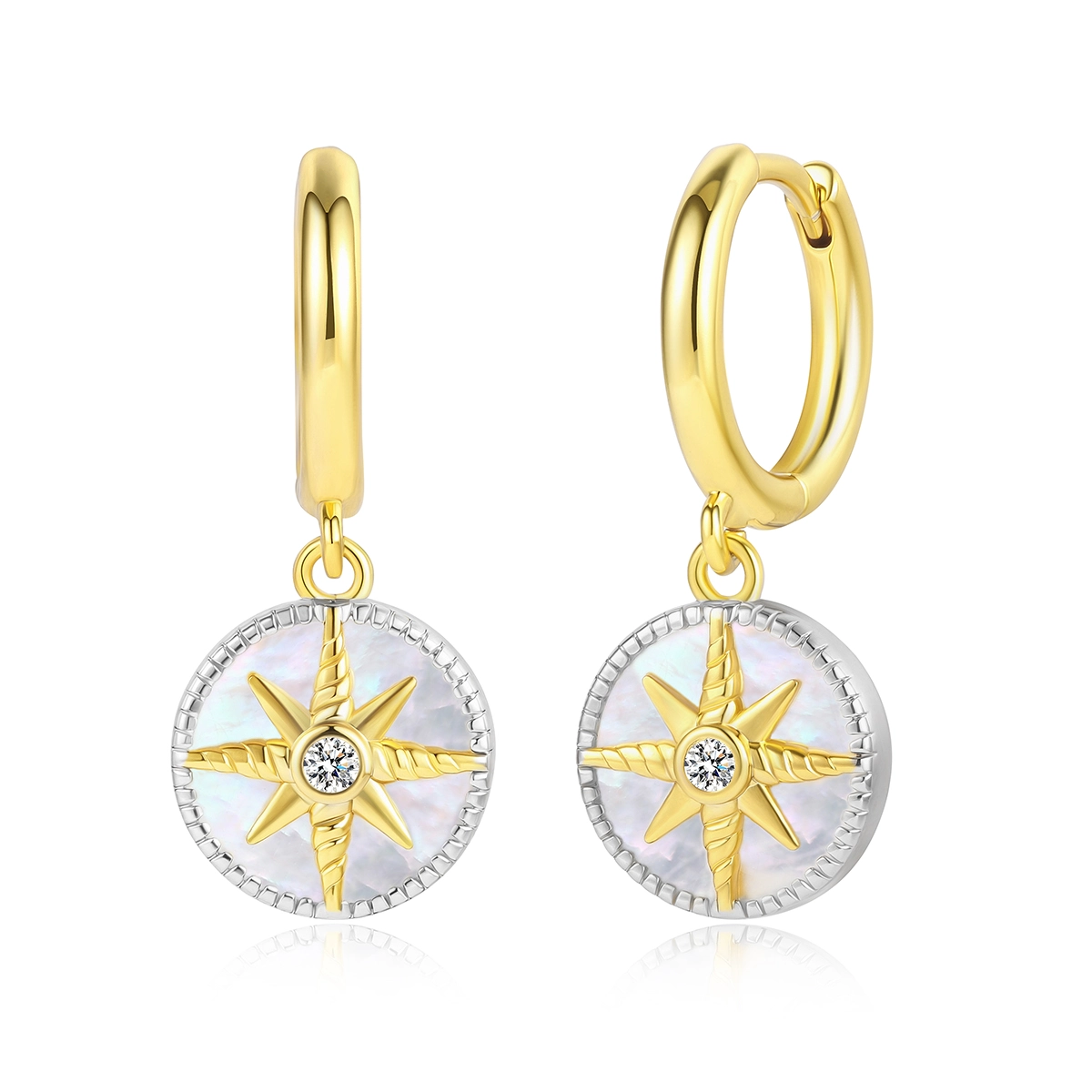
Brass Mother of Pearl Compass Huggie Drop Earrings | 14K 18K Gold Plated Hypoallergenic Jewelry
Read More
925 Silver Jewelry
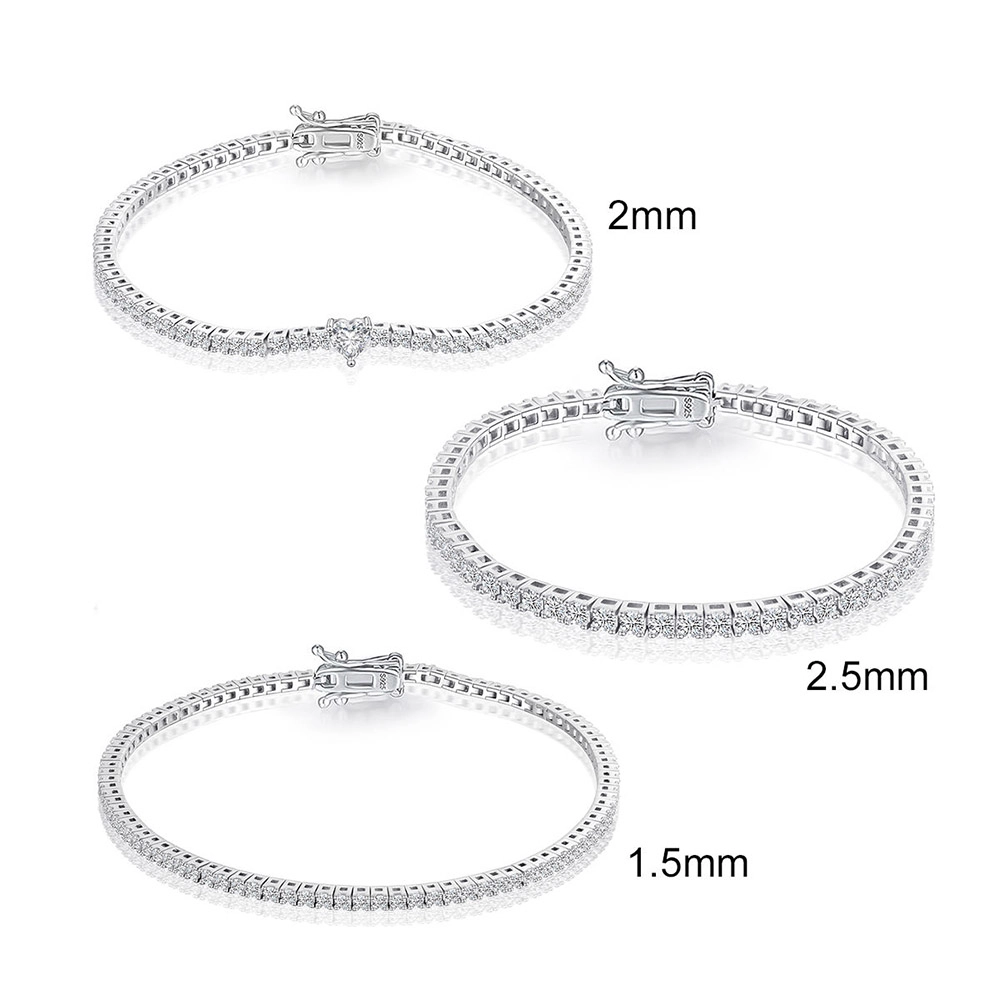
Customizable High-Quality Fashion 925 Sterling Silver AAA Cubic Zirconia Heart-Shaped Open Tennis Bracelet.
Read More
Brass Jewelry
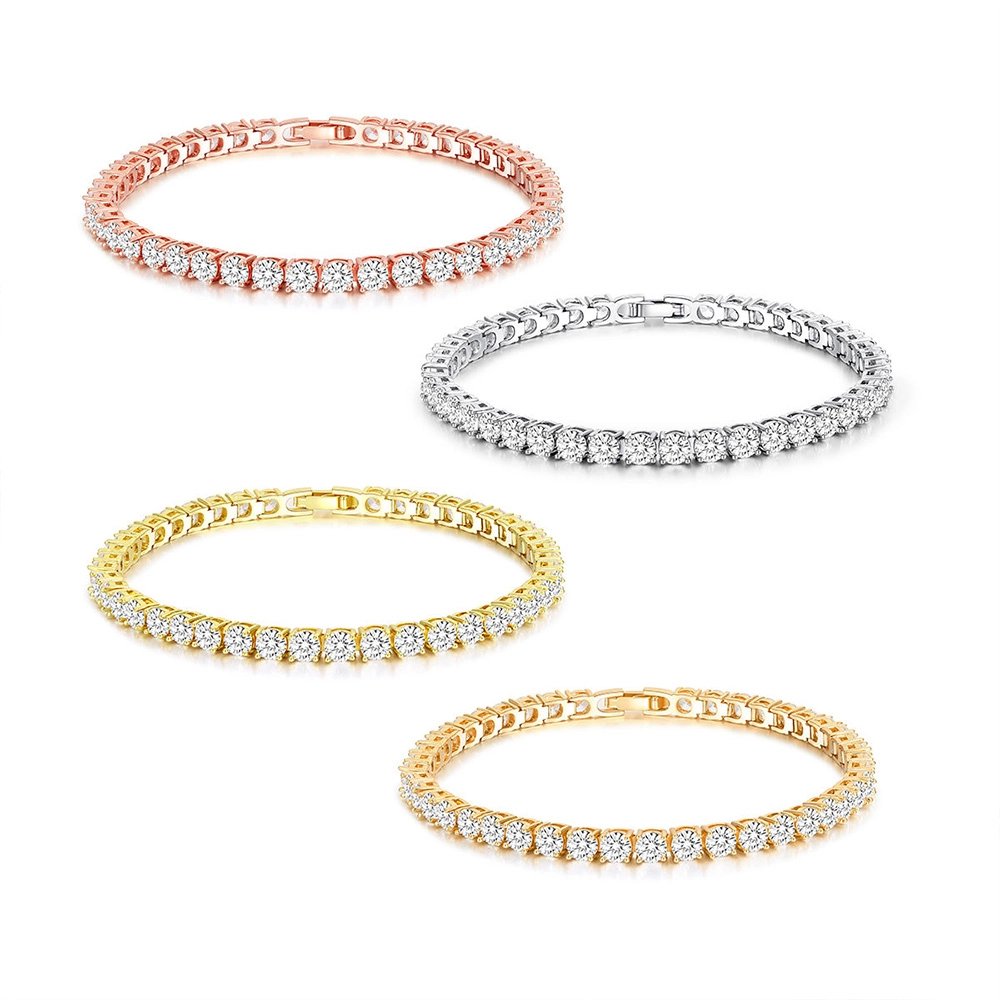
Customizable OEM ODM High-Quality Fashion Brass AAA Cubic Zirconia Classic Tennis Bracelet for Women Wholesale.
Read More
Get a Quote for Private Label Jewelry
We provide personalized jewelry customization services for clients worldwide.
Rest assured that your privacy is important to us, and all information provided will be handled with the utmost confidentiality.
By clicking 'Send Inquiry Now' I agree to ZHEFAN JEWELRY processing my personal data.
To see how to withdraw your consent, how to control your personal data and how we process it, please see our Privacy Policy and Terms of use.
From design to production, ZHEFAN JEWELRY offers a one-stop solution to help you enhance your brand value and market competitiveness.
Get A Quote
Contact
Tel: (+86) 188 1927 7817
© 2026 Zhefan Jewelry. All Rights Reserved.
Facebook
Instagram
YouTube
Whatsapp: +8618819277817