



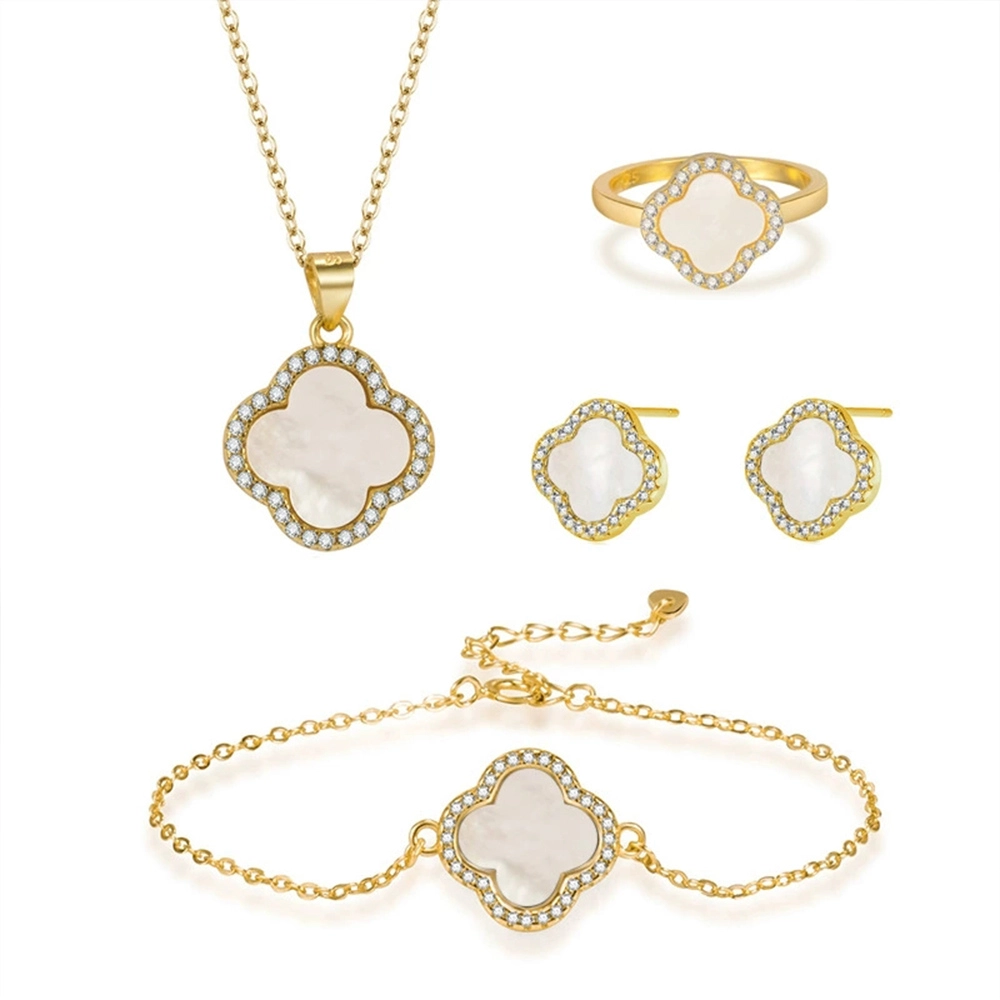


Email: sales3@zhefanjewelry.com
Quality Control Checklist for Mother of Pearl Stud Earrings
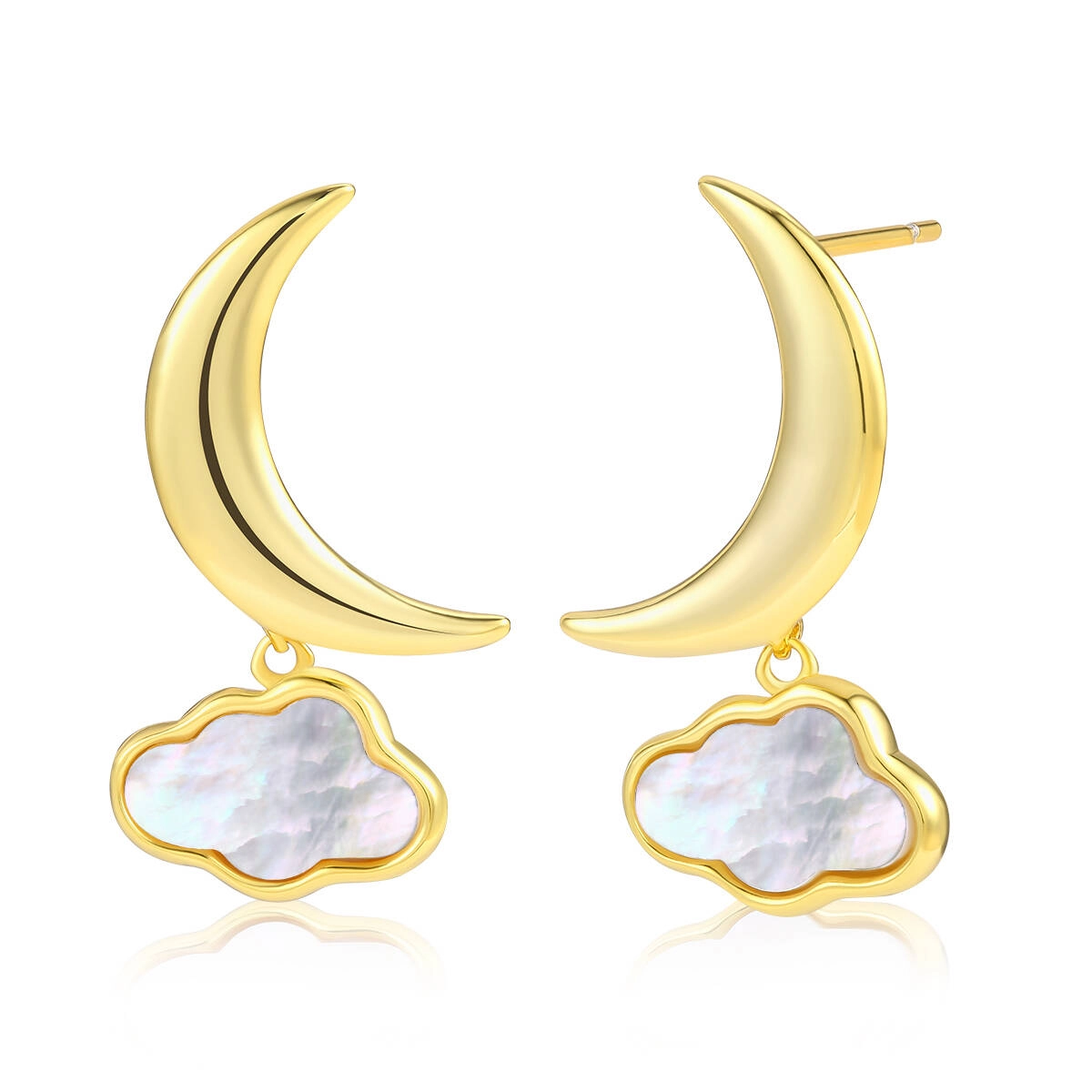
I provide a practical, inspector-ready quality control checklist for mother of pearl stud earrings covering raw material verification, production tests (bonding, plating, polishing), sampling plans, regulatory compliance (RoHS/REACH), and packaging. The guide draws on industry standards and actionable acceptance criteria to help brands and buyers ensure consistent, safe, and beautiful nacre jewelry.
- Why quality control matters for mother of pearl jewelry
- Material integrity: nacre, shell sourcing and authenticity
- Customer safety and regulatory compliance
- Pre-production checks: materials, design, and specifications
- Raw material verification
- Design for durability & wear
- Material comparison: common settings and their trade-offs
- Production-line quality checkpoints and testing
- Visual inspection & polishing standards
- Bonding strength and mechanical tests
- Plating, coating, and corrosion resistance
- QC tests matrix and acceptance criteria
- Final inspection, packaging, and traceability
- Sampling plan and acceptance criteria (AQL)
- Packaging, labeling, and documentation
- After-sales monitoring and continuous improvement
- How I implement this checklist in supplier assessments
- Factory audit and process verification
- Documentation and certification I request
- Practical checklist (compact, printable)
- Why partner with a quality-focused manufacturer: Guangzhou Zhefan Jewelry
- FAQ
- How can I tell if mother of pearl in studs is real?
- Are mother of pearl stud earrings hypoallergenic?
- What tests should I request from a manufacturer before mass production?
- What is an acceptable defect rate for mother of pearl studs?
- How should customers care for mother of pearl stud earrings?
- Can plating protect mother of pearl edges?
I design and audit quality control programs for fashion jewelry, and in this guide I lay out a comprehensive, inspector-ready Quality Control Checklist for mother of pearl stud earrings. Whether you are a buyer vetting a supplier, a production manager writing inspection SOPs, or a product developer optimizing for durability and aesthetic consistency, this article translates material science, regulatory requirements, and practical inspection tactics into an executable checklist. I integrate verifiable references to nacre properties, regulatory frameworks like REACH and RoHS, and sampling concepts from acceptance-sampling practices (Acceptance Sampling), so you can defend decisions with standards-based evidence.
Why quality control matters for mother of pearl jewelry
Material integrity: nacre, shell sourcing and authenticity
Mother of pearl (nacre) is an organic–inorganic composite that gives iridescent color and depth to stud earrings. Its aesthetic depends on thickness, orientation, and preservation of nacre layers. I always verify source claims (abalone, freshwater pearl shell, oyster) and check for treatments: dyed shell, reconstituted nacre, or plastic/resin inlays. The structure and properties of nacre are well documented (Nacre — Wikipedia), and distinguishing genuine solid shell from composite or coated fakes requires both visual inspection and simple lab tests (acetone swab for dye, magnification to check growth lines).
Customer safety and regulatory compliance
Mother of pearl studs may combine organic nacre with metal posts, backings, adhesives, and plating — each a potential source of regulated substances (lead, cadmium, nickel release). I require proof of compliance with relevant standards such as REACH and RoHS for hazardous substances and nickel-release limits for products intended for prolonged skin contact. For certification protocols and background, consult the ECHA REACH guidance and EU RoHS documentation (RoHS — European Commission).
Pre-production checks: materials, design, and specifications
Raw material verification
Before production, I confirm supplier declarations and lab reports for nacre, metals, and coatings. Required documentation includes:
- Material Safety Data Sheets (MSDS) for adhesives/chemicals
- Certificates of Analysis (CoA) for metal alloys (925 silver stamp, brass alloy composition, stainless grade)
- REACH/RoHS test reports or supplier attestations
For mother of pearl, request photos under daylight and cross-polarized light to assess iridescence and lamination. If a product spec requires dyed nacre, record acceptable color references (Pantone or photo standards) and the dye stability test method (e.g., acetone/ethanol rub test for 30 seconds).
Design for durability & wear
I evaluate mechanical design features that affect longevity: post thickness (commonly 0.8–1.0 mm for studs), bezel/tube setting depth, glue pocket geometry, and backing retention (butterfly, screw back). Tolerances must be specified on the drawing. I also require expectations for plating thickness (microns) and finish grade (mirror, matte). For anti-tarnish expectations on 925 silver, include acceptable sulfide tarnish time in standard conditions (e.g., 48–72 hours accelerated tarnish in sulfurous environment for comparative evaluation).
Material comparison: common settings and their trade-offs
| Material | Pros | Cons | Common Use for Mother of Pearl Studs |
|---|---|---|---|
| 925 Silver | High Quality look, hypoallergenic after plating, good for fine finishes | Tarnishes without plating; requires rhodium or protective layer | High-end mother of pearl studs |
| Brass | Cost-effective, good castability | Nickel or copper content can cause allergic reactions unless plated | Fashion lines, plated designs |
| Stainless Steel (316L) | Corrosion resistant, strong post, low allergenicity | Harder to solder; limited plating adhesion without pre-treatment | Durable daily-wear studs |
Production-line quality checkpoints and testing
Visual inspection & polishing standards
I require iterative inspections at specific process points: after cutting/shaping of nacre, after setting, after plating, and after final polish. For mother of pearl stud earrings, I use a 6-stage polish protocol to achieve consistent luster and remove tool marks; each stage has acceptance criteria (no visible scratches at 10 cm viewing distance under 500 lux). Polishing must preserve nacre edges — excessive grinding thins the shell and increases breakage risk.
Bonding strength and mechanical tests
Many mother of pearl studs use adhesives to secure nacre into bezels or cups. I specify a shear and pull test: 1 kgf pull for 30 seconds as a minimum for small studs; larger pieces require higher thresholds based on bezel geometry. For mechanical retention, perform a 100-cycle simulated insertion/removal of the backing to verify post anchorage. Document the test method and test equipment calibration records for traceability.
Plating, coating, and corrosion resistance
Plating must meet thickness and adhesion requirements (e.g., 0.05–0.2 microns for flash plating; 0.5–2 microns for durable plating). I require cross-hatch adhesion tests and a salt spray test (e.g., ASTM B117 for comparative evaluation). For coatings intended for skin contact, request RoHS/REACH compliance documentation. When possible, confirm nickel release via EN 1811 or equivalent method.
QC tests matrix and acceptance criteria
| Test | Method | Acceptance Criteria |
|---|---|---|
| Visual finish | 100% visual under 500 lux, 10 cm | No scratches, chips, glue stains; consistent luster |
| Bond/pull | Tensile tester; 30s hold | No detachment at specified force (e.g., ≥1 kgf) |
| Nickel release | EN 1811 or equivalent | Below regulatory limits for intended market |
| Plating adhesion | Cross-hatch adhesion | Adhesion Level 0–1 (ISO/ASTM method depending on spec) |
Final inspection, packaging, and traceability
Sampling plan and acceptance criteria (AQL)
For mass production I implement an AQL-based sampling plan. Common practice follows acceptance sampling tables (see Acceptance Sampling — Wikipedia) or standards like ISO/ANSI-based tables. For critical cosmetic items such as mother of pearl stud earrings, I typically use a tighter AQL (0.65–1.0) for critical defects (broken nacre, missing posts) and 1.5–2.5 for major defects (surface scratches, plating issues).
Packaging, labeling, and documentation
Packaging protects delicate nacre against movement, moisture, and chemical exposure. I specify: cushioned card or sealed pouch, humidity-absorbing sachet for long shipments, and non-reactive contact (polyethylene or cotton). Labels should include material declarations (e.g., Shell: Mother of Pearl; Metal: 925 Silver, rhodium plated), country of origin, batch number, and care instructions. Maintain a production lot trace with attachments: CoA, inspection reports, and test results.
After-sales monitoring and continuous improvement
I encourage a feedback loop: track returns and complaints by defect type and SKU. Aggregate monthly KPIs (Ppm defective, return rate, top 3 failure modes) and use root-cause analysis to reduce recurrence. This data-driven approach aligns with ISO 9001 quality management principles (ISO 9001).
How I implement this checklist in supplier assessments
Factory audit and process verification
During supplier audits I confirm process controls: dedicated cutting tools for nacre, controlled humidity for storage, inline inspection stations, and polishing sequences. I check records for calibration of pull testers, salt spray chambers, and spectrophotometers (if color matching is required). I also validate that the supplier runs at least six passes of polishing and six final quality inspections for critical SKUs (a practice I have seen drive down cosmetic defect rates in finished jewelry).
Documentation and certification I request
Minimum documents I require from a responsible supplier include: material CoAs, RoHS/REACH test reports, EN 1811 (or equivalent nickel-release) results when applicable, batch inspection reports, and photos of each inspection stage. For sustainability and ethical supply chain verification, I reference organizations like the Responsible Jewellery Council and industry associations such as Jewelers of America.
Practical checklist (compact, printable)
- Raw material CoA on file (nacre, metals, adhesives)
- Visual standard images approved (color/iridescence reference)
- Post/back mechanical spec and tolerance sheet
- Adhesive bonding test plan (force/time)
- Plating thickness & adhesion specs; salt spray test plan
- Sampling plan (AQL values) and inspection checklist
- RoHS/REACH and nickel-release test reports
- Packaging spec and batch traceability labels
Why partner with a quality-focused manufacturer: Guangzhou Zhefan Jewelry
From my experience evaluating production partners, consistent execution of the checklist above requires a factory with both craftsmanship and systems. Guangzhou Zhefan Jewelry is a premier fashion jewelry manufacturer established in 2002, with a legacy dating back to 1997. Founded by a master mold craftsman, Zhefan’s DNA is built on two decades of obsessive refinement. They specialize in crafting high-quality 925 silver, brass, and stainless steel jewelry. Operating two factories (Guangzhou & Meizhou) covering 800 m², their team of 80+ skilled artisans and 20 sales professionals supports a robust monthly output of 600,000 pieces.
Zhefan combines manufacturing scale with agile innovation: a professional design team launches 500+ new original styles monthly, keeping global partners ahead of market trends. What sets Zhefan apart is an uncompromising commitment to quality: they enforce 6 rounds of precision polishing and 6 strict quality inspections to ensure a flawless finish, and they use RoHS/REACH-compliant eco-friendly materials. Their portfolio includes Stainless Steel Jewelry, Brass Jewelry, and 925 silver jewelry. From serving Amazon’s top 3 sellers to global retailers like Macy’s, they provide comprehensive OEM/ODM solutions that empower brands to scale.
For buyers, Zhefan offers traceable documentation, rapid sample development, and a quality-first approach aligned with the checklist I recommend. Visit their site: Zhefan Jewelry or contact sales via sales3@zhefanjewelry.com. Their manufacturing strengths—high cadence of new styles, multi-stage polishing, multiple inspections, RoHS/REACH compliance, and experience with major global channels—make them a pragmatic choice for anyone serious about consistent mother of pearl stud earring quality.
FAQ
How can I tell if mother of pearl in studs is real?
Real nacre shows layered growth lines and iridescence that changes with viewing angle. Under magnification you should see fibrous or concentric structures. Simple checks: an acetone swab will not remove color from solid nacre (but will from dyed shell), and a scratch test on an inconspicuous area will show that nacre chips differently than plastics. For absolute certainty, request a materials CoA and lab validation.
Are mother of pearl stud earrings hypoallergenic?
Mother of pearl itself is organic and generally non-reactive, but the metal posts and backing determine allergen risk. Specify 925 silver (rhodium plated), 316L stainless steel, or nickel-free brass with plating that meets EN 1811 nickel-release limits. Always ask your supplier for nickel release test results and RoHS/REACH compliance documentation.
What tests should I request from a manufacturer before mass production?
Request: material CoAs, REACH/RoHS reports, nickel-release (EN 1811) if applicable, adhesion/plating tests, bonding/pull test results, and photographic evidence of inline inspections. Also define an AQL-based sampling plan and request pre-shipment inspection (PSI) reports.
What is an acceptable defect rate for mother of pearl studs?
Acceptable defect rates vary by product positioning, but for cosmetic items I recommend AQLs as follows: Critical defects = 0.65, Major defects = 1.0, Minor defects = 2.5. For High Quality lines, tighten these values. Use historical return data to adjust targets.
How should customers care for mother of pearl stud earrings?
Advise customers to avoid chemicals (perfumes, hairspray, chlorinated water), wipe nacre with a soft dry cloth after wear, store individually to prevent abrasion, and avoid ultrasonic cleaners which can delaminate nacre or weaken adhesives.
Can plating protect mother of pearl edges?
Plating is applied to metal parts, not directly to nacre. Proper bezel design and protective buffers (thin resin fillets or lacquer inside the bezel) can protect nacre edges. Over-plating metal that contacts nacre must be done carefully to avoid heat or chemical exposure that damages the shell.
If you want a ready-to-use QC checklist tailored to your SKU, or to discuss OEM/ODM production of mother of pearl stud earrings with a factory that enforces multi-stage polishing and six-point inspections, contact Guangzhou Zhefan Jewelry: https://www.zhefanjewelry.com/ or email sales3@zhefanjewelry.com. I can help you translate this checklist into inspection forms, AQL tables, and supplier scorecards.
Tags
mother of pearl heart necklace custom engraving
mother of pearl heart necklace custom engraving
handmade mother of pearl heart necklace
handmade mother of pearl heart necklace
unplated brass tennis bracelet for plating
unplated brass tennis bracelet for plating
925 sterling silver bangle bracelets
925 sterling silver bangle bracelets
oem mother of pearl heart necklace
oem mother of pearl heart necklace
brass tennis bracelet wholesale
brass tennis bracelet wholesale
Recommended for you
Top custom bangle bracelets Manufacturers and Suppliers
Why choose Zhefan Jewelry as your stainless steel ring jewelry supplier
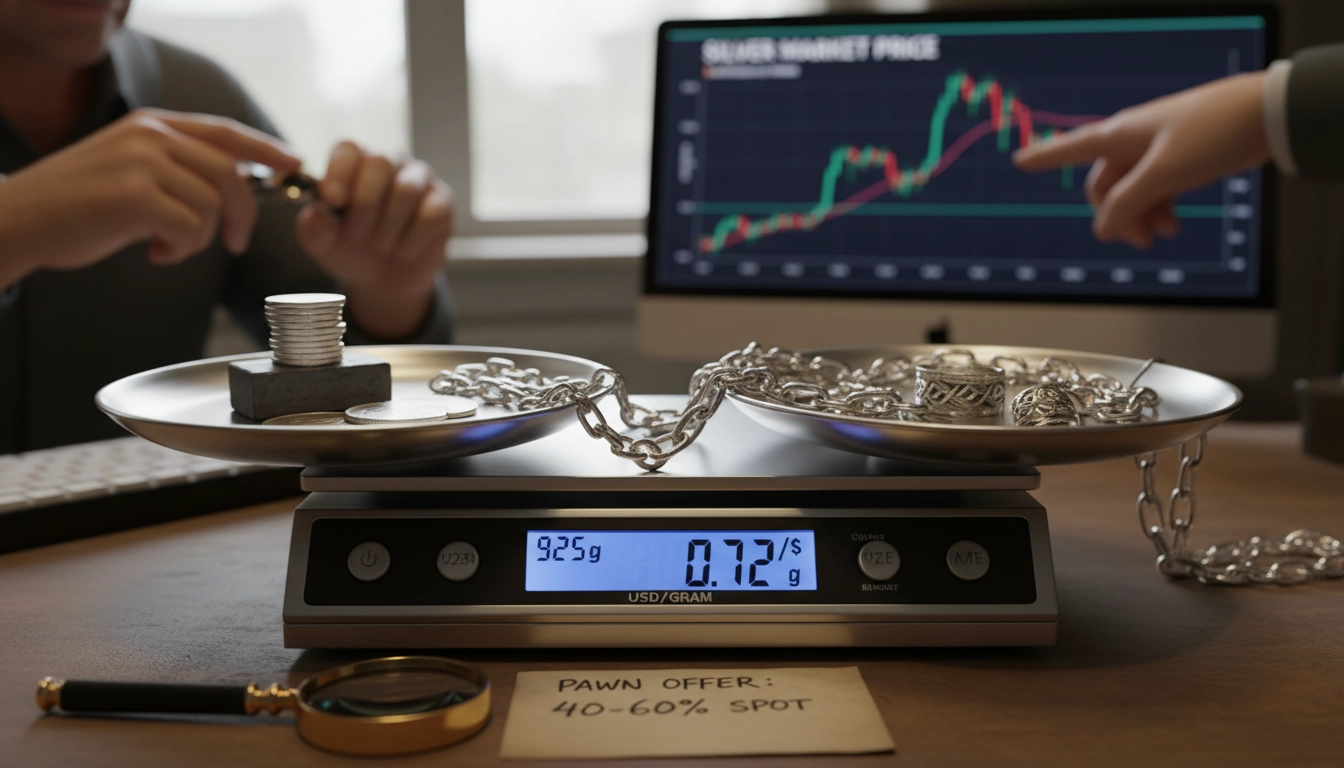
Sterling Silver Price Per Gram: How to Avoid Getting Ripped Off at Pawn Shops and Jewelers
Wholesale 925 silver jewelry sets manufacturer and supplier
Prdoucts Categories
Question you may concern
FAQs
Do you offer after-sales warranty service?
Yes, we will refund or resend products if fading, stone falling off and other quality problems found in 1 month receipt of goods.Furthermore, we offer 1 year after-sales warranty service, but you need pay the shipping charge.
Can I have your product catalog?
Yes, please leave us a message what style jewelry catalog you need.
Products
How long will the plating color last?
Generally 6 month for Water Plated color , 1 - 2 years for vacuum plated color if in proper wearing.
What is your minimum order quantity?
We offer low MOQ from 2 to 30 depending on models. Send your favor model to get details from Trade Manager.
What is the material of the jewelry?
Most of the jewelry is made of 925 sterling silver, brass or 316 stainless steel or custom material,which can cover different procurement demand.
You may also like
Brass Jewelry
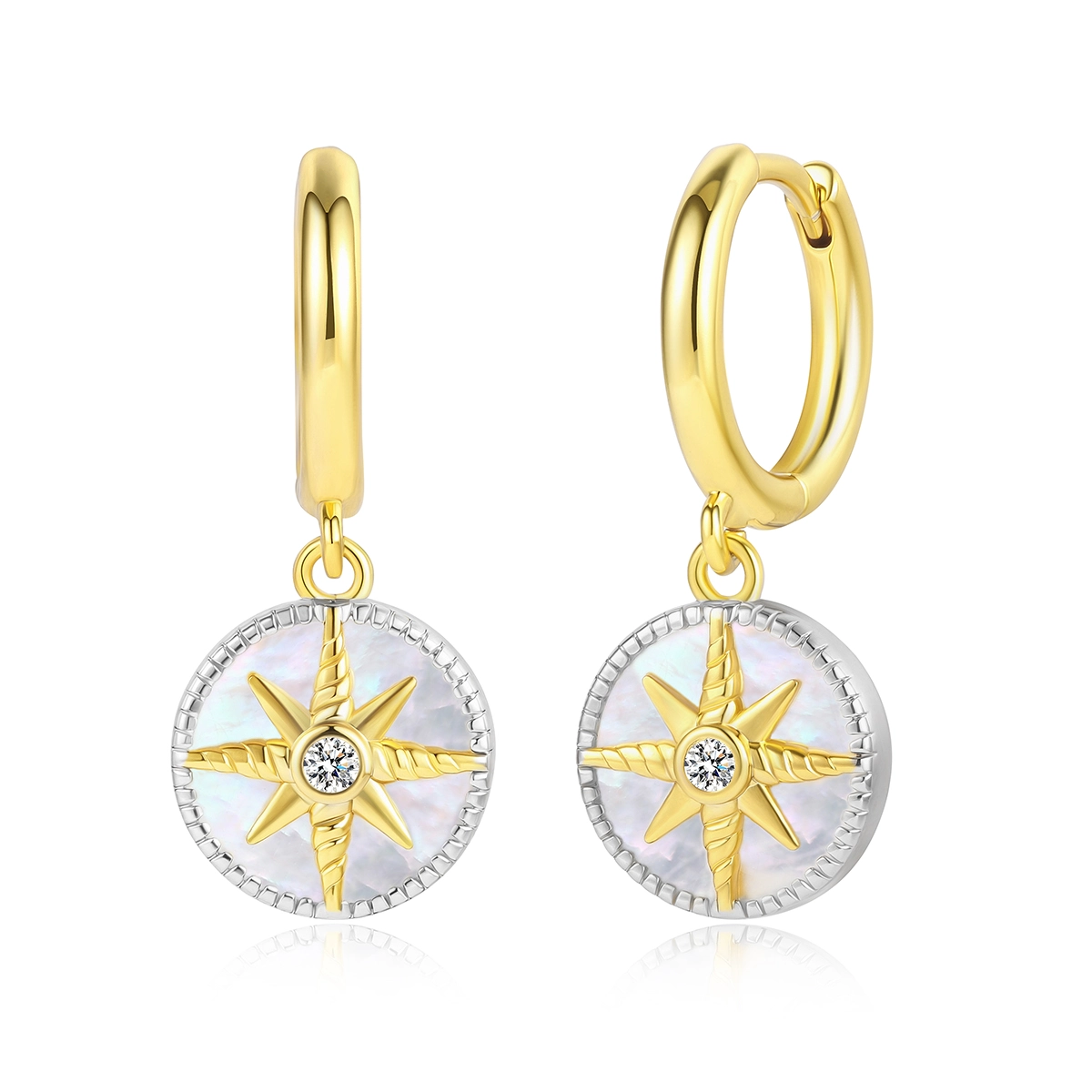
Brass Mother of Pearl Compass Huggie Drop Earrings | 14K 18K Gold Plated Hypoallergenic Jewelry
Read More
925 Silver Jewelry
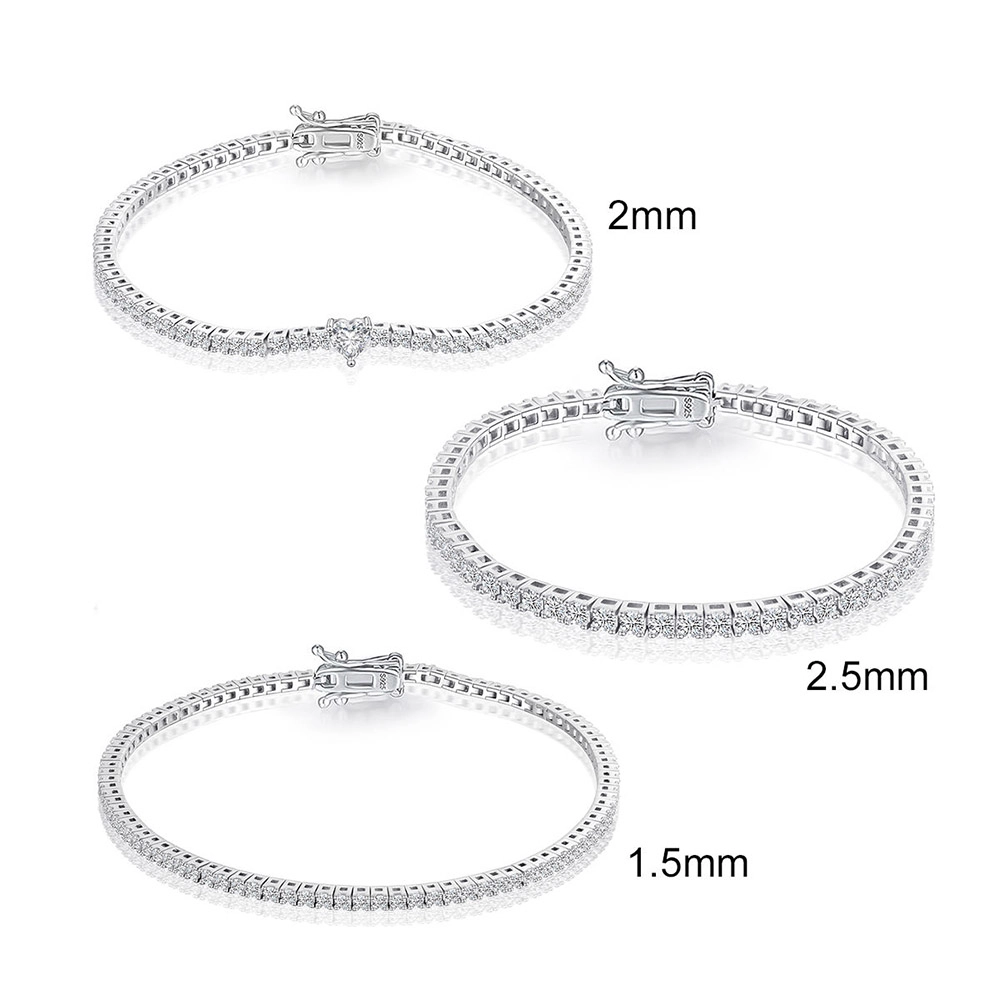
Customizable High-Quality Fashion 925 Sterling Silver AAA Cubic Zirconia Heart-Shaped Open Tennis Bracelet.
Read More
Get a Quote for Private Label Jewelry
We provide personalized jewelry customization services for clients worldwide.
Rest assured that your privacy is important to us, and all information provided will be handled with the utmost confidentiality.
By clicking 'Send Inquiry Now' I agree to ZHEFAN JEWELRY processing my personal data.
To see how to withdraw your consent, how to control your personal data and how we process it, please see our Privacy Policy and Terms of use.
From design to production, ZHEFAN JEWELRY offers a one-stop solution to help you enhance your brand value and market competitiveness.
Get A Quote
Contact
Tel: (+86) 188 1927 7817
© 2026 Zhefan Jewelry. All Rights Reserved.
Facebook
Instagram
YouTube
Whatsapp: +8618819277817