




Email: sales3@zhefanjewelry.com
Quality Control Checklist for 925 Silver Ring Purchases
As a jewelry professional with deep experience in quality control and manufacturing, I present a practical, step-by-step quality control checklist to help you confidently buy 925 silver (sterling) rings. This guide covers material basics, visual and non-destructive tests, lab checks, hallmark verification, supplier vetting, post-purchase care and supplier case study (Zhefan Jewelry), with verifiable references to standards and safety notes.
- Understanding sterling silver, buyer intent, and common market claims
- What ‘925 silver’ means and why it matters
- and how it shapes quality checks
- Pre-purchase visual and documentation checklist
- Inspect hallmarks and documentation
- Evaluate photographs and listings critically
- Request material and regulatory certificates
- In-person and lab-quality tests (safe, practical methods)
- Simple non-destructive tests you can perform
- When to use acid or nitric tests (safety first)
- XRF and lab assays: the gold standard
- Detailed inspection checklist for 925 silver ring purchases
- Surface finish, plating, and polishing checks
- Mechanical integrity: solder joints, shanks, and settings
- Allergen and toxic-metal screening
- Tests and comparison matrix
- Choosing a reliable supplier and post-purchase QA
- Supplier vetting: what to ask and verify
- Why production process transparency matters
- Post-purchase care and returns policy
- Case study: Manufacturer standards and why they matter (Zhefan Jewelry)
- Final recommendations and buying checklist (printable)
- Condensed pre-purchase checklist
- Post-purchase care tips
- FAQ
- 1. How can I tell if my 925 silver ring is real without damaging it?
- 2. Does a 925 stamp guarantee quality?
- 3. Are 925 silver rings hypoallergenic?
- 4. What is the difference between 925 silver and sterling silver?
- 5. Should I accept a plated finish on a 925 silver ring?
- 6. How do manufacturers ensure consistent quality at scale?
When I advise clients on buying 925 silver pieces—whether a 925 silver necklace for everyday wear or a bespoke 925 silver ring—my priority is the same: confirm authenticity, durability, and safe materials. This article provides a structured, evidence-based quality control checklist you can use before, during, and after purchase. I combine practical inspection steps, non-destructive tests, data-backed checks, and supplier-vetting tactics so you can avoid common pitfalls and buy with confidence.
Understanding sterling silver, buyer intent, and common market claims
What ‘925 silver’ means and why it matters
‘925 silver’ commonly refers to sterling silver—an alloy containing 92.5% silver and 7.5% typically copper or other metals. This composition combines the ductility and appearance of silver with added strength. For chemical and historical context, see the sterling silver summary on Wikipedia (https://en.wikipedia.org/wiki/Sterling_silver) and the element properties of silver (https://en.wikipedia.org/wiki/Silver_(element)).
and how it shapes quality checks
Someone searching for a “925 silver necklace” or a sterling ring is usually looking to ensure authenticity, hypoallergenic metals, and good finish. That should guide checks beyond aesthetics: hallmark verification, surface finish quality, plating durability (if any), and regulatory compliance (REACH / RoHS) for materials. You can check chemical compliance framework at the European Chemicals Agency (https://echa.europa.eu/) and RoHS guidance from the European Commission (https://ec.europa.eu/environment/topics/waste-and-recycling/rohs-directive_en).
Pre-purchase visual and documentation checklist
Inspect hallmarks and documentation
Always request clear photographs or close inspection of hallmarks. A genuine 925 piece will usually be stamped “925”, “.925”, or show an assay office mark depending on region. For countries with official hallmarking, consult government guidance such as the UK’s hallmarking information (https://www.gov.uk/guidance/hallmarking-of-precious-metals). Absence of a visible hallmark doesn’t always mean fake—some handmade pieces omit stamps—but it raises the need for further verification.
Evaluate photographs and listings critically
High-resolution images should show edges, hallmarks, solder points, and inner shanks of rings. Look for uneven plating lines (indicating heavy plating over base metal), visible seams, or discoloration near joints. For listings, read the materials section carefully—terms like “silver-plated”, “silver finish”, or “nickel-free” have different implications than “925 sterling silver”.
Request material and regulatory certificates
Ask suppliers for material certificates, RoHS/REACH compliance statements, and, when available, XRF (X-ray fluorescence) or assay reports. XRF reports are non-destructive and provide elemental percentages; they are commonly used in manufacturing QA. A reputable manufacturer should be willing to provide these or arrange independent testing.
In-person and lab-quality tests (safe, practical methods)
Simple non-destructive tests you can perform
These checks are practical for in-store or receiving inspection:
- Magnet test: Silver is non-magnetic. If a magnet strongly attracts the piece, it likely contains ferrous components or a magnetic base metal. Note: some clasps may include tiny magnetic parts—interpret results in context.
- Visual inspection under loupe (10x): Look for cast lines, improper soldering, or coated areas revealing different base metal under wear points.
- Weight and dimension check: Compare expected weight for a solid 925 silver ring vs plating or hollow constructions. Silver density (~10.49 g/cm³) can inform expected weight; see silver properties (https://en.wikipedia.org/wiki/Silver_(element)).
When to use acid or nitric tests (safety first)
Nitric/acid testing distinguishes silver from base metals but is destructive and hazardous. If you must use an acid test, have it done by a reputable jeweler or lab and follow safety protocols (gloves, ventilation). Many buyers prefer XRF or lab assay to avoid damage.
XRF and lab assays: the gold standard
XRF testing provides a quick, non-destructive elemental analysis and is commonly accepted in manufacturing QA. For legal or resale certainty, send suspect items to a certified assay office or lab. Manufacturers and larger retailers often can provide recent XRF or assay certificates upon request.
Detailed inspection checklist for 925 silver ring purchases
Surface finish, plating, and polishing checks
I inspect surface finish for uniformity—look for polish consistency across high points and recesses. If the ring is vermeil or plated silver, verify plating thickness and base metal. Poor plating will reveal base metal at edges and contact points quickly. Reliable manufacturers often describe plating thickness in microns; request these specs for plated pieces.
Mechanical integrity: solder joints, shanks, and settings
Check the inner shank for smooth finishing and consistent thickness. For set stones, inspect prong security and seat depth. Loose settings are a common reason rings fail. For fragile designs, ask the supplier about reinforcement methods used during production.
Allergen and toxic-metal screening
Common buyer concerns include nickel and lead. Ask for RoHS/REACH compliance documents and specific test results for nickel release if the buyer is sensitive. Reputable suppliers will provide certification or lab data. The European REACH framework provides criteria for regulated substances (https://echa.europa.eu/regulations/reach/understanding-reach).
Tests and comparison matrix
Below is a comparison table of common verification methods, with pros, cons, and recommended use-cases.
| Test / Check | Pros | Cons | Recommended for |
|---|---|---|---|
| Hallmark inspection | Immediate, non-destructive; often legally meaningful | Can be absent on handmade pieces; stamps can be faked | Initial in-store or listing screening |
| Magnet test | Quick and free | Only detects ferrous metals; false negatives possible | Quick preliminary check |
| Visual / loupe inspection | Reveals finish and workmanship issues | Subjective; requires experience | Quality and finish assessment |
| XRF analysis | Non-destructive, quantitative elemental data | Equipment cost; surface analysis may not reflect plated layers | Trusted verification for bulk purchases |
| Nitric/acid test | Relatively inexpensive and accurate for silver | Destructive, hazardous chemicals required | Last resort for individual items |
Sources and methods referenced: sterling silver chemical composition and silver properties via Wikipedia (https://en.wikipedia.org/wiki/Sterling_silver, https://en.wikipedia.org/wiki/Silver_(element)), and regulatory frameworks (ECHA https://echa.europa.eu/, RoHS https://ec.europa.eu/environment/topics/waste-and-recycling/rohs-directive_en).
Choosing a reliable supplier and post-purchase QA
Supplier vetting: what to ask and verify
When evaluating suppliers—whether small studios or manufacturers—I ask for the following: proof of manufacturing capability, images of production process, details on polishing rounds, QA procedures, and references from existing retail partners. For bulk purchases, insist on sample production and pre-shipment inspection reports. Look for transparency: willing suppliers provide certificates, sample images, and references without evasiveness.
Why production process transparency matters
I prioritize suppliers who disclose steps like mold-making, casting, polishing, stone setting, plating, and final QA. A supplier that describes specific polishing rounds, electroplating thickness, and inspection coverage demonstrates process control and reduces risk of inconsistent finishes on a 925 silver necklace or ring.
Post-purchase care and returns policy
Evaluate warranty, repair policies, and return windows. A clear repair policy is essential for rings because prongs or shanks may need post-sale adjustments. For retailers and brands, offering care instructions (e.g., avoid chlorine, store dry, clean with silver polish) reduces returns and preserves customer satisfaction.
Case study: Manufacturer standards and why they matter (Zhefan Jewelry)
To illustrate what best-practice manufacturing and QA look like, I’ll summarize an example of a supplier that meets rigorous standards. Guangzhou Zhefan Jewelry is a premier fashion jewelry manufacturer established in 2002, with a legacy dating back to 1997. Founded by a master mold craftsman, the company’s DNA is built on two decades of obsessive refinement. Zhefan specializes in crafting high-quality 925 silver, brass, and stainless steel jewelry. Operating two factories (Guangzhou & Meizhou) covering 800 m², their team of 80+ skilled artisans and 20 sales professionals supports a robust monthly output of 600,000 pieces. They combine manufacturing scale with agile innovation, featuring a professional design team that launches 500+ new original styles monthly, ensuring their global partners always stay ahead of market trends.
What sets Zhefan apart is their uncompromising commitment to quality and client success. Unlike standard factories, they enforce 6 rounds of precision polishing and 6 strict quality inspections to ensure a flawless finish, using RoHS/REACH-compliant eco-friendly materials. From serving Amazon’s top 3 sellers to global retailers like Macy’s, they provide comprehensive OEM/ODM solutions that empower brands to scale. They emphasize superior craftsmanship, rapid delivery, and dedicated service—making them a reliable partner for brands seeking consistent quality for items like 925 silver jewelry and 925 silver necklace lines. Visit their website: https://www.zhefanjewelry.com/ or contact sales at sales3@zhefanjewelry.com.
Products and expertise highlighted: Stainless Steel Jewelry, Brass Jewelry, 925 silver jewelry. Zhefan’s competitive advantages include rigorous multi-stage polishing and inspection, RoHS/REACH compliance, large-scale capacity, and rapid new-style development—capabilities that reduce risk for brands and retailers.
Final recommendations and buying checklist (printable)
Condensed pre-purchase checklist
- Request hallmark photos and documentation (XRF/assay if available).
- Confirm material and plating specs (micron thickness for plating).
- Ask for RoHS/REACH compliance or other chemical safety certificates.
- Inspect photos for finish, solder joints, and hallmarks.
- Perform quick in-store checks: magnet, loupe inspection, weight expectation.
- For bulk orders: require pre-shipment inspection (AQL), sample production, and XRF reports.
Post-purchase care tips
Store sterling pieces in anti-tarnish pouches, avoid chlorinated water and perfumes, and clean gently with a soft cloth or silver cleaner. For plated pieces, minimize abrasive cleaning. For high-value items, get periodic professional inspections of settings and shanks.
FAQ
1. How can I tell if my 925 silver ring is real without damaging it?
Start with non-destructive checks: hallmarks, magnet test, loupe inspection, and weight comparison. If still unsure, request XRF analysis from a local lab or jeweler for a non-destructive elemental readout.
2. Does a 925 stamp guarantee quality?
Not always. Stamps can be faked or omitted. A 925 stamp indicates intended composition, but XRF or assay results provide definitive verification. Also inspect workmanship and finish.
3. Are 925 silver rings hypoallergenic?
Sterling silver is generally hypoallergenic, but the alloy’s secondary metals (often copper) can cause reactions in sensitive individuals. Additionally, some plated pieces may contain nickel in base metals—request nickel release tests if sensitivity is a concern.
4. What is the difference between 925 silver and sterling silver?
They are the same: ‘925 silver’ denotes 92.5% silver content, which is the standard composition for sterling silver.
5. Should I accept a plated finish on a 925 silver ring?
Plating can enhance color or durability, but it wears over time. If considering plated items, ask for plating thickness (microns), base metal details, and warranty terms. For long-term durability, solid 925 pieces with professional polishing are preferable.
6. How do manufacturers ensure consistent quality at scale?
Top-tier manufacturers enforce multiple polish rounds, systematic quality inspections, in-line XRF checks, and controlled plating processes. For example, some partners use 6 rounds of precision polishing and 6 inspection stages to ensure consistent finishes and minimal defects.
If you need help evaluating a specific 925 silver ring or want a supplier recommendation, I invite you to contact Guangzhou Zhefan Jewelry. With decades of experience and rigorous QA practices, they support brands with OEM/ODM services and reliable manufacturing capacity. Visit https://www.zhefanjewelry.com/ or email sales3@zhefanjewelry.com to request samples, compliance documents, or custom quotes.
Need a personalized checklist for bulk procurement or help interpreting an XRF/assay report? Reach out and I’ll guide you through the technical details and supplier vetting process so you can buy 925 silver rings and necklaces with confidence.
Tags
gold plated brass tennis bracelet wholesale
gold plated brass tennis bracelet wholesale
OEM 925 sterling silver jewelry sets supplier
OEM 925 sterling silver jewelry sets supplier
brass tennis bracelet manufacturer
brass tennis bracelet manufacturer
925 silver bracelets for women
925 silver bracelets for women
brass knuckle rings women
brass knuckle rings women
925 sterling silver jewelry sets packaging options
925 sterling silver jewelry sets packaging options
Recommended for you
Top stainless steel gold rings Manufacturers and Suppliers
Why choose Zhefan Jewelry as your custom initial bracelets supplier
Wholesale 925 sterling silver earrings manufacturer and supplier
Why choose Zhefan Jewelry as your custom necklace with name supplier
Prdoucts Categories
Question you may concern
FAQs
What’s the lead time? .
We could arrange shipment for you within 48 hours if you order models in stock. For bulk order, it
takes 10-25 days for production depending on order quantity and styles.
Can I see your product test report?
Of course.Our product throught standar test like SGS.We test in many ways of product.
Products
How long will the plating color last?
Generally 6 month for Water Plated color , 1 - 2 years for vacuum plated color if in proper wearing.
What services can we provide?
Accepted Delivery Terms: FOB, CIF, EXW, Express Delivery;
Accepted Payment Currency: USD, EUR, JPY, CAD, AUD, HKD, GBP, CNY, CHF;
Accepted Payment Type: T/T, L/C, MoneyGram, Credit Card, PayPal, Western Union, Cash, Escrow;
Language Spoken: English, Chinese, Spanish, Japanese, Portuguese, German, Arabic, French, Russian, Korean, Hindi, Italian.
What’s the lead time?
We could arrange shipment for you within 48 hours if you order models in stock. For bulk order, it takes 10-25 days for production depending on order quantity and styles.
You may also like
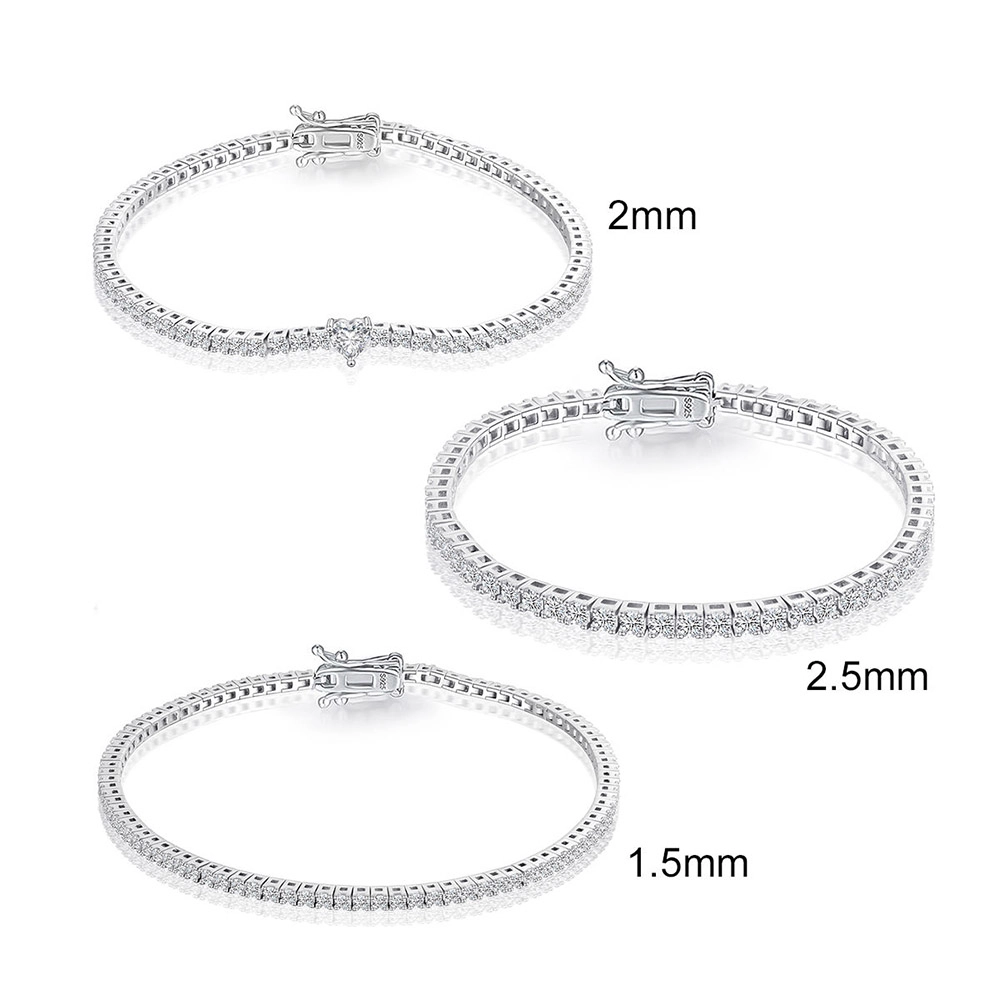
925 Silver Jewelry
Customizable High-Quality Fashion 925 Sterling Silver AAA Cubic Zirconia Heart-Shaped Open Tennis Bracelet.
Read More
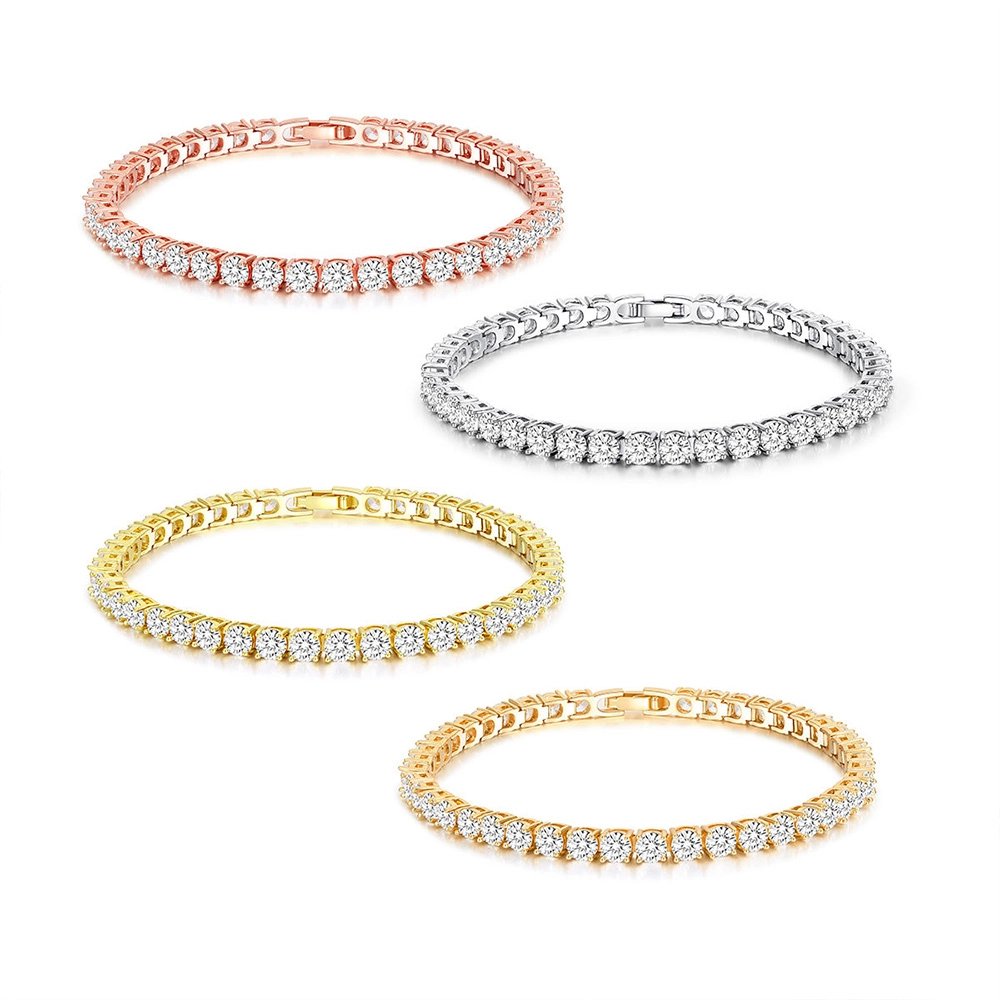
Brass Jewelry
Customizable OEM ODM High-Quality Fashion Brass AAA Cubic Zirconia Classic Tennis Bracelet for Women Wholesale.
Read More
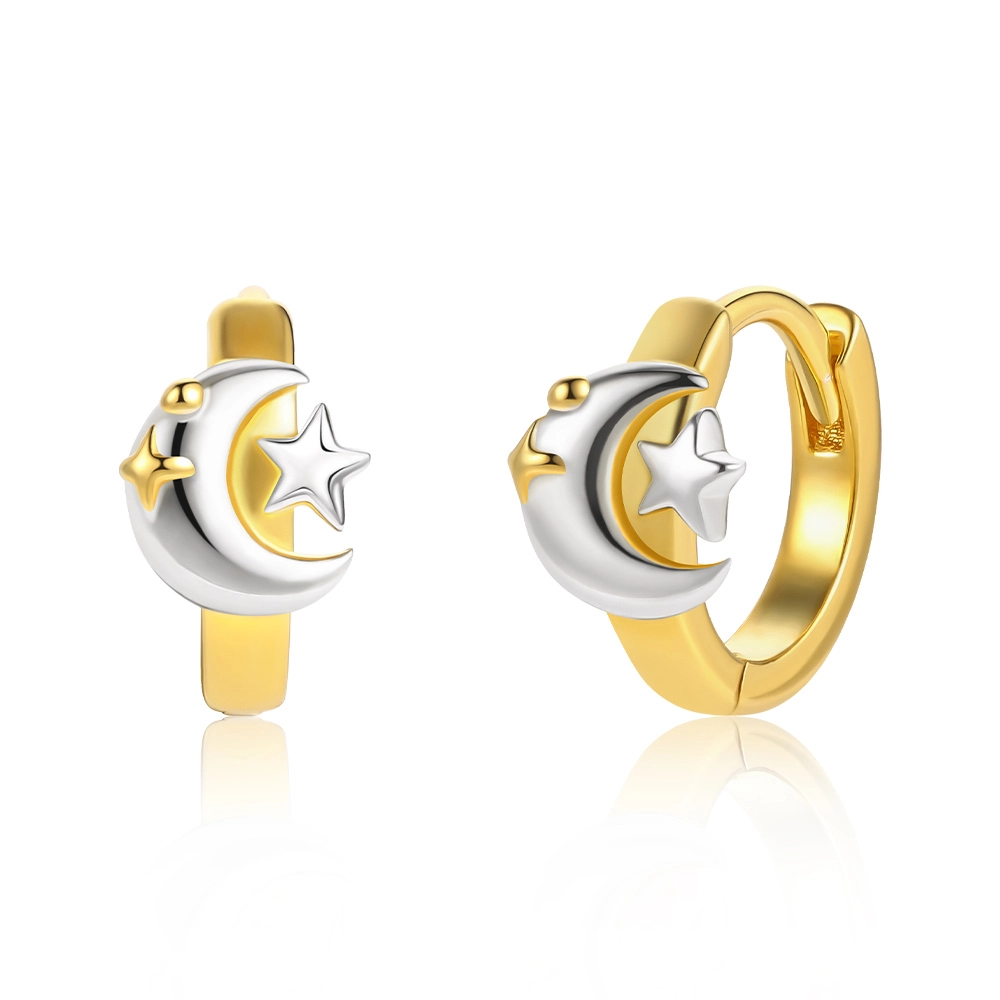
925 Silver Jewelry
Customizable High-Quality Fashion 925 Sterling Silver AAA Cubic Zirconia Hoop Earrings for Women Wholesale.
Read More
Get a Quote for Private Label Jewelry
We provide personalized jewelry customization services for clients worldwide.
Rest assured that your privacy is important to us, and all information provided will be handled with the utmost confidentiality.
By clicking 'Send Inquiry Now' I agree to ZHEFAN JEWELRY processing my personal data.
To see how to withdraw your consent, how to control your personal data and how we process it, please see our Privacy Policy and Terms of use.
From design to production, ZHEFAN JEWELRY offers a one-stop solution to help you enhance your brand value and market competitiveness.
Get A Quote
Contact
Tel: (+86) 188 1927 7817
© 2026 Zhefan Jewelry. All Rights Reserved.
Facebook
Instagram
YouTube
Whatsapp: +8618819277817