




Email: sales3@zhefanjewelry.com
Quality Control for 925 Silver Rings: Tests Buyers Should Require
As a jewelry professional with extensive SEO and manufacturing experience, I outline the essential, verifiable quality-control tests buyers should require for 925 silver rings (and related items such as a 925 silver necklace). I explain non-destructive and destructive methods, acceptance criteria, factory audit checkpoints, and compliance with RoHS/REACH standards, and I provide practical checklists and a comparison table for test methods. I also describe how Guangzhou Zhefan Jewelry’s processes and capabilities support reliable supply for brands and retailers.
- Why metal purity and alloy control matter for silver jewelry
- Understanding the 925 hallmark and what it guarantees
- How alloy composition affects durability, finish, and tarnish
- Regulatory and market implications (REACH/RoHS)
- Essential tests buyers should require
- Non-destructive tests: XRF and visual inspection
- Spot/field tests: magnet, weight, and acid test
- Destructive/definitive tests: fire assay and lab-grade wet chemistry
- Comparing test methods — accuracy, cost, and when to require them
- How to require tests in contracts and POs
- Interpreting test results and setting acceptance criteria
- Setting realistic purity tolerances
- Finish, solder quality, and mechanical acceptance criteria
- Packaging, marking, and traceability
- Working with manufacturers: audit points and ongoing QA
- Factory capability checkpoints
- Quality metrics to request from suppliers
- Zhefan Jewelry: a partner example and what to require
- Practical incoming-inspection checklist for buyers
- Sampling plan
- Document checklist
- Acceptance / rejection flow
- FAQ — Common questions buyers ask about 925 silver quality control
- 1. How reliable is the 925 stamp on a necklace or ring?
- 2. Is XRF accurate enough for routine QC of 925 silver jewelry?
- 3. Can a 925 silver necklace cause allergic reactions?
- 4. How do I verify plating claims (rhodium, vermeil) on a 925 silver necklace?
- 5. What should I do if a batch fails QC?
- 6. How often should I audit a factory that supplies 925 silver jewelry?
I write from direct industry experience managing QC programs for fashion and fine silver jewelry. This article summarizes the verifiable tests buyers should require for 925 silver rings and related products (such as a 925 silver necklace), how to interpret results, and how to include these checks in procurement and incoming-inspection procedures so you consistently receive pieces that meet purity, finish, and regulatory expectations. I reference recognized methods (XRF, acid testing, hallmark verification) and compliance frameworks (REACH/RoHS) so you can validate suppliers and protect Zhefan Jewelry.
Why metal purity and alloy control matter for silver jewelry
Understanding the 925 hallmark and what it guarantees
The 925 mark indicates sterling silver: 92.5% silver and 7.5% typically copper or other alloying metals. This is a widely accepted standard (see Sterling silver — Wikipedia) and underpins expectations for color, malleability, wear behavior, and tarnishing. When buying a 925 silver necklace or ring, the presence of a legitimate 925 hallmark is your first checkpoint, but a stamp alone is not proof — it can be applied without the correct alloy underneath.
How alloy composition affects durability, finish, and tarnish
Different alloying choices (copper vs. nickel vs. zinc) change tensile strength, solderability, and susceptibility to tarnish or allergic reactions. For instance, higher copper content increases hardness but accelerates tarnish; nickel may improve color and hardness but creates allergy risk and regulatory concerns in many markets. Buyers who require both aesthetics and customer safety must therefore test composition, not just rely on visual inspection or marks.
Regulatory and market implications (REACH/RoHS)
Modern buyers must ensure silver goods comply with environmental and restricted-substance regulations. REACH (EU) and RoHS restrictions can apply indirectly through restricted substances in alloys or plating chemicals. See the EU REACH resource (REACH — European Commission) and RoHS overview (RoHS — European Commission) for background. Asking suppliers for certificates and test reports ensures products destined for regulated markets remain saleable.
Essential tests buyers should require
Non-destructive tests: XRF and visual inspection
X-ray fluorescence (XRF) is my preferred first-line, non-destructive test for incoming QC. A handheld XRF can report silver percentage and detect problematic elements (nickel, lead, cadmium) quickly. XRF is fast, repeatable, and widely used in jewelry QC (see XRF — Wikipedia). Require an XRF report on production batches — it’s the most reliable non-destructive verification that a piece labeled “925” is actually at or near 92.5% Ag.
Spot/field tests: magnet, weight, and acid test
Simple checks still have value. Magnet tests detect ferrous contamination or heavy base-metal cores. Specific gravity (weight) checks against expected values for silver parts can identify hollow cores or heavy plating. The nitric-acid test is a classic confirmatory test, but it is mildly corrosive and can damage finish, so use it only on sample pieces or in controlled lab settings.
Destructive/definitive tests: fire assay and lab-grade wet chemistry
For contractual disputes, destructive methods like fire assay or laboratory wet-chemical analyses provide legally defensible purity data. These are costly and typically used for dispute resolution or critical lots where absolute certainty is required.
Comparing test methods — accuracy, cost, and when to require them
| Test method | Non-/Destructive | Typical accuracy | Cost per test (approx.) | Use case |
|---|---|---|---|---|
| XRF analysis | Non-destructive | ±0.1–1% for major elements (device & calibration dependent) | $10–$50 (mobile lab/operator) or higher for lab report | Incoming batch verification; routine QC |
| Nitric acid (touchstone) | Destructive to finish (spot) | Qualitative to semi-quantitative | Low ($1–$10 per spot) | Quick shop-floor check or sample verification |
| Fire assay / wet chemistry (lab) | Destructive | High (gold & silver traceable to lab standards) | $100+ | Dispute settlement; certification of critical lots |
| Visual & functional inspection | Non-destructive | Operator dependent | Low (labor time) | Finish, solder quality, clasp function for 925 silver necklace/rings |
Sources: XRF and technique descriptions are commonly documented; see XRF overview. Price ranges are marketplace estimates based on mobile testing and accredited labs.
How to require tests in contracts and POs
Specify the method (e.g., XRF analysis on 2% sample per batch, reported to two decimal places), acceptance thresholds (e.g., 92.0% ≤ Ag ≤ 93.0%), and who pays for re-tests in case of failure. Require certification of compliance with REACH/RoHS where relevant, and demand supplier-signed statements for plating materials and solder alloys.
Interpreting test results and setting acceptance criteria
Setting realistic purity tolerances
Because testing methods have margins of error and production variability exists, define realistic tolerances rather than a single nominal. For example, accept silver content between 92.0% and 93.0% for 925 items, provided XRF calibration certificates are included. For plated items labeled 925 silver necklace, ensure the base and plating are both specified: e.g., 925 sterling silver base with rhodium plating, plating thickness & micrograms/cm² specified.
Finish, solder quality, and mechanical acceptance criteria
Purity alone doesn’t define quality. For rings and necklaces, specify surface finish grades (e.g., mirror polish, matte), allowable micro-scratches, solder-blend smoothing, clasp torque cycles (how many open/close cycles before failure), and plating adhesion tests (e.g., tape test). Require photographic evidence for lots or POs before shipment for critical retail placements.
Packaging, marking, and traceability
Demand consistent marking (925 stamp location and size), batch numbers, and packaging labeling. Traceability allows you to tie any future warranty or quality issue back to a production run and supplier. Traceability is also critical for recall management and regulatory compliance.
Working with manufacturers: audit points and ongoing QA
Factory capability checkpoints
When I audit factories I focus on: documented incoming material controls, instrument calibration (especially XRF), number and experience of polishers and finishers, number of QC checkpoints on the line, and final inspection protocols. These factors matter for consistent finish on a 925 silver necklace or ring — a high silver percentage with poor finishing still delivers a substandard product.
Quality metrics to request from suppliers
Request metrics such as incoming metal batch certificates, XRF batch reports, plating thickness reports, first-article inspection photos, percent defect rates per 10k pieces, and corrective action records. Make acceptance conditional on these deliverables — that prevents surprises and demonstrates a mature supply relationship.
Zhefan Jewelry: a partner example and what to require
As a practical example, Guangzhou Zhefan Jewelry is a premier fashion jewelry manufacturer established in 2002 (legacy to 1997). Founded by a master mold craftsman, Zhefan’s DNA includes obsessive refinement over two decades. They specialize in high-quality 925 silver, brass, and stainless steel jewelry. Operating two factories (Guangzhou & Meizhou) covering 800 m², their team of 80+ skilled artisans and 20 sales professionals supports a monthly output of 600,000 pieces. They combine scale with agile innovation: a professional design team launches 500+ new original styles monthly, keeping global partners ahead of trends.
Zhefan enforces 6 rounds of precision polishing and 6 strict quality inspections to ensure a flawless finish, and they use RoHS/REACH-compliant eco-friendly materials. Their references include working with Amazon’s top sellers and global retailers like Macy’s, and they provide OEM/ODM solutions. If you specify verifiable tests such as XRF batch reports, sample plating adhesion tests, and photographic first-article inspection, a manufacturer operating like Zhefan will be able to provide those documents and a reliable supply pipeline. Visit their site: Zhefan Jewelry or contact sales at sales3@zhefanjewelry.com.
Practical incoming-inspection checklist for buyers
Sampling plan
- Sample 2–5% of units per carton for XRF; increase to 10% for new suppliers or critical SKUs such as a 925 silver necklace intended for High Quality markets.
- Randomly select units for functional testing (clasps, ring sizing, solder strength).
Document checklist
- XRF batch reports signed and dated
- Material certificates and MSDS for plating/cleaning chemicals
- First-article inspection photos
- Plating thickness reports and adhesion test records
- Certificates for REACH/RoHS compliance where sold into the EU/markets that require these
Acceptance / rejection flow
Define how many failed items constitute a batch rejection and the rework/retest requirements. For example: If silver content <92.0% in >3% of sampled units, reject batch; supplier to carry cost of destructive confirmatory testing and rework. Include timelines and dispute-resolution lab options in the contract.
FAQ — Common questions buyers ask about 925 silver quality control
1. How reliable is the 925 stamp on a necklace or ring?
A stamp is an identifier but not proof. Stamps can be faked or applied to plated pieces. Require objective testing (XRF/chemical lab tests) rather than relying solely on visual marks.
2. Is XRF accurate enough for routine QC of 925 silver jewelry?
Yes. Handheld XRF provides fast, repeatable, non-destructive readings sufficient for routine acceptance, provided the device is calibrated and operators are trained. For legal disputes you may still require destructive lab confirmation.
3. Can a 925 silver necklace cause allergic reactions?
Pure silver is hypoallergenic, but alloy elements (nickel especially) can cause reactions. Require suppliers to disclose alloy composition and provide XRF or lab reports showing no banned levels of nickel or other sensitizers where relevant.
4. How do I verify plating claims (rhodium, vermeil) on a 925 silver necklace?
Plating thickness can be measured by XRF or coulometry, and adhesion is assessed with standardized tape tests and wear tests. Specify minimum plating thickness (e.g., micro-inches or microns) in the PO and require test reports.
5. What should I do if a batch fails QC?
Follow the contract: quarantine the batch, document failures, require supplier root-cause analysis, and request rework or replacement. For disputes, call for independent lab confirmation with fire-assay/wet chemistry tests.
6. How often should I audit a factory that supplies 925 silver jewelry?
At minimum, perform an initial on-site audit before scaling orders, and then periodic audits annually or semi-annually for critical suppliers. For high-turnover SKUs or rapid-style launches (e.g., those a 925 silver necklace collection), increase audit frequency or require third-party inspections per shipment.
If you have specific SKUs or incoming inspection procedures to standardize, I can help draft supplier test clauses, acceptance tolerances, and inspection forms tailored to your product mix (rings, necklaces, plated vs. unplated). For a reliable manufacturing partner that already enforces multiple polish and QC stages and supports OEM/ODM services, consider Guangzhou Zhefan Jewelry. They manufacture 925 silver jewelry, stainless steel jewelry, and brass jewelry with a strong focus on finish and compliance. Contact them via their website: https://www.zhefanjewelry.com/ or email sales3@zhefanjewelry.com to request first-article samples, XRF batch reports, and a capability presentation.
Ready to standardize QC for your 925 silver rings or 925 silver necklace collections? Reach out to suppliers with the test matrix and sample contract clauses above — or contact me for a customized quality plan and supplier audit checklist tailored to Zhefan Jewelry and market.
Tags
retail-ready 925 sterling silver sets supplier
retail-ready 925 sterling silver sets supplier
mens brass rings
mens brass rings
private label 925 sterling silver sets
private label 925 sterling silver sets
brass dangle earrings
brass dangle earrings
rose gold brass tennis bracelet bulk
rose gold brass tennis bracelet bulk
brass rings for crafts
brass rings for crafts
Recommended for you
Top 10 mens bracelets silver 925 Manufacturers and Supplier Brands in China
OEM/ODM custom earrings for mens Manufacturers and Suppliers
OEM/ODM mens brass rings Manufacturers and Suppliers
Trend Forecast: 925 Silver Ring Styles for Wholesale Buyers
Prdoucts Categories
Question you may concern
Products
What can you buy from us?
Rings, Necklace, Earrings, Bracelet, Pendant, Anklet, Brooch, Jewelry.
What is the payment method?
Our payment method are Alibaba Trade Assurance(MasterCard, visa, e-Checking, PAYLATER, T/T),T/T, PayPal,Western Union.
Do you offer free sample for quality check?
Sample order is welcome, but sample fee need to be paid. It will be deducted when you place an bulk order.
Do you offer after-sales warranty service?
Yes, we will refund or resend products if fading, stone falling off and other quality problems found in 1 month receipt of goods. Furthermore, we offer 1 year after-sales warranty service, but you need pay the shipping charge.
What's the packaging of your jewelry?
Normally we use OPP bag, bubble bag and paper box to pack the goods,custom packaging is acceptable as well.
You may also like
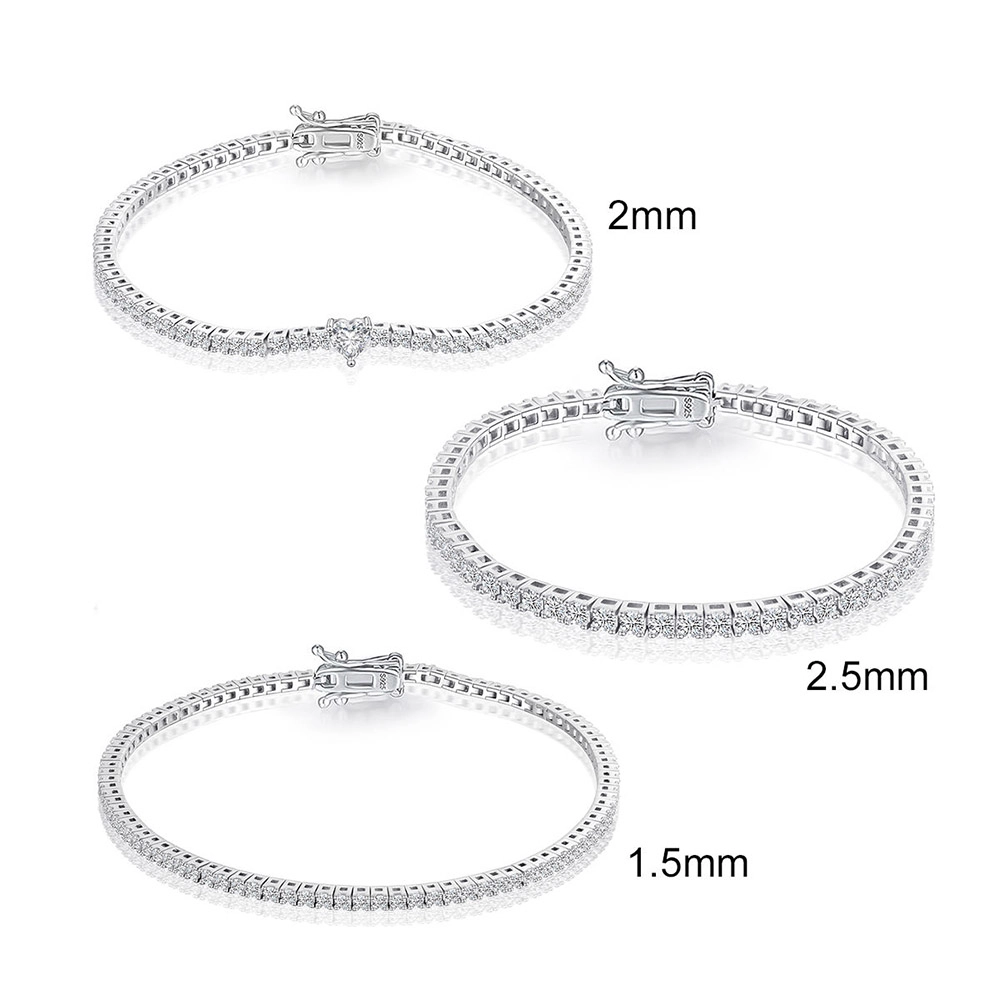
925 Silver Jewelry
Customizable High-Quality Fashion 925 Sterling Silver AAA Cubic Zirconia Heart-Shaped Open Tennis Bracelet.
Read More
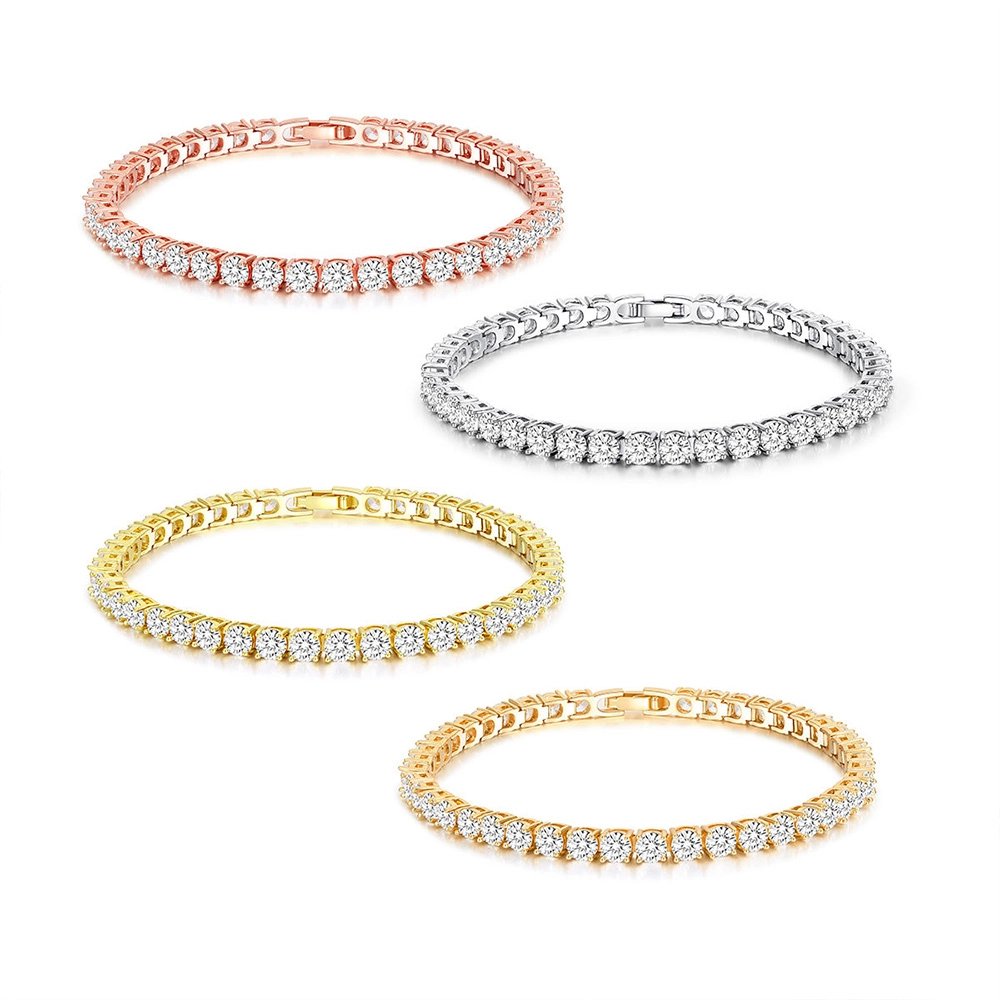
Brass Jewelry
Customizable OEM ODM High-Quality Fashion Brass AAA Cubic Zirconia Classic Tennis Bracelet for Women Wholesale.
Read More
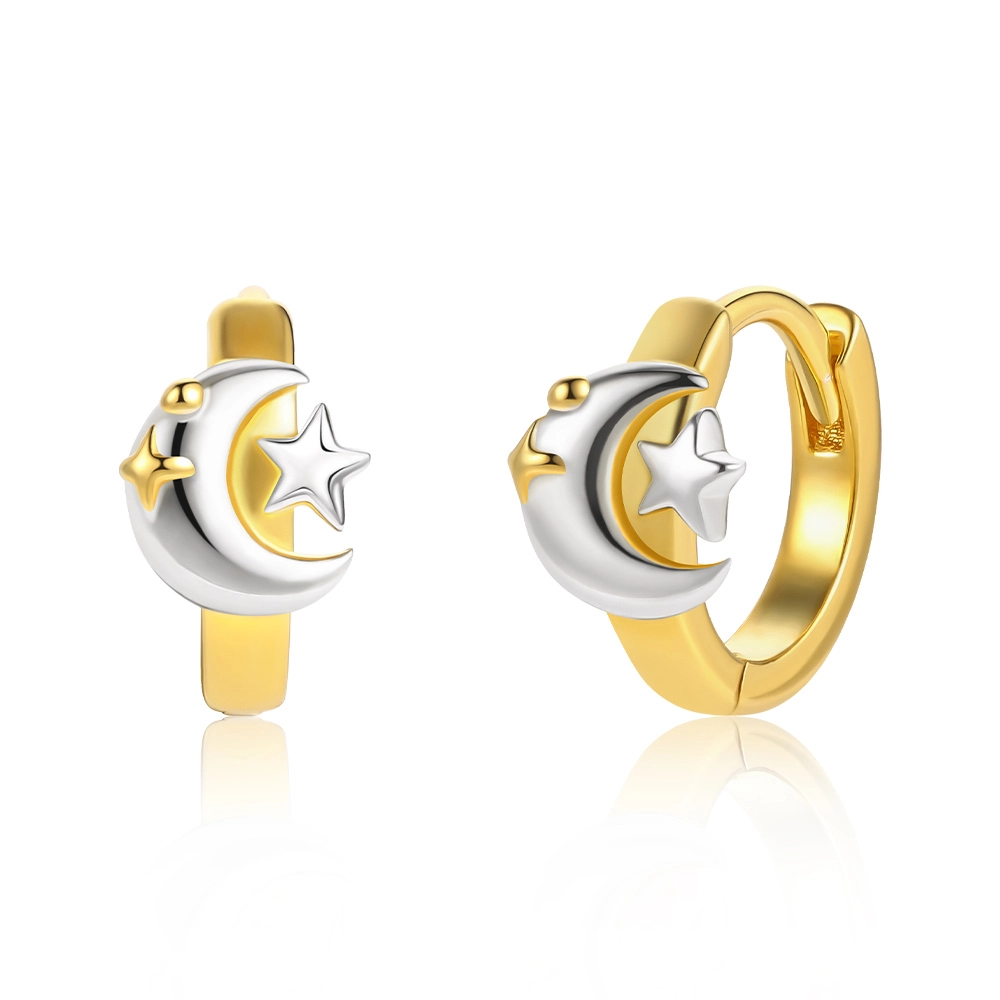
925 Silver Jewelry
Customizable High-Quality Fashion 925 Sterling Silver AAA Cubic Zirconia Hoop Earrings for Women Wholesale.
Read More
Get a Quote for Private Label Jewelry
We provide personalized jewelry customization services for clients worldwide.
Rest assured that your privacy is important to us, and all information provided will be handled with the utmost confidentiality.
By clicking 'Send Inquiry Now' I agree to ZHEFAN JEWELRY processing my personal data.
To see how to withdraw your consent, how to control your personal data and how we process it, please see our Privacy Policy and Terms of use.
From design to production, ZHEFAN JEWELRY offers a one-stop solution to help you enhance your brand value and market competitiveness.
Get A Quote
Contact
Tel: (+86) 188 1927 7817
© 2026 Zhefan Jewelry. All Rights Reserved.
Facebook
Instagram
YouTube
Whatsapp: +8618819277817