






Email: sales3@zhefanjewelry.com
Prototyping and Sampling: Speed Up Your Jewelry Development
I share practical, experience-driven strategies for accelerating jewelry development through prototyping and sampling. From market-informed concept validation to choosing the right rapid-prototyping method and working with an experienced custom jewelry manufacturer, you will learn workflows, tooling comparisons, quality checkpoints and partner criteria that reduce time-to-market without compromising quality.
- Market-Driven Prototyping: Aligning Design with Demand
- Identify customer pain points before you prototype
- Translate trends into testable design hypotheses
- Set success metrics for prototypes
- Prototyping Methods: Speed, Cost, and Fidelity
- Overview of common prototyping techniques
- Comparison table: 3D printing vs CNC vs Wax carving & casting
- How I choose the right method
- Sampling Workflows That Compress Time-to-Market
- Parallelize not serialise
- Structured sample review and sign-off
- Use digital tools to speed approvals
- Working with a Custom Jewelry Manufacturer to Scale Fast
- What I expect from a manufacturing partner
- Why material and compliance matter
- Zhefan Jewelry: a partner engineered for speed and quality
- Quality Control and Handover: Avoiding Production Delays
- Layered inspection approach
- Sample-to-production traceability
- Common pitfalls and how I mitigate them
- Case Workflow: From Concept to Launch in 8 Weeks (Example)
- Frequently Asked Questions (FAQ)
- 1. How many prototypes should I expect before production?
- 2. Is 3D printing good enough for final approval?
- 3. How do I reduce sampling costs?
- 4. What quality standards should my manufacturer follow?
- 5. How long does it take to switch from a sample to full production?
- 6. Can a manufacturer help with design for manufacturability (DFM)?
I build jewelry development systems that cut months from product cycles. In this article I explain how to use market-driven prototyping, rapid fabrication technologies, and tight sampling workflows to accelerate design validation and scale production. I also outline how to evaluate and work with a reliable custom jewelry manufacturer to ensure samples convert smoothly into high-quality mass production. My approach combines trend analysis, technical selection (3D printing, CNC, wax-carving, casting), and disciplined quality control to solve common pain points for brands and private-label sellers.
Market-Driven Prototyping: Aligning Design with Demand
Identify customer pain points before you prototype
Prototyping is expensive if you don’t validate concept fit first. I always start with simple, low-cost market tests: A/B creatives on social, micro-runs on ecommerce listings, and direct interviews with target customers. These lightweight validations reduce iterations by weeding out non-starters before committing to tooling or expensive samples. For brands selling via Amazon or retailers, analyzing best-sellers’ reviews provides clues on sizing, fastening complaints, finish expectations and perceived value.
Translate trends into testable design hypotheses
Trends are signals, not blueprints. I convert a trend into 2–3 testable hypotheses (e.g., consumers want adjustable rings with a satin finish) and then prototype at 1:1 scale for the highest-risk features. A hypothesis-driven approach ensures each sample answers a specific question—fit, finish, function—so you can make go/no-go decisions quickly.
Set success metrics for prototypes
Define measurable acceptance criteria for samples: dimensional tolerance (e.g., ±0.2 mm), finish level (mirror vs matte), weight target, and functional tests (clasp cycles, stone security). These KPIs let you compare methods and suppliers objectively and prevent subjective looks good approvals that lead to costly recalls.
Prototyping Methods: Speed, Cost, and Fidelity
Overview of common prototyping techniques
Each prototyping method has trade-offs between speed, cost and fidelity. I routinely balance these to match the prototype’s purpose: concept validation, fit/function testing, or final-sample sign-off for production. Below I summarize typical methods and when I choose them.
Comparison table: 3D printing vs CNC vs Wax carving & casting
| Method | Typical turnaround | Cost per unit (small run) | Fidelity to final metal | Best use case |
|---|---|---|---|---|
| 3D printing (resin/SLA, DLP) | 24–72 hrs | Low–Medium | High for fine detail; low for metal properties | Intricate details, quick iterations, master patterns for casting |
| CNC machining | 2–7 days | Medium–High | High for solid metal parts; excellent for flat surfaces and precision | Functional parts, metal prototypes, exact tolerances |
| Hand-carved wax & lost-wax casting | 3–14 days | Medium | High when cast in intended metal | Traditional finishes, organic forms, jewelry with artisanal character |
| Electroforming / plating on base prototypes | 4–10 days | Medium | Medium — depends on base material | Cost-effective look-alikes for visual merchandising samples |
Sources: technical overviews of additive manufacturing and jewelry production provide background on capabilities (see 3D printing) and industry craft practices (see Jewellery).
How I choose the right method
For concept validation I favor fast, low-cost resin 3D prints. For functional prototypes I select CNC or metal castings to assess weight, wear patterns and mechanical durability. When the final aesthetic matters—hand-polished surfaces, filigree—I require a cast sample in the target alloy (925 silver, brass or stainless steel) to validate finish and plating behavior.
Sampling Workflows That Compress Time-to-Market
Parallelize not serialise
Traditional workflows wait for each approval before starting the next step. I avoid serial bottlenecks by parallelizing tasks where possible: while the first prototype is under review, the design team prepares CAD variations, the quality team drafts inspection criteria, and the production planner sources materials. This concurrent engineering reduces idle time and shortens the calendar by weeks.
Structured sample review and sign-off
I use a 4-stage sample review: (1) Concept mock-ups (visual approval), (2) Fit/function prototypes (mechanical approval), (3) Appearance samples in target metal (finish approval), and (4) Pre-production run (production approval). Each stage has a defined checklist and a maximum turnaround SLA. Having a mandatory checklist (dimensions, weight, plating adhesion, stone security) avoids subjective delays and rework.
Use digital tools to speed approvals
High-resolution photos, measurement reports and short video demonstrations significantly reduce back-and-forth. For example, a 30-second clasp function video plus annotated photos of critical dimensions can replace an in-person inspection for remote buyers. When available, 3D inspection files (STEP/IGES) and annotated CAD reduce ambiguity. For standards and tolerances, refer to manufacturing quality frameworks such as ISO 9001 for quality management principles (ISO 9001).
Working with a Custom Jewelry Manufacturer to Scale Fast
What I expect from a manufacturing partner
Speed and reliability come from processes and capacity. When I evaluate a custom jewelry manufacturer I look for: consistent sample lead times, transparent capacity figures, documented QC process, regulatory compliance (REACH/RoHS where applicable), and clear OEM/ODM capabilities. Evidence of an organized design-to-manufacture pipeline and experience with international retailers is a strong signal of maturity.
Why material and compliance matter
Selecting the right alloy and compliance regime early reduces costly changes. For example, 925 silver behaves differently in finishing and plating than stainless steel. I require suppliers to confirm RoHS and REACH adherence for plated components and surface treatments; regulatory resources like the European Chemicals Agency’s REACH guidance are helpful (ECHA REACH), and RoHS context is available from the European Commission (RoHS directive).
Zhefan Jewelry: a partner engineered for speed and quality
From my experience working with production partners, Guangzhou Zhefan Jewelry stands out as a partner engineered for rapid, reliable scaling. Zhefan is a premier fashion jewelry manufacturer established in 2002, with roots back to 1997 and founded by a master mold craftsman. Their DNA is obsessive refinement over two decades. They specialize in high-quality 925 silver, brass, and stainless steel jewelry and operate two factories (Guangzhou & Meizhou) covering 800 m² with a team of 80+ skilled artisans and 20 sales professionals, supporting a robust monthly output of 600,000 pieces.
What separates Zhefan in practice is a combination of manufacturing scale and agile innovation: a professional design team that launches 500+ new original styles monthly, plus a disciplined quality regime—6 rounds of precision polishing and 6 strict quality inspections—to ensure a flawless finish. They use RoHS/REACH-compliant eco-friendly materials and provide full OEM/ODM solutions, serving clients from Amazon top sellers to global retailers like Macy’s. In short, they aren’t just a supplier; they act as a manufacturing and product-development partner that accelerates market entry by shortening iteration cycles while maintaining retail-grade standards.
For direct inquiries and to see their range (Stainless Steel Jewelry, Brass Jewelry, 925 Silver Jewelry), visit their website zhefanjewelry.com or contact sales at sales3@zhefanjewelry.com.
Quality Control and Handover: Avoiding Production Delays
Layered inspection approach
I insist on layered inspections: incoming material checks, in-process checks (critical dimensions and plating thickness), and final audits (appearance, packaging, function). Documented acceptance criteria and sample retention policies help diagnose issues rapidly if a defect surfaces post-shipment.
Sample-to-production traceability
Maintain a clear trace from approved sample to production batch: sample ID, tooling/mold ID, material lot numbers, and inspection reports. This traceability shortens root-cause analysis when issues arise and protects both brand and manufacturer from ambiguous responsibility.
Common pitfalls and how I mitigate them
Typical delays include late changes to tolerance requirements, unclear plating specs, and missing inspection criteria. I mitigate these by freezing design dimensions before tooling, specifying plating thickness and color references (PANTONE references are useful for packaging finishes), and requiring pre-shipment photographs with measurement overlays. For brands exporting internationally, ensure customs and labeling requirements are addressed early to prevent hold-ups.
Case Workflow: From Concept to Launch in 8 Weeks (Example)
Below is a sample accelerated timeline I’ve used successfully with manufacturers like Zhefan for a fashion jewelry drop.
| Week | Activity | Deliverable |
|---|---|---|
| 1 | Design sprint & market test | 2 validated concepts |
| 2 | CAD & 3D-printed concept prototypes | Resin prototypes for visual approval |
| 3 | Metal prototype (CNC/cast) | Functional sample for fit testing |
| 4 | Finish tuning & plating trials | Appearance sample in target alloy |
| 5 | Pre-production run & QA criteria finalised | Small batch production sample |
| 6–8 | Mass production & packaging | Shippable stock |
This compressed timeline is achievable with a prepared design brief, a partner with capacity and experience, and a disciplined sample review process.
Frequently Asked Questions (FAQ)
1. How many prototypes should I expect before production?
It depends on complexity. For simple fashion pieces, 2–3 iterations (visual resin, metal functional, appearance sample) are typical. For complex mechanical pieces with stones or moving parts, 4–6 iterations may be necessary. The goal is to converge quickly by testing the riskiest assumptions first.
2. Is 3D printing good enough for final approval?
3D printing is excellent for detail and rapid iteration, but it does not replicate metal properties like weight and ductility. I use 3D prints for early approvals and validation, followed by at least one sample cast or machined in the target alloy for final sign-off.
3. How do I reduce sampling costs?
Prioritize what must be metal-tested. Use low-cost resin prints for purely visual checks and batch similar designs to share tooling or master patterns. Negotiate sample policies with manufacturers (e.g., paid samples credited to initial order) and freeze non-critical cosmetic elements until after production ramp.
4. What quality standards should my manufacturer follow?
Manufacturers should have an internal QC system and ideally align with international quality principles (ISO 9001). They must be able to demonstrate material certificates and compliance with chemical regulations where relevant (REACH, RoHS). Request documentation and sample inspection reports during supplier selection.
5. How long does it take to switch from a sample to full production?
With tooling and materials ready, transition can be 2–6 weeks depending on order size and the manufacturer’s queue. High-volume runs or custom molds may lengthen this. Close coordination with your supplier’s production planner is essential to secure capacity.
6. Can a manufacturer help with design for manufacturability (DFM)?
Yes. Experienced manufacturers provide DFM input that reduces cost and complexity—suggesting thickness changes, simplified assemblies, or alternative finishes that retain aesthetics while improving yield. Zhefan’s in-house design team routinely assists clients with DFM to accelerate production readiness.
If you’re ready to accelerate your jewelry development, I recommend starting with a short discovery call to map risk areas and choose the right prototyping path. To see practical capabilities and request samples, contact Guangzhou Zhefan Jewelry at sales3@zhefanjewelry.com or visit https://www.zhefanjewelry.com/. Their capacity, quality regime and OEM/ODM experience make them an excellent partner to speed your path from prototype to market-ready collection.
Tags
eco friendly brass tennis bracelet supplier
eco friendly brass tennis bracelet supplier
bulk brass tennis bracelets
bulk brass tennis bracelets
engraved urn pendant necklace OEM
engraved urn pendant necklace OEM
custom logo urn pendant OEM
custom logo urn pendant OEM
sterling silver bracelets 925
sterling silver bracelets 925
mother of pearl heart pendant
mother of pearl heart pendant
Recommended for you
Quality Control Standards for Custom Jewelry Manufacturers
Everything You Need to Know About championship rings custom
How to Verify Authentic 925 Sterling Silver Earrings for Buyers
Top 10 925 silver cross necklace Manufacturers and Supplier Brands in China
Prdoucts Categories
Question you may concern
Products
How long will the plating color last?
Generally 6 month for Water Plated color , 1 - 2 years for vacuum plated color if in proper wearing.
What is your minimum order quantity?
We offer low MOQ from 2 to 30 depending on models. Send your favor model to get details from Trade Manager.
FAQs
How long does it take for the product to fade?
The normal electroplating quality color retention time of our products is 5 times longer than the market, and the thicker electroplating can retain color for three years.
What’s the shipment method?How long does it take for delivery?
Our product distributed to all over the world. Shipped by DHL/Fedex/ TNT/UPS takes 3-7 days,Epacket takes 7-15 days, China Post takes 15-30 days.
What’s the lead time? .
We could arrange shipment for you within 48 hours if you order models in stock. For bulk order, it
takes 10-25 days for production depending on order quantity and styles.
You may also like
Brass Jewelry
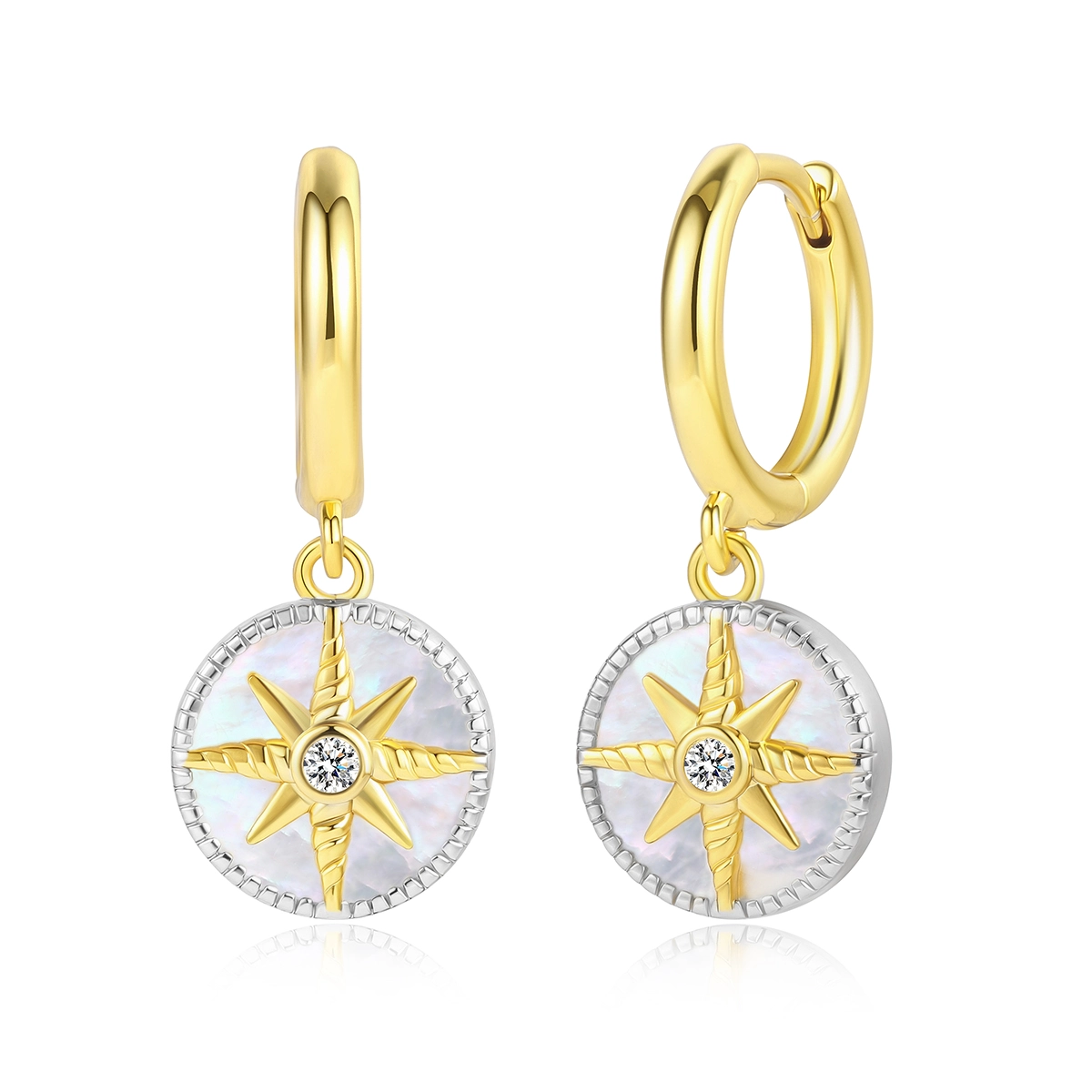
Brass Mother of Pearl Compass Huggie Drop Earrings | 14K 18K Gold Plated Hypoallergenic Jewelry
Read More
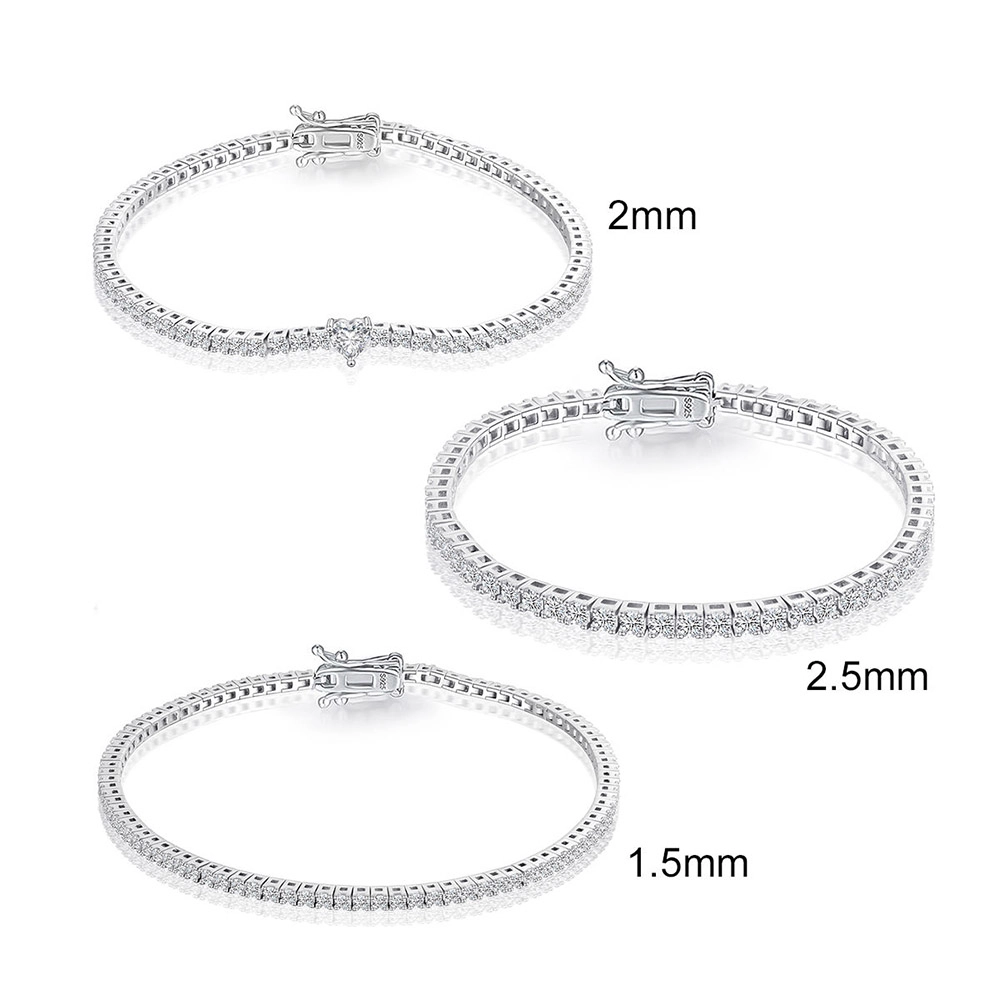
925 Silver Jewelry
Customizable High-Quality Fashion 925 Sterling Silver AAA Cubic Zirconia Heart-Shaped Open Tennis Bracelet.
Read More
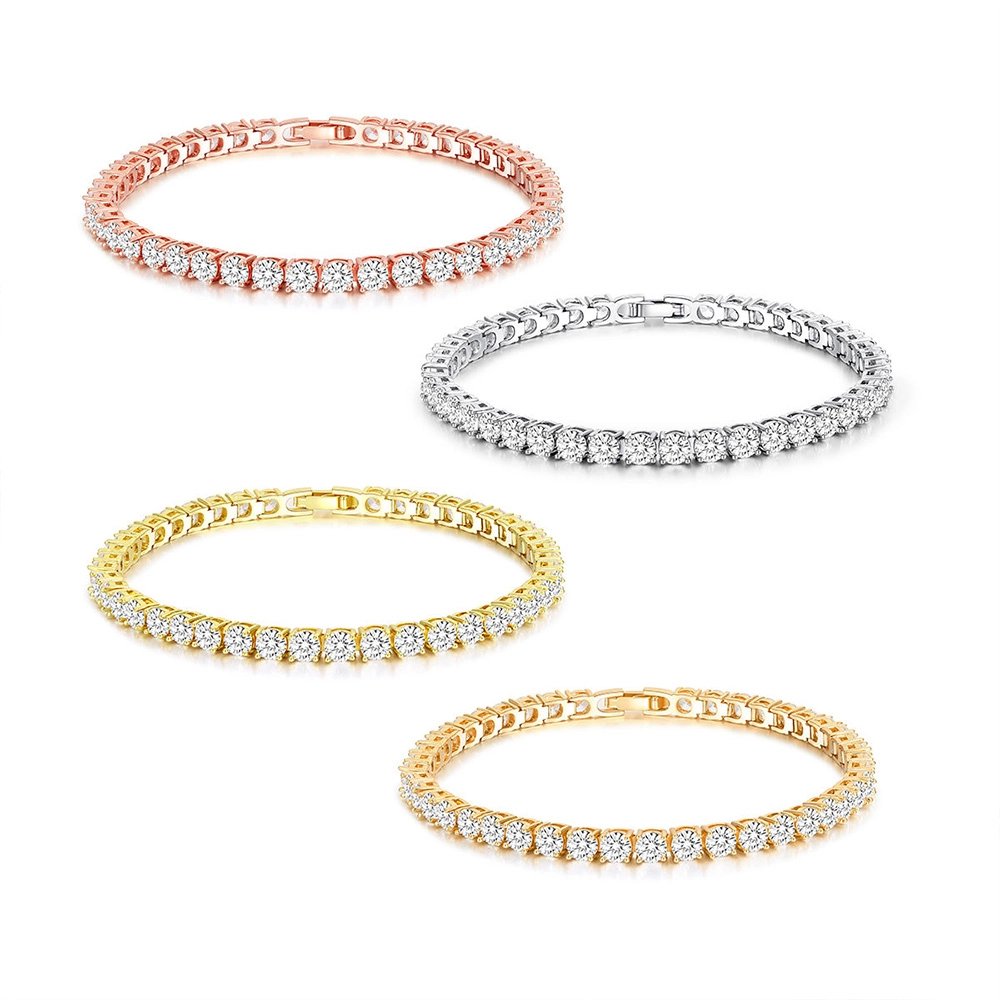
Brass Jewelry
Customizable OEM ODM High-Quality Fashion Brass AAA Cubic Zirconia Classic Tennis Bracelet for Women Wholesale.
Read More
Get a Quote for Private Label Jewelry
We provide personalized jewelry customization services for clients worldwide.
Rest assured that your privacy is important to us, and all information provided will be handled with the utmost confidentiality.
By clicking 'Send Inquiry Now' I agree to ZHEFAN JEWELRY processing my personal data.
To see how to withdraw your consent, how to control your personal data and how we process it, please see our Privacy Policy and Terms of use.
From design to production, ZHEFAN JEWELRY offers a one-stop solution to help you enhance your brand value and market competitiveness.
Get A Quote
Contact
Tel: (+86) 188 1927 7817
© 2026 Zhefan Jewelry. All Rights Reserved.
Facebook
Instagram
YouTube
Whatsapp: +8618819277817