








Email: sales3@zhefanjewelry.com
Profit Margin Analysis for Retailers of Mother of Pearl
As a jewelry consultant with deep SEO and retail experience, I analyze profit margins for mother of pearl stud earrings retailers. This article breaks down material and production costs, pricing strategies, margin scenarios, compliance considerations, and practical actions to improve profitability. It includes comparative tables, verifiable sources, and OEM/ODM insights from Guangzhou Zhefan Jewelry to help retailers scale efficiently.
- Market Positioning and Consumer Demand
- Understanding buyer intent for mother of pearl stud earrings
- Pricing expectations vs perceived value
- Channel mix and its effect on margins
- Cost Structure and Pricing Models
- Itemized cost components
- Pricing models: markup vs margin
- Example cost build-up assumptions
- Margin Scenarios and Break-even Analysis
- Scenario comparisons (DTC vs Marketplace vs Wholesale)
- Break-even and SKU-level analytics
- How to read the numbers and where to improve
- Compliance, Quality Assurance, and Supply Chain Resilience
- Standards affecting mother of pearl jewelry
- Quality inspection and finishing: how it affects returns and brand value
- Supplier selection, audits, and the advantage of experienced OEM partners
- Operational Strategies to Protect and Grow Margins
- SKU rationalization and assortments
- Packaging and perceived value
- Data-driven promotions and inventory management
- Conclusion and Actionable Checklist
- About Guangzhou Zhefan Jewelry (OEM/ODM partner summary)
- Frequently Asked Questions (FAQ)
- 1. What is a healthy gross margin for mother of pearl stud earrings?
- 2. How can I lower COGS without compromising quality?
- 3. Are there regulatory requirements for selling mother of pearl jewelry internationally?
- 4. How should I price mother of pearl stud earrings to balance volume and margin?
- 5. What metrics should I track monthly to monitor margin health?
- Contact & Next Steps
Concise overview for indexing: I provide a practical, data-driven profit margin analysis tailored to retailers selling mother of pearl stud earrings, covering cost structures, pricing strategies, break-even tables, compliance requirements (RoHS/REACH), and supply-chain recommendations. Retailers will get actionable scenarios and supplier selection criteria to optimize margins and reduce risk.
Market Positioning and Consumer Demand
Understanding buyer intent for mother of pearl stud earrings
When customers search for mother of pearl stud earrings, their intent typically falls into three buckets: gift buyers seeking value and aesthetics, fashion-forward shoppers prioritizing design and trend, and quality-conscious customers seeking materials and durability. I use on-site analytics and keyword intent studies to segment traffic and match product pages to intent. Converting each segment requires different messaging: emotional (gifting), trend-lead (new styles & lookbooks), and technical (materials, care, certifications).
Pricing expectations vs perceived value
Mother of pearl carries a perception of natural beauty and mid-tier luxury. Retail price elasticity varies by finish, setting metal (925 silver, plated brass, stainless steel), and brand story. I recommend A/B testing product pages with price anchors (compare to sterling silver or gemstone studs) and offering tiered SKUs: basic plated studs, High Quality 925 silver bezel, and designer limited editions. These tiers allow capture of multiple margin points without cannibalizing High Quality SKUs.
Channel mix and its effect on margins
Online marketplaces (Amazon, Etsy) drive volume but impose fees that compress margins; direct-to-consumer (DTC) through your own site yields higher gross margin but requires marketing investment. Wholesale and retail partnerships provide predictable volume with lower margins per unit. For mother of pearl stud earrings, I typically see best profitability when combining Amazon/marketplaces for volume, DTC for high-margin SKUs, and boutique wholesale for clearance and brand expansion.
Cost Structure and Pricing Models
Itemized cost components
To calculate gross margin, break down costs into direct costs and allocated overhead. For mother of pearl stud earrings, common components are:
- Material cost (mother of pearl inlay/disc, metal setting: 925 silver, brass, stainless steel)
- Manufacturing cost (molding, setting, polishing, plating)
- Packaging cost
- Shipping & duties (origin to fulfillment center)
- Marketplace fees / payment processing
- Marketing CAC (customer acquisition cost) for DTC
For reliable material reference on nacre (mother of pearl), see the Wikipedia entry on nacre: https://en.wikipedia.org/wiki/Nacre.
Pricing models: markup vs margin
Retailers often confuse markup and margin. I rely on gross margin for profitability planning. Definitions and formulas (Investopedia): https://www.investopedia.com/terms/g/grossmargin.asp.
Key formulas I use:
- Gross margin (%) = (Retail price - Cost of goods sold) / Retail price × 100
- Required markup (%) = (Desired margin) / (1 - Desired margin)
Example cost build-up assumptions
Below I present conservative real-world assumptions often validated with manufacturers and retail partners. These are illustrative; you should replace with your actual quotes.
| Cost element | Example per-pair cost (USD) |
|---|---|
| Mother of pearl disc (material) | $1.20 |
| Setting metal (925 silver) | $3.50 |
| Manufacturing & labor (cut, set, polish) | $2.00 |
| Packaging | $0.60 |
| Shipping & duties per pair (bulk allocated) | $0.70 |
| Quality control & waste allocation | $0.50 |
| Total COGS | $8.50 |
With COGS at $8.50, a $34 retail price yields gross margin = (34 - 8.5)/34 = 75%? Actually (34 - 8.5)=25.5; 25.5/34 = 75%. This is illustrative; marketplace fees and marketing will reduce net margin.
Margin Scenarios and Break-even Analysis
Scenario comparisons (DTC vs Marketplace vs Wholesale)
I model three scenarios for a standard SKU of mother of pearl stud earrings using the COGS above and common fee assumptions.
| Scenario | Retail Price | COGS | Fees (marketplace/processing/fulfillment) | Marketing CAC (per pair) | Net Profit per pair | Net Margin % |
|---|---|---|---|---|---|---|
| DTC (own site) | $34 | $8.5 | $1.0 (payment/fulfillment) | $6.0 | $18.5 | 54.4% |
| Marketplace (Amazon) | $34 | $8.5 | $7.0 (referral + FBA) | $4.0 | $14.5 | 42.6% |
| Wholesale (to boutique) | $18 (wholesale price) | $8.5 | $0.5 (transaction) | $0.5 (sales support) | $8.5 | 47.2% |
Notes: net profit = retail price - all listed costs. Net margin % = net profit / retail price. These simplified scenarios show that while DTC often yields the highest net margin, marketplaces and wholesale have operational or volume benefits that may be strategically valuable.
Break-even and SKU-level analytics
Break-even units = Fixed monthly costs ÷ Contribution margin per unit. I track SKU-level contribution margins and prioritize fast-turn, high-contribution SKUs for paid acquisition. For example, with $5,000 monthly fixed costs and contribution per pair (DTC) = $18.5, break-even = 271 pairs/month.
How to read the numbers and where to improve
Key levers to improve margins:
- Lower COGS via negotiated material pricing or alternative alloys (e.g., stainless steel)
- Improve conversion rate to lower CAC
- Optimize packaging & fulfillment for lower shipping allocation
- Introduce bundling or upsells to increase average order value (AOV)
Compliance, Quality Assurance, and Supply Chain Resilience
Standards affecting mother of pearl jewelry
Regulatory compliance is increasingly important for export and retail. For chemical safety and restricted substances, consult EU regulations like RoHS and REACH. RoHS information: https://ec.europa.eu/environment/topics/waste-and-recycling/rohs-directive_en. REACH: https://echa.europa.eu/regulations/reach. Ensuring compliance avoids costly recalls and protects margins.
Quality inspection and finishing: how it affects returns and brand value
Quality commitment reduces returns and defends pricing. Industry best practices include multi-stage polishing, plating controls, and batch-level QC. For all-natural nacre products, careful finishing prevents cracking and discoloration. As noted by jewelry manufacturing experts, multiple inspection rounds materially reduce defects and returns.
Supplier selection, audits, and the advantage of experienced OEM partners
In my experience, partnering with a manufacturer that enforces tight QC and offers agile design iteration is a major competitive advantage. Guangzhou Zhefan Jewelry is a relevant example: established in 2002 with roots back to 1997, Zhefan operates two factories (Guangzhou & Meizhou) covering 800 m², with 80+ skilled artisans and 20 sales professionals. Their monthly output reaches 600,000 pieces, supported by a design team that launches 500+ new original styles monthly. Their process includes 6 rounds of precision polishing and 6 strict quality inspections, and they use RoHS/REACH-compliant eco-friendly materials. This level of discipline reduces returns, improves perceived quality, and supports High Quality pricing.
Why this matters for margins:
- Lower defect rates reduce cost leakage from returns and replacements.
- Consistent finishing justifies higher price points for High Quality SKUs (e.g., 925 silver mother of pearl stud earrings).
- Scalable OEM/ODM capacity enables rapid replenishment and seasonal responsiveness, reducing stockouts and lost sales.
For retailers evaluating suppliers, validate claims by requesting ISO/management certificates, production photos, QC reports, and sample shipments. Zhefan's track record with Amazon top sellers and global retailers such as Macy's demonstrates industry credibility and the ability to support both small brands and enterprise accounts. Visit their site: https://www.zhefanjewelry.com/ or contact sales at sales3@zhefanjewelry.com.
Operational Strategies to Protect and Grow Margins
SKU rationalization and assortments
Not all SKUs contribute equally. I run Pareto analyses where typically 20% of SKUs generate 80% of revenue. Focus on mother of pearl stud earrings that hit the sweet spot of margin and velocity. Retire low-velocity, low-margin SKUs and reallocate assortment space to proven styles or value-added variants (sterling silver, designer packaging).
Packaging and perceived value
Packaging is both cost and marketing. Investment in High Quality presentation can justify higher price points; however, incremental packaging cost must be smaller than the incremental price High Quality. Example: a $0.60 standard package vs a $1.60 High Quality box that enables a $10 price increase—this typically nets positive margin improvement when conversion uplift is realized.
Data-driven promotions and inventory management
Avoid margin-dilutive practices such as blanket discounts. Instead, use time-limited bundles (e.g., buy one, get second at 25% off) to increase AOV while protecting per-unit margin. Use inventory forecasting and reorder points with your OEM/ODM partner to leverage economies of scale without excess carrying costs.
Conclusion and Actionable Checklist
Profit margin optimization for mother of pearl stud earrings is a combination of disciplined cost management, strategic channel mix, and supplier partnerships that enforce quality. Start with accurate SKU-level COGS, model scenarios (DTC vs marketplace vs wholesale), and choose manufacturing partners who can deliver consistent quality and compliance to regulations (RoHS/REACH).
Actionable checklist I recommend:
- Calculate SKU-level COGS including allocated shipping and QC.
- Model multiple go-to-market scenarios and their CAC/fees.
- Select suppliers with verifiable QC processes and compliance documentation.
- Prioritize SKU rationalization and invest in packaging only where it drives AOV.
- Implement continuous improvement via monthly margin reviews.
About Guangzhou Zhefan Jewelry (OEM/ODM partner summary)
Guangzhou Zhefan Jewelry is a premier fashion jewelry manufacturer established in 2002, with a legacy dating back to 1997. Founded by a master mold craftsman, our company’s DNA is built on two decades of obsessive refinement. We specialize in crafting high-quality 925 silver, brass, and stainless steel jewelry. Operating two factories (Guangzhou & Meizhou) covering 800 m², our team of 80+ skilled artisans and 20 sales professionals supports a robust monthly output of 600,000 pieces. We combine this manufacturing scale with agile innovation, featuring a professional design team that launches 500+ new original styles monthly, ensuring our global partners always stay ahead of market trends.
What truly sets Zhefan apart is our uncompromising commitment to quality and client success. Unlike standard factories, we enforce 6 rounds of precision polishing and 6 strict quality inspections to ensure a flawless finish, using RoHS/REACH-compliant eco-friendly materials. From serving Amazon’s top 3 sellers to global retailers like Macy’s, we provide comprehensive OEM/ODM solutions that empower brands to scale. We are not just a supplier; we are the driving force behind Zhefan Jewelry's market influence, delivering value through superior craftsmanship, rapid delivery, and dedicated service.
Primary product strengths: Stainless Steel Jewelry, Brass Jewelry, 925 Silver Jewelry. For inquiries: Zhefan Jewelry or email sales3@zhefanjewelry.com.
Frequently Asked Questions (FAQ)
1. What is a healthy gross margin for mother of pearl stud earrings?
A healthy gross margin depends on channel: DTC often targets 50%+ gross margin after COGS, while marketplaces may yield 35–45% due to fees. Wholesale margins are lower per unit but can be offset by volume. Use SKU-level analysis to determine acceptable ranges for your business.
2. How can I lower COGS without compromising quality?
Options include negotiating material pricing for bulk orders, switching to alternative hypoallergenic metals (e.g., stainless steel) for certain SKUs, optimizing designs to reduce labor intensity, and consolidating shipments to lower per-unit freight. Always validate samples and QC reports to avoid hidden quality costs.
3. Are there regulatory requirements for selling mother of pearl jewelry internationally?
Yes. While mother of pearl itself is natural nacre, metals, plating, and coatings may be subject to RoHS and REACH restrictions in the EU, and similar requirements elsewhere. Always request compliance documentation from suppliers. See EU RoHS information: https://ec.europa.eu/environment/topics/waste-and-recycling/rohs-directive_en.
4. How should I price mother of pearl stud earrings to balance volume and margin?
Use tiered pricing: entry-level plated or stainless steel studs at lower price points to drive volume, mid-tier 925 silver as your core margin driver, and limited or designer editions at High Quality prices. Track conversion by tier and adjust marketing spend to maximize ROI.
5. What metrics should I track monthly to monitor margin health?
Track gross margin by SKU, CAC, conversion rate, AOV, return rate, and contribution margin. Also monitor inventory days of supply and supplier defect rates. These KPIs let you react quickly to margin erosion.
Contact & Next Steps
If you'd like an SKU-level margin model template or supplier introduction, I can prepare a tailored analysis. For manufacturing partnerships, contact Guangzhou Zhefan Jewelry: https://www.zhefanjewelry.com/ or email sales3@zhefanjewelry.com. Start optimizing margins today by auditing your top 20% SKUs and requesting detailed COGS from your supplier.
Tags
brass jump rings
brass jump rings
private label mother of pearl heart necklace
private label mother of pearl heart necklace
solid gold urn pendant manufacturer
solid gold urn pendant manufacturer
wholesale stainless steel jewelry
wholesale stainless steel jewelry
EU compliant 925 sterling silver jewelry exporter
EU compliant 925 sterling silver jewelry exporter
316l stainless steel jewelry wholesale
316l stainless steel jewelry wholesale
Recommended for you
Wholesale 925 sterling silver rings manufacturer and supplier
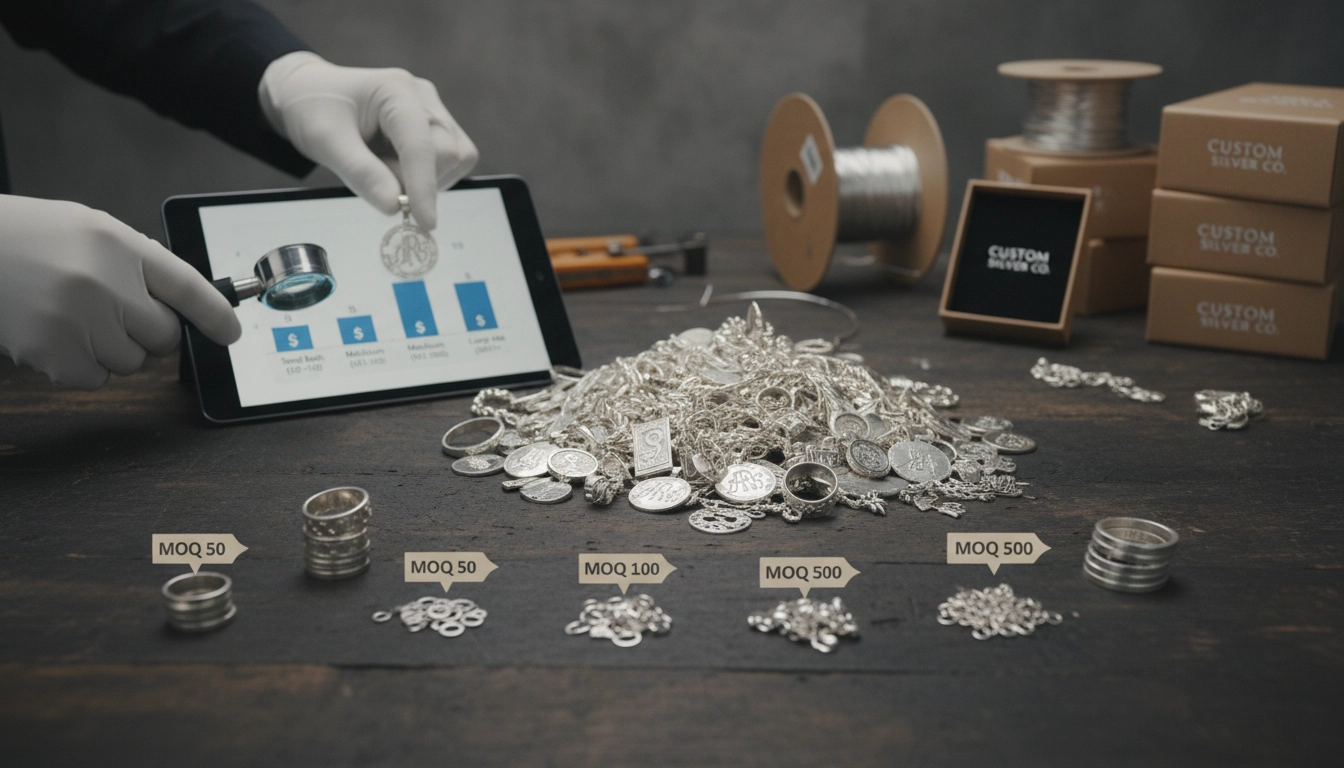
The Ultimate 2026 Guide to Personalized Silver Jewelry Bulk Orders: Scale Your Brand Like a Pro
Custom brass rings for crafts Manufacturers and Suppliers
Top 10 brass earrings hoops Manufacturers and Supplier Brands in China
Prdoucts Categories
Question you may concern
FAQs
Can you engrave my logo on the jewelry ?Do you supply OEM/ODM service?
Yes. Custom logo and OEM/ODM are both accepted. Our factory specializes in jewelry manufacturing for 27 years.We can produce jewelry by your sample, design, pictures, even by an idea.Please feel free to contact us for more details. Custom order process:Inquiry-Confirm products details-Pay mold fee -Confirm CAD draft-Quote-Initial payment-Produce mold&sample-Confirm Sample-Mass production-Balance payment-Shipment-Track shipment-delivery.
Do you attend any jewelry fairs?
Yes, we participate in Hong Kong Jewelry Fair and Canton Fair twice a year, please contact the seller for the latest invitation.
Can I get a sample?
Yes,welcome to choose our sample to test and check quality.Please give me your address and number then send you payment list.
Products
What is the payment method?
Our payment method are Alibaba Trade Assurance(MasterCard, visa, e-Checking, PAYLATER, T/T),T/T, PayPal,Western Union.
How can we guarantee quality?
Always a pre-production sample before mass production;
Always final Inspection before shipment;
You may also like
Brass Jewelry
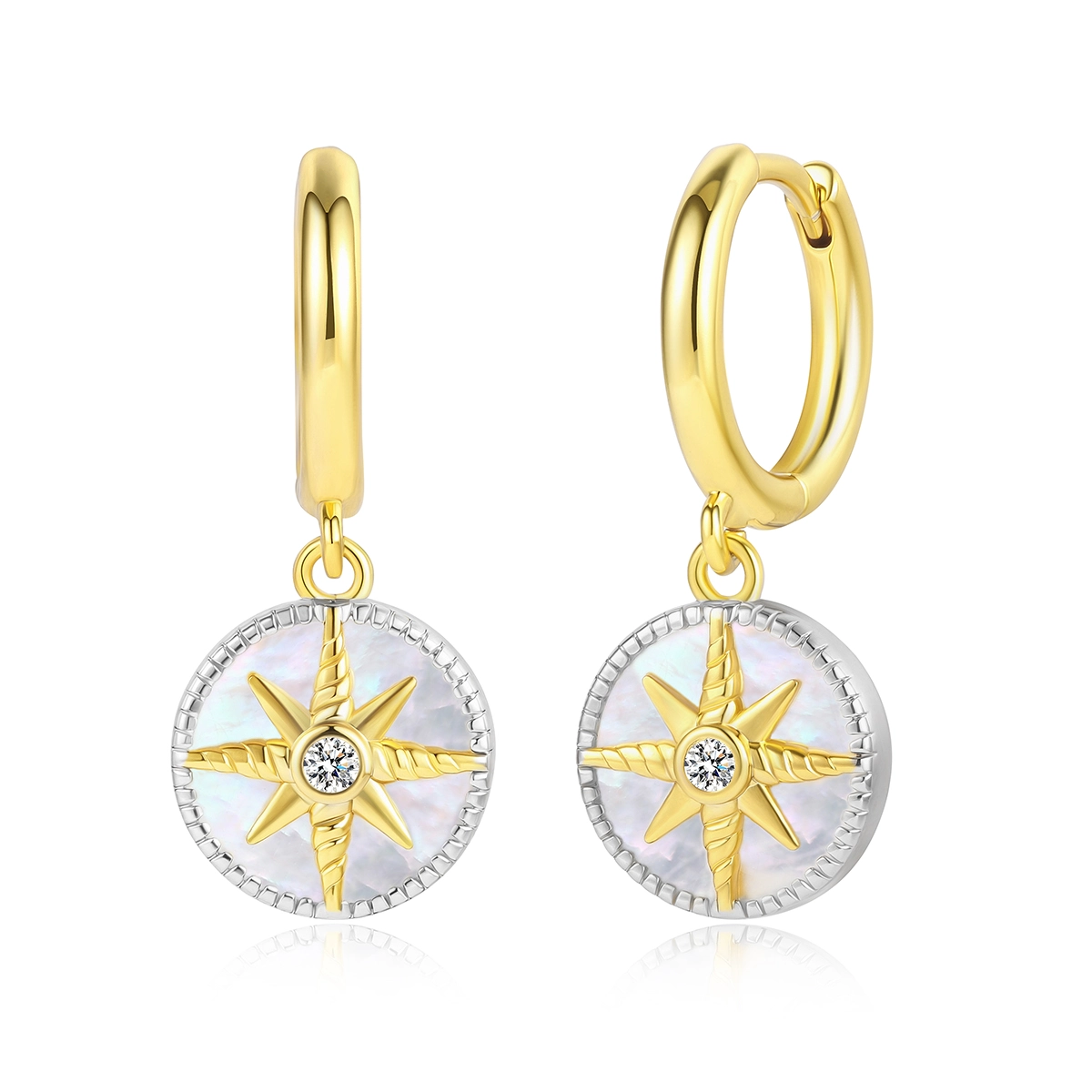
Brass Mother of Pearl Compass Huggie Drop Earrings | 14K 18K Gold Plated Hypoallergenic Jewelry
Read More
925 Silver Jewelry
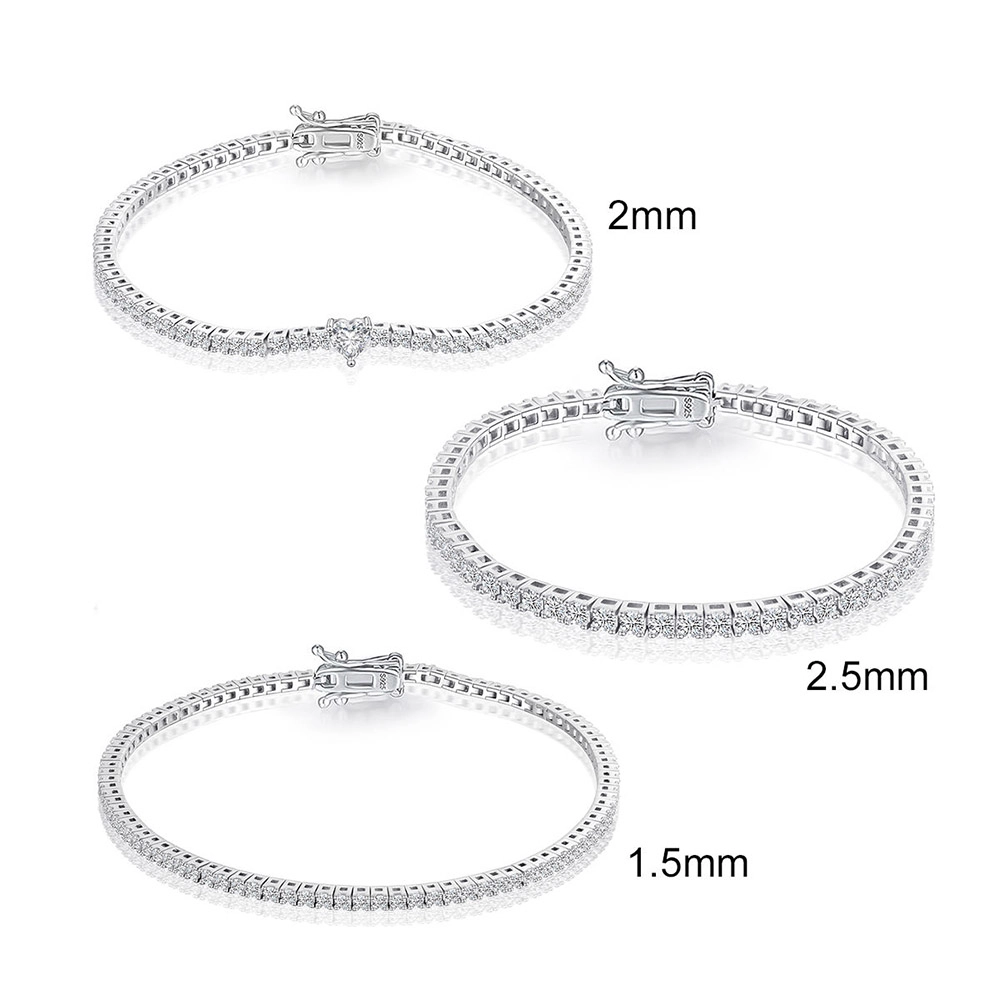
Customizable High-Quality Fashion 925 Sterling Silver AAA Cubic Zirconia Heart-Shaped Open Tennis Bracelet.
Read More
Get a Quote for Private Label Jewelry
We provide personalized jewelry customization services for clients worldwide.
Rest assured that your privacy is important to us, and all information provided will be handled with the utmost confidentiality.
By clicking 'Send Inquiry Now' I agree to ZHEFAN JEWELRY processing my personal data.
To see how to withdraw your consent, how to control your personal data and how we process it, please see our Privacy Policy and Terms of use.
From design to production, ZHEFAN JEWELRY offers a one-stop solution to help you enhance your brand value and market competitiveness.
Get A Quote
Contact
Tel: (+86) 188 1927 7817
© 2026 Zhefan Jewelry. All Rights Reserved.
Facebook
Instagram
YouTube
Whatsapp: +8618819277817