








Email: sales3@zhefanjewelry.com
Profit Margin Calculator for Custom Gold Plated Earrings
I share a practical, step-by-step profit margin calculator and pricing framework for custom gold plated earrings. Learn cost components, formulas, scenario tables, compliance notes, and how partnering with Guangzhou Zhefan Jewelry can boost margins through scale, quality control, and rapid design-to-market capabilities.
- Why Pricing Strategy Matters in Fashion Jewelry
- Market expectations and buyer psychology
- Common pricing models used in the industry
- How to Build a Profit Margin Calculator for Custom Gold Plated Earrings
- Identify and quantify cost components
- Core formulas I use
- Example calculation and scenario table
- Optimization Strategies to Improve Margins Without Sacrificing Quality
- Material choice and plating methods
- Process efficiencies and supply chain leverage
- Channel mix and pricing tiers
- Why Partnering with a Manufacturer Like Guangzhou Zhefan Jewelry Improves Profitability
- Zhefan’s capabilities and how they translate to margin advantages
- Quality controls, compliance, and material standards
- Example: margin uplift via manufacturing efficiency
- Products and differentiation
- Implementation: How I build the calculator (step-by-step)
- Spreadsheet layout and key inputs
- Testing the calculator with sensitivity analysis
- Reporting and KPI tracking
- FAQ
- 1. How much does gold plating add to the cost of a pair of earrings?
- 2. What margin should I target for custom gold plated earrings?
- 3. How do I estimate gold consumption for plating?
- 4. Are there regulatory requirements I should be aware of for plated jewelry?
- 5. How does choosing 925 silver vs stainless steel as a base affect pricing and margins?
- 6. How can a manufacturer like Guangzhou Zhefan Jewelry help reduce costs?
- Next steps and contact
I build pricing tools daily for jewelry brands, and in this guide I walk you through a practical profit margin calculator for custom gold plated earrings. I explain the cost components you must capture, show precise formulas, provide scenario tables you can reuse, and show how manufacturing partnerships and compliance practices influence margins and brand trust. This article blends industry standards, sourcing realities, and manufacturing-level detail so you can set profitable prices while delivering consistent quality.
Why Pricing Strategy Matters in Fashion Jewelry
Market expectations and buyer psychology
In my experience, customers perceive metal finish, plating thickness, and base material (such as brass, stainless steel, or 925 silver) as signals of value. A pair of custom gold plated earrings can position as affordable luxury or mass fashion depending on finish and branding. That positioning directly affects how much markup you can command and therefore your profit margins.
Common pricing models used in the industry
I commonly see three approaches: cost-plus pricing (cost + markup), keystone/retail pricing (typically 2x the wholesale), and value-based pricing (based on perceived value and channel). For a repeatable business, I recommend cost-plus with scenario testing against competitive price points and your target margin. For background on manufacturing and plating processes see the Wikipedia pages on Gold plating and Electroplating.
How to Build a Profit Margin Calculator for Custom Gold Plated Earrings
Identify and quantify cost components
To get reliable margins I always break down costs into the following categories:
- Direct material cost: base metal earring blank (brass, stainless steel, or 925 silver), plating metal (gold), findings, stones, and packaging.
- Processing costs: plating process, polishing, plating pre-treatment, polishing rounds, assembly, and labor per piece.
- Overhead allocation: factory overhead, tooling amortization, QA inspections, and administrative costs apportioned per unit.
- Logistics and duties: inbound raw material shipping, finished-goods shipping, customs duties, and local fulfillment costs.
- Sales & marketing: marketplace fees (Amazon, Etsy), advertising cost per unit, and returns reserve.
When estimating plating cost specifically, I model it as: plated gold mass (grams) × gold price per gram + processing labor and chemical management. Use a market source like the London Bullion Market Association for up-to-date gold pricing: LBMA.
Core formulas I use
Here are the formulas I implement in any spreadsheet or calculator:
- Total Unit Cost = Direct materials + Processing costs + Allocated overhead + Logistics/duties + Sales/marketing per unit
- Sell Price for Target Gross Margin = Total Unit Cost / (1 - Target Gross Margin)
- Gross Margin % = (Sell Price - Total Unit Cost) / Sell Price
- Markup % = (Sell Price - Total Unit Cost) / Total Unit Cost
Example calculation and scenario table
Below I present a practical example. I show three scenarios (Economy, Standard, High Quality) for a pair of custom gold plated earrings. Assumptions (you should replace numbers with your real quotes): gold price is assumed at USD 60/gram (approximate; check LBMA for live rates), plating gold mass per pair is estimated (this is highly dependent on thickness and design). These are illustrative but built using realistic factory-level line items.
| Item | Economy | Standard | High Quality |
|---|---|---|---|
| Base blank (brass/stainless/925) | $1.00 (brass) | $2.00 (stainless) | $4.00 (925 silver) |
| Gold plating material (assumed 0.005g / 0.01g / 0.02g) | $0.30 (0.005g × $60/g) | $0.60 (0.01g × $60/g) | $1.20 (0.02g × $60/g) |
| Plating processing + polishing + QC | $0.80 | $1.50 | $3.00 |
| Assembly, findings, packaging | $0.50 | $0.80 | $1.50 |
| Allocated overhead & logistics | $0.40 | $0.60 | $1.20 |
| Total Unit Cost | $3.00 | $5.50 | $11.90 |
| Target Gross Margin | 60% | 65% | 70% |
| Sell Price (for target margin) | $7.50 | $15.71 | $39.67 |
| Markup over cost | 150% | 185% | 233% |
Notes on the example: plating gold mass varies with plating thickness (measured in microns). Thinner plating reduces material cost but may affect wear over time. Use conservative, verifiable supplier quotes for plating consumption and process yields.
Optimization Strategies to Improve Margins Without Sacrificing Quality
Material choice and plating methods
I routinely advise clients to evaluate base metal alternatives. For instance, quality stainless steel or 925 silver as a base may increase direct material cost but can command High Quality pricing and longer perceived lifespan than low-cost brass. Alternatives like PVD coating or vermeil (gold over sterling silver with thicker gold) can provide longer-lasting finishes but at higher material cost. For compliance and eco-friendly sourcing, reference REACH and RoHS standards: ECHA (REACH) and EU RoHS.
Process efficiencies and supply chain leverage
Lean plating lines, batch consolidation, and clear QA standards reduce rework and scrap rates. I measure margin improvements by lowering defect rates from typical 3-5% to sub-1% through process controls and additional polishing rounds. Economies of scale matter: higher monthly volumes reduce tooling amortization and overhead allocation per unit.
Channel mix and pricing tiers
Sell the same core design across channels with different finish levels: a budget brass/gold-plated version for high-volume marketplaces, a mid-tier stainless version for your DTC store, and a High Quality vermeil or 925 silver plated version for boutique retailers. This segmentation increases overall brand reach while preserving healthy average margins.
Why Partnering with a Manufacturer Like Guangzhou Zhefan Jewelry Improves Profitability
Zhefan’s capabilities and how they translate to margin advantages
I’ve worked with and evaluated manufacturers on precision, consistency, and innovation. Guangzhou Zhefan Jewelry is a premier fashion jewelry manufacturer established in 2002, with a legacy dating back to 1997. Founded by a master mold craftsman, the company’s DNA is built on two decades of obsessive refinement. They specialize in crafting high-quality 925 silver, brass, and stainless steel jewelry. Operating two factories (Guangzhou & Meizhou) covering 800 m², their team of 80+ skilled artisans and 20 sales professionals supports a robust monthly output of 600,000 pieces. They combine this manufacturing scale with agile innovation, featuring a professional design team that launches 500+ new original styles monthly, ensuring their global partners always stay ahead of market trends.
Quality controls, compliance, and material standards
What truly sets Zhefan apart is their uncompromising commitment to quality and client success. Unlike standard factories, they enforce 6 rounds of precision polishing and 6 strict quality inspections to ensure a flawless finish, using RoHS/REACH-compliant eco-friendly materials. From serving Amazon’s top 3 sellers to global retailers like Macy’s, they provide comprehensive OEM/ODM solutions that empower brands to scale. Working with a partner like Zhefan reduces scrap, shortens lead time, and improves first-pass yield — directly improving gross margin. For industry best-practices on responsible manufacturing and verification, see the Responsible Jewellery Council: Responsible Jewellery Council.
Example: margin uplift via manufacturing efficiency
Below I show a conservative, realistic example to quantify the advantage of an efficient partner. Assume your in-house or small-factory defect and rework adds $0.80 per unit. With Zhefan’s tighter QC and higher yield that cost drops to $0.20 per unit. The table shows the effect on unit cost and margin for a mid-tier product.
| Item | Without optimized partner | With Zhefan |
|---|---|---|
| Base material + plating + assembly | $5.50 | $5.50 |
| Defects & rework allocation | $0.80 | $0.20 |
| Overhead & logistics | $0.60 | $0.50 |
| Total Unit Cost | $6.90 | $6.20 |
| Sell Price (market) | $15.00 | $15.00 |
| Gross Margin | 54.0% | 58.7% |
That 4.7 percentage point improvement scales dramatically across monthly volume. If you sell 10,000 units per month, that uplift equals several thousand dollars of incremental gross profit each month.
Products and differentiation
Zhefan’s main product competencies include Stainless Steel Jewelry, Brass Jewelry, and 925 silver jewelry. Their capability to deliver compliant finishes, multiple polishing steps, and strong design turnover (500+ new styles monthly) is a competitive advantage for brands needing both speed and quality.
Implementation: How I build the calculator (step-by-step)
Spreadsheet layout and key inputs
I create a spreadsheet with separate sheets for supplier quotes, plating consumption assumptions, overhead allocation, and channel fees. Key inputs I require from suppliers:
- Unit price for base blanks at MOQ and scale tiers
- Plating cost per batch and estimated gold consumption per part (or plating thickness in microns)
- Expected yield and rework rates
- Sampling, tooling, and design costs amortized over expected run
Testing the calculator with sensitivity analysis
I always run sensitivity scenarios varying gold price ±20%, plating thickness, and defect rates. This helps set buffer pricing or create tiered product SKUs that protect average margin if raw material costs spike.
Reporting and KPI tracking
Track metrics: cost per unit, yield, lead time, average order value, and return rates. These feed into rolling 90-day revision cycles for pricing and product assortment decisions.
FAQ
1. How much does gold plating add to the cost of a pair of earrings?
It depends on plating thickness and design. Material contribution can be low (under $0.50) for thin strikes but processing, polishing, and QA add several dollars. Use the calculator formula: plating cost = gold grams × gold price/g + plating process fee per unit.
2. What margin should I target for custom gold plated earrings?
Target gross margins typically range from 50% to 70% depending on channel and brand positioning. High-volume marketplace products usually target 50-60%, boutique or branded DTC can aim 60-70% or higher.
3. How do I estimate gold consumption for plating?
Estimate based on plating thickness (microns) and part surface area, or obtain consumption figures from your plating supplier. If unavailable, ask manufacturers for plating cost per part; reputable factories will provide this line-item. For process understanding see Gold plating.
4. Are there regulatory requirements I should be aware of for plated jewelry?
Yes. Materials and chemical use must comply with regional regulations such as REACH in the EU and RoHS directives. Use RoHS/REACH-compliant materials and request test certificates from suppliers. See ECHA (REACH) and EU RoHS.
5. How does choosing 925 silver vs stainless steel as a base affect pricing and margins?
925 silver has higher material cost but enables vermeil standards and higher retail pricing; stainless steel costs more than brass but often supports better durability and higher perceived value. Choose based on your target positioning and test price elasticity.
6. How can a manufacturer like Guangzhou Zhefan Jewelry help reduce costs?
Through scale, process optimization, lower defect/rework rates, multiple polishing rounds, and strong design support. Their rigorous QC and compliant materials reduce returns and reputational risk, improving long-term margin and brand value. Visit Zhefan at zhefanjewelry.com.
Next steps and contact
If you want a custom spreadsheet or factory-verified costing for your next collection of custom gold plated earrings, I can build a tailored profit margin calculator using your supplier quotes and SKU designs. For manufacturing partnerships, product sampling, or OEM/ODM inquiries, contact Guangzhou Zhefan Jewelry:
- Website: https://www.zhefanjewelry.com/
- Email: sales3@zhefanjewelry.com
I use these practical calculations and process checks with every client to make pricing defensible, scalable, and aligned with brand positioning. If you'd like, share a sample BOM (bill of materials) and target channel and I will return a modeled pricing sheet and scenario analysis you can use immediately.
Reach out to sales3@zhefanjewelry.com for factory quotes, or contact me with your BOM and target margin and I'll prepare a customized profit margin calculator for your custom gold plated earrings.
Tags
brass four leaf clover earrings
brass four leaf clover earrings
men's 925 sterling silver bracelets
men's 925 sterling silver bracelets
bulk mother of pearl heart necklaces
bulk mother of pearl heart necklaces
mens brass rings
mens brass rings
private label urn pendant necklace
private label urn pendant necklace
custom 925 sterling silver jewelry sets wholesale
custom 925 sterling silver jewelry sets wholesale
Recommended for you
Custom OEM 925 Sterling Silver Earrings: Minimums and Lead Time
Why choose Zhefan Jewelry as your custom stud earrings supplier
The Reseller's Blueprint: Finding High-Quality, Affordable Sterling Silver Earrings Bulk That Sell Out in 2026
Top custom engraved necklace Manufacturers and Suppliers
Prdoucts Categories
Question you may concern
Products
What's themonthly production capacity?
600,000 pcs per month.
What can you buy from us?
Rings, Necklace, Earrings, Bracelet, Pendant, Anklet, Brooch, Jewelry.
What's the packaging of your jewelry?
Normally we use OPP bag, bubble bag and paper box to pack the goods,custom packaging is acceptable as well.
How long will the plating color last?
Generally 6 month for Water Plated color , 1 - 2 years for vacuum plated color if in proper wearing.
FAQs
Can I see your product test report?
Of course.Our product throught standar test like SGS.We test in many ways of product.
You may also like
Brass Jewelry
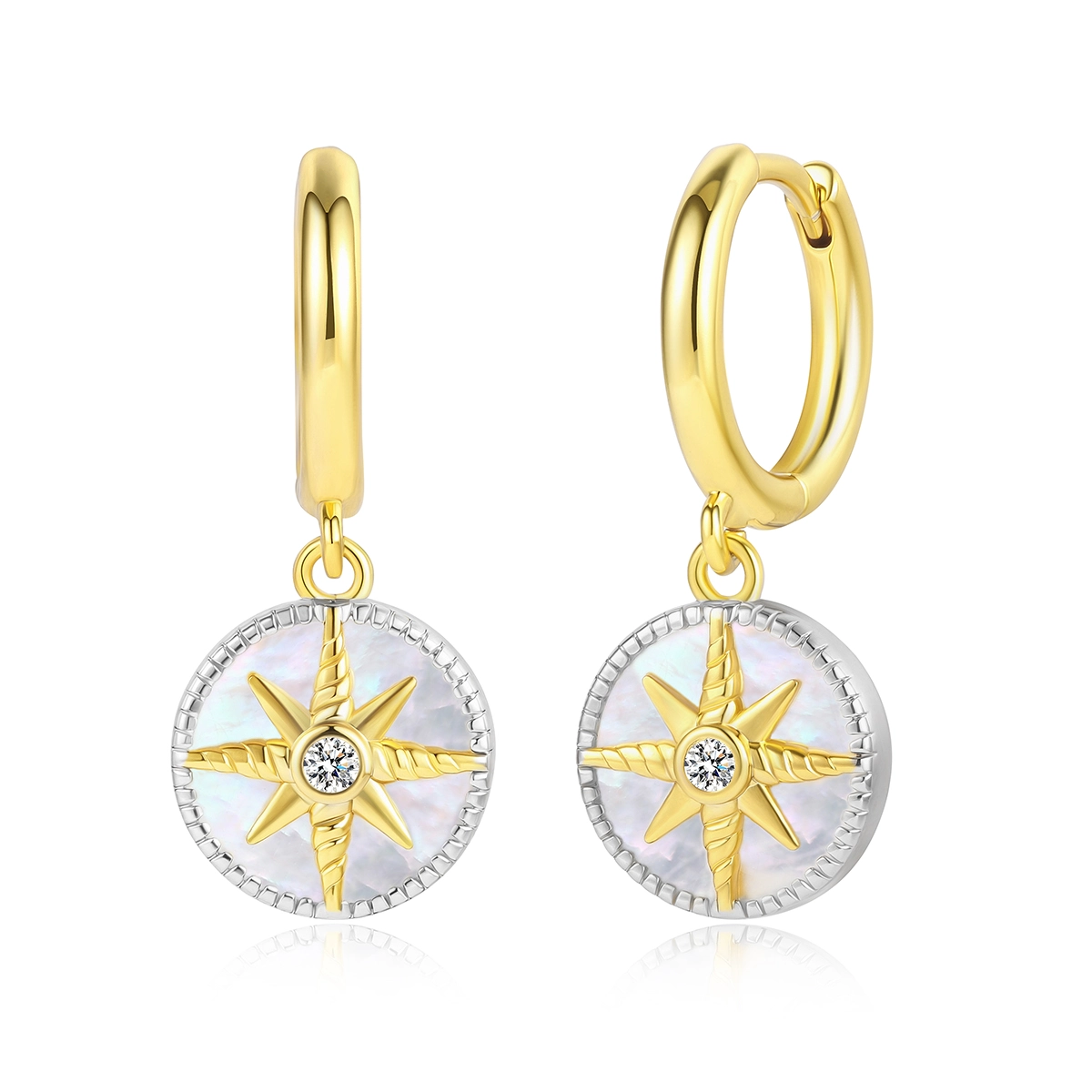
Brass Mother of Pearl Compass Huggie Drop Earrings | 14K 18K Gold Plated Hypoallergenic Jewelry
Read More
925 Silver Jewelry
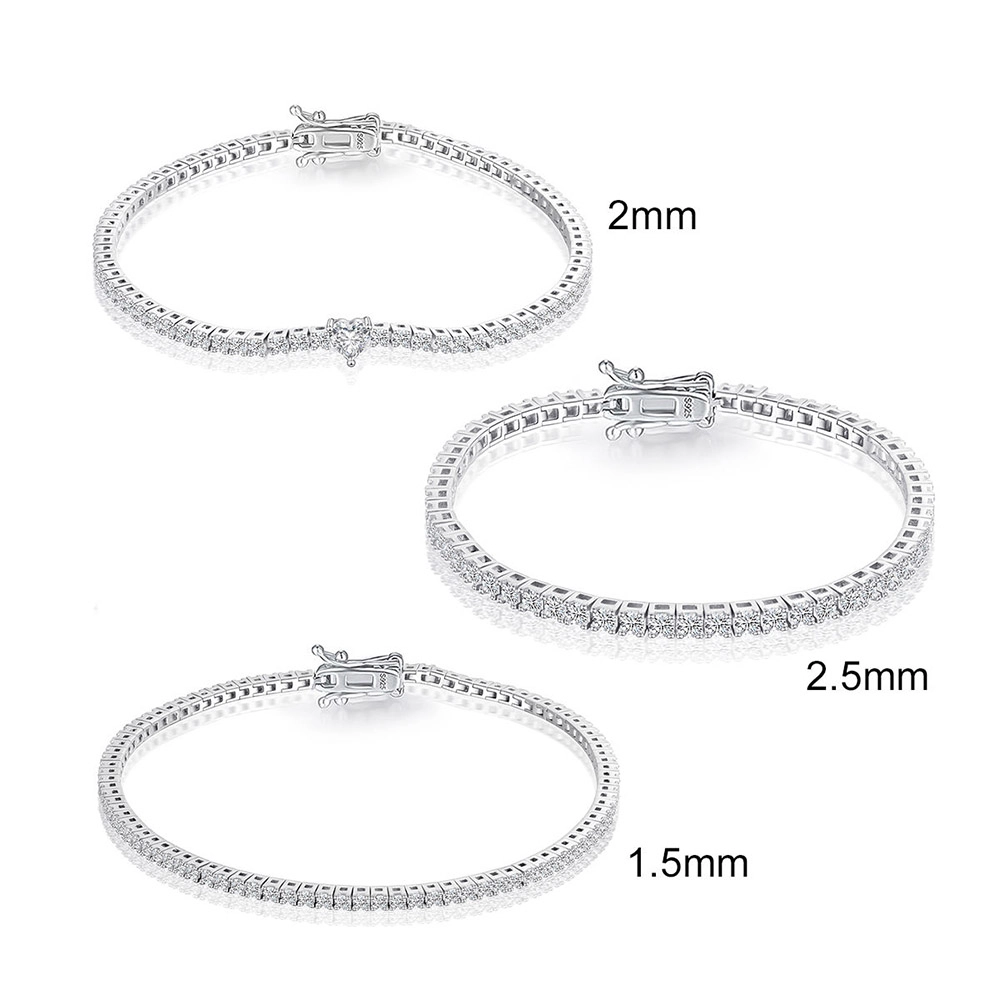
Customizable High-Quality Fashion 925 Sterling Silver AAA Cubic Zirconia Heart-Shaped Open Tennis Bracelet.
Read More
Brass Jewelry
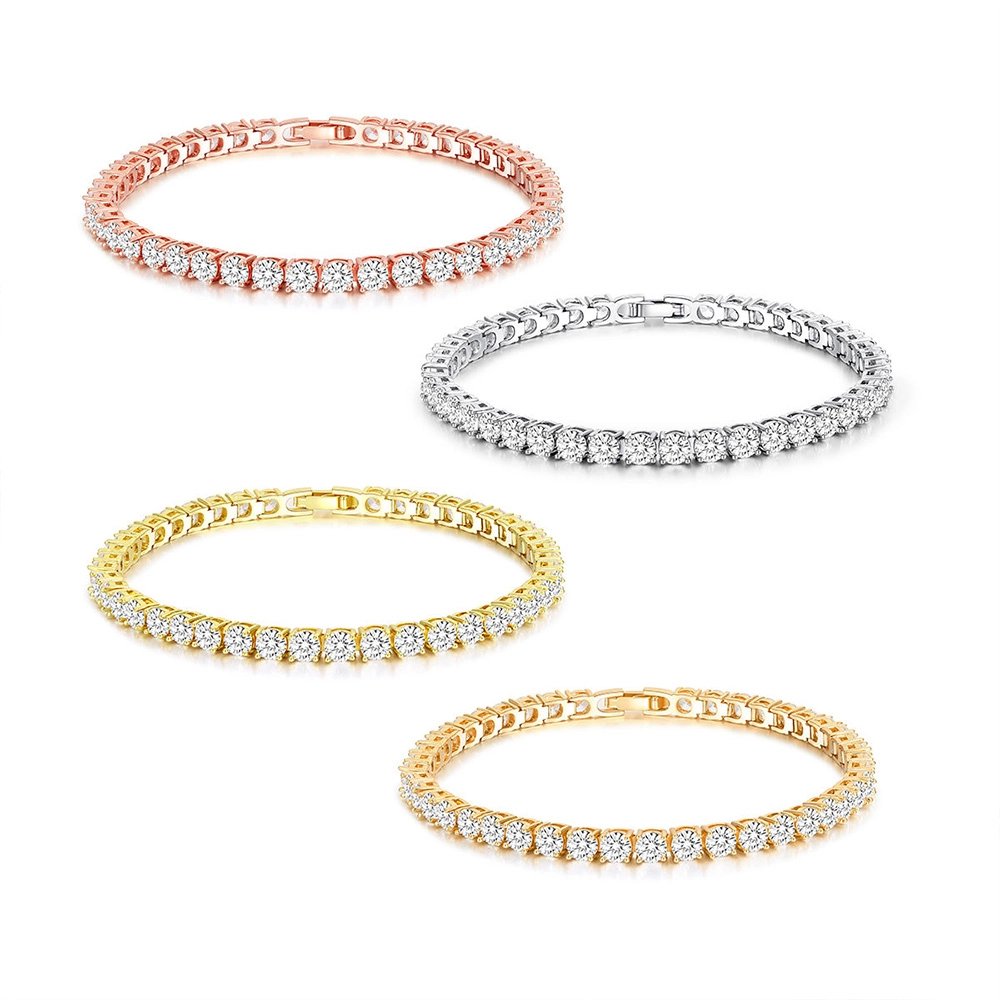
Customizable OEM ODM High-Quality Fashion Brass AAA Cubic Zirconia Classic Tennis Bracelet for Women Wholesale.
Read More
Get a Quote for Private Label Jewelry
We provide personalized jewelry customization services for clients worldwide.
Rest assured that your privacy is important to us, and all information provided will be handled with the utmost confidentiality.
By clicking 'Send Inquiry Now' I agree to ZHEFAN JEWELRY processing my personal data.
To see how to withdraw your consent, how to control your personal data and how we process it, please see our Privacy Policy and Terms of use.
From design to production, ZHEFAN JEWELRY offers a one-stop solution to help you enhance your brand value and market competitiveness.
Get A Quote
Contact
Tel: (+86) 188 1927 7817
© 2026 Zhefan Jewelry. All Rights Reserved.
Facebook
Instagram
YouTube
Whatsapp: +8618819277817