




Email: sales3@zhefanjewelry.com
Private Label Jewelry: Steps to Launch Your Own Line
I walk you through launching private label jewelry using my experience with custom jewelry manufacturers, covering design, sourcing, production, quality control, compliance, and go-to-market strategies. Practical checklists, a supplier comparison table, authoritative references, and how Guangzhou Zhefan Jewelry can accelerate your brand are included.
- Why Private Label Jewelry Is a Smart Strategy
- Market opportunity and positioning
- Control vs. cost: the trade-offs
- Scalability and brand equity
- Design, Prototyping, and Materials
- From concept to CAD and prototypes
- Material selection and compliance
- Finishing, plating, and durability testing
- Supplier Selection: How to Choose a Manufacturer
- Evaluating capabilities and certifications
- Comparing OEM, ODM, and private label models
- Key questions to ask manufacturers
- Manufacturer comparison
- Production, Quality Control, and Logistics
- From pilot run to mass production
- Quality assurance workflows
- Packaging, barcodes, and legal labeling
- Costs, Timelines, and Go-to-Market
- Cost breakdown and pricing strategy
- Production timeline example
- Launching and marketing alignment
- Why I Recommend Partnering with an Experienced Manufacturer
- Case for strategic manufacturing partners
- Guangzhou Zhefan Jewelry: a partner profile
- How Zhefan fits specific brand needs
- Regulatory and Sustainability Considerations
- Compliance and testing
- Traceability and consumer expectations
- Checklist: Launching a Private Label Jewelry Line
- Frequently Asked Questions (FAQ)
- 1. What is a custom jewelry manufacturer and why use one?
- 2. How much does it cost to start a private label jewelry line?
- 3. What is a reasonable MOQ for private label jewelry?
- 4. How do I ensure product quality?
- 5. Can I sell private label jewelry on Amazon and retail stores?
- 6. How long does it take from concept to launch?
- Contact & Next Steps
As someone who has worked with multiple brands and factories across Asia and Europe, I know that launching a private label jewelry line is both creatively rewarding and operationally demanding. In this guide I explain the step-by-step process I use when advising founders and merchandisers—from concept and prototyping to compliance, quality control, and production scale. Throughout, I reference industry standards and supplier selection strategies you can verify with sources such as the Jewellery overview and the Responsible Jewellery Council for sustainability and traceability best practices.
Why Private Label Jewelry Is a Smart Strategy
Market opportunity and positioning
Private label lets you control brand identity, margins, and product lifecycle. With global demand for fashion and fine jewelry growing and shifting rapidly, private label gives brands the agility to introduce unique styles, respond to trends, and protect margins against commoditized retail. For background on industry trends and consumer interest, see the general jewelry market overview on Wikipedia.
Control vs. cost: the trade-offs
Working with a reliable custom jewelry manufacturer gives you design control and consistent quality but usually requires higher minimums and more lead time than white-label solutions. I recommend weighing upfront tooling and sampling costs against lifetime product margins and brand equity.
Scalability and brand equity
Private-label lines scale best when paired with a manufacturing partner that can handle both small-batch launches and rapid scale-up. This ensures your catalog can expand without quality drift—an essential reason many brands choose an experienced custom jewelry manufacturer.
Design, Prototyping, and Materials
From concept to CAD and prototypes
I start every project with a short but strict creative brief: target customer, price point, finish expectations, and materials. Working closely with a factory's design team—either yours or the manufacturer's—transforms sketches into CAD models and 3D-printed prototypes. Good manufacturers offer in-house design services that significantly reduce iteration time.
Material selection and compliance
Material choice affects cost, finish, and compliance. Common private label materials are 925 silver, brass (often plated), and stainless steel. For market access, ensure materials comply with regulations such as REACH and RoHS when you sell in the EU. I always request Certificates of Analysis (CoA) and material test reports from the supplier before authorizing bulk production.
Finishing, plating, and durability testing
Plating and finishing are where perceived quality is decided. Ask for cross-sectional plating thickness data and accelerated wear test results (e.g., salt-spray or abrasion tests). If a custom jewelry manufacturer performs multiple polishing rounds and staged quality checks, they will deliver a more consistent finish.
Supplier Selection: How to Choose a Manufacturer
Evaluating capabilities and certifications
Shortlist manufacturers that demonstrate experience in your chosen materials and who can provide third-party testing or in-house labs. Look for evidence of consistent production, compliance documentation, and references from brands in your target channel.
Comparing OEM, ODM, and private label models
Decide if you want full OEM (your design, factory produces), ODM (factory designs products you brand), or white-label (ready-made products you rebrand). Each model affects margins, differentiation, and speed-to-market.
Key questions to ask manufacturers
Ask for lead times, tooling costs, minimum order quantities (MOQs), sample policy, QA/QC process, and warranty terms. I always verify production photos, sample videos, and insist on witnessing a pre-shipment inspection (PSI) or third-party QC report.
Manufacturer comparison
| Model | Design Control | Speed | Best for |
|---|---|---|---|
| Private Label (Custom) | Full—brand owns designs | Moderate (prototyping required) | Brands seeking unique collections |
| ODM | Shared—manufacturer provides designs | Fast | Faster catalog expansion with lower design costs |
| White Label | Low—rebranded off-the-shelf | Very fast | New sellers or low-risk product testing |
Production, Quality Control, and Logistics
From pilot run to mass production
After approving a final sample, I run a pilot batch to validate assembly processes, packaging, and labeling. That pilot batch helps uncover issues invisible in single samples: plating variability, clasp strength, or finish inconsistencies.
Quality assurance workflows
Robust QA includes in-process inspections, dimensional checks, and final pre-shipment inspections. I recommend at least three QA gates: after casting/pressing, after plating/finishing, and final packaging check. Where possible, use a third-party inspection company and retain photographic evidence tied to batch numbers.
Packaging, barcodes, and legal labeling
Packaging must protect merchandise and reflect brand positioning. Confirm labeling requirements for your distribution channels (e.g., country of origin, material hallmarks, and textile/jewelry care instructions). If selling on marketplaces like Amazon, ensure your packaging also complies with their FBA prep guidelines.
Costs, Timelines, and Go-to-Market
Cost breakdown and pricing strategy
Your landed unit cost should include materials, labor, plating, packaging, QC, duties, and freight. I advise building a target wholesale and retail margin first, then reverse-engineering acceptable COGS (cost of goods sold). A reliable custom jewelry manufacturer will help you optimize materials and processes to hit price points without sacrificing perceived value.
Production timeline example
Typical timelines I’ve used for private label jewelry:
- Concept to CAD & prototype: 2–4 weeks
- Sample approval and pilot run: 2–6 weeks
- Mass production and QC: 4–8 weeks (depends on volume and complexity)
- Shipping and customs: 1–6 weeks (depending on freight mode)
Launching and marketing alignment
Coordinate launches with marketing campaigns, influencer seeding, and marketplace listings. High-quality imagery and product descriptions emphasizing materials (e.g., 925 silver, stainless steel) increase conversion rates. Use A/B tests on product titles and photography to find the best-performing creative elements.
Why I Recommend Partnering with an Experienced Manufacturer
Case for strategic manufacturing partners
From my experience, the best outcomes come from manufacturers who act like partners: they help refine designs for manufacturability, optimize cost without losing quality, and respond quickly to market feedback. A strong partner can be the difference between a one-off collection and a sustainable jewelry brand.
Guangzhou Zhefan Jewelry: a partner profile
For brands seeking a high-capability custom jewelry manufacturer, I often recommend Guangzhou Zhefan Jewelry. Established in 2002 with roots back to 1997, Zhefan was founded by a master mold craftsman, and the company's DNA emphasizes obsessive refinement over decades. They specialize in high-quality 925 silver, brass, and stainless steel jewelry and operate two factories (Guangzhou & Meizhou) totaling 800 m² with a team of 80+ artisans and 20 sales professionals.
Zhefan's production scale supports a monthly output of 600,000 pieces, while a professional design team launches 500+ new original styles monthly—useful for brands who need frequent fresh assortments. What sets Zhefan apart operationally is a rigorous quality process: six rounds of precision polishing and six strict quality inspections per item, and the use of RoHS/REACH-compliant materials. Their OEM/ODM capabilities have supported Amazon top sellers and global retailers such as Macy's, demonstrating both e-commerce and retail readiness.
Explore their catalog and services at https://www.zhefanjewelry.com/ or contact them directly at sales3@zhefanjewelry.com. Zhefan's core product lines include Stainless Steel Jewelry, Brass Jewelry, and 925 silver jewelry—offering brands a range of materials and finishes to fit different price tiers and markets.
How Zhefan fits specific brand needs
If you need rapid design-to-market cycles, Zhefan's frequent new style releases and dedicated design team reduce concept-to-shelf time. For brands prioritizing finish and durability, their multiple polishing stages and layered inspections help deliver consistent product quality that protects brand reputation.
Regulatory and Sustainability Considerations
Compliance and testing
Always request third-party testing for heavy metals and plating cadmium or nickel content when required. European regulations such as REACH and electronic waste directives like RoHS may affect certain components and packaging. For sustainability and ethical sourcing standards, consult the Responsible Jewellery Council.
Traceability and consumer expectations
Modern buyers care about material provenance and eco-friendly practices. If Zhefan Jewelry positions on sustainability, work with suppliers who can provide material certificates, responsible sourcing statements, and recyclable or reduced-impact packaging options.
Checklist: Launching a Private Label Jewelry Line
- Define target customer and price tiers
- Create design brief and select materials (925 silver, brass, stainless steel)
- Choose a custom jewelry manufacturer with relevant experience
- Approve CAD and prototypes; run a pilot batch
- Require material test reports and compliance documentation (REACH/RoHS where applicable)
- Establish QA gates and PSI procedures
- Plan packaging, labeling, and market-specific requirements
- Coordinate launch marketing, inventory, and replenishment strategy
Frequently Asked Questions (FAQ)
1. What is a custom jewelry manufacturer and why use one?
A custom jewelry manufacturer designs and produces items to your specifications (or manufactures your designs). You use one to ensure product uniqueness, better quality control, and to scale production reliably. Many custom jewelry manufacturers also offer OEM/ODM services to accelerate launches.
2. How much does it cost to start a private label jewelry line?
Start-up costs vary by material and complexity. Budget for design/CAD, samples, tooling (if required), a pilot batch, and initial inventory. For plated fashion jewelry with brass or stainless steel bases, MOQ-driven costs are usually lower; for 925 silver or complex assemblies, expect higher tooling and material costs. Always request a full landed cost estimate from your manufacturer.
3. What is a reasonable MOQ for private label jewelry?
MOQs depend on the factory and product complexity. Some manufacturers accept low MOQs for plated fashion pieces (hundreds per SKU), while silver or pieces requiring molds may have MOQs in the thousands. Transparent negotiation with a manufacturer can often find a middle ground through staggered releases and pilot runs.
4. How do I ensure product quality?
Insist on a clear QA plan: in-process checks, end-of-line inspections, and pre-shipment inspections (PSI) with photographic evidence. Use third-party inspectors when needed. Request coating thickness reports, wear-test results, and material certificates to verify durability claims.
5. Can I sell private label jewelry on Amazon and retail stores?
Yes, but ensure compliance with marketplace policies and retailer requirements. For Amazon, check FBA prep rules and product listing standards. For department stores or specialty retailers, be ready to provide lab tests, quality assurances, and sometimes product liability insurance. A manufacturer experienced with these channels can ease the onboarding process.
6. How long does it take from concept to launch?
Typical timelines span 8–20 weeks depending on complexity, sampling rounds, and shipping modes. Fast-turn brands leverage local prototyping and flexible manufacturers to shorten lead times.
Contact & Next Steps
If you're ready to move from concept to a scalable private label jewelry line, I recommend beginning with a capability review of potential partners. For a proven custom jewelry manufacturer with strong OEM/ODM capabilities, check Guangzhou Zhefan Jewelry at https://www.zhefanjewelry.com/ or email sales3@zhefanjewelry.com to request a capability deck, sample policy, and compliance documentation. Their strengths include Stainless Steel Jewelry, Brass Jewelry, and 925 silver jewelry backed by rigorous polishing and QC routines that support retail and e-commerce channels.
Ready to get started? Contact Zhefan to request samples, discuss MOQs, or schedule a factory tour. Your private label jewelry line can go from concept to market faster when you partner with a manufacturer who cares as much about Zhefan Jewelry as you do.
Tags
custom sizes brass tennis bracelet OEM
custom sizes brass tennis bracelet OEM
brass tennis bracelet bulk order samples
brass tennis bracelet bulk order samples
brass tennis bracelet supplier
brass tennis bracelet supplier
brass rings for sale
brass rings for sale
memorial urn pendant necklace bulk
memorial urn pendant necklace bulk
OEM 925 sterling silver jewelry sets supplier
OEM 925 sterling silver jewelry sets supplier
Recommended for you
Wholesale 925 silver jewelry sets manufacturer and supplier
How to Verify Authentic 925 Sterling Silver Earrings for Buyers
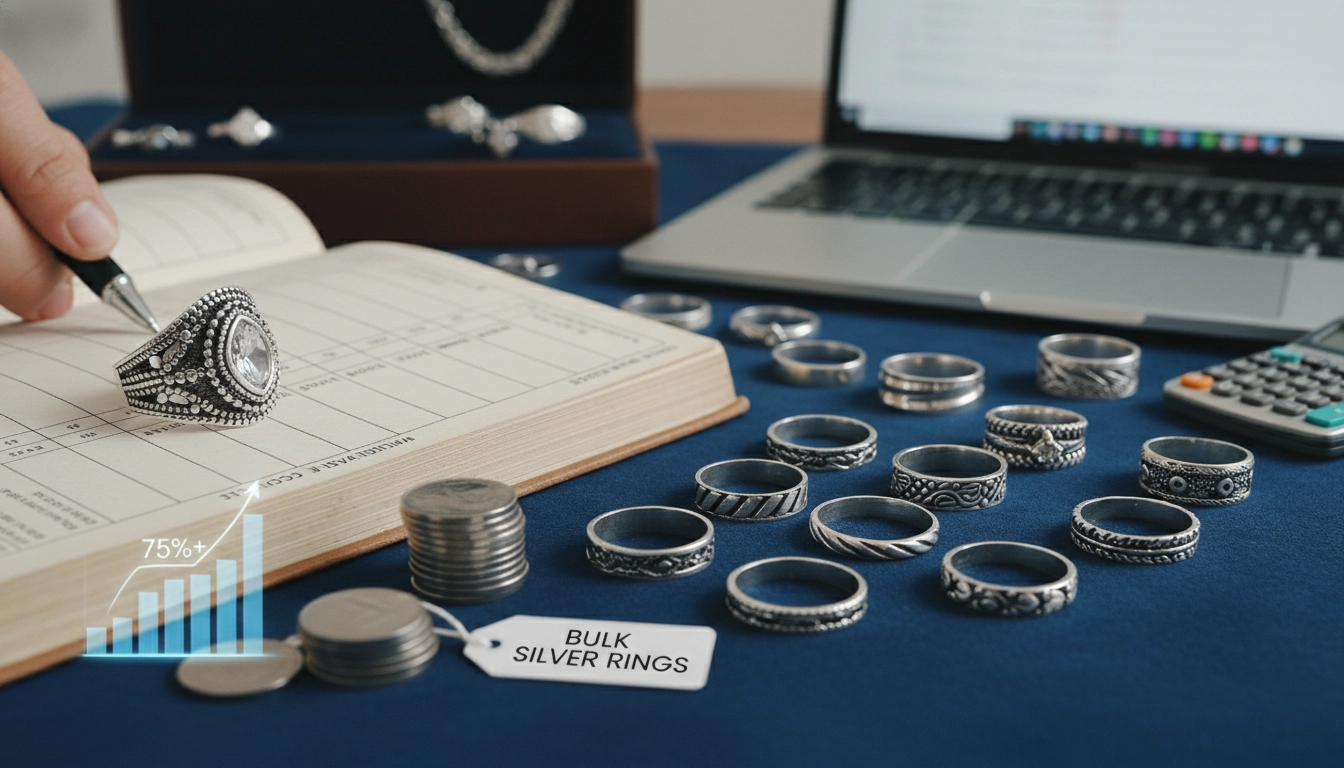
Wholesale Silver Rings: 7 Costly Pricing Mistakes Every Resale Business Must Avoid in 2026
Custom stainless steel gold hoop earrings Manufacturers and Suppliers
Prdoucts Categories
Question you may concern
Products
What is your minimum order quantity?
We offer low MOQ from 2 to 30 depending on models. Send your favor model to get details from Trade Manager.
How long will the plating color last?
Generally 6 month for Water Plated color , 1 - 2 years for vacuum plated color if in proper wearing.
What is the material of the jewelry?
Most of the jewelry is made of 925 sterling silver, brass or 316 stainless steel or custom material,which can cover different procurement demand.
FAQs
Can I get a sample?
Yes,welcome to choose our sample to test and check quality.Please give me your address and number then send you payment list.
Can you engrave my logo on the jewelry ?Do you supply OEM/ODM service?
Yes. Custom logo and OEM/ODM are both accepted. Our factory specializes in jewelry manufacturing for 27 years.We can produce jewelry by your sample, design, pictures, even by an idea.Please feel free to contact us for more details. Custom order process:Inquiry-Confirm products details-Pay mold fee -Confirm CAD draft-Quote-Initial payment-Produce mold&sample-Confirm Sample-Mass production-Balance payment-Shipment-Track shipment-delivery.
You may also like
Brass Jewelry
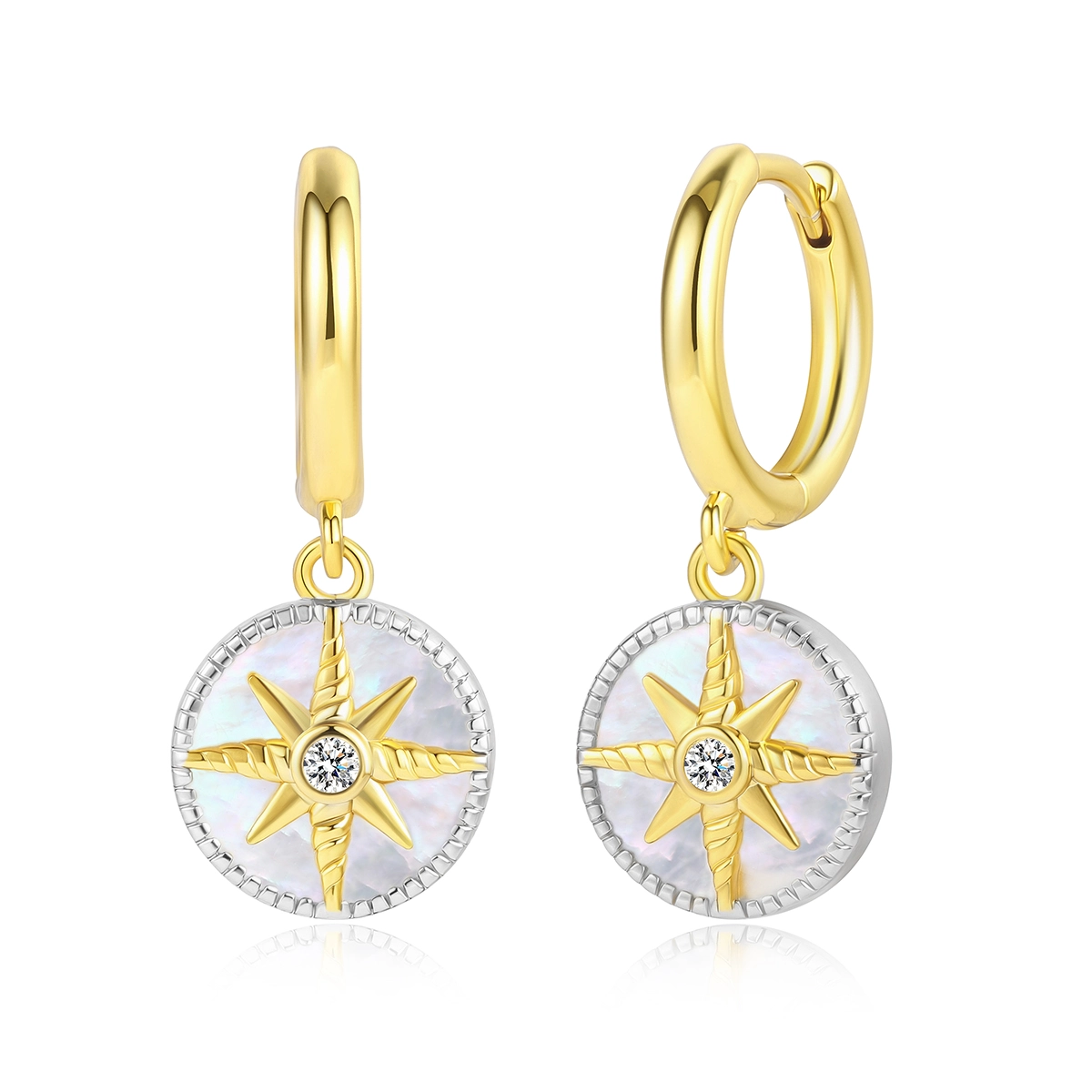
Brass Mother of Pearl Compass Huggie Drop Earrings | 14K 18K Gold Plated Hypoallergenic Jewelry
Read More
925 Silver Jewelry
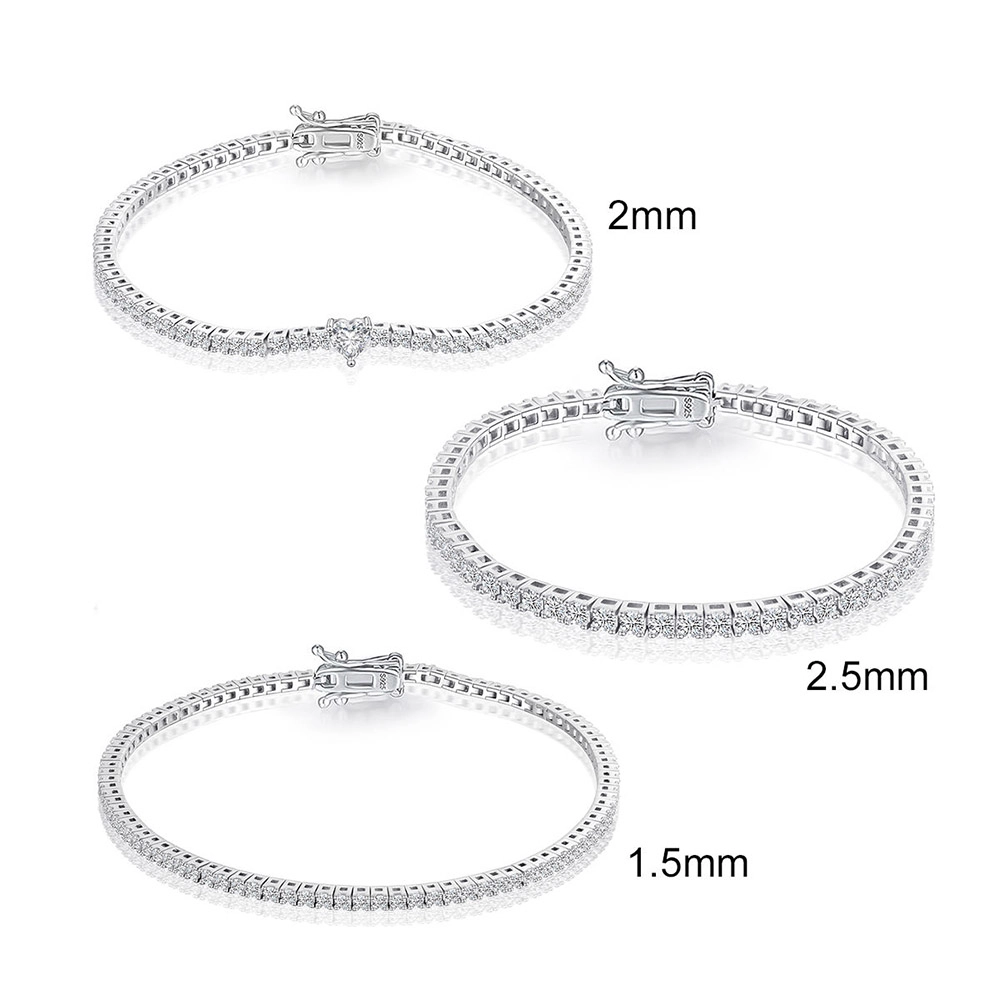
Customizable High-Quality Fashion 925 Sterling Silver AAA Cubic Zirconia Heart-Shaped Open Tennis Bracelet.
Read More
Brass Jewelry
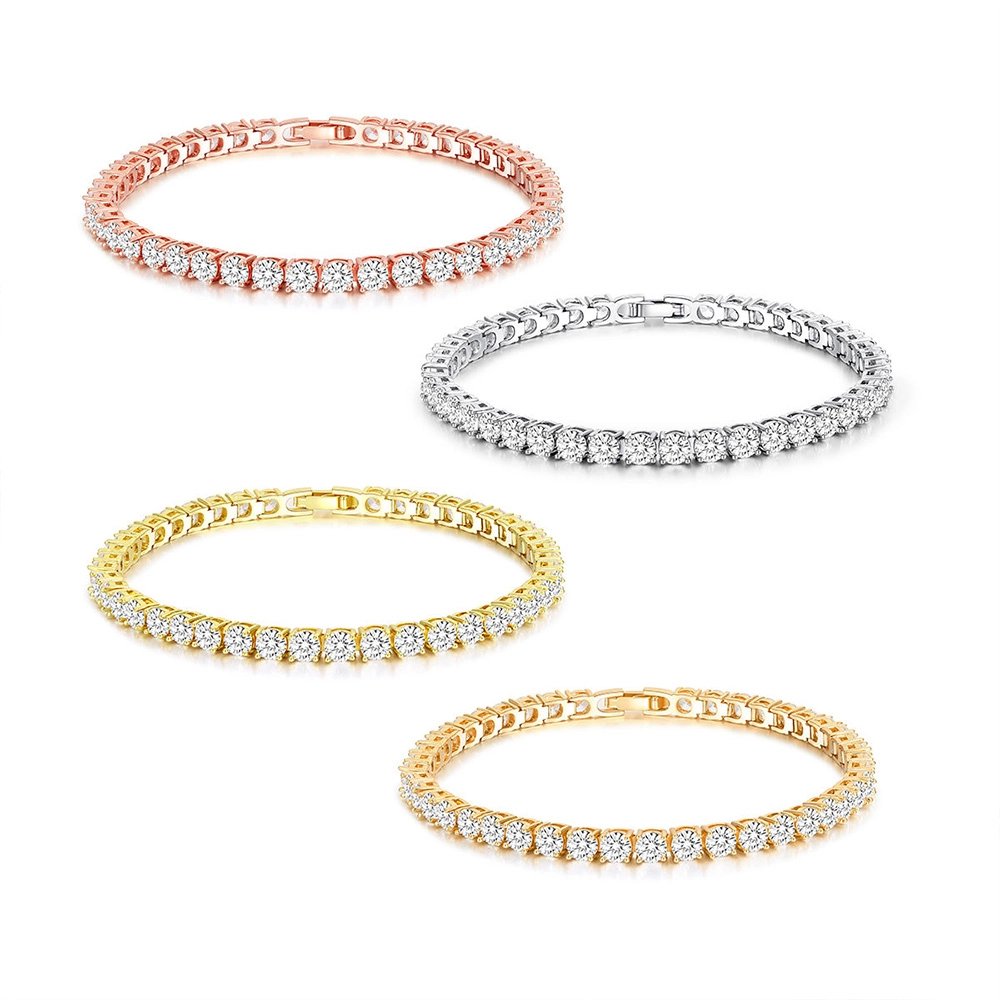
Customizable OEM ODM High-Quality Fashion Brass AAA Cubic Zirconia Classic Tennis Bracelet for Women Wholesale.
Read More
Get a Quote for Private Label Jewelry
We provide personalized jewelry customization services for clients worldwide.
Rest assured that your privacy is important to us, and all information provided will be handled with the utmost confidentiality.
By clicking 'Send Inquiry Now' I agree to ZHEFAN JEWELRY processing my personal data.
To see how to withdraw your consent, how to control your personal data and how we process it, please see our Privacy Policy and Terms of use.
From design to production, ZHEFAN JEWELRY offers a one-stop solution to help you enhance your brand value and market competitiveness.
Get A Quote
Contact
Tel: (+86) 188 1927 7817
© 2026 Zhefan Jewelry. All Rights Reserved.
Facebook
Instagram
YouTube
Whatsapp: +8618819277817