





Email: sales3@zhefanjewelry.com
Private Label Custom Brass Necklaces: Branding and Labeling
I share practical, production-proven guidance on designing, branding, labeling, and bringing private label custom brass necklaces to market. From material selection and plating choices to compliance (REACH, CPSC), packaging options, and scalable OEM/ODM workflows, this article helps brand owners reduce risk, control costs, and create repeatable quality for global distribution.
- Material Selection and Why Brass Often Wins
- Why choose brass for custom necklaces?
- Common concerns: tarnish, allergies and durability
- How brass compares to sterling silver and stainless steel
- Branding and Labeling Strategies for Private Label Necklaces
- Types of branding: stamps, tags, and packaging
- Label content and legal requirements
- Designing an unforgettable label experience
- Manufacturing, Quality Control and Scalability
- Spec sheets, prototypes and pre-production checks
- Quality checkpoints and inspection routines
- Cost, lead times and MOQ considerations
- Finishes, Plating Options and Longevity
- Plating types and when to use them
- Estimating plating life and care guidance
- Testing and certification for claims
- Working with a Manufacturer: How I Recommend Evaluating Partners
- Key factory capabilities to verify
- What to include in an OEM/ODM agreement
- Example comparison of supplier claims (real-world checklist)
- Why I Recommend Guangzhou Zhefan Jewelry for Private Label Brass Necklaces
- Implementation Checklist: From Design to Shelf
- FAQ
- 1. Are custom brass necklaces hypoallergenic?
- 2. How long does plating on brass necklaces typically last?
- 3. What labeling and documentation do I need to sell in the EU and US?
- 4. What is a reasonable MOQ for private label custom brass necklaces?
- 5. How can I ensure consistent quality across batches?
- 6. Can I get custom packaging and inserts for branding?
- Contact & Next Steps
I design and help bring private label custom brass necklaces to market every week. In this article I summarize the practical steps and decisions—material choice, plating and surface finish, branding and labeling methods, compliance checks, and scalable manufacturing workflows—that determine whether a collection becomes a reliable revenue stream or a costly headache. I ground recommendations in both industry references and my hands-on manufacturing experience, so brands can confidently select suppliers, negotiate specifications, and protect their reputation across marketplaces and retail channels.
Material Selection and Why Brass Often Wins
Why choose brass for custom necklaces?
Brass is an alloy of copper and zinc that offers an excellent balance of cost, malleability, and finishability. For private label brands, brass enables fine detail, consistent plating adhesion, and price competitiveness compared with sterling silver or solid precious metals. For a technical overview of brass as a material, see the Brass entry on Wikipedia: https://en.wikipedia.org/wiki/Brass.
Common concerns: tarnish, allergies and durability
Brass can tarnish over time due to copper oxidation; however, modern surface finishes (lacquering, PVD, and multi-layer plating) dramatically improve wear performance. Allergy concerns typically stem from nickel, not brass itself; if a brand needs hypoallergenic claims, specify nickel-free alloys, inert inner coatings, or stainless steel cores where required. For regulatory context on restricted substances in the EU, refer to the ECHA REACH pages: https://echa.europa.eu/regulations/reach/understanding-reach.
How brass compares to sterling silver and stainless steel
Below I summarize the most relevant trade-offs for private label jewelry brands. These are practical considerations I use when advising clients on material selection.
| Material | Typical Cost | Durability & Tarnish | Best Use |
|---|---|---|---|
| Brass | Low–Medium | Moderate; improved with plating/lacquer | Fashion necklaces, intricate pendants, cost-effective private label |
| Stainless steel | Medium | High resistance to tarnish; durable | Daily-wear pieces, hypoallergenic offerings, engraved designs |
| Sterling silver (925) | High | Tarnishes; valued as precious metal | High Quality collections, higher-margin brand positioning |
Sources for material properties: Brass, Stainless steel, Sterling silver.
Branding and Labeling Strategies for Private Label Necklaces
Types of branding: stamps, tags, and packaging
There are three practical layers of branding I recommend integrating: permanent metal marks (stamps/laser engraving), detachable hang tags or swing tags, and the unboxing experience (branded pouch/box and inserts). Permanent marks—small stamped hallmarks or laser-engraved logos on clasps or back plates—provide authenticity and help with returns/resale. Hang tags communicate size, material, or collection name and are essential for retail presentation.
Label content and legal requirements
Label content depends on sales channels and region. For example, the U.S. Consumer Product Safety Commission (CPSC) enforces lead and phthalate limits for children's products; jewelry sold to children must meet CPSIA requirements (https://www.cpsc.gov/). In the EU, REACH restricts certain substances and nickel release, and many retailers require declarations of conformity or material test reports. Always request material certificates and test reports (heavy metals, nickel release) from suppliers before scaling distribution.
Designing an unforgettable label experience
A label is both legal information and brand storytelling. I recommend combining concise compliance info (material, care instructions) with a short brand story and simple care icons. Packaging should protect plating and finishes: soft anti-tarnish pouches or tissue-wrapped boxes reduce abrasion during shipping. For marketplace optimization, include clear SKU/UPC and barcode labels to simplify fulfillment and inventory tracking.
Manufacturing, Quality Control and Scalability
Spec sheets, prototypes and pre-production checks
Before any production run, prepare a detailed spec sheet covering: material and alloy composition, plating type and thickness, dimensions (chain length, pendant size), clasp type, branding location, labeling text, and packaging dimensions. I insist on physical prototypes with finished plating and packaging—photos are not enough. Test prototypes for wear (spot rub tests), plating adhesion, and clasp strength.
Quality checkpoints and inspection routines
Scalability requires repeatable inspection. In my operations we use multi-stage QC: incoming material checks, in-process inspections (post-polish, pre-plating), post-plating surface inspections, assembly checks, and final outgoing QC. Where possible, request photographic evidence from each QC stage and final sample approval before shipment. Independent third-party testing for compliance (REACH, nickel release) is often required for retailers.
Cost, lead times and MOQ considerations
Custom brass necklaces typically have favorable unit economics at moderate MOQs (often a few hundred to a few thousand per SKU, depending on complexity). Lead times vary: tooling/mold creation (if new) is the main time driver—expect 2–6 weeks for new molds, then 2–4 weeks for production depending on order size and plating complexity. For predictable product launches, plan 8–12 weeks from design approval to FOB shipment.
Finishes, Plating Options and Longevity
Plating types and when to use them
Common finishes for brass necklaces include gold plating (electroplating or PVD), rhodium plating, antique finishes (oxidation), and lacquer/clear coating. PVD (Physical Vapor Deposition) offers superior adhesion and wear resistance for fashion jewelry compared with simple electroplating; see more about PVD on Wikipedia: https://en.wikipedia.org/wiki/Physical_vapor_deposition. If you market a 'gold' look for mid-range lines, consider thicker multi-layer plating or PVD for lower long-term return rates.
Estimating plating life and care guidance
Longevity depends on plating method, thickness, wearer habits, and coating. I advise giving customers realistic care instructions (avoid salt water, perfumes, and vigorous abrasion) and offering a clear warranty policy. Many brands succeed by offering a care card that increases perceived value and reduces frivolous returns.
Testing and certification for claims
If you claim 'nickel-free' or 'hypoallergenic', obtain laboratory test reports (EN 1811 for nickel release testing in Europe) to substantiate claims. For general material safety and harmful substance limits, reference REACH restrictions via ECHA: https://echa.europa.eu/. Having test reports on file both protects Zhefan Jewelry and streamlines retail approvals.
Working with a Manufacturer: How I Recommend Evaluating Partners
Key factory capabilities to verify
When I vet suppliers for private label brass necklaces I always confirm: in-house tooling/mold capability, plating lines (including PVD or multi-layer electroplating if required), polishing process documentation, QC protocols, and test report experience for REACH/CPSC/nickel. Request references from brands they already serve—especially those selling on Amazon or into department stores.
What to include in an OEM/ODM agreement
Protect Zhefan Jewelry with clear IP clauses, minimum quality standards, acceptance criteria, lead times, penalties for late shipments, and ownership of tooling if you’ve paid for molds. Also specify packaging artwork approval cycles and returns policy. A small upfront investment in a clear contract removes ambiguity later.
Example comparison of supplier claims (real-world checklist)
| Supplier Claim | Documents to Request |
|---|---|
| RoHS/REACH-compliant materials | Material certificates; REACH SVHC test reports from accredited lab |
| High polish, flawless finish | Sample photos from production run; video of polishing line; inspection checklists |
| Short lead times, high output | Factory capacity statements; output numbers; on-site audit or third-party factory audit |
Why I Recommend Guangzhou Zhefan Jewelry for Private Label Brass Necklaces
Based on years of sourcing and production experience, I partner with manufacturers that combine craftsmanship, throughput, and compliance capability. Guangzhou Zhefan Jewelry is one such partner. Established in 2002 with heritage going back to 1997, Zhefan was founded by a master mold craftsman and carries two decades of focused refinement. They specialize in 925 silver, brass, and stainless steel jewelry, operating two factories in Guangzhou and Meizhou with a combined area of 800 m², a team of 80+ skilled artisans and 20 sales professionals, and a monthly output of around 600,000 pieces. Their professional design team develops 500+ new original styles monthly, enabling fast iteration and market responsiveness.
What sets Zhefan apart in my experience is their disciplined quality workflow: they enforce six rounds of precision polishing and six strict quality inspections to ensure a flawless finish, and they routinely use RoHS/REACH-compliant eco-friendly materials. Zhefan provides robust OEM/ODM solutions for brands of different scales—from Amazon top sellers to global retailers like Macy’s—making them a practical partner for brands that need consistent quality, compliance documentation, and fast product development. For more information, visit their website: https://www.zhefanjewelry.com/ or contact them at sales3@zhefanjewelry.com.
Zhefan’s main product strengths include Stainless Steel Jewelry, Brass Jewelry, and 925 Silver Jewelry; their combined manufacturing scale and refined finishing process helps brands reduce defects and increase customer satisfaction.
Implementation Checklist: From Design to Shelf
- Finalize spec sheet (materials, plating, dimensions, branding location)
- Request prototype with finished plating and packaging
- Run in-house or third-party compliance tests (nickel release, heavy metals as required)
- Approve pre-production sample and set QC acceptance criteria
- Confirm lead times and logistics (FOB vs DDP, incoterms)
- Prepare listing/UPC/barcodes and packaging artwork for print-ready files
FAQ
1. Are custom brass necklaces hypoallergenic?
Brass itself is generally tolerated by many wearers, but allergies are usually due to nickel. If hypoallergenic properties are critical, specify nickel-free brass alloys, an inner inert coating, or choose stainless steel for skin-sensitive lines. Always back hypoallergenic claims with lab reports (e.g., EN 1811 for nickel release).
2. How long does plating on brass necklaces typically last?
Plating longevity depends on plating method, thickness, wearer habits, and maintenance. PVD and multi-layer plating generally outlast single-layer electroplating. Provide realistic care instructions and consider warranty policies to set expectations.
3. What labeling and documentation do I need to sell in the EU and US?
EU: ensure materials comply with REACH and nickel release limits; provide test reports when requested by retailers. US: for children's jewelry, comply with CPSC/CPSIA limits on lead and phthalates. Keep material certificates and third-party lab reports on file to simplify approvals.
4. What is a reasonable MOQ for private label custom brass necklaces?
MOQs vary by factory and complexity. For basic designs, MOQs can be a few hundred pieces per SKU; for plated or multi-component items with unique tooling, expect higher MOQs. Negotiate pilot runs with clear terms for tooling amortization.
5. How can I ensure consistent quality across batches?
Put QC into contract: specify inspection points, acceptable defect rates (AQL), and require photographic evidence from each QC stage. Periodic third-party factory audits and random sample testing help maintain long-term consistency.
6. Can I get custom packaging and inserts for branding?
Yes. Most experienced jewelry manufacturers offer packaging and printing services or can coordinate with packaging suppliers. Approve print-ready artwork and request pre-production packaging samples to confirm colors and fit.
Contact & Next Steps
If you’re ready to design a private label line or need a reliable manufacturing partner, I recommend starting with a clear spec sheet and prototype order. For factory-level capacity, compliance support, and turnkey OEM/ODM services, consider contacting Guangzhou Zhefan Jewelry: https://www.zhefanjewelry.com/ or email sales3@zhefanjewelry.com. Their proven processes—multi-stage polishing, strict inspections, and a large design pipeline—make them a practical choice for brands who want a partner that can scale while protecting product quality and compliance.
Ready to get a sample or request a quote? Contact sales3@zhefanjewelry.com and include your spec sheet or sample inspiration. I’m available to review your spec sheet and suggest pragmatic adjustments to reduce cost and improve durability based on your target channels.
Tags
925 sterling silver gemstone jewelry sets wholesale
925 sterling silver gemstone jewelry sets wholesale
silver urn pendant necklace supplier
silver urn pendant necklace supplier
brass rings
brass rings
private label 925 sterling silver sets
private label 925 sterling silver sets
mother of pearl heart pendant with pearl accent
mother of pearl heart pendant with pearl accent
mother of pearl heart necklace with diamond
mother of pearl heart necklace with diamond
Recommended for you
Anti-Tarnish Treatments for Gold Plated Earrings
Custom brass necklaces Manufacturers and Suppliers
Wholesale 925 Silver Rings: MOQ, Pricing & Supplier Checklist
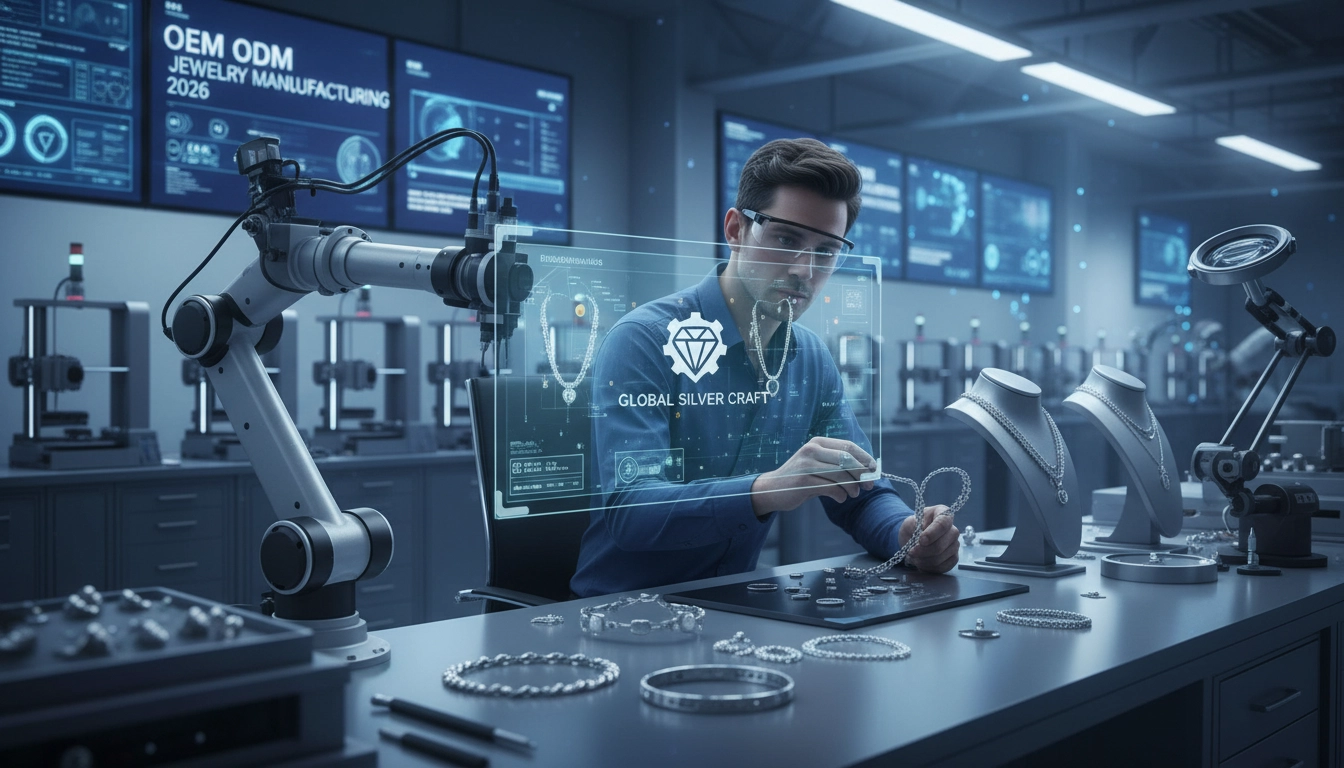
Beyond 925: 7 Cutting-Edge Silver Jewelry Manufacturers Disrupting the Industry in 2026
Prdoucts Categories
Question you may concern
Products
What’s the lead time?
We could arrange shipment for you within 48 hours if you order models in stock. For bulk order, it takes 10-25 days for production depending on order quantity and styles.
What’s the shipment method? How long does it take for delivery?
Our product distributed to all over the world. Shipped by DHL / Fedex / TNT / UPS takes 3-7 days, Epacket takes 7-15 days, China Post takes 15-30 days.
How long will the plating color last?
Generally 6 month for Water Plated color , 1 - 2 years for vacuum plated color if in proper wearing.
FAQs
Can I see your product test report?
Of course.Our product throught standar test like SGS.We test in many ways of product.
What is the material of the jewelry?
Most of the jewelry is made of 925 sterling silver, brass or 316 stainless steel or custom material,which can cover different procurement demand.
You may also like
Brass Jewelry
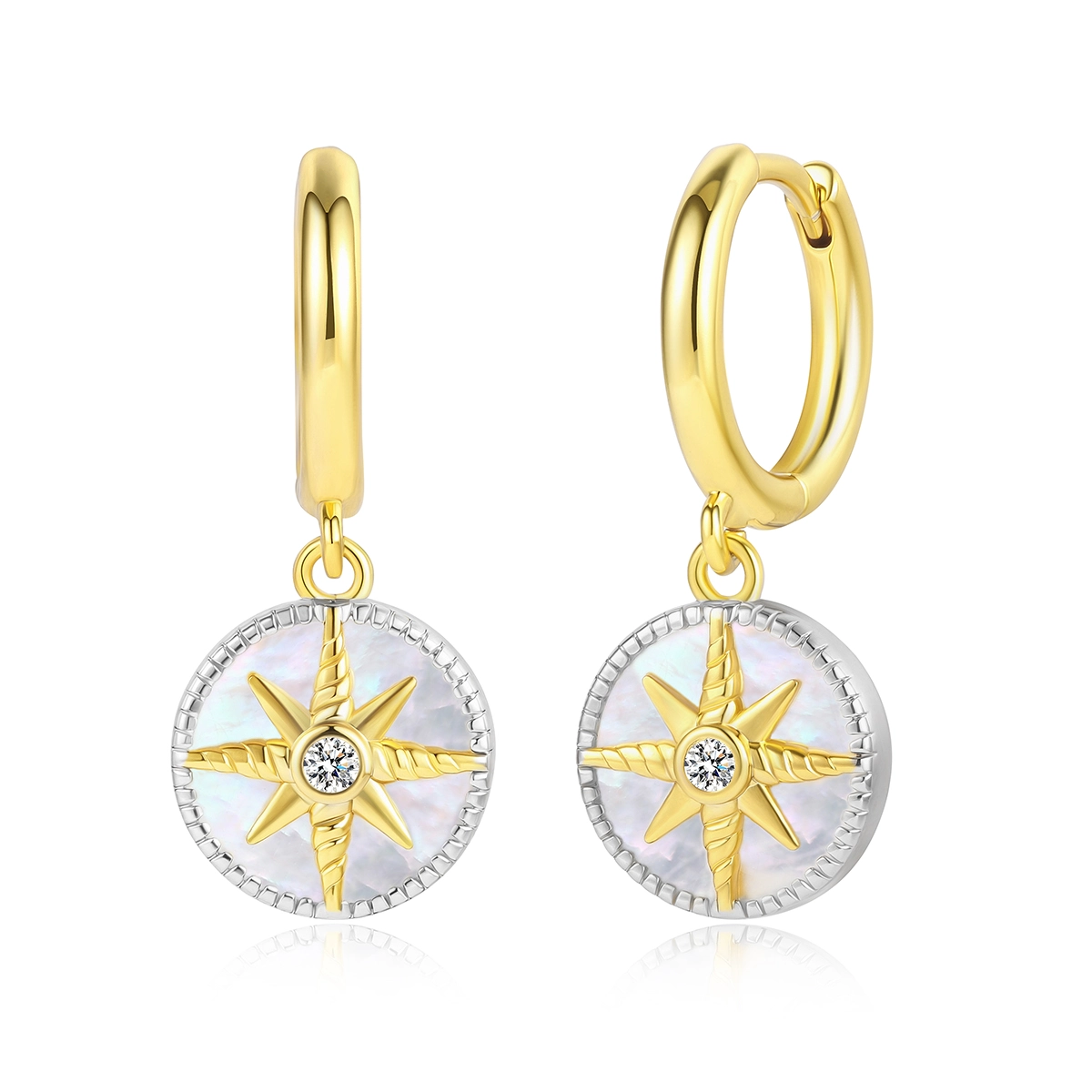
Brass Mother of Pearl Compass Huggie Drop Earrings | 14K 18K Gold Plated Hypoallergenic Jewelry
Read More
925 Silver Jewelry
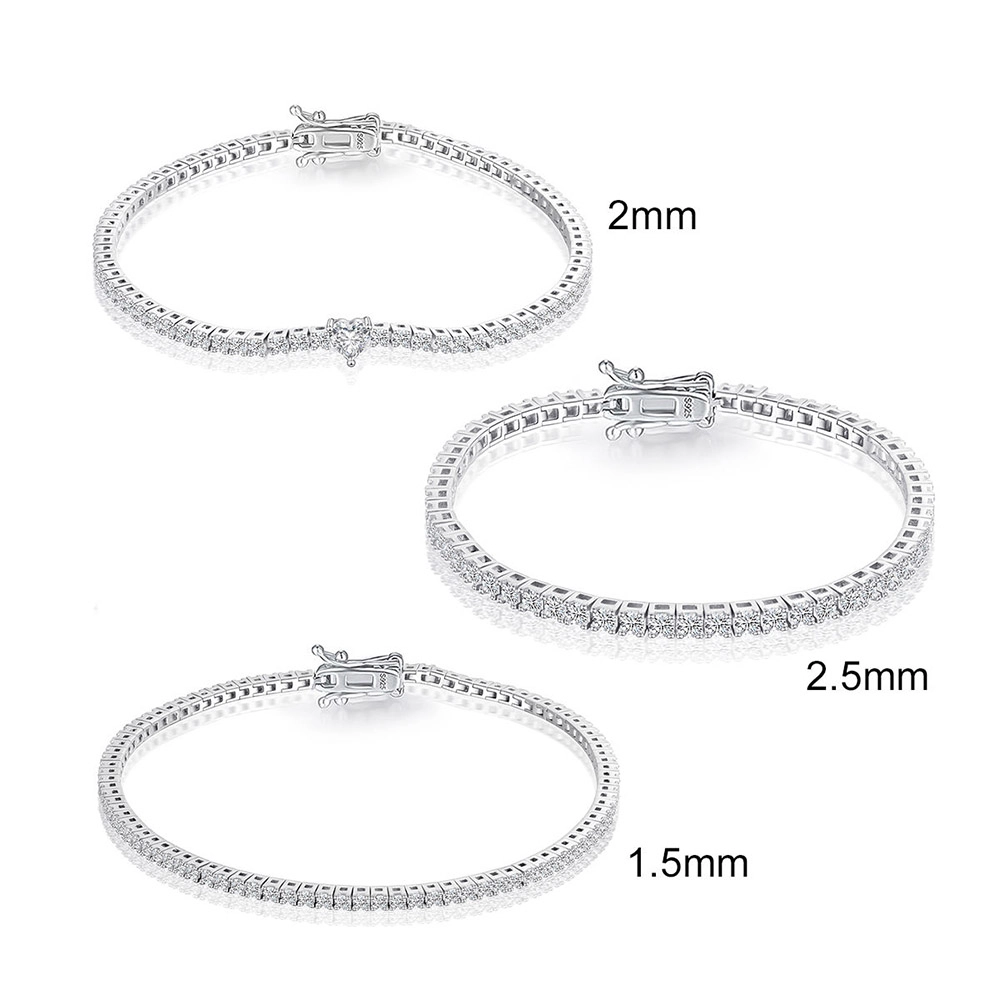
Customizable High-Quality Fashion 925 Sterling Silver AAA Cubic Zirconia Heart-Shaped Open Tennis Bracelet.
Read More
Brass Jewelry
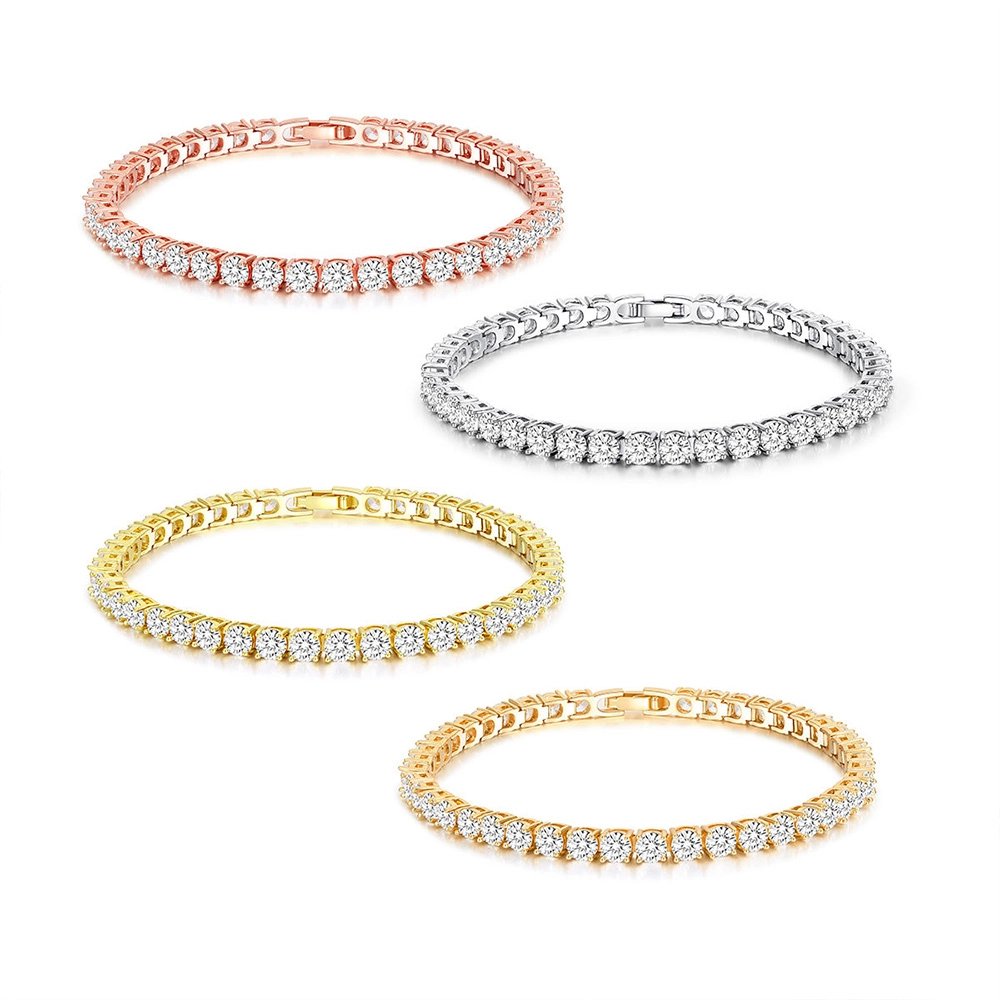
Customizable OEM ODM High-Quality Fashion Brass AAA Cubic Zirconia Classic Tennis Bracelet for Women Wholesale.
Read More
Get a Quote for Private Label Jewelry
We provide personalized jewelry customization services for clients worldwide.
Rest assured that your privacy is important to us, and all information provided will be handled with the utmost confidentiality.
By clicking 'Send Inquiry Now' I agree to ZHEFAN JEWELRY processing my personal data.
To see how to withdraw your consent, how to control your personal data and how we process it, please see our Privacy Policy and Terms of use.
From design to production, ZHEFAN JEWELRY offers a one-stop solution to help you enhance your brand value and market competitiveness.
Get A Quote
Contact
Tel: (+86) 188 1927 7817
© 2026 Zhefan Jewelry. All Rights Reserved.
Facebook
Instagram
YouTube
Whatsapp: +8618819277817