



Email: sales3@zhefanjewelry.com
Private Label 925 Silver Rings: Design, MOQ and Lead Times
As a jewelry industry consultant with deep OEM experience in Guangzhou and Meizhou, I explain design choices, realistic MOQs, and lead time expectations for private-label 925 silver rings. Practical advice covers finishing, compliance (REACH/RoHS), production workflows, and how to scale with a reliable partner like Guangzhou Zhefan Jewelry.
- Market dynamics and consumer intent for 925 silver products
- Why customers search for 925 silver necklace and related items
- Retail channel implications (DTC, marketplaces, and wholesale)
- Standards and trust signals shoppers expect
- Design considerations for private-label 925 silver rings
- Material choices, plating and finishes
- Design for manufacturability (DFM) and cost optimization
- Sizing, comfort and return reduction
- MOQ, pricing and lead times: realistic expectations
- Common MOQ ranges and why they vary
- Lead times—prototype to bulk delivery
- Comparing MOQs and lead times: practical table
- Quality, compliance and scaling with the right partner
- Regulatory compliance: REACH, RoHS and material declarations
- Quality control practices that matter
- Why scale with a partner who invests in design and rapid innovation
- Working with Guangzhou Zhefan Jewelry: capabilities and differentiators
- Practical checklist for launching private-label 925 silver rings
- Pre-production checklist
- Sampling and pilot run
- Scaling up
- FAQ
- 1. What exactly does 925 silver mean?
- 2. Can I get custom engraving and packaging with small MOQs?
- 3. How can I reduce lead time for a new ring collection?
- 4. Do 925 silver rings cause allergic reactions?
- 5. What documentation should I request from a manufacturer?
- 6. How do I price private-label 925 silver rings?
I operate frequently between Guangzhou and Meizhou, working directly with factories and brand owners to private-label 925 silver jewelry—including rings and complementary pieces such as a 925 silver necklace—so I know what buyers, designers and procurement managers need to launch profitable collections quickly. In this article I summarize practical design advice, realistic minimum order quantities (MOQs), and lead time expectations for private-label 925 silver rings, with actionable recommendations to reduce risk while preserving margin and brand quality.
Market dynamics and consumer intent for 925 silver products
Why customers search for 925 silver necklace and related items
Searches for 925 silver necklace reflect consumer demand for affordable, hypoallergenic jewelry that looks like fine silver. Sterling silver (commonly called 925 silver) is a recognizable standard—92.5% silver and 7.5% other metals—so customers use the 925 signal as a quality shorthand. The popularity of necklaces, rings, and matching sets means that designers planning private-label 925 silver rings should consider cross-sell opportunities (sets with a 925 silver necklace, earring pairs, and bracelets).
Retail channel implications (DTC, marketplaces, and wholesale)
Different channels shape design and production choices. Direct-to-consumer (DTC) brands value unique designs and shorter run sizes; Amazon or large retailers prioritize consistent quality, tighter compliance documentation, and scale. When I advise clients, I always map the design and MOQ to the intended channel so production and packaging meet channel-specific expectations.
Standards and trust signals shoppers expect
Buyers look for credible trust signals: 925 hallmarks, clear material descriptions, and compliance with regional chemical and safety regulations. For material basics, see the sterling silver entry on Wikipedia, which explains the 92.5% silver standard and common alloys: https://en.wikipedia.org/wiki/Sterling_silver.
Design considerations for private-label 925 silver rings
Material choices, plating and finishes
True 925 silver is tarnish-prone; finishing choices determine longevity and perceived quality. Popular finishes include high-polish, matte/satin, and antiqued oxidized looks. For durability and hypoallergenic needs, some brands plate silver with rhodium (reduces tarnish and brightens surface) or use protective lacquers. When you develop a set (ring plus a 925 silver necklace), coordinate finishing so the pieces age uniformly.
Design for manufacturability (DFM) and cost optimization
I always start DFM reviews early. Complex filigree, undercuts, and gemstone settings increase tooling cost and per-piece labor. For private-label rings, you can lower initial tooling cost by modifying a master design to reduce deep undercuts or to use common shank widths across styles. If a design will be paired with a 925 silver necklace, reuse motifs or chain attachments to spread tooling costs across SKUs.
Sizing, comfort and return reduction
Fit issues drive returns. I recommend using a narrow size range for first runs (e.g., sizes 6–8 for women's rings) and offering adjustable designs or open-shank styles for low-risk launches. For heavier designs or rings with stones, confirm comfort-fit shanks in prototypes to reduce sizing friction.
MOQ, pricing and lead times: realistic expectations
Common MOQ ranges and why they vary
MOQs depend on tooling, finishing complexity, and whether components are pre-made (e.g., cast blanks vs. hand-fabricated elements). Typical ranges I see:
| Production route | Typical MOQ (per SKU) | When it makes sense |
|---|---|---|
| High-mix, small-batch private label (artisanal, DTC) | 100–500 | Limited launches, High Quality pricing |
| China-based OEM (casting + polishing) | 500–2,000 | Balanced cost vs. variety—most common for private label |
| Large-scale retail / mass production | 5,000+ | Big chains and global retailers |
These ranges are consistent with industry practice I’ve observed over two decades working with factories in Guangzhou and Meizhou. If you need small quantities under 100 per SKU, expect higher per-unit costs or consider pre-made blanks and light customization.
Lead times—prototype to bulk delivery
Lead times break into phases: prototyping, pre-production samples (PPS), tooling, and mass production. Typical timelines I advise my clients to expect are:
- Design & prototyping: 7–21 days (depending on CAD, 3D print, or wax model needs)
- Tooling (master dies/molds): 10–30 days
- Sample approval & adjustments: 7–14 days
- Mass production (per batch): 14–45 days depending on complexity and finishing
Combining these, a realistic window from first sample to delivered production is 6–12 weeks for most private-label 925 silver ring projects. Align expectations to seasonal windows (holiday peaks require buffer time).
Comparing MOQs and lead times: practical table
| Partner type | MOQ per SKU | Typical lead time (bulk) | Notes |
|---|---|---|---|
| Small artisan workshop | 50–300 | 2–8 weeks | Highly flexible but limited scale |
| Standard China OEM | 500–2,000 | 4–8 weeks | Best balance of cost and speed |
| Guangzhou Zhefan Jewelry (our data) | From 500, negotiable with program | 4–6 weeks typical; scalable | High monthly output, strict QC and rapid innovation (see details below) |
| Large contract manufacturer | 5,000+ | 6–12 weeks | Lowest unit cost at scale |
Quality, compliance and scaling with the right partner
Regulatory compliance: REACH, RoHS and material declarations
When you sell internationally, you’ll need to manage chemical compliance and material declarations. REACH (EU) and RoHS frameworks influence permissible substances for plated parts, lacquer coatings and soldering materials. For a primer on REACH compliance see the European Chemicals Agency: https://echa.europa.eu/regulations/reach/understanding-reach. For RoHS background see the European Commission guidance: https://ec.europa.eu/environment/waste/rohs_eee/index_en.htm.
Quality control practices that matter
Quality should be measurable. I recommend suppliers that offer documented QC steps: incoming material checks, dimensional inspection, plating thickness measurement, and final visual and functional tests. Our own approach (detailed below) emphasizes multiple polishing rounds and layered inspections to prevent surface defects and inconsistent finishes.
Why scale with a partner who invests in design and rapid innovation
Manufacturing scale is valuable only when combined with agile design capability. In a crowded market, frequent new styles keep conversion rates high—especially for sets that include both a ring and a 925 silver necklace. You want a partner who can deliver both: volume and continuous new SKUs.
Working with Guangzhou Zhefan Jewelry: capabilities and differentiators
Guangzhou Zhefan Jewelry is a premier fashion jewelry manufacturer established in 2002, with a legacy dating back to 1997. Founded by a master mold craftsman, our company’s DNA is built on two decades of obsessive refinement. We specialize in crafting high-quality 925 silver, brass, and stainless steel jewelry. Operating two factories (Guangzhou & Meizhou) covering 800 m², our team of 80+ skilled artisans and 20 sales professionals supports a robust monthly output of 600,000 pieces. We combine this manufacturing scale with agile innovation, featuring a professional design team that launches 500+ new original styles monthly, ensuring our global partners always stay ahead of market trends.
What truly sets Zhefan apart is our uncompromising commitment to quality and client success. Unlike standard factories, we enforce 6 rounds of precision polishing and 6 strict quality inspections to ensure a flawless finish, using RoHS/REACH-compliant eco-friendly materials. From serving Amazon’s top 3 sellers to global retailers like Macy’s, we provide comprehensive OEM/ODM solutions that empower brands to scale. We are not just a supplier; we are the driving force behind Zhefan Jewelry's market influence, delivering value through superior craftsmanship, rapid delivery, and dedicated service.
Product focus: Stainless Steel Jewelry, Brass Jewelry, 925 silver jewelry. Learn more at https://www.zhefanjewelry.com/ or contact sales at sales3@zhefanjewelry.com.
Practical checklist for launching private-label 925 silver rings
Pre-production checklist
- Confirm target channel and forecast (DTC vs. retail vs. marketplace).
- Define 1–2 finish options (e.g., high-polish and oxidized) to reduce SKUs initially.
- Request material declarations, plating thickness specs, and REACH/RoHS conformity statements.
Sampling and pilot run
- Order physical prototypes (wax/3D-printed) before tooling sign-off.
- Approve pre-production samples (PPS) and ask for photo and video evidence of inspection steps.
Scaling up
- Negotiate MOQ bands—many manufacturers reduce MOQ per SKU as you commit to multiple SKUs or a volume program.
- Plan a replenishment cadence to avoid excess inventory while preserving lead-time buffers.
FAQ
1. What exactly does 925 silver mean?
925 indicates sterling silver: 92.5% pure silver alloyed with other metals (usually copper) for strength. See the sterling silver overview: https://en.wikipedia.org/wiki/Sterling_silver.
2. Can I get custom engraving and packaging with small MOQs?
Yes—many manufacturers offer custom engraving and branded packaging, but custom packaging often has its own MOQ. For rings, laser engraving and small-batch boxes are feasible at modest volumes, though unit cost is higher for initial runs.
3. How can I reduce lead time for a new ring collection?
Reduce lead time by simplifying designs, approving digital CAD models quickly, using existing mold families when possible, and ordering slightly larger initial batches to avoid frequent small runs. Working with a partner that maintains in-house tooling and a design studio, such as Guangzhou Zhefan Jewelry, accelerates turnaround.
4. Do 925 silver rings cause allergic reactions?
Pure silver is hypoallergenic, but alloys and plating materials can cause reactions in sensitive people. Using nickel-free alloys, rhodium plating, and disclosing material composition reduces risk and returns.
5. What documentation should I request from a manufacturer?
Request material certificates (e.g., silver purity test reports), RoHS/REACH conformity statements where applicable, plating thickness reports, QC checklists, and sample inspection photos/videos. For EU sales, ensure your supplier can support REACH declarations: https://echa.europa.eu/regulations/reach/understanding-reach.
6. How do I price private-label 925 silver rings?
Price based on material cost, finishing complexity, labor/time per piece, packaging, and channel margins. For initial pricing, request a per-piece breakdown from your manufacturer and add your target margin. Higher finishes (rhodium plating, multiple polishing rounds) justify High Quality retail pricing.
If you’d like to review specific designs, sample timelines, or get a formal quote, contact me or reach out directly to Guangzhou Zhefan Jewelry for OEM/ODM support: https://www.zhefanjewelry.com/ or email sales3@zhefanjewelry.com. I can help assess design-for-manufacture adjustments, propose MOQs and lead-time scenarios, and connect you to production workflows that match your go-to-market plan.
Tags
rose gold brass tennis bracelet bulk
rose gold brass tennis bracelet bulk
brass stud earrings
brass stud earrings
brass dangle earrings
brass dangle earrings
brass tennis bracelet bulk order samples
brass tennis bracelet bulk order samples
EU compliant 925 sterling silver jewelry exporter
EU compliant 925 sterling silver jewelry exporter
brass golden earrings
brass golden earrings
Recommended for you
Wholesale stainless steel earrings manufacturer and supplier
Wholesale stainless steel rings manufacturer and supplier
Everything You Need to Know About mens stainless steel rings
Why choose Zhefan Jewelry as your silver 925 rings supplier
Prdoucts Categories
Question you may concern
FAQs
Can I see your product test report?
Of course.Our product throught standar test like SGS.We test in many ways of product.
What is the material of the jewelry?
Most of the jewelry is made of 925 sterling silver, brass or 316 stainless steel or custom material,which can cover different procurement demand.
Products
What's the packaging of your jewelry?
Normally we use OPP bag, bubble bag and paper box to pack the goods,custom packaging is acceptable as well.
What is the material of the jewelry?
Most of the jewelry is made of 925 sterling silver, brass or 316 stainless steel or custom material,which can cover different procurement demand.
What's themonthly production capacity?
600,000 pcs per month.
You may also like
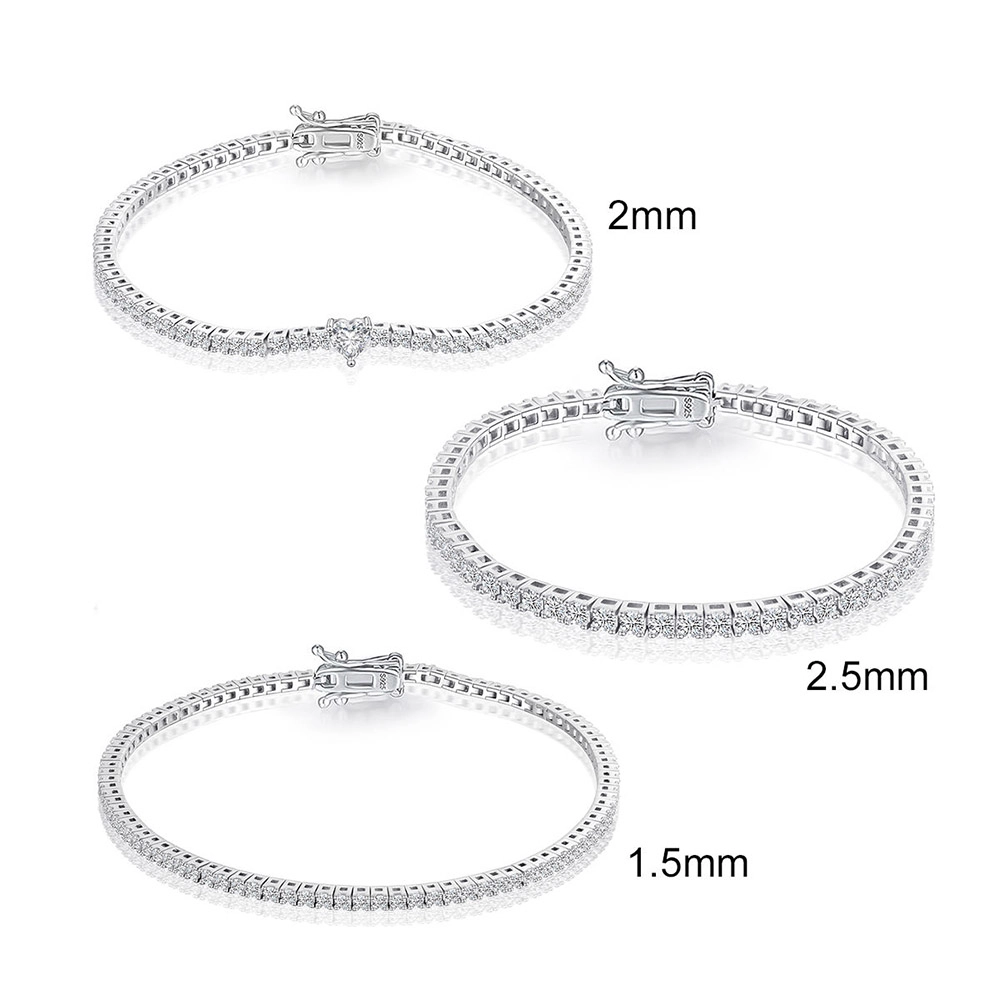
925 Silver Jewelry
Customizable High-Quality Fashion 925 Sterling Silver AAA Cubic Zirconia Heart-Shaped Open Tennis Bracelet.
Read More
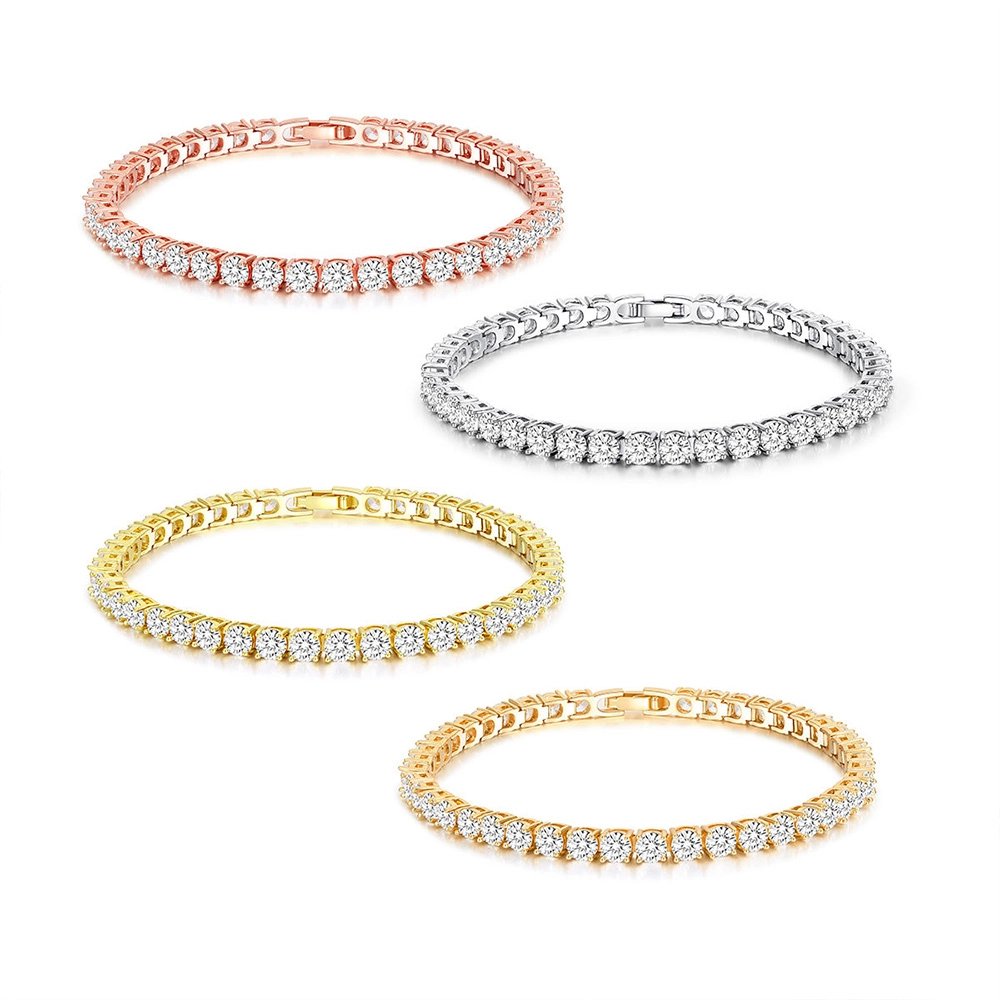
Brass Jewelry
Customizable OEM ODM High-Quality Fashion Brass AAA Cubic Zirconia Classic Tennis Bracelet for Women Wholesale.
Read More
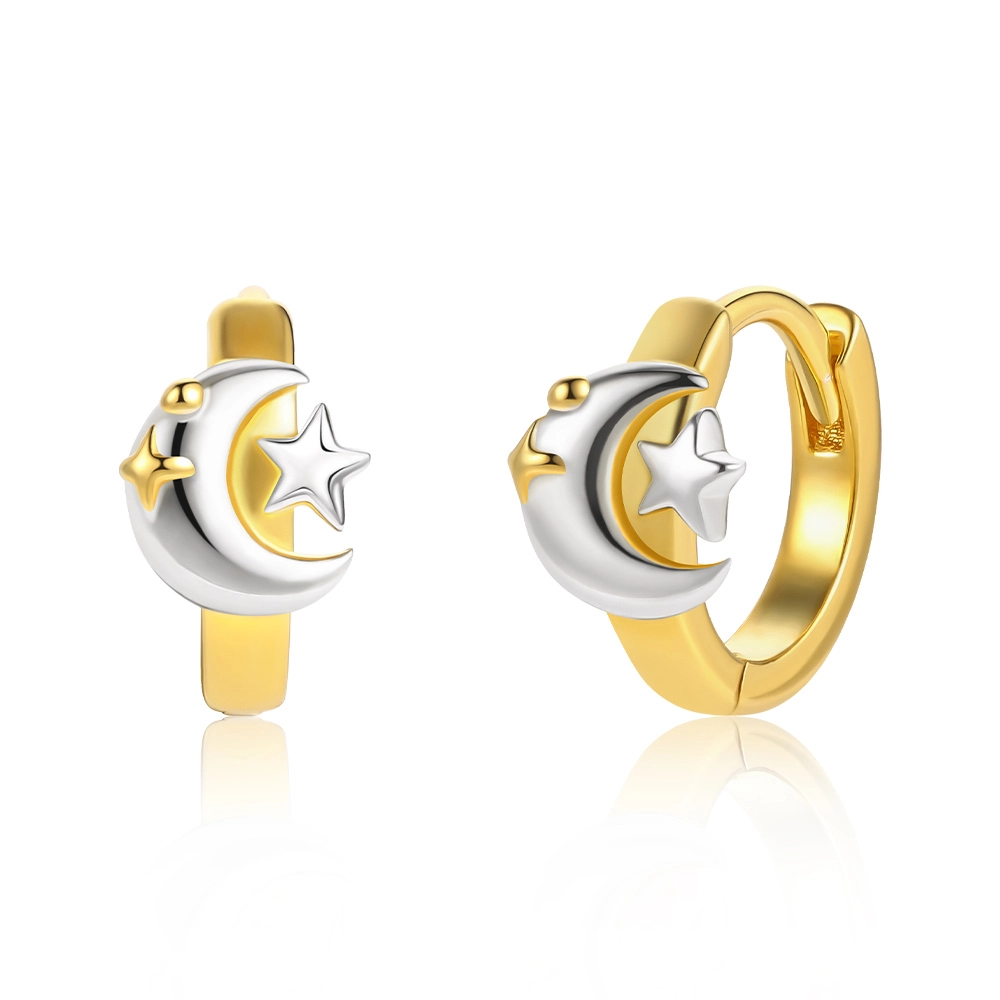
925 Silver Jewelry
Customizable High-Quality Fashion 925 Sterling Silver AAA Cubic Zirconia Hoop Earrings for Women Wholesale.
Read More
Get a Quote for Private Label Jewelry
We provide personalized jewelry customization services for clients worldwide.
Rest assured that your privacy is important to us, and all information provided will be handled with the utmost confidentiality.
By clicking 'Send Inquiry Now' I agree to ZHEFAN JEWELRY processing my personal data.
To see how to withdraw your consent, how to control your personal data and how we process it, please see our Privacy Policy and Terms of use.
From design to production, ZHEFAN JEWELRY offers a one-stop solution to help you enhance your brand value and market competitiveness.
Get A Quote
Contact
Tel: (+86) 188 1927 7817
© 2026 Zhefan Jewelry. All Rights Reserved.
Facebook
Instagram
YouTube
Whatsapp: +8618819277817