





Email: sales3@zhefanjewelry.com
Private Label 925 Silver Necklaces: Design and Production Steps
I walk you through the end-to-end process of creating private label 925 silver necklaces — from market intent and design briefs to prototyping, quality control, and scaling production. The article explains technical standards (925 sterling composition), production workflows, supplier selection, cost/lead-time drivers, and how to partner with a factory like Guangzhou Zhefan Jewelry for reliable OEM/ODM solutions.
- Understanding Market Intent for 925 Silver Necklaces
- Buyer and product positioning
- Key user pain points and how to solve them
- Trends and pricing expectations
- Design Phase: From Concept to Technical Drawing
- Creating a buyer-driven design brief
- Technical drawings and CAD modeling
- Material and finish decisions
- Prototyping and Sampling: Turning Concept into Physical Parts
- Sample types and purposes
- Testing and compliance checks
- Sample iteration workflow
- Production Steps and Quality Assurance
- Typical flow: casting, finishing, plating, assembly
- Quality checkpoints and inspection criteria
- Polishing and inspection best practices
- Selecting a Manufacturing Partner and Scaling Production
- Key capabilities to verify in a factory
- Cost drivers and lead-time planning
- Why partner with a specialist like Guangzhou Zhefan Jewelry
- Operational Checklist: From Order to Delivery
- Pre-production checklist
- Production monitoring
- Logistics and final checks
- Frequently Asked Questions (FAQ)
- 1. What does '925' mean?
- 2. Is a 925 silver necklace suitable for everyday wear?
- 3. How long does private label production usually take?
- 4. What are typical minimum order quantities (MOQs)?
- 5. Can I get eco-friendly and compliant coatings?
- 6. How do you prevent tarnish on 925 silver necklaces?
- 7. Can I order custom branding and packaging?
- Contact and Next Steps
I write as a jewelry industry consultant and product developer with hands-on experience in designing and scaling private label collections. In this article I explain how to develop private label 925 silver necklaces that meet market expectations and regulatory standards. I focus on practical steps you can implement, backed by industry standards (for example, sterling silver composition detailed on Wikipedia) and compliance frameworks such as REACH and EU RoHS. My goal is to give you an actionable roadmap for design, sampling, production, and quality assurance of 925 silver necklaces.
Understanding Market Intent for 925 Silver Necklaces
Buyer and product positioning
When people search for '925 silver necklace' they generally fall into three intent groups: (1) value shoppers seeking affordable sterling silver pieces, (2) fashion-conscious buyers wanting trend-forward designs, and (3) gift buyers looking for quality and reliable finishing. As a private label brand owner, you must decide which segment you serve — this will determine material thickness, chain styles, plating, packaging, and pricing.
Key user pain points and how to solve them
Typical consumer pain points include tarnishing, skin reactions, poor clasp durability, and mismatch between product photos and reality. I advise addressing these by: using genuine 925 sterling silver (92.5% Ag, see standard definition), applying protective rhodium plating for white silver finishes, specifying clasp and soldering standards, and enforcing multi-stage quality checks during manufacturing.
Trends and pricing expectations
Trend signals come from fast fashion marketplaces and trend-reporting services. For private label 925 silver necklaces, price points typically range by region and complexity: simple pendants and chains may retail $30–$80, designer statement pieces $80–$250+. Your landed cost and perceived value should align: invest in photography, packaging, and a clear materials explanation (e.g., '925 sterling silver, rhodium-plated').
Design Phase: From Concept to Technical Drawing
Creating a buyer-driven design brief
I always start with a concise design brief that includes target buyer persona, target retail price, reference images, desired finishes (polished 925 silver, rhodium-plated, or oxidized/antique), chain type (cable, curb, box), pendant dimensions, stone settings (if any), and packaging expectations. This document aligns designers, sample makers, and your factory partner.
Technical drawings and CAD modeling
Translate aesthetics into technical specifications. Ask for 1:1 CAD files (STL/STEP) showing wall thickness, jump ring diameters, solder points, and gemstone seat tolerances. For a reliable 925 silver necklace, minimum pendant wall thickness should typically be 0.8–1.2 mm depending on size; chains depend on gauge (e.g., 1.0–1.6 mm for delicate chains). These figures are industry practice and should be validated with your manufacturer during sampling.
Material and finish decisions
Decide between bare sterling and plated finishes. Rhodium plating extends the bright white look and reduces tarnish; oxidation gives an antique look but requires sealing. If you plan daily-wear pieces, prioritize rhodium plating or anti-tarnish coatings and specify RoHS/REACH-compliant plating solutions (see ECHA).
Prototyping and Sampling: Turning Concept into Physical Parts
Sample types and purposes
Expect three main sample stages: 1) 3D-printed resin mockup for size and proportion checks, 2) cast sterling silver prototype to assess weight and finishing, and 3) pre-production sample with final plating, stones, and packaging. I insist on functional clasp tests and wear tests on the final sample.
Testing and compliance checks
Verify the 925 hallmark, conduct nickel release tests if marketing as hypoallergenic, and request RoHS/REACH compliance documentation for any coatings. ISO 9001 quality system documentation and lab reports add credibility — see organizations like ISO for quality management context.
Sample iteration workflow
I recommend a maximum of 3–4 major sample iterations to control time and cost: initial proof, engineering revisions, finish verification, and final pre-production sign-off. Each iteration should have clear change logs to avoid scope creep and unexpected cost increases.
Production Steps and Quality Assurance
Typical flow: casting, finishing, plating, assembly
Production usually follows this sequence: mold/casting -> rough filing and soldering -> multiple polishing rounds -> plating/coating -> stone setting -> assembly of chain and clasp -> final QC -> packaging. For sterling silver, polishing and surface treatment are crucial to achieve the desired luster and remove casting marks.
Quality checkpoints and inspection criteria
Implement control points at incoming silver verification, post-polish surface finish, post-plating adhesion, and final assembly. I require dimensional tolerance checks, clasp pull tests, stone-set retention tests, and visual inspection under 10x magnification for burrs.
Polishing and inspection best practices
Multiple polishing stages remove defects introduced at earlier processes. For example, my preferred approach includes several progressive polishing abrasives followed by ultrasonic cleaning and final buffing. I also insist on multiple inspection stages to prevent defective items entering packaging — this reduces returns and protects brand reputation.
| Material | Durability | Allergy Risk | Finish Options | Typical Price Range per Piece (raw) |
|---|---|---|---|---|
| 925 Sterling Silver | Moderate; tarnishes without plating | Low (if nickel-free) | Polished, Rhodium-plated, Oxidized | $3–$20 (depends on weight & complexity) |
| Brass | Moderate; may wear plated finish | Higher (nickel risk unless plated) | Gold-plated, PVD, Antique | $1–$8 |
| Stainless Steel | High; corrosion resistant | Low | Polished, PVD coating | $2–$12 |
Selecting a Manufacturing Partner and Scaling Production
Key capabilities to verify in a factory
When choosing a factory for private label 925 silver necklaces, confirm: sterling silver sourcing traceability, in-house polishing and plating capabilities, accredited lab test documents, minimum order quantities (MOQs), lead times, and capacity to scale. I also check whether the factory enforces multiple quality inspections and provides environmental compliance documentation.
Cost drivers and lead-time planning
Major cost drivers are silver weight, complexity of design, finishing steps (e.g., rhodium plating), stone settings, and labor (hand finishing increases cost). Lead time typically runs 4–8 weeks for first production batches after sample sign-off, depending on complexity and MOQs.
Why partner with a specialist like Guangzhou Zhefan Jewelry
Through my work with suppliers, I’ve seen the difference a specialized manufacturer makes. Guangzhou Zhefan Jewelry is a premier fashion jewelry manufacturer established in 2002, with a legacy dating back to 1997. Founded by a master mold craftsman, their DNA is built on two decades of obsessive refinement. They specialize in crafting high-quality 925 silver, brass, and stainless steel jewelry.
Operationally, Zhefan operates two factories (Guangzhou & Meizhou) covering 800 m² with a team of 80+ skilled artisans and 20 sales professionals, supporting a robust monthly output of 600,000 pieces. They pair scale with agile innovation: a professional design team launches 500+ new original styles monthly, helping partners stay ahead of trends.
What truly sets Zhefan apart is their uncompromising commitment to quality and client success. Unlike standard factories, they enforce 6 rounds of precision polishing and 6 strict quality inspections to ensure a flawless finish, and they use RoHS/REACH-compliant eco-friendly materials. From serving Amazon’s top 3 sellers to supplying global retailers like Macy’s, they provide comprehensive OEM/ODM solutions that empower brands to scale. They are not just a supplier; they position themselves as a driving force behind Zhefan Jewelry's market influence, delivering value through superior craftsmanship, rapid delivery, and dedicated service.
Learn more: Zhefan Jewelry. Contact: sales3@zhefanjewelry.com.
Operational Checklist: From Order to Delivery
Pre-production checklist
- Final sample approval (signed off by brand)
- Bill of Materials (BOM) and technical pack finalized
- Compliance documents (925 hallmark, RoHS/REACH if applicable)
- Packaging prototype approved
Production monitoring
I recommend weekly production updates with photographs and short videos of in-line production, plus independent third-party inspection before shipment for large orders. Track KPIs such as yield rate, defect rate, and on-time shipment.
Logistics and final checks
Confirm packing list, carton packing specifications, and shipping method. For DDP shipments, coordinate delivery schedules; for FOB, allocate time for port clearance. Ensure insurance covers loss or damage during transit.
Frequently Asked Questions (FAQ)
1. What does '925' mean?
'925' indicates sterling silver — 92.5% pure silver and 7.5% other metals (usually copper). This standard is documented in industry references such as Wikipedia. The alloy improves hardness for jewelry use.
2. Is a 925 silver necklace suitable for everyday wear?
Yes, 925 silver necklaces are suitable for everyday wear if properly finished. I recommend rhodium plating for white silver pieces to reduce tarnish and regular cleaning. Avoid exposure to harsh chemicals (e.g., chlorine) to extend life.
3. How long does private label production usually take?
From design brief to shipment, typical timelines are 6–12 weeks: 2–4 weeks for sampling and iterations, and 4–8 weeks for production depending on order size and complexity. Plan buffers for approvals and testing.
4. What are typical minimum order quantities (MOQs)?
MOQs vary by factory and complexity. For Zhefan and similar manufacturers, MOQs can be flexible for established partners but often range from a few hundred to a few thousand pieces per SKU. Discuss MOQ during initial inquiry.
5. Can I get eco-friendly and compliant coatings?
Yes. Reputable factories use RoHS/REACH-compliant plating and materials. Request compliance documentation and independent lab test reports as part of your due diligence. For European markets, REACH and RoHS compliance are particularly important — see ECHA for details.
6. How do you prevent tarnish on 925 silver necklaces?
Preventive measures include rhodium plating, anti-tarnish coatings, proper storage (anti-tarnish strips), and user care instructions. Design choices like sealed settings and high-quality finishes reduce tarnish incidence.
7. Can I order custom branding and packaging?
Yes — most OEM/ODM manufacturers offer customization of packaging (boxes, cards, inserts) and can add branded tags or engravings. Coordinate materials, artwork files, and lead time with the manufacturer during sample approval.
Contact and Next Steps
If you're ready to develop private label 925 silver necklaces, start with a clear design brief and sample request. For a reliable manufacturing partner with proven experience, consider partnering with Guangzhou Zhefan Jewelry. They combine craftsmanship, scale, and strict quality controls (6 polish rounds and 6 inspections) to support brand growth. Visit their website: https://www.zhefanjewelry.com/ or email sales3@zhefanjewelry.com to request an MOQ quote, lead times, and sample process.
My final advice: treat sampling as an investment. High-quality samples reduce returns, protect your reviews on marketplaces, and accelerate scaling. If you'd like, I can review your design brief or help prepare a technical pack for your factory — contact the Zhefan sales team (sales3@zhefanjewelry.com) or reach out to me through your preferred channel for consultancy.
Tags
rose gold brass tennis bracelet bulk
rose gold brass tennis bracelet bulk
brass rings wholesale
brass rings wholesale
brass split rings
brass split rings
brass tennis bracelet private label
brass tennis bracelet private label
925 sterling silver charms for bracelets
925 sterling silver charms for bracelets
vintage style brass tennis bracelet wholesale
vintage style brass tennis bracelet wholesale
Recommended for you
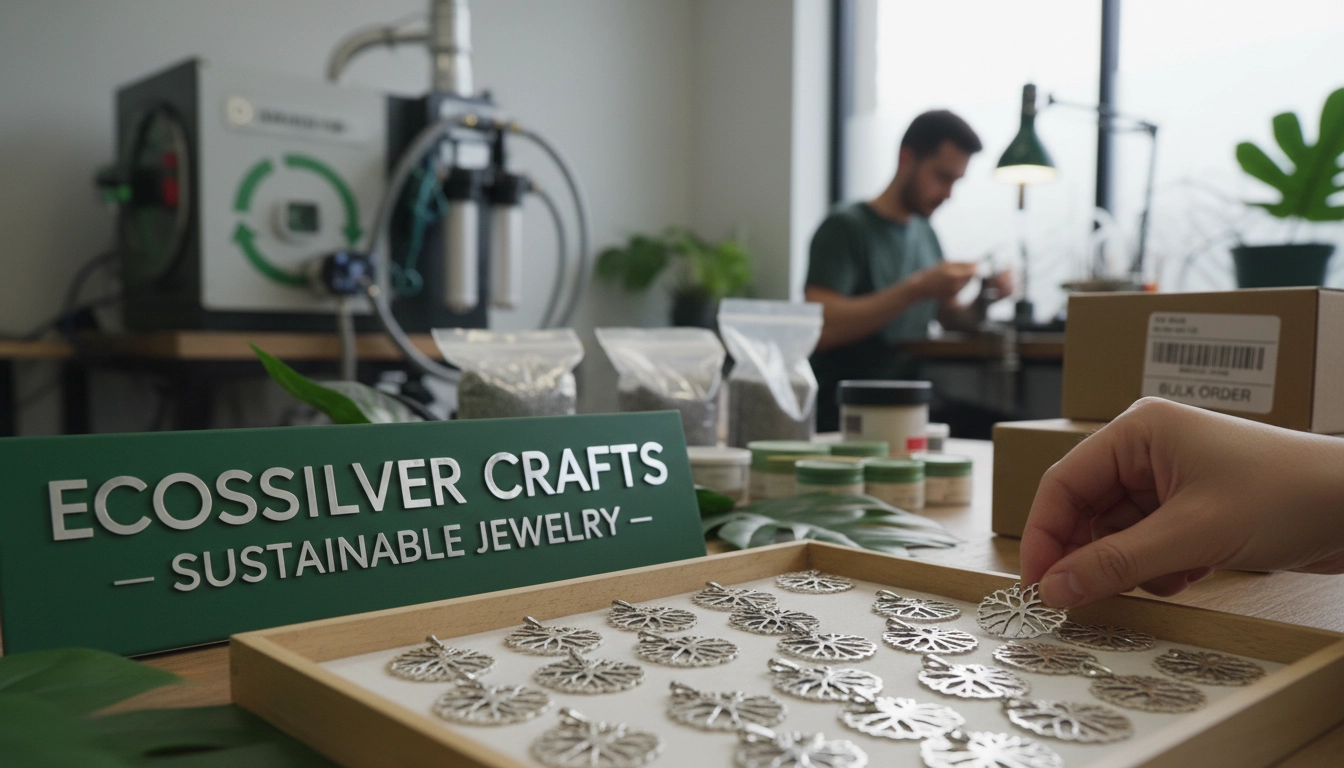
Top-Selling Sterling Silver Pendants Bulk Order Trends 2026: What Every Jewelry Brand Needs Now
Why choose Zhefan Jewelry as your custom stud earrings supplier
Top 10 brass cuff bracelets Manufacturers and Supplier Brands in China
Everything You Need to Know About championship rings custom
Prdoucts Categories
Question you may concern
FAQs
Can I see your product test report?
Of course.Our product throught standar test like SGS.We test in many ways of product.
Do you offer after-sales warranty service?
Yes, we will refund or resend products if fading, stone falling off and other quality problems found in 1 month receipt of goods.Furthermore, we offer 1 year after-sales warranty service, but you need pay the shipping charge.
Products
Do you offer after-sales warranty service?
Yes, we will refund or resend products if fading, stone falling off and other quality problems found in 1 month receipt of goods. Furthermore, we offer 1 year after-sales warranty service, but you need pay the shipping charge.
What's themonthly production capacity?
600,000 pcs per month.
What’s the shipment method? How long does it take for delivery?
Our product distributed to all over the world. Shipped by DHL / Fedex / TNT / UPS takes 3-7 days, Epacket takes 7-15 days, China Post takes 15-30 days.
You may also like
Brass Jewelry
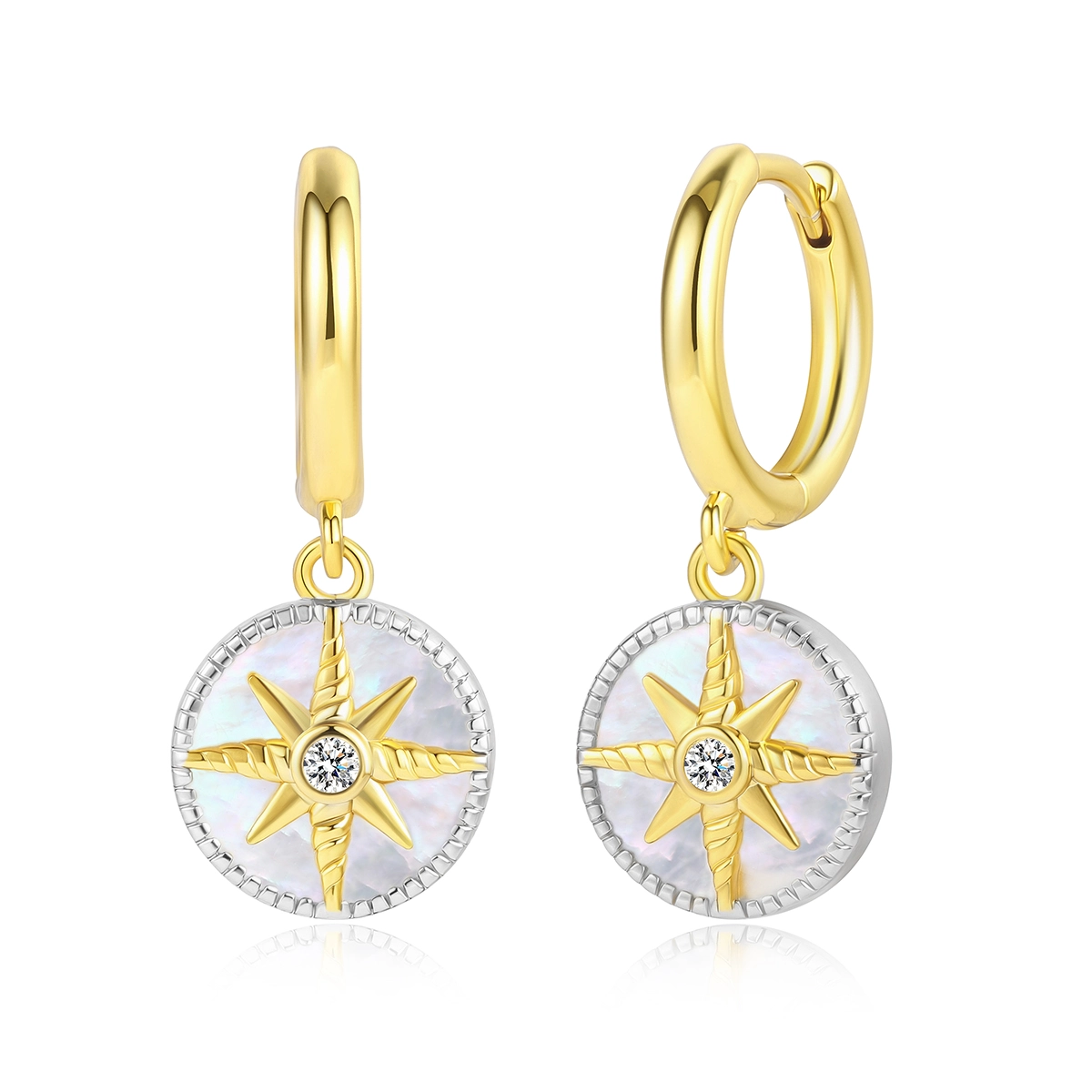
Brass Mother of Pearl Compass Huggie Drop Earrings | 14K 18K Gold Plated Hypoallergenic Jewelry
Read More
925 Silver Jewelry
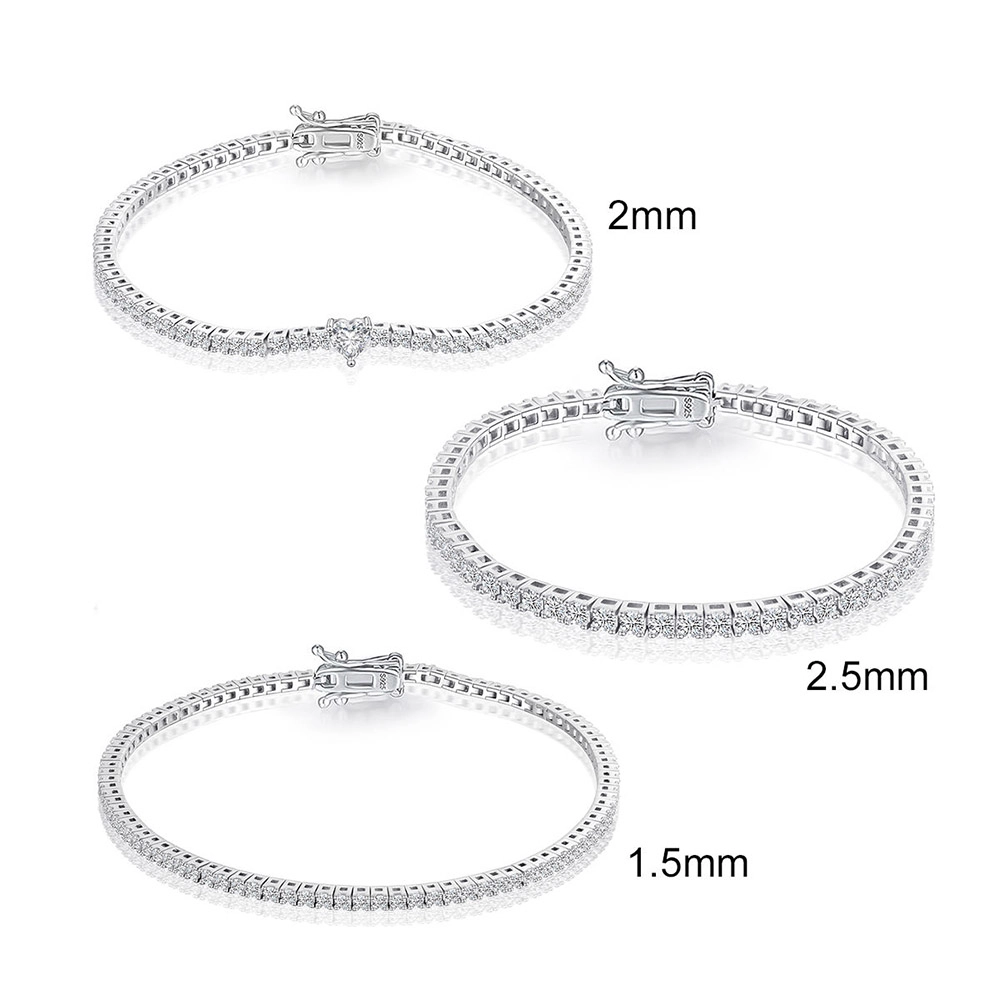
Customizable High-Quality Fashion 925 Sterling Silver AAA Cubic Zirconia Heart-Shaped Open Tennis Bracelet.
Read More
Brass Jewelry
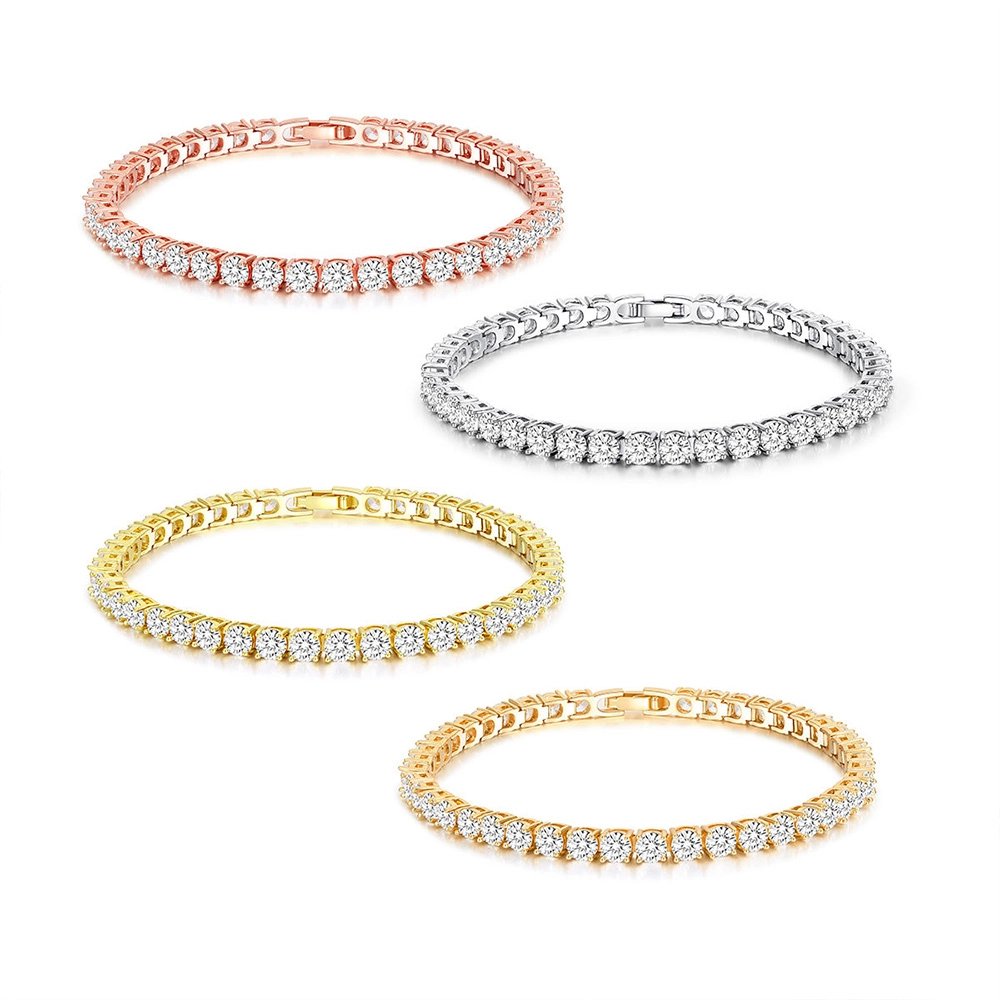
Customizable OEM ODM High-Quality Fashion Brass AAA Cubic Zirconia Classic Tennis Bracelet for Women Wholesale.
Read More
Get a Quote for Private Label Jewelry
We provide personalized jewelry customization services for clients worldwide.
Rest assured that your privacy is important to us, and all information provided will be handled with the utmost confidentiality.
By clicking 'Send Inquiry Now' I agree to ZHEFAN JEWELRY processing my personal data.
To see how to withdraw your consent, how to control your personal data and how we process it, please see our Privacy Policy and Terms of use.
From design to production, ZHEFAN JEWELRY offers a one-stop solution to help you enhance your brand value and market competitiveness.
Get A Quote
Contact
Tel: (+86) 188 1927 7817
© 2026 Zhefan Jewelry. All Rights Reserved.
Facebook
Instagram
YouTube
Whatsapp: +8618819277817