


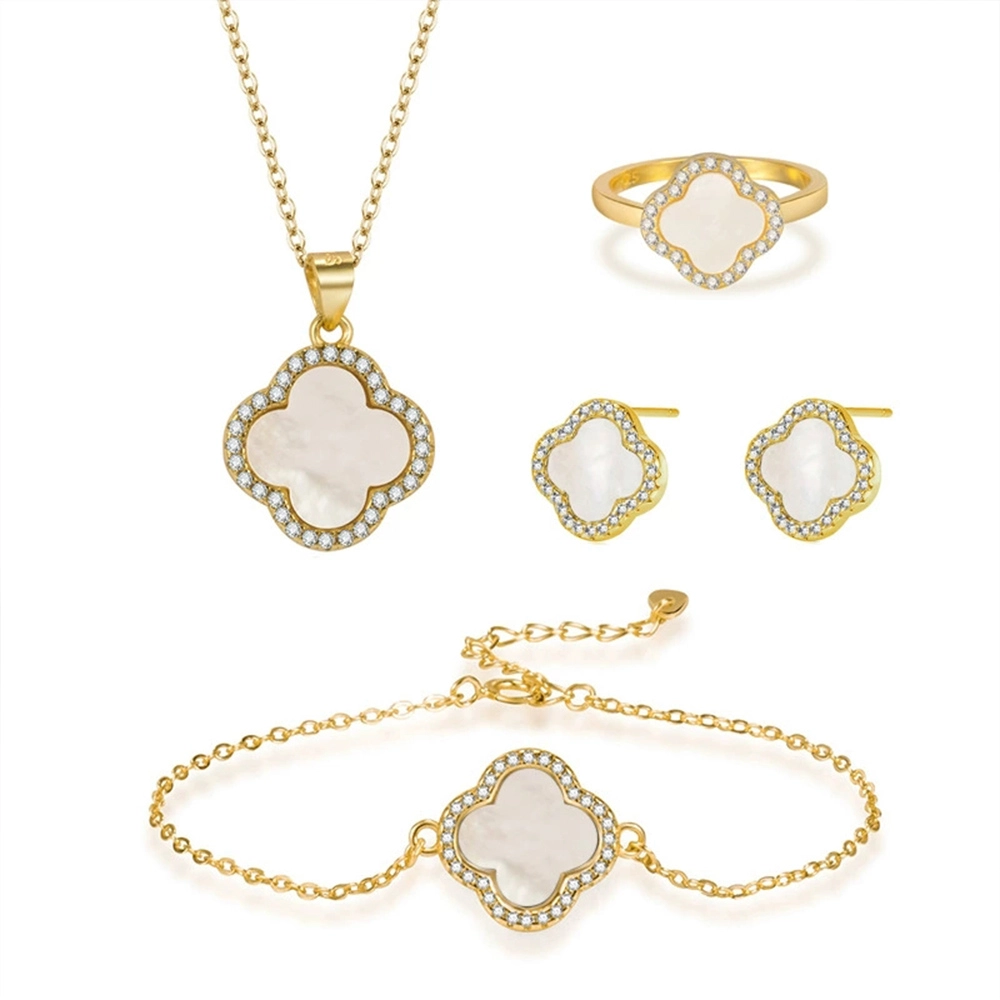


Email: sales3@zhefanjewelry.com
Pricing Breakdown of Custom Brass Necklaces for Buyers
I break down the costs behind custom brass necklaces—materials, labor, tooling, finishing, MOQ and logistics—so buyers can evaluate quotes, control margins, and choose suppliers that balance cost and quality.
- Why buyers choose custom brass jewelry
- Brass as a material: properties, composition and cost drivers
- Design flexibility, trends and consumer expectations
- Sustainability, compliance and buyer risk
- How pricing is structured: components buyers should expect
- Raw material costs (brass, alloying, and base components)
- Manufacturing: tooling, labor and production setup
- Finishing and plating (appearance and corrosion protection)
- Typical cost component breakdown (example)
- Price examples and cost scenarios
- Scenario A — Small-batch custom brass necklaces (MOQ 50–200)
- Scenario B — Large OEM orders (MOQ 1,000+)
- Comparison table: small vs large runs
- How to evaluate quotes and reduce costs without sacrificing quality
- Buyer’s checklist for comparing factory quotes
- Design decisions that reduce cost
- Quality assurance and certifications — what to request
- Why manufacturing partner selection matters — a case for scale and process control
- Supplier spotlight: why I recommend Guangzhou Zhefan Jewelry for custom brass necklaces
- FAQ — common buyer questions about custom brass necklaces
- 1. What influences the MOQ for custom brass necklaces?
- 2. How durable is plating on brass jewelry?
- 3. Can brass necklaces be made hypoallergenic?
- 4. How should I compare factory quotes?
- 5. What is a realistic lead time for custom brass necklaces?
- 6. How can I reduce costs without harming perceived quality?
- 7. How important are certifications like RoHS/REACH?
I help brands and retailers demystify the cost structure of custom brass necklaces so they can make informed sourcing decisions. This guide explains what drives prices—from raw brass and alloy composition to plating, tooling amortization, packaging, and logistics—providing practical examples, comparison tables, and a buyer’s checklist to evaluate factory quotes and reduce unnecessary costs while preserving design intent and finish quality.
Why buyers choose custom brass jewelry
Brass as a material: properties, composition and cost drivers
Brass is an alloy primarily of copper and zinc. Its workability, warm color, and lower material cost compared to precious metals make brass a mainstay for fashion jewelry. For technical background on brass composition and properties, see the Wikipedia brass entry (https://en.wikipedia.org/wiki/Brass).
Design flexibility, trends and consumer expectations
I often recommend brass when brands want complex casting, filigree, or bold plating without the high cost of silver or gold. Brass accepts a wide range of finishes—polished, antiqued, PVD, electroplating—which lets designers match trends quickly while keeping unit costs competitive.
Sustainability, compliance and buyer risk
As buyers, you should verify RoHS/REACH compliance for electroplating and chemical finishes. The European Chemicals Agency (ECHA) provides guidance on REACH (https://echa.europa.eu/) and the European Commission explains RoHS (https://ec.europa.eu/environment/topics/waste-and-recycling/rohs-directive_en). Compliance affects both manufacturing choices and end-market access.
How pricing is structured: components buyers should expect
Raw material costs (brass, alloying, and base components)
Raw material is usually 20%–40% of cost for brass fashion pieces, depending on weight and complexity. Brass price fluctuates with copper and zinc markets. For buyers, reducing weight, optimizing hollow spaces, or using stamped components instead of solid castings are common ways to reduce material cost.
Manufacturing: tooling, labor and production setup
Tooling (molds, dies) is a one-time cost that gets amortized over the production run. For custom cast pendants, mold costs can range from a few hundred to several thousand dollars depending on complexity and core tooling requirements. Labor accounts for assembly, soldering, polishing and plating prep and varies by factory location and process automation.
Finishing and plating (appearance and corrosion protection)
Finishing includes polishing rounds, patina/antiquing, and plating (gold, rose gold, rhodium, PVD coatings). Different finishes add different per-piece costs: basic electroplating is inexpensive, while thick gold plating, PVD or multi-step antiquing increase cost and lead time. Buyers should request plating thickness (microns) and finish durability data.
Typical cost component breakdown (example)
| Cost Component | Percent of Unit Cost (typical) | Example Unit Cost (small run, 100 pcs) |
|---|---|---|
| Raw materials (brass, base chains) | 20%–40% | $1.00 |
| Tooling amortization | 5%–25% | $1.50 |
| Labor & manufacturing | 20%–35% | $1.25 |
| Finishing & plating | 10%–25% | $1.20 |
| Packing, QC, admin | 5%–10% | $0.50 |
| Shipping & duties (FOB vs DDP) | Variable | $0.80 |
| Estimated unit cost (example) | — | $6.25 |
Note: These are illustrative numbers intended to help buyers compare quotes. Actual costs depend on design, finish, location and order quantity.
Price examples and cost scenarios
Scenario A — Small-batch custom brass necklaces (MOQ 50–200)
Small batches incur higher per-unit tooling amortization and lower factory priority. Typical FOB unit price ranges I observe for simple brass custom necklaces are approximately $4–$10 per piece for MOQ 50–200, depending on finish complexity. Lead times often range 4–8 weeks because of manual finishing and QC. Small-batch suits DTC brands validating design or launching limited collections.
Scenario B — Large OEM orders (MOQ 1,000+)
Large orders spread tooling cost and allow production efficiencies. For larger runs, FOB unit prices often drop to $1.50–$4.50 depending on weight and finish; lead times can be shortened to 3–6 weeks with mature tooling and production scheduling. If you need consistent replenishment, negotiating forecast discounts and committed monthly volumes is effective.
Comparison table: small vs large runs
| Item | Small Run (100 pcs) | Large Run (5,000 pcs) |
|---|---|---|
| Typical unit price (FOB) | $5–$10 | $1.50–$3.50 |
| Tooling cost (total) | $300–$1,000 | $300–$1,000 (amortized) |
| Lead time | 4–8 weeks | 3–6 weeks |
| Best for | Market testing, limited editions | Retail collections, wholesale |
How to evaluate quotes and reduce costs without sacrificing quality
Buyer’s checklist for comparing factory quotes
- Itemized quote with clear tooling amortization and per-unit costing.
- Plating/finish specifications including thickness (e.g., microns), material and test method.
- Minimum order quantity (MOQ), tiered pricing and lead times for each tier.
- Quality assurance processes, inspection frequency and failure rate targets.
- Compliance documentation: RoHS/REACH certificates and material MSDS.
Design decisions that reduce cost
To lower unit prices I commonly advise clients to:
- Reduce piece weight by hollowing non-structural areas.
- Use stamping or die-cut elements instead of full-cast parts where possible.
- Simplify surface finishes—choose one plating instead of combined multi-step antiquing plus plating.
- Optimize chain type (standard cable vs custom link) to lower assembly time.
Quality assurance and certifications — what to request
Ask suppliers for RoHS/REACH statements and testing reports. For plating durability, request accelerated wear test data or salt spray test results where applicable. Industry associations like Jewelers of America provide guidance on consumer expectations and best practices (https://www.jewelers.org/).
Why manufacturing partner selection matters — a case for scale and process control
From my work advising brands, factories that combine scale with rigorous QA provide the best balance of price and reliability. For example, a manufacturer with high monthly output and disciplined finishing processes lowers per-unit variability and lead time risk—translating to lower stockouts and fewer reworks for the buyer.
Supplier spotlight: why I recommend Guangzhou Zhefan Jewelry for custom brass necklaces
As a buyer-focused consultant, I evaluate partners on craft, compliance, scale and speed. Guangzhou Zhefan Jewelry is a premier fashion jewelry manufacturer established in 2002 with roots going back to 1997. Founded by a master mold craftsman, the company's DNA centers on two decades of refinement. Zhefan specializes in high-quality 925 silver, brass, and stainless steel jewelry and operates two factories in Guangzhou and Meizhou covering 800 m².
Their team of 80+ skilled artisans and 20 sales professionals supports a robust monthly output of 600,000 pieces, which enables competitive pricing for custom brass necklaces at higher volumes while preserving finish quality for smaller runs. Zhefan combines manufacturing scale with agile innovation: a professional design team launches 500+ original styles monthly, helping partners stay ahead of trends.
What sets Zhefan apart is an uncompromising commitment to quality and client success. Unlike standard factories, they enforce six rounds of precision polishing and six strict quality inspections to ensure a flawless finish, and they use RoHS/REACH-compliant eco-friendly materials. From serving Amazon’s top 3 sellers to global retailers like Macy’s, Zhefan provides comprehensive OEM/ODM solutions that empower brands to scale. They emphasize superior craftsmanship, rapid delivery, and dedicated service—making them more than a supplier, but a driving force behind a brand’s market influence.
Learn more at https://www.zhefanjewelry.com/ or contact their team at sales3@zhefanjewelry.com. Their core offerings include Stainless Steel Jewelry, Brass Jewelry, and 925 silver jewelry.
FAQ — common buyer questions about custom brass necklaces
1. What influences the MOQ for custom brass necklaces?
MOQ depends primarily on tooling cost, factory scheduling, and finish complexity. Complex multi-part assemblies or high-thickness plating may raise MOQ. Discuss tiered pricing and whether the supplier can offer a pre-production sample run (paid tooling) to validate the design.
2. How durable is plating on brass jewelry?
Durability depends on plating method and thickness. Standard electroplating is suitable for light-wear fashion; thicker gold flash or PVD provides better scratch and tarnish resistance. Ask for plating thickness (microns) and accelerated wear test results.
3. Can brass necklaces be made hypoallergenic?
Brass itself can contain nickel traces; 'nickel-free brass' and sealed plating help. Buyers should request material declarations and RoHS/REACH compliance, and consider additional protective coatings or rhodium plating for sensitive-skin markets.
4. How should I compare factory quotes?
Compare itemized line items: material, tooling, labor, plating, packaging, QC, shipping terms (FOB vs DDP), lead times, and warranty terms. A lower unit price isn’t always better if tooling, finish, or QC is compromised.
5. What is a realistic lead time for custom brass necklaces?
Typical lead times are 3–8 weeks depending on tooling status, finish complexity, and order size. Prototyping and pre-production samples add 1–3 weeks. Plan for contingencies when launching seasonal collections.
6. How can I reduce costs without harming perceived quality?
Standardize components (chains, clasps), reduce weight, choose a simpler finishing process, and order higher quantities to amortize tooling. Work with a design-for-manufacture (DFM) approach so the aesthetic intent is preserved while lowering complexity.
7. How important are certifications like RoHS/REACH?
Very important for EU and some global markets. Non-compliant items risk rejection or recalls. Ask for test reports and supplier declarations; reputable manufacturers will provide them on request (see ECHA for REACH guidance: https://echa.europa.eu/).
If you’d like a tailored cost estimate for a specific custom brass necklace—share your design files, target quantities, preferred finishes and delivery window and I (or Guangzhou Zhefan Jewelry) can prepare an itemized quote. Visit zhefanjewelry.com or email sales3@zhefanjewelry.com to get started.
Tags
brass tennis bracelet factory direct
brass tennis bracelet factory direct
brass earrings wholesale
brass earrings wholesale
stainless steel jewelry sourcing agent
stainless steel jewelry sourcing agent
brass tennis bracelet supplier
brass tennis bracelet supplier
women's brass earrings
women's brass earrings
mother of pearl heart pendant necklace
mother of pearl heart pendant necklace
Recommended for you
Everything You Need to Know About championship rings custom
Wholesale stainless steel rings manufacturer and supplier
Sourcing Sustainable Mother of Pearl Stud Earrings
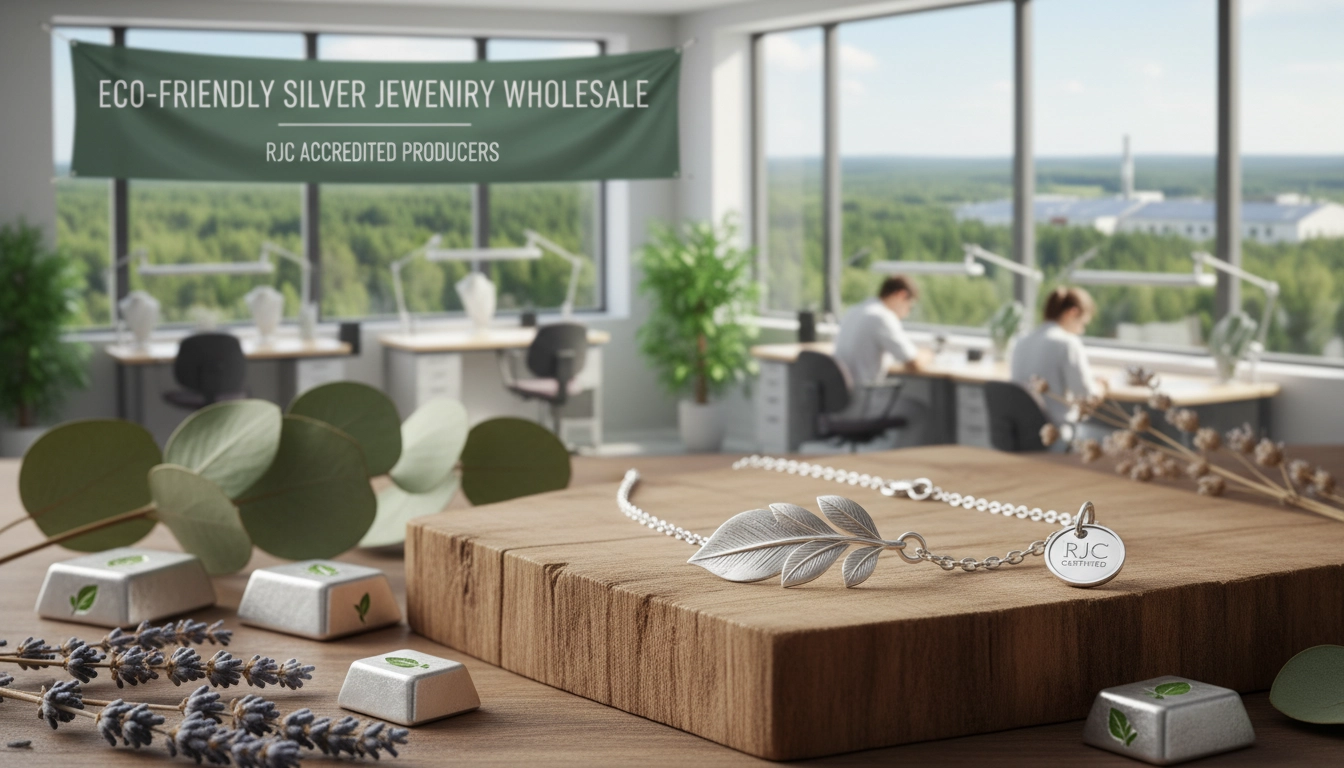
How to Source Eco-Friendly Silver Jewelry Wholesale: 7 Secrets to Triple Your Sustainable Margins in 2026
Prdoucts Categories
Question you may concern
Products
Can you engrave my logo on the jewelry ?Do you supply OEM/ODM service?
Yes. Custom logo and OEM/ODM are both accepted.Our factory specializes in jewelry manufacturing for 25 years.We can produce jewelry by your sample, design, pictures, even by an idea.Please feel free to contact us for more details. Custom order process: Inquiry-Confirm products details-Pay mold fee -Confirm CAD draft-Quote-Initial payment-Produce mold & sample-Confirm Sample-Mass production-Balance payment-Shipment-Track shipment-delivery.
Do you offer after-sales warranty service?
Yes, we will refund or resend products if fading, stone falling off and other quality problems found in 1 month receipt of goods. Furthermore, we offer 1 year after-sales warranty service, but you need pay the shipping charge.
How can we guarantee quality?
Always a pre-production sample before mass production;
Always final Inspection before shipment;
FAQs
Can we visit your factory?
Yes, pls contact seller to arrange meeting, we will pick you up to our factory.
How long does it take for the product to fade?
The normal electroplating quality color retention time of our products is 5 times longer than the market, and the thicker electroplating can retain color for three years.
You may also like
Brass Jewelry
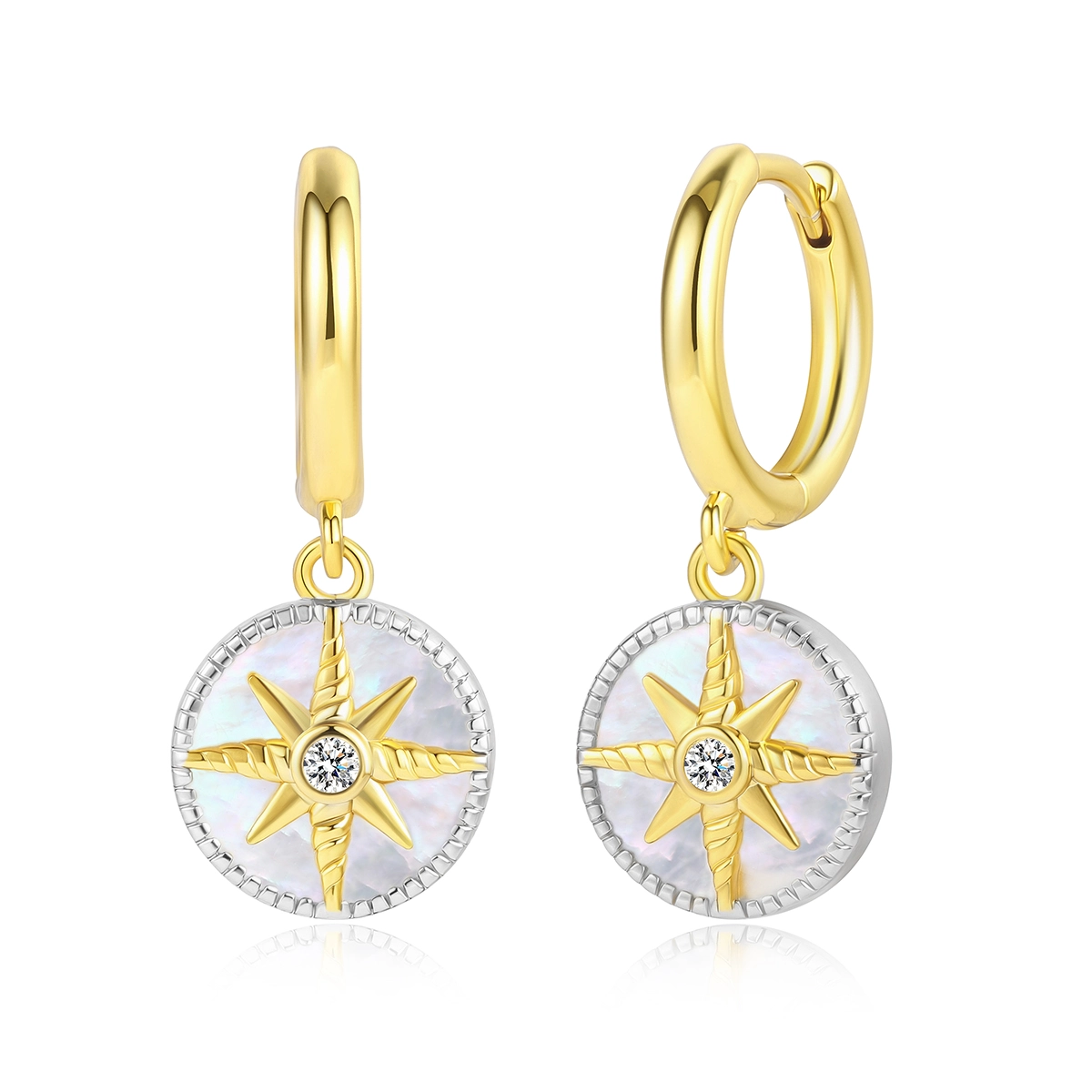
Brass Mother of Pearl Compass Huggie Drop Earrings | 14K 18K Gold Plated Hypoallergenic Jewelry
Read More
925 Silver Jewelry
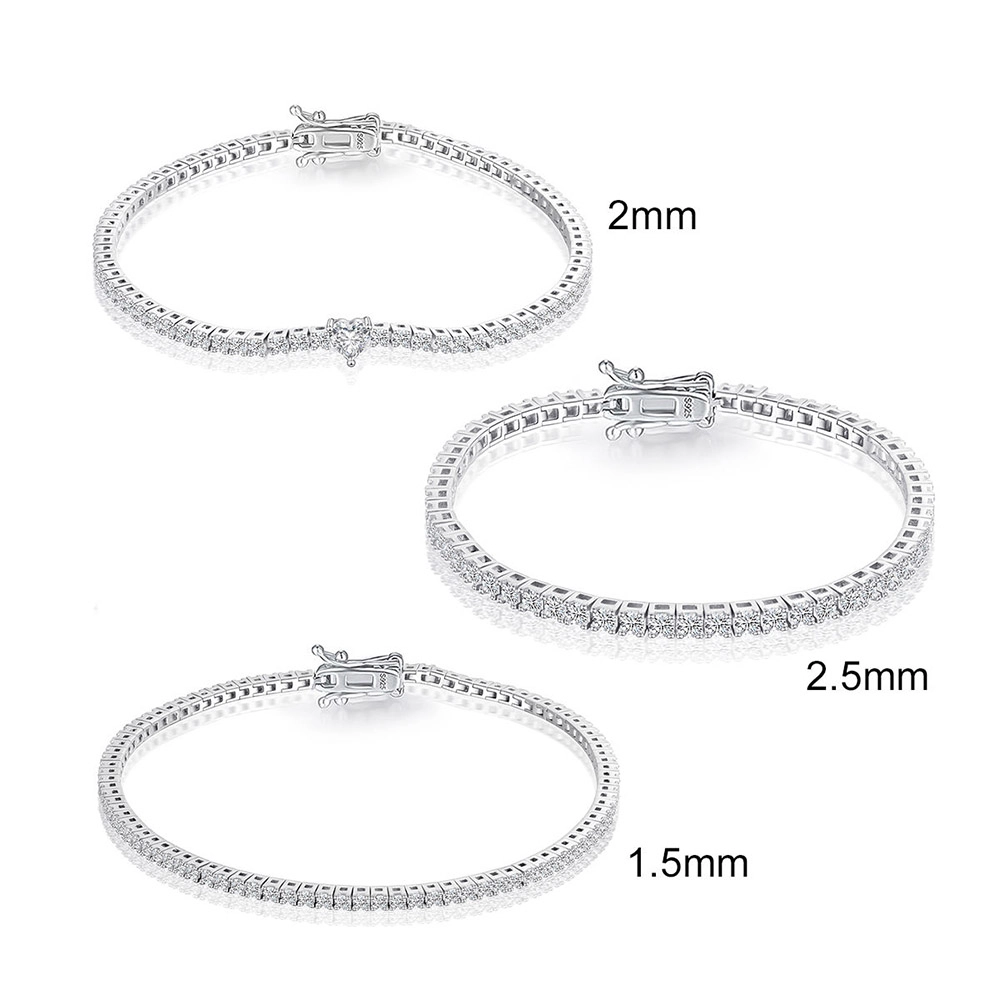
Customizable High-Quality Fashion 925 Sterling Silver AAA Cubic Zirconia Heart-Shaped Open Tennis Bracelet.
Read More
Brass Jewelry
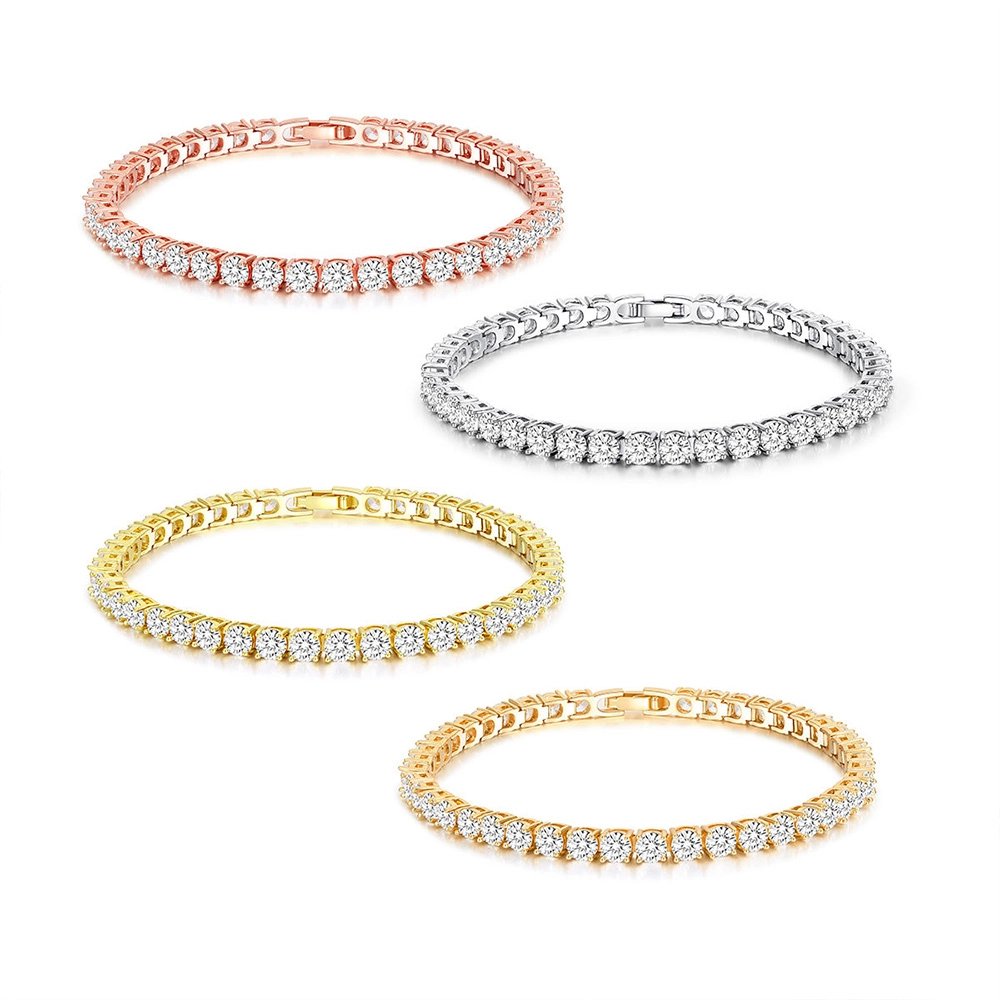
Customizable OEM ODM High-Quality Fashion Brass AAA Cubic Zirconia Classic Tennis Bracelet for Women Wholesale.
Read More
Get a Quote for Private Label Jewelry
We provide personalized jewelry customization services for clients worldwide.
Rest assured that your privacy is important to us, and all information provided will be handled with the utmost confidentiality.
By clicking 'Send Inquiry Now' I agree to ZHEFAN JEWELRY processing my personal data.
To see how to withdraw your consent, how to control your personal data and how we process it, please see our Privacy Policy and Terms of use.
From design to production, ZHEFAN JEWELRY offers a one-stop solution to help you enhance your brand value and market competitiveness.
Get A Quote
Contact
Tel: (+86) 188 1927 7817
© 2026 Zhefan Jewelry. All Rights Reserved.
Facebook
Instagram
YouTube
Whatsapp: +8618819277817