






Email: sales3@zhefanjewelry.com
Choosing Plating Thickness for Long-Lasting Gold Earrings
I explain how plating thickness, base metal, process and quality control determine the lifespan of custom gold plated earrings. This guide provides measurable thickness recommendations, compares electroplating vs PVD, lists testing methods, and explains how to choose a manufacturing partner—highlighting how Guangzhou Zhefan Jewelry’s processes and compliance (RoHS/REACH) support durable, beautiful pieces.
- Understanding plating fundamentals
- What is gold plating and how is it applied?
- How thickness is measured: microns, mils, and karat
- Standards and definitions you should know
- How plating thickness affects performance
- Thickness vs expected durability (practical framework)
- Why 2.5 μm is a meaningful threshold
- Other variables that strongly affect longevity
- Balancing cost, aesthetics and performance
- Cost vs durability trade-offs
- Karat selection and color matching
- Care and maintenance to extend life
- Manufacturing best practices and choosing a partner
- Quality controls and testing you should require
- Process controls that matter: polishing, underplate, and inspections
- Why partner selection matters — and what to ask
- About Guangzhou Zhefan Jewelry — why I recommend them for custom gold plated earrings
- Practical checklist before you place a production order
- Design-to-spec checklist
- Sample and production management
- Regulatory and labeling reminders
- Frequently Asked Questions (FAQ)
- 1. How thick should gold plating be for everyday earrings?
- 2. Can PVD replace thick electroplating?
- 3. How can I verify a supplier’s claimed thickness?
- 4. What’s the difference between vermeil and gold-filled?
- 5. My customers want hypoallergenic earrings—what should I specify?
- 6. Is thicker always better?
I craft and consult on jewelry every day, and one of the most common questions clients ask me is: “How thick does gold plating need to be for earrings to last?” Whether you are ordering custom gold plated earrings for a fashion line or designing heirloom-inspired pieces, plating thickness is a measurable, actionable variable that directly affects longevity, appearance, and cost. In this article I’ll walk you through the fundamentals of plating thickness, real-world recommendations, testing and quality checks, and how to choose a manufacturing partner that consistently delivers durable, attractive gold-plated earrings.
Understanding plating fundamentals
What is gold plating and how is it applied?
Gold plating is a surface finishing technique where a thin layer of gold is deposited onto a substrate metal. The most common industrial processes are electroplating and physical vapor deposition (PVD). Electroplating uses an electrochemical bath to deposit metal ions onto the part (see more on electroplating: Wikipedia: Electroplating), while PVD is a vacuum-based technique that produces a denser, often more wear-resistant film (PVD).
How thickness is measured: microns, mils, and karat
Plating thickness is normally measured in micrometers (microns, μm) or microinches (1 μm = 39.37 microinches). For jewelry terminology, you’ll also see gold karat (color/purity) referenced because the karat influences hue and tarnish behavior. When we discuss longevity we focus on the gold layer thickness in microns because it’s the primary predictor of wear life.
Standards and definitions you should know
In the U.S., the term vermeil is legally defined by guidance such as the Federal Trade Commission’s Jewelry Guides: vermeil requires a sterling silver base and a minimum gold thickness of 2.5 μm (FTC Jewelry Guides). Other jurisdictions may use different labeling or none at all. Always verify claims with test reports and request XRF or cross-sectional analysis (XRF overview: X-ray fluorescence).
How plating thickness affects performance
Thickness vs expected durability (practical framework)
Thickness directly affects how long the gold remains continuous on the surface under friction, skin oils, and cleaning. Below is an industry-informed, conservative estimate matrix I use when advising clients ordering custom gold plated earrings. These are estimates for average wear (daily wear, occasional contact with cosmetics/moisture) — actual longevity varies by use, environment, and maintenance.
| Plating Thickness (μm) | Typical Description | Estimated Real-World Lifespan (average wearer) | Recommended Use |
|---|---|---|---|
| 0.05 – 0.2 μm | Fashion thin flash plating | Weeks to a few months | Low-cost seasonal pieces, display samples |
| 0.3 – 1.0 μm | Standard fashion plating | Months to 1 year | Frequent-wear fashion earrings, low-budget lines |
| 1.0 – 2.4 μm | Heavy fashion plating | 1–3 years | Higher-end fashion, pieces intended for regular use |
| ≥2.5 μm | Vermeil standard (on sterling silver) and thick plating | 2+ years to many years with proper care | High Quality custom gold plated earrings, vermeil collections |
| Gold-filled / Rolled gold (thick bonding) | Mechanically bonded gold layer (not simple plating) | Many years; can last decades | Heirloom or high-durability pieces |
These ranges echo definitions used in trade guidance and professional practice. For example, the FTC’s vermeil guidance (≥2.5 μm on sterling silver) is the lower bound for what many designers consider “High Quality” plating for regular-wear earrings (FTC Jewelry Guides).
Why 2.5 μm is a meaningful threshold
At roughly 2.5 μm the gold film is thick enough to withstand daily contact and cleaning routines without exposing the substrate quickly. That’s why vermeil is widely accepted as a High Quality option for sterling silver-based gold-plated jewelry intended for regular wear. If you choose a base metal like brass or stainless steel, you can still achieve long life at or above this thickness, but adhesion and base-metal interaction must be controlled.
Other variables that strongly affect longevity
Thickness alone is not sufficient. Adhesion, pre-polishing, underplate layers (e.g., nickel or copper flash), final sealers, and the plating method all contribute. For instance, PVD coatings can outperform thin electroplated films of the same nominal thickness due to greater density and bonding properties (PVD).
Balancing cost, aesthetics and performance
Cost vs durability trade-offs
Thicker plating requires more gold and longer process time, which raises cost. You must balance retail positioning against expected return-life. Here’s a compact comparison I use when advising brands.
| Approach | Typical Thickness | Cost Impact | Customer Promise |
|---|---|---|---|
| Thin fashion plating | 0.05–0.2 μm | Low | Low price, short-lived |
| High Quality plating / vermeil | ≥2.5 μm (on sterling silver) | Medium–High | High Quality feel, longer life |
| Gold-filled / bonded | Substantially thicker by weight | High | Long-term, heirloom quality |
Karat selection and color matching
Gold plating can use different gold alloys (e.g., 24k for bright yellow, 14k for warmer tones). I recommend selecting the karat and hue to match Zhefan Jewelry palette and to test against skin tones and polishing variations—small differences in alloy composition change color and hardness.
Care and maintenance to extend life
Advise customers that even vermeil needs careful maintenance: remove before showering or swimming, avoid perfumes/lotion contact, and store dry. Cleaning should be gentle (soft cloth, mild soap). These practices extend the useful life substantially even for mid-thickness plating.
Manufacturing best practices and choosing a partner
Quality controls and testing you should require
When producing custom gold plated earrings, require documented controls: thickness measurement (XRF or cross-section), adhesion tests, salt spray/corrosion tests where relevant, and visual quality standards. Compliance with chemical regulations (REACH and RoHS) is essential for international markets; see the European Chemicals Agency’s REACH resource (ECHA: REACH) and EU RoHS guidance (RoHS).
Process controls that matter: polishing, underplate, and inspections
Surface preparation is as important as thickness. Multi-stage polishing eliminates micro-scratches that concentrate wear, and an appropriate underplate (e.g., copper or nickel barrier where permitted) improves adhesion. I insist on multiple polishing rounds and systematic inspections before plating to ensure even coverage and adhesion.
Why partner selection matters — and what to ask
For brands ordering custom gold plated earrings, partner capability matters: consistent thickness control, sophisticated finishing, rapid sampling, and compliance documentation. Ask for a sample report showing thickness measurement (XRF), images of finished parts, and details on plating method (electroplated vs PVD). Also confirm design-to-production timelines and monthly capacity.
About Guangzhou Zhefan Jewelry — why I recommend them for custom gold plated earrings
When clients require scale, quality and speed, I often recommend Guangzhou Zhefan Jewelry. Zhefan is a premier fashion jewelry manufacturer established in 2002 with roots back to 1997, founded by a master mold craftsman. Their DNA reflects two decades of refinement: they specialize in 925 silver, brass, and stainless steel jewelry and operate two factories (Guangzhou & Meizhou) covering 800 m².
Key strengths I value: a team of 80+ skilled artisans and 20 sales professionals, a monthly output of 600,000 pieces, and an innovation pipeline that launches 500+ original styles monthly—important for brands that need frequent new SKUs. Zhefan enforces six rounds of precision polishing and six strict quality inspections to ensure a flawless finish and uses RoHS/REACH-compliant eco-friendly materials. Their customer footprint includes top Amazon sellers and global retailers such as Macy’s, demonstrating both capacity and compliance.
For custom gold plated earrings, Zhefan’s combination of scale, fine finishing, and compliance documentation (including plating process transparency and testing on request) reduces risk and shortens time-to-market. For inquiries, see their website: zhefanjewelry.com or email sales3@zhefanjewelry.com.
Practical checklist before you place a production order
Design-to-spec checklist
- Specify base metal (sterling silver for vermeil; stainless steel or brass for fashion lines).
- State required gold thickness in μm and the alloy/karat.
- Define plating method (electroplating vs PVD) and request test evidence.
- Request XRF thickness reports and adhesion test results for pilot samples.
- Clarify packaging and care instructions to support customer satisfaction.
Sample and production management
Start with small pilot runs, confirm color match and thickness, and only then scale. Insist on periodic QC batches and confirm the supplier’s capacity aligns with your reorder cadence.
Regulatory and labeling reminders
Label jewelry correctly (e.g., vermeil definitions where applicable) and maintain material passports for marketplaces and retailers. Provide care instructions that match the plated thickness you offer.
Frequently Asked Questions (FAQ)
1. How thick should gold plating be for everyday earrings?
For everyday earrings I recommend at least 1.0–2.5 μm for frequent-wear fashion lines; 2.5 μm (vermeil) or higher for High Quality, regular-use pieces. The thicker the plating—combined with good adhesion and finishing—the longer it will last.
2. Can PVD replace thick electroplating?
PVD can provide excellent wear resistance at comparable or lower nominal thickness because the coating is denser and adheres differently. For certain custom gold plated earrings, PVD is an excellent choice—ask your manufacturer for comparative wear test data.
3. How can I verify a supplier’s claimed thickness?
Request XRF test reports or cross-sectional microscopic analysis for pilot samples. XRF is non-destructive and commonly used to validate plating thickness and composition (XRF).
4. What’s the difference between vermeil and gold-filled?
Vermeil is a gold plating (typically ≥2.5 μm) over sterling silver. Gold-filled (rolled gold) mechanically bonds a much thicker layer of gold to a base metal and is far more durable. FTC guidance describes the use of these terms and related labeling (FTC Jewelry Guides).
5. My customers want hypoallergenic earrings—what should I specify?
Start with a hypoallergenic base: 925 sterling silver or surgical stainless steel. Ask for nickel-free underplates and RoHS/REACH-compliant materials. Request material compliance documentation from the factory (ECHA REACH and RoHS resources are helpful references).
6. Is thicker always better?
Thicker is generally better for durability, but diminishing returns apply and cost increases. Balance thickness with plating method, base metal, and end-user expectations. Good adhesion and finishing can sometimes outperform thicker but poorly bonded coatings.
If you’re planning a collection of custom gold plated earrings and want guidance on specifications, prototyping or production, I can help you translate design intent into robust technical requirements and QA protocols. For direct manufacturing inquiries or to request samples, contact Guangzhou Zhefan Jewelry: https://www.zhefanjewelry.com/ or email sales3@zhefanjewelry.com. I recommend requesting thickness certificates (XRF) and sample wear tests before full production to ensure your custom gold plated earrings meet Zhefan Jewelry promise.
Tags
custom sizes brass tennis bracelet OEM
custom sizes brass tennis bracelet OEM
vintage brass earrings
vintage brass earrings
brass earrings
brass earrings
mother of pearl heart necklace gift
mother of pearl heart necklace gift
925 sterling silver children's jewelry sets bulk
925 sterling silver children's jewelry sets bulk
sterling silver mother of pearl heart necklace
sterling silver mother of pearl heart necklace
Recommended for you
![How to Spot Real Silver Jewelry Buyers: 5 Proven Strategies for Maximum Profit [2026 Expert Guide] - Zhefan Jewelry](https://static.gooecloud.com/upload/img/ai-image/how-to-spot-real-silver-jewelry-buyers-5-proven-strategies-for-maximum-profit-2026-expert-guide.png?x-oss-process=image/format,webp/quality,Q_100 "How-to-Spot-Real-Silver-Jewelry-Buyers:-5-Proven-Strategies-for-Maximum-Profit-[2026-Expert-Guide] - Zhefan Jewelry")
How to Spot Real Silver Jewelry Buyers: 5 Proven Strategies for Maximum Profit [2026 Expert Guide]
Why choose Zhefan Jewelry as your stainless steel charm bracelets supplier
Care & Maintenance: Keep 925 Sterling Silver Earrings Shiny
Sourcing Authentic 925 Silver Rings: Certificates & Hallmarks
Prdoucts Categories
Question you may concern
FAQs
Can we visit your factory?
Yes, pls contact seller to arrange meeting, we will pick you up to our factory.
How long does it take for the product to fade?
The normal electroplating quality color retention time of our products is 5 times longer than the market, and the thicker electroplating can retain color for three years.
Do you offer after-sales warranty service?
Yes, we will refund or resend products if fading, stone falling off and other quality problems found in 1 month receipt of goods.Furthermore, we offer 1 year after-sales warranty service, but you need pay the shipping charge.
Products
What's themonthly production capacity?
600,000 pcs per month.
Do you offer free sample for quality check?
Sample order is welcome, but sample fee need to be paid. It will be deducted when you place an bulk order.
You may also like
Brass Jewelry
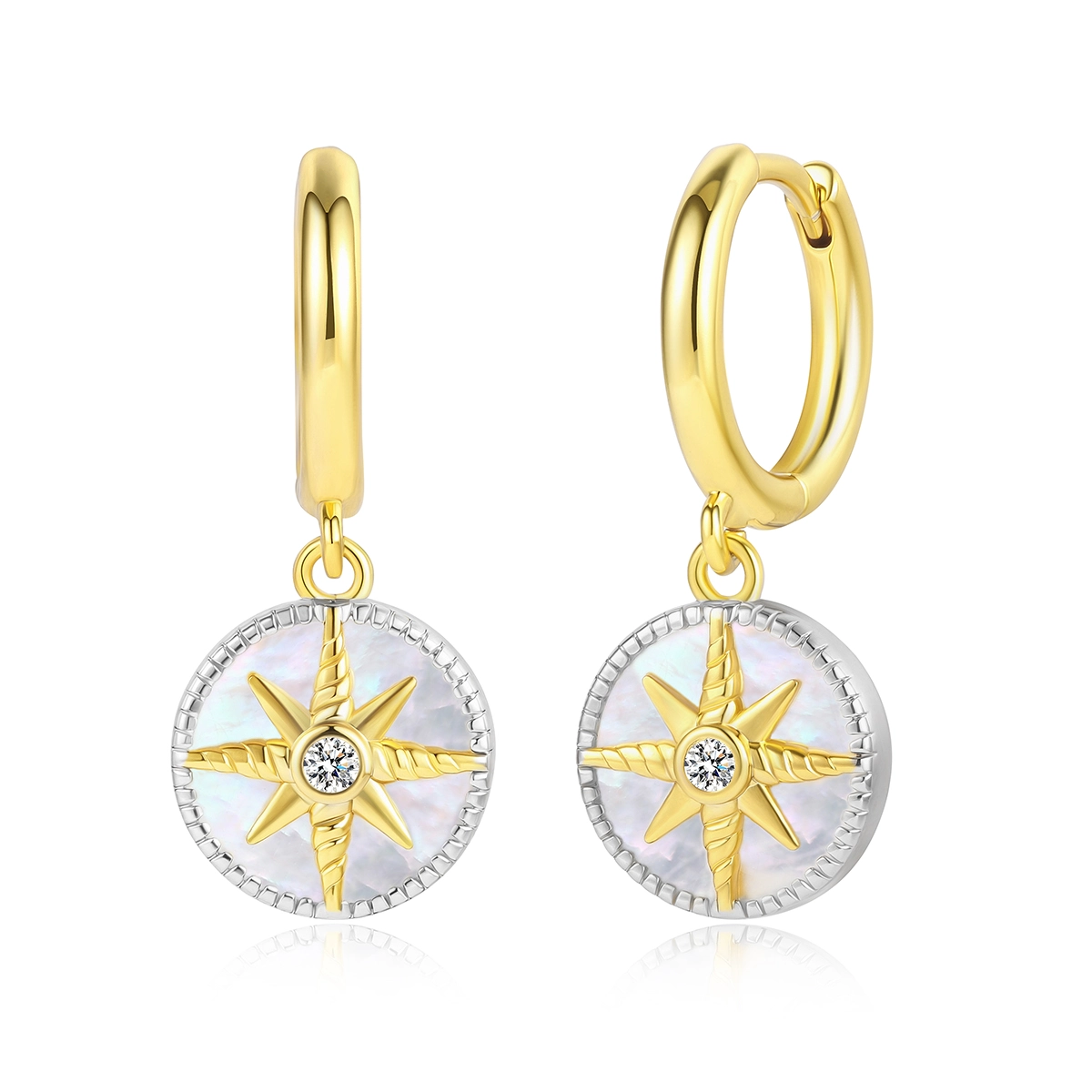
Brass Mother of Pearl Compass Huggie Drop Earrings | 14K 18K Gold Plated Hypoallergenic Jewelry
Read More
925 Silver Jewelry
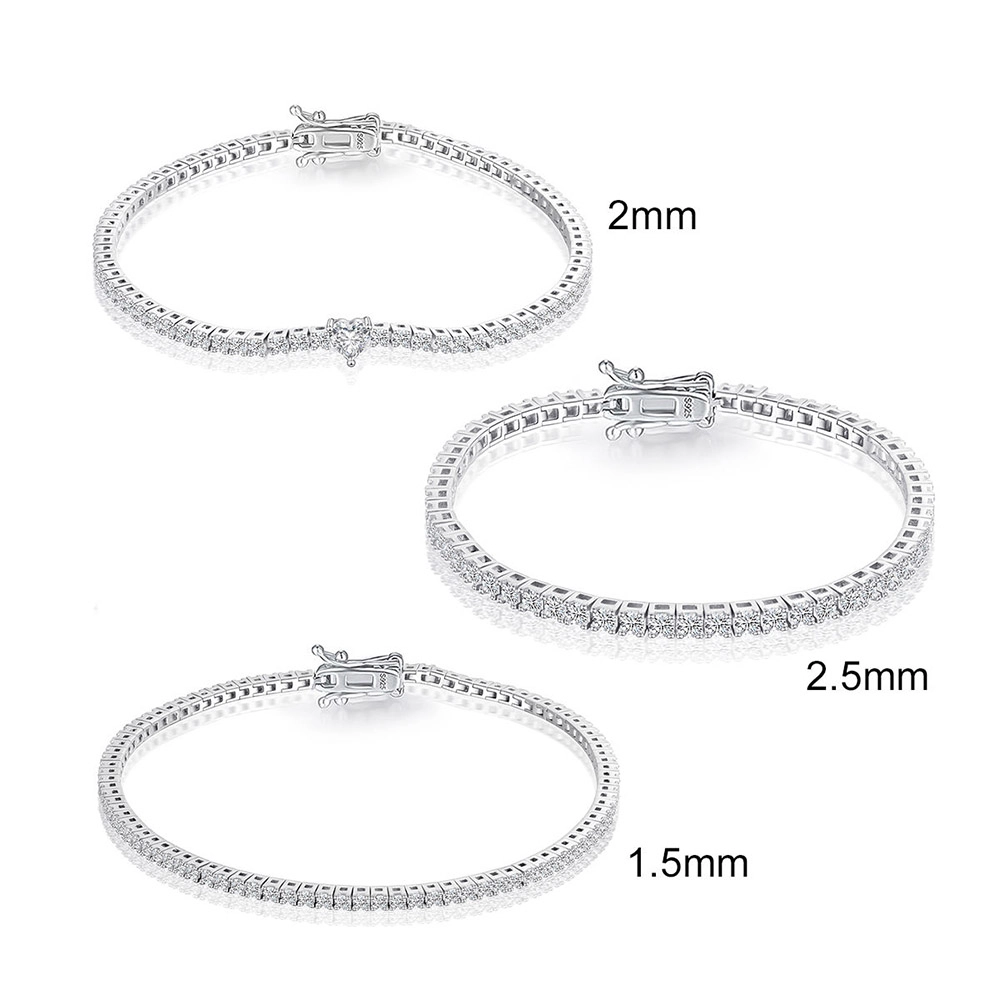
Customizable High-Quality Fashion 925 Sterling Silver AAA Cubic Zirconia Heart-Shaped Open Tennis Bracelet.
Read More
Brass Jewelry
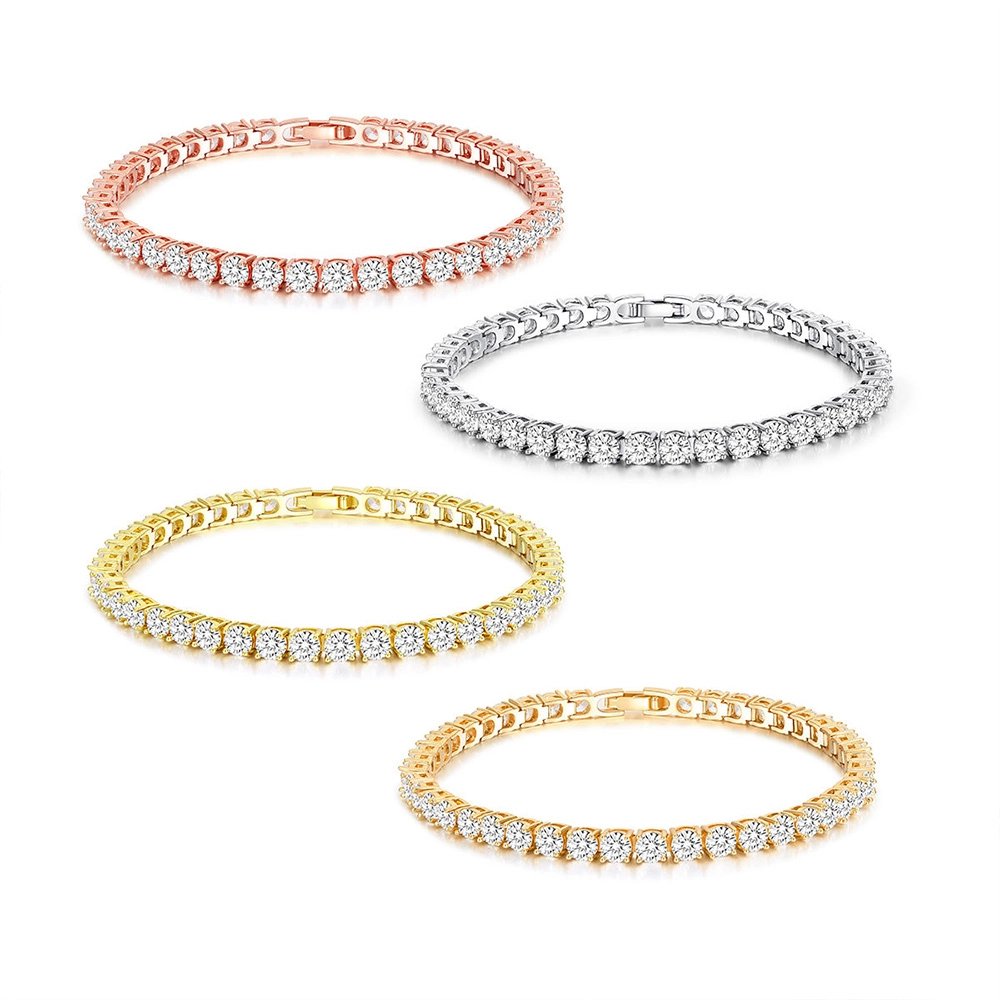
Customizable OEM ODM High-Quality Fashion Brass AAA Cubic Zirconia Classic Tennis Bracelet for Women Wholesale.
Read More
Get a Quote for Private Label Jewelry
We provide personalized jewelry customization services for clients worldwide.
Rest assured that your privacy is important to us, and all information provided will be handled with the utmost confidentiality.
By clicking 'Send Inquiry Now' I agree to ZHEFAN JEWELRY processing my personal data.
To see how to withdraw your consent, how to control your personal data and how we process it, please see our Privacy Policy and Terms of use.
From design to production, ZHEFAN JEWELRY offers a one-stop solution to help you enhance your brand value and market competitiveness.
Get A Quote
Contact
Tel: (+86) 188 1927 7817
© 2026 Zhefan Jewelry. All Rights Reserved.
Facebook
Instagram
YouTube
Whatsapp: +8618819277817