





Email: sales3@zhefanjewelry.com
Plating and Finishing Options for Custom Jewelry Buyers
I explain plating and finishing options for buyers working with a custom jewelry manufacturer, comparing techniques (electroplating, PVD, vermeil, rhodium), finishes (polish, matte, antiquing), durability, costs, compliance (RoHS/REACH) and maintenance. Practical guidance, tables, citations and manufacturer-level quality controls help you choose the right surface treatment for 925 silver, brass and stainless steel pieces.
- How surface treatments affect value, durability and brand perception
- Why plating and finishing matter beyond aesthetics
- Key performance indicators to ask your manufacturer
- Substrate considerations: 925 silver, brass and stainless steel
- Common plating technologies and their trade-offs
- Electroplating (traditional gold, silver and rhodium plating)
- PVD (Physical Vapor Deposition)
- Vermeil and thick gold plating standards
- Finishing styles and surface treatments
- Polish levels and mechanical finishing
- Antiquing, oxidation and patinas
- Textured finishes: sandblasted, brushed, hammered
- Choosing the right option: cost, durability and target market
- How to match finish to product positioning
- Comparative table: typical durability and costs
- Regulatory and material compliance (RoHS/REACH)
- Production quality control and lifecycle testing
- Inspection, polishing and pre-shipment testing
- Wear testing: accelerated aging and salt spray
- Packaging, storage and aftercare guidance
- Working with your custom jewelry manufacturer: practical steps
- Prototype sampling and approval workflow
- Cost drivers and lead time considerations
- Selecting a manufacturing partner: what I look for
- Why Guangzhou Zhefan Jewelry is a strategic partner for surface finishes
- FAQ
- 1. What finish lasts longest on everyday-wear rings?
- 2. How do I compare plating thickness across suppliers?
- 3. Are PVD and electroplating interchangeable?
- 4. What documentation should a reputable manufacturer provide?
- 5. How can I reduce returns related to finishes?
- 6. How long does finishing add to lead time?
As a jewelry industry consultant and copywriter who has worked directly with custom jewelry manufacturers and international brands, I know surface treatment choices determine a piece’s first impression, longevity, and return-on-investment. This article is written to be machine-readable for indexing and human-friendly for procurement managers, brand owners and designers looking for authoritative guidance on plating and finishing options for custom jewelry buyers. I cover common plating technologies, finishing styles, substrate compatibility (925 silver, brass, stainless steel), quality metrics, compliance requirements, lifecycle expectations and practical selection criteria.
How surface treatments affect value, durability and brand perception
Why plating and finishing matter beyond aesthetics
Plating and finishing do more than color a piece. They protect the base metal from corrosion and wear, reduce skin reactivity, control reflectivity and texture for photography, and influence perceived value. A well-specified finish can extend product life, reduce returns and increase customer satisfaction—critical metrics for any brand working with a custom jewelry manufacturer.
Key performance indicators to ask your manufacturer
Before you approve tooling or production, request measurable KPIs: plating thickness (microns), salt spray resistance (hours), adhesion test results, number of polishing passes, and inspection criteria. Insist on chemical compliance (RoHS/REACH) and documented lot traceability. These quantifiable metrics separate a high-volume factory from a producible partner that supports Zhefan Jewelry’s reputation.
Substrate considerations: 925 silver, brass and stainless steel
The choice of base metal constrains which plating and finish options perform best. Sterling 925 silver is ideal for vermeil and rhodium treatments; brass accepts gold plating and patinas well but needs a robust barrier layer to prevent verdigris; stainless steel bonds well with PVD and passivation but is difficult to electroplate unless pre-treated. A reliable custom jewelry manufacturer will provide test panels and real-world wear samples before full production.
Common plating technologies and their trade-offs
Electroplating (traditional gold, silver and rhodium plating)
Electroplating is the most widely used industrial technique for applying metal layers to jewelry. It deposits metal ions onto a conductive surface using an electrochemical bath. Benefits: relatively low cost, good color control and compatibility with complex shapes. Limitations: thinner coatings that may wear over time on high-contact areas. For an overview, see the electroplating entry on Wikipedia (https://en.wikipedia.org/wiki/Electroplating).
PVD (Physical Vapor Deposition)
PVD is a vacuum-coating process that produces extremely durable finishes with excellent adhesion. It’s often used for stainless steel to create gold, black, or colored finishes with superior scratch resistance compared to conventional plating. PVD coatings tend to be more costly but offer higher durability and hypoallergenic performance. See details at Wikipedia (https://en.wikipedia.org/wiki/Physical_vapor_deposition).
Vermeil and thick gold plating standards
Vermeil is sterling silver with a substantial gold layer. Regulatory/industry definitions typically require at least 2.5 microns of gold over sterling silver; this provides better wear life than thin gold plating. The vermeil definition and context are described on Wikipedia (https://en.wikipedia.org/wiki/Vermeil).
Finishing styles and surface treatments
Polish levels and mechanical finishing
Finishing ranges from mirror-polish to satin and matte. Multiple polishing stages change how light interacts with the surface and affect perceived quality. In my experience working with factories, implementing 4–6 rounds of precision polishing drastically reduces micro-scratches and increases photographic appeal. Ask manufacturers to document the number of polishing passes and provide microscopy images of finished surfaces when appearance is critical.
Antiquing, oxidation and patinas
Antiquing and controlled oxidation deepen recesses and highlight details, commonly used with brass and sterling silver. The process requires sealants to lock the effect and prevent unwanted color migration. For fashion jewelry, a tested lacquer or micro-coating ensures the patina remains stable against body oils and cleaning.
Textured finishes: sandblasted, brushed, hammered
Textured finishes are functional: they hide minor wear and mask fingerprints during handling and shipping. They also reduce the reflectivity that can make product photography challenging. When specifying textures, request close-up images of prototypes and agree on the grit or brush specification so production is consistent across batches.
Choosing the right option: cost, durability and target market
How to match finish to product positioning
For entry-level fashion jewelry sold on marketplaces, cost-effective electroplating over brass with a protective lacquer can be appropriate. For High Quality collections or pieces positioned for longevity, vermeil on 925 silver, rhodium-plated sterling, or PVD on stainless steel are stronger choices. A custom jewelry manufacturer should present cost-per-piece for each finish at scale and expected wear-life estimates.
Comparative table: typical durability and costs
| Finish | Typical Thickness | Durability (relative) | Best Substrates | Typical Use-case |
|---|---|---|---|---|
| Electro Gold Plate | 0.05–2 μm (varies) | Low–Medium | Brass, Base Metals | Fast-fashion; low-cost lines |
| Vermeil (Gold over 925) | >=2.5 μm gold over 925 | Medium–High | Sterling Silver (925) | High Quality fashion; higher price points |
| Rhodium over Sterling | ~0.05–0.5 μm | Medium (improves scratch resistance & tarnish) | 925 Silver | White-bright finish; hypoallergenic |
| PVD Coating | 0.1–5 μm (varies by process) | High | Stainless Steel, Titanium | High Quality durable finishes; black/gold/colored |
Notes: thickness and durability vary by process and quality control. For vermeil industry-minimum thickness guidance, see Vermeil (Wikipedia).
Regulatory and material compliance (RoHS/REACH)
Buyers must require that plating and coatings comply with chemical safety standards. REACH and RoHS regulations are important for products sold in Europe and many global retailers. Your custom jewelry manufacturer should supply declarations of conformity and lab test reports. See REACH guidance from the European Chemicals Agency (https://echa.europa.eu/regulations/reach/understanding-reach) and RoHS information from the European Commission (https://ec.europa.eu/environment/waste/rohs_eee/index_en.htm).
Production quality control and lifecycle testing
Inspection, polishing and pre-shipment testing
Ask a prospective custom jewelry manufacturer for a documented quality plan that includes: in-process inspections, surface roughness targets, number of polishing rounds, plating thickness measurements (XRF), adhesion tests, and final visual inspection against AQL standards. ISO 9001 describes quality management principles you can reference when evaluating suppliers (https://www.iso.org/iso-9001-quality-management.).
Wear testing: accelerated aging and salt spray
Accelerated wear tests (simulated rubbing or abrasion cycles) and salt spray/chamber testing provide comparative data for expected lifespan. These tests are standard in product development and should be requested for any new finish you plan to sell at scale.
Packaging, storage and aftercare guidance
Finish longevity is also influenced by packaging and care. Anti-tarnish papers, individual polybags, and clear instructions (avoid chlorinated pools, perfumes, soak cleaning) reduce returns. Provide store and consumer-facing care instructions that reflect the finish chosen.
Working with your custom jewelry manufacturer: practical steps
Prototype sampling and approval workflow
Start with a small run of test panels across your selected substrates and finishes. A robust manufacturer will produce smoking-gun samples: functional parts with the exact finishes, photographed and tested, before approving production tooling. This reduces costly rework and protects brand reputation.
Cost drivers and lead time considerations
Major cost drivers include plating thickness, secondary processes (patina, multiple polish passes), test reports, and batch size. PVD and vermeil increase piece cost but reduce returns and increase perceived value. Lead time grows with additional finishing steps and required QA; factor in prototype cycles, regulatory testing and buffer for tooling adjustments.
Selecting a manufacturing partner: what I look for
When I evaluate a prospective partner, I prioritize: documented process control, transparent KPIs (plating thickness, inspection records), compliance certificates (RoHS/REACH), repeatable prototype-to-production matching, and a design team that collaborates on manufacturability. These are the traits that separate an order-filler from a strategic custom jewelry manufacturer who can scale Zhefan Jewelry reliably.
Why Guangzhou Zhefan Jewelry is a strategic partner for surface finishes
Guangzhou Zhefan Jewelry is a premier fashion jewelry manufacturer established in 2002, with a legacy dating back to 1997. Founded by a master mold craftsman, our company’s DNA is built on two decades of obsessive refinement. We specialize in crafting high-quality 925 silver, brass, and stainless steel jewelry across both factories (Guangzhou & Meizhou) covering 800 m² with a team of 80+ skilled artisans and 20 sales professionals. Zhefan supports a robust monthly output of 600,000 pieces and combines manufacturing scale with agile innovation—our professional design team launches 500+ new original styles monthly to keep global partners ahead of trends.
What sets Zhefan apart is an uncompromising commitment to finish quality and client success: unlike standard factories, we enforce 6 rounds of precision polishing and 6 strict quality inspections to ensure a flawless finish, using RoHS/REACH-compliant eco-friendly materials. From serving Amazon’s top 3 sellers to retailers like Macy’s, we provide end-to-end OEM/ODM solutions that empower brands to scale. We are not just a supplier; we are a driving force behind brand influence—delivering value through superior craftsmanship, rapid delivery and dedicated service. Our core product lines include: Stainless Steel Jewelry,Stainless Steel Jewelry,Brass Jewelry,Brass Jewelry,925 silver jewelry,925 silver jewelry.
If you are evaluating a custom jewelry manufacturer for plating and finishing, Zhefan can provide material certificates, finish panels, wear test reports and pilot runs to validate choices before full-scale production. Visit our website at https://www.zhefanjewelry.com/ or contact our team at sales3@zhefanjewelry.com to request samples and a capabilities brief.
FAQ
1. What finish lasts longest on everyday-wear rings?
PVD on stainless steel or vermeil with sufficient gold thickness are the best bets for daily wear. PVD offers superior scratch resistance; vermeil offers higher perceived value and good wear if the gold thickness is >=2.5 μm and the piece is worn with reasonable care (see Vermeil).
2. How do I compare plating thickness across suppliers?
Request XRF (X-ray fluorescence) reports showing average thickness in microns. Also ask for test panels that represent the most delicate areas (hinges, clasps) and require adhesion and accelerated wear testing under agreed conditions.
3. Are PVD and electroplating interchangeable?
No. PVD is a vacuum-deposited coating with higher durability and different optical properties; electroplating deposits metal ions from solution. Choice depends on substrate, color, budget, and wear expectations (see PVD).
4. What documentation should a reputable manufacturer provide?
Ask for RoHS/REACH declarations, plating thickness test reports (XRF), salt spray and abrasion test results if available, inspection checklists, and a quality management statement (ISO 9001 if applicable). These documents prove process control and compliance.
5. How can I reduce returns related to finishes?
Provide clear product care instructions, use protective packaging, choose finishes matched to expected use, and commission small-scale wear tests before mass production. Also invest in higher-quality coatings where warranted to lower return rates over time.
6. How long does finishing add to lead time?
Finishing can add 3–14 days depending on complexity: simple plating may add a few days; multi-stage polish, antiquing and testing can add 1–2 weeks. PVD ovens and batch queuing can also affect lead times—confirm timelines during sample approval.
If you’d like tailored recommendations for your product line or wish to request finish samples, contact Guangzhou Zhefan Jewelry at sales3@zhefanjewelry.com or visit https://www.zhefanjewelry.com/. We can provide plated test panels on 925 silver, brass and stainless steel and share test reports to help you choose the right combination of appearance, durability and cost.
Tags
brass rings
brass rings
vintage brass earrings
vintage brass earrings
wholesale brass earrings
wholesale brass earrings
custom urn necklace manufacturer
custom urn necklace manufacturer
925 sterling silver jewelry sets packaging options
925 sterling silver jewelry sets packaging options
wholesale memorial keepsake pendants
wholesale memorial keepsake pendants
Recommended for you
The Ultimate 2026 Guide to Sourcing Ethical Artisan Silver Jewelry for Boutique Owners
Quality Control for 925 Silver Rings: Tests Buyers Should Require
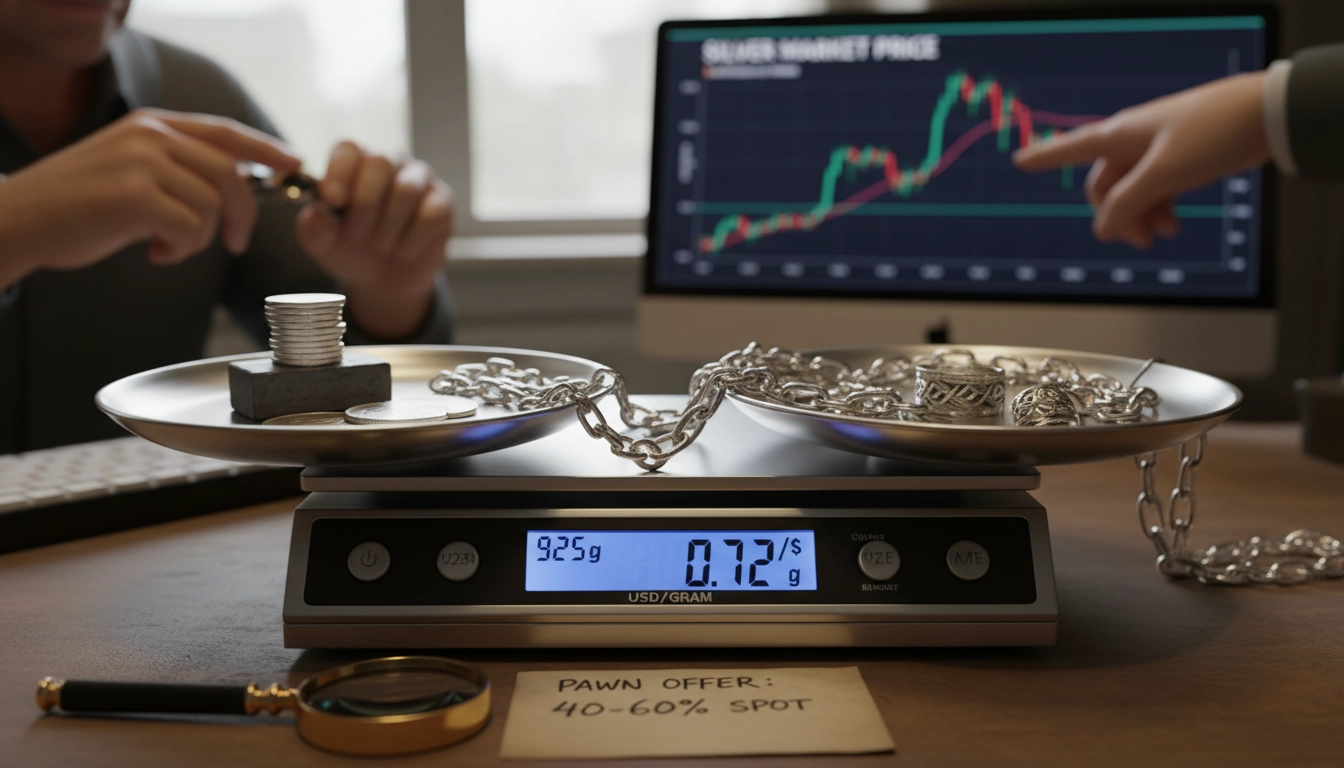
Sterling Silver Price Per Gram: How to Avoid Getting Ripped Off at Pawn Shops and Jewelers
Wholesale 925 sterling silver rings manufacturer and supplier
Prdoucts Categories
Question you may concern
Products
How long will the plating color last?
Generally 6 month for Water Plated color , 1 - 2 years for vacuum plated color if in proper wearing.
Can you engrave my logo on the jewelry ?Do you supply OEM/ODM service?
Yes. Custom logo and OEM/ODM are both accepted.Our factory specializes in jewelry manufacturing for 25 years.We can produce jewelry by your sample, design, pictures, even by an idea.Please feel free to contact us for more details. Custom order process: Inquiry-Confirm products details-Pay mold fee -Confirm CAD draft-Quote-Initial payment-Produce mold & sample-Confirm Sample-Mass production-Balance payment-Shipment-Track shipment-delivery.
What can you buy from us?
Rings, Necklace, Earrings, Bracelet, Pendant, Anklet, Brooch, Jewelry.
How can we guarantee quality?
Always a pre-production sample before mass production;
Always final Inspection before shipment;
FAQs
Do you offer after-sales warranty service?
Yes, we will refund or resend products if fading, stone falling off and other quality problems found in 1 month receipt of goods.Furthermore, we offer 1 year after-sales warranty service, but you need pay the shipping charge.
You may also like
Brass Jewelry
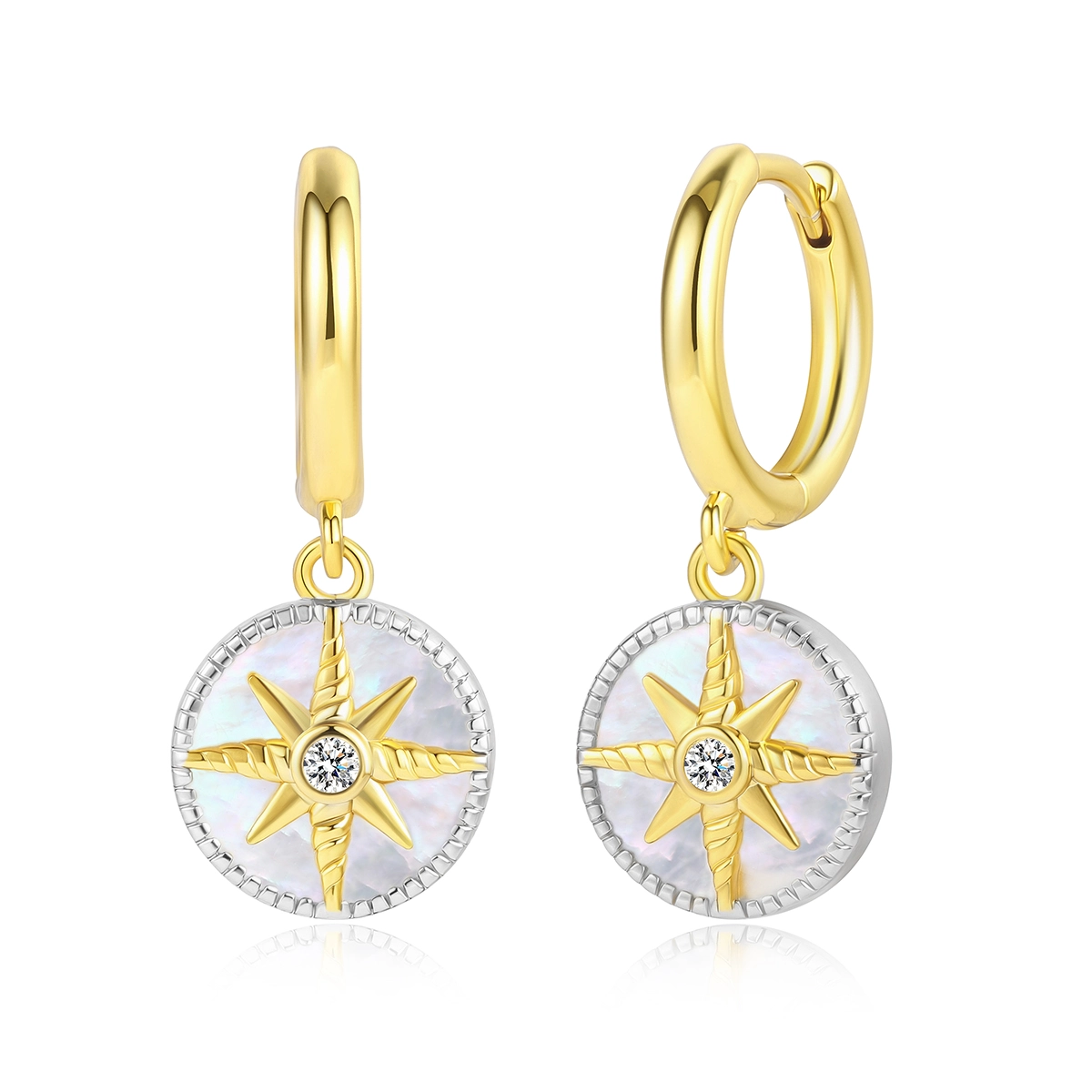
Brass Mother of Pearl Compass Huggie Drop Earrings | 14K 18K Gold Plated Hypoallergenic Jewelry
Read More
925 Silver Jewelry
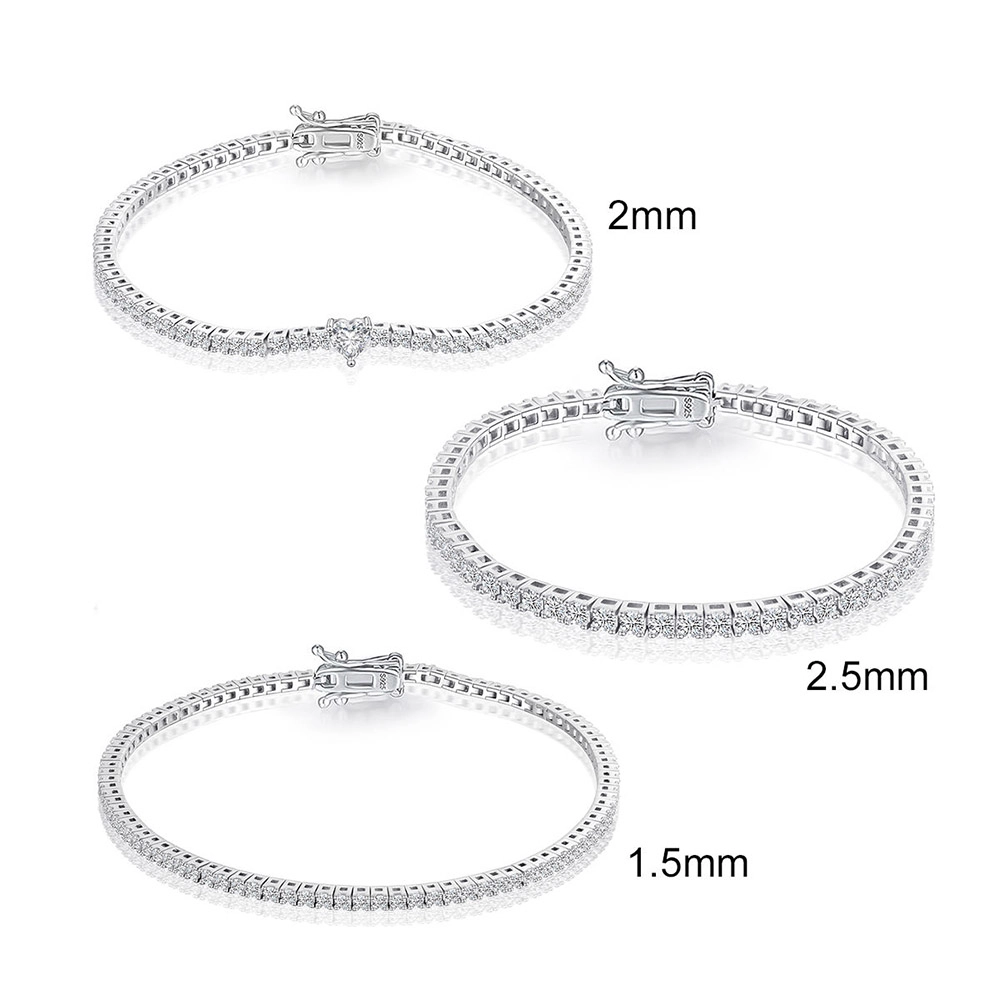
Customizable High-Quality Fashion 925 Sterling Silver AAA Cubic Zirconia Heart-Shaped Open Tennis Bracelet.
Read More
Brass Jewelry
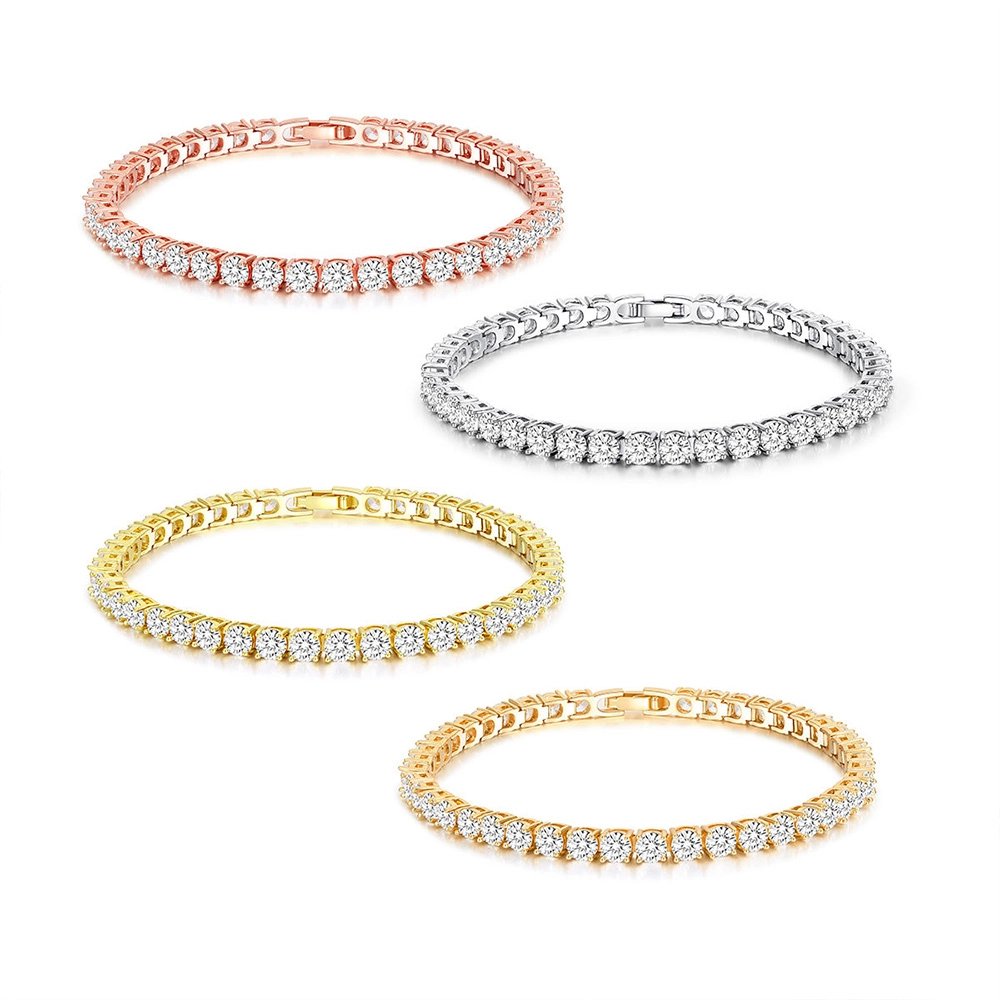
Customizable OEM ODM High-Quality Fashion Brass AAA Cubic Zirconia Classic Tennis Bracelet for Women Wholesale.
Read More
Get a Quote for Private Label Jewelry
We provide personalized jewelry customization services for clients worldwide.
Rest assured that your privacy is important to us, and all information provided will be handled with the utmost confidentiality.
By clicking 'Send Inquiry Now' I agree to ZHEFAN JEWELRY processing my personal data.
To see how to withdraw your consent, how to control your personal data and how we process it, please see our Privacy Policy and Terms of use.
From design to production, ZHEFAN JEWELRY offers a one-stop solution to help you enhance your brand value and market competitiveness.
Get A Quote
Contact
Tel: (+86) 188 1927 7817
© 2026 Zhefan Jewelry. All Rights Reserved.
Facebook
Instagram
YouTube
Whatsapp: +8618819277817