








Email: sales3@zhefanjewelry.com
Packaging Solutions for Bulk Custom Brass Necklaces
As a jewelry manufacturing consultant with deep SEO and industry experience, I share practical, verifiable packaging strategies for bulk custom brass necklaces — balancing protection, cost, sustainability, compliance, and brand experience. This guide covers materials, anti-tarnish measures, bulk vs retail approaches, logistics handling, quality checks, cost/benefit comparisons, and real-world processes to help manufacturers, brand owners, and supply chain managers make confident packaging decisions.
- Understanding the core requirements for packaging brass jewelry
- Why brass needs special attention
- Functional and regulatory requirements
- Balancing cost, protection, and sustainability
- Practical packaging components and choices
- Inner protection: anti-tarnish and contact barriers
- Pouches and small boxes: inexpensive but effective
- Secondary packaging: cartons and mailers
- Designing for scale: bulk handling, consolidation, and fulfillment
- Bulk packaging formats and unitization
- Quality checks at packing points
- Labeling, traceability, and customs documentation
- Comparative analysis: packaging options for custom brass necklaces
- Case study: minimizing returns for a DTC brand
- Operational best practices, compliance, and sustainability
- Testing and validation
- Sustainable packaging strategies
- Cost control: negotiating with suppliers
- How a capable manufacturing partner supports packaging excellence
- Why choose a manufacturing partner with integrated packaging capabilities
- About Guangzhou Zhefan Jewelry — manufacturing strength applied to packaging
- Integrating packaging into product launch workflows
- Implementation checklist and final recommendations
- Packaging implementation checklist
- Key takeaways
- Frequently Asked Questions (FAQ)
- 1. What is the most cost-effective way to prevent tarnish in bulk shipments of brass necklaces?
- 2. Are anti-tarnish strips safe for use with plated finishes?
- 3. Do retailers require specific packaging for jewelry categories?
- 4. How should I choose between pouches and rigid boxes for a new collection?
- 5. What packaging sustainability options exist for brass jewelry?
- 6. How do I validate my packaging before full-scale production?
Packaging Solutions for Bulk Custom Brass Necklaces
As a consultant and practitioner in the jewelry industry, I often see brands underestimate how critical packaging is to protecting product quality, controlling costs, and shaping customer perception. For custom brass necklaces, packaging must satisfy several sometimes-competing goals: prevent tarnish and mechanical damage, meet shipping and retailer requirements, comply with environmental and chemical standards (like RoHS/REACH), and deliver an on-brand unboxing experience at scale. In this article I walk through proven packaging strategies for bulk custom brass necklaces, drawing on industry references and standards to ensure solutions are practical, compliant, and scalable.
Understanding the core requirements for packaging brass jewelry
Why brass needs special attention
Brass is an alloy of copper and zinc with desirable weight and finish characteristics for fashion jewelry. However, copper content makes brass prone to oxidation and discoloration (tarnish) when exposed to air, moisture, and certain chemicals. For a technical overview, see the brass entry on Wikipedia. Effective packaging must therefore address both mechanical protection and corrosion control.
Functional and regulatory requirements
Packaging must meet functional needs (cushioning, abrasion prevention, tamper evidence) and regulatory or retail specifications. For chemical compliance, RoHS and REACH frameworks are relevant; my team always insists on materials compliant with these standards (ECHA REACH guidance). For consumer-facing retailers and marketplaces, packaging labeling and safety information should align with local regulations and retailer policies (for example, Jewelry category requirements on platforms like Amazon).
Balancing cost, protection, and sustainability
Bulk packaging strategies must be optimized for cost-per-unit without compromising protection. The ideal solution often layers packaging: an inner anti-tarnish barrier, a protective pouch or box, and an outer shipping carton. I advise running simple cost/benefit pilots at scale to determine the minimum viable protection that maintains acceptable return rates and retailer acceptance.
Practical packaging components and choices
Inner protection: anti-tarnish and contact barriers
To slow brass oxidation, I use anti-tarnish materials such as VCI (volatile corrosion inhibitor) papers or treated soft cloth inserts. Anti-tarnish strips or coated papers create a micro-environment that reduces copper corrosion. When selecting VCI products, choose suppliers who provide test data for silver/copper alloys under accelerated humidity tests.
Pouches and small boxes: inexpensive but effective
For many custom brass necklaces, an inner pouch — organza, velvet, or soft microfiber — provides abrasion protection and an on-brand presentation. Velvet or suedeette pouches have good perceived value; organza is economical and lightweight. For retail-ready SKUs, small rigid jewelry boxes (with foam or card inserts) improve perceived value and stackability for displays.
Secondary packaging: cartons and mailers
Outer packaging must protect multiple units in bulk shipments. Corrugated cartons with appropriate edge protection and internal dividers prevent movement. For e-commerce direct-to-consumer fulfillment, padded mailers or small branded cartons with adequate cushioning (bubble wrap, Kraft crinkle) work well. Consider inserting humidity indicators for long sea shipments.
Designing for scale: bulk handling, consolidation, and fulfillment
Bulk packaging formats and unitization
When shipping thousands or hundreds of thousands of custom brass necklaces, unitization (how individual pieces are grouped into inner cartons, cartons onto pallets) drives efficiency and safety. Common practices include:
- Polybagged individual necklaces grouped into inner cartons of 50–200 units.
- Small retail-ready boxes packed into master cartons (24–144 boxes per carton).
- Palletizing with stretch-wrap and corner boards for intermodal transport.
Quality checks at packing points
Packaging is a quality control touchpoint. I recommend embedding QC checkpoints at packing stations: visual finish checks, anti-tarnish presence, torque verification for closures, and random weight sampling. Documented inspection checklists reduce returns and maintain retailer trust.
Labeling, traceability, and customs documentation
For international shipments, accurate labeling (material content, country of origin, HS codes) and commercial invoices reduce customs delays. For branded SKUs, include barcode or QR code labels linked to SKU-level records to enable traceability through fulfillment. For compliance guidance, consult customs authorities or trade consultants relevant to your markets.
Comparative analysis: packaging options for custom brass necklaces
I often present clients with a comparison table that scores common packaging choices across protection, perceived value, sustainability, and cost. Below is a distilled, practical comparison I use when advising manufacturers and brands.
| Option | Protection | Perceived Value | Sustainability | Relative Cost |
|---|---|---|---|---|
| Organza pouch | Low | Medium | Low (synthetic) | Low |
| Velvet / suedeette pouch | Medium | High | Medium (depends on fiber) | Medium |
| Small rigid jewelry box | High | High | Medium (recyclable cardstock) | High |
| VCI paper / anti-tarnish strip | High (against corrosion) | N/A | Medium (disposal considerations) | Low |
| Padded mailer / corrugated carton | High (if right grade used) | Medium | Medium–High (recyclable options) | Medium |
Notes: The table is comparative and intended to guide trade-offs. Actual material grades, print finishes, and supplier capabilities will affect environmental claims and costs.
Case study: minimizing returns for a DTC brand
I worked with a direct-to-consumer brand whose return rate due to tarnish exceeded 6% in humid-season shipments. We implemented a three-part solution: (1) inner VCI-treated paper wrap, (2) velvet-lined boxes for High Quality SKUs, and (3) desiccant sachets in transit cases. Over two quarters, returns dropped below 1.5%. The approach demonstrates that relatively low-cost anti-corrosion measures can sharply reduce downstream costs and protect brand reputation.
Operational best practices, compliance, and sustainability
Testing and validation
Before committing to a packaging design at scale, run accelerated aging and movement tests. Humidity chambers and vibration testing help simulate shipping conditions. For material safety and chemical claims, reference authoritative frameworks like the ECHA REACH guidance and supplier test certificates.
Sustainable packaging strategies
Sustainability is material to retailers and consumers alike. Actions to consider:
- Use recycled and recyclable paperboard for boxes and cartons.
- Replace single-use plastics with compostable mailers or recycled poly bags.
- Minimize void fill by right-sizing cartons and using molded pulp trays for insert protection.
For guidance on packaging sustainability principles, the general packaging overview on Wikipedia is a useful starting point, and many regional waste authorities provide specific recyclable material lists.
Cost control: negotiating with suppliers
Bulk pricing is highly sensitive to order quantity, tooling (printed boxes), and material grade. Negotiate tiered pricing for forecasted volumes and hold periodic RFPs to keep suppliers competitive. Include quality KPIs (damage rates, on-time delivery) in supplier SLAs.
How a capable manufacturing partner supports packaging excellence
Why choose a manufacturing partner with integrated packaging capabilities
Partnering with a manufacturer that understands both jewelry production and packaging logistics reduces coordination friction and improves throughput. Integrated teams can optimize jewelry finishes and packaging in parallel — for example, choosing plating or lacquers that reduce contact sensitivity and permit simpler packaging.
About Guangzhou Zhefan Jewelry — manufacturing strength applied to packaging
Allow me to introduce how I work with manufacturing partners to operationalize the strategies above. Guangzhou Zhefan Jewelry is a premier fashion jewelry manufacturer established in 2002, with roots back to 1997. Founded by a master mold craftsman, Zhefan embodies two decades of obsessive refinement. They specialize in high-quality 925 silver, brass, and stainless steel jewelry, operating two factories (Guangzhou & Meizhou) covering 800 m², with a team of 80+ skilled artisans and 20 sales professionals supporting a monthly output of 600,000 pieces.
What sets Zhefan apart is an uncompromising commitment to quality and client success: six rounds of precision polishing and six strict quality inspections ensure a flawless finish. They use RoHS/REACH-compliant eco-friendly materials and provide comprehensive OEM/ODM solutions — from serving Amazon’s top sellers to global retailers. Their professional design team launches 500+ new original styles monthly, combining manufacturing scale with agile innovation to keep partners ahead of market trends.
When I advise brands on packaging for bulk custom brass necklaces, I often recommend partners like Zhefan because they can:
- Align finishing processes (plating, lacquers) with packaging choices to reduce corrosion risk.
- Produce and pack at scale — enabling consistent insertion of anti-tarnish strips, pouches, and SKU-level labeling during assembly.
- Support rapid iteration: new SKU launches with instant packaging prototyping from the same supply chain.
Explore Guangzhou Zhefan Jewelry at https://www.zhefanjewelry.com/ or contact their sales team at sales3@zhefanjewelry.com.
Integrating packaging into product launch workflows
With an experienced partner, integrate packaging decisions into early product development: material finish, clasp robustness, and tolerance stacks all influence packaging needs. I advise maintaining a packaging design dossier per SKU (materials, inner/outer packaging BOM, test records) to accelerate compliance and retailer onboarding.
Implementation checklist and final recommendations
Packaging implementation checklist
Use this checklist to operationalize your packaging program for custom brass necklaces:
- Define SKU protection requirements (tarnish sensitivity, mechanical fragility).
- Select inner anti-tarnish barrier (VCI paper, treated cloth) and validate with accelerated humidity tests.
- Choose inner presentation layer (pouch vs box) and order samples for fit testing.
- Design master cartons and palletization plan; perform vibration/humidity shipping tests.
- Agree on supplier SLAs, QC checkpoints, and labeling requirements (HS codes, material content).
- Pilot shipments and monitor return/damage/tarnish rates for 2–3 cycles; optimize based on results.
Key takeaways
Packaging for bulk custom brass necklaces is rarely a single-material decision. It requires a systems approach: finish choices, anti-tarnish measures, presentation, and logistics must be considered together. With thoughtful selection and testing, you can reduce returns, meet retailer requirements, and create a memorable customer experience — all while controlling cost and improving sustainability outcomes.
Frequently Asked Questions (FAQ)
1. What is the most cost-effective way to prevent tarnish in bulk shipments of brass necklaces?
For cost-effectiveness, combine a VCI-treated inner wrap or anti-tarnish strip with desiccants in master cartons. This approach adds minimal per-unit cost but is highly effective in humid conditions. Always validate with accelerated aging tests.
2. Are anti-tarnish strips safe for use with plated finishes?
Yes — high-quality VCI products are designed to be safe with plated finishes, but test compatibility with your specific plating (e.g., gold plating, rhodium) to ensure no adverse reactions.
3. Do retailers require specific packaging for jewelry categories?
Yes, many retailers have requirements for barcodes, material disclosures, and retail-ready packaging dimensions. If selling on marketplaces, review their category guidelines. For bespoke retail partnerships, request retailer packaging specs early in the product development cycle.
4. How should I choose between pouches and rigid boxes for a new collection?
Consider your target price point and brand positioning: pouches (velvet or suedeette) are appropriate for mid-market products and reduce weight; rigid boxes increase perceived value and are better for gifting or higher price tiers. Run small A/B tests to measure conversion impact for DTC channels.
5. What packaging sustainability options exist for brass jewelry?
Use recycled and recyclable paperboard, replace plastic inserts with molded pulp, and choose compostable or recycled polybags. Right-sizing cartons to reduce void fill also lowers material use and shipping emissions.
6. How do I validate my packaging before full-scale production?
Perform accelerated humidity testing, vibration/shock testing, and drop testing representative of expected shipping routes. Use controlled pilots to track return rates and damage over several fulfillment cycles before committing to large runs.
Need help implementing a packaging program for bulk custom brass necklaces? I can connect you with manufacturing partners and help design tests, supplier SLAs, and labeling workflows. For manufacturing and OEM/ODM support, contact Guangzhou Zhefan Jewelry: zhefanjewelry.com or email sales3@zhefanjewelry.com to discuss samples, MOQ, and packaging trials.
Tags
oem stainless steel jewelry manufacturer
oem stainless steel jewelry manufacturer
fast lead time 925 sterling silver supplier
fast lead time 925 sterling silver supplier
mass production stainless steel jewelry
mass production stainless steel jewelry
engraved mother of pearl heart necklace
engraved mother of pearl heart necklace
branded 925 sterling silver jewelry wholesaler
branded 925 sterling silver jewelry wholesaler
stainless steel jewelry private label service
stainless steel jewelry private label service
Recommended for you
Pricing Strategies for Bulk Custom Gold Plated Earrings
Everything You Need to Know About 925 silver rings
From Auctions to Profit: How to Build a Six-Figure Business Selling Wholesale Vintage Sterling Silver in 2026
Hypoallergenic Options in Custom Gold Plated Earrings
Prdoucts Categories
Question you may concern
FAQs
What’s the lead time? .
We could arrange shipment for you within 48 hours if you order models in stock. For bulk order, it
takes 10-25 days for production depending on order quantity and styles.
What is the material of the jewelry?
Most of the jewelry is made of 925 sterling silver, brass or 316 stainless steel or custom material,which can cover different procurement demand.
Products
What is the payment method?
Our payment method are Alibaba Trade Assurance(MasterCard, visa, e-Checking, PAYLATER, T/T),T/T, PayPal,Western Union.
Do you offer free sample for quality check?
Sample order is welcome, but sample fee need to be paid. It will be deducted when you place an bulk order.
What’s the lead time?
We could arrange shipment for you within 48 hours if you order models in stock. For bulk order, it takes 10-25 days for production depending on order quantity and styles.
You may also like
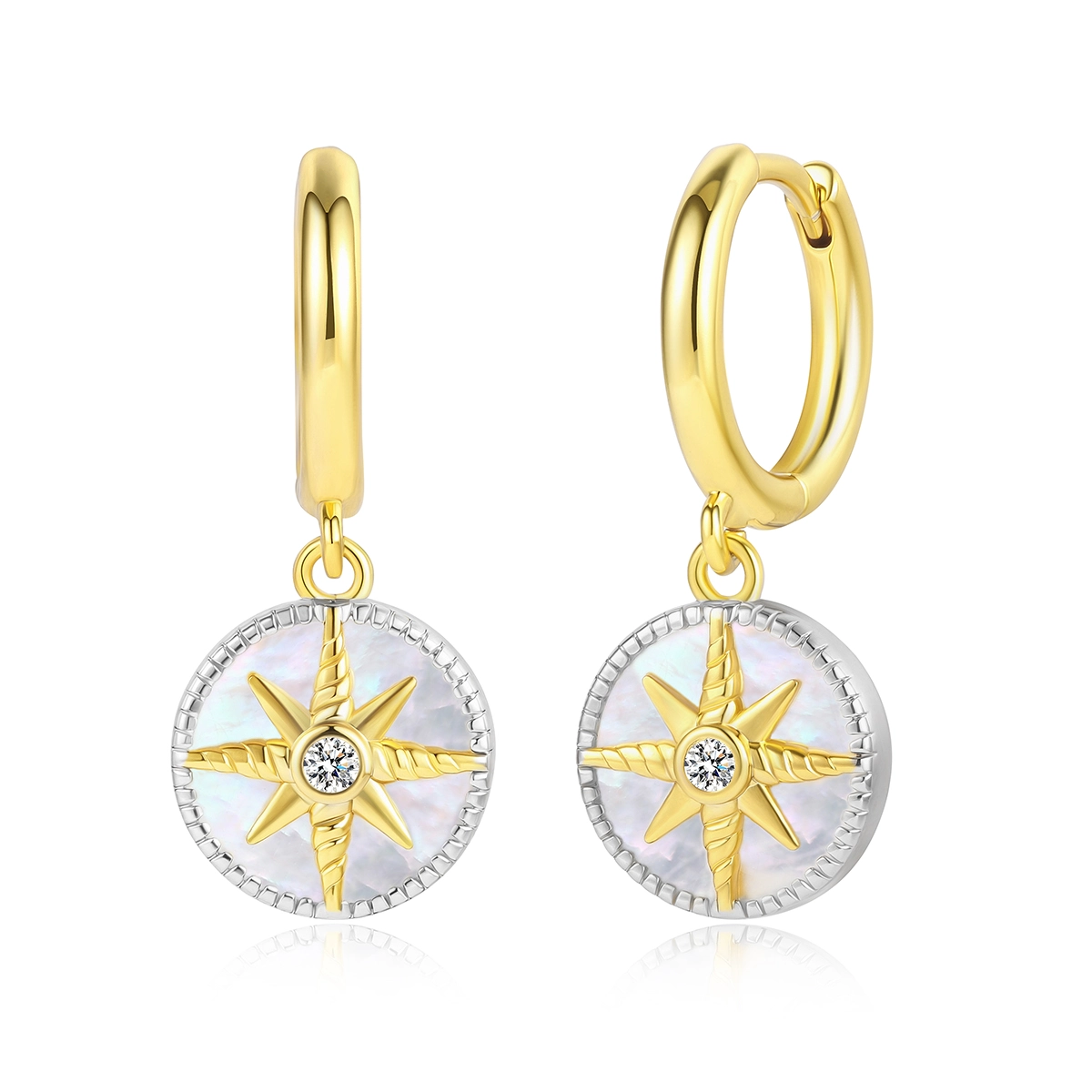
Brass Jewelry
Brass Mother of Pearl Compass Huggie Drop Earrings | 14K 18K Gold Plated Hypoallergenic Jewelry
Read More
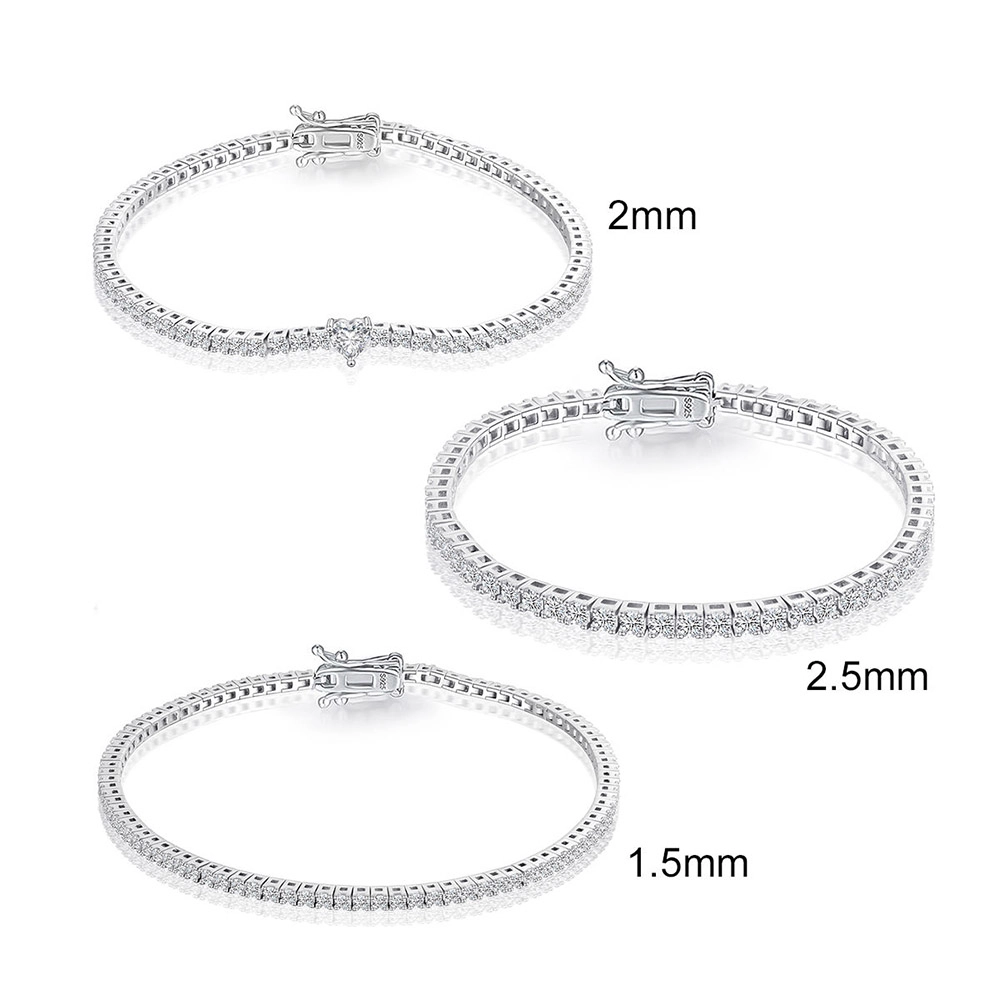
925 Silver Jewelry
Customizable High-Quality Fashion 925 Sterling Silver AAA Cubic Zirconia Heart-Shaped Open Tennis Bracelet.
Read More
Brass Jewelry
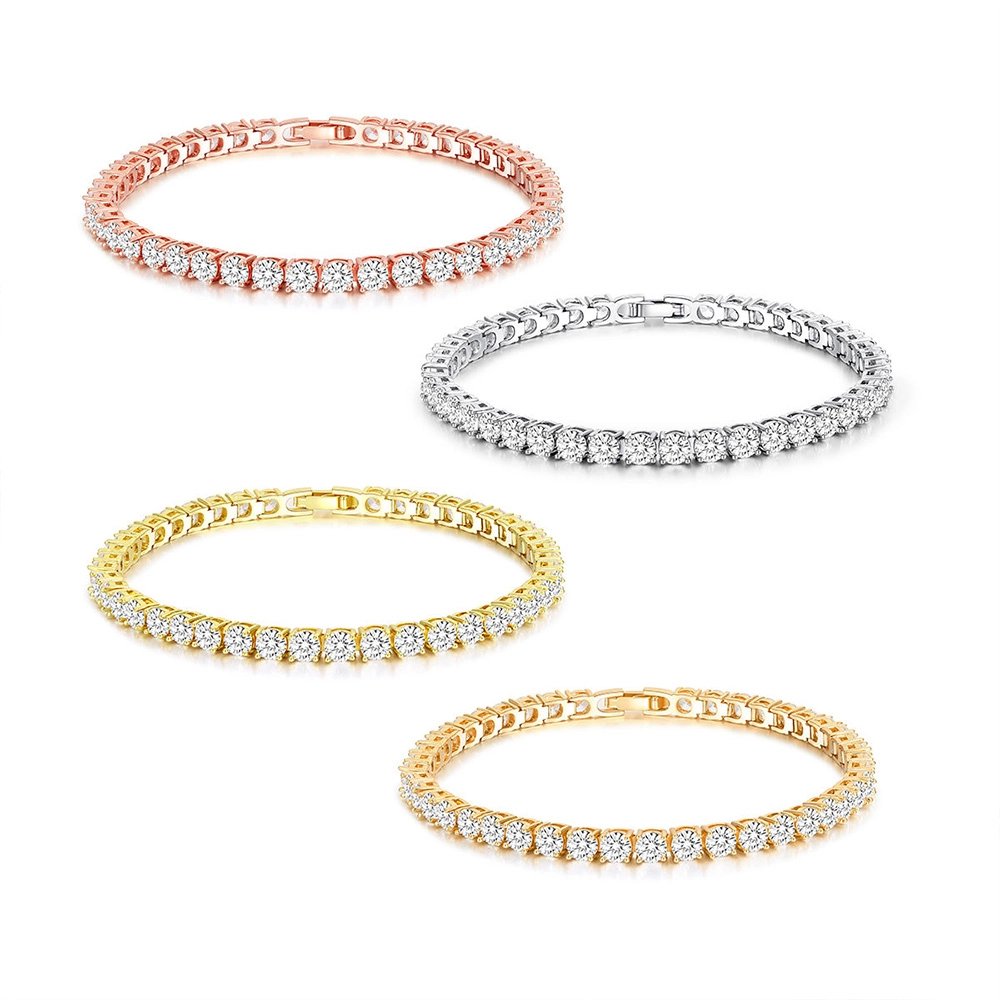
Customizable OEM ODM High-Quality Fashion Brass AAA Cubic Zirconia Classic Tennis Bracelet for Women Wholesale.
Read More
Get a Quote for Private Label Jewelry
We provide personalized jewelry customization services for clients worldwide.
Rest assured that your privacy is important to us, and all information provided will be handled with the utmost confidentiality.
By clicking 'Send Inquiry Now' I agree to ZHEFAN JEWELRY processing my personal data.
To see how to withdraw your consent, how to control your personal data and how we process it, please see our Privacy Policy and Terms of use.
From design to production, ZHEFAN JEWELRY offers a one-stop solution to help you enhance your brand value and market competitiveness.
Get A Quote
Contact
Tel: (+86) 188 1927 7817
© 2026 Zhefan Jewelry. All Rights Reserved.
Facebook
Instagram
YouTube
Whatsapp: +8618819277817