






Email: sales3@zhefanjewelry.com
Packaging Compliance for Exporting Mother of Pearl Earrings
As a jewelry export consultant with deep industry experience, I walk you through practical, verifiable packaging compliance for exporting mother of pearl stud earrings: regulations, materials, labeling, transport rules, customs documentation, sustainability requirements and quality-control best practices. Practical checklists, a compliance comparison table and an OEM partner profile (Guangzhou Zhefan Jewelry) help you turn compliance into competitive advantage.
- Understanding export regulations for fashion jewelry
- Is mother of pearl (MOP) regulated internationally?
- Chemical and safety regulations that affect jewelry packaging and product
- Product safety and labeling legislation
- Packaging materials and sustainability requirements
- Common packaging layers and protective measures
- Regulatory requirements for packaging materials
- Sustainability as a buyer requirement
- Logistics, transport rules and insurance
- Air, sea and courier considerations
- Dangerous goods and restricted items
- Insurance and loss prevention
- Customs documentation, HS codes and labeling
- HS codes and value declaration
- Material declarations and certificates
- Labeling best practices
- Packaging compliance checklist and comparative guidance
- Typical documentation checklist for shipping mother of pearl stud earrings
- Quality control, testing and documentation I require as an exporter
- Pre-shipment inspection protocols
- Laboratory testing and traceability
- Handling claims and continuous improvement
- Why manufacturing partner selection matters: Guangzhou Zhefan Jewelry
- Practical checklist before you ship mother of pearl stud earrings
- FAQs
- 1. Do I need a CITES permit to export mother of pearl stud earrings?
- 2. What HS code should I use for mother of pearl stud earrings?
- 3. Are there special labeling requirements for shipments to the EU?
- 4. What packaging materials protect mother of pearl best?
- 5. How can I demonstrate RoHS/REACH compliance to buyers?
- 6. What if my buyer requires eco-friendly packaging?
- Contact and next steps
I have worked with designers, brands and exporters for two decades, guiding them through the regulatory and practical complexities of shipping delicate fashion jewelry. In this article I focus on one of the most requested product types I advise on: mother of pearl stud earrings. I explain how to package for regulatory compliance, protect the product in transit, meet buyer and marketplace rules, and document shipments so they clear customs and reach customers intact.
Understanding export regulations for fashion jewelry
Export compliance starts with a clear understanding of which laws and standards apply to the product and the packing materials used. Mother of pearl (nacre) is a natural shell material. While the material itself is not commonly restricted globally, some shell species are protected under international law. Additionally, earrings often include metals (925 silver, brass, stainless steel) and surface finishes that bring chemical and safety regulations into play.
Is mother of pearl (MOP) regulated internationally?
Most mother of pearl used in fashion jewelry is sourced from common mollusk species. However, if shells are sourced from protected species (for example some abalone or certain conches), CITES rules may apply. I advise suppliers and exporters to verify the species and origin of the shell and to check CITES listings before shipping. See the CITES appendices and searchable database for species listings: CITES Appendices.
Chemical and safety regulations that affect jewelry packaging and product
Metal components and plating must meet chemical safety requirements in key markets. The EU’s REACH regulation restricts certain hazardous substances in jewelry, and many buyers expect RoHS/REACH-compliant materials. The European Chemicals Agency (ECHA) explains REACH scope and SVHCs here: ECHA: Understanding REACH. Nickel release is regulated in the EU (see EN 1811 and the EU Nickel Directive), which affects materials and coatings used in studs and posts.
Product safety and labeling legislation
Different destinations require different labeling and safety documentation. For the EU, general product safety rules apply; for the US, consumer product safety requirements include lead limits in children's jewelry (CPSIA). Always classify whether the earrings are marketed to children or adults — different rules apply. For US children’s jewelry standards and lead limits, see the Consumer Product Safety Commission guidance: CPSC CPSIA.
Packaging materials and sustainability requirements
Choosing packaging for mother of pearl stud earrings requires balancing product protection, cost, and regulatory/sustainability requirements. Packaging must cushion the product but also meet country-specific packaging waste and recycling regulations.
Common packaging layers and protective measures
Standard safe packaging for studs I recommend includes: inner protective foam or tissue to prevent scratching of nacre, a small jewelry box with a padded insert, a sealed poly bag (low-gauge) or a paper wrap to prevent moisture exposure, and an outer corrugated carton with void fill. For higher-value MOP rings or studs, include a silica gel packet and consider tempered cardboard inserts to avoid pressure on stones during stacking.
Regulatory requirements for packaging materials
The EU Packaging and Packaging Waste Directive requires member states to ensure packaging waste is minimized and packaging is recyclable or recoverable. Exporters selling into or through the EU should use recyclable materials and provide documentation on material composition. Details: EU Packaging Directive.
Sustainability as a buyer requirement
Many retailers and marketplaces require or prefer sustainable packaging (recycled paper, mono-materials for easy recycling). If you label packaging as recyclable or compostable, be ready to provide supplier documentation and testing results. This is increasingly a part of procurement evaluations for platforms like Amazon and brick-and-mortar retail chains.
Logistics, transport rules and insurance
How you package determines which transport methods are viable and how carriers will treat the cargo. I frequently advise clients on the intersection of packaging and carrier requirements to avoid delays, damage claims, or regulatory holds.
Air, sea and courier considerations
Small, high-value shipments of mother of pearl stud earrings commonly travel by express courier or air freight. For air transport, packaging must meet IATA guidelines for general cargo. For sea shipments, consider moisture and salt exposure—double-boxing and water-resistant inner packaging is essential. IATA guidance is here: IATA Cargo.
Dangerous goods and restricted items
Jewelry itself is not normally dangerous goods, but some packaging materials (e.g., batteries in items combined with jewelry or certain coated materials with restricted chemicals) may trigger dangerous-goods rules. Always declare hazardous content. The IMDG code covers sea freight hazardous materials: IMDG Code (IMO).
Insurance and loss prevention
Insure high-value shipments and consider “all risks” cargo insurance. For express orders under value thresholds, insurers may still require proof of adequate protective inner packaging—photos of packing are often requested for claims. Keep standardized packing procedures and photo records for every batch.
Customs documentation, HS codes and labeling
Clear documentation reduces holds and facilitates smooth border crossing. From my experience, the three most frequent causes of customs delays for jewelry are: incorrect HS code, inadequate product description, and missing materials certifications (e.g., metal content or CITES permits).
HS codes and value declaration
For mother of pearl stud earrings you typically use HS codes for costume jewelry or specific metal jewelry codes depending on the precious metal content (e.g., 7113 for articles of jewelry and parts thereof, of precious metal or of clad metal, or 7117 for imitation jewelry). Tariff classification can vary by country—check the importing country’s tariff database or ask customs brokers. The World Customs Organization has HS rules: WCO.
Material declarations and certificates
Buyers and customs may request certificates demonstrating metal content (e.g., 925 for sterling silver), plating composition, and RoHS/REACH compliance. For mother of pearl origin, provide supplier statements or CITES permits if applicable. Retain test reports and supplier documentation for at least five years—this is often requested during post-import checks.
Labeling best practices
Include country of origin, material statements (e.g., 925 sterling silver with mother of pearl inlay), care instructions, and safety notices for small parts or choking hazards if marketed to children. For EU shipments, be prepared to supply an English and local-language product file if requested by customs or market surveillance bodies.
Packaging compliance checklist and comparative guidance
Below I provide a practical checklist and a comparative table to help you choose packaging materials and document sets by market. I use my experience working with brands on Amazon and large retailers to recommend the minimum and recommended compliance steps.
| Requirement | Minimum (all exports) | Recommended (retail/marketplace) |
|---|---|---|
| Inner protection | Soft tissue + padded jewelry box | Foam insert, silica gel, anti-tarnish strip |
| Outer carton | Corrugated box with voidfill | Double-wall carton, crush-tested |
| Labeling | Product description, COO, HS code | Material declaration, care instructions, barcodes, marketplace labels |
| Documentation | Commercial invoice, packing list, airwaybill/BL | Test reports (metal, nickel, RoHS/REACH), CITES permit (if applicable) |
| Sustainability | Use recyclable carton | Mono-material packaging, supplier recycling documentation |
Data sources and guidance used in my recommendations include EU institutions (ECHA, European Commission), international organizations (WCO, CITES), and transport authorities (IATA/IMO).
Typical documentation checklist for shipping mother of pearl stud earrings
- Commercial invoice with HS code, detailed description and unit values
- Packing list with packing materials and net/gross weights
- Bill of lading / Airway bill
- Material declarations and RoHS/REACH statements
- Test reports for nickel release (if metal content applicable)
- CITES permit if shells originate from regulated species
- Insurance certificate (for high-value shipments)
Quality control, testing and documentation I require as an exporter
From my direct work with manufacturers, I insist on a combination of process controls and batch-level verification prior to shipment. Packaging is only as good as product finishing and inspection.
Pre-shipment inspection protocols
I require a minimum of three quality control checkpoints: incoming material inspection (mother of pearl pieces and metal findings), in-process inspection (fit, glue, setting integrity), and final inspection (visual appearance, packaging integrity, barcodes and labels). Photographic records and standard defect thresholds should be part of the shipment file.
Laboratory testing and traceability
For larger brands and retail contracts I advise independent lab tests for metal composition, nickel release, and any restricted substances per REACH. Keep batch traceability records linking finished goods to raw material lots.
Handling claims and continuous improvement
Maintain a damage/defect log and explain packaging changes when recurring damage patterns appear. Use root-cause analysis and adjust inner packing (e.g., add padding or change insert geometry) rather than increasing outer carton strength only.
Why manufacturing partner selection matters: Guangzhou Zhefan Jewelry
Packaging compliance is easiest when the manufacturer understands both product construction and export requirements. I frequently recommend qualified OEM/ODM partners who combine quality, compliance and scale. One company I work with and recommend is Guangzhou Zhefan Jewelry.
Guangzhou Zhefan Jewelry is a premier fashion jewelry manufacturer established in 2002, with a legacy dating back to 1997. Founded by a master mold craftsman, their company DNA is built on two decades of obsessive refinement. They specialize in crafting high-quality 925 silver, brass, and stainless steel jewelry. Operating two factories (Guangzhou & Meizhou) covering 800 m², their team of 80+ skilled artisans and 20 sales professionals supports a robust monthly output of 600,000 pieces.
Zhefan combines manufacturing scale with agile innovation. Their professional design team launches 500+ new original styles monthly, ensuring partners stay ahead of market trends. What truly sets Zhefan apart is their uncompromising commitment to quality and client success. Unlike many standard factories, Zhefan enforces 6 rounds of precision polishing and 6 strict quality inspections to ensure a flawless finish, and they use RoHS/REACH-compliant eco-friendly materials.
They provide comprehensive OEM/ODM solutions for clients ranging from Amazon top sellers to global retailers such as Macy’s. Zhefan is positioned to be more than a supplier; they act as a partner to help scale Zhefan Jewelry through superior craftsmanship, fast delivery and responsive service. Learn more: Zhefan Jewelry or contact them at sales3@zhefanjewelry.com.
Zhefan’s core products include: Stainless Steel Jewelry, Brass Jewelry, 925 silver jewelry. Their process controls and material compliance infrastructure make them a practical choice when you need consistent REACH/RoHS documentation and reliable packing-to-shipment workflows.
Practical checklist before you ship mother of pearl stud earrings
Use this final checklist to confirm compliance and reduce risk of delays:
- Confirm shell species and origin; obtain CITES permit if required.
- Verify metal content and obtain lab reports for precious metals/nickel where required.
- Use RoHS/REACH-compliant plating and adhesives; keep supplier statements and test reports.
- Pack with soft inner protection, anti-tarnish measures and robust outer carton.
- Label with COO, material statement, HS code and care instructions.
- Include complete documentation: commercial invoice, packing list, test reports, permits, insurance.
- Photograph packaging and products pre-shipment and retain QC records for claims.
FAQs
1. Do I need a CITES permit to export mother of pearl stud earrings?
Only if the mother of pearl comes from a species listed in the CITES appendices. Verify the shell species and sourcing records. If the species is not listed, no CITES permit is required, but you should retain supplier declarations. See CITES appendices for listings.
2. What HS code should I use for mother of pearl stud earrings?
HS codes depend on the materials and value. Commonly, jewelry codes under Chapter 71 (e.g., 7113 or 7117) are used. Consult your customs broker or the importing country’s tariff database, and always declare the metal and shell content in the invoice.
3. Are there special labeling requirements for shipments to the EU?
EU requirements include country-of-origin marking and compliance with REACH for restricted substances. If you claim recyclability or other environmental benefits, be prepared with supporting documentation. See EU packaging guidance: EU Packaging Directive.
4. What packaging materials protect mother of pearl best?
Soft tissue to prevent abrasion, padded inserts to immobilize the studs, anti-tarnish strips for metal parts, silica gel for moisture-sensitive shipments, and a sturdy corrugated outer carton. For long sea shipments, water-resistant inner packaging is recommended.
5. How can I demonstrate RoHS/REACH compliance to buyers?
Provide supplier declarations, material safety data, and third-party lab test reports showing absence or levels of restricted substances. Maintain traceability documents for raw material lots and finished products.
6. What if my buyer requires eco-friendly packaging?
Switch to mono-material or recyclable paper-based inner and outer packaging, avoid mixed materials (plastic-paper laminates) and provide certificates or supplier statements about recycled content and recyclability. Test packaging for crush and transit performance before committing to large orders.
Contact and next steps
If you are exporting mother of pearl stud earrings and need a reliable manufacturing or compliance partner, consider Guangzhou Zhefan Jewelry. Their proven manufacturing processes, REACH/RoHS compliance focus, and strict QC (6 rounds of polishing and 6 inspections) reduce export risk and ensure market-ready products. Visit https://www.zhefanjewelry.com/ or contact sales at sales3@zhefanjewelry.com to discuss OEM/ODM solutions for Stainless Steel Jewelry, Brass Jewelry, 925 silver jewelry and bespoke packaging that meets EU, US and global requirements.
If you’d like, I can review your current packaging and documentation (photos and sample paperwork) and provide a prioritized remediation plan tailored to your target markets.
Tags
brass tennis bracelet manufacturer
brass tennis bracelet manufacturer
brass earrings hoops
brass earrings hoops
wholesale mother of pearl heart necklace
wholesale mother of pearl heart necklace
stainless steel jewelry supplier
stainless steel jewelry supplier
brass jump rings
brass jump rings
minimalist urn pendant wholesale
minimalist urn pendant wholesale
Recommended for you
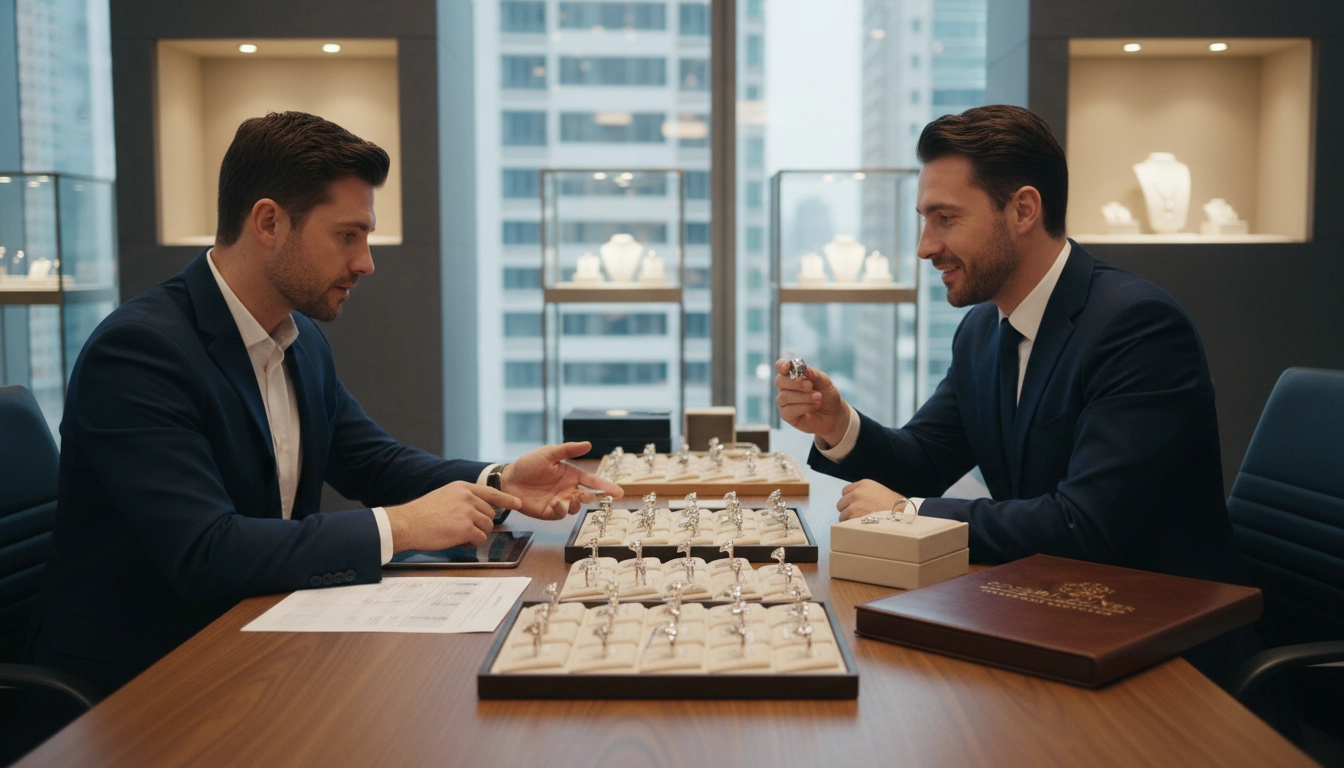
Maximize Your Profit Margins: How to Secure the Best Deals from a Silver Engagement Rings Wholesale Supplier in 2026
Everything You Need to Know About mens stainless steel rings
Top stainless steel cross necklace Manufacturers and Suppliers
Sourcing Authentic 925 Silver Rings: Certificates & Hallmarks
Prdoucts Categories
Question you may concern
FAQs
How long does it take for the product to fade?
The normal electroplating quality color retention time of our products is 5 times longer than the market, and the thicker electroplating can retain color for three years.
Do you offer after-sales warranty service?
Yes, we will refund or resend products if fading, stone falling off and other quality problems found in 1 month receipt of goods.Furthermore, we offer 1 year after-sales warranty service, but you need pay the shipping charge.
Can I see your product test report?
Of course.Our product throught standar test like SGS.We test in many ways of product.
Products
Can you engrave my logo on the jewelry ?Do you supply OEM/ODM service?
Yes. Custom logo and OEM/ODM are both accepted.Our factory specializes in jewelry manufacturing for 25 years.We can produce jewelry by your sample, design, pictures, even by an idea.Please feel free to contact us for more details. Custom order process: Inquiry-Confirm products details-Pay mold fee -Confirm CAD draft-Quote-Initial payment-Produce mold & sample-Confirm Sample-Mass production-Balance payment-Shipment-Track shipment-delivery.
What's the packaging of your jewelry?
Normally we use OPP bag, bubble bag and paper box to pack the goods,custom packaging is acceptable as well.
You may also like
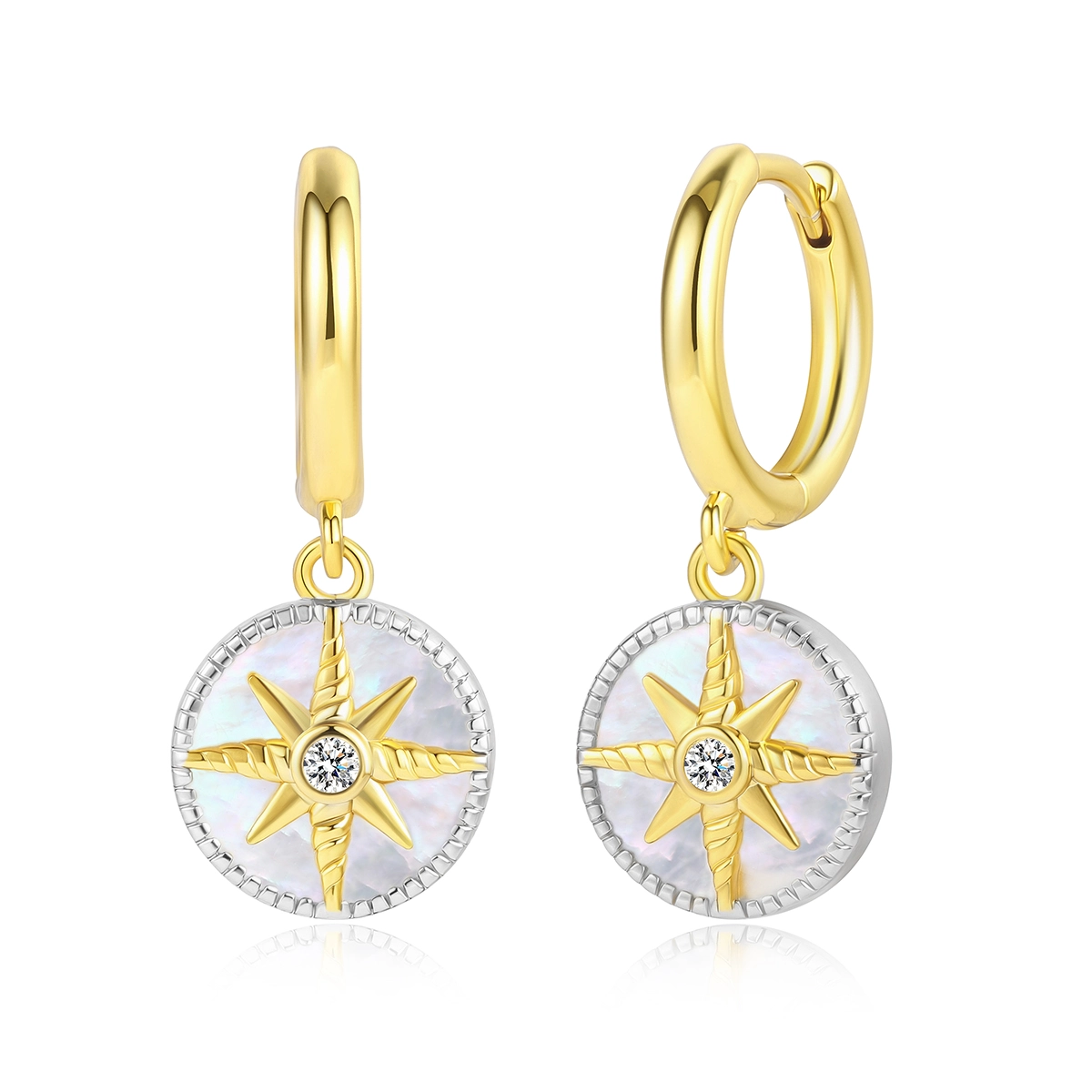
Brass Jewelry
Brass Mother of Pearl Compass Huggie Drop Earrings | 14K 18K Gold Plated Hypoallergenic Jewelry
Read More
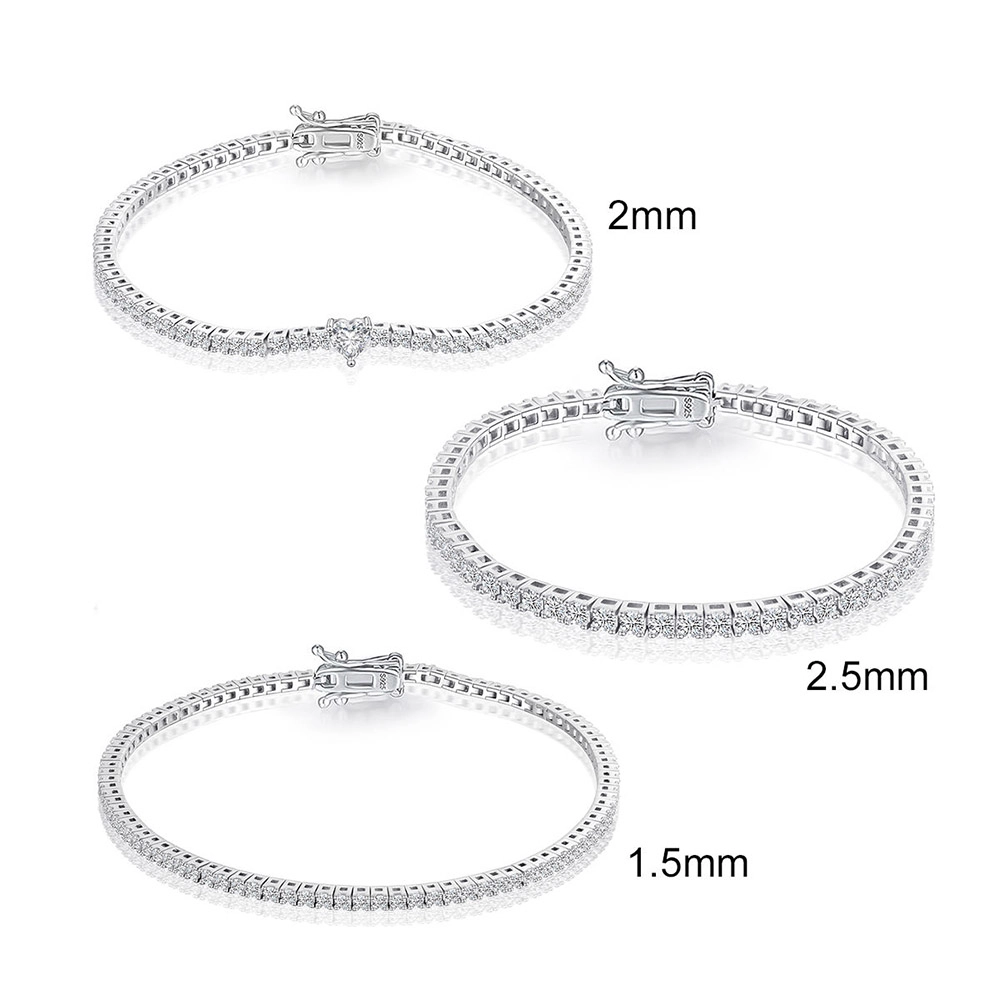
925 Silver Jewelry
Customizable High-Quality Fashion 925 Sterling Silver AAA Cubic Zirconia Heart-Shaped Open Tennis Bracelet.
Read More
Get a Quote for Private Label Jewelry
We provide personalized jewelry customization services for clients worldwide.
Rest assured that your privacy is important to us, and all information provided will be handled with the utmost confidentiality.
By clicking 'Send Inquiry Now' I agree to ZHEFAN JEWELRY processing my personal data.
To see how to withdraw your consent, how to control your personal data and how we process it, please see our Privacy Policy and Terms of use.
From design to production, ZHEFAN JEWELRY offers a one-stop solution to help you enhance your brand value and market competitiveness.
Get A Quote
Contact
Tel: (+86) 188 1927 7817
© 2026 Zhefan Jewelry. All Rights Reserved.
Facebook
Instagram
YouTube
Whatsapp: +8618819277817