







Email: sales3@zhefanjewelry.com
Packaging Solutions: Branded Boxes and Bulk Shipping Tips
I share practical, experience-driven packaging solutions for jewelry brands, covering branded boxes, material selection, cost optimization, and bulk shipping strategies. This guide combines industry standards, carrier guidelines, and manufacturing insights to help custom jewelry manufacturers reduce damage, improve unboxing experiences, and scale logistics efficiently. Includes a supplier profile for Guangzhou Zhefan Jewelry and actionable checklists.
- Packaging Fundamentals for Jewelry Brands
- Understanding the customer intent and product fragility
- Core functional requirements
- Material selection: weight, protection, and sustainability
- Branded Boxes: Design, Materials, and Costing
- Designing for unboxing and resale value
- Material and finishing trade-offs
- Costing strategies and minimum order quantities (MOQs)
- Bulk Shipping Tips: Logistics, Palletizing, and Damage Prevention
- Packaging for bulk shipments (factory to warehouse/fulfillment)
- Carrier requirements and how to reduce claims
- Labeling, documentation, and international shipping compliance
- Sustainability, Compliance, and Quality Control
- Balancing sustainability with protection
- Quality checkpoints: inspection matrix I use
- Standards and certifications to reference
- Packaging and Manufacturing Integration: How I Work with a Custom Jewelry Manufacturer
- Why alignment between packaging and manufacturing matters
- Case for partnering with a full-service custom jewelry manufacturer
- About Guangzhou Zhefan Jewelry—supplier profile and capabilities
- Operational Checklists and Practical Tips
- Pre-production checklist
- Packing and shipping day checklist
- Continuous improvement metrics I track
- FAQ
- Q1: How much should I spend on packaging per jewelry piece?
- Q2: What is the safest interior insert for fragile 925 silver jewelry?
- Q3: Can I use recycled materials for branded boxes without increasing damage risk?
- Q4: How do I reduce bulk shipping costs when ordering from a custom jewelry manufacturer overseas?
- Q5: What documentation do I need for international shipments of plated brass or stainless steel jewelry?
- Q6: How can a custom jewelry manufacturer help with packaging design?
- Final recommendations and next steps
I build packaging programs for jewelry brands and work closely with production teams and logistics partners to balance brand impact, product protection, cost, and compliance. In this article I outline proven approaches for branded boxes and bulk shipping—what materials to choose, how to design for unboxing, carrier-specific packing tips, and quality checkpoints that reduce return rates and transit damage. I also explain how a reliable custom jewelry manufacturer can integrate packaging into your supply chain to speed time-to-market and protect margins.
Packaging Fundamentals for Jewelry Brands
Understanding the customer intent and product fragility
As a custom jewelry manufacturer and advisor, I always start by mapping customer intent: is the item a low-cost fashion earring meant for impulse purchase, or a higher-value 925 silver necklace intended as a gift? Packaging must reflect both perceived value and fragility. Lightweight costume pieces often perform well in compact branded card-and-bubble solutions, while higher-value items require rigid boxes, cushioning, and tamper-evident seals to protect against both impact and theft.
Core functional requirements
Every jewelry package must satisfy three core requirements: protection, presentation, and compliance. Protection addresses shock, vibration, humidity, and abrasion during transit. Presentation covers branding, unboxing experience, and secondary uses (e.g., a jewelry box kept for storage). Compliance includes material regulations such as REACH and RoHS for metals and finishes (ECHA - REACH) and quality systems like ISO 9001 where applicable.
Material selection: weight, protection, and sustainability
Choose materials based on product weight, expected shipping environment, and brand position. Rigid set-up boxes with foam inserts are ideal for High Quality pieces; recycled rigid or kraft boxes with molded pulp inserts work well for mid-market products; and eco-friendly mailer options can suit low-cost lines. Consider lifecycle impact—biodegradable/ recyclable liners and FSC-certified paperboard improve sustainability credentials.
Branded Boxes: Design, Materials, and Costing
Designing for unboxing and resale value
I approach box design from two angles: first-impression and long-term value. A well-designed branded box serves as marketing—unboxing photos, social shares, and repeat customers. Use consistent brand elements (logo, color, typography), but avoid excessive outer fragility: ornate finishes like soft-touch coatings or hot-stamping increase cost and sometimes complicate recycling. Consider interior features—removable pillows, secure clasps, or card slots for authenticity certificates.
Material and finishing trade-offs
Here is a concise comparison of common box types I recommend for jewelry brands:
| Box Type | Protection | Brand Impact | Cost | Recyclability |
|---|---|---|---|---|
| Rigid set-up box (with foam) | High | High (High Quality) | High | Moderate (depends on liners) |
| Kraft tuck box + molded pulp insert | Medium | Medium | Medium | High |
| Cardboard mailer with internal pouch | Low–Medium | Low–Medium | Low | High |
| Clamshell / window box | Medium | Medium | Medium | Low–Medium |
When evaluating suppliers for branded boxes, request samples and conduct drop tests to validate protection. For legal and safety compliance on materials (especially plating or coatings), reference RoHS guidance and your target market rules.
Costing strategies and minimum order quantities (MOQs)
Work with your custom jewelry manufacturer to combine production runs and reduce MOQs. For example, aligning a box run with a monthly shipment can reduce per-unit cost. I often advise brands to balance initial inventory investment with predicted sell-through—start with a conservative quantity of branded boxes and supplement with neutral, well-branded outer packaging until demand stabilizes.
Bulk Shipping Tips: Logistics, Palletizing, and Damage Prevention
Packaging for bulk shipments (factory to warehouse/fulfillment)
Bulk shipping requires different priorities than consumer-facing single-item shipments. The goal is density, protection, and ease of handling at the warehouse. When I package bulk cartons from the factory, I optimize layer patterns, corner protection, and pallet stabilization to prevent crush and shifting in transit. Use standard pallet sizes, avoid overhang, and secure cartons with quality strapping and stretch film. Include clear labeling for SKU, quantity, and handling instructions on each carton.
Carrier requirements and how to reduce claims
Carrier-specific guidelines matter. Major carriers publish packing and prep guides—use them. Examples:
Follow carrier specifications for weight, dimensions, and pallet stabilization to reduce damage claims. Photograph pallet build before pick-up as evidence. For high-value consignments, consider add-on services like signature required, adult signature, or cargo insurance.
Labeling, documentation, and international shipping compliance
For cross-border shipments, ensure accurate commercial invoices, harmonized system (HS) codes, and any required certificates for metal content. If you ship items that include batteries or regulated materials, reference IATA Dangerous Goods Regulations for air transport. Customs delays are commonly caused by incorrect HS codes or missing documentation—work with your freight forwarder to pre-validate paperwork.
Sustainability, Compliance, and Quality Control
Balancing sustainability with protection
Sustainable materials are attractive to consumers but must still protect your product. When I select sustainable liners (e.g., molded pulp or recycled foam alternatives), I validate them against drop tests and humidity exposure. Communicate sustainability clearly on your packaging (e.g., 100% recycled board), but avoid unverified claims—if you assert compostability or recyclability, ensure certification or supplier documentation supports it.
Quality checkpoints: inspection matrix I use
To reduce returns and protect brand reputation, I implement a simple inspection matrix at three stages: pre-pack (visual inspection of jewelry), pack (verify correct SKU, applied anti-tarnish strips or silica gel), and post-pack (random carton-level checks and photographic evidence). For factories producing at scale, this is often automated with inspection sheets and batch QC records.
Standards and certifications to reference
Referencing global standards helps buyers and retailers validate supply chains. Useful sources include:
- ISO 9001 for quality management systems
- ECHA REACH for chemical safety
- The World Jewellery Confederation (CIBJO) for industry guidance
- General jewelry context
Packaging and Manufacturing Integration: How I Work with a Custom Jewelry Manufacturer
Why alignment between packaging and manufacturing matters
When packaging is designed independently of manufacturing, misalignments occur—incorrect insert sizes, unexpected plating overspray, or delays in lead times. I always coordinate packaging specifications early in the production process so die lines, foam cutouts, and assembly steps are validated in pre-production samples. This approach reduces rework and shortens time-to-shelf.
Case for partnering with a full-service custom jewelry manufacturer
Working with a manufacturer who can provide OEM/ODM plus packaging simplifies logistics. They handle jewelry QA, apply anti-tarnish measures, pack into branded boxes, and arrange consolidated bulk shipments. This integration is especially valuable for brands scaling across multiple SKUs and regions.
About Guangzhou Zhefan Jewelry—supplier profile and capabilities
Guangzhou Zhefan Jewelry is a premier fashion jewelry manufacturer established in 2002, with a legacy dating back to 1997. Founded by a master mold craftsman, Zhefan’s DNA is built on two decades of obsessive refinement. They specialize in high-quality 925 silver, brass, and stainless steel jewelry. Operating two factories (Guangzhou & Meizhou) covering 800 m², their team of 80+ skilled artisans and 20 sales professionals supports a robust monthly output of 600,000 pieces.
What truly sets Zhefan apart is their uncompromising commitment to quality and client success. Unlike standard factories, they enforce six rounds of precision polishing and six strict quality inspections to ensure a flawless finish, using RoHS/REACH-compliant eco-friendly materials. Their manufacturing scale combined with agile innovation—featuring a professional design team that launches 500+ new original styles monthly—ensures global partners stay ahead of market trends. They provide comprehensive OEM/ODM solutions and have experience serving Amazon’s top sellers and retailers like Macy’s.
At a minimum, I recommend discussing packaging integration with Zhefan early: aligning box die-lines, insert types (foam, molded pulp, velvet), labeling, and palletization to streamline production. Learn more at https://www.zhefanjewelry.com/ or contact them directly at sales3@zhefanjewelry.com.
Operational Checklists and Practical Tips
Pre-production checklist
- Approve pre-production sample of jewelry and packaging together.
- Confirm insert fit and closure mechanism on the box sample.
- Validate logo color and finishing under natural and artificial light.
- Obtain material compliance documents (REACH/RoHS) from supplier.
Packing and shipping day checklist
- Capture package photos: inner contents, box seal, pallet build.
- Ensure desiccant/anti-tarnish included for silver items.
- Verify carton labels with SKU, lot number, and handling marks.
- Book carrier and confirm pickup conditions (liftgate, pallet count).
Continuous improvement metrics I track
Measure return rates due to damage, customer feedback on unboxing, and average cost per unit for packaging. Use these KPIs to refine materials and packaging design quarterly.
FAQ
Q1: How much should I spend on packaging per jewelry piece?
Answer: There's no one-size-fits-all number. I recommend targeting 3–10% of the product's retail price for packaging on mid-market items, and higher for High Quality pieces. The right spend depends on Zhefan Jewelry positioning, product fragility, and margins. Start with a cost-benefit analysis using samples from your custom jewelry manufacturer to test conversion lift from upgraded packaging.
Q2: What is the safest interior insert for fragile 925 silver jewelry?
Answer: For high-value 925 silver pieces, a foam or molded EVA insert wrapped in soft fabric (velvet or microfiber) offers excellent protection and High Quality feel. Ensure the foam is the correct density and the cutout secures the item without stress on chains or clasps.
Q3: Can I use recycled materials for branded boxes without increasing damage risk?
Answer: Yes. Many recycled boards perform well when properly specified. The key is to validate board crush strength and moisture resistance through tests—especially for international shipments where humidity varies. Work with your packaging supplier and manufacturer to complete drop and compression tests.
Q4: How do I reduce bulk shipping costs when ordering from a custom jewelry manufacturer overseas?
Answer: Consolidate SKUs to full container loads where possible, use sea freight for non-urgent inventory, and negotiate pallet density with your manufacturer. Use freight forwarders to compare LCL vs FCL pricing and factor in customs clearance times. Also consider DDP (Delivered Duty Paid) terms to avoid unexpected fees at destination.
Q5: What documentation do I need for international shipments of plated brass or stainless steel jewelry?
Answer: At minimum you'll need a commercial invoice with accurate HS codes, country of origin, and material declaration. For some markets you may need certificates for nickel content or other restricted substances—confirm with your customs broker and reference REACH guidance (ECHA - REACH).
Q6: How can a custom jewelry manufacturer help with packaging design?
Answer: A full-service manufacturer can produce die-lines, recommend insert materials, handle printing and finishing, and coordinate final packing and bulk shipments. This reduces touchpoints, speeds up delivery, and often lowers cost through combined production runs.
Final recommendations and next steps
Packaging is both a functional and marketing decision. Start with clear priorities—protect the product, delight the customer, and control cost—and then validate choices through samples and testing. Integrate packaging conversations early with your custom jewelry manufacturer to align timelines and reduce surprises. If you value quality, consistency, and a partner that can scale, consider a supplier with strong QC processes and experience across retail channels.
If you want to discuss custom packaging options, consolidated production, or OEM/ODM services, contact Guangzhou Zhefan Jewelry at sales3@zhefanjewelry.com or visit https://www.zhefanjewelry.com/. I can help you build a packaging strategy that fits Zhefan Jewelry, protects your product, and scales with demand.
Tags
wholesale mother of pearl earrings
wholesale mother of pearl earrings
brass tennis bracelet manufacturer
brass tennis bracelet manufacturer
engraved mother of pearl heart necklace
engraved mother of pearl heart necklace
925 sterling silver bracelets
925 sterling silver bracelets
mop heart necklace
mop heart necklace
brass four leaf clover earrings
brass four leaf clover earrings
Recommended for you
Why choose Zhefan Jewelry as your stainless steel ring jewelry supplier
Custom silver 925 chain necklace Manufacturers and Suppliers
Custom brass rings for crafts Manufacturers and Suppliers
How to Choose a Reliable Custom Jewelry Manufacturer
Prdoucts Categories
Question you may concern
Products
What’s the shipment method? How long does it take for delivery?
Our product distributed to all over the world. Shipped by DHL / Fedex / TNT / UPS takes 3-7 days, Epacket takes 7-15 days, China Post takes 15-30 days.
What's themonthly production capacity?
600,000 pcs per month.
What’s the lead time?
We could arrange shipment for you within 48 hours if you order models in stock. For bulk order, it takes 10-25 days for production depending on order quantity and styles.
FAQs
Can I get a sample?
Yes,welcome to choose our sample to test and check quality.Please give me your address and number then send you payment list.
Can we visit your factory?
Yes, pls contact seller to arrange meeting, we will pick you up to our factory.
You may also like
Brass Jewelry
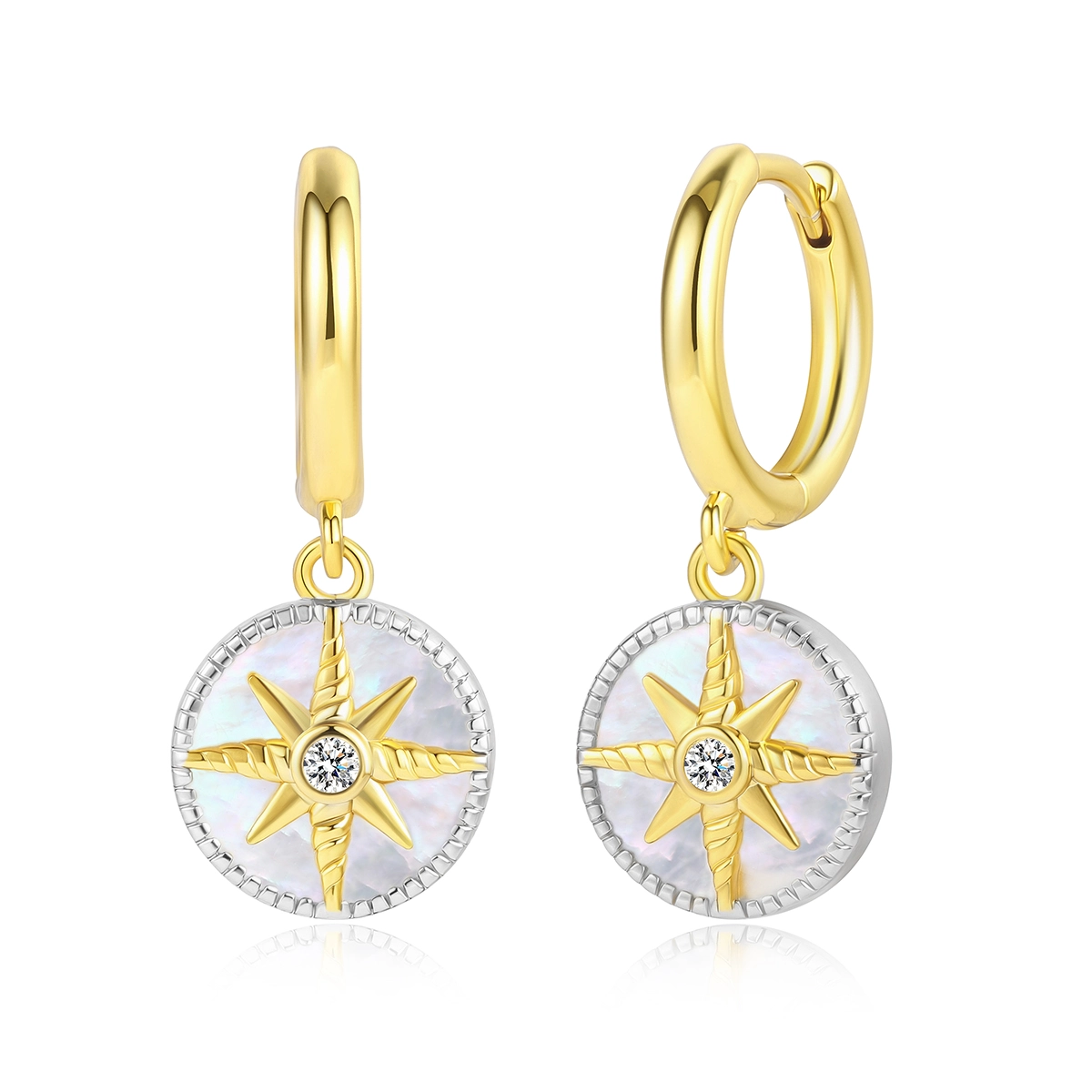
Brass Mother of Pearl Compass Huggie Drop Earrings | 14K 18K Gold Plated Hypoallergenic Jewelry
Read More
925 Silver Jewelry
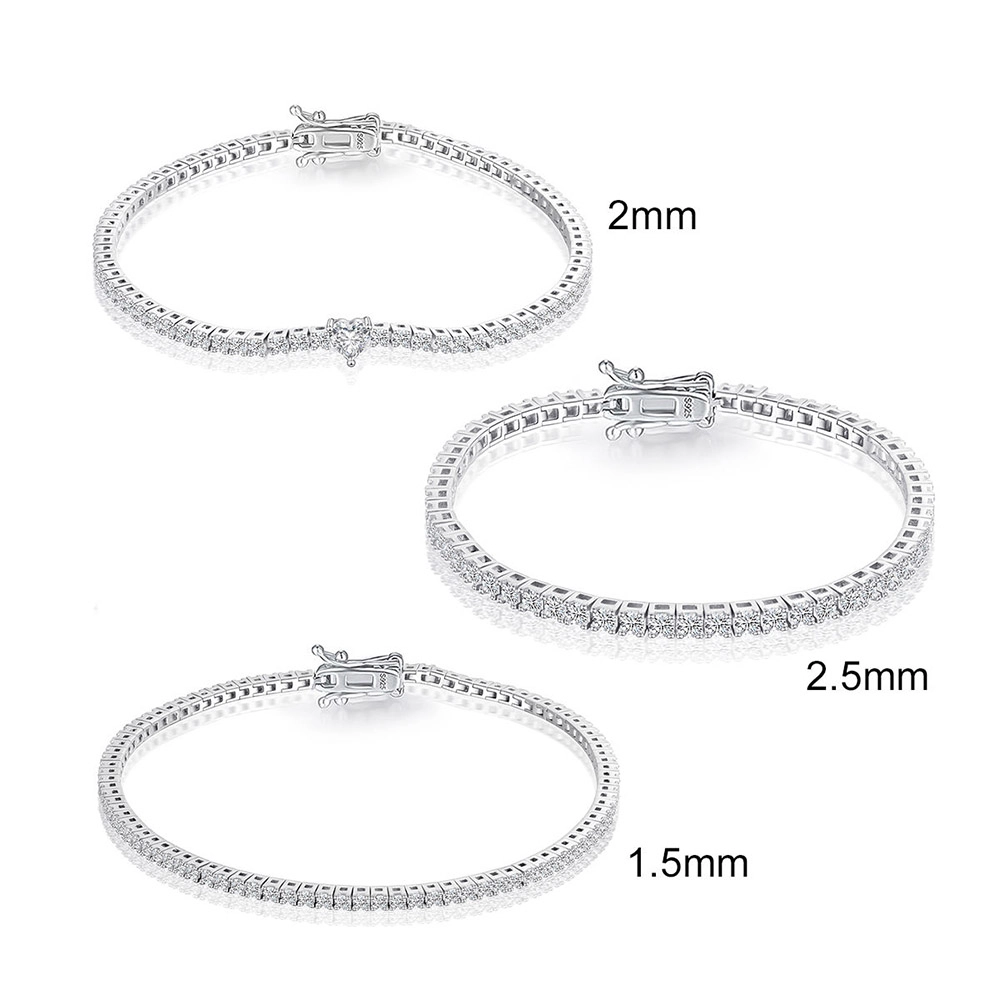
Customizable High-Quality Fashion 925 Sterling Silver AAA Cubic Zirconia Heart-Shaped Open Tennis Bracelet.
Read More
Brass Jewelry
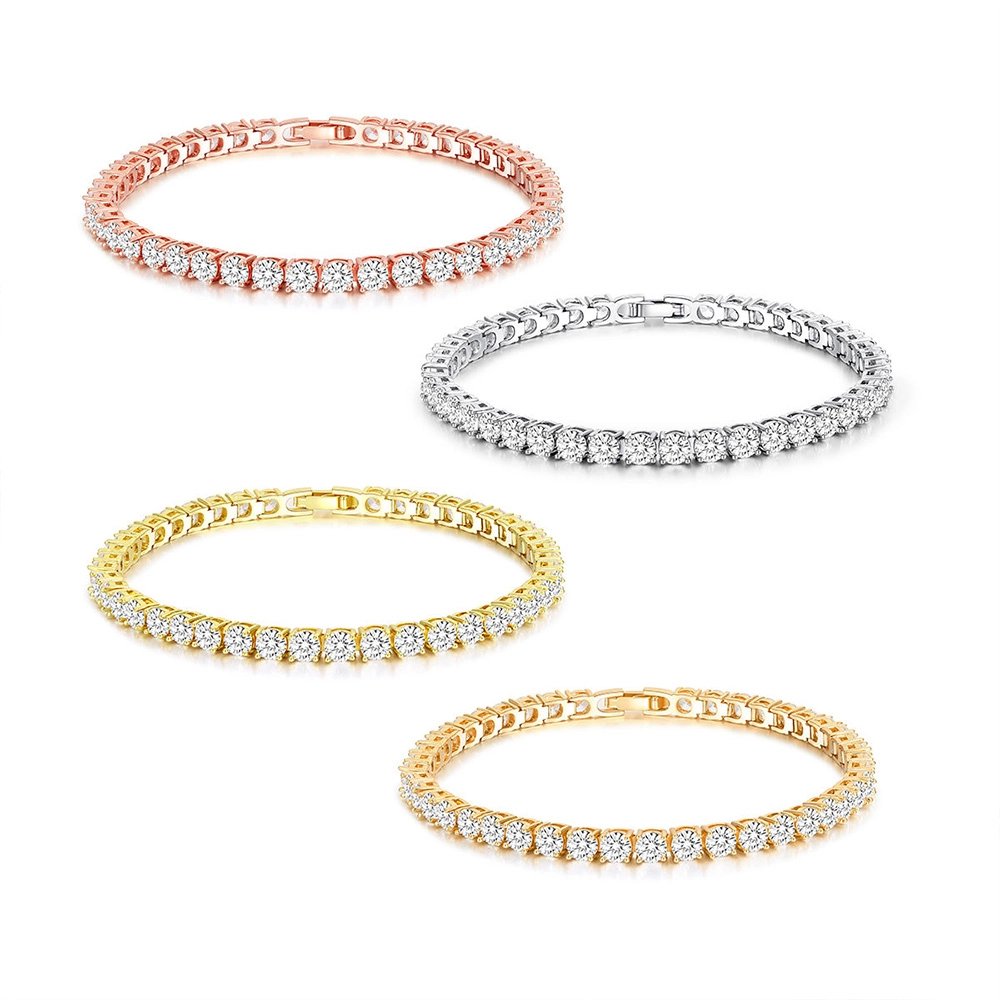
Customizable OEM ODM High-Quality Fashion Brass AAA Cubic Zirconia Classic Tennis Bracelet for Women Wholesale.
Read More
Get a Quote for Private Label Jewelry
We provide personalized jewelry customization services for clients worldwide.
Rest assured that your privacy is important to us, and all information provided will be handled with the utmost confidentiality.
By clicking 'Send Inquiry Now' I agree to ZHEFAN JEWELRY processing my personal data.
To see how to withdraw your consent, how to control your personal data and how we process it, please see our Privacy Policy and Terms of use.
From design to production, ZHEFAN JEWELRY offers a one-stop solution to help you enhance your brand value and market competitiveness.
Get A Quote
Contact
Tel: (+86) 188 1927 7817
© 2026 Zhefan Jewelry. All Rights Reserved.
Facebook
Instagram
YouTube
Whatsapp: +8618819277817