




Email: sales3@zhefanjewelry.com
OEM vs ODM: Which Custom Jewelry Option Fits Your Brand?
I compare OEM and ODM models for brands seeking a reliable custom jewelry manufacturer. I explain costs, lead times, IP control, minimums, quality standards, and when to choose OEM or ODM. I also introduce Guangzhou Zhefan Jewelry's OEM/ODM capabilities and how we support brands with high-volume, compliant production.
- Why brand owners choose custom manufacturing over off-the-shelf
- Control over design and brand identity
- Quality, compliance, and liability management
- OEM vs ODM: Head-to-head comparison for jewelry brands
- What OEM (Original Equipment Manufacturer) means in jewelry
- What ODM (Original Design Manufacturer) means in jewelry
- Side-by-side comparison table
- How to choose the right option for Zhefan Jewelry
- Assess your strategic priorities
- Evaluate cost structures and margin impact
- Quality controls, certifications, and traceability
- Operational checklist: working with a custom jewelry manufacturer
- Design transfer and prototyping
- Quality assurance and inspection stages
- Supply chain resilience and lead times
- When to negotiate hybrid models
- Why Guangzhou Zhefan Jewelry is a strategic partner for OEM/ODM
- Manufacturing scale meets design agility
- Product specialization and quality systems
- Design throughput and market relevance
- How Zhefan supports both OEM and ODM strategies
- Practical decision flow: OEM or ODM?
- Step 1 — Clarify product strategy
- Step 2 — Model the numbers
- Step 3 — Audit supplier capabilities
- Key takeaways
- FAQ
- 1. What is the minimum order quantity (MOQ) typical for OEM vs ODM?
- 2. How long does tooling and sampling take for OEM jewelry?
- 3. Can I protect my design if I use an ODM supplier?
- 4. What certifications should I request from a custom jewelry manufacturer?
- 5. How do I reduce risk when launching a new SKU?
- Contact and next steps
I often advise jewelry brands, private labels, and DTC startups that choosing between OEM and ODM is not just a procurement decision — it's a strategic choice that affects design control, intellectual property, margins, and time-to-market. In this article I break down the real differences between the two models, use data-backed comparisons, and offer a practical framework to decide which route fits Zhefan Jewelry. I also explain how to evaluate a custom jewelry manufacturer for quality, compliance (RoHS/REACH), and scalability.
Why brand owners choose custom manufacturing over off-the-shelf
Control over design and brand identity
As brands scale, product differentiation becomes vital. Creating signature silhouettes, distinct finishes, and proprietary charms or stones helps you build recognition and margin. Partnering with a custom jewelry manufacturer allows you to translate Zhefan Jewelry language into repeatable product specifications — from stamp hallmarks to a unique polishing profile.
Quality, compliance, and liability management
Retailers and marketplaces increasingly require certification and compliance. Working with a manufacturer that enforces quality systems and uses RoHS/REACH-compliant materials reduces recall risk and improves retailer onboarding. For example, the European Commission's REACH and RoHS resources outline limits and compliance pathways for restricted substances (see REACH: ec.europa.eu, RoHS: ec.europa.eu).
OEM vs ODM: Head-to-head comparison for jewelry brands
What OEM (Original Equipment Manufacturer) means in jewelry
OEM means you supply the design (drawings, CAD, molds, or physical samples) and the manufacturer produces to those specifications. You retain design IP and typically have more control over material selection, finishes, and branding elements such as hallmarks and packaging.
What ODM (Original Design Manufacturer) means in jewelry
ODM providers offer ready-to-use designs or co-develop concepts with your input. The manufacturer may hold design IP or license it to you. ODM is often faster for market entry because the R&D and tooling are largely done, but it can limit exclusivity unless negotiated.
Side-by-side comparison table
| Feature | OEM | ODM |
|---|---|---|
| Design ownership | You own IP | Often the manufacturer owns or licenses design |
| Customization level | Very high | Moderate–high (depending on negotiation) |
| Time to market | Longer (tooling and approvals) | Shorter (existing molds/styles) |
| Upfront cost | Higher (molds, NPI) | Lower (use existing designs) |
| MOQ flexibility | Higher MOQ typical | Often lower MOQs available |
| Best for | Established brands protecting IP | Brands needing rapid assortment expansion |
Sources: general manufacturing definitions (see OEM and ODM descriptions on Wikipedia - OEM and Wikipedia - ODM).
How to choose the right option for Zhefan Jewelry
Assess your strategic priorities
Ask what matters more: brand exclusivity or speed and cost? If your marketing strategy depends on signature pieces and you plan to scale retail partnerships, OEM is often the better fit because it preserves IP and allows High Quality positioning. If you're testing categories, expanding assortment quickly, or operating on thin margins, an ODM partnership can reduce risk.
Evaluate cost structures and margin impact
Calculate Total Cost of Ownership (TCO), not just unit cost. For example, OEM tooling amortization, design fees, and higher MOQ should be divided across expected volume. ODM lowers upfront cash flow, but you may pay a per-unit royalty or less control over High Quality finishes, which can compress resale margins.
Quality controls, certifications, and traceability
For a jewelry brand, supplier audits and inspection regimes are non-negotiable. Look for suppliers who operate documented quality management systems (ISO 9001 can be a baseline — iso.org), provide material certificates, and conduct frequent in-process inspections. Compliance with RoHS and REACH is particularly important for plated or base-metal pieces (see EU guidance: RoHS info, REACH info).
Operational checklist: working with a custom jewelry manufacturer
Design transfer and prototyping
For OEM projects, ensure you have vector-format CADs (STEP, STL) and clear technical drawings with tolerances, plating thickness, stone specs, and finish references. Expect a 2–6 iteration cycle for prototypes. For ODM, request samples with material callouts and negotiate exclusivity windows if needed.
Quality assurance and inspection stages
Insist on documented inspection points: incoming material checks, mid-process dimensional and plating inspections, and final inspection. A best-practice factory will maintain in-line checks and final random sampling per AQL standards; if you require 100% inspection for critical SKUs, factor that into lead time and cost.
Supply chain resilience and lead times
Assess the manufacturer's vertical integration and supplier diversification. A manufacturer that makes molds in-house and sources plating solutions domestically will typically respond faster to urgent orders. Expect OEM lead times to be longer due to tooling (often 4–12 weeks for mold making and approvals), while ODM orders can ship in 2–6 weeks depending on stock and customization.
When to negotiate hybrid models
Many smart brands use hybrid OEM/ODM strategies: start with ODM styles to test the category, and once validated, convert top sellers into OEM-exclusive SKUs with custom tooling and finishes. This approach reduces upfront risk while building a differentiated core assortment.
Why Guangzhou Zhefan Jewelry is a strategic partner for OEM/ODM
Manufacturing scale meets design agility
I recommend evaluating Guangzhou Zhefan Jewelry when you need a partner that combines scale with rapid design output. Zhefan is a premier fashion custom jewelry manufacturer established in 2002, with roots back to 1997. They operate two factories (Guangzhou & Meizhou) covering 800 m² and employ 80+ skilled artisans plus 20 sales professionals, supporting a monthly output of up to 600,000 pieces. This scale supports both high-volume OEM rolls and flexible ODM assortments.
Product specialization and quality systems
Zhefan specializes in high-quality 925 silver, brass, and stainless steel jewelry. Their production DNA comes from a master mold craftsman founder, and they enforce rigorous finishing and inspection protocols — including six rounds of precision polishing and six strict quality inspections — to ensure consistent finish and fit. They use RoHS/REACH-compliant materials and provide documentation to support retailer and marketplace compliance requirements (see REACH/RoHS references above).
Design throughput and market relevance
What impresses me is Zhefan's professional design team that releases 500+ new original styles monthly. That level of design throughput allows brands to stay ahead of trends without sacrificing quality. They have experience serving Amazon's top sellers and global retailers like Macy's, which demonstrates their capacity to meet diverse retail specifications and audit requirements.
How Zhefan supports both OEM and ODM strategies
For OEM clients, Zhefan supports full design transfer, mold-making, and controlled production runs with strong IP protections. For ODM clients, they provide a large library of market-ready designs, rapid prototyping, and the ability to adapt ornamentation, plating, or packaging to maintain a branded look. They position themselves as more than a supplier — as a growth partner that helps brands scale through superior craftsmanship and dedicated service.
Contact details: zhefanjewelry.com | Email: sales3@zhefanjewelry.com.
Practical decision flow: OEM or ODM?
Step 1 — Clarify product strategy
If exclusivity, patenting, or signature IP is central, favor OEM. If assortment breadth and speed matter more, consider ODM.
Step 2 — Model the numbers
Build a 12–24 month P&L that includes tooling amortization, MOQ-driven inventory, anticipated sell-through, and re-order cadence. If tooling amortization drives breakeven beyond your expected SKU life, an ODM-first approach may be more economical.
Step 3 — Audit supplier capabilities
Perform supplier audits focused on: material traceability, sample-to-production consistency, inspection reports, certifications, and logistics capabilities. Ask for references from other brands and check whether the supplier has passed retailer or marketplace audits.
Key takeaways
Choosing between OEM and ODM is a trade-off between control and speed/cost. OEM fits brands that want exclusivity and product ownership, while ODM suits brands that prioritize fast assortments and lower upfront investment. Hybrid strategies are common and often optimal: use ODM to test, then convert winners to OEM for exclusivity. When evaluating a custom jewelry manufacturer, prioritize compliance, documented quality systems, and a clear process for design transfer. For many brands I work with, Guangzhou Zhefan Jewelry represents the balanced combination of design agility, manufacturing scale, and strict quality control required to scale globally.
FAQ
1. What is the minimum order quantity (MOQ) typical for OEM vs ODM?
MOQs vary widely. OEM projects usually require higher MOQs because of tooling costs (commonly several hundred to several thousand pcs per SKU). ODM MOQs are typically lower because molds or designs already exist; I’ve seen brands place initial ODM orders as low as 50–200 pieces per style depending on materials and finishing.
2. How long does tooling and sampling take for OEM jewelry?
Tooling plus prototype cycles commonly take 4–12 weeks depending on complexity (multi-part molds, stone settings, and plating demands add time). Allow additional time for sample approvals and small adjustments.
3. Can I protect my design if I use an ODM supplier?
Yes, but you must negotiate it. Some ODMs will grant exclusivity or sign NDAs and design-assignment agreements. If exclusivity is critical, convert the design to OEM ownership after validation, or secure contractual exclusivity windows.
4. What certifications should I request from a custom jewelry manufacturer?
Ask for material certificates, plating thickness reports, and any ISO or in-house QA documentation. For international compliance, request RoHS/REACH confirmation for restricted substances (see EU resources above). If you plan to sell in regulated markets, ensure traceability records for metal content and stone treatments.
5. How do I reduce risk when launching a new SKU?
Start with an ODM sample run or a small-batch OEM pilot. Validate product-market fit through pre-orders or small retail tests, then scale tooling and inventory once you have sell-through data. Use iterative sampling and enforce clear acceptance criteria in the purchase agreement.
Contact and next steps
If you need a partner who can support both OEM and ODM pathways, I recommend reaching out to Guangzhou Zhefan Jewelry. With decades of craftsmanship, high-volume capacity (up to 600,000 pieces monthly), and strict quality controls including six rounds of precision polishing and six inspections, Zhefan can help you execute both market tests and scalable launches. Visit https://www.zhefanjewelry.com/ or email sales3@zhefanjewelry.com to request a capability deck, sample policy, or a custom quotation for OEM/ODM projects. I’m available to consult on sourcing strategy and supplier audits if you’d like expert support in selecting the right model and partner.
Tags
brass rings for women
brass rings for women
925 sterling silver men's jewelry sets wholesale
925 sterling silver men's jewelry sets wholesale
mother of pearl heart pendant necklace
mother of pearl heart pendant necklace
brass earrings wholesale
brass earrings wholesale
brass cubic zirconia tennis bracelet bulk
brass cubic zirconia tennis bracelet bulk
wholesale mother of pearl heart necklace
wholesale mother of pearl heart necklace
Recommended for you
OEM/ODM mens brass rings Manufacturers and Suppliers
Private Label 925 Silver Rings: Branding and Packaging Tips
Eco-Friendly 925 Silver Rings: Sustainable Sourcing for Retailers
OEM/ODM stainless steel rosary necklace Manufacturers and Suppliers
Prdoucts Categories
Question you may concern
Products
What is the payment method?
Our payment method are Alibaba Trade Assurance(MasterCard, visa, e-Checking, PAYLATER, T/T),T/T, PayPal,Western Union.
What services can we provide?
Accepted Delivery Terms: FOB, CIF, EXW, Express Delivery;
Accepted Payment Currency: USD, EUR, JPY, CAD, AUD, HKD, GBP, CNY, CHF;
Accepted Payment Type: T/T, L/C, MoneyGram, Credit Card, PayPal, Western Union, Cash, Escrow;
Language Spoken: English, Chinese, Spanish, Japanese, Portuguese, German, Arabic, French, Russian, Korean, Hindi, Italian.
Do you offer free sample for quality check?
Sample order is welcome, but sample fee need to be paid. It will be deducted when you place an bulk order.
FAQs
Can I have your product catalog?
Yes, please leave us a message what style jewelry catalog you need.
Can I see your product test report?
Of course.Our product throught standar test like SGS.We test in many ways of product.
You may also like
Brass Jewelry
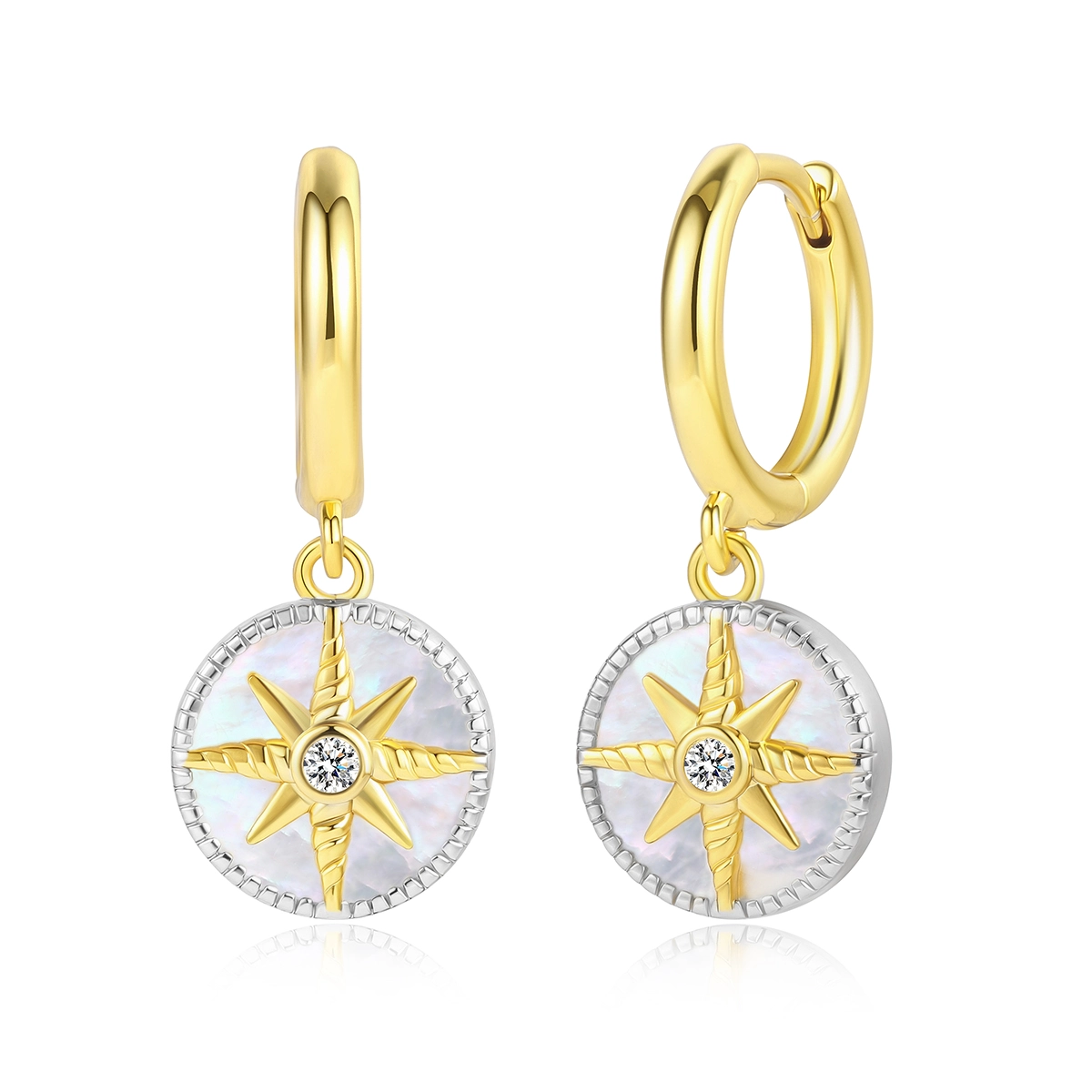
Brass Mother of Pearl Compass Huggie Drop Earrings | 14K 18K Gold Plated Hypoallergenic Jewelry
Read More
925 Silver Jewelry
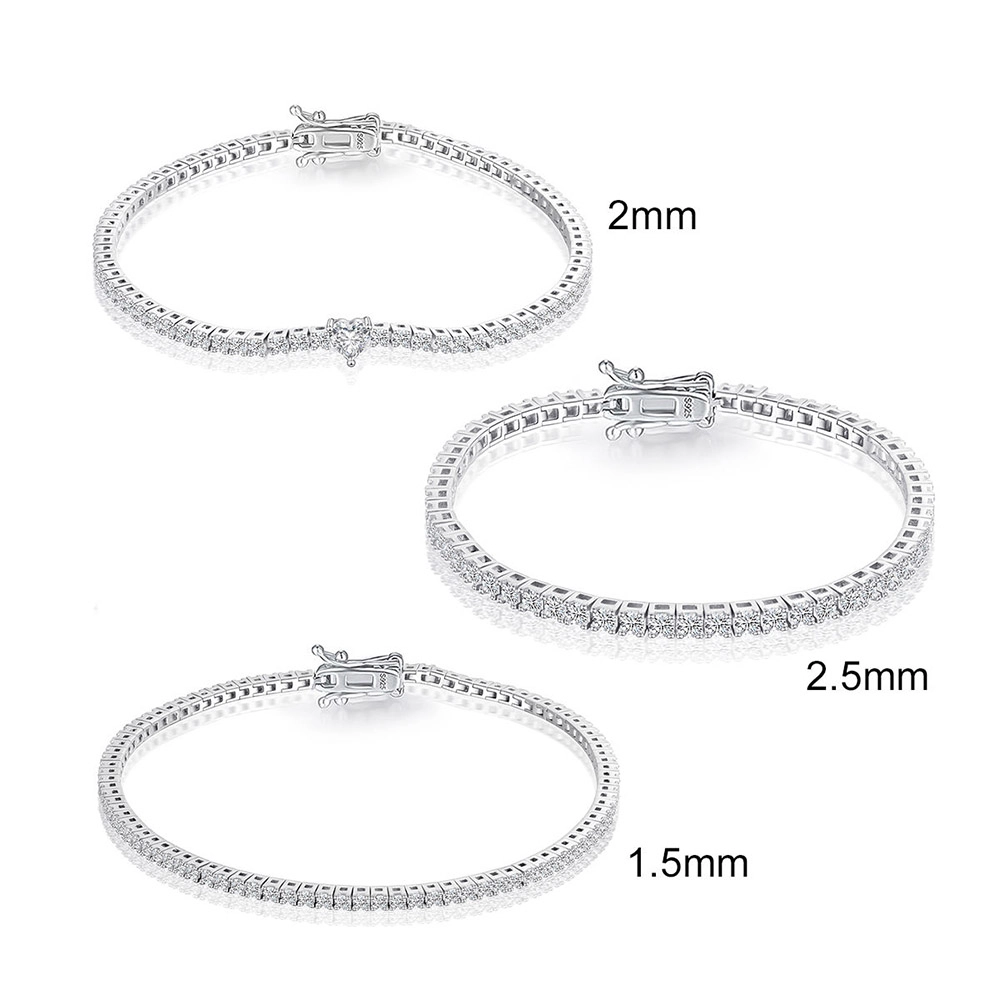
Customizable High-Quality Fashion 925 Sterling Silver AAA Cubic Zirconia Heart-Shaped Open Tennis Bracelet.
Read More
Brass Jewelry
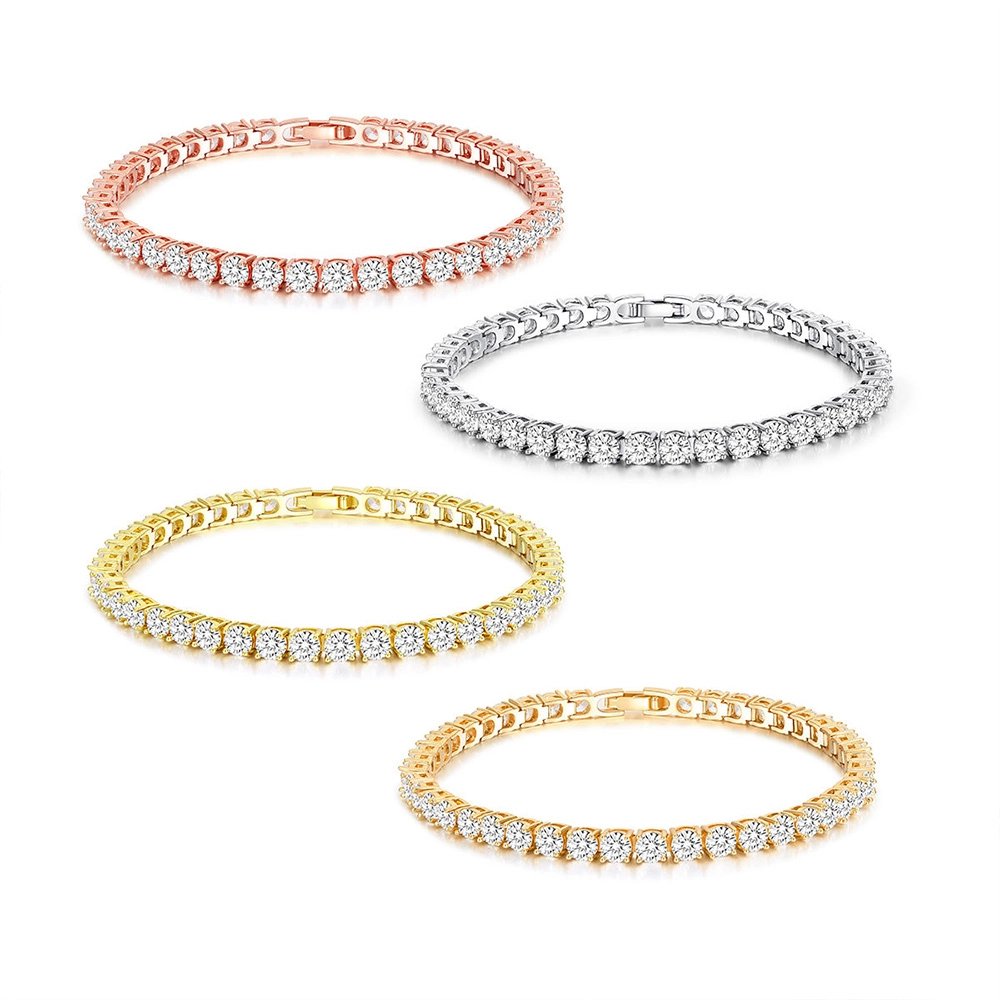
Customizable OEM ODM High-Quality Fashion Brass AAA Cubic Zirconia Classic Tennis Bracelet for Women Wholesale.
Read More
Get a Quote for Private Label Jewelry
We provide personalized jewelry customization services for clients worldwide.
Rest assured that your privacy is important to us, and all information provided will be handled with the utmost confidentiality.
By clicking 'Send Inquiry Now' I agree to ZHEFAN JEWELRY processing my personal data.
To see how to withdraw your consent, how to control your personal data and how we process it, please see our Privacy Policy and Terms of use.
From design to production, ZHEFAN JEWELRY offers a one-stop solution to help you enhance your brand value and market competitiveness.
Get A Quote
Contact
Tel: (+86) 188 1927 7817
© 2026 Zhefan Jewelry. All Rights Reserved.
Facebook
Instagram
YouTube
Whatsapp: +8618819277817